
Reviewed · FUSHIMI INARI SHRINE WALKS
Inside of Fushimi Inari – exploring and lunch with locals
Fushimi Inari is iconic, but this route feels personal. This small-group Kyoto walk pairs Fushimi Inari-taisha shrine highlights with an alternate forest path, so you get the famous torii views without spending the whole morning stuck in crowds. You also get a real break for food and tea, which helps you keep energy for the steeper parts.
I especially like two things here. First, the guide-led pacing and insider explanations make the thousands of red gates feel meaningful, not just photogenic. Second, the included soba noodle lunch (plus a Japanese tea and boiled egg break) turns the half-day hike into something you can actually enjoy, not just survive.
The main consideration is the walking. Even on a half-day outing, you’ll climb portions that can feel tough if you are not used to stairs, and reviewers noted it is more challenging than expected. If you have knee issues or hate steep steps, this may not be your best fit.
In This Review
- Key things to know before you go
- Fushimi Inari with less crowd pressure, more meaning
- Meeting at Great ToriiJapan, and how the tour stays easy to follow
- Main shrine time: thousands of red gates with context
- Bamboo and cedar paths, with local stops that feel less staged
- The summit shrine climb to 233 meters, and what to expect
- Lunch and breaks: soba, tea, and boiled egg that actually fuel you
- How challenging is it, really, and who will enjoy it most
- Price and value: what you’re paying for at $72.26
- Weather, timing, and practical tips for a better hike day
- Should you book Inside of Fushimi Inari?
- FAQ
- How long is the Inside of Fushimi Inari tour?
- Where is the meeting point?
- How many people are in the group?
- What does the lunch include?
- Is there any tea or snacks included?
- Can the tour accommodate vegetarian or dietary restrictions?
- Is admission included?
- What fitness level is recommended?
- What happens if the weather is bad?
- Can I cancel for a refund?
Key things to know before you go
- Small group size: capped at a maximum of 6 participants for a quieter, more flexible experience.
- Off-the-beaten-track feel: you’ll take a less crowded path through bamboo and cedar trees rather than marching through the busiest lanes.
- Summit option: a climb to the summit shrine at 233 meters takes about 20 minutes, with time at the top for the views.
- Local stops beyond torii: you may visit spots tied to worship, including a waterfall, worship stones, and a gate factory.
- Food is part of the plan: soba lunch plus tea and boiled egg help you keep momentum during the hike.
Fushimi Inari with less crowd pressure, more meaning
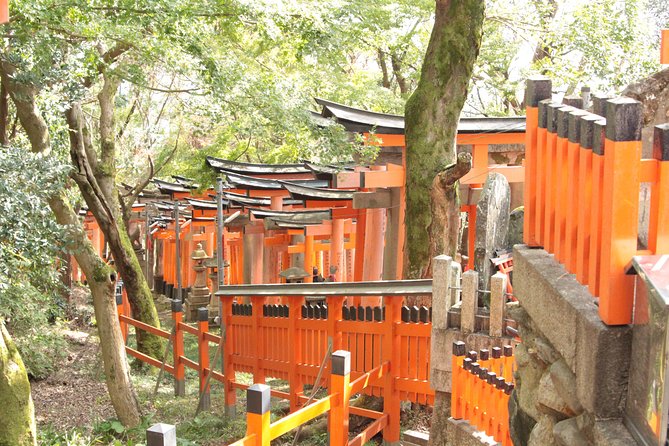
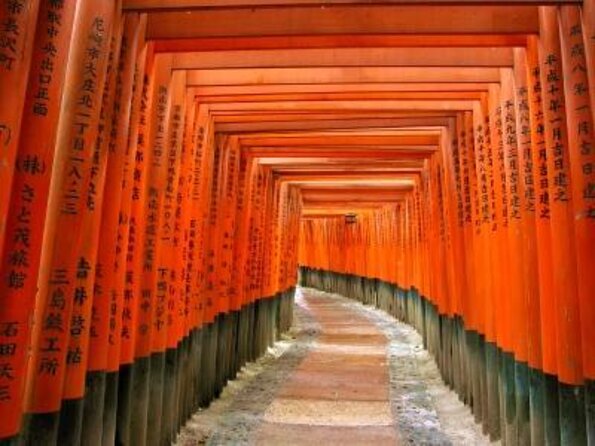
Kyoto’s Fushimi Inari-taisha is famous for a reason. The sight of thousands of red torii gates marching up the hillside is the kind of scene that makes you stop in your tracks, then immediately start hunting for the best angle.
What changes on this tour is the flow. You start with the main shrine experience, then move along quieter routes that give you breathing room. In plain terms, you spend less time pushing through tourist traffic and more time seeing how the mountain is used by worshippers and pilgrims.
I also like that the guide frames what you’re seeing. You get explanations about why the shrine matters and how the torii-gate tradition connects to its cultural background, so you can look at the gates with context instead of treating it like a red photo wall.
Meeting at Great ToriiJapan, and how the tour stays easy to follow
You meet at Great ToriiJapan in Fushimi Ward, at 深草薮之内町68番地 (612-0881 Kyoto). The tour ends back at the meeting point, so you do not have to plan your own return route.
A few practical perks matter here. You get a mobile ticket, and the meeting spot is described as near public transportation. That combo makes it simpler if you’re using buses or trains already in your Kyoto day plan.
One small operational note that can save you stress: the provider’s response to a past issue said the guide waits early and can identify themselves with a distinctive red cap. Translation for you, arrive a few minutes early, and if you’re delayed, try to message quickly rather than guessing that the tour will wait indefinitely.
Still climbing through the orange gates?
- Kyoto: Fushimi Inari, Kinkakuji, Bamboo Grove 1 Day Bus Tour
★ 4.8 · 4,316 reviews - Fushimi Inari Hidden Hiking Tour (Private Option Available)
★ 5.0 · 1,750 reviews - Osaka/Kyoto:Kinkakuji,Arashiyama,FushimiInariShrine,NaraPark
★ 4.1 · 1,596 reviews - Kyoto/Osaka: Nara, Fushimi Inari Taisha, Arashiyama Bus Tour
★ 4.7 · 1,275 reviews
Main shrine time: thousands of red gates with context
Your first big anchor is Fushimi Inari-taisha itself. You’ll do sightseeing of the main shrine and the famous stretch of thousands of red torii gates, with history and cultural background explained as you go.
This part matters because it sets the tone. Many people arrive, take a few photos, then walk uphill without knowing what the gates represent or why the mountain is treated like a sacred destination rather than a quick viewpoint.
You’ll also get the chance to take in the setting in a grounded way. Early on, the shrine area helps you understand the layout and why certain paths feel more important than others as you work your way up.
Bamboo and cedar paths, with local stops that feel less staged
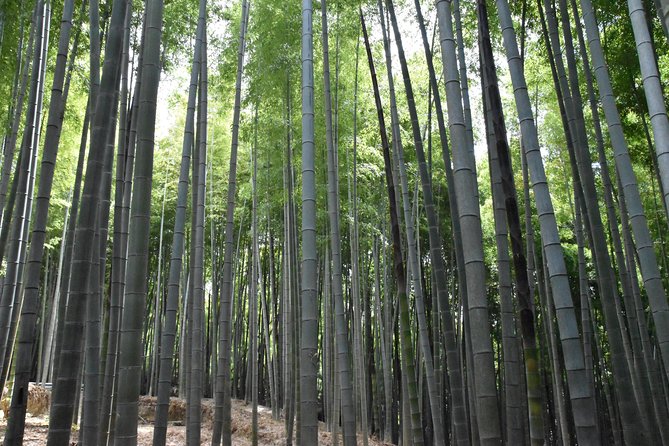
After the shrine highlights, you’ll shift into a calmer hiking rhythm. The route includes an easy walking section through peaceful bamboo and cedar tree forest paths, which is a big part of why this tour feels different from a basic sightseeing loop.
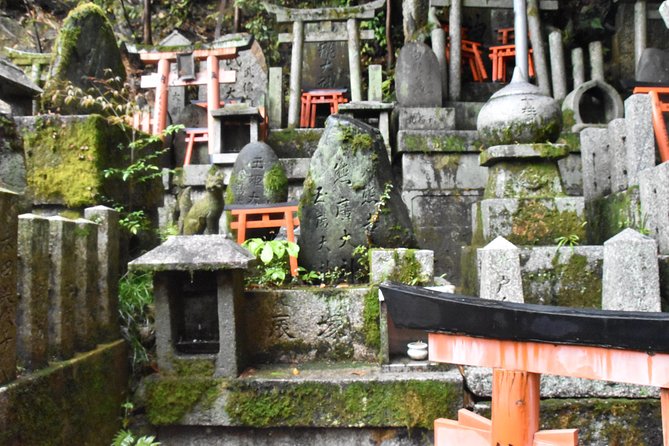
This is also where the local details show up. You may stop at authentic sacred spots such as worship stones and a waterfall. You may also pass by or visit a gate factory, which gives you a behind-the-scenes glimpse into how the iconic torii world keeps functioning.
These stops are not just scenic breaks. They help answer the question you might be asking as you walk among so many gates: how does the tradition continue, day after day?
The walk through trees also improves your photo chances. Even when Fushimi Inari is busy, forest paths tend to thin out naturally. You can slow down, look up, and actually photograph without constantly dodging shoulders.
The summit shrine climb to 233 meters, and what to expect
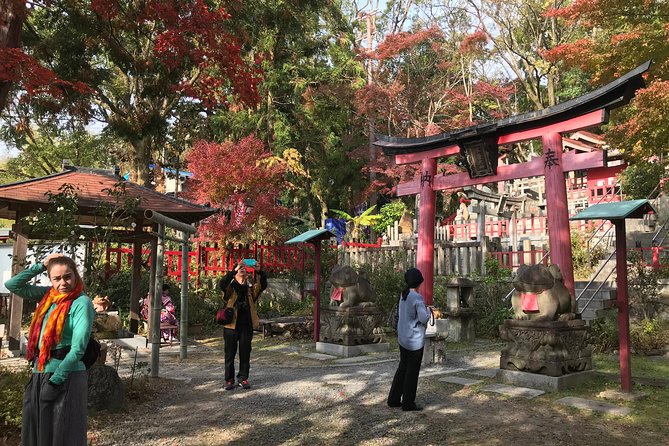
The route includes a forest climb to the summit shrine at 233 meters. The ascent is listed at about 20 minutes, and then you’ll have time around the summit shrine.
This is the part that requires your best mindset. One guide-led review note was that the stairs can feel steep, and the hike may be more challenging than you assumed after only reading about a half-day tour. So think of the summit as an effort section, not a gentle stroll.
Why do it anyway? Because the summit area changes the perspective. You get a higher vantage and a different sense of the mountain’s scale, plus a quiet moment for prayer if that’s your thing. Even if you’re not planning to pray, the summit is where the whole torii hillside starts to look like a real system, not just a line of red gates.
If you want the summit experience but you are worried about stamina, talk to your guide about your limits early. One of the strengths noted in feedback is that guides adjust pace to fit the group.
Lunch and breaks: soba, tea, and boiled egg that actually fuel you
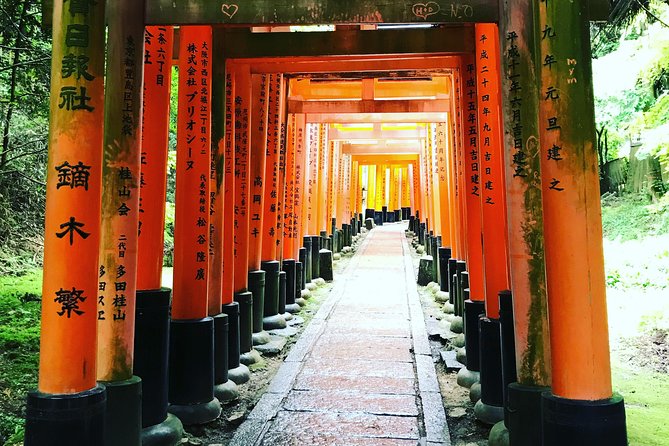
Food is not an afterthought here. The tour includes a soba noodle lunch, and it also includes a Japanese tea and boiled egg break.
From a value standpoint, this matters because hiking days in Kyoto can turn expensive fast if you keep stopping for meals. Here, the plan already includes what you need to keep going, and it breaks up the hiking effort so you’re not stuck hungry during the steeper stretches.
Diet notes are also built in. Vegetarian, Halal friendly, and gluten free food are available. You should still confirm what options work best for your needs when booking, but it’s good to know the tour is not treating dietary requirements as a special request.
What I like most is the type of meal. Soba is filling without being heavy, and tea feels like the right reset between walking segments. Boiled egg and snacks are the kind of practical stop that helps on a hike where you might be stopping for stairs more than for flat ground.
Lunch, wedged between temple visits


How challenging is it, really, and who will enjoy it most
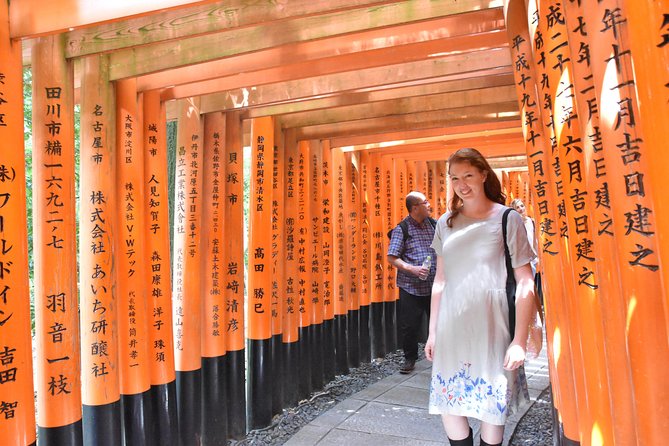
This outing is listed as requiring moderate physical fitness. In real terms, the biggest challenge is not distance, it’s the vertical movement and stairs. You’ll hike uphill through forest routes, then climb toward the summit. Reviews also flagged steep stairs as a factor.
So who is this best for?
- You enjoy walking and are fine with stairs for a short climb.
- You like guided context and prefer a slower pace over a speed-run of photo stops.
- You want a Kyoto experience that feels connected to local practice, not just a checklist of landmarks.
Who should think twice?
- If you have mobility limitations, knee pain, or you want a mostly flat walking plan, this may feel too strenuous.
- If you expect a fully gentle stroll, the climb to the summit might surprise you.
Price and value: what you’re paying for at $72.26
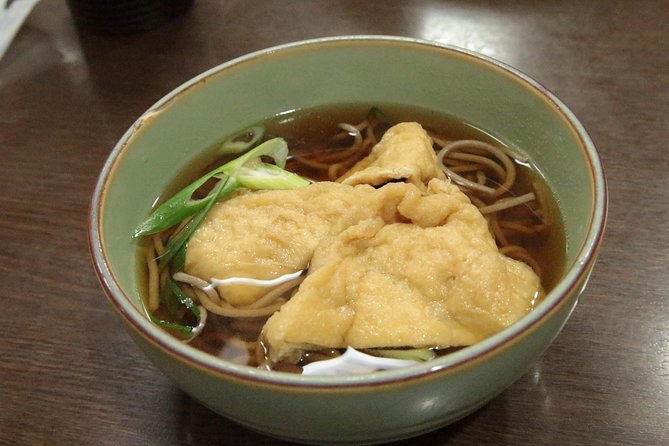
At $72.26 per person, this tour sits in the mid-range for a guided Kyoto activity that includes more than just entrance fees. The price includes the experience itself, an admission ticket, the soba lunch, and the tea and boiled egg break, plus snacks.
That’s the real value angle: you’re paying for a guided route that helps you see more than the standard torii loop, while also getting meal breaks built into the timing. In a place like Kyoto, that is often the difference between a day that feels smooth and one that feels like logistics.
It also helps that the group is kept small, with a maximum of 6 participants. Smaller groups usually mean your guide can manage pacing and stops more comfortably, especially on uneven terrain and stair sections.
Weather, timing, and practical tips for a better hike day
The tour is described as requiring good weather. That makes sense because you’ll be walking forest paths and stairs, and wet surfaces are no fun when you are focused on balance and footing.
Here are practical moves you can make before the tour day:
- Wear shoes with solid traction for stairs.
- Plan on water. Even though tea is included, you’ll still want to stay comfortable during the climb.
- If you care about photos, bring a camera or phone strap you can keep secure while you’re moving between torii gates and forest paths.
One more tip: Kyoto’s most famous shrine areas can get crowded. The strategy here is not to avoid Fushimi Inari entirely, it’s to experience it with less crowd pressure by taking an alternate route and pausing at points where the mountain feels calmer.
Should you book Inside of Fushimi Inari?
Book this tour if you want a Fushimi Inari experience with guided meaning, forest hiking, and included food, all wrapped into a half-day format. It’s a strong choice for first-timers who want the headline torii sights but also want the quiet parts, like bamboo and cedar trails and the summit views.
Skip it or reconsider if stairs are a deal-breaker for you, or if you’re looking for an ultra-easy walk with minimal climbing. Also, if you tend to arrive late to meetings, build in extra buffer, because the guide is expected to start promptly.
If your ideal Kyoto day includes shrine atmosphere, gentle-to-moderate hiking effort, and a real lunch break, this is the kind of tour that fits.
FAQ
How long is the Inside of Fushimi Inari tour?
The tour lasts about 4 hours.
Where is the meeting point?
The tour meets at Great ToriiJapan, 612-0881 Kyoto, Fushimi Ward, 深草薮之内町68番地.
How many people are in the group?
The maximum group size is listed as 6 travelers.
What does the lunch include?
The lunch includes soba noodle.
Is there any tea or snacks included?
Yes. There is a Japanese tea and boiled egg break included, and snacks are also included.
Can the tour accommodate vegetarian or dietary restrictions?
Vegetarian and gluten free food are available, and it is described as Halal friendly.
Is admission included?
Yes. Admission ticket is included.
What fitness level is recommended?
It is recommended for travelers with moderate physical fitness level. The route includes walking and climbing.
What happens if the weather is bad?
The experience requires good weather. If it is canceled due to poor weather, you will be offered a different date or a full refund.
Can I cancel for a refund?
Yes, you can cancel for a full refund up to 24 hours in advance. Free cancellation is available up to that window.
New This Season
- Koyasan Day Trip by Private Car from Kyoto
- Old Port Town and Ultimate Sake Tasting Private Tour From Kyoto
- Kyoto’s Timeless Charm: 3hr Exploration of History and Peace
- Kyoto: 5 Types of Sushi Making
- Sacred Peak & Ancient Paths: Kurama-Kibune Hiking Experience
- Kyoto: Exclusive ZEN practice at Manpukuji temple in Uji
- Kyoto: Private Seasonal Aroma Yoga Class
- Traversing Kyoto’s Scenic West – Arashiyama to Kinkakuji
Fushimi Inari Shrine Walks, compared.

Fushimi Inari, Kinkakuji, Bamboo Grove 1 Day Bus Tour
Read our review →
Fushimi Inari Hidden Hiking Tour (Private Option Available)
Read our review →
Kinkakuji,Arashiyama,FushimiInariShrine,NaraPark
Read our review →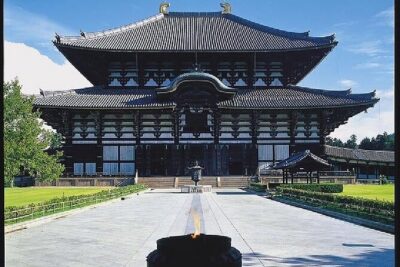
Nara, Fushimi Inari Taisha, Arashiyama Bus Tour
Read our review →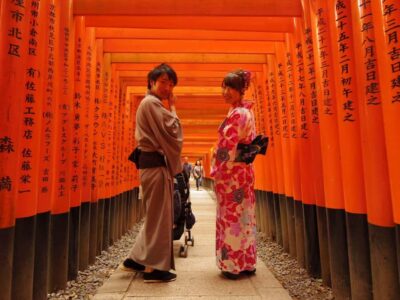
Arashiyama, Nara & Fushimi Inari Shrine w/Lunch
Read our review →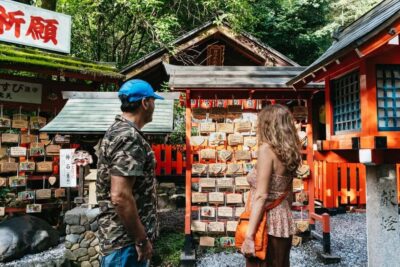
Nijo Castle, Kiyomizu & Fushimi Inari Guided Tour
Read our review →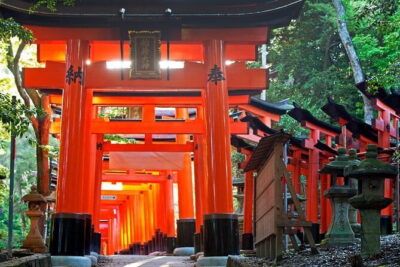
Nijo, Kinkaku-ji, Arashiyama, Kiyomizu & Fushimi Inari
Read our review →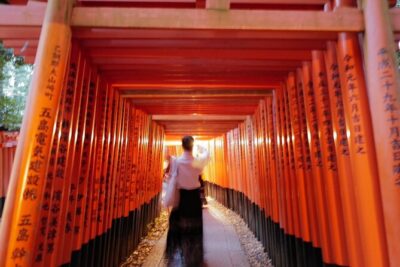
Also filed under