
Reviewed · 1-DAY TOURS
Kansai 10-hour chartered day trip|Kyoto
A private Kyoto day plan, no guesswork. I like how this charter gets you to the big sights fast, without shared-ride stress, and I love the sheer impact of Fushimi Inari’s thousand torii gates. I also really appreciate the chance to pair that with truly pretty temple scenery like Rurikoin Temple, plus the charming shop streets that slow you down in a good way.
One thing to watch: the day runs on a strict time bill. If you go long, you can get hit with overtime charges, and late-night charters cost extra too, so it helps to plan your pacing ahead of time.
In This Review
- Key things to know before you pick this Kyoto charter
- Private Kyoto transport that actually feels private
- Price and value: what $516 for up to four really buys
- Route choice that shapes your whole day
- Route 1: Fushimi Inari, Kogawa, Kinkakuji, then Sannenzaka and Ninenzaka
- Route 2: Kiyomizudera, Yasaka Shrine, Shijo Kawaramachi, then Rurikoin
- Fushimi Inari Taisha and those thousand torii gates
- Kogawa stop: a pause that helps the day breathe
- Kinkakuji Temple: the classic reset button
- Sannenzaka and Ninenzaka: shopping streets that slow you down
- Kiyomizudera and Yasaka Shrine: big Kyoto spirituality and easier navigation
- Shijo Kawaramachi: where temples meet real city life
- Rurikoin Temple: the scenic payoff for Route 2
- Comfort and communication: drivers, multilingual help, and real flexibility
- Timing, overtime, mileage limits, and traffic reality
- What’s included, what’s not, and the budget checklist you should do
- Holidays and timing: why your exact date changes the feel
- Who this charter is best for
- Should you book this Kyoto chartered day trip?
- FAQ
- How much does the Kyoto charter cost?
- What is included in the price?
- Are attraction tickets or restaurant reservations included?
- Can I customize the itinerary and departure time?
- What happens if we go over the scheduled time?
- Is late-night service available, and is it more expensive?
Key things to know before you pick this Kyoto charter
- Private transport for your group means no waiting on other parties and no awkward route swaps mid-day
- Two smart Kyoto route options so you can choose either shrine-and-temples classics or a more scenic temple-focused day
- Multilingual driver support (Japanese, Chinese, Cantonese, and English) helps you get practical context on the fly
- Fushimi Inari plus Kinkakuji or Kiyomizudera plus Rurikoin gives you variety in one 10-hour window
- Built-in time and cost guardrails like mileage limits, high-speed tolls inclusion, and overtime billing rules
- No ticket or restaurant booking service included, so you should expect to handle reservations or entries yourself
Private Kyoto transport that actually feels private
A full-day Kyoto plan can go sideways fast if you rely on trains plus walking plus crowd timing. This charter is designed to avoid that. You choose your departure time within availability, then adjust the route based on what you care about most during the day.
You also get the comfort of a vehicle that fits your group. The experience offers convenient options for 6 or 9 passengers, and your pricing is listed per group up to 4, so you’ll want to match the vehicle to your headcount during booking. Either way, the goal is the same: you spend your energy on Kyoto, not logistics.
Another plus is language support. The driver can work in Japanese, Chinese, Cantonese, and English, which matters more than people think when you’re trying to ask quick questions like where to park, what order makes sense, or how to time short walks.
Price and value: what $516 for up to four really buys
The price you’re given is $516 per group up to 4 for 10 hours. On paper, that can sound like a lot, but the value math changes fast in Kyoto, where peak crowds and transfers cost you time and sanity.
Here’s what helps justify it:
- Parking fees, fuel costs, and high-speed toll charges are included, so the price covers more of the day than a bare transport quote
- You’re paying for private routing, not a seat on a bus where stops are fixed and timing is out of your control
- You get flexibility to switch between two recommended route styles or customize further
The tradeoff is that you still need to budget for attraction tickets and any personal spending. The good news is that entry fees in Kyoto vary by site, so you can keep costs predictable by choosing which attractions you actually want to go into during your 10-hour window.
A quieter way to spend a day in Kyoto
- PERFECT KYOTO 1-Day Bus Tour
★ 5.0 · 13,518 reviews - Kyoto: Fushimi Inari, Kinkakuji, Bamboo Grove 1 Day Bus Tour
★ 4.8 · 4,316 reviews - 10 Must-see Spots in Kyoto One Day Private Tour (up to 7 people)
★ 5.0 · 1,108 reviews - Kyoto 1 Day Tour from Kyoto
★ 4.0 · 582 reviews
Route choice that shapes your whole day
You basically get two recommended ways to structure the day. Both work as a real-world plan, meaning you’ll see major landmarks without cramming too many far-apart areas.
Route 1: Fushimi Inari, Kogawa, Kinkakuji, then Sannenzaka and Ninenzaka
This route is built for that classic Kyoto sequence. You start with one of Japan’s most recognizable sights, then shift to a more serene temple stop, then end with old-street atmosphere and shopping.
If you want a day that starts with wow-factor and ends with strolling lanes, Route 1 fits well.
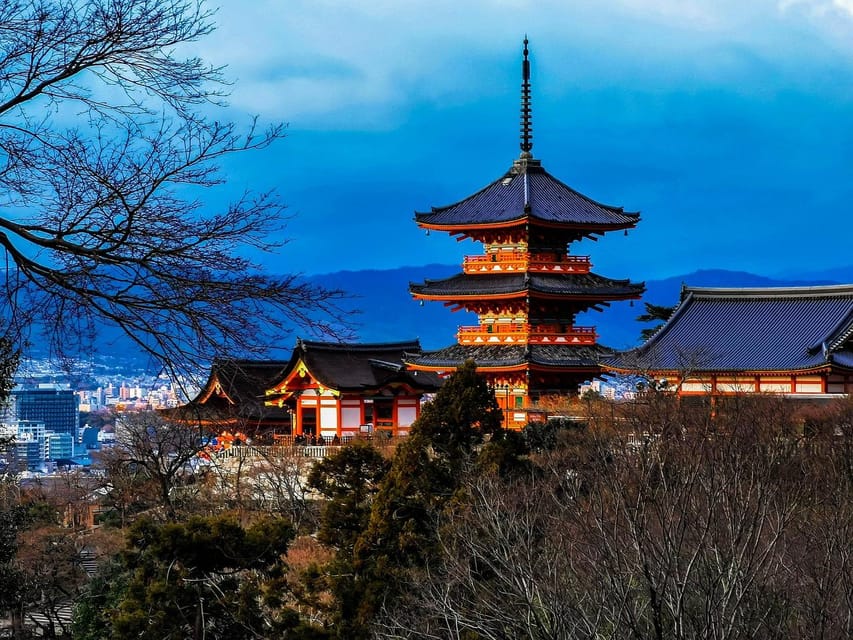
Route 2: Kiyomizudera, Yasaka Shrine, Shijo Kawaramachi, then Rurikoin
Route 2 leans into a more “Kyoto feel” mix. You get big landmark temples and shrine energy, then you move into the Shijo Kawaramachi area vibe, and you finish with the kind of scenery that makes people stop and stare.
If your group loves photogenic temple moments, Route 2 is the one I’d choose.
Fushimi Inari Taisha and those thousand torii gates
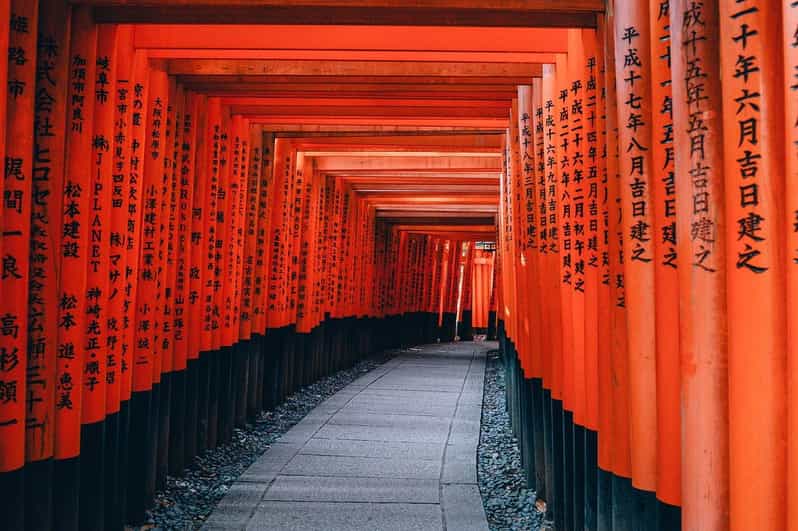
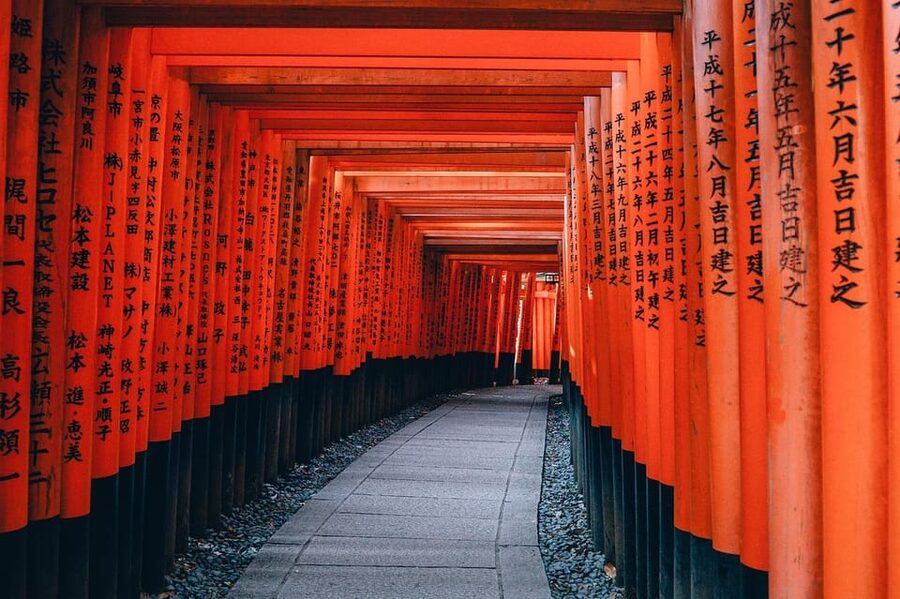
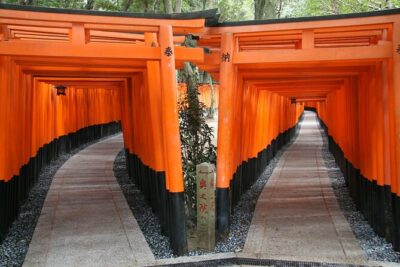
If your day includes Fushimi Inari Taisha, you’re in for Kyoto’s most immediately emotional sight. The thousand torii gates create a corridor of repeating color and shadows, and even if you’ve seen photos, seeing it in person has a different effect.
This is also a great place to use your driver’s timing instincts. The itinerary is only 10 hours, so you’ll want to use the arrival and walk duration to your advantage. If your group is sensitive to crowds or you’re traveling with older folks, plan for shorter walking segments rather than trying to reach every edge of the complex.
Practical tip: wear shoes that handle uneven paths and stairs. The torii route involves plenty of walking, and no one enjoys Kyoto when their feet are angry.
A day of temples goes further with something to break it up.
Kogawa stop: a pause that helps the day breathe
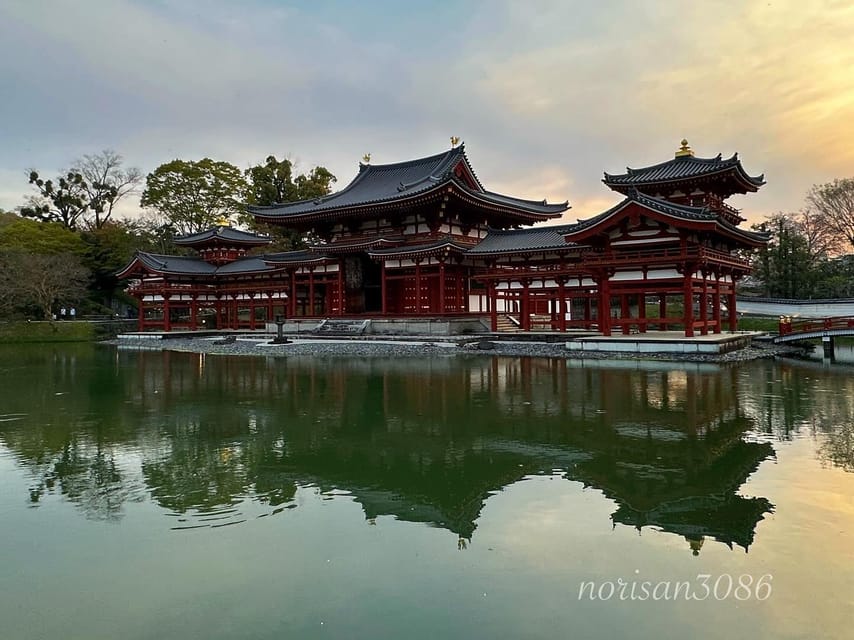
Kogawa is listed as a stop on Route 1, and that’s meaningful. It signals that this charter is thinking about flow. You’re not just jumping from one landmark to the next, you’re getting a breathing moment before the day shifts again.
Because details about exactly what Kogawa includes are not specified, treat it as a flexible segment. You might use it for a quick view, a short photo break, or simply a moment to regroup before the longer temple walk later.
Kinkakuji Temple: the classic reset button
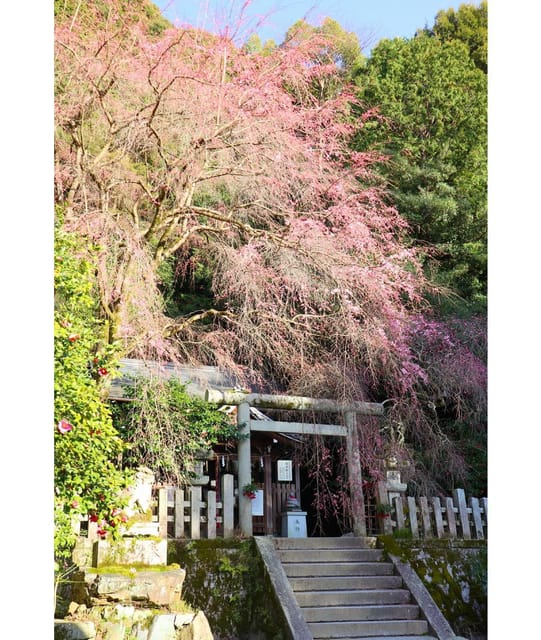
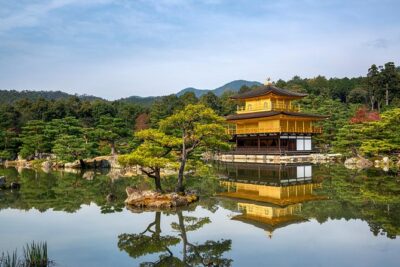
After Fushimi Inari, Kinkakuji works like a reset. It gives you a different mood, more focused and scenic, and it typically feels easier on the eyes than the dense gate corridors.
This is where you’ll benefit from private timing. If you show up and it’s packed, you can adjust without losing the whole day. You can take what you need, step back, and keep moving on schedule.
One honest consideration: if your group expects the kind of slow, leisurely temple experience where you linger for a full hour, 10 hours might feel short. Still, with smart pacing, you can get the memorable parts without turning Kyoto into a sprint.
Sannenzaka and Ninenzaka: shopping streets that slow you down
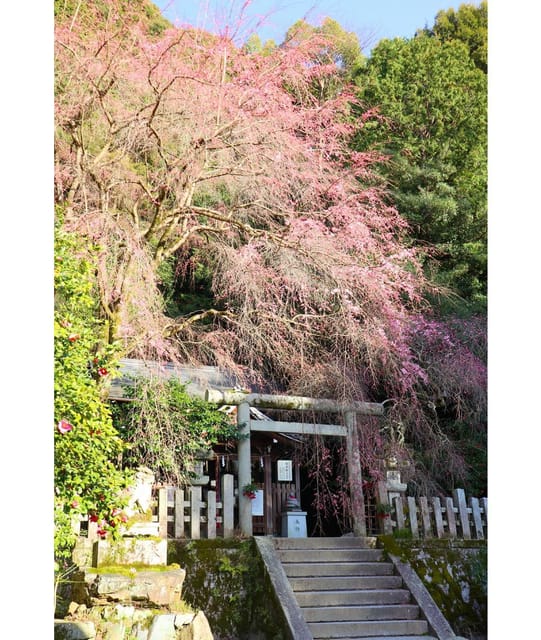
Ninenzaka and Sannenzaka are famous for a reason. You’ll find lanes lined with shops, and the experience is less about ticking items off and more about enjoying the atmosphere.
This is a great ending choice because it turns the day into something you can control. You can browse for snacks, small souvenirs, and gifts without feeling like you’re burning time. It’s also easier to customize here. If your group wants more walking, you can do that. If someone is tired, you can shorten the stroll and still be satisfied.
Practical tip: bring a little cash or card that works smoothly. Shopping lanes are where small purchases happen naturally, and you don’t want to lose momentum because of payment friction.
Kiyomizudera and Yasaka Shrine: big Kyoto spirituality and easier navigation
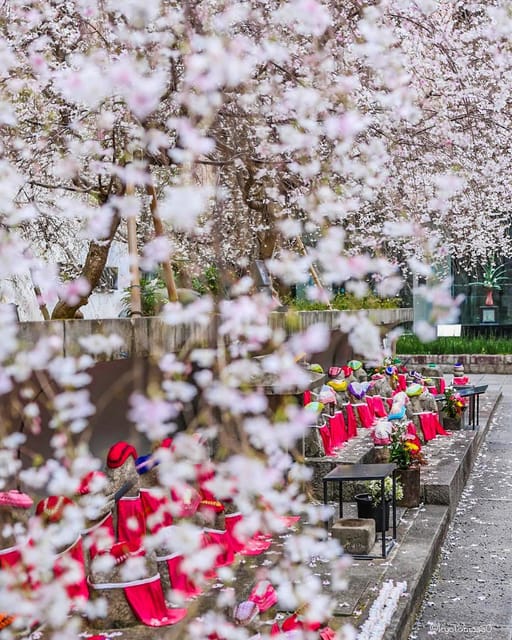
Route 2 starts with Kiyomizudera and then moves to Yasaka Shrine. These are landmark experiences, and they tend to draw crowds, which can make free-form touring stressful.
That’s why a private driver helps. You can plan a sensible order, get to the correct approach quickly, and then step out to walk and take in what you came for. If you want a more relaxed day, you can decide how long to stay at each stop rather than getting trapped by a fixed group schedule.
Tip for planning: keep your expectations flexible. Even with private transport, crowds can affect how long you can comfortably spend in one spot.
Shijo Kawaramachi: where temples meet real city life
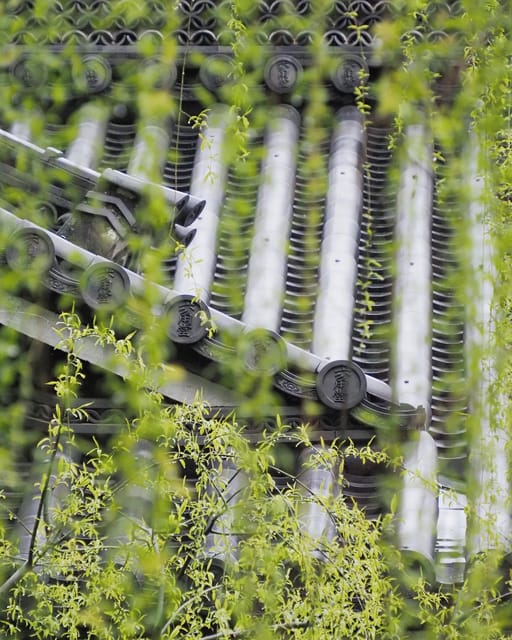
After temples, Shijo Kawaramachi shifts the tone. It’s a shopping and street-life area, which makes it a good mid or late-day stop because you can recharge and reset.
This is also where you can use your driver to think practically. If you need a restroom break, a snack, or a quick look around without entering extra sites, this area offers options.
One warning: don’t assume you’ll find your perfect rest stop instantly. Kyoto can be busy, and street zones can be confusing if you’re on your own. The private setup helps, because you can move on quickly if the first choice isn’t ideal.
Rurikoin Temple: the scenic payoff for Route 2
Rurikoin is one of those stops that people remember because it looks stunning. The scenery is the point, and it’s a perfect match for groups who want more than just famous gates or big halls.
In other words, Route 2 isn’t only about seeing names. It’s about finishing the day with a visual moment that gives you that calmer, more “Kyoto at its best” feeling.
If you’re picking between routes, I’d use this as your decision lever. If Rurikoin is on your must-see list, Route 2 makes the most sense. If your priority is maximum landmark variety with the strongest first impression, go Route 1.
Comfort and communication: drivers, multilingual help, and real flexibility
This charter is wheelchair accessible, and it runs as a private group, so you’re not dealing with strangers crowding your plan. That matters for family travel, mixed-age groups, and anyone who wants to keep the day moving at their own pace.
The driver also plays a real role in how smooth the day feels. The information you get can reduce wasted time. One English-speaking driver, Tony, has been praised for being attentive to needs and for having very good English, which is exactly what makes the experience feel effortless rather than just translated.
Keep in mind what is and is not included. There is no tour guide service included, meaning you’re not buying an academic, guided lecture-style visit. You’re getting a driver who can explain and support, not a formal tour guide.
Timing, overtime, mileage limits, and traffic reality
Kyoto looks walkable on a map, but real roads and crowds change everything. Japan traffic jams can happen during morning peak hours, evening peak hours, and on holidays, so travel time can creep even when you plan well.
This package uses scheduled billing logic. If the charter exceeds scheduled time, an additional 2,500 yen per 30 minutes can be charged. Billing uses the scheduled pick-up time and scheduled drop-off time at the end of your trip. If your departure point is not in Osaka, the driver’s round-trip time can be deducted.
Then there’s mileage. Total mileage is limited to 300 kilometers. If you exceed it, the additional charge is 150 yen per kilometer.
If you’re thinking of a late-night charter between 22:00 and 6:00, add in an extra 5,000 yen per hour. Billing again uses scheduled pick-up and drop-off times, and round-trip deduction can apply if the departure point is not in Osaka.
My practical advice: decide ahead of time what “done” looks like for your group. If you know you want one major temple stop plus one street area plus one scenic finish, you’re far less likely to run over.
What’s included, what’s not, and the budget checklist you should do
Included:
- Parking fees
- Fuel costs
- Driver’s meal expenses
- Child’s first car seat
- High-speed toll charges
Not included:
- Tickets for attractions
- Personal expenses
- Overtime charges if you go long
- Tour guide services
- Entrance fee for the fifth station of Mount Fuji
- Accommodation expenses for the driver if returning to Tokyo is challenging
- Additional child seats, listed at 1,500 yen each for the second seat and beyond
That list matters because it shows you where your real spending decisions are. If you want the day to cost less, you can choose fewer paid sites. If you’re traveling as a family, check child seat needs early so you avoid last-minute surprises.
Also note: this experience does not provide reservation services for restaurants, attraction tickets, or entertainment venues. So you’ll want to plan meals and any ticketed entry yourself.
Holidays and timing: why your exact date changes the feel
Japan holidays can change traffic patterns and crowd levels. The schedule you’re given lists many holiday periods across 2023 to 2024, including New Year’s Day, summer festival stretches, and autumn equinox days.
You don’t need to memorize every date, but you should know that peak holiday travel can make Kyoto feel tighter. If you’re traveling during a holiday, aim for a plan that includes shorter walking segments and more flexibility.
Who this charter is best for
This trip is a smart fit if:
- You’re traveling in a private group and want fewer compromises
- You care about hitting top sights like Fushimi Inari and Kinkakuji or finishing with Rurikoin scenery
- You want multilingual help without hiring a formal tour guide
- You’re carrying kids and appreciate car seat support for the first seat
- You want wheelchair accessibility
It may not fit as well if:
- You want a strict guided lecture experience, since tour guide services are not included
- You need someone to handle restaurant reservations and attraction tickets for you
Should you book this Kyoto chartered day trip?
If you’re the type of traveler who hates time-wasting transfers, this is the kind of booking that pays off. The pricing includes the big travel costs like fuel, parking, and high-speed tolls, and the itinerary flexibility helps you tailor the day instead of forcing you into someone else’s idea of perfect.
I’d particularly lean toward Route 2 if Rurikoin is a must, because the scenery is the whole reason that route works. And I’d lean toward Route 1 if you want a dramatic start with Fushimi Inari, then a classic temple stop, then an old-street shopping finish.
One last decision rule: plan your day so you’re not chasing the last stop at the expense of your schedule. If you respect the time structure, this charter feels like Kyoto done the easy way.
FAQ
How much does the Kyoto charter cost?
The price is listed as $516 per group up to 4 for a 10-hour day trip.
What is included in the price?
Included items are parking fees, fuel costs, the driver’s meal expenses, the child’s first car seat, and high-speed toll charges.
Are attraction tickets or restaurant reservations included?
No. The package does not provide reservation services for restaurants, attraction tickets, entertainment venues, or similar items. Attraction ticket costs are also not included.
Can I customize the itinerary and departure time?
Yes. Departure times are flexible according to your needs, and you can freely customize the itinerary and attractions based on your preferences, using the recommended Kyoto routes as a starting point.
What happens if we go over the scheduled time?
If the charter exceeds the scheduled time, an additional 2,500 yen is charged per 30 minutes. Billing is based on the scheduled pick-up and scheduled drop-off at the end of the trip, and payment is made to the driver before getting off.
Is late-night service available, and is it more expensive?
Yes. Late night charter between 22:00 and 6:00 has an additional charge of 5,000 yen per hour, paid to the driver before getting on. Billing follows the scheduled pick-up and drop-off times.
New This Season
- Koyasan Day Trip by Private Car from Kyoto
- Old Port Town and Ultimate Sake Tasting Private Tour From Kyoto
- Kyoto’s Timeless Charm: 3hr Exploration of History and Peace
- Kyoto: 5 Types of Sushi Making
- Sacred Peak & Ancient Paths: Kurama-Kibune Hiking Experience
- Kyoto: Exclusive ZEN practice at Manpukuji temple in Uji
- Kyoto: Private Seasonal Aroma Yoga Class
- Traversing Kyoto’s Scenic West – Arashiyama to Kinkakuji
1-Day Tours, compared.
Fushimi Inari, Kinkakuji, Bamboo Grove 1 Day Bus Tour
Read our review →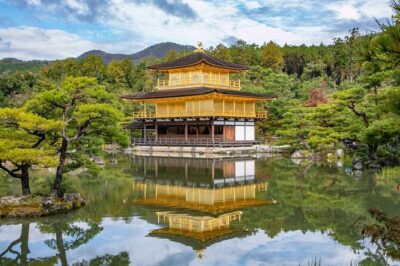
10 Must-see Spots in Kyoto One Day Private Tour (up to 7 people)
Read our review →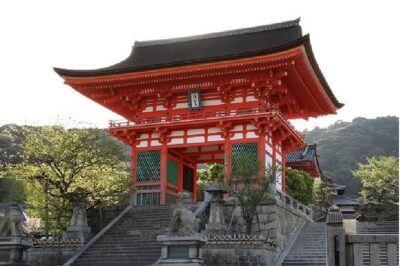
Kyoto Customized Private Tour: See Top Attractions in 1 Day
Read our review →
Nara, Osaka & Kobe Day Trip – 3 Cities in 1 Day
Read our review →Also filed under