
Reviewed · FUSHIMI INARI SHRINE WALKS
Kyoto: 1.5-Hour Guided Tour of Fushimi Inari Shrine
Red gates, deep meaning.
That is what you get at Fushimi Inari Taisha, and a guide is what turns a pretty path into a story you can actually understand. I like how the tour frames the shrine around the god of rice and prosperity, then walks you through why the torii gates matter historically, not just photographically.
My favorite part is that it does not stop at the main crowd-pull. You also reach Okusha Back Shrine for a quieter, more intimate spiritual stop, plus the Omokaruishi stone-lifting ritual for a hands-on fortune test. One possible drawback: at 90 minutes, the tour can feel short if you need extra time for a pause, or if you are already comfortable exploring on your own.
In This Review
- Key things I’d zero in on
- Why this short guided walk works at Fushimi Inari
- Meeting at Inari Station, finding your guide, and starting smoothly
- Fushimi Inari Taisha main shrine: where the visit gains meaning
- The iconic red torii gates, explained as you walk
- Okusha Back Shrine: a calmer spiritual stop with a different feel
- Omokaruishi stone lifting: a fun ritual you can actually do
- How the guide experience shapes the whole tour
- Price and value: what $32 buys you in real terms
- Timing, pacing, and group size, so you don’t feel rushed
- Who should book this Fushimi Inari guided tour
- Should you book it?
- FAQ
- How long is the Kyoto tour of Fushimi Inari?
- Where is the meeting point?
- What is the price per person?
- Is the tour guided in English?
- Does the tour include Okusha Back Shrine and the Omokaruishi ritual?
- Can I cancel for a full refund?
- Are there small group or private options?
Key things I’d zero in on
- A main-shrine focus first, so you learn what you’re seeing before you wander
- Torii history explained as you walk, not as a random lecture
- Okusha Back Shrine for a calmer, more personal feeling
- Omokaruishi stone lifting to add an interactive ritual moment
- Small-group or private options so the experience stays controlled
- A named guide experience (Yoshi) known for clear cultural explanations and great photos
Why this short guided walk works at Fushimi Inari
Fushimi Inari is famous for a reason, but it is also easy to miss the point while you’re busy taking pictures. The value of this 1.5-hour guided tour is that you get a sequence, so you understand why each section feels different. You start at Inari Station, then move into the shrine area with context already in place.
In practical terms, you are also buying time. A guided route helps you get your bearings fast, especially if you want the classic torii-gate experience without spending your whole morning figuring it out. And the guide adds cultural meaning that you can’t always spot from signage alone.
At $32 per person, it is not “cheap,” but it is not just paying for walking. You are paying for an English-speaking local guide, a tight itinerary that includes the quieter back area, and a ritual moment that makes the visit feel personal instead of purely scenic.
Meeting at Inari Station, finding your guide, and starting smoothly
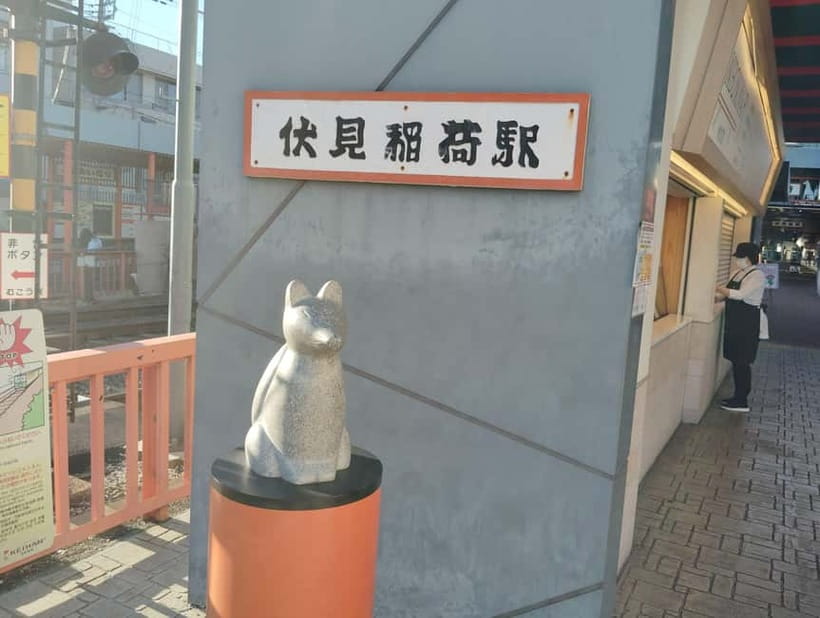
Your meeting point is outside JR Inari Station, across from the main entrance. The guide holds a bright yellow DeepExperience signboard, so you should have an easy time matching faces to the group.
This matters more than people think. Fushimi Inari attracts day-trippers, and wandering around before you meet the guide can eat into your limited 90 minutes. Starting on time also means you can enjoy the main shrine area and still make it to the back shrine stop.
The tour runs as a live experience with a guide speaking English and Japanese, and there are options for private or small groups. If you prefer a calmer pace, the smaller group setup can make a big difference at this location.
Still climbing through the orange gates?
- Kyoto: Fushimi Inari, Kinkakuji, Bamboo Grove 1 Day Bus Tour
★ 4.8 · 4,316 reviews - Fushimi Inari Hidden Hiking Tour (Private Option Available)
★ 5.0 · 1,750 reviews - Osaka/Kyoto:Kinkakuji,Arashiyama,FushimiInariShrine,NaraPark
★ 4.1 · 1,596 reviews - Kyoto/Osaka: Nara, Fushimi Inari Taisha, Arashiyama Bus Tour
★ 4.7 · 1,275 reviews
Fushimi Inari Taisha main shrine: where the visit gains meaning
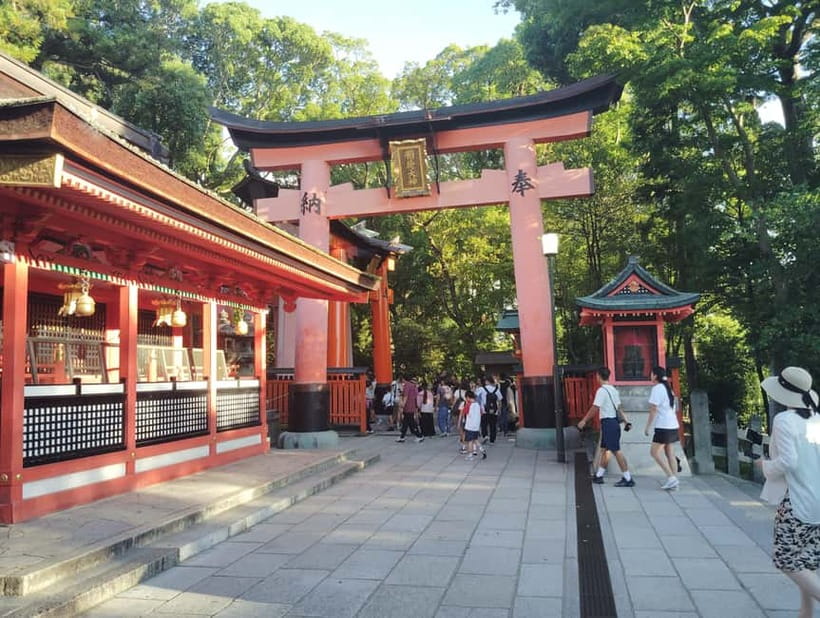
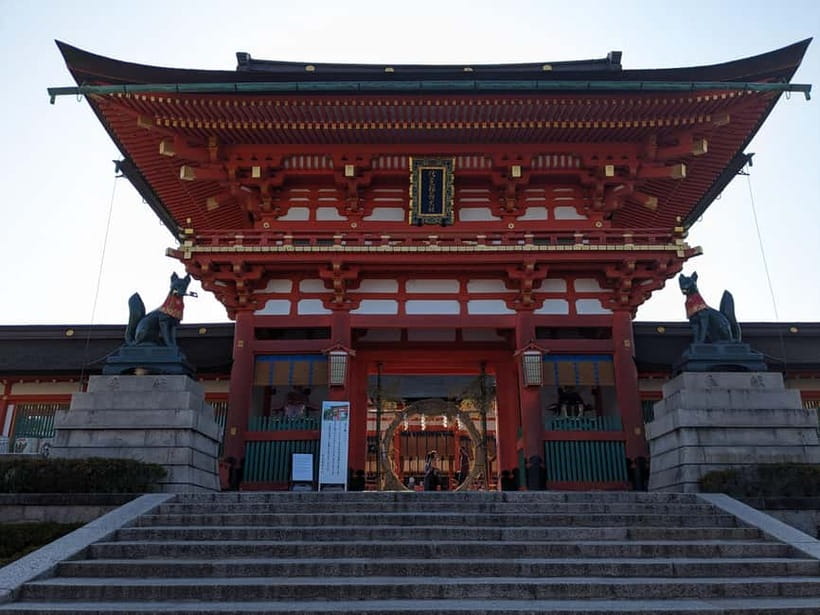
The tour begins at Fushimi Inari Taisha, and you get guided time there instead of only rushing through. This is the part I appreciate most, because it answers a basic question: what is this place worshiping?
The shrine is associated with the god of rice and prosperity. When a guide explains that role at the start, the whole experience clicks. The torii gates stop being “just red gates” and start looking like a physical expression of devotion and support.
You also get an expert explanation of the shrine setting and the route logic as you move outward. That “learn first, walk second” approach makes the rest of the visit feel more intentional and less like you are just following a crowd.
The iconic red torii gates, explained as you walk
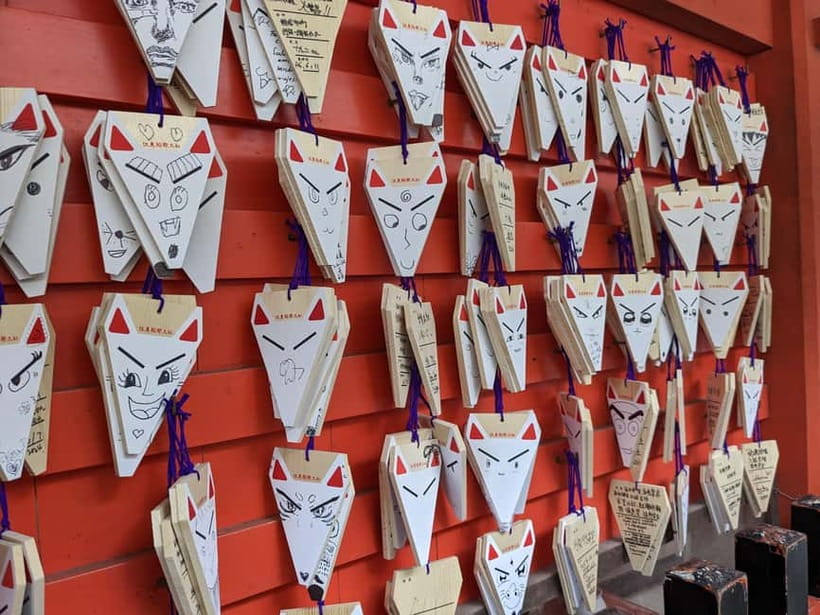
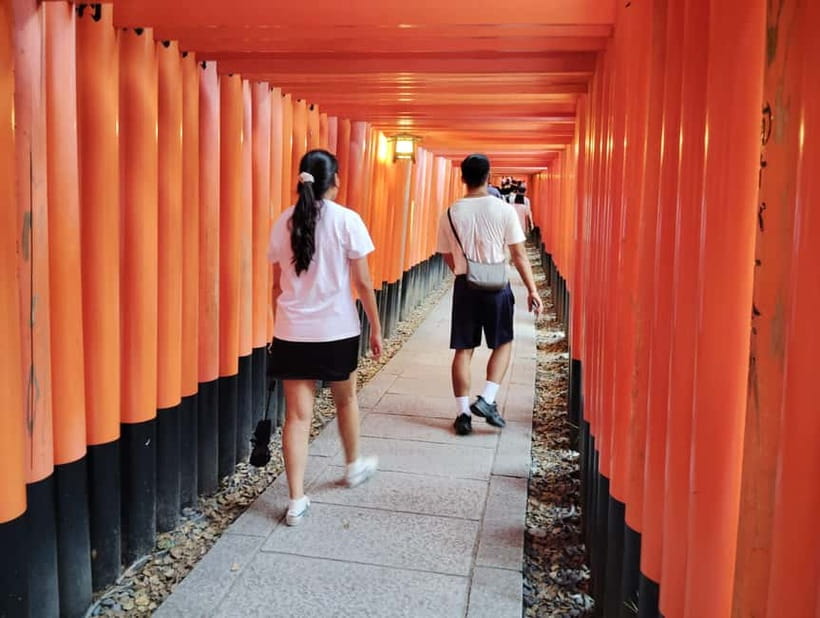
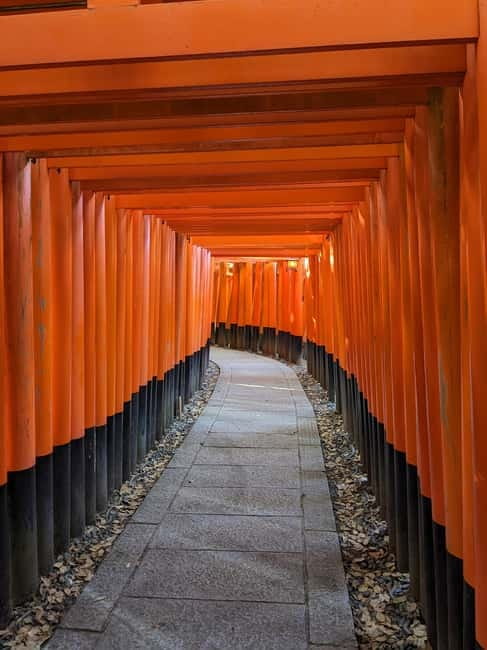
Fushimi Inari is known for the torii gate pathway, and this tour helps you see it beyond Instagram. You walk through the torii-lined route while your guide shares the historical significance behind what you are looking at.
That historical context changes the way you move. Instead of walking only to reach the next photo spot, you start noticing how the gates create a sense of procession. You also start to understand why this location has kept its spiritual draw for centuries, which makes the entire route feel like more than a theme park.
A small practical note: even with a guide, you should expect that the area is popular. The tour is short, so stay tuned to where the group is going and be ready to move when the guide signals the next section.
Okusha Back Shrine: a calmer spiritual stop with a different feel
The itinerary includes a visit to Okusha Back Shrine, which is the shift many people miss when they only do the most central walkway. This is where the tour earns its keep, because the experience becomes more intimate and less purely sightseeing.
The word to remember here is atmosphere. The back shrine stop gives you a moment to step away from the most immediate crowds and slow your focus. You are still at Fushimi Inari, but the emotional tone changes when you reach a more secluded sacred area.
If you care about spiritual culture in Kyoto, this stop is the part that helps you understand how worship works across different levels of a shrine complex. It is one thing to see a famous site, and another to understand how the sacred space is layered for different kinds of prayer.
Omokaruishi stone lifting: a fun ritual you can actually do
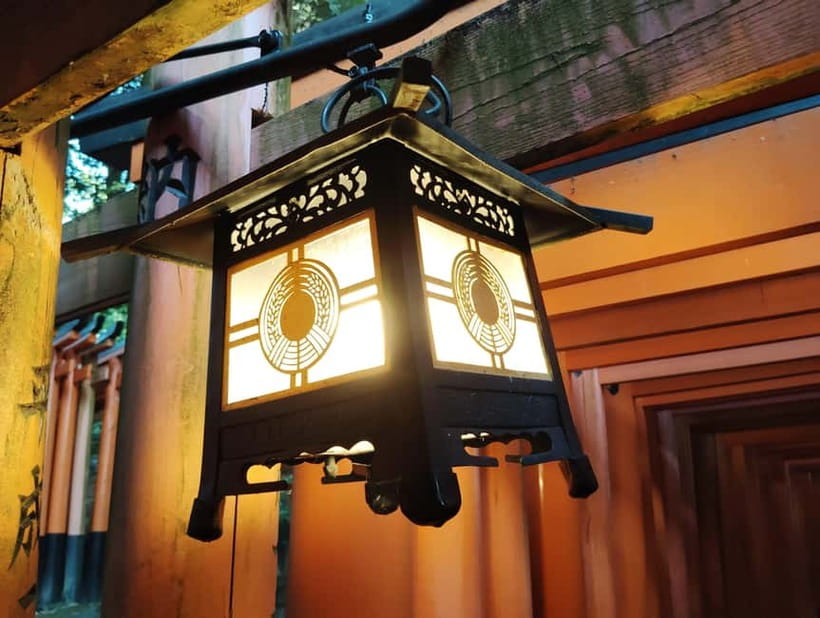
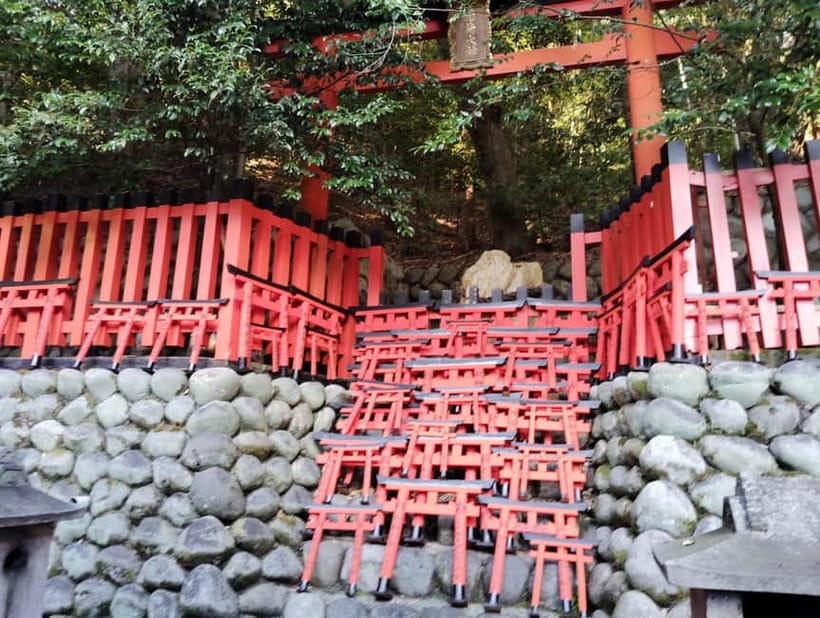
One of the most memorable parts is the Omokaruishi stone-lifting ritual. This is not just a photo opportunity. You physically lift the stones as a way to test your fortune and reflect on your inner strength.
This kind of ritual matters because it turns the visit into participation. You leave with a small personal moment, not just a set of images. Even if you treat it lightly, doing the ritual is a great way to make the cultural experience feel real.
For people who like interactive elements, this is a highlight. For people who hate participation, you might still appreciate it as a quick ritual stop that helps the tour feel distinctly different from a generic walk-through.
More rooftops worth a detour


How the guide experience shapes the whole tour
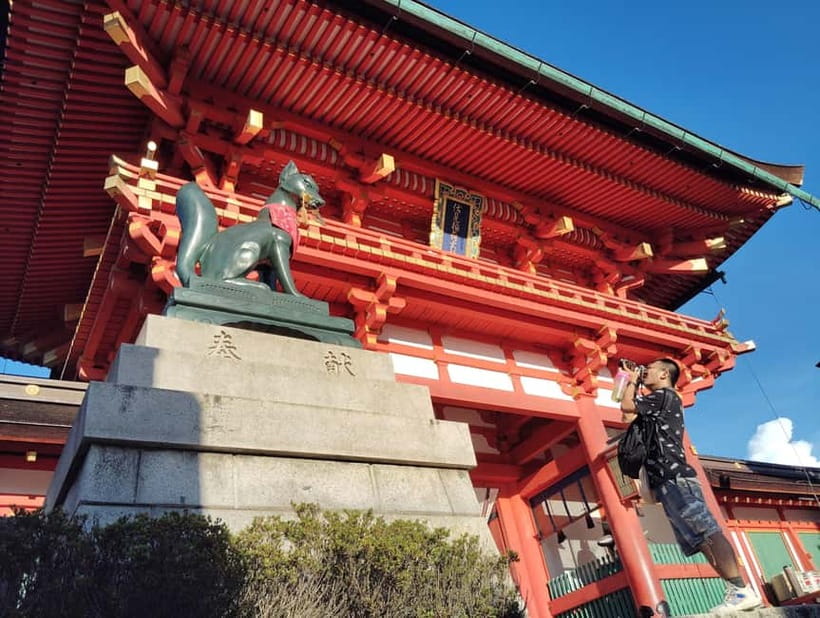
This tour lives or dies with the guide, and the provided info includes a standout example. One guide, Yoshi, is specifically associated with explanations that connect history to wider Japanese culture. He is also noted as being available, and the photos from the visit were described as incredible.
Even if you do not speak Japanese, guides can translate the meaning behind shrine practices into clear, practical language. That is the difference between hearing “torii gates are red” and understanding why the gates, the route, and the ritual feel connected.
The tour format also helps. It is 90 minutes, so the guide can stay focused on what you need, without turning the experience into a long lecture. Small-group or private options can also keep questions from getting buried in a crowd.
Price and value: what $32 buys you in real terms
At $32 per person for a 90-minute guided experience, you are paying for three main things: time, explanation, and a more complete route.
First, time. Fushimi Inari is easy to wander around, but that wandering can waste your limited hours in Kyoto. A fixed-duration tour helps you cover the main shrine plus Okusha and the ritual moment without needing to map everything yourself.
Second, explanation. Learning the historical significance of the torii gates and the shrine’s meaning around rice and prosperity adds value that you would otherwise need to research on your own.
Third, the included stops. Not every short visit includes both Okusha Back Shrine and Omokaruishi stone lifting. Including those turns the experience from “see the famous thing” into “understand a slice of spiritual culture.”
If you are the kind of traveler who enjoys planning but also wants the benefit of local guidance, this price usually feels fair. If you are already confident exploring shrine complexes alone, you may feel the duration is too short for your personal pace.
Timing, pacing, and group size, so you don’t feel rushed
This is a compact tour. Ninety minutes can be perfect if you want the essentials and a guided route, especially at a place like Fushimi Inari where crowds can slow you down.
The tradeoff is obvious: if you get stuck waiting, need extra breaks, or prefer to linger at each point, you might feel it ends before you want it to. One concern raised about the tour format is that some people felt it was short and could have been done on their own, especially when a bathroom break interrupted momentum.
If that might be you, plan smart. Go prepared before the tour begins, and treat the tour as a “focused experience” rather than a slow browse. Then, if you still want more, you can extend your visit on your own after the guided portion.
Group type matters here too. Small groups or private tours usually mean less waiting and more direct pacing. If you want a calmer experience and easier conversation with your guide, choose those options when available.
Who should book this Fushimi Inari guided tour
This is a strong fit if you want:
- A guided introduction to Fushimi Inari Taisha that explains what you’re seeing first
- A shortcut to experiencing Okusha Back Shrine plus the Omokaruishi ritual
- An English-speaking guide who connects the shrine to broader Japanese culture, like the Yoshi example
It may be less ideal if:
- You prefer to explore at your own pace for longer than 90 minutes
- You already know the history and want only the walking route
- You strongly rely on frequent breaks during short tours
If you are visiting Kyoto for a limited number of days, this tour is also a good way to add something spiritual without sacrificing an entire morning to planning.
Should you book it?
Book this tour if you want the classic torii-gate experience with meaning, plus the extra stops that most quick visits skip. The best reasons are simple: you get guided context for the shrine and torii gates, and you also get Okusha Back Shrine and the Omokaruishi stone-lifting ritual in a tidy 90-minute format.
Skip or treat it as optional if you love independent wandering more than guided structure. In that case, you might feel the tour wraps up too fast for your style.
If you do book, show up ready to move. When you keep your pace aligned with the group, you end up with a visit that feels more like cultural understanding and less like just chasing photos.
FAQ
How long is the Kyoto tour of Fushimi Inari?
The tour lasts 90 minutes.
Where is the meeting point?
Meet outside JR Inari Station, across from the main entrance. The guide will be holding a bright yellow DeepExperience signboard.
What is the price per person?
It costs $32 per person.
Is the tour guided in English?
Yes. The live guide offers English, and Japanese is also available.
Does the tour include Okusha Back Shrine and the Omokaruishi ritual?
Yes. You’ll visit Okusha Back Shrine and participate in the Omokaruishi stone-lifting ritual.
Can I cancel for a full refund?
Yes. Free cancellation is available up to 24 hours in advance for a full refund.
Are there small group or private options?
Yes. Private or small groups are available.
New This Season
- Koyasan Day Trip by Private Car from Kyoto
- Old Port Town and Ultimate Sake Tasting Private Tour From Kyoto
- Kyoto’s Timeless Charm: 3hr Exploration of History and Peace
- Kyoto: 5 Types of Sushi Making
- Sacred Peak & Ancient Paths: Kurama-Kibune Hiking Experience
- Kyoto: Exclusive ZEN practice at Manpukuji temple in Uji
- Kyoto: Private Seasonal Aroma Yoga Class
- Traversing Kyoto’s Scenic West – Arashiyama to Kinkakuji
Fushimi Inari Shrine Walks, compared.

Fushimi Inari, Kinkakuji, Bamboo Grove 1 Day Bus Tour
Read our review →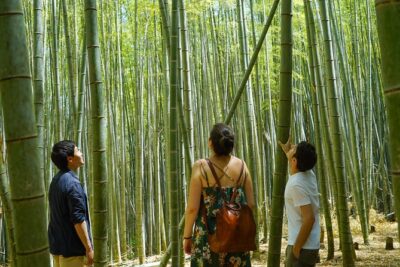
Fushimi Inari Hidden Hiking Tour (Private Option Available)
Read our review →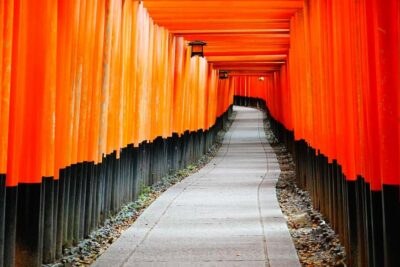
Kinkakuji,Arashiyama,FushimiInariShrine,NaraPark
Read our review →
Nara, Fushimi Inari Taisha, Arashiyama Bus Tour
Read our review →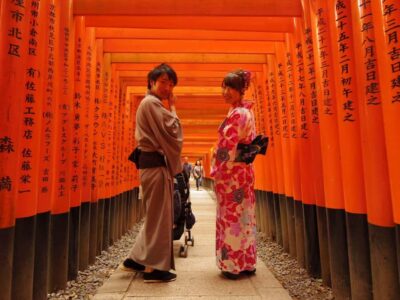
Arashiyama, Nara & Fushimi Inari Shrine w/Lunch
Read our review →
Nijo Castle, Kiyomizu & Fushimi Inari Guided Tour
Read our review →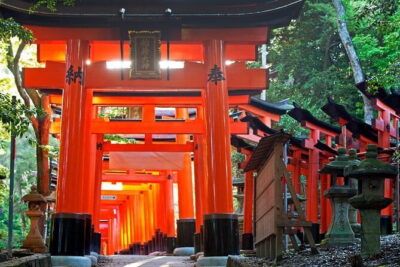
Nijo, Kinkaku-ji, Arashiyama, Kiyomizu & Fushimi Inari
Read our review →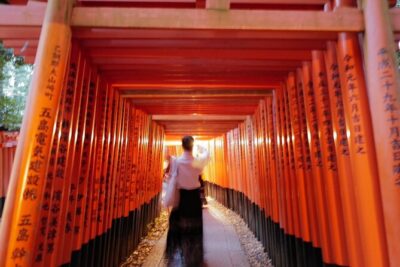
Also filed under