Reviewed · GUIDED
Kyoto 8hr Private Tour with Government-Licensed Guide
Kyoto can feel like a time machine, but the real win is a guide. This Kyoto 8-hour private tour lines up top sights with local context, and you work with a government-licensed English speaker to shape the day around your interests. I especially like the flexibility to choose 3 to 4 spots (up to 4 to 6), since Kyoto is big and rushing through it is a fast way to feel tired.
The main consideration is that it is a walking day. Even though many stops are short, the route still adds up, and entrance fees, lunch, and transport are not included. So bring good shoes, plan for extra walking time, and expect to pay some temple and palace tickets on top of the tour price.
In This Review
- Key highlights I think you will care about
- Why a government-licensed guide makes Kyoto easier
- The 8-hour walking format, and how to choose the right mix
- East Kyoto essentials: Fushimi Inari, Kiyomizu-dera, and Gion
- Markets, alley dining, and the Kyoto you can taste
- Central Kyoto stops: castles, the imperial palace, and Zen icons
- Higashiyama day plan: old streets plus major temple names
- Arashiyama and the bamboo circuit: the classic west-side payoff
- Northern Kyoto options: Kibune, Kurama, and the side of Kyoto many skip
- How value works for a $201.46 private day
- What the best guides do with your time
- Practical tips to make this Kyoto day feel great
- Should you book this Kyoto private guide tour?
Key highlights I think you will care about
- Government-licensed English-speaking guide who plans a route with you after booking
- Private format so your pace stays yours, not a bus-group schedule
- 4 to 6 stop menu that covers classic Kyoto areas like Higashiyama, Gion, and Arashiyama
- Guide entry fees only covered for sights in the What to expect set, so check ticket coverage for anything extra
- Walking pickup and drop-off on foot within a designated area, close to public transit
Why a government-licensed guide makes Kyoto easier
Kyoto’s best moments are often about what you notice, not just what you see. This tour is built around a licensed local English guide, which matters because Kyoto is full of similar-looking temple gates, side halls, and shrine details that are easy to miss if you are going in blind.
You also do not have to guess the order. After you reserve, the guide contacts you to set a personalized itinerary. If you already have favorites, you pick them. If you do not, you ask for their recommended plan based on your interests, and they help you make a coherent day instead of a random grab bag of pins on a map.
I also like that this is private. You are not stuck timing photos with strangers while someone is late to the meeting point. Your guide can slow down when you stop for tea, photos, or a quick look at a garden detail.
The 8-hour walking format, and how to choose the right mix
This is an 8-hour walking experience, with pickup and drop-off on foot within a designated meeting area. That means the “private” part is real, but so is the walking. The itinerary is designed as a series of short introductions. Many listed stops clock in around 10 to 30 minutes, which is ideal for sampling a lot without turning it into a marathon of long museum-style time.
Here is the decision that will make or break the day: choosing stops that are close enough to group. Kyoto is not one city by feel. It has pockets, like Higashiyama and Arashiyama, plus north-side mountain areas.
I recommend you plan around one or two zones for the best flow. For example:
- East Kyoto focus: Fushimi Inari, Kiyomizu-dera, Gion, Higashiyama
- Central Kyoto focus: castles, palace grounds, famous temple complexes
- West Kyoto focus: Arashiyama and the bamboo area
- Optional north add-ons: Kibune and Kurama side trips if the day fits
If you want the classic first-timer Kyoto experience, build around East Kyoto plus a market or two. If you care more about gardens and Zen aesthetics, lean into the temple circuit and add Arashiyama last.
A quieter way to spend a day in Kyoto
- Fushimi Inari Hidden Hiking Tour (Private Option Available)
★ 5.0 · 1,750 reviews - Private Kyoto Tour with a Local, Highlights & Hidden Gems, Personalised
★ 5.0 · 1,543 reviews - Kyoto 6hr Private Tour with Government-Licensed Guide
★ 5.0 · 1,369 reviews - 10 Must-see Spots in Kyoto One Day Private Tour (up to 7 people)
★ 5.0 · 1,108 reviews
East Kyoto essentials: Fushimi Inari, Kiyomizu-dera, and Gion
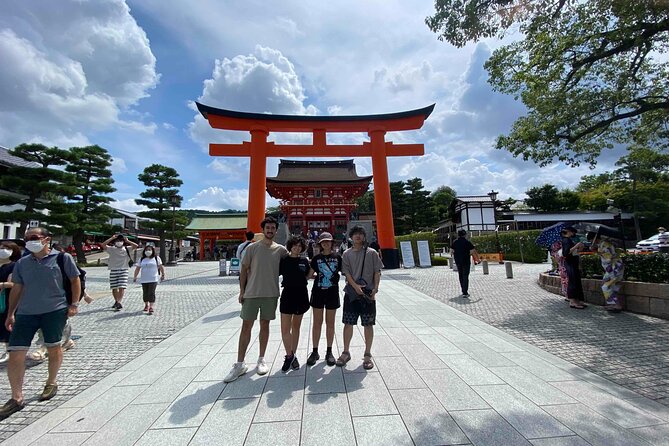
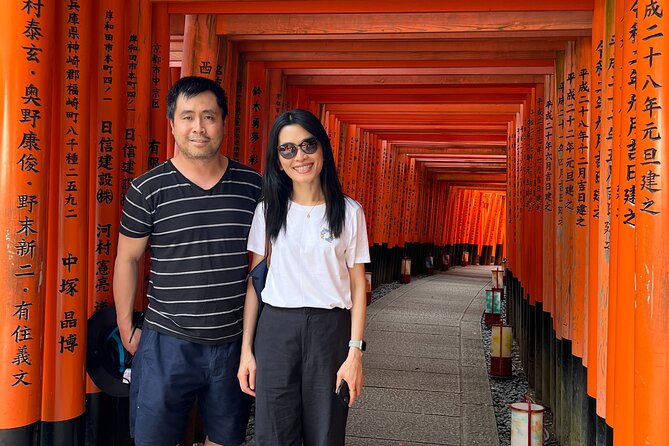
If Kyoto has a poster child, it is Fushimi Inari-taisha. This tour includes it as an easy starting point, with free admission noted for the stop. The shrine is famous for its vivid network of gates, and having a guide here helps you understand what you are actually looking at instead of treating it like a scenic tunnel.
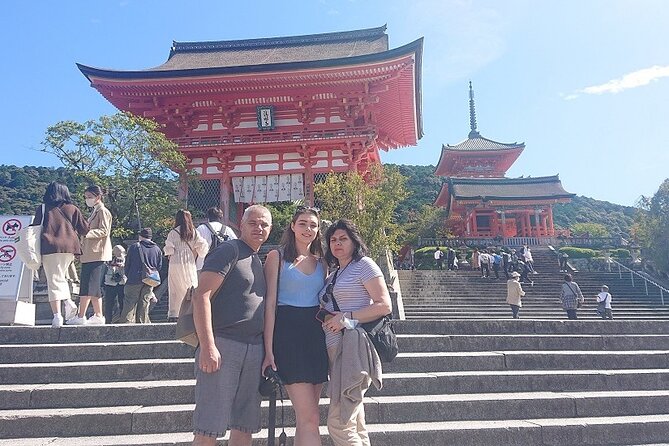
Next up is Kiyomizu-dera. This is one of Kyoto’s most iconic temples, and the plan includes a guided walk of the grounds. Admission is not included, so you should expect a ticket purchase on your own, but you still get the value of the guide explaining the temple layout and why it is so important.
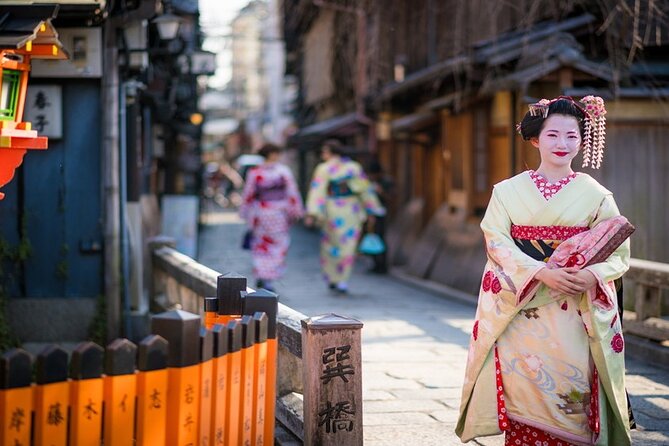
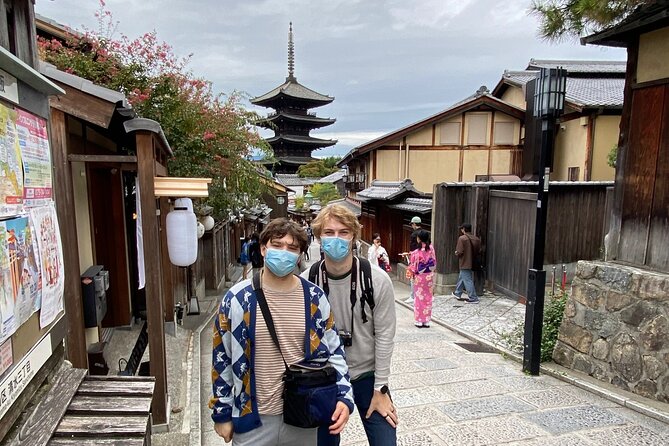
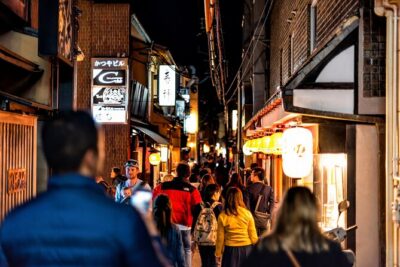
Then you get into the atmosphere zone: Gion. Exploring the Geisha district by yourself can feel confusing, mostly because the lanes are narrow and the turns happen fast. With a guide, you are not just walking from one photo spot to another. You learn what the area is, what the streets are like historically, and where it makes sense to slow down. The tour lists free admission for this segment.
If you choose your stops to include both Kiyomizu-dera and Gion, you typically get a really nice contrast in a single day: major landmark temple, then old-town streets right after. That is a good recipe for photos that feel like Kyoto, not just Japan.
Markets, alley dining, and the Kyoto you can taste
One of the simplest ways to make Kyoto feel real is to eat and shop as you go. This tour includes Nishiki Market, described as a five-block shopping street nicknamed Kyoto’s Kitchen. It is short on the calendar, but it is a great way to sample snacks and see how a local market street works.
Another area that supports food and atmosphere is Pontocho. This is a narrow dining alley near the Kamogawa River area, and the tour includes it with free admission. It is a good stop if you are the type who likes to end your sightseeing day with a meal area that feels distinctly Kyoto.
Practical note: lunch is not included. The good news is that markets and dinner streets are exactly where a guide can help you decide what to buy or where to walk next, based on your preferences and time.
Central Kyoto stops: castles, the imperial palace, and Zen icons
If your idea of Kyoto is temples plus a strong sense of power and politics, you have options here.
Nijo Castle is listed as a UNESCO World Heritage site, built in 1603 as the Kyoto residence of Tokugawa Ieyasu. Admission is not included, so you will likely pay a ticket yourself. The value of booking it with a guide is that the castle is more than walls. You can understand the Edo-period context without reading a pile of guidebooks on your phone.
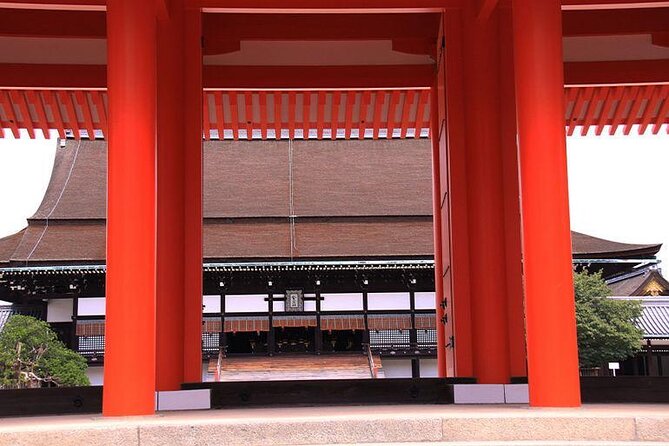
Kyoto Imperial Palace is another big-picture stop. It used to be the imperial residence until 1868, when the emperor and capital shifted to Tokyo. This stop is included with admission not included, so budget for a ticket if you choose it.
Kennin-ji Temple also appears in the menu, close to Hanamikoji and Shijo. It is described as a pleasant place to walk, with two karesansui dry gardens mentioned. If your group likes dry garden designs and quiet corners near lively streets, this is a smart pick.
For Zen-focused visitors, you have many temple options in the list, and you can build a calmer pace around them. Ginkakuji, the Silver Pavilion, is listed, as is Nanzenji Suirokaku. Tofuku-ji is included too, and it is noted for spectacular autumn colors, which is useful if you are traveling in seasonal months.
Higashiyama day plan: old streets plus major temple names
Higashiyama Ward is one of the best places to slow down. It is described as one of Kyoto’s best preserved historic districts along the eastern mountains. If you choose Higashiyama in your itinerary, your day can feel more like wandering with purpose.
From there, you can connect to major temple names. The menu includes:
- Ginkakuji (Silver Pavilion)
- Nanzenji Suirokaku (with spacious grounds at the mountain base)
- Eikando Zenrinji Temple, famous for its autumn colors and evening illumination
- Sanjusangendo, known for 1001 statues of Kannon
- Eikando and Nanzenji, which sit in the same general north-of-Higashiyama area
One thing I like about this part of the Kyoto menu is that it gives you choice of mood. Do you want a big landmark temple moment? Go toward Ginkakuji. Want statuary and a very specific temple identity? Add Sanjusangendo. Want calmer gardens and seasonal light? Put Eikando on your list.
Also, if you like shopping streets and old-town lanes, Higashiyama is where that energy fits naturally. In this kind of itinerary, it is common to see classic street scenes in addition to temples, especially when your guide is aiming for that first-timer Kyoto feel.
A day of temples goes further with something to break it up.
Arashiyama and the bamboo circuit: the classic west-side payoff
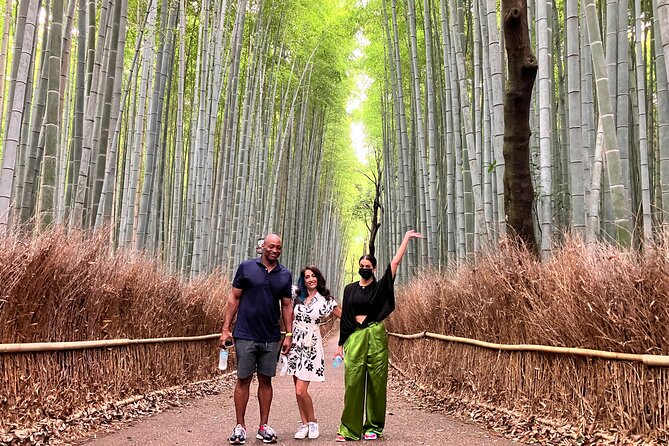
If you care about Kyoto scenery, Arashiyama belongs on your shortlist. This tour includes Arashiyama as an area stop, plus the icons that make people return.
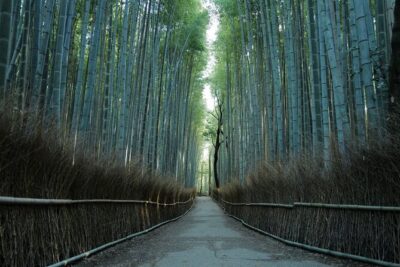
The Togetsukyo Bridge is listed, described as Arashiyama’s most iconic landmark. The bamboo grove walking paths are also in the menu. That combination works well because you get both a viewpoint anchor (bridge) and the strolling texture (bamboo paths).
Tenryu-ji Temple is included and noted as the most important temple in Arashiyama, ranked first among Kyoto’s five great Zen temples. Okochi Sanso Garden is another major add-on. It is the former villa of actor Okochi Denjiro, tucked behind bamboo. That matters if you like garden design and want something a bit different from the big-name temple halls.
There are also smaller hillside temple options in the west and north-west side of the menu, like Jojakkoji, Nisonin, Gio-ji, and Adashino Nenbutsuji and Otagi Nenbutsuji with their stone statue focus. These can be a nice change of pace when you want something quieter than the main tourist nodes.
Practical tip: Arashiyama can eat time if you let it. The smart move is to choose your Arashiyama priorities, then let the guide slot the rest. Otherwise your day turns into a shuffle through “maybe later” moments.
Northern Kyoto options: Kibune, Kurama, and the side of Kyoto many skip
This tour also offers northern mountain areas, which are great if you want less city intensity and more valley-temple vibes.
Kibune is listed as a small town in a forested valley in Kyoto’s northern mountains, developed around Kifune Shrine. Kurama-dera is also included, and it is noted as less than one hour from the city center. If you are aiming for Kyoto that feels more rural and scenic, these are strong choices.
There are also temple stops that fit the calm north circuit, like Ryoan-ji Temple, famous for Japan’s most famous rock garden. Ryoan-ji is another one where a guide can help you understand what makes the garden special so you do not just look at it, you understand it.
In a well-planned day, northern add-ons work best when you do not overload the schedule. Pick one north area, then commit to it.
How value works for a $201.46 private day
At $201.46 per person, the price is not low. The value comes from what you get for that money: a private, government-licensed local English guide and a guided plan that can cover major Kyoto names in one day.
You do not pay for the guide’s time in the way you would with lots of separate tickets and group tours. Plus, the day is customizable. That is how you avoid the most common Kyoto mistake: paying for “sightseeing” that does not match your interests.
Still, you should go in with eyes open:
- Entrance fees are not included for many stops
- Lunch is not included
- Transportation fees are not included, and the tour is walking-based
- Private vehicle is not part of the plan
- Guide entry fees are covered only for sights listed in the What to expect set, so any extra stops you add could create extra ticket costs
If you are traveling as a small group and you want to reduce decision fatigue, this kind of private structure can actually be a better value than you might think. It saves time and cuts down on the mental load of figuring out the best route.
Also, it is booked an average of 69 days in advance. That is a hint that popular dates can fill. If your travel window matters, reserve earlier.
What the best guides do with your time
The standout thing about this tour setup is how much control the guide has over making your day feel organized. In feedback, guides like Karkoo Tanigawa were praised for being helpful and accommodating, especially for groups of adults who wanted everything to start smoothly. Other guides, Ichiro and Shu, were noted as professional, knowledgeable, and willing to go above and beyond.
What you can take from that as you book: ask your guide questions. Tell them what you care about, like temples versus streets, gardens versus markets, or photo time versus calmer pacing. A good guide will translate that into a plan that fits within an 8-hour walking day.
Practical tips to make this Kyoto day feel great
Here are a few things I’d do to make the most of a walking private day in Kyoto:
- Wear shoes you can walk in for hours. The format is walking, and the stops are short so you move often.
- Decide your “must-hit” list first. Then choose one add-on. Kyoto makes it easy to overbook.
- Budget for tickets. Admission fees and lunch are not included.
- Use your guide to solve navigation stress. Narrow lanes in places like Gion and old streets in Higashiyama are easier with someone who knows the rhythm.
- If you are aiming for Arashiyama, keep the rest of the day simple. Arashiyama is iconic, and it can turn into a time sink if you do not prioritize.
Should you book this Kyoto private guide tour?
Book it if you want a licensed English-speaking guide, you like the idea of a private plan, and you want Kyoto’s top names plus old-street atmosphere without turning the day into chaos.
Skip or adjust if you hate walking and would rather ride between sights, since this is a walking format with transport fees not included. Also, if you are the kind of traveler who only wants to visit a single site or two, this tour might feel like more structure than you want.
If you want your Kyoto day to feel intentional, built around your interests, and guided by someone who can explain what you are looking at, this is a strong way to do it.
New This Season
- Koyasan Day Trip by Private Car from Kyoto
- Old Port Town and Ultimate Sake Tasting Private Tour From Kyoto
- Kyoto’s Timeless Charm: 3hr Exploration of History and Peace
- Kyoto: 5 Types of Sushi Making
- Sacred Peak & Ancient Paths: Kurama-Kibune Hiking Experience
- Kyoto: Exclusive ZEN practice at Manpukuji temple in Uji
- Kyoto: Private Seasonal Aroma Yoga Class
- Traversing Kyoto’s Scenic West – Arashiyama to Kinkakuji
Guided, compared.
Kyoto Early Morning Tour with English-Speaking Guide
Read our review →
Kyoto 6hr Private Tour with Government-Licensed Guide
Read our review →Early Morning Tour with English-Speaking Guide
Read our review →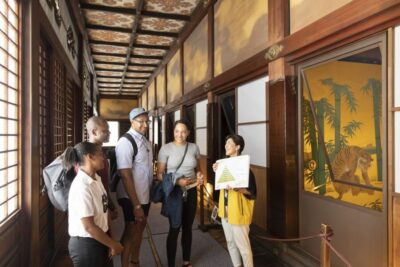
Nijo-jo Castle and Ninomaru Palace Guided Tour
Read our review →
Kyoto Gion Night Walk & Geisha District Guided Tour
Read our review →
Nijo Castle, Kiyomizu & Fushimi Inari Guided Tour
Read our review →