
Reviewed · ARASHIYAMA BAMBOO FOREST WALKS
Kyoto: Afternoon Bamboo Forest and Monkey Park Bike Tour
Bamboo sounds better on a bike. This afternoon ride through Arashiyama Bamboo Forest is a sensory mix of towering stalks, soft footfall, and the steady rhythm of tires, guided in clear English by pros like Yuki and Ray.
I also love how it pairs scenery with Kyoto culture, starting with Tenryuji Temple and its calm Zen gardens, then moving on to big viewpoints and river views.
One consideration: you do a 20-minute uphill climb as part of Monkey Park, so comfy shoes are not optional.
In This Review
- Key points before you go
- Why Arashiyama is better with wheels than on foot
- Getting started at Saga-Arashiyama Station (and why it matters)
- Rolling through the Arashiyama Bamboo Forest the right way
- Tenryuji Temple Zen gardens, with entry fees handled
- Iwatayama Monkey Park: the climb, the view, and the monkeys
- Togetsukyo Bridge for the big Kyoto postcard view
- Pace and effort level: what 4 hours actually feels like
- Safety, guidance, and why the guide quality shows
- Value check: is $106 worth it for this afternoon?
- Who should book this and who should think twice
- Season and weather reality in Kyoto afternoons
- Should you book the Kyoto afternoon bamboo, monkey park, and temples bike tour?
- FAQ
- Where do I meet the guide?
- How long is the tour?
- What is included in the price?
- Is there hiking involved at Monkey Park?
- What should I wear or bring?
- Is food included?
Key points before you go
- Small group of up to 8 keeps the pace friendly and the photo stops actually work.
- Bicycle, helmet, water, and entry fees included means you arrive and roll, no extra ticket hunting.
- Tenryuji Temple gives you a real UNESCO-style temple garden moment, not just a quick peek.
- Iwatayama Monkey Park hike is short, but it is real, and it leads to the monkey viewing area.
- Biking through Arashiyama lets you enjoy bamboo without getting stuck behind tour crowds.
- English live guide with strong safety habits, plus some guides take and share photos afterward.
Why Arashiyama is better with wheels than on foot
Kyoto’s most famous green scenes can turn into a traffic jam on foot. On a bike, the feel changes fast. You get out of the crowd flow and into a more natural rhythm, with time to look up and notice details.
This tour leans into that. You spend a good chunk of the afternoon moving through Arashiyama and surrounding lanes, then you slow down for temple calm and the Monkey Park climb. For many people, it becomes the break they needed from shrine lines and busier city blocks.
And yes, the bamboo forest sound is a big deal. You hear it in a way walking never quite matches, because you are moving through the space while the stalks sway overhead.
Getting started at Saga-Arashiyama Station (and why it matters)
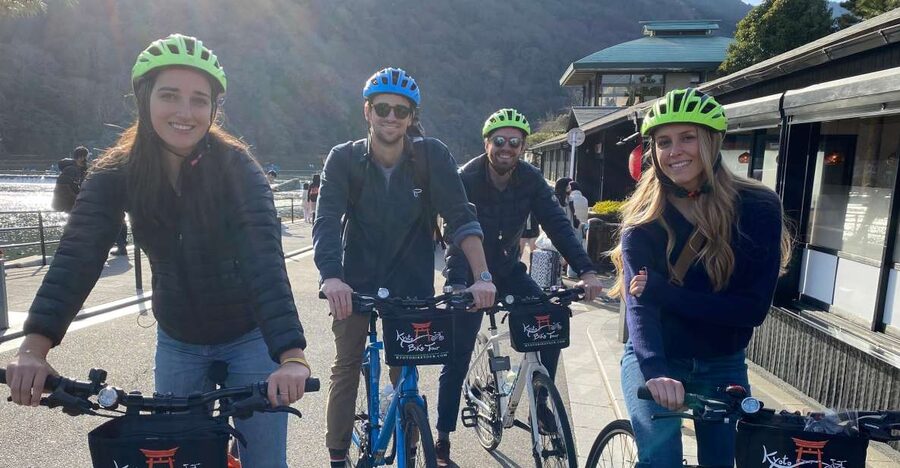
Your meeting point is Saga-Arashiyama Station, and you’ll link up with your guide there. The guide wears a bike helmet and a Kyoto Bike Tour shirt, which makes it easy to spot the group quickly.
This start location is a smart choice. You are already in the Arashiyama zone, so you are not spending your limited afternoon crossing Kyoto. Also, you can come straight from wherever you’re staying without a hotel pickup.
If you want this to feel easy, do one small thing beforehand: check how you will reach Saga-Arashiyama Station and plan to arrive a few minutes early. The tour runs on a tight 4-hour window, and being late compresses your first moments.
Green light through a bamboo grove
- Kyoto: Fushimi Inari, Kinkakuji, Bamboo Grove 1 Day Bus Tour
★ 4.8 · 4,316 reviews - Osaka/Kyoto:Kinkakuji,Arashiyama,FushimiInariShrine,NaraPark
★ 4.1 · 1,596 reviews - Kyoto/Osaka: Nara, Fushimi Inari Taisha, Arashiyama Bus Tour
★ 4.7 · 1,275 reviews - Kyoto Arashiyama Walking Tour: Bamboo, Monkeys, Gardens & Secrets
★ 5.0 · 1,216 reviews
Rolling through the Arashiyama Bamboo Forest the right way
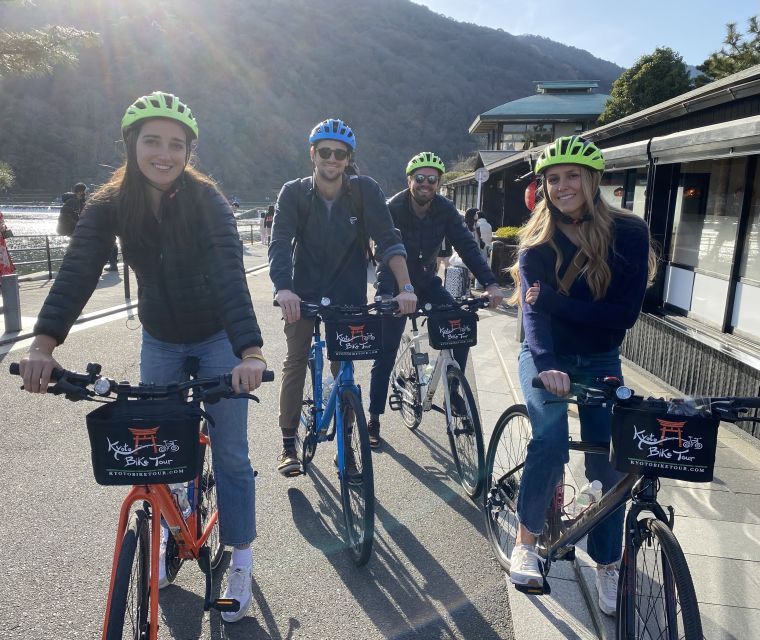
The Arashiyama Bamboo Forest stop is about more than a photo. The guide shapes the experience by timing the ride so you can feel the bamboo as a path, not just a backdrop.
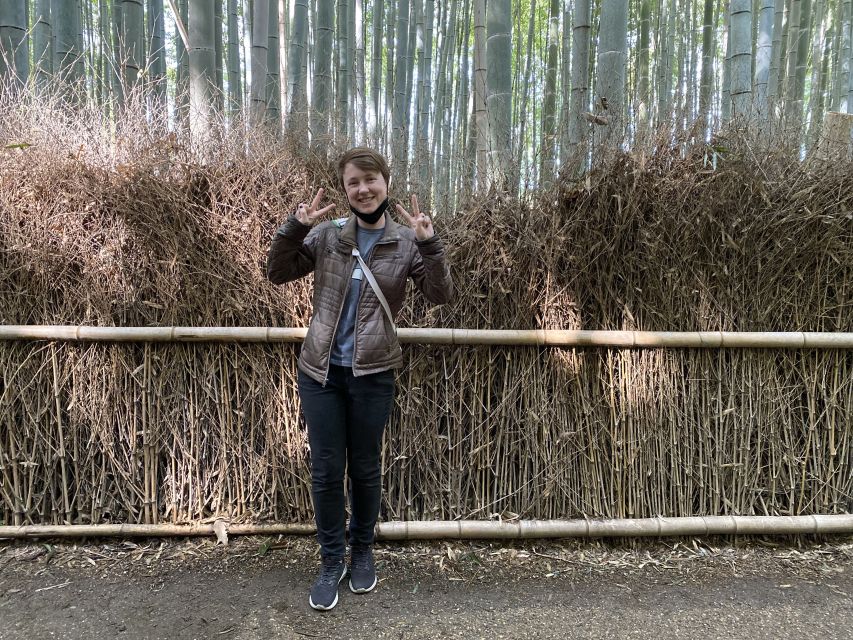
You’ll bike with guided context, and the time in the forest is set aside so you can pause, look around, and take in seasonal changes. In fall especially, the forest area tends to feel like it has its own weather. Even if the sky is gray, the green still reads as lush and immersive in real life.
Practical note: the bamboo area can be busy, but being on a bike helps you avoid the most tangled crowd edges. You are also moving slowly enough to notice small shifts, like how the light looks through stalk clusters.
Tenryuji Temple Zen gardens, with entry fees handled
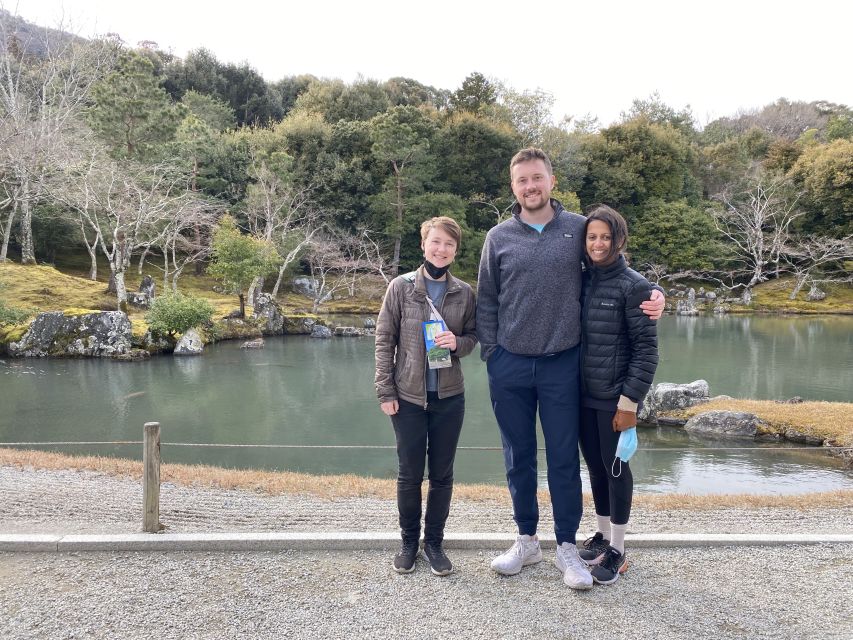
After bamboo, you shift gears to Tenryuji Temple, a UNESCO-certified temple. This is where the day’s energy cools down. You get time to walk through Zen gardens with a guide who helps you understand what you are seeing, instead of just reading signs.
What makes Tenryuji work on this tour is the contrast. One part of your brain is still listening to bamboo, then you’re suddenly inside a temple atmosphere where space, symmetry, and stillness matter more than speed.
You also do not need to worry about the basic logistics of getting into the site. Entry fees are included, so your focus stays on the experience.
Two small tips if you want the gardens to land well:
- Wear shoes that work on temple paths.
- Take your time with the garden viewpoints. Even on a short guided walk, lingering is part of the value.
Iwatayama Monkey Park: the climb, the view, and the monkeys
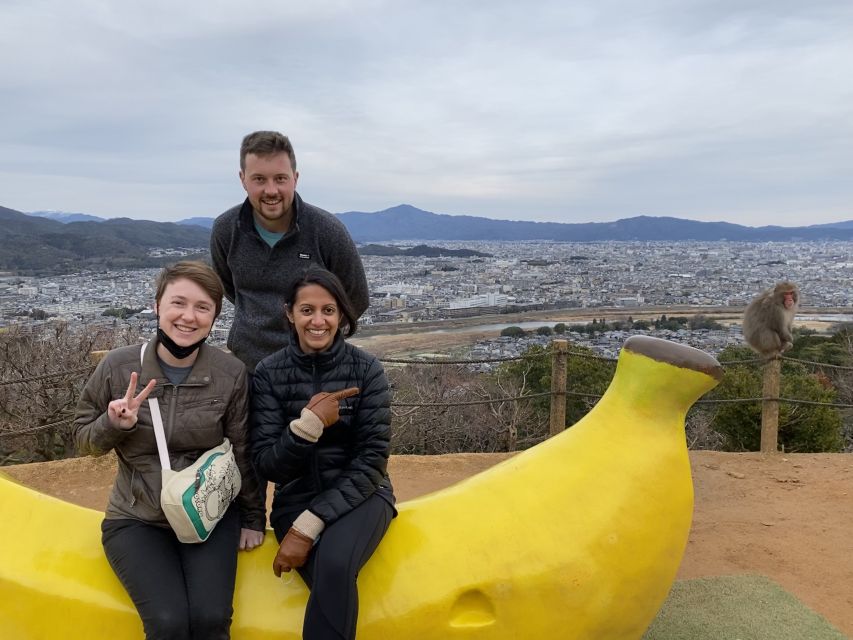
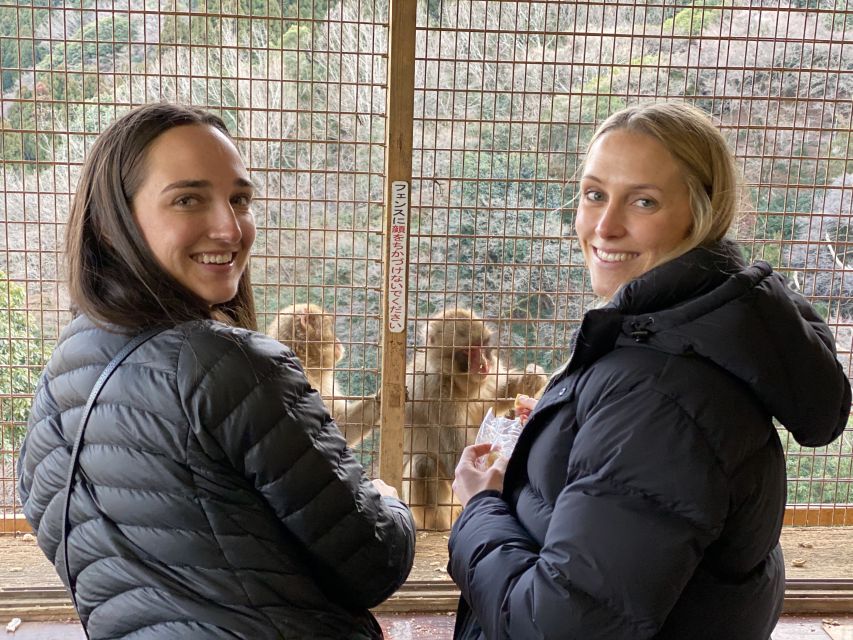
The tour’s star moment for many people is Iwatayama Monkey Park. You’ll bike through the area first, then do a short hike with a real incline. The hiking time is about 20 minutes, so this is not a long trek, but it can feel steep if you’re not used to climbs.
This is the one part where I think you should be honest with yourself. If your legs run hot on stairs, you might want to take breaks and move at your own pace while the group regroups.
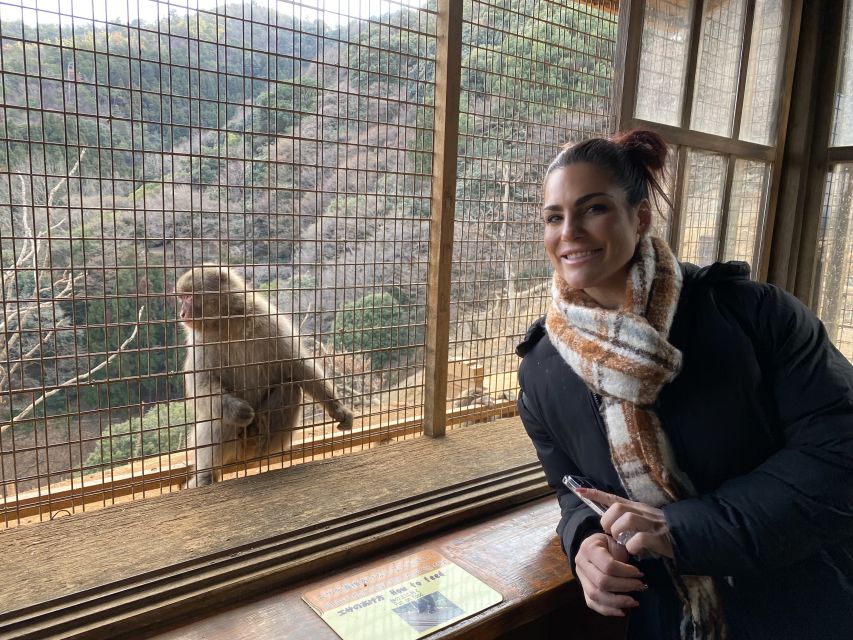
Once you reach the monkey zone, the reason this tour exists becomes obvious. Seeing monkeys up close changes the day. It is lively, slightly chaotic, and very memorable in the best way.
The best advice is simple: give yourself a minute before you fully commit to the viewing area. Let your eyes adjust to the height and movement. You’ll spot more activity once your brain stops scanning for one big moment and starts noticing the smaller ones.
Togetsukyo Bridge for the big Kyoto postcard view
After the monkey park hike and viewing time, you roll to Togetsukyo Bridge for a scenic stop. This is a short segment, but it is timed to help the day feel complete.
The bridge sits by a river corridor that often looks especially good with seasonal color. Even when it is not peak fall, the mix of water, trees, and temple-area greenery makes the view feel distinctly Arashiyama.
Because this is a bike tour, you don’t just stand in one spot hoping your photo turns out. You can get oriented, take a few angles, then keep moving without overthinking it.
If you’re someone who likes to avoid overproduced tourist scenes, the bridge stop feels like a natural finish rather than a forced checklist moment.
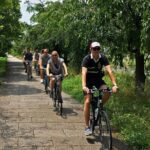
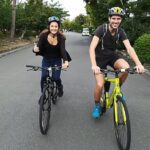
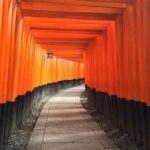
A quieter way to spend a day in Kyoto
Pace and effort level: what 4 hours actually feels like
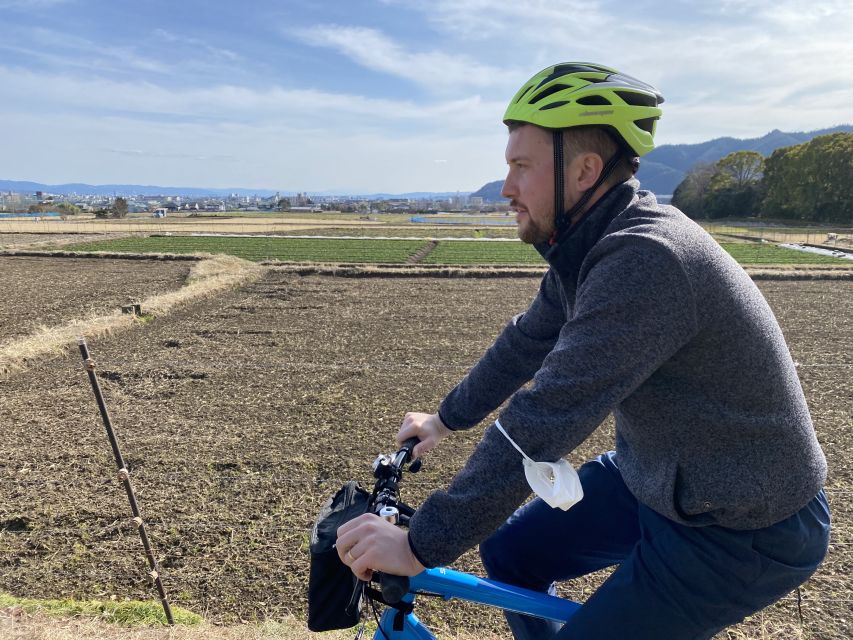
This is listed as a 4-hour afternoon tour, and in real life it tends to feel like three parts: ride time, garden time, and monkey park effort. If you come in expecting a gentle loop with no exertion, the Monkey Park climb will be your wake-up call.
That said, the cycling itself is not described as brutal. Many bookings mention the route feels mainly flat and scenic at times, and the guide keeps everyone together. The bike is part of the comfort equation too.
Bikes, helmets, and small touches like gloves on colder days show up in past experiences. One winter booking noted gloves were provided when it was cold, which tells me the guides think beyond just handing you equipment and sending you off.
Your best move:
- Bring comfortable shoes and plan for one short climb.
- Wear layers if the weather swings, since Kyoto can shift from sunny to cool quickly in the afternoon.
Safety, guidance, and why the guide quality shows
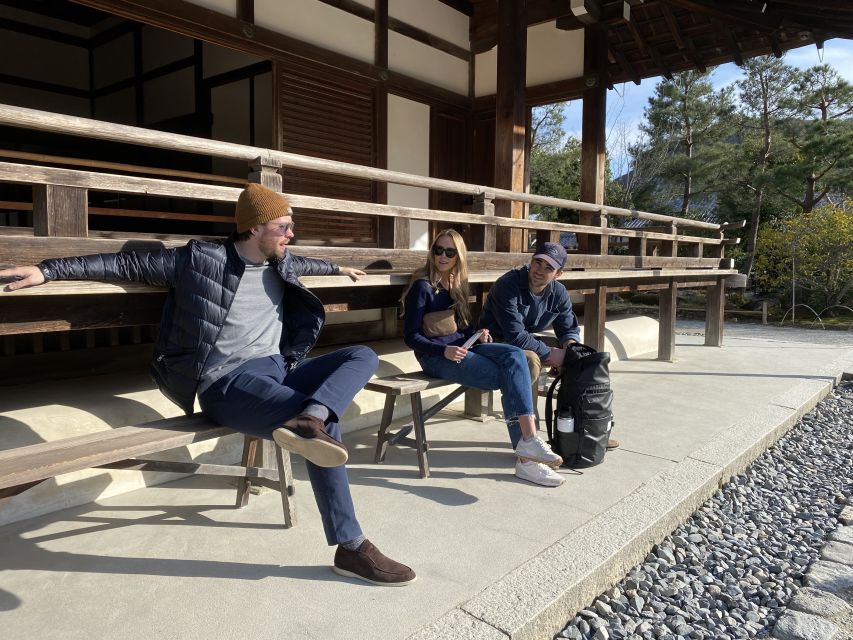
Small group tours live or die by the guide. Here, the pattern in the experiences is clear: strong safety explanations, patience with slower riders, and real stories that tie what you see to how Kyoto works.
Some guides named in past bookings include Peter, Rob, Yuki, and Ray, and the common thread is how they handle the group. People repeatedly note the pacing is adjusted, the explanations are clear, and safety check-ins happen more than once.
One detail I like from the reviews is the way the guide supports newcomers. If you feel out of your element in a foreign country, this format helps. You’re not navigating every turn or translating every sign while trying to enjoy the view.
You might also find that your guide takes photos during the ride. That is not guaranteed for every group, but it has happened often enough to be a good expectation to ask about on the day.
Value check: is $106 worth it for this afternoon?
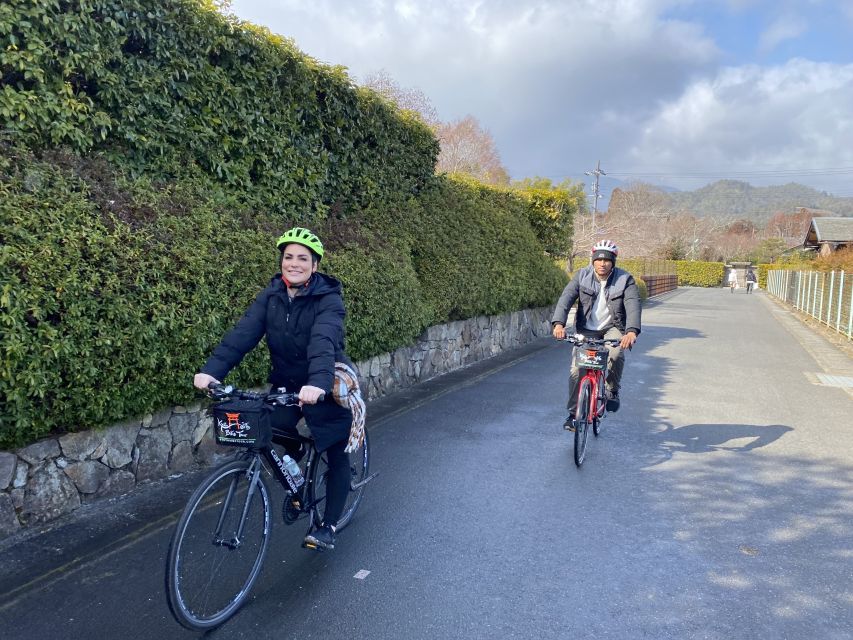
At $106 per person for about 4 hours, this isn’t the cheapest way to see Arashiyama. But it is also not just a bike rental with a playlist.
Here’s why the value can make sense:
- You get a live English guide for the whole flow of stops.
- Bicycle and helmet are included, so you skip rental hassle.
- Entry fees are included, which matters for temple time.
- The small group size, up to 8 participants, makes the experience feel controlled and personal rather than chaotic.
Also, it replaces several mini tasks you’d do on your own: figuring out routes, booking entry, and timing your day so you don’t lose hours to transit. If you only have a short window in Kyoto, that time compression can feel like real savings, even if the headline price looks higher.
The only way it feels overpriced is if you hate biking, struggle with the climb, or want long unstructured wandering without a guide. If you like a guided route with real viewpoints, it tends to feel like solid value.
Who should book this and who should think twice
This tour fits you if you want:
- Nature-heavy Kyoto with bamboo, river views, and a temple garden moment.
- A change of pace from walking between temples.
- A guide who helps you understand what you’re looking at, not just point and move on.
It might not be the best fit if:
- You do not want any uphill at all. Monkey Park includes a 20-minute climb.
- You have footwear issues. High-heeled shoes are not allowed, and uncomfortable shoes will turn the hike into a drag.
- You plan to eat a full meal during the tour. Food and drinks are not included, so you’ll either snack on your own or handle meals before and after.
If you’re traveling with teens, adults, or mixed ages who can handle one climb, this format is often easier than a purely walking-based day.
Season and weather reality in Kyoto afternoons
Arashiyama can be gorgeous, but Kyoto weather can be moody. The tour notes that if the forecast shows rain, you receive a message about rescheduling or cancellation.
That means you should pack smart. Even in cooler months, you can feel hot moving by bike and then cool quickly when you stop. Comfortable clothes and the right footwear matter more than you think.
If you’re going in fall, you’re likely aiming for color around areas like Togetsukyo Bridge. But don’t lock your whole mood into that. Bamboo and temple gardens still deliver in other seasons, and the bike format helps you enjoy the scenery even when the light is flat.
Should you book the Kyoto afternoon bamboo, monkey park, and temples bike tour?
I’d book it if you want a Kyoto day that feels outdoorsy and well-paced. The mix is the point: Arashiyama Bamboo Forest for atmosphere, Tenryuji Temple for Zen calm, Iwatayama Monkey Park for the monkey payoff, then Togetsukyo Bridge for the Kyoto view.
I would think twice if the Monkey Park hike sounds like a stressor. It is short, but it is part of the experience, and it can be tough if you’re not comfortable on inclines.
If you’re the kind of person who values a guided flow, small group attention, and a tour that moves you through key scenery without exhausting you, this one is an easy yes. Just bring good shoes, show up at Saga-Arashiyama Station, and let the afternoon do its thing.
FAQ
Where do I meet the guide?
You meet your guide at Saga-Arashiyama Station. The guide will be wearing a bike helmet and a Kyoto Bike Tour shirt, and you receive more info about the exact meeting spot after booking.
How long is the tour?
The tour runs for about 4 hours.
What is included in the price?
The tour includes a tour guide, bicycle, helmet, bottled water, and entry fees.
Is there hiking involved at Monkey Park?
Yes. There is a 20-minute hike involved at Iwatayama Monkey Park.
What should I wear or bring?
Bring comfortable shoes and comfortable clothes. High-heeled shoes are not allowed.
Is food included?
No. Food and drinks are not included.
New This Season
- Koyasan Day Trip by Private Car from Kyoto
- Old Port Town and Ultimate Sake Tasting Private Tour From Kyoto
- Kyoto’s Timeless Charm: 3hr Exploration of History and Peace
- Kyoto: 5 Types of Sushi Making
- Sacred Peak & Ancient Paths: Kurama-Kibune Hiking Experience
- Kyoto: Exclusive ZEN practice at Manpukuji temple in Uji
- Kyoto: Private Seasonal Aroma Yoga Class
- Traversing Kyoto’s Scenic West – Arashiyama to Kinkakuji
Arashiyama Bamboo Forest Walks, compared.
Fushimi Inari, Kinkakuji, Bamboo Grove 1 Day Bus Tour
Read our review →
Kinkakuji,Arashiyama,FushimiInariShrine,NaraPark
Read our review →
Nara, Fushimi Inari Taisha, Arashiyama Bus Tour
Read our review →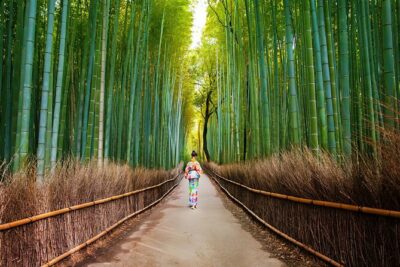
Kyoto Arashiyama Walking Tour: Bamboo, Monkeys, Gardens & Secrets
Read our review →
Arashiyama Bamboo, Temple, Monkeys, or Secret Sake Brewery
Read our review →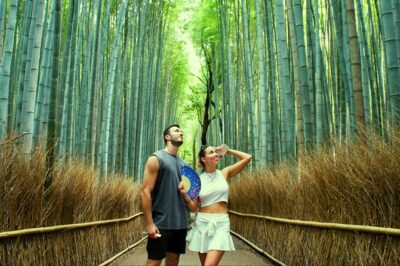
Arashiyama Bamboo Forest, Monkeys, Matcha & Temple Tour
Read our review →
Arashiyama, Nara & Fushimi Inari Shrine w/Lunch
Read our review →
Nijo, Kinkaku-ji, Arashiyama, Kiyomizu & Fushimi Inari
Read our review →Also filed under