
Reviewed · ARASHIYAMA BAMBOO FOREST WALKS
Kyoto Arashiyama Bamboo Forest & Scenery Customized Private Tour
Arashiyama feels like Kyoto in slow motion. This private 4-hour walk blends the iconic bamboo forest mood with temple calm, and your licensed local English-speaking guide helps you read what you are seeing.
I like that you can choose your own stops (2 to 3 places), so you are not stuck doing someone else’s checklist. I also love that the route can include both big names like Tenryu-ji and quieter areas people often miss when they go solo.
The main downside is simple: it is a walking tour, with no hotel pickup. You meet at JR Saga-Arashiyama Station yourself, and you should plan for moderate walking plus optional entrance fees.
In This Review
- Key highlights to know before you go
- Why Arashiyama and Sagano feel different with a private guide
- Price and value: what $132.14 covers and what to budget
- Meeting at Saga-Arashiyama Station and how the walk stays flexible
- Stop-by-stop: Togetsukyo Bridge, Tenryu-ji, and Okochi Sanso
- Hillside temples and quieter corners like Jojakko-ji and Otagi Nenbutsu-ji
- Bamboo Forest Street, Saga Toriimoto, and Monkey Park Iwatayama
- Should you book this Arashiyama Bamboo Forest and Scenery tour?
- FAQ
- How long is the Kyoto Arashiyama Bamboo Forest and Scenery customized private tour?
- What is the meeting point for the tour?
- Is this a private tour?
- Is hotel pickup included?
- Are entrance fees included in the price?
- Will we use public transportation during the tour?
- Is the tour mostly walking?
- Does the tour run in bad weather?
- Can the itinerary be customized?
- What is the cancellation policy?
Key highlights to know before you go
- Private customization: pick 2 to 3 places based on your interests and timing
- Iconic photo hits: Togetsukyo Bridge and Bamboo Forest Street are built into the plan
- Big temple variety: from UNESCO Tenryu-ji gardens to hillside temples with seasonal color
- Off-the-beaten corners: Adashino and Otagi Nenbutsu-ji can steer you away from the main crowds
- Nature add-on: Monkey Park Iwatayama can include around 120 wild Japanese macaques
Why Arashiyama and Sagano feel different with a private guide
Arashiyama and Sagano sit just outside Kyoto’s main tourist gravity, but they still deliver the classic “Kyoto” feeling. The difference here is pacing. With a private guide, you can stop when something catches your eye, move on when you want quieter paths, and skip what does not fit your energy.
The tour is designed as a walking day, not a bus circuit. That matters because these areas reward slow attention: riverside views, temple gardens that change with the seasons, and side streets that feel like you slipped into local daily life. One review theme that shows up again and again is how guides handle questions and adjust the route. Names you may hear associated with the guide team include Takuma Goda, Osamu, Fuji, Kazu, Akiko, Yumiko, and Naomi, and people specifically praise patient explanations in clear English.
If you are traveling with a couple of people, this private format can be a smart move. You share one guide, but you are not trapped in the rhythm of strangers. Also, because you return back to the same meeting point, it feels easy and contained.
Price and value: what $132.14 covers and what to budget
At $132.14 per person for about 4 hours, this is priced in the “you are paying for guide time and customization” category. What you get is a licensed local English-speaking guide and a walking route that can flex. You also get the convenience of a mobile ticket, which helps reduce friction on a busy day.
What is not included is the part that can sneak up on your budget: entrance fees and transportation between spots. Tenryu-ji is explicitly not included, and the itinerary flags other temples similarly. If you pick 2 to 3 heavier sites, you should expect to pay some gate fees yourself.
Another factor: this tour does not include a private van or hotel pick-up. The operator notes that public transportation or local taxis may be used between stops, but those ride costs are not included. In practice, this often means you budget for small train rides or a taxi when the route calls for it, especially if you choose hillside temples.
So is it value? If you want a guide to connect the dots between gardens, bridges, and temple stories, yes. If you only care about one “must see” moment and you plan to move fast on your own, a self-guided day might be cheaper. But for most people, the flexibility and interpretation are where the value lands.
Green light through a bamboo grove
- Kyoto: Fushimi Inari, Kinkakuji, Bamboo Grove 1 Day Bus Tour
★ 4.8 · 4,316 reviews - Osaka/Kyoto:Kinkakuji,Arashiyama,FushimiInariShrine,NaraPark
★ 4.1 · 1,596 reviews - Kyoto/Osaka: Nara, Fushimi Inari Taisha, Arashiyama Bus Tour
★ 4.7 · 1,275 reviews - Kyoto Arashiyama Walking Tour: Bamboo, Monkeys, Gardens & Secrets
★ 5.0 · 1,216 reviews
Meeting at Saga-Arashiyama Station and how the walk stays flexible
You meet at JR Saga-Arashiyama Station, in front of a ticket gate. The tour ends back at the same meeting point, so you are not figuring out a new drop-off location mid-day. That structure is helpful if you are juggling other Kyoto plans.
Because there is no hotel pickup, your day starts with you getting to the station. The good news is you are near public transportation, and the area is easy to access by train. Still, this tour is not for you if you hate planning logistics at the start of your day.
The tour itself is built around the idea that you choose. The plan highlights common stops, but the guide can tailor. Popular options include Tenryu-ji, Togetsukyo Bridge, and Jojakko-ji, plus other temples and viewpoints depending on what you want to see.
In reviews, people repeatedly praise guides for doing exactly that: pacing the walk to the group, taking extra time for photos when asked, and steering toward less crowded spots when possible. One of the nicest signals in the feedback is that guides do not just recite facts. They help you experience the place, including giving practical tips after the tour.
Stop-by-stop: Togetsukyo Bridge, Tenryu-ji, and Okochi Sanso
The day often kicks off in the Saga-Arashiyama area, starting at the station area. From there, Togetsukyo Bridge is usually a quick, iconic first hit. It runs over the Katsura River and is about 155 meters long. The bridge is an easy “Kyoto postcard” moment, with the Arashiyama mountains acting as a dramatic backdrop.
From a photo and timing perspective, Togetsukyo is also a useful reset. You get context fast. You can then decide how you want the rest of the day to feel, more garden-forward, more temple-forward, or more nature-forward.
Next up is Tenryu-ji Temple, a UNESCO site and one of the best-known Zen temples in Kyoto. If you like gardens, this stop is the anchor. The garden shifts character by season, with the plants and flowers creating a different mood throughout the year. Entrance is not included, so you will want to factor that into your day, but it is a stop most people feel glad they did.
Another optional favorite is Okochi Sanso Garden, a villa garden built by the actor Denjiro Okochi over about 30 years. The garden covers roughly 19,800 square meters, which is big enough that it does not feel like a quick glance. It is also seasonal in a very obvious way, surrounded by cherry blossoms in spring and autumn scenery later on. Expect a more leisurely feel here if you pick it, because the garden is meant to be walked through and taken in.
Tip for your own customization: if you love gardens and seasonal color, I’d prioritize Tenryu-ji plus Okochi Sanso. If you mainly want views and photos early, you might balance one garden with a viewpoint stop and save the rest for quieter temples.
Hillside temples and quieter corners like Jojakko-ji and Otagi Nenbutsu-ji
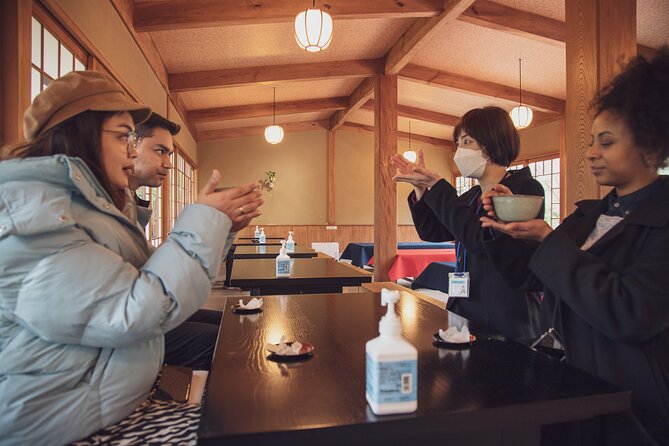
From bridge and garden energy, the tour can shift into hillside and spiritual Kyoto. One highlight choice is Jojakko-ji Temple, set on the hillside of Mt Ogura. It is closely associated with autumn foliage, and the grounds have about 200 old maple trees, turning red, orange, and yellow.
This is the kind of temple stop that rewards having context. A guide can explain why the placement matters, why those trees are emphasized, and how to move through the space for better views. In the feedback, people praise guides for being patient and relaxed, which is useful if you want time for questions or photos.
Another stop you might see is Nisonin, a quieter temple environment that has survived around 1,200 years. It is also known for autumn foliage. Nisonin is the kind of place where you feel the difference between “big attraction” and “small calm,” especially if your route avoids the heaviest lines at nearby sites.
If you want a more emotionally driven temple story, consider Giōji Temple. It is described as the temple of tragic love. The tradition involves a lady dancer favored by the powers of the time, then losing favor and spending time as a nun after heartbreak. That kind of story makes the grounds feel human, not just historic.
The route can also include some darker, less touristy atmosphere. Adashino Nembetsu-ji Temple is part of an area used for burial since ancient times, moving from wind burial to later earth burial. The story centers on memorial stones and a dedicated stone Buddha, designed for mourning separation after death.
Then there is Otagi Nenbutsu-ji Temple. Its origins trace back to the 8th century, but it became uninhabited during WWII. Later, a typhoon in 1950 caused extensive damage, after which parts were abandoned. This stop can feel very different from the bamboo forest, and that contrast is part of why the route works.
If you are the type who likes texture and variety, these temples help. If you mainly want lively scenery and photos, you may want to choose fewer hillside stops and keep the day smoother.
Bamboo Forest Street, Saga Toriimoto, and Monkey Park Iwatayama
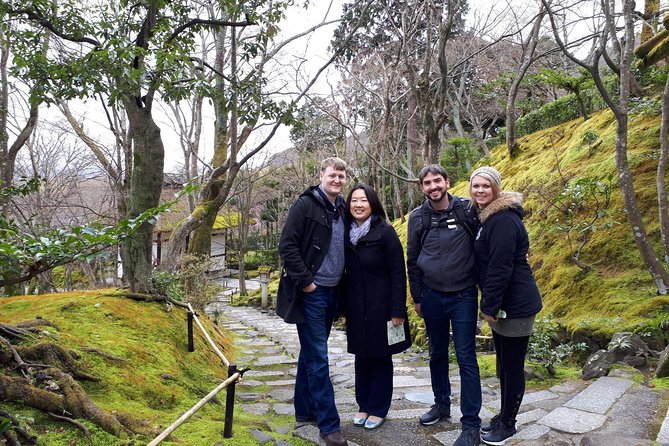
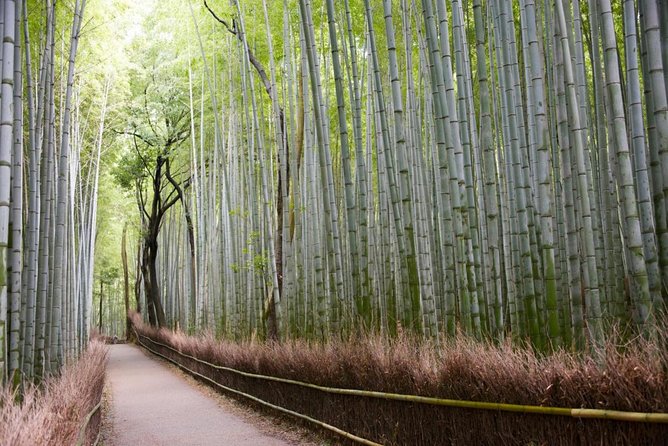
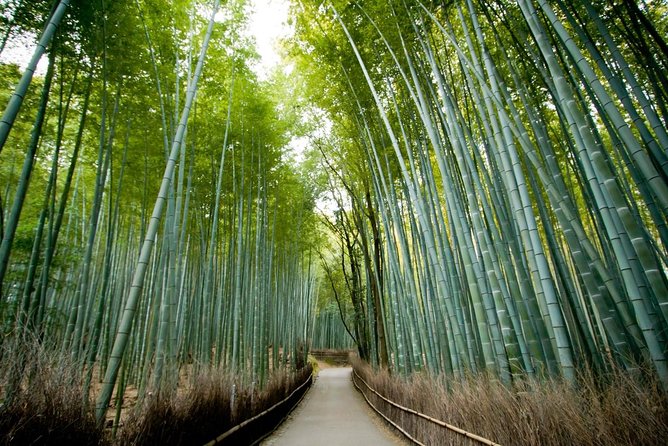
Now for the moment most people sign up for: Bamboo Forest Street. The description is direct, thousands of tall bamboo create a fairy-tale feel, and it is one of the biggest attractions in Kyoto. The key practical point is that this area can be very popular, so crowd management matters.
This is where a private guide helps in real life. Multiple reviews mention that guides took people to less busy areas and gave extra time for photos. Even if you cannot guarantee empty paths, your odds of a better experience improve when your guide knows where to step aside from the densest spots.
After bamboo, you can add traditional Sagano architecture with the Saga Toriimoto Traditional Buildings Preservation Area. It is about 600 meters along Atago Highway leading to Atago Shrine. The area preserves farmhouse-style buildings with thatched roofs, giving you a break from temple gardens and forest views. If you like Kyoto when it feels lived-in, this stop can be a nice counterweight.
If you want nature with a playful twist, consider Monkey Park Iwatayama. Around 120 Japanese macaques currently live in the wild there, and the park is described as full of nature. Entrance is not included, so budget accordingly. Also, since this is a walking route with moderate fitness requirements, you should be prepared for the paths to be a bit physical.
One smart move: if you choose Monkey Park, consider balancing it with fewer heavy garden stops. That way the day stays enjoyable instead of turning into “walk until your legs negotiate a ceasefire.”
A quieter way to spend a day in Kyoto

Should you book this Arashiyama Bamboo Forest and Scenery tour?
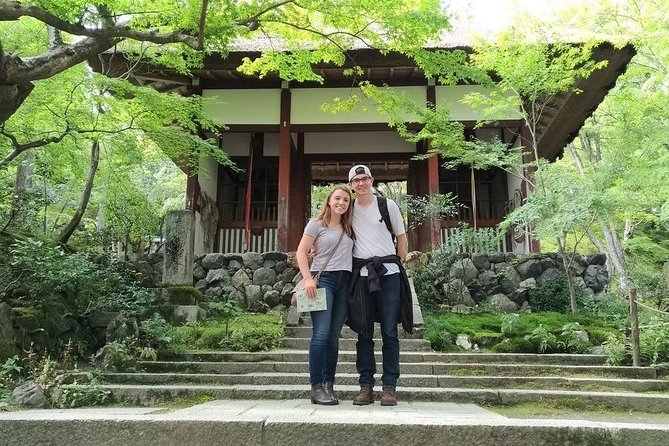
Book it if you want a guided, flexible way to experience Arashiyama and Sagano in one half-day. The best match is when you care about meaning, not just Instagram angles. If you love temples, seasonal gardens, riverside views, or you simply want to avoid missing the spots you would not find on your own, a private guide is a real advantage.
I would skip or rethink if:
- you have no interest in walking and stairs, or you need zero walking for your day
- you want a low-cost DIY day with no entrance fees and no transport between sites
- you do not want to manage meeting at Saga-Arashiyama Station without hotel pickup
One final practical note: bring comfortable shoes and expect moderate walking. Then, when you meet your guide, spend a minute clarifying your priorities. Most people get the best value when they clearly say which 2 to 3 stops they want most, and which ones they can live without.
FAQ
How long is the Kyoto Arashiyama Bamboo Forest and Scenery customized private tour?
The duration is about 4 hours.
What is the meeting point for the tour?
You meet at JR Saga-Arashiyama Station, in front of a ticket gate.
Is this a private tour?
Yes. Only your group participates.
Is hotel pickup included?
No, hotel pick-up is not included.
Are entrance fees included in the price?
Entrance fees are not included. For example, Tenryu-ji Temple admission is not included.
Will we use public transportation during the tour?
Public transportation or local taxis may be used between spots, but transportation costs are not included in the price.
Is the tour mostly walking?
Yes. It is a walking tour with a moderate amount of walking included. You should wear comfortable walking shoes.
Does the tour run in bad weather?
The tour takes place rain or shine.
Can the itinerary be customized?
Yes. You can customize the itinerary and choose 2 to 3 places to visit.
What is the cancellation policy?
Free cancellation is available up to 24 hours in advance for a full refund. If you cancel less than 24 hours before the start time, the amount paid is not refunded.
New This Season
- Koyasan Day Trip by Private Car from Kyoto
- Old Port Town and Ultimate Sake Tasting Private Tour From Kyoto
- Kyoto’s Timeless Charm: 3hr Exploration of History and Peace
- Kyoto: 5 Types of Sushi Making
- Sacred Peak & Ancient Paths: Kurama-Kibune Hiking Experience
- Kyoto: Exclusive ZEN practice at Manpukuji temple in Uji
- Kyoto: Private Seasonal Aroma Yoga Class
- Traversing Kyoto’s Scenic West – Arashiyama to Kinkakuji
Arashiyama Bamboo Forest Walks, compared.
Fushimi Inari, Kinkakuji, Bamboo Grove 1 Day Bus Tour
Read our review →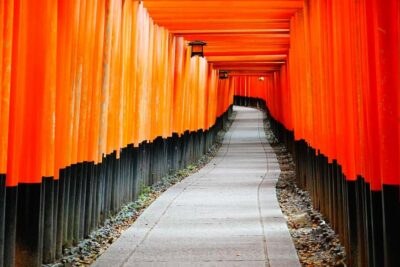
Kinkakuji,Arashiyama,FushimiInariShrine,NaraPark
Read our review →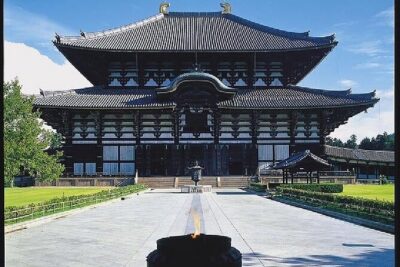
Nara, Fushimi Inari Taisha, Arashiyama Bus Tour
Read our review →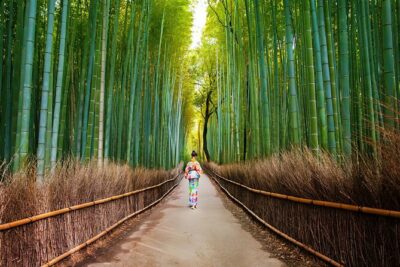
Kyoto Arashiyama Walking Tour: Bamboo, Monkeys, Gardens & Secrets
Read our review →
Arashiyama Bamboo, Temple, Monkeys, or Secret Sake Brewery
Read our review →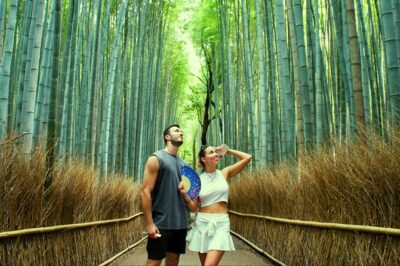
Arashiyama Bamboo Forest, Monkeys, Matcha & Temple Tour
Read our review →
Arashiyama, Nara & Fushimi Inari Shrine w/Lunch
Read our review →
Nijo, Kinkaku-ji, Arashiyama, Kiyomizu & Fushimi Inari
Read our review →Also filed under