
Reviewed · ARASHIYAMA BAMBOO FOREST WALKS
Kyoto Arashiyama & Sagano Bamboo Private Tour with Government-Licensed Guide
Bamboo and temples, minus the stress. This private, government-licensed guide tour takes you through Arashiyama and Sagano with real context, so you spend less time figuring things out and more time looking. I especially like the direct access to your guide for questions on the spot, and the way the route can be tuned to what you care about. The main consideration is that it is a walking day with a tight focus on 3 to 4 sites, plus you pay your own lunch, entrances, and transportation.
You get about 6 hours to soak in the best of this side of Kyoto, and pickup and drop off are on foot, near public transport. I also like that it is a mobile-ticket setup, so your day starts smoothly. Just be ready to walk. You will be moving between temples, garden entrances, and hill paths, and in warm or rainy weather that can feel like a workout.
In This Review
- Key takeaways
- Why Arashiyama and Sagano feel different with a licensed guide
- The 6 hour walking day: how to pace it for comfort
- Arashiyama’s essentials: Togetsukyo Bridge and the bamboo forest route
- Tenryuji Zen gardens and Okochi Sanso for the quieter side
- Imperial villas in Sagano: Shugakuin and the special rules at Katsura
- Hill temples and moss gardens: Jojakkoji, Nisonin, Gioji, and Adashino
- Otagi Nenbutsuji and why stone faces can steal the show
- Mountain and river options: Kurama, Yoshimine, Daikakuji, and Kibune
- Price and value at about $158 per person
- Practical tips that make the day go smoothly
- Should you book this Kyoto Arashiyama and Sagano private tour?
Key takeaways
- Government-licensed, English-speaking guide: You are not just following a map, you can ask questions and get straight answers.
- Choose 3 to 4 sites from iconic Arashiyama and Sagano: It keeps the day focused instead of rushed.
- Crowd-smart pacing matters here: Arashiyama gets packed, so timing and small detours change the whole feel.
- Temple and garden design is the real star: From Tenryuji to Kyoto’s imperial villas, you will see how the Japanese shape space.
- Optional mountain and river flavors: If your chosen stops include Kurama, Kibune, or other hills, expect a quieter, more local Kyoto mood.
Why Arashiyama and Sagano feel different with a licensed guide
Arashiyama and Sagano are the part of Kyoto most people point at first, but they are also the part where you can feel like you are constantly queueing. A licensed guide helps you read the area fast, which means you stop spending energy on logistics.
I like how the guide setup supports real conversation. You can ask why a temple layout works the way it does, what a garden is trying to do, or what to notice while you walk. That matters at places like Tenryuji, where the garden paths are the experience, not just a backdrop for photos.
The other big win is that these districts come in layers. You get the famous bamboo and bridge views, then you can shift into smaller temples with moss, stone statuary, and hill viewpoints that feel more like a local afternoon walk.
The 6 hour walking day: how to pace it for comfort
This is a private experience, so it is not a big bus tour. You will be moving at walking pace across multiple stops, and your guide sets the rhythm.
Here is what that usually means in practice: you should plan for short segments that add up. Many of the included stops are designed for a focused visit, often around 20 minutes for temple and garden viewing style stops, with some sites requiring additional time for the guided entry process.
If you are traveling with kids, the day can work well, especially when the route includes the Arashiyama highlights that kids recognize right away. One guide, Ken, is noted for helping families include the monkey park area when it fits the flow of the day.
If you have mobility limitations, tell the guide early. More than one guide is described as adjusting pace, including care for guests who move slowly due to injuries.
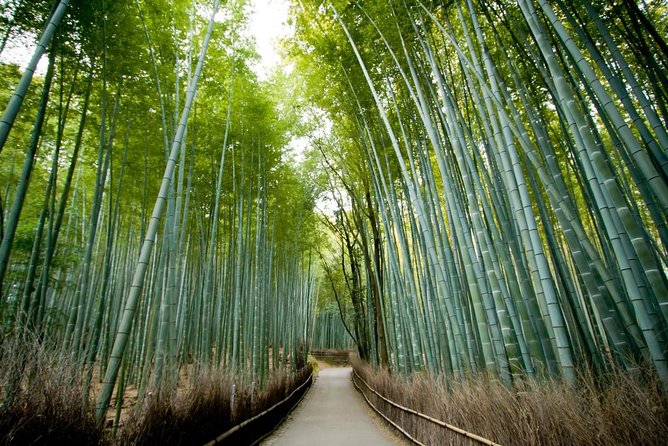
Green light through a bamboo grove
- Kyoto: Fushimi Inari, Kinkakuji, Bamboo Grove 1 Day Bus Tour
★ 4.8 · 4,316 reviews - Osaka/Kyoto:Kinkakuji,Arashiyama,FushimiInariShrine,NaraPark
★ 4.1 · 1,596 reviews - Kyoto/Osaka: Nara, Fushimi Inari Taisha, Arashiyama Bus Tour
★ 4.7 · 1,275 reviews - Kyoto Arashiyama Walking Tour: Bamboo, Monkeys, Gardens & Secrets
★ 5.0 · 1,216 reviews
Arashiyama’s essentials: Togetsukyo Bridge and the bamboo forest route
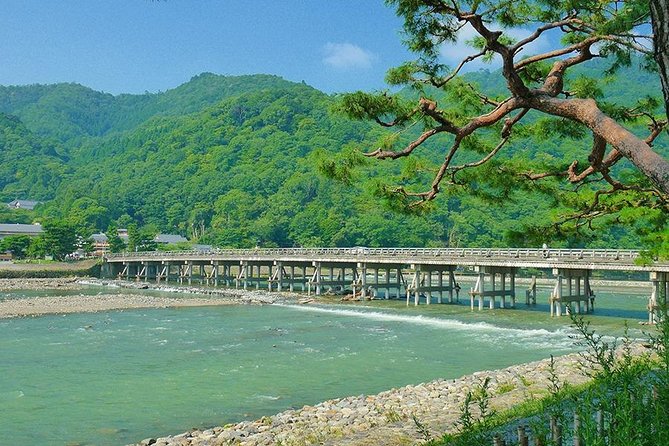
Most people start Arashiyama at Togetsukyo Bridge, and it is easy to see why. The bridge is one of the district’s central landmarks, famous for its setting with forested mountains behind it. The best part is that it is not just a photo stop, it is your orientation point. Once you locate the bridge and the nearby riverside park, the rest of Arashiyama starts making sense.
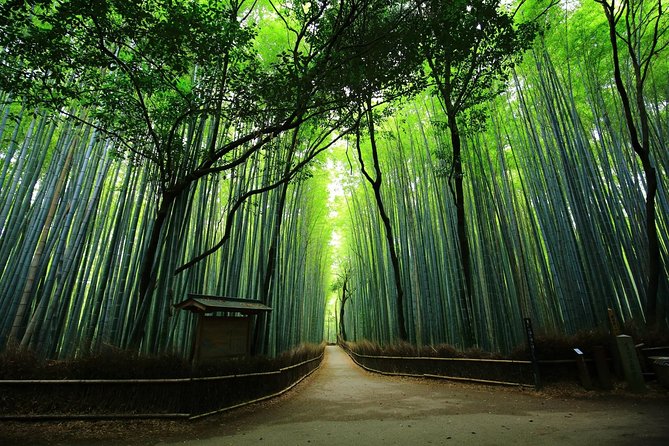
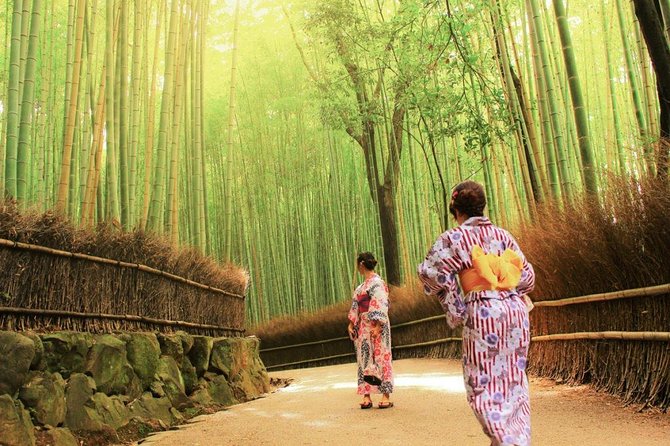
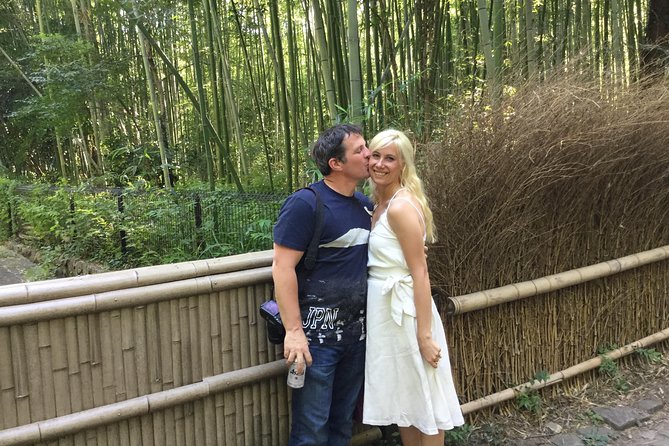
From there, the walking paths through the bamboo area are what you came for. The bamboo grove walk has that signature effect when there is a light wind, because the stalks sway and you feel like you are inside a moving wall of green. You will also learn the long connection between bamboo and everyday crafts. The bamboo here has been used for baskets, cups, boxes, and mats for centuries, which gives the grove a practical meaning, not only a pretty one.
A practical note: in peak seasons, this is one of the first spots to get crowded. That is where having Tomo or another crowd-aware guide can change your day. The key is not just avoiding people, it is also timing your slow moments so you do not spend all your energy fighting for space.
Tenryuji Zen gardens and Okochi Sanso for the quieter side
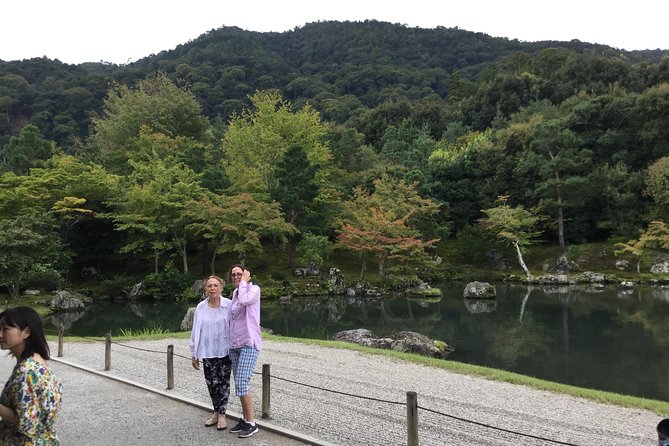
After you do the headline sights, Tenryuji is where Arashiyama’s tone shifts toward stillness. Tenryuji is one of Kyoto’s five great Zen temples and is a UNESCO World Heritage Site. Even if you do not know a lot about Zen, you can still feel the design logic through its garden paths and the way the grounds guide your pace.
This is also the part of your day where your guide’s commentary really pays off. You are not just ticking off a temple name. You are learning what the garden intends you to notice, and you get time to walk without feeling like someone is rushing you to the exit.
If you want an extra layer that feels more like a hidden stage set than a temple, consider adding Okochi Sanso Garden. It is the former villa of actor Okochi Denjiro and sits at the back of the bamboo area. The gardens and buildings are meant to be experienced from specific viewpoints, and you can only view the structures from the outside.
Because this one is in the same general Arashiyama zone as the bamboo, it pairs well with your main bamboo and temple stops without turning your day into a travel marathon.
Imperial villas in Sagano: Shugakuin and the special rules at Katsura
Sagano has a different kind of Kyoto beauty. Instead of only religious grounds, you are looking at court-level design. That is why the imperial villas are such a strong match for a private guided format.
Shugakuin Imperial Villa was built in the 17th century and is managed by the Imperial Household Agency. It has Upper, Middle, and Lower Villa areas, each with traditional imperial style gardens and buildings. It is a great choice if you like gardens that feel arranged and intentional rather than only natural.
Then there is Katsura Imperial Villa, which is a big deal for Japanese architecture and garden design fans. The catch is that you must join a guided tour to visit it, and there are specific rules. Palace buildings can only be viewed from the outside, and photographing is allowed only from designated spots. It is also one of those places where the garden’s circular walking trail helps you experience the layout as a sequence, not a single view.
If photography matters to you, plan your expectations. Pick Katsura if you want the full structured experience, not if you want free roaming and unrestricted shooting.
Hill temples and moss gardens: Jojakkoji, Nisonin, Gioji, and Adashino
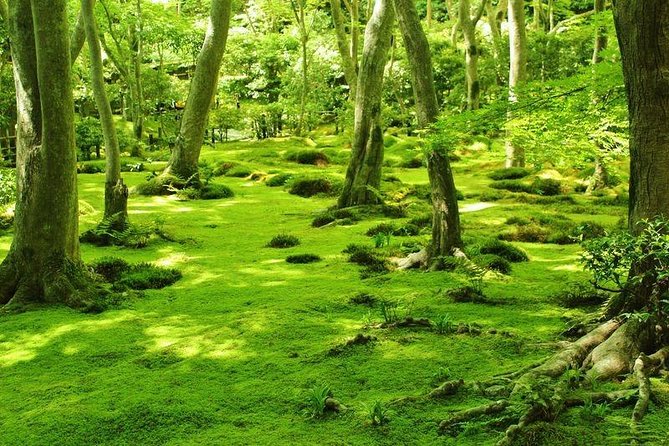
One reason I love pairing Arashiyama with smaller hillside temples is that you leave the main crowd energy behind fast. Stops like Jojakkoji feel calm and understated, with small buildings and gates and views over Kyoto from parts of the grounds. If you are here during maple season, you can expect the scenery to lean into color, but even without peak foliage the moss and stone paths give it texture.
Nisonin is similar in vibe, but with slightly larger, more imposing buildings. It also has that hillside approach feel, helped by the overhanging trees that frame the route up.
Then Gioji pushes the moss garden angle further. It is known for a moss garden dotted with tall maples, and the entrance gate and main hall have thatched roofs. One of the details to look for is the round window on the main hall, which gives you a built-in view into the garden.
If you keep going in the Saga direction, Adashino Nenbutsuji adds a different kind of visual story. It is known for hundreds of stone statues connected to souls of the dead placed by Kobo Daishi. The grounds lead into a bamboo forest path in the back, which lets you blend bamboo atmosphere with this more solemn setting.
These hillside and statue-based stops are ideal for anyone who wants a Kyoto day that feels more personal. They are not loud. They are quiet, and the design helps you slow down.
A quieter way to spend a day in Kyoto

Otagi Nenbutsuji and why stone faces can steal the show
Otagi Nenbutsuji is about as distinctive as it gets. It is famous for 1200 stone statues of rakan, devoted followers of Buddhism, each with its own facial expression. Even if you do not read Japanese signage, the sheer variety in the expressions gives you an immediate emotional hook.
It also works as a cool contrast after the bamboo. Bamboo is light and motion, while Otagi is still, detailed, and human in a strange way. You can use your guide to help you understand what rakan are and why so many statues were created.
This is the kind of stop where your time feels well spent. You are not looking at one object for a minute. You are walking and noticing differences, which makes it easy to enjoy even if you are not a temple expert.
Mountain and river options: Kurama, Yoshimine, Daikakuji, and Kibune
Not every route will include these farther-flung places, because the tour is built around selecting 3 to 4 sites. But if your interests pull you beyond classic Arashiyama, these options can add a more rural Kyoto tone.
In the northern mountains, Kurama is known for Kurama-dera and a hot spring area. Kurama is less than one hour from Kyoto’s city center. Kurama Onsen is a ryokan with outdoor and indoor baths, accessible by walk from the train station along the town’s only road or a nature trail by the river. Daytrippers pay 2500 yen for all baths, or 1000 yen for the outdoor rotemburo. If soaking matters to you, ask your guide how the day’s timing can fit it.
Another mountain temple option is Yoshiminedera, located on a mountainside in Kyoto’s western mountains. The grounds are spacious and built up the hillside, with the temple tied to historical figures including a priest named Gesan establishing it as a retreat in 1029. The temple main objects of worship include a Kannon statue carved by Gesan, and another Kannon statue associated with Emperor Gosuzaku.
If you want history that connects to imperial-era politics, Daikakuji is a strong pick. It began as an early 800s detached palace for Emperor Saga, then became a temple. It hosted significant events, including peace talks that reunited the Northern and Southern Imperial Courts after 50 years of civil war. The grounds include buildings of Shingon Buddhism and you can see a large pond and a pagoda area.
Finally, Kibune is a forest valley town built around Kifune Shrine. The shrine is dedicated to the god of water and rain, and the omikuji fortune system is special: fortune slips are dipped into water to reveal the message. Kifune also has the boat stone at Okunomiya, described as where the goddess’ yellow boat is buried. If you want a Kyoto day that feels less touristy and more local-story based, Kibune can be a great twist.
Price and value at about $158 per person
At $157.82 per person, this tour sits in the range of a focused private Kyoto walking experience. The value is not only that you get a government-licensed guide. It is that you get your route shaped to your interests, choosing 3 to 4 sites rather than being forced into a rigid script.
The day is also built to reduce decision fatigue. Instead of you mapping routes, timing buses, and trying to understand what matters at each stop, your guide handles the flow and provides commentary along the way. That kind of mental relief is real value in Kyoto, where distances are short but crowd density and entry rules can be anything but simple.
Just budget thoughtfully. Lunch is not included, and neither are entrance fees or transportation fees for you and the guide. You will also need to remember that some sites have special guided entry requirements, like Katsura, and that can affect time and what you can do that day.
A final practical note on demand: this kind of tour is often booked in advance, with an average booking window of about 65 days. If you want specific seasons, like fall color or cherry blossom timing, lock it in early.
Practical tips that make the day go smoothly
First, wear shoes you can walk in for hours. Even when each stop is short, you stack up lots of steps, especially when hillside temples are part of your 3 to 4 picks.
Second, bring a simple plan for meals. Lunch is for yourself, so choose a neighborhood meal that fits the day’s pacing. One guide, Kazz, is described as sharing food suggestions like a beef bento spot near Rikklakuma, with the extra advice to avoid lunch crowds if you want to skip long lines.
Third, use your guide for crowd timing. This is a big theme in how the guides handle the day. Guides like Tomo are known for working around crowds, and other guides are praised for finding quieter, less obvious spots when possible. If your main goal is photography at bamboo and bridge, ask when the guide recommends you take breaks and when to slow down.
Fourth, remember that the experience requires good weather. If weather turns bad enough to cancel, you will be offered a different date or a full refund, so it is wise to keep flexibility in your schedule.
Should you book this Kyoto Arashiyama and Sagano private tour?
Book it if you want a Kyoto day that mixes famous sights with calmer temple and garden moments, and you value a licensed guide who can answer your questions as you walk. It is a smart choice for first-timers who feel overwhelmed by Arashiyama crowds, and also for return visitors who want a more thoughtful path through Sagano’s gardens.
Skip it if you want a big “see everything” checklist day. Because the tour focuses on 3 to 4 sites, it is not built for nonstop hopping across half of Kyoto. Also, if you hate walking hills or you are not willing to pay entrance fees and manage your own lunch and transport, plan a different style of tour.
One more confidence boost: the overall rating is 4.8 out of 5, with 98% recommending it. That matches what you should expect from a guide-led, private structure here, where pacing, interpretation, and access rules really matter.
If your ideal day in Kyoto sounds like bamboo, bridge views, Zen gardens, and hillside temple quiet, this is an easy yes.
New This Season
- Koyasan Day Trip by Private Car from Kyoto
- Old Port Town and Ultimate Sake Tasting Private Tour From Kyoto
- Kyoto: 5 Types of Sushi Making
- Sacred Peak & Ancient Paths: Kurama-Kibune Hiking Experience
- Kyoto’s Timeless Charm: 3hr Exploration of History and Peace
- Kyoto: Exclusive ZEN practice at Manpukuji temple in Uji
- Kyoto: Private Seasonal Aroma Yoga Class
- Traversing Kyoto’s Scenic West – Arashiyama to Kinkakuji
Arashiyama Bamboo Forest Walks, compared.
Fushimi Inari, Kinkakuji, Bamboo Grove 1 Day Bus Tour
Read our review →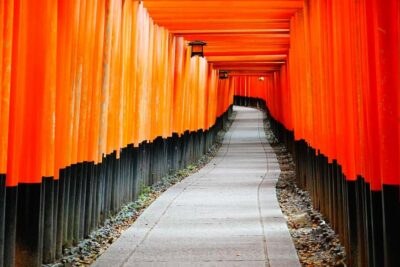
Kinkakuji,Arashiyama,FushimiInariShrine,NaraPark
Read our review →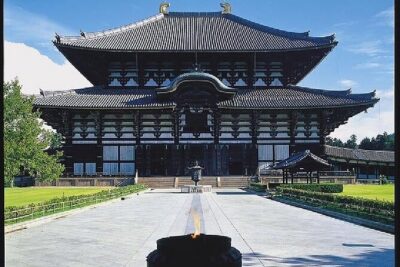
Nara, Fushimi Inari Taisha, Arashiyama Bus Tour
Read our review →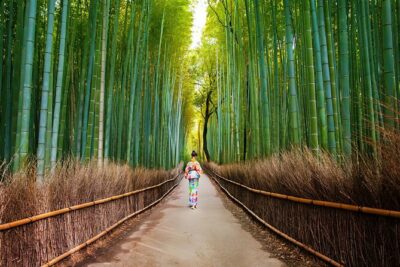
Kyoto Arashiyama Walking Tour: Bamboo, Monkeys, Gardens & Secrets
Read our review →
Arashiyama Bamboo, Temple, Monkeys, or Secret Sake Brewery
Read our review →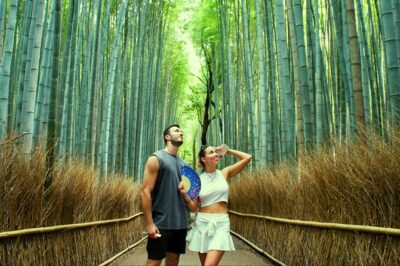
Arashiyama Bamboo Forest, Monkeys, Matcha & Temple Tour
Read our review →
Arashiyama, Nara & Fushimi Inari Shrine w/Lunch
Read our review →
Nijo, Kinkaku-ji, Arashiyama, Kiyomizu & Fushimi Inari
Read our review →Also filed under