
Reviewed · ARASHIYAMA BAMBOO FOREST WALKS
Kyoto Arashiyama tour: Iconic Sights and Hidden Treasures
Arashiyama feels calmer when you know where to walk. I like this tour for its small group of 8 and its ability to turn crowded Kyoto into a slower, more personal circuit, with standout stops like 1,200 stone Buddhas at Otagi and the sweeping views from Jōjakkō-ji.
You’ll get two big wins here: clear cultural context from a local guide, plus time to linger instead of rushing through Kyoto checklist stops. The one drawback to keep in mind is moderate walking, and the route depends on the day, since Otagi Nenbutsu-ji is closed on Wednesdays.
In This Review
- Key highlights that make this Arashiyama tour worth your time
- Why Arashiyama feels less stressful on a guided 4-hour route
- Meeting at Randen Arashiyama Station, then a quick hop into the quieter parts
- Otagi Nenbutsu-ji (and the Wednesday switch to Adashino Nenbutsu-ji)
- Jōjakkō-ji Temple: seasonal views that reward slow looking
- Passing the preserved street, shrines, and Ogura Pond for that old-Arashiyama mood
- Arashiyama Bamboo Forest: a focused photo stop with room to breathe
- Kameyama Park and finishing at Togetsukyo Bridge
- Price and value: $77 for a 4-hour, admission-included experience
- What to bring, and how to plan your day around the walking
- Who should book this Kyoto Arashiyama tour?
- Should you book this Kyoto Arashiyama tour?
- FAQ
- What is the duration of the Kyoto Arashiyama tour?
- How large is the group for this tour?
- What language is the live tour guide?
- Where do I meet the guide?
- How much is the tour price and what does it include?
- Is the bus or coach fee included?
- What happens if I book on a Wednesday?
- Does the tour run in bad weather?
- How much walking should I expect?
- Is this tour suitable for wheelchair users?
Key highlights that make this Arashiyama tour worth your time
- A tight group, max 8 people, so questions and small adjustments happen naturally
- Otagi Nenbutsu-ji’s 1,200 unique stone Buddhas, plus a Wednesday swap to Adashino Nenbutsu-ji
- Jōjakkō-ji Temple views in every season, with different moods year-round
- Traditional neighborhood atmosphere, including a village-style lane feel with thatched-roof houses
- Arashiyama Bamboo Forest photo time (about 10 minutes), without feeling pushed along
Why Arashiyama feels less stressful on a guided 4-hour route
Arashiyama is famous for a reason, but popularity has a downside. You can easily spend your half day moving sideways through crowds instead of actually seeing the temples and paths that make the area special.
This tour keeps things efficient, but not frantic. With a 4-hour plan and a small group, you get a guided walk that helps you understand what you are looking at, then you get enough breathing room to slow down and take photos on your own terms. That balance matters most in places like this, where the best moments are often the quiet ones.
Meeting at Randen Arashiyama Station, then a quick hop into the quieter parts
Your meet-up is easy to find: look for a green signboard that says Japan Wonder Travel in front of the Randen Arashiyama Station building. It’s close to 嵐山駅はんなり·ほっこりスクエア, which makes it simple to connect to your transit before the tour.
After meeting, you take a short bus or coach ride, about 15 minutes. This is practical, because it saves energy for the walking you actually want to do, around the temple sites and scenic stops. You are also not stuck hunting for directions in a busy area right at the start, which sets a calm tone for the whole morning or afternoon.
Green light through a bamboo grove
- Kyoto: Fushimi Inari, Kinkakuji, Bamboo Grove 1 Day Bus Tour
★ 4.8 · 4,316 reviews - Osaka/Kyoto:Kinkakuji,Arashiyama,FushimiInariShrine,NaraPark
★ 4.1 · 1,596 reviews - Kyoto/Osaka: Nara, Fushimi Inari Taisha, Arashiyama Bus Tour
★ 4.7 · 1,275 reviews - Kyoto Arashiyama Walking Tour: Bamboo, Monkeys, Gardens & Secrets
★ 5.0 · 1,216 reviews
Otagi Nenbutsu-ji (and the Wednesday switch to Adashino Nenbutsu-ji)
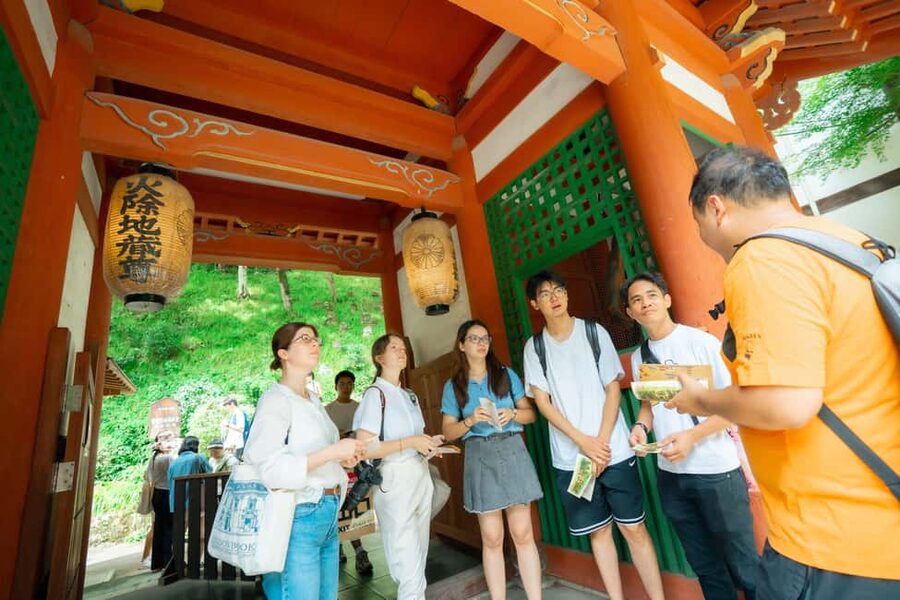
One of the strongest reasons to book this tour is Otagi Nenbutsu-ji, known for its striking collection of stone Buddhas. The tour includes a guided visit of about 20 minutes, and the main draw is the atmosphere created by 1,200 unique stone Buddha statues. Even if you have seen temple photos online, this scale and variety is hard to fully grasp until you are standing in the space.
On Wednesdays, Otagi Nenbutsu-ji is closed. In that case, the tour visits Adashino Nenbutsu-ji instead. That detail is not just a schedule note, it changes what you experience, so it’s worth checking what day you’re going.
Practical tip: wear comfortable shoes. Even with guided time, temple grounds are still uneven and you’ll want solid footing. If you are traveling in rain, plan for slick paths too, since the tour runs rain or shine.
Jōjakkō-ji Temple: seasonal views that reward slow looking
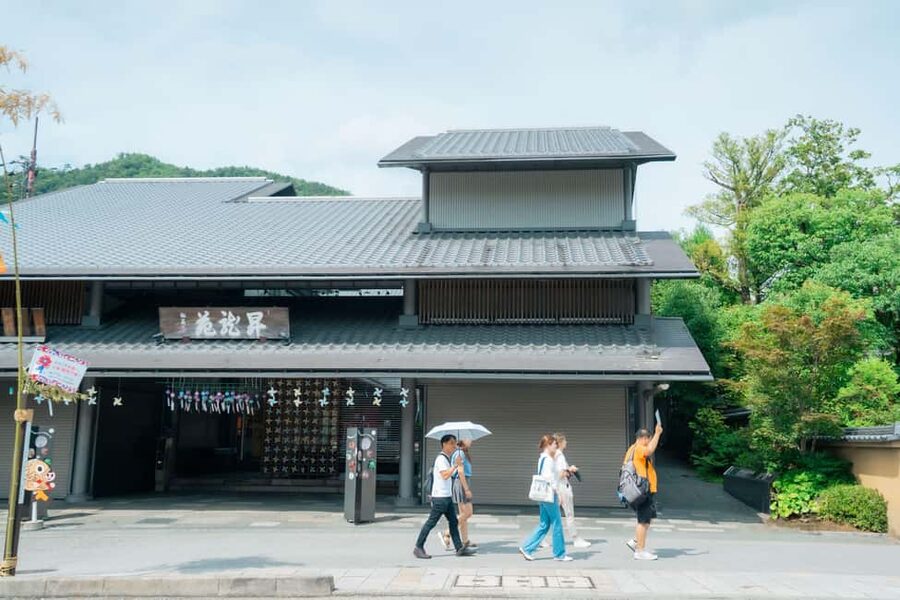
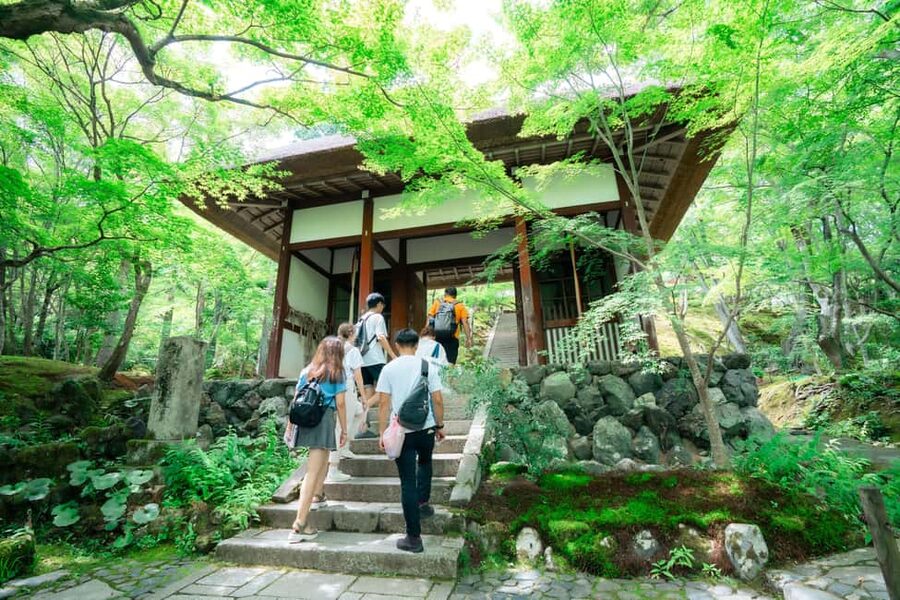
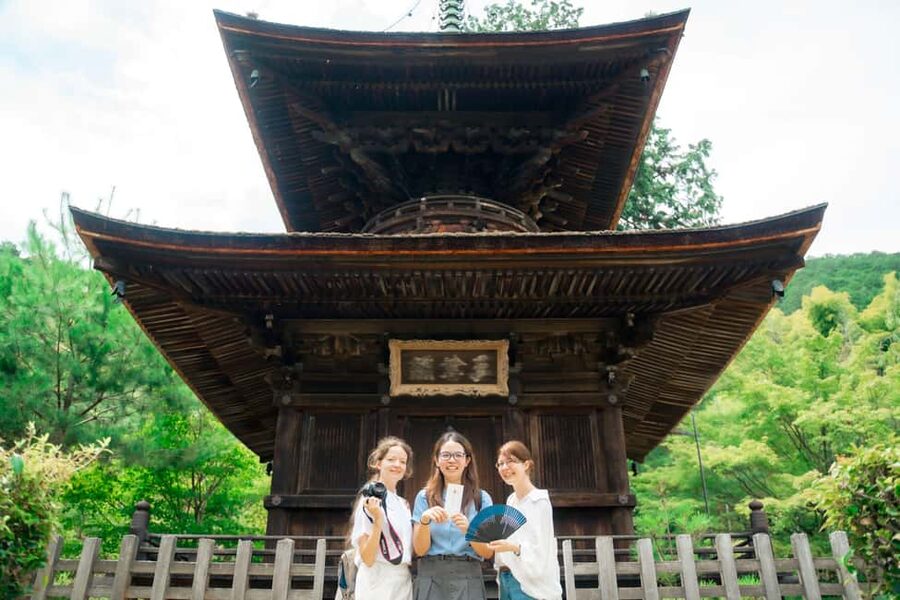
Jōjakkō-ji Temple is where the tour starts to feel more like Kyoto than like a checklist. You get a guided visit of about 30 minutes, which is enough time to pause, take in viewpoints, and understand why the location and layout matter.
The big theme here is perspective. Jōjakkō-ji offers stunning views throughout the year, so the same viewpoint can feel completely different depending on the season. That’s the kind of detail that makes a guided stop worthwhile, because your guide can connect architecture, layout, and nature into a story you can actually see.
A small consideration: you will be doing some walking and climbing steps at temples. The visit time is long enough to enjoy it, but it’s not a sit-down experience, so pace yourself and take short breaks if you need them.
Passing the preserved street, shrines, and Ogura Pond for that old-Arashiyama mood
Not every stop needs a long guided lecture to be memorable. Part of the value of this tour is how it strings together the right mix of guided time and slower passes through scenic, historic-feeling spots.
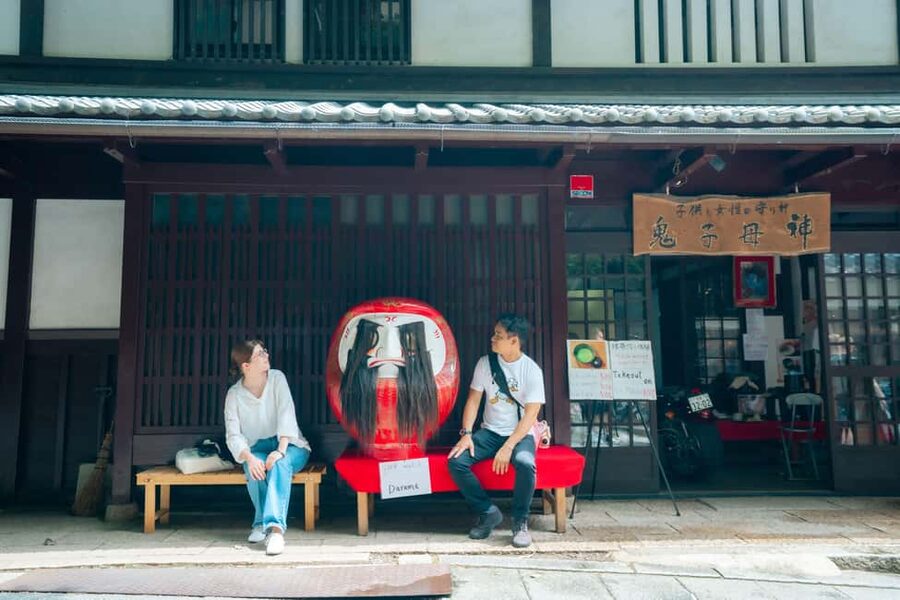
Along the way, you pass by the Saga Toriimoto Preserved Street area, plus stops near Mikami Shrine, Kyoto and Ogura Pond. Even though these are not the longest guided segments, they act like visual punctuation. You get moments of traditional neighborhood texture, then you move on before your energy drops.
Here’s what I like about including passes rather than stuffing everything with stops. In Arashiyama, the best pictures often come from just standing in the right spot and letting the light and people flow around you. A guided route helps you reach those positions, then you can absorb the atmosphere without feeling like you are being rushed from photo to photo.
If you like quiet details, this is also where the local context helps. A guide can point out what to watch for in the scene, like the way old streets align, the way shrine spaces function, and how pond settings influence the overall mood.
Arashiyama Bamboo Forest: a focused photo stop with room to breathe
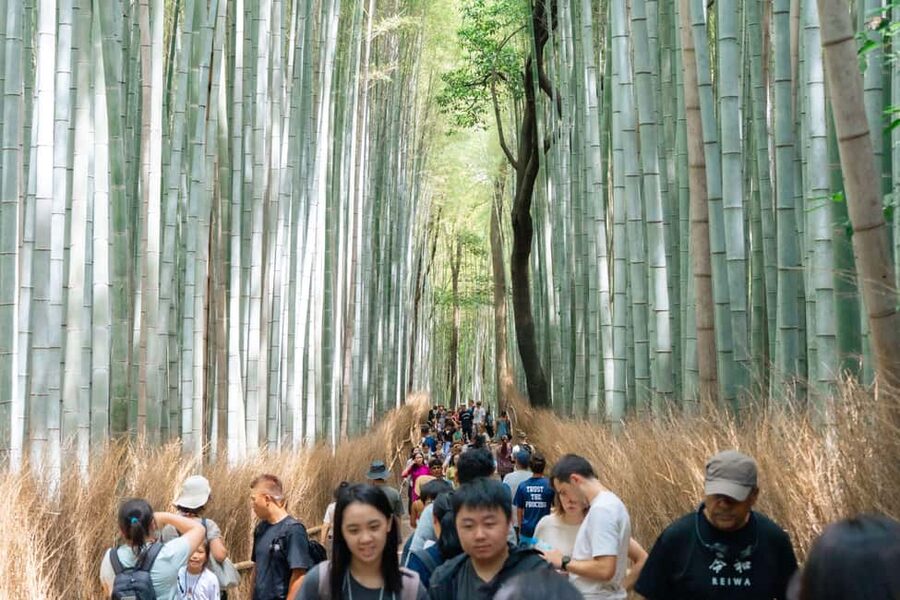
Yes, the Arashiyama Bamboo Forest is touristy. But that doesn’t mean it is automatically bad, especially if you know how to approach it.
This tour includes a photo stop of about 10 minutes in the bamboo forest. That time box is smart. You get a chance to capture the classic shot and to step back long enough to notice the texture of the grove, the way light moves between stalks, and the calming quiet that can still happen if you are not sprinting.
Because this stop is short, you’ll want to be ready before you enter. Wear footwear you’re comfortable in and keep your camera accessible. Also, remember that other shoppers will be around, so keep an eye on where you can pause safely without blocking others.
My advice: use the 10 minutes for two different shots. One from a classic angle, and one from a slightly lower or side position to show depth and distance. You’ll end up with photos that look like Kyoto, not just a repeat of the same postcard.
A day of temples goes further with something to break it up.
Kameyama Park and finishing at Togetsukyo Bridge
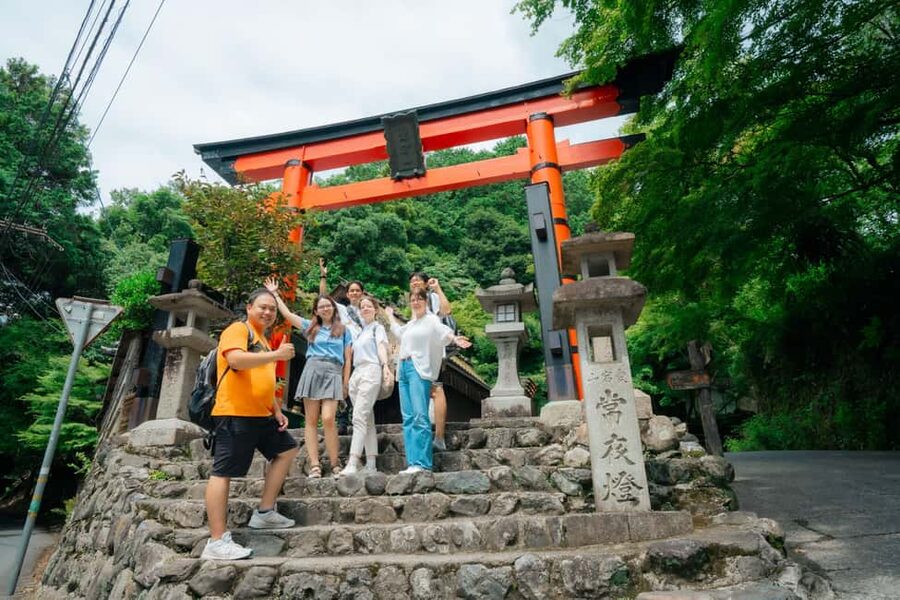
After bamboo, the tour continues at a calmer pace. You pass by Kameyama Park, then the experience ends at 渡月橋 (Togetsukyo Bridge).
Finishing at Togetsukyo Bridge is a good move. It’s the right kind of closing scene, where the river setting and the surrounding views give you that big-picture Arashiyama feel. It also helps you plan your next step, because you’re in a central landmark zone instead of being deposited somewhere obscure.
If you still have energy after the tour, linger near the bridge for a few minutes. Even a short pause adds up, and it can turn the last part of your half day from a hurry into a proper send-off.
Price and value: $77 for a 4-hour, admission-included experience
At $77 per person for a 4-hour tour, the value depends on what you care about.
You are not just paying for walking. The tour includes a local guide, a guided walk of Arashiyama, and admission fees for Otagi Nenbutsu-ji (or Adashino Nenbutsu-ji if the Wednesday closure applies) and Jōjakkō-ji Temple. You also get one drink during a short break, with coffee, tea, or juice included.
What’s not included: the bus or coach fee. The info says to have an IC card or coins ready, specifically ¥230. This is small, but it matters for budgeting and for avoiding last-minute confusion.
My take: this pricing makes sense if you want more than sightseeing. If you enjoy understanding why places look the way they do, and you want someone to help you notice details without spending your whole day studying maps, you’re paying for time and clarity. If you already know the area perfectly and don’t want guided context, you might find better deals by going solo. But for most people, the guide-led flow and included admissions make the math feel fair.
What to bring, and how to plan your day around the walking
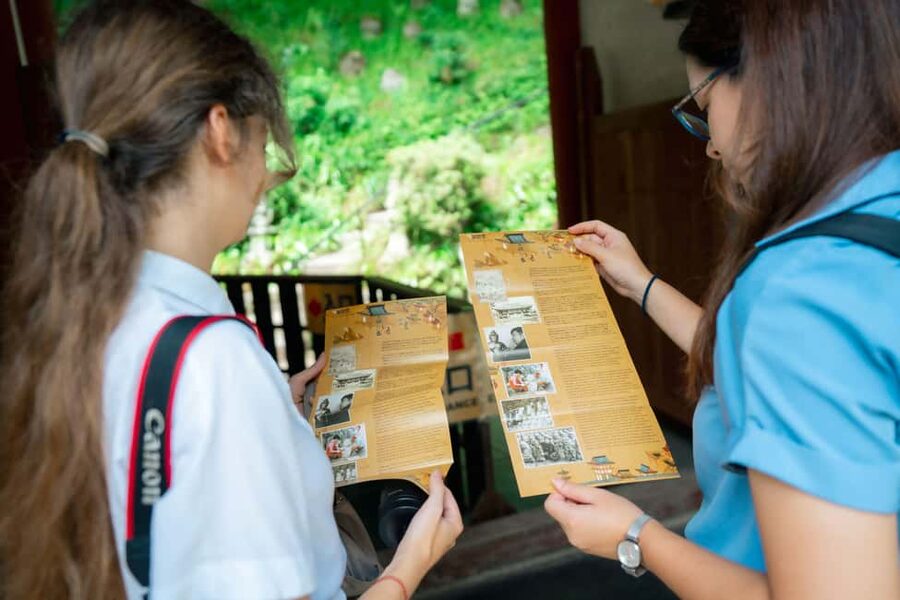
You’ll be happier on this tour with simple basics.
Bring comfortable shoes and comfortable clothes. You may want a bit of cash since the bus fee is excluded, and you will have other drink or meal options at your own expense. A cash buffer is also useful if you decide to grab a snack along the way.
Walking level is described as moderate. That means you should expect uneven surfaces, temple stairs, and uphill bits. The tour also runs rain or shine, so quick-dry clothes and a small umbrella can help if the weather turns.
Mobility note, clearly stated by the tour: it is not suitable for people with mobility impairments and wheelchair users. If you need step-free routes, plan a different kind of visit.
Who should book this Kyoto Arashiyama tour?
Book it if you want Arashiyama without the stress tax. This is a strong match for people who like:
- temples with a bit of context, not just a photo and a stamp
- quieter routes and fewer crowd pressures
- a small group where your guide can actually talk with you
- seasonal viewpoints, especially if you enjoy noticing how Kyoto changes through the year
It’s also a great fit for first-time Kyoto visitors who want iconic Arashiyama sights, but still want the experience to feel personal. You get the famous bamboo photo moment, then you spend more time on temple atmosphere, preserved streets, and scenic pauses that are harder to piece together on your own.
If you hate walking, or if you need fully accessible routes, skip this one. The tour’s format is built around getting around the sites on foot.
Should you book this Kyoto Arashiyama tour?
I think it’s a solid choice if you want a calm, guided half day that turns Arashiyama into a story you can see, not just a list you check.
Here’s the decision shortcut:
- Choose it if you care about guided temple time, the bamboo photo stop, and an itinerary that avoids constant crowd crush.
- Skip it if you already know exactly where you want to go, and you’d rather spend your money on something else than guided context.
If you are the type of traveler who likes to understand what you are looking at, this tour will feel like the best kind of Kyoto day, the kind where you leave with photos and with reasons behind them.
FAQ
What is the duration of the Kyoto Arashiyama tour?
The tour duration is 4 hours.
How large is the group for this tour?
The tour is a small group limited to 8 participants.
What language is the live tour guide?
The live tour guide provides service in English.
Where do I meet the guide?
Meet a guide with a green signboard written Japan Wonder Travel in front of the Randen Arashiyama Station Building.
How much is the tour price and what does it include?
The price is $77 per person. Included are a local guide, guided walk of Arashiyama, admission fees for Otagi Nenbutsu-ji and Jōjakkō-ji Temple, and one drink (coffee, tea, or juice).
Is the bus or coach fee included?
No. The bus fee is excluded. You should have an IC card or coins ready, with ¥230 mentioned.
What happens if I book on a Wednesday?
Otagi Nenbutsu-ji Temple is closed on Wednesdays. The tour will visit Adashino Nenbutsu-ji instead.
Does the tour run in bad weather?
The tour takes place rain or shine.
How much walking should I expect?
The tour involves a moderate amount of walking.
Is this tour suitable for wheelchair users?
No. It is not suitable for people with mobility impairments or wheelchair users.
New This Season
- Koyasan Day Trip by Private Car from Kyoto
- Old Port Town and Ultimate Sake Tasting Private Tour From Kyoto
- Kyoto: 5 Types of Sushi Making
- Sacred Peak & Ancient Paths: Kurama-Kibune Hiking Experience
- Kyoto’s Timeless Charm: 3hr Exploration of History and Peace
- Kyoto: Exclusive ZEN practice at Manpukuji temple in Uji
- Kyoto: Private Seasonal Aroma Yoga Class
- Traversing Kyoto’s Scenic West – Arashiyama to Kinkakuji
Arashiyama Bamboo Forest Walks, compared.
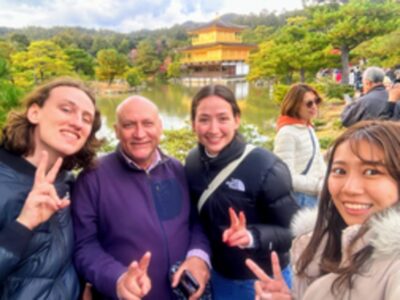
Fushimi Inari, Kinkakuji, Bamboo Grove 1 Day Bus Tour
Read our review →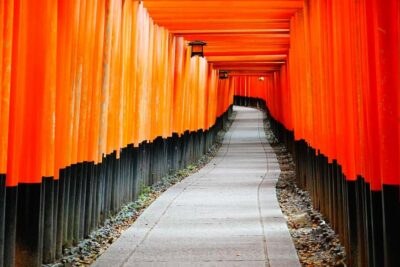
Kinkakuji,Arashiyama,FushimiInariShrine,NaraPark
Read our review →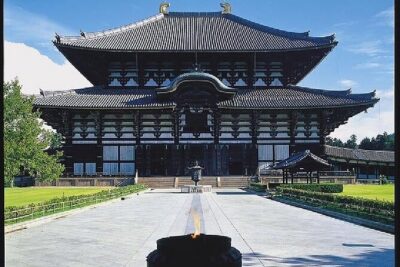
Nara, Fushimi Inari Taisha, Arashiyama Bus Tour
Read our review →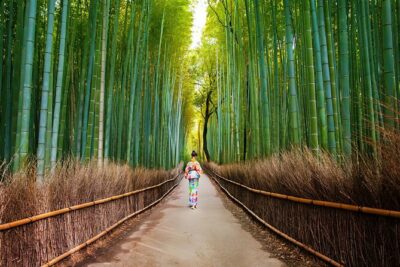
Kyoto Arashiyama Walking Tour: Bamboo, Monkeys, Gardens & Secrets
Read our review →
Arashiyama Bamboo, Temple, Monkeys, or Secret Sake Brewery
Read our review →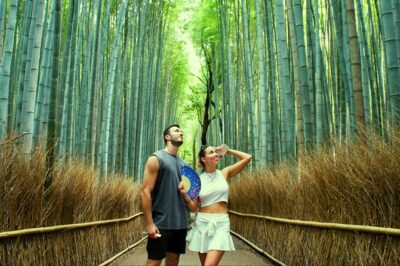
Arashiyama Bamboo Forest, Monkeys, Matcha & Temple Tour
Read our review →
Arashiyama, Nara & Fushimi Inari Shrine w/Lunch
Read our review →
Nijo, Kinkaku-ji, Arashiyama, Kiyomizu & Fushimi Inari
Read our review →Also filed under