
Reviewed · FUSHIMI INARI SHRINE WALKS
Kyoto Early Bird Tour: Fushimi Inari, Arashiyama Bamboo & Monkeys
Red gates first thing makes Kyoto feel magic. This early bird small-group morning strings together Fushimi Inari and Arashiyama before the day turns busy, with a local guide who shares the meaning behind what you are walking past. I especially like that you get a calm walk through the torii gates and then a hands-on wildlife moment at Monkey Park with feeding snacks included. One consideration: this is a walking and hiking experience, so you will want moderate fitness and to show up on time, because arriving late can mean you miss the tour.
You also get practical extras that help the day run smoothly: mobile ticket support, free Wi-Fi, and a plan with only up to 8 travelers. The itinerary is compact, about 4 to 5 hours, so you will cover three headline stops without losing the whole morning to transit and lines. It is not a sit-and-stroll bus tour, so if you want maximum free time at just one place, you might feel a bit rushed.
In This Review
- Key highlights from this Kyoto morning plan
- Getting to Kyoto Station and Why the Start Time Matters
- Fushimi Inari-taisha: Walking the Torii Paths Before the Rush
- Arashiyama Bamboo Forest: A Calm Hour of Tall Green Silence
- Monkey Park Iwatayama: The 20-Minute Hike and Wild Macaques
- How the Guide, Photos, and Snacks Turn Stops Into a Story
- Price and Value: What You Pay For at $107.05
- Who This Tour Fits Best, and When to Skip It
- Should You Book This Kyoto Early Bird Tour?
- FAQ
- How long is the Kyoto Early Bird Tour?
- Where does the tour start and end?
- What is included in the tour price?
- What is not included?
- Is this tour mostly walking or hiking?
- Can I cancel and get a full refund?
Key highlights from this Kyoto morning plan
- Fushimi Inari at first light: Torii gates with a quieter mood and free entry
- Arashiyama Bamboo Forest in a focused time window: A full hour to slow your pace
- Monkey Park Iwatayama hike: About 20 minutes up, then panoramic Kyoto views
- Wild macaques, not a zoo setup: Over 100 Japanese macaques roam freely
- Snacks for monkey feeding: Included to make the experience feel personal
- Small group plus pro photos: Up to 8 travelers, with photos taken during the tour
Getting to Kyoto Station and Why the Start Time Matters
This tour begins at Kyoto Station, at Higashishiokoji Kamadonocho (Shimogyo Ward). It is a convenient meetup point because you can base yourself near the station and keep your morning simple. The tour is built around an early start, which is exactly what you want for Kyoto’s biggest icons.
You are using public transportation between stops, and the tour info estimates the transit fare at about 780 yen. That means you should budget a little extra beyond the tour price, but it also keeps you from wasting time waiting on anything private. You will be on your feet most of the morning, so I recommend showing up with comfortable walking shoes and a small day bag you can manage hands-free.
The other big logistics point is punctuality. The tour explicitly says that if you are late for the meeting time, you will not be able to join and you will not receive a refund. That is rare and serious enough that I treat it as a must-know, not a footnote. If mornings are stressful for you, this tour is still doable, you just need a buffer with trains and walking time.
Fushimi Inari-taisha: Walking the Torii Paths Before the Rush
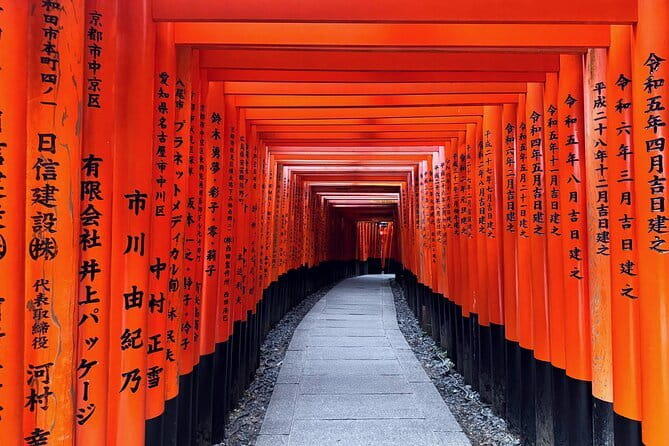
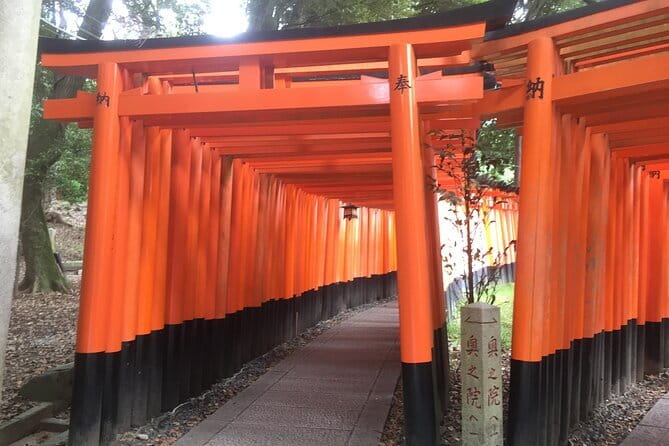
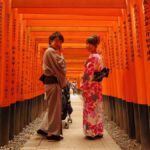
Your first stop is Fushimi Inari-taisha Shrine, one of Kyoto’s most recognizable sights. This is the place with thousands of red torii gates that climb Mount Inari, turning the walkway into a tunnel of color. Admission here is free, and the tour is timed to help you experience it before crowds thicken.
I love the way this opening stop sets the tone. The early hour makes the shrine feel more like a place of worship and quiet movement, not a theme-park line. You get about one hour here, which is long enough to wander at a comfortable pace and still be ready for the next transfer.
Practical tip: bring water even though this is a short tour, because you are walking in a shrine environment that can feel longer than you expect. The tour does not list meals as included, so you will likely want to eat before or after, not during the itinerary. If you are aiming for photos, start your first shots early while you still have breathing room in the corridors of torii.
A possible drawback is that one hour can feel like a sprint if you love photographing every step. The torii paths have a natural rhythm, and you might want more time to keep climbing. If that is your style, treat the one-hour window as a strong taste, not a marathon hike.
Still climbing through the orange gates?
- Kyoto: Fushimi Inari, Kinkakuji, Bamboo Grove 1 Day Bus Tour
★ 4.8 · 4,316 reviews - Fushimi Inari Hidden Hiking Tour (Private Option Available)
★ 5.0 · 1,750 reviews - Osaka/Kyoto:Kinkakuji,Arashiyama,FushimiInariShrine,NaraPark
★ 4.1 · 1,596 reviews - Kyoto/Osaka: Nara, Fushimi Inari Taisha, Arashiyama Bus Tour
★ 4.7 · 1,275 reviews
Arashiyama Bamboo Forest: A Calm Hour of Tall Green Silence
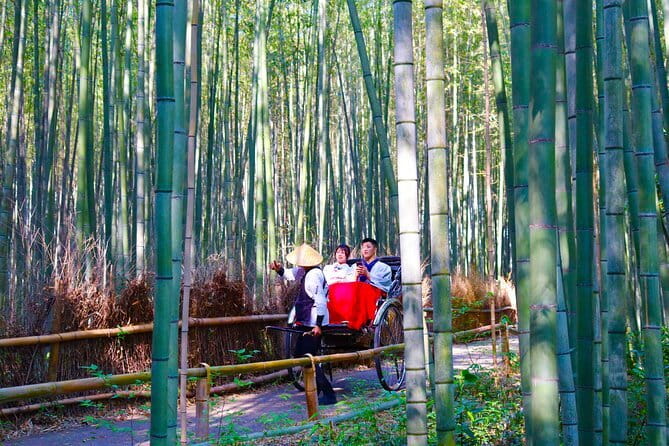
Next comes Arashiyama, a historic area tied to the Heian period when nobles visited for seasonal scenery. Today, it is famous for cherry blossoms in spring and colorful leaves in autumn, but the bamboo grove is the star year-round. This stop also runs about one hour, and admission is free.
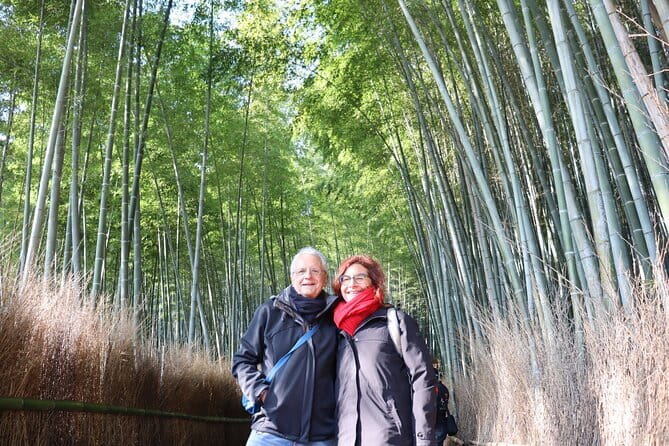
Walking through the bamboo is one of those Kyoto moments that feels different from everything else. The tall stalks create a natural corridor, and even a short stroll can feel peaceful and almost dreamlike. I like that the tour gives you time to experience the grove directly instead of rushing you through it like a checklist.
Because the bamboo grove is popular, timing matters. An early morning schedule helps you avoid the moment when the paths get crowded and the atmosphere changes from quiet to noisy. In practical terms, you will also have a better chance to get photos without people constantly crossing your frame.
The only thing to consider is that Arashiyama is a walking-focused stop. If your legs are already tired from Kyoto Station and the first shrine, you will want to pace yourself. Take slower steps, pause for a photo, and remember that an hour is not just transit time, it is the experience.
Monkey Park Iwatayama: The 20-Minute Hike and Wild Macaques
The final highlight is Monkey Park Iwatayama in Arashiyama. This is located on a small mountain, and you will do a short hike of about 20 minutes to reach the top. That time investment is what earns you the panoramic views over Kyoto.
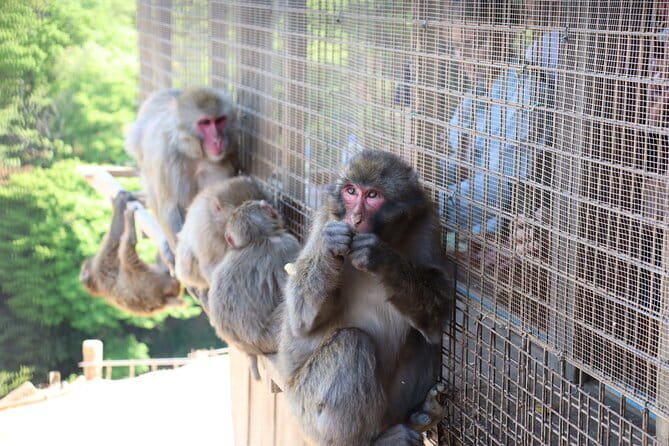
The setting here is special because the macaques are not in cages. The tour info describes over 100 wild Japanese macaques living freely, and the experience is about entering their space rather than watching from a glass enclosure. It is a fun, unique stop and the type of thing that feels memorable even if you have seen animals before.
What makes this stop even better is that feeding is part of the experience. You get snacks for feeding the monkeys, and admission is included (800 yen). The tour also notes that the monkeys are wild, so you will want to stay aware and follow your guide’s lead. In places like this, calm, respectful behavior matters more than cleverness.
You also get about one hour here, which is a good length for both the hike and the time at the viewpoint area. If you are nervous about animal encounters, this is still a strong option because it is guided, structured, and time-limited. If you are an animal lover who wants long interaction time, you might feel you could spend more hours watching. But the whole point of this tour is efficiency, three icons in half a day.
A practical drawback to be aware of: this is a hike plus a viewpoint stop. If you have knee issues or you get winded easily, you will want to be honest about your moderate physical fitness level. The tour is designed for walking and hiking, not a fully flat route.
How the Guide, Photos, and Snacks Turn Stops Into a Story
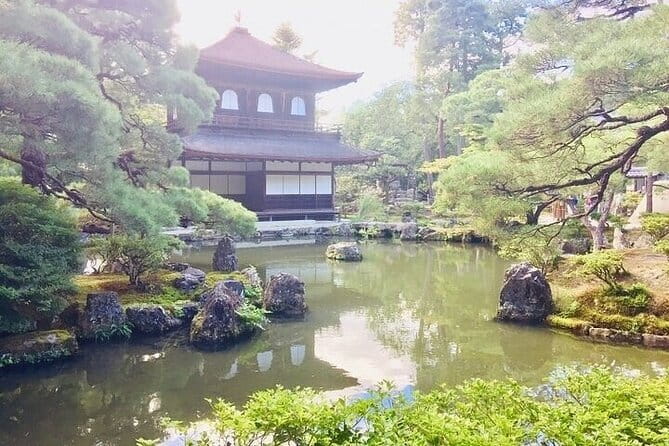
This is a small-group tour with a maximum of 8 travelers, and that size changes how the morning feels. You are not stuck in a huge herd, and you can usually move with less waiting at key points. The guide is listed as passionate and English-speaking, and feedback highlights a specific guide, Ikki-san, as incredibly knowledgeable and enthusiastic about Kyoto’s culture.
That matters because Kyoto is full of meaning you might miss if you are just reading signs. A good guide helps you connect what you see, like what Inari is associated with and why these sites hold such long importance. Even if you already know some history, having someone explain it clearly at street level can make it stick.
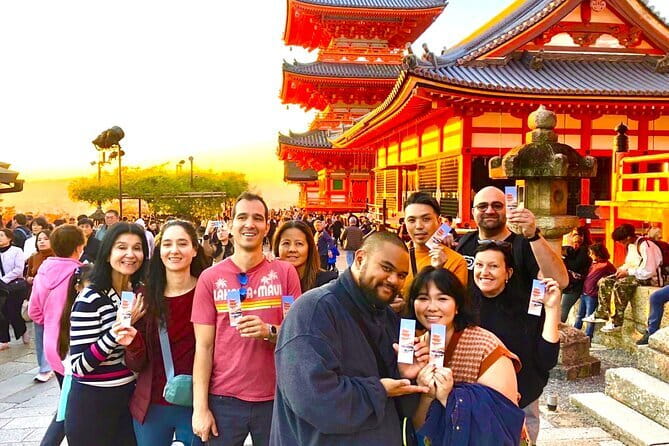
The tour also includes snacks for the monkey feeding and notes that stunning professional photos are taken during the tour. If you are traveling with friends or alone, this is a comfort. You do not have to constantly ask strangers to take your picture, and you can focus on the experience instead of camera babysitting.
Free Wi-Fi is included too, which is small but useful. If you want to map your next stop after the tour ends, or share photos immediately, it is handy. I also like that the tour uses public transportation rather than switching to a complicated private route. It means you are learning how the city moves, not just being carried through it.
One more subtle benefit: because the tour is only about 4 to 5 hours, you keep your energy for the rest of Kyoto. You can still plan a longer lunch, a second neighborhood walk later, or a more relaxed evening.
Price and Value: What You Pay For at $107.05
The price is $107.05 per person, and the tour is often booked about 48 days in advance. To judge value, I look at what is included versus what you still have to add.
Included items that actually matter:
- Passionate local English-speaking guide
- Arashiyama Monkey Park admission (800 yen)
- Snacks for feeding the monkeys
- Professional photos taken during the tour
- Free Wi-Fi
Not included:
- Public transportation fare, estimated around 780 yen
- Meals and drinks
- Personal expenses
When you add it up, the pricing feels reasonable for a guided morning that hits three Kyoto heavyweights without spending your entire day commuting. You are also getting the guide support at the parts that can be confusing: where to move in a shrine complex, how to approach an active animal viewpoint area, and how to keep the pace steady across multiple locations.
If you were to DIY this, you could likely reach each stop on your own, but you would still be paying in time and uncertainty. You might not know the best way to pace yourself for an early start, and you would miss the guide interpretation that helps the morning feel more meaningful. The monkey-feeding component also nudges this into a guided experience rather than a simple visit.
My only price-related hesitation is that the tour is a walking and hiking plan with fixed stop lengths. If you want to linger in only one place, you might feel like you are renting the tour for momentum. Still, if your goal is to cover Kyoto’s icons efficiently and calmly, this format matches the value.
Green light through a bamboo grove

Who This Tour Fits Best, and When to Skip It
This Kyoto early bird tour is ideal if you want:
- A half-day plan that covers multiple icons
- A calm visit to Fushimi Inari and the bamboo grove before full crowds
- A guided monkey park stop with feeding snacks included
- A small group size, capped at 8, with professional photos
It is also a great choice if you like structure. The itinerary is simple: three stops, each about an hour, with a short hike to Monkey Park. That makes it easier to build the rest of your day without guessing.
You should think twice if:
- You do not like walking and hiking, or you have limited mobility, because this is a moderate fitness style tour
- You expect lots of free time at just one spot
- You are the kind of traveler who is often late due to slow mornings or last-minute decision-making, since late arrivals can prevent joining
If you come to Kyoto focused on highlights and you want your photos and stories handled for you, this tour style fits. If you want a fully independent, linger-forever day, you might prefer slower self-guided pacing.
Should You Book This Kyoto Early Bird Tour?
I would book it if your priority is a smart morning that hits Fushimi Inari, Arashiyama bamboo, and Monkey Park without eating your whole day in lines and transit. The combination of early timing, small group size, guide energy, monkey feeding snacks, and professional photos is what makes it feel worth it.
Skip or pick another plan if you hate hikes, need lots of downtime, or you know you cannot reliably make an early meetup time. The tour’s success depends on you showing up ready to walk, and the route is designed for motion, not lingering.
If you do book, make your morning easy: wear good shoes, set a strict arrival buffer at Kyoto Station, and plan to eat outside the tour window. You will get a compact, high-impact Kyoto morning that feels calm instead of chaotic.
FAQ
How long is the Kyoto Early Bird Tour?
It runs about 4 to 5 hours.
Where does the tour start and end?
The tour starts at Kyoto Station (Higashishiokoji Kamadonocho, Shimogyo Ward, Kyoto) and ends back at the same meeting point.
What is included in the tour price?
Included are a local English-speaking guide, Arashiyama Monkey Park entrance (800 yen), snacks for feeding the monkeys, professional photos taken during the tour, and free Wi-Fi.
What is not included?
Public transportation fare is not included (about 780 yen), and meals and drinks are also not included, along with personal expenses.
Is this tour mostly walking or hiking?
Yes. It is designed as a walking and hiking experience with plenty of time on foot. It also includes a short hike of about 20 minutes to Monkey Park.
Can I cancel and get a full refund?
Yes. You can cancel up to 24 hours in advance for a full refund. If you cancel less than 24 hours before the experience starts, the amount paid will not be refunded.
New This Season
- Koyasan Day Trip by Private Car from Kyoto
- Old Port Town and Ultimate Sake Tasting Private Tour From Kyoto
- Kyoto’s Timeless Charm: 3hr Exploration of History and Peace
- Kyoto: 5 Types of Sushi Making
- Sacred Peak & Ancient Paths: Kurama-Kibune Hiking Experience
- Kyoto: Exclusive ZEN practice at Manpukuji temple in Uji
- Kyoto: Private Seasonal Aroma Yoga Class
- Traversing Kyoto’s Scenic West – Arashiyama to Kinkakuji
Fushimi Inari Shrine Walks, compared.
Fushimi Inari, Kinkakuji, Bamboo Grove 1 Day Bus Tour
Read our review →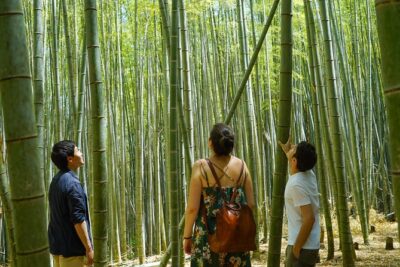
Fushimi Inari Hidden Hiking Tour (Private Option Available)
Read our review →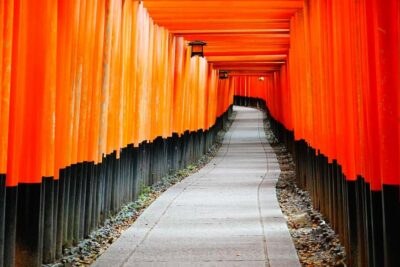
Kinkakuji,Arashiyama,FushimiInariShrine,NaraPark
Read our review →
Nara, Fushimi Inari Taisha, Arashiyama Bus Tour
Read our review →
Arashiyama, Nara & Fushimi Inari Shrine w/Lunch
Read our review →
Nijo Castle, Kiyomizu & Fushimi Inari Guided Tour
Read our review →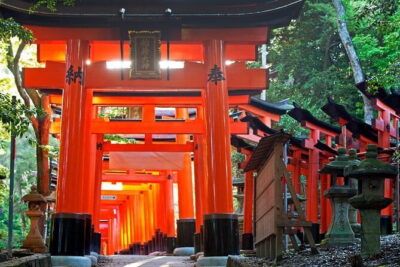
Nijo, Kinkaku-ji, Arashiyama, Kiyomizu & Fushimi Inari
Read our review →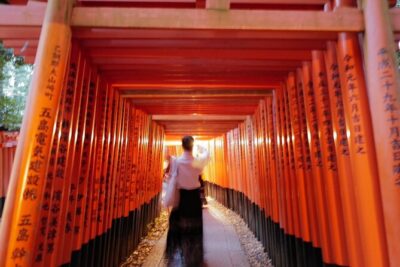
Also filed under