
Reviewed · FUSHIMI INARI SHRINE WALKS
Kyoto: Essential Tour with Fushimi Inari & Bamboo Grove
Two Kyoto icons, guided and paced well.
What I like most is the Fushimi Inari Taisha torii-gate walk with a private guide who explains what you are seeing, and the calm, photo-friendly Arashiyama Bamboo Grove experience with local context as you go. This tour also keeps the day easy with hotel pickup and drop-off, so you spend your energy on the sights instead of sorting routes.
You’ll get a focused, personal way to experience Shinto and Kyoto neighborhoods, not a rushed checklist. I also like the flexible feel, meaning your guide can tailor the flow to what you care about most while still covering both landmarks. One possible consideration is that the walking is on uneven paths at shrine areas and in the district, and the tour is not suitable for wheelchair users.
If you want Kyoto with fewer headaches and more meaning, this works well as a half-day plan. The guide experience can be a big part of the value too, and one guide named Masa is described as friendly and helpful, with your interests kept in mind. If you are sensitive to crowds and want maximum quiet, think about timing on the ground, since Fushimi Inari and Arashiyama can draw many visitors.
In This Review
- Key highlights you will actually feel on the day
- How the 210-minute plan fits Kyoto time
- Hotel pickup and train segments, in plain terms
- Fushimi Inari Taisha: the torii you understand, not just photograph
- Arashiyama Bamboo Grove: calm, light, and district context
- What the private guide really adds
- Walking, what to bring, and how to avoid a sore-day
- Price and value: is $135 per person worth it
- Who this Kyoto tour suits best
- Small timing and flexibility notes that affect your day
- Should you book this tour? My practical take
- FAQ
- How long is the Kyoto tour?
- What is included in the price?
- Are meals included?
- What about transportation costs?
- What languages does the tour guide speak?
- Is this a private tour?
- Is the tour wheelchair accessible?
- If you want to contact me to tailor the plan
Key highlights you will actually feel on the day
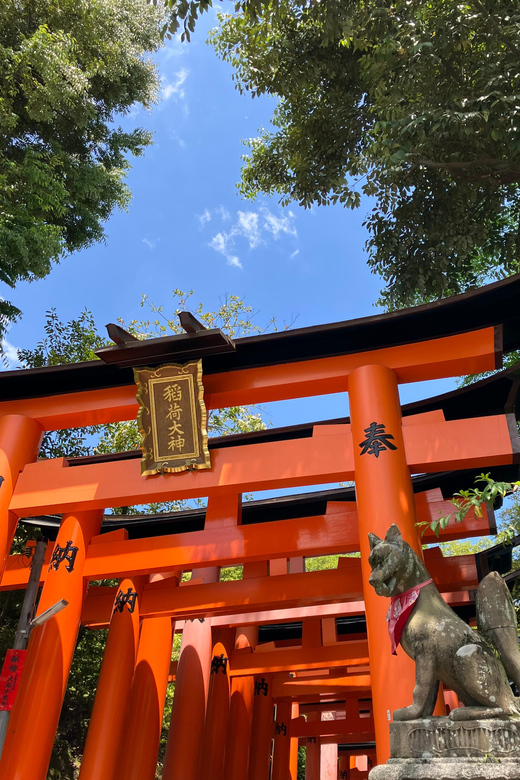
- Fushimi Inari Taisha torii path with fox-statue context so you understand why the shrine looks the way it does
- Arashiyama Bamboo Grove guided walk with stories about the area and what made it a retreat
- Hotel pickup and drop-off in Kyoto with the option to start from Osaka too
- Private group format with a live guide in English or Japanese
- Flexible itinerary that can adjust to your preferences while still hitting both must-sees
- Comfort-first planning for a 210-minute total day, with train segments built in
How the 210-minute plan fits Kyoto time
This is a 210-minute, half-day style tour that concentrates on two places with very different vibes. You are not trying to cram in everything. You get a real block of time at each landmark, plus travel time between them.
The day usually runs with pickup options in Kyoto or Osaka, then a train segment to reach Fushimi Inari Taisha, then another train segment to Arashiyama. After the guided time at the bamboo grove, you return by train and get dropped off in Kyoto or Osaka depending on what you selected.
Why this matters for you: a tour like this saves you from the mental load of planning public transit, figuring out meeting points, and timing shrine hours. It also keeps your energy for the walking where it counts, rather than spending it on navigation.
Hotel pickup and train segments, in plain terms
If you are staying in Kyoto, the hotel pickup and drop-off is a big quality-of-life win. It means you can start the day without checking station exits, hauling luggage, or worrying about being late to a meeting point. If you are based in Osaka, the same idea applies, since the tour includes two pickup locations and two drop-off locations.
The tour does not list a private car transfer, so you should expect public transport in the middle of the day. The exact duration includes trains between stops, so it is built for an efficient route rather than lingering in transit.
A practical tip: wear comfortable shoes and plan for shrine steps and bamboo grove paths. The tour is about walking, even though the total time is not long.
Still climbing through the orange gates?
- Kyoto: Fushimi Inari, Kinkakuji, Bamboo Grove 1 Day Bus Tour
★ 4.8 · 4,316 reviews - Fushimi Inari Hidden Hiking Tour (Private Option Available)
★ 5.0 · 1,750 reviews - Osaka/Kyoto:Kinkakuji,Arashiyama,FushimiInariShrine,NaraPark
★ 4.1 · 1,596 reviews - Kyoto/Osaka: Nara, Fushimi Inari Taisha, Arashiyama Bus Tour
★ 4.7 · 1,275 reviews
Fushimi Inari Taisha: the torii you understand, not just photograph
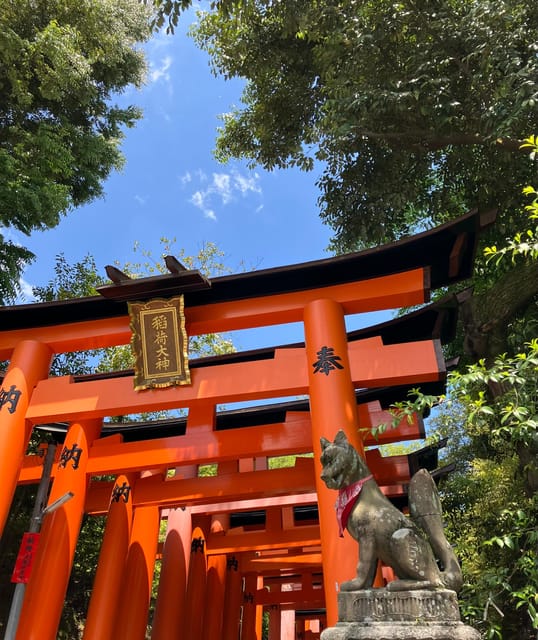
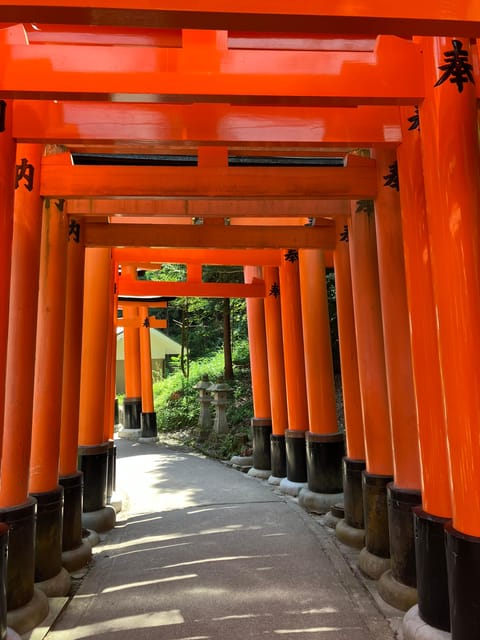
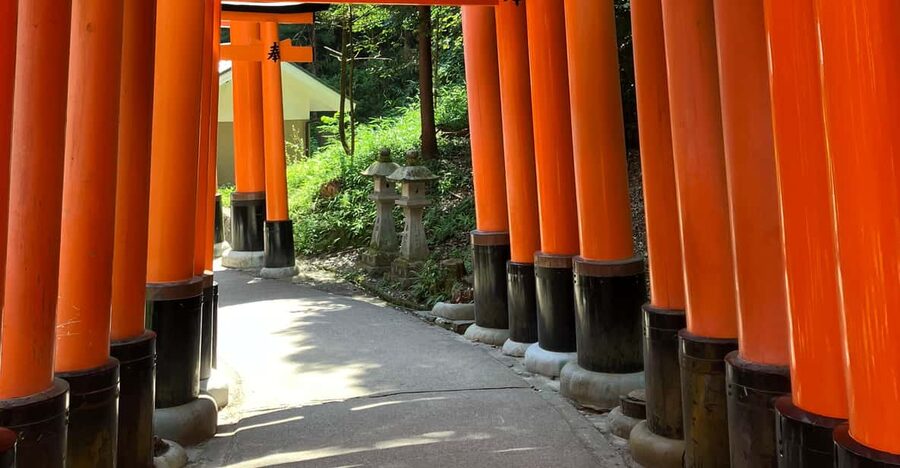
Fushimi Inari Taisha is one of Kyoto’s best-known Shinto shrines, and the experience here is more than taking pictures. The guide helps you read the place while you walk the winding paths under thousands of red torii gates up Mount Inari.
You will hear the shrine’s main association: Inari is connected to the god of rice and business prosperity. That pairing can be surprising, and it gives you a reason to notice how the shrine feels both spiritual and practical in the daily lives of people.
The guide also points out the fox statues scattered throughout the complex and explains why they show up so often. Even if you have seen photos before, having the symbolism explained makes the whole route feel more intentional, like you are following a story line rather than moving through a theme park of gates.
Timing on this stop: you have about one hour of guided time at Fushimi Inari Taisha. That is enough to experience the main flow and get context, without burning your entire half-day at just one site.
A small consideration for your planning: if you get there when it is busy, the path can feel crowded. If your goal is quiet contemplation, aim to move steadily and take short breaks where the guide suggests, rather than stopping in the middle of the busiest sections.
Arashiyama Bamboo Grove: calm, light, and district context
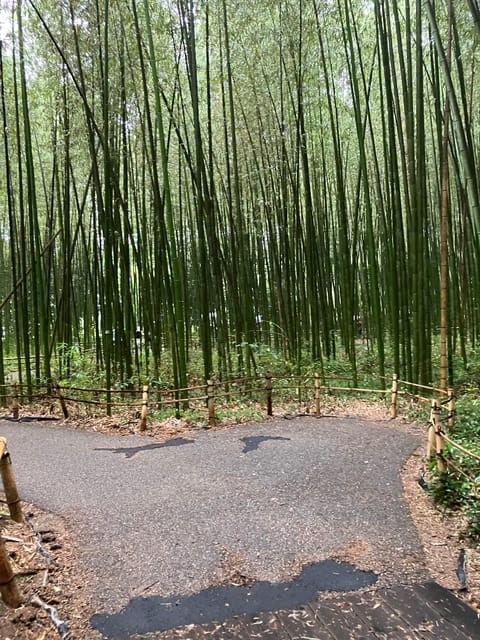
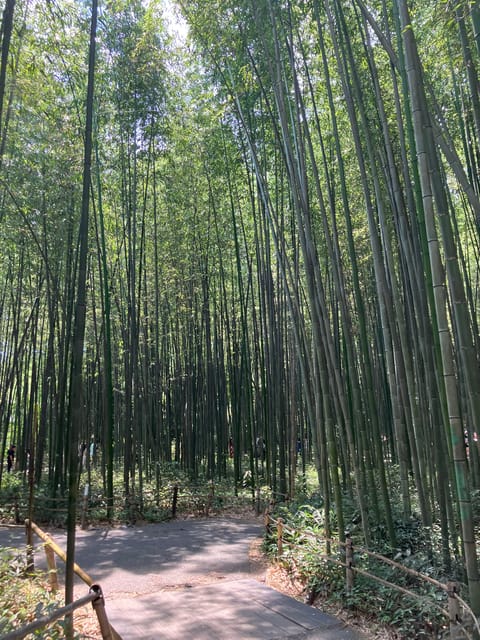
After Fushimi Inari, the route takes you west to Arashiyama, a Kyoto district known for its seasonal scenery and old-school retreat vibe. The bamboo grove stop focuses on the famous forest walk where tall bamboo stalks rise overhead, creating a peaceful, almost dreamlike light.
Here is what you should look for while you go:
- the soft rustle of leaves as wind passes through the stalks
- the natural light filtering through the bamboo
- the way the path narrows and makes you slow down
A private guide changes this section from a photo sprint into a meaningful walk. You also get context about Arashiyama’s significance, including that it served as a retreat for Kyoto’s aristocracy in ancient times. That detail matters because it explains why the area feels composed and reflective, not just scenic.
This stop also includes about one hour of guided time focused on the bamboo grove. In addition, you have a chance to explore the surrounding Arashiyama area as part of the overall plan. That is useful if you want to keep options open for a snack later or just soak in the neighborhood atmosphere beyond the bamboo itself.
Photo tip: bamboo grove images often look best when you shoot with less sky in frame and more vertical stalks. Bring a camera if you care about getting more than one postcard shot, and plan to take a few short pauses instead of walking constantly.
What the private guide really adds
This tour is private, meaning you are not sharing your guide with a big bundle of strangers. That matters in two ways: questions get answered faster, and the guide can tailor the flow toward what you actually care about.
The tour description also calls out insight into Japanese culture, history, and Shinto traditions. In practice, that translates to explanations that help you notice more than you would on your own. At a shrine, that can mean understanding fox statues and the significance of Inari. In Arashiyama, it can mean appreciating why the area was valued historically and how that shapes the feel of the walk today.
There is also a flexibility element. The itinerary can be tailored to suit your preferences, and the guide is available to handle reasonable requests in advance. That is helpful if you care more about photography than extra side streets, or if you want to spend a bit more time at one moment during the guided block.
One guide name comes up in the experience: Masa. He is described as friendly and helpful, with your interests kept in mind. Even without assuming the same guide every time, this is a good signal that the tour values a warm, attentive approach rather than a robotic script.
Walking, what to bring, and how to avoid a sore-day
This is not a “sit down and watch” tour. You are on your feet for shrine paths and bamboo grove walking, so your comfort matters.
Bring:
- comfortable shoes you can wear for uneven ground
- a camera if photography is part of your plan
- sunscreen and water, especially on warmer days
Not allowed: smoking. Simple and easy.
A practical rule for your day: hydrate early, not at the end. A 210-minute tour can still include enough sun and walking to make you feel tired if you wait too long.
If you like to travel light, still carry water and be realistic about bag size. Shrine areas and forest paths are not designed for heavy bags, and you will enjoy yourself more if you can move quickly when the guide keeps things moving.
Green light through a bamboo grove

Price and value: is $135 per person worth it
At $135 per person for 210 minutes, this tour sits in the category where value comes from what is included, not from a bargain price. Here is what you are paying for:
- a private guided tour of both sites
- hotel pickup and drop-off in Kyoto (with Osaka pickup/drop-off options)
- a live English or Japanese guide
- cultural and Shinto context, not just directions
Transportation costs and meals are not included, so you should budget separately for food and any transit expenses not covered by the tour plan. That said, the structure is designed to bundle the main movement between stops into the experience.
So is it worth it? If you want both Fushimi Inari and Arashiyama and you also want context and a hassle-free pickup plan, yes, it often makes sense. If you are comfortable navigating Kyoto stations, enjoy self-guided shrine walks, and do not care much about explanations, you might find a cheaper option. But this is priced for convenience plus a private guide.
The biggest “value lever” for you: how much you will get out of explanations. If Shinto meaning, shrine symbolism, and district history are part of why you travel, this price is easier to justify.
Who this Kyoto tour suits best
This tour fits best if you want:
- two Kyoto must-sees in one half-day plan
- a private group with a live guide
- a flexible feel that can adapt to your interests
- hotel pickup and drop-off so you do not lose time figuring out meeting points
It is not suitable for wheelchair users, so mobility needs matter here.
If you are traveling with kids, this could still work, but your success will depend on whether they enjoy walking and calm shrine atmosphere rather than only high-energy attractions. For most adults who like meaningful stops, it lands well.
If you are on a tight schedule, it is also a good choice because the total duration is clearly defined and includes time for transit between both landmarks.
Small timing and flexibility notes that affect your day
You can choose starting times based on availability, and the guide can handle requests when possible. Same-day changes may be difficult, so it is smart to contact in advance if you have specific needs or timing concerns.
Also, remember that you are combining two sites that draw crowds. If you hate crowds, consider adjusting your expectations and focus on the quality of the guided walk and the calm moments in the bamboo grove. Moving steadily and listening to the guide helps you enjoy the experience even when the area is busy.
Should you book this tour? My practical take
Book it if you want Kyoto with guardrails: pick-up convenience, a private guide, and enough time at each spot to feel like you actually visited, not rushed through. It is especially worth it if you care about Shinto context, like the meaning of Inari and the fox statues, and if you want the bamboo grove walk guided rather than just wandering.
Skip it if you have already mastered public transit in Kyoto, you are comfortable doing shrine routes solo, and you do not need cultural explanations. You could save money with a self-guided plan, but you will lose the “someone else handles the route and adds meaning” benefit that makes this one work.
FAQ
How long is the Kyoto tour?
The tour duration is 210 minutes total.
What is included in the price?
Included are hotel pickup and drop-off in Kyoto, a private guided tour of Fushimi Inari and Arashiyama Bamboo Grove, and insight into Japanese culture, history, and Shinto traditions.
Are meals included?
No, meals are not included.
What about transportation costs?
Transportation costs are not included.
What languages does the tour guide speak?
The live tour guide speaks English and Japanese.
Is this a private tour?
Yes, it is listed as a private group.
Is the tour wheelchair accessible?
No, it is not suitable for wheelchair users.
If you want to contact me to tailor the plan
If you tell me your hotel area in Kyoto or Osaka and your rough travel dates, I can help you decide whether this timing will feel comfortable for you, and what to prioritize at each stop.
New This Season
- Koyasan Day Trip by Private Car from Kyoto
- Old Port Town and Ultimate Sake Tasting Private Tour From Kyoto
- Kyoto’s Timeless Charm: 3hr Exploration of History and Peace
- Kyoto: 5 Types of Sushi Making
- Sacred Peak & Ancient Paths: Kurama-Kibune Hiking Experience
- Kyoto: Exclusive ZEN practice at Manpukuji temple in Uji
- Kyoto: Private Seasonal Aroma Yoga Class
- Traversing Kyoto’s Scenic West – Arashiyama to Kinkakuji
Fushimi Inari Shrine Walks, compared.

Fushimi Inari, Kinkakuji, Bamboo Grove 1 Day Bus Tour
Read our review →
Fushimi Inari Hidden Hiking Tour (Private Option Available)
Read our review →
Kinkakuji,Arashiyama,FushimiInariShrine,NaraPark
Read our review →
Nara, Fushimi Inari Taisha, Arashiyama Bus Tour
Read our review →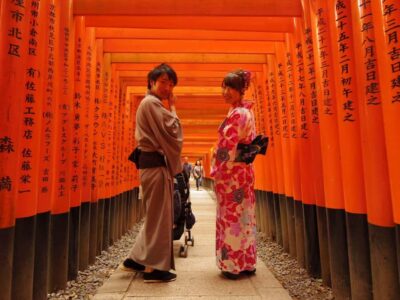
Arashiyama, Nara & Fushimi Inari Shrine w/Lunch
Read our review →
Nijo Castle, Kiyomizu & Fushimi Inari Guided Tour
Read our review →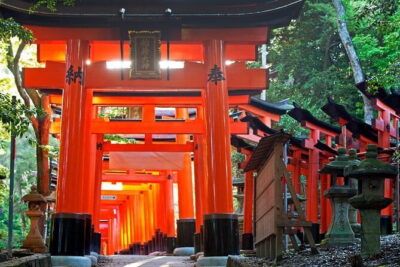
Nijo, Kinkaku-ji, Arashiyama, Kiyomizu & Fushimi Inari
Read our review →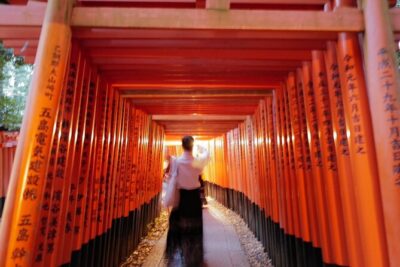
Also filed under