
Reviewed · MARKETS
Kyoto Flea Market Cultural Exchange with English Learners
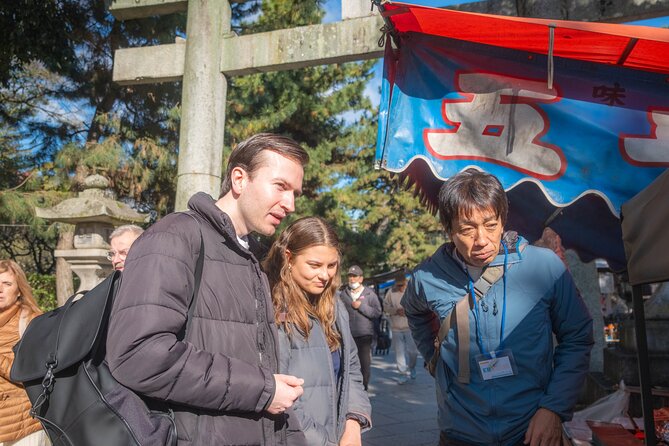
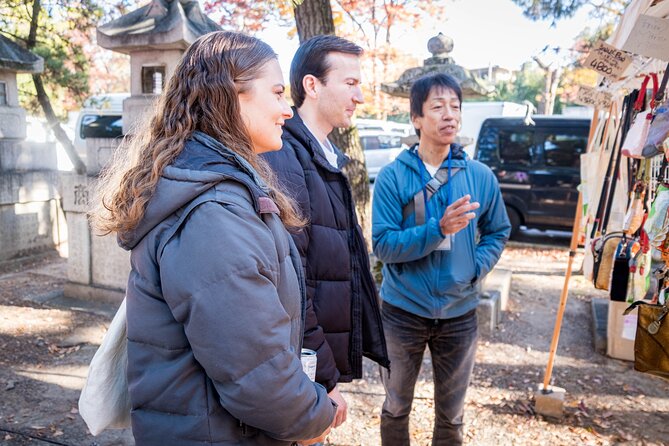
Kyoto markets are better when you can talk. This tour pairs To-ji Temple flea markets with a local English learner guide, so shopping turns into real conversation about daily life and customs. You’ll walk through antique and secondhand stalls like Kobo-ichi and Kotto-ichi, where you can browse ceramics, vintage clothing, old toys, and collectibles with help from someone practicing English.
I love that the guide makes the experience feel friendly and approachable, not like you are just following a script. I also like the practical side of this outing, especially the guidance around friendly price negotiation, so you can shop with confidence even if your Japanese is limited. One thing to consider is that this is a walking experience and it depends on good weather, so plan your day around that.
In This Review
- Key highlights you should know before you go
- Why To-ji Temple flea markets feel different with an English learner guide
- Your time window: 1:00 pm start and an easy 1.5 to 2 hour plan
- Arriving at the To-ji Temple Five-Story Pagoda area
- Kobo-ichi and Kotto-ichi: what you’ll browse and how the guide helps
- Haggling without the stress: practical negotiation tips you can use later
- Conversation value: learning customs while you shop
- Price and value: why $13.01 can work for what you get
- What the route looks like, step by step
- Who this Kyoto market walk suits best
- Should you book this Kyoto Flea Market Cultural Exchange?
- FAQ
- How long is the Kyoto Flea Market Cultural Exchange?
- What is the meeting time for the tour?
- How much does the tour cost?
- Is the tour private?
- Is admission included?
- Are gratuities included?
- Is public transportation included?
- What happens if the weather is poor?
Key highlights you should know before you go
- English learner guide, conversation-first: You talk during the walk, not just listen to facts.
- To-ji Temple markets plus temple grounds: You get shopping time and a relaxed look around the area.
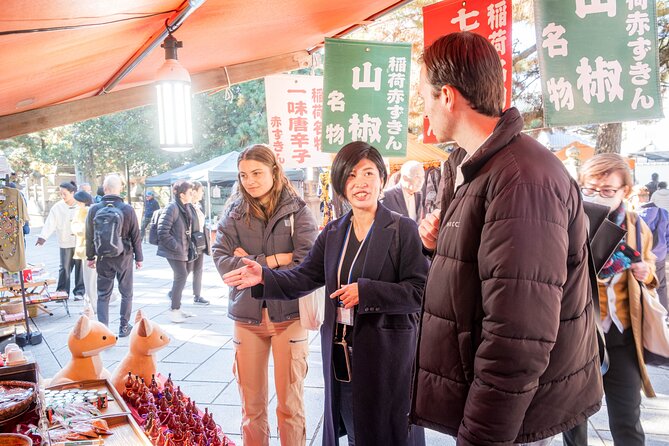
- Haggling help when prices get sticky: The guide supports how to ask, how to respond, and what tone to use.
- Kobo-ichi and Kotto-ichi: You focus on two of the market names tied to the To-ji setting.
- Private group experience: Only your group participates, so you can ask questions without a crowd crush.
- Short, value-friendly duration: About 1 hour 30 minutes to 2 hours, usually easy to fit into a single afternoon.
Why To-ji Temple flea markets feel different with an English learner guide
Kyoto can be full of silent sightseeing, which is lovely, but it can also feel a bit one-way. Here, the point is conversation, because your guide is a local who is learning English and wants to use it. That changes the energy of the walk right away.
One strong benefit is how questions become part of the route. You can ask about customs and everyday habits while you’re standing in front of real objects people are selling. And because your guide is also learning, the pace stays friendly and practical, not rushed.
You also get a more human view of Kyoto than you would from a fast photo stop. The guide will share local insights about what you are seeing and why people treat these markets as normal social places, not tourist props.
Your time window: 1:00 pm start and an easy 1.5 to 2 hour plan
This tour starts at 1:00 pm, and the total time is about 1 hour 30 minutes to 2 hours. That timing is handy if you want markets without eating up your entire morning or losing your evenings to crowds.
Because it is a private walking experience, the group moves at your pace. That matters when you are browsing antiques and small collectibles, because you will likely want time to compare items and ask the guide for quick context.
One practical note: public transportation is not included. The meeting point is near public transit, so you should factor in a short ride and a little walking to get there on time. If you build in a buffer, you will enjoy the start instead of stressing over it.
More stalls, more to taste
- Nishiki Market Brunch Walking Tour (7 Tastings + Brunch)
★ 5.0 · 1,355 reviews - Kyoto Nishiki Market Food and Culture Walking Tour
★ 5.0 · 412 reviews - Kyoto: Nishiki Market Tea Ceremony with Koto Performance
★ 4.8 · 294 reviews - Kyoto: Local Food Tasting Tour at the Nishiki Market
★ 4.7 · 135 reviews
Arriving at the To-ji Temple Five-Story Pagoda area
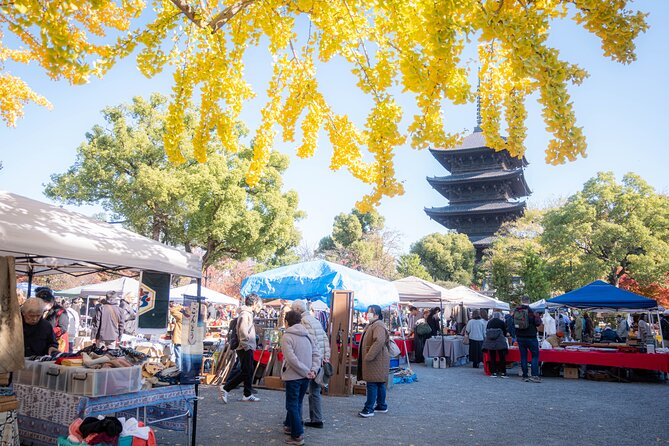
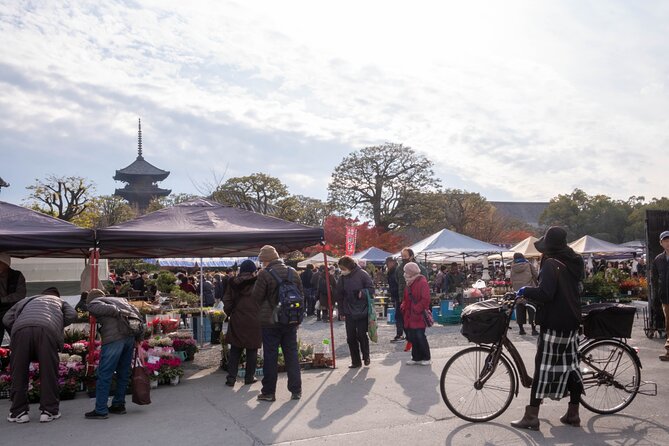
Your walking experience centers on To-ji Temple, with special focus around the Five-Story Pagoda area. The market activity is based there, so you are not hopping between far-off sites while trying to keep up with a group.
Before you even reach the stalls, the temple grounds give you a calm contrast to the buying and bargaining. Even if you are mostly there for secondhand treasures, it helps to get a sense of place. The tour also includes time in a free area around the temple grounds, so you can enjoy the atmosphere without an extra admission layer.
The best part here is the mix. You get the market side, but you also get a slower moment to look around and absorb how the temple setting shapes the feel of the shopping.
Kobo-ichi and Kotto-ichi: what you’ll browse and how the guide helps
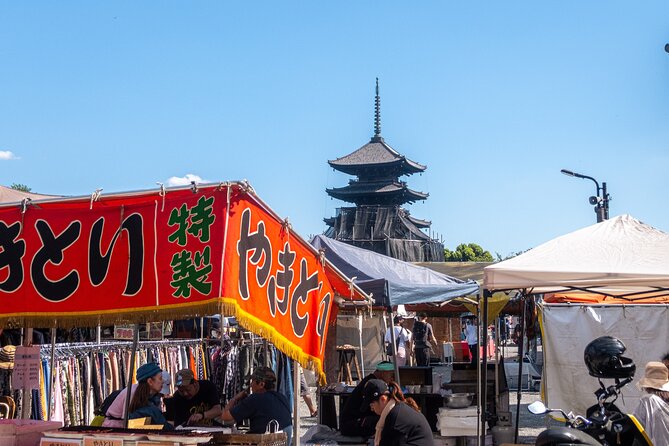
The heart of the experience is walking through the Kobo-ichi and Kotto-ichi flea markets held at To-ji. This is where you will spot antiques and everyday vintage items in a way that feels local, not packaged.
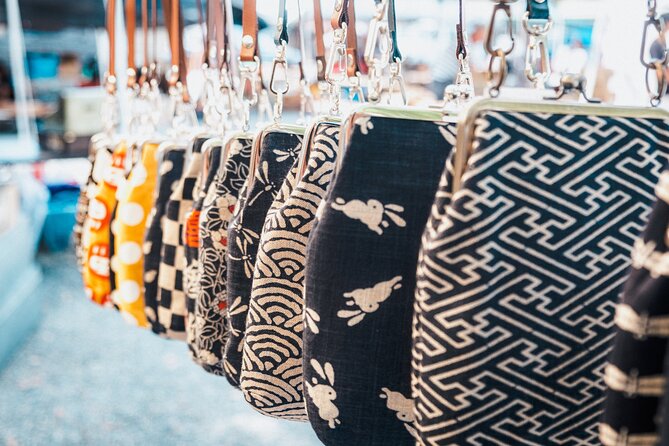
From what you can find during the market browse, expect lots of variety. You might run into antique ceramics, vintage clothing, old toys, and collectible items. You can take your time reading labels, checking condition, and comparing prices, especially with the guide there to help you interpret what you are seeing.
The guide also supports you with friendly price negotiations. That is a big deal because haggling can feel awkward if you do not know what is normal. With guidance, you can approach the conversation naturally, and you can also learn what kinds of questions make sense in that setting.
A small consideration: flea markets can be crowded and sometimes compact, depending on the day. If you need lots of personal space or you are sensitive to tight aisles, keep that in mind when deciding what else you plan that afternoon.
Haggling without the stress: practical negotiation tips you can use later
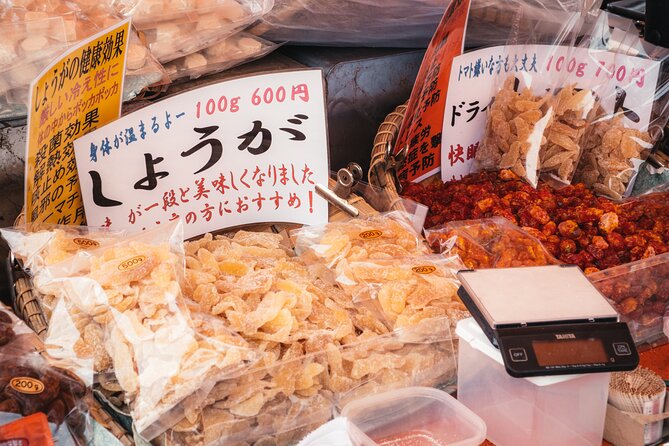
This tour is not about training you to bargain like a movie character. It is about making negotiation feel less scary so you can interact like a respectful customer.
Your guide will help you with the tone and timing. You’ll learn what to say when you want to ask about a price, and you’ll get ideas for how to respond if you feel the price is too high. That guidance matters most because the market environment is fast, and the communication gap is usually the hardest part.
The reviews point to this as a standout benefit. People appreciated how the guide made negotiation feel friendly, and they felt the interaction was more fun than confrontational. That’s the goal: you leave with a better sense of how shopping conversations work in Japan.
Even if you do not buy much, you still gain something. You will have practiced real-world communication skills, and you can carry those lessons into other markets and shops during your trip.
Conversation value: learning customs while you shop
This is billed as a cultural exchange, and the exchange is the point. Your guide, who is an English learner, talks with you and uses the walk to practice. You bring your English, and you also bring curiosity about Japanese customs.
In practical terms, you are likely to learn small, useful things while you’re naturally distracted by browsing. For example, you might ask about local habits around secondhand goods, what people look for, or how to understand the vibe of these markets beyond the obvious selling.
The reviews highlight that the guides are kind and passionate, and that the chats felt personal rather than staged. One review described a guide who was a student from an English conversation school, which can make the whole experience feel extra friendly and human. You are not being lectured, you are chatting.
This is especially good if you enjoy learning through doing. If you like asking questions and you are okay with learning in small bursts, you’ll probably love the way the conversation threads through the market stops.
Pottery, paper, and tea to bring home

Price and value: why $13.01 can work for what you get
At $13.01 per person, this is priced like an affordable, high-interaction activity rather than a full-day tour. You are paying for the guided walk, the conversation support, and the help with negotiation.
Also look at what is included. Gratuities are included, which reduces one small decision you would otherwise have to make while traveling. At the market stop, the admission ticket for the walk area is listed as free, and you also get time in the free area around the temple grounds.
A key value point is the duration. Spending about 1.5 to 2 hours means you can fit it into your itinerary without sacrificing a big chunk of your day. If you are trying to keep Kyoto costs under control, this kind of short, focused experience can be a smart way to add local texture without paying for a whole private day.
The one cost factor you should plan for is transportation to and from the meeting point, since public transit is not included. You may also spend extra on whatever treasures you choose to buy.
What the route looks like, step by step
Here is the flow you can expect in plain terms.
You start at a meeting point at 544 Yamabushiyamachō in Nakagyo Ward around 1:00 pm. Then you head toward To-ji Temple, where the flea market action happens. Your guide walks you through the stalls, helps you spot interesting pieces, and supports your questions.
You also get time to walk around the temple grounds in a free area. That helps you slow down and enjoy the setting instead of only rushing from stall to stall.
The walk ends back at To-ji Temple1 Kujōchō in Minami Ward. After that, you can continue exploring the area on your own, or you can head back to your base.
Who this Kyoto market walk suits best
This tour is a great match if you want more than sightseeing photos. If you like chatting, asking questions, and learning by doing, the English learner guide format is tailor-made.
It also works well if you are interested in antiques or secondhand shopping. The market stop is built for browsing, with plenty of types of items to look for. And because the guide can help with negotiation, you are more likely to feel comfortable making an offer if something catches your eye.
Where it might not be ideal is if you prefer structured, lecture-style tours. This is more interactive and conversation-led than museum-downtown narration. Also, because it requires good weather, a rainy day could affect the experience.
If you are traveling with someone who likes markets but also wants cultural context, this is a strong blend. You get both the shopping and the human side of Kyoto in one short outing.
Should you book this Kyoto Flea Market Cultural Exchange?
Book it if you want a low-cost, high-conversation way to see Kyoto beyond the typical route. The price is sensible for what you get, and the guide support is the main reason it works, especially for haggling and cultural questions. If you enjoy markets and you like meeting locals who are actively practicing English, you’ll probably come away smiling and with practical communication wins.
You might skip it if you dislike walking, you are visiting during weather that might be unstable, or you need a more fixed, content-heavy itinerary. But if you can handle an afternoon walk and you want real interaction, this is the kind of activity that adds character to your trip without burning time or money.
FAQ
How long is the Kyoto Flea Market Cultural Exchange?
It lasts about 1 hour 30 minutes to 2 hours.
What is the meeting time for the tour?
The start time is 1:00 pm.
How much does the tour cost?
The price is $13.01 per person.
Is the tour private?
Yes. It is a private tour/activity, and only your group will participate.
Is admission included?
For the main temple area stop, the admission ticket is listed as free, and you also have time in a free area of the temple grounds.
Are gratuities included?
Yes. Gratuities are included.
Is public transportation included?
No. Public transportation is not included, though the meeting point is near public transportation.
What happens if the weather is poor?
The experience requires good weather. If it is canceled due to poor weather, you will be offered a different date or a full refund.
New This Season
- Koyasan Day Trip by Private Car from Kyoto
- Old Port Town and Ultimate Sake Tasting Private Tour From Kyoto
- Kyoto’s Timeless Charm: 3hr Exploration of History and Peace
- Kyoto: 5 Types of Sushi Making
- Sacred Peak & Ancient Paths: Kurama-Kibune Hiking Experience
- Kyoto: Exclusive ZEN practice at Manpukuji temple in Uji
- Kyoto: Private Seasonal Aroma Yoga Class
- Traversing Kyoto’s Scenic West – Arashiyama to Kinkakuji
Markets, compared.
Nishiki Market Brunch Walking Tour (7 Tastings + Brunch)
Read our review →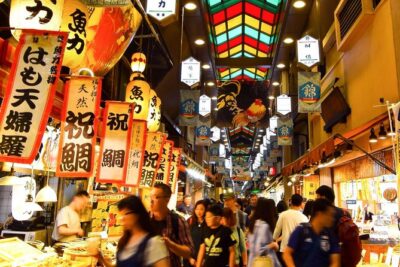
Kyoto Nishiki Market Food and Culture Walking Tour
Read our review →
Nishiki Market Tea Ceremony with Koto Performance
Read our review →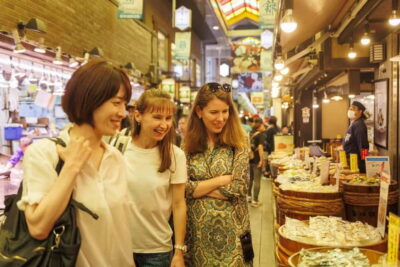
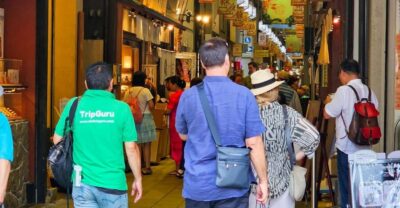
Nishiki Market and Depachika Food Tour with a Local
Read our review →
Nishiki Market Tour with a Local Foodie & Tastings
Read our review →
Also filed under