Reviewed · GION GEISHA QUARTER WALKS
Kyoto: Foodie Night Tour in Gion with 9 dishes + 6 Sake
Gion at night turns food into a story. I like that this tour is built around Kyoto-specific comfort dishes and a local guide who can explain the why, not just the what. I also like the way the evening moves through Gion to Pontocho, so you get atmosphere along with the meal. One possible drawback: at this price point, you’ll want to go in with realistic expectations, because some stops seem to land better than others for certain diners.
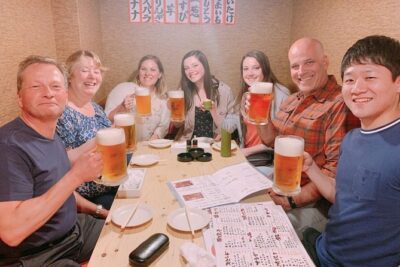
A key strength is the sense of a shared table, the kind where you can ask questions and actually learn. Guides like Rika are often praised for keeping conversations moving, and that matters when you’re sharing tastings with strangers. Just note, it’s not built for everyone, the food includes alcohol options and Japanese law limits alcohol to guests over 20.
If you want a night walk that mixes food, sake, and Kyoto neighborhoods, you’ll probably enjoy it. If you’re chasing maximum variety in big-name highlights, or you need strict dietary control, you may feel the limits.
In This Review
- Key things to know before you go
- Why a Gion food night makes sense
- Meeting point at Gion Shijo: getting your bearings fast
- Stop 1 in Gion: seasoned Kyoto appetizers and a sake-first start
- How the Pontocho dinner stops feel different
- Dessert in Gion: finishing sweet, not just full
- The sake tastings: fun, but pace is everything
- Hidden spots and the value of having someone local
- Price and value: is $361 per person fair?
- What to know before you go, so the night stays smooth
- Who this tour fits best
- Should you book this Kyoto Gion foodie night tour?
- FAQ
- What is the meeting point for the tour?
- How long is the Kyoto foodie night tour?
- What food and drinks are included?
- Can I request a dietary restriction?
- Do I need to bring cash?
- Is the tour good for guests who want to drink alcohol?
Key things to know before you go
- Gion at the start, Pontocho during dinner: you’ll get two classic Kyoto streetscapes in one evening.
- 9-dish course plus dessert: the meal is structured, so you are not hunting restaurants alone.
- 6 sake tastings with explanations: the guide helps you notice differences, not just sip.
- Cash is likely needed: most places along the way do not take credit cards for extras.
- Dietary requests need advance notice: day-of changes and allergy-free guarantees are not promised.
- Not ideal for mobility needs: some parts are not stroller or wheelchair friendly.
Why a Gion food night makes sense
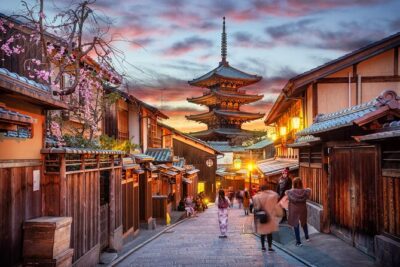
Kyoto food tours work best when they slow you down. This one does that by starting right where Gion begins, near the Izumo no Okuni statue at Gion Shijo Station (exit 5). You arrive, you meet your English-speaking guide, and then you walk. That walking time is not filler. It helps you understand how neighborhoods like Gion and Pontocho were designed to be experienced at human speed.
I especially like that you are not just tasting, you are being oriented. You see older Kyoto-style buildings and you get explanations about how locals enjoy their nights. If you are lucky, you might even spot a geisha passing by, though you should not count on it as part of your plan.
The other smart part is the “several stops” format. You get the feeling of a night out in Kyoto, where dinner and drinks can happen in stages. Instead of one long meal at one place, you experience different corners of the same evening.
Meeting point at Gion Shijo: getting your bearings fast
The meeting point is clear: stand in front of the Izumo no Okuni statue at Gion Shijo Station, right outside exit 5. That detail matters because Kyoto station exits can be confusing when you are tired. Arrive a few minutes early so you can spot your guide without stress.
From there, the tour is a guided stroll through Gion. Expect a mix of streets where you can actually look around, plus small detours to get you away from the most obvious tourist paths. You are going to feel like you are tagging along with someone who knows where people go when they want a simpler, local night.
One practical note for your comfort: the tour is about 210 minutes, and it includes multiple food moments. Plan for standing and walking, and consider the weather. Summer in Japan is hot and humid, so bring water and a hat to reduce the heat stress.
More cups to sample before dinner
- Kyoto Night Foodie Tour in Gion (9+ dishes + 6 Sake tastings)
★ 5.0 · 1,762 reviews - 3-Hour Kyoto Insider Sake Brewery Tour with Tastings & Pairings
★ 5.0 · 917 reviews - Arashiyama Bamboo, Temple, Monkeys, or Secret Sake Brewery
★ 4.8 · 886 reviews - Kyoto: Insider Sake Brewery Tour with Sake and Food Pairing
★ 5.0 · 704 reviews
Stop 1 in Gion: seasoned Kyoto appetizers and a sake-first start
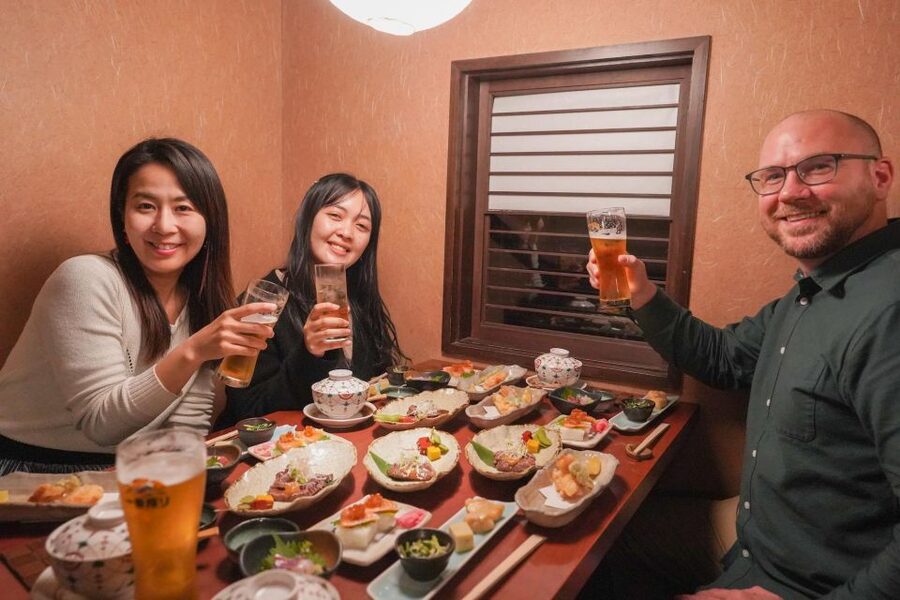
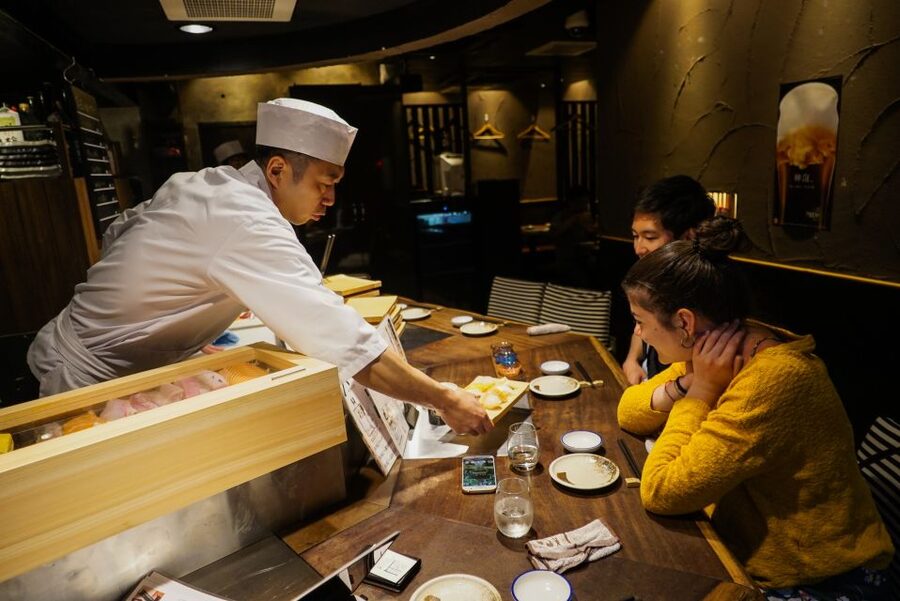
Your evening’s first real food stop is in Gion at a traditional restaurant that many visitors would not find on their own. That is the big value here. Kyoto has plenty of restaurants, but the places with the best local energy are often the ones you cannot simply “Google and walk into” without clues.
This first meal is about Kyoto classics. You may taste obanzai (Kyoto home-style seasonal dishes), oden (Japanese stew), or yuba (tofu skin). These are not flashy foods. They are comforting and seasoned, which is exactly what you want when you are learning Kyoto cuisine through small plates rather than one heavy course.
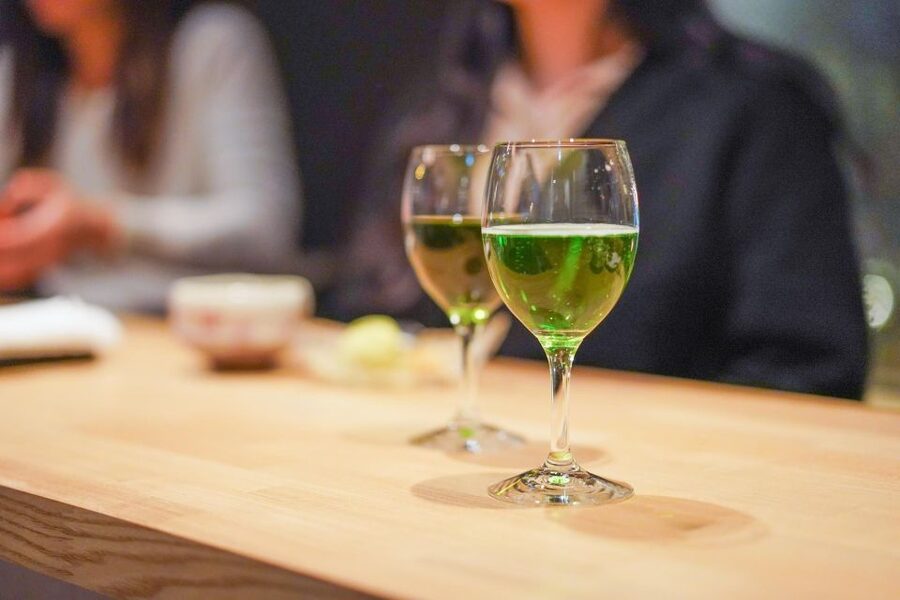
The other highlight is the paired start with Japanese sake. The tour offers tastings that include Kiki sake, described as three different kinds produced in Kyoto. That means you do not just get one sample. You can compare styles and learn what differences you notice.
What I find useful for you: this is a good format if you are new to sake. The guide’s explanations make it easier to understand what you are tasting, instead of drinking blindly and hoping it works out.
How the Pontocho dinner stops feel different
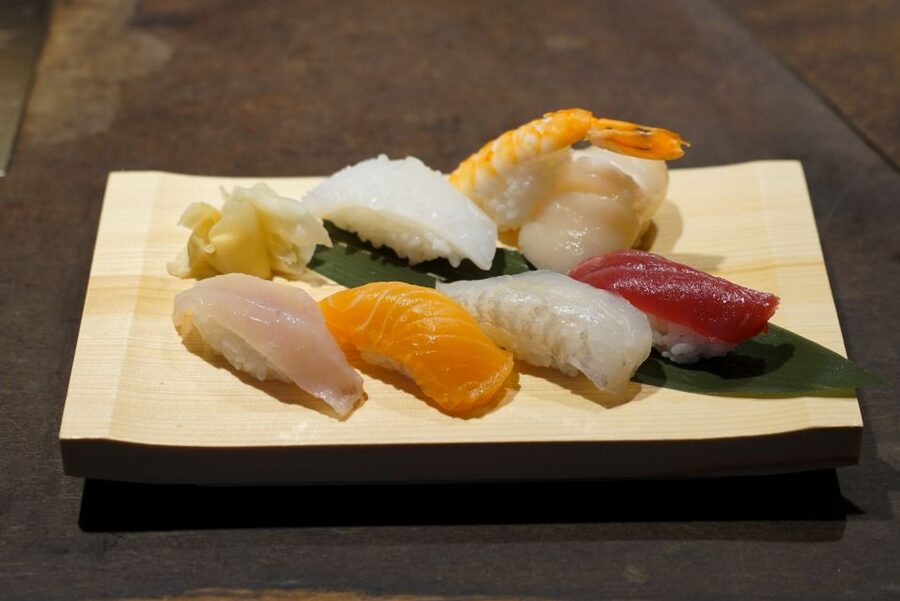
After the initial Gion food, the walk heads toward Pontocho Alley, one of Kyoto’s most atmospheric areas for an evening meal. The tour builds in time here for dinner, and you actually have dinner-style stops in Pontocho more than once during the experience.
This structure matters because it changes your meal rhythm. The first stop in Gion introduces Kyoto flavors in a grounded way. Then Pontocho dinner gives you a chance to contrast with another place and another style of tasting. If you tend to forget what you ordered ten minutes later, this pacing is helpful because you get time to reset between stops while still staying in the food flow.
One caution: not every stop will hit the same for every palate. In feedback tied to this tour, I saw mixed notes about how one of the dinner moments compared to the first. That does not mean the whole tour is a dud, but it does suggest you should treat this as a structured experience, not a guarantee that every single dish will be your favorite.
If you want to maximize your odds, go in hungry enough for multiple tastings, but not so hungry that you rush your attention. Slow down, sip something, and take a second to read the flavors before you chase the next bite.
Dessert in Gion: finishing sweet, not just full
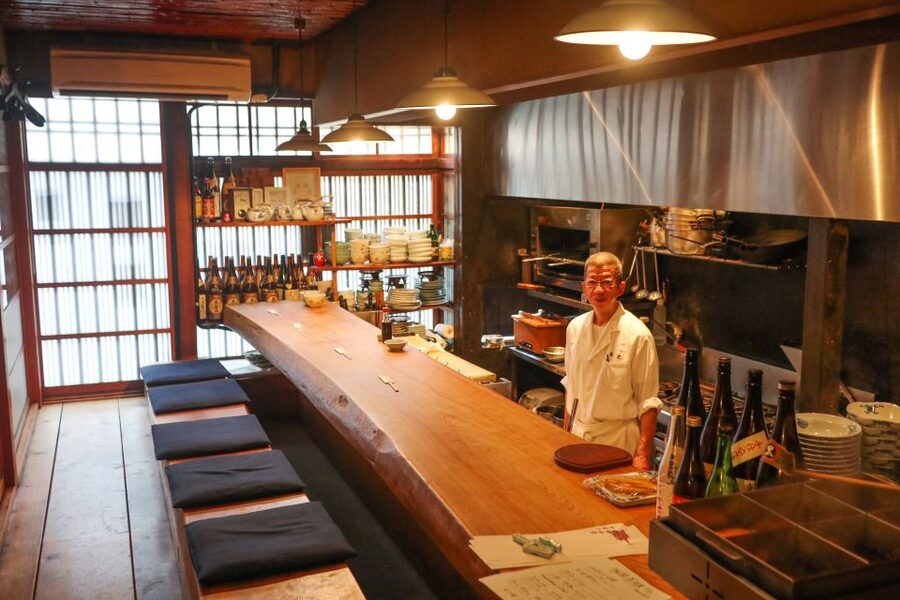
The tour wraps up with dessert in the Gion area. This matters more than people think. A lot of food nights end with people feeling overloaded and cranky. Here, the dessert stop is positioned as a final moment after you have already sampled a course of multiple dishes and drank sake tastings.
That makes the ending feel lighter. It also gives you a Kyoto-specific close. Kyoto desserts often lean toward subtle sweetness and textures that do not knock you out after an active night walk. You get a traditional-building setting in the Pontocho area for the dessert moment, which keeps the whole evening cohesive.
For you, the takeaway is simple: pace yourself during the earlier tastings so you can enjoy the final sweetness. If you slam sake early, you’ll pay for it at the end.
The sake tastings: fun, but pace is everything
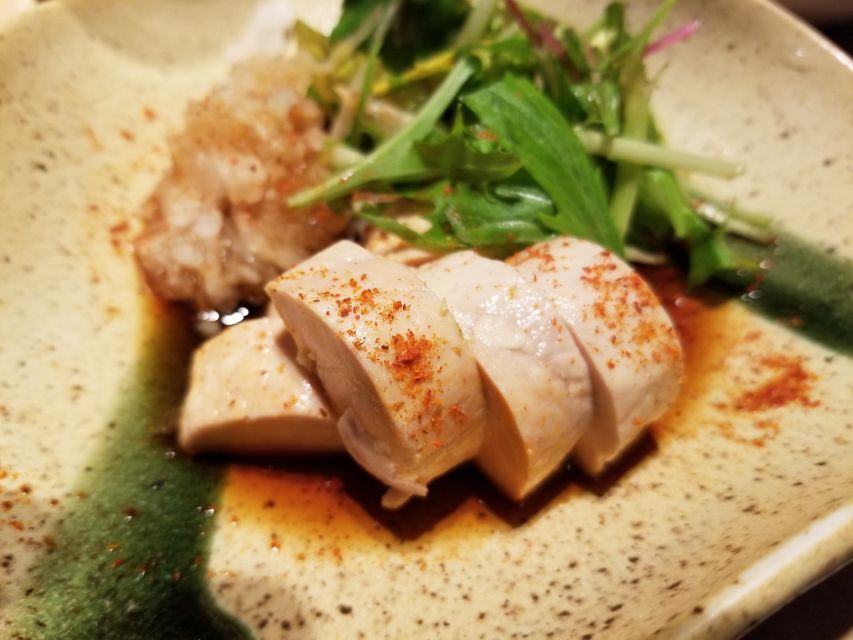
This tour includes 6 sake tastings, plus it includes 2 drinks total with both alcohol and non-alcohol options available. Also, alcohol is limited to guests over 20 due to Japanese law, so if you are traveling with a younger group member, you will want to plan accordingly.
Sake can be a lot even when it tastes good. What I like about this format is that it gives you variety without demanding that you finish a full glass at each place. You are tasting, learning, and comparing.
Practical move for you: take small sips, then do a bite of food, then let the flavors settle. If you want to really enjoy the explanations, listen first, sip second. Your palate will thank you later.
Also, the tour reminds you to bring cash for food and drinks, and most bars do not accept credit cards for extras. Even if the tastings are included, plan for the possibility that you may want to buy an additional drink or snack you like.
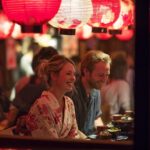
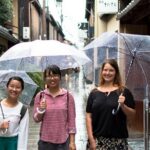
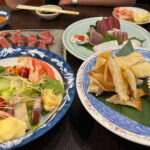
More of Kyoto, tasted rather than seen

Hidden spots and the value of having someone local
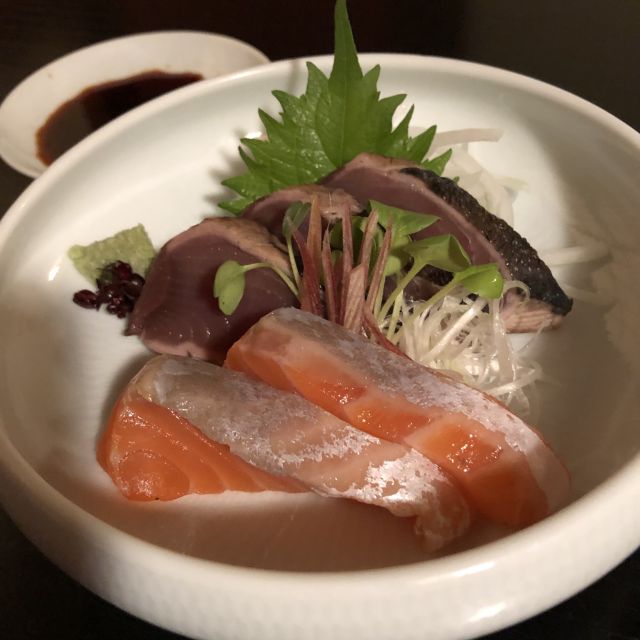
The headline here is “hidden gems,” but the real value is the guide’s local logic. Kyoto is not just about eating. It is about how people choose where to go depending on the night, the mood, and the social energy.
The tour is designed around that. You start in Gion, you walk through neighborhoods that locals actually use for evening hangouts, and you end in a place that keeps the ambiance. If you have ever arrived in Kyoto and felt like you were eating at restaurants that were convenient but not particularly Kyoto, this style of guided route is meant to fix that.
The guide also helps you understand the context of what you are eating. When you taste Kyoto dishes like obanzai, you get more out of it when someone explains the seasoning traditions and why certain foods show up in Kyoto more than elsewhere.
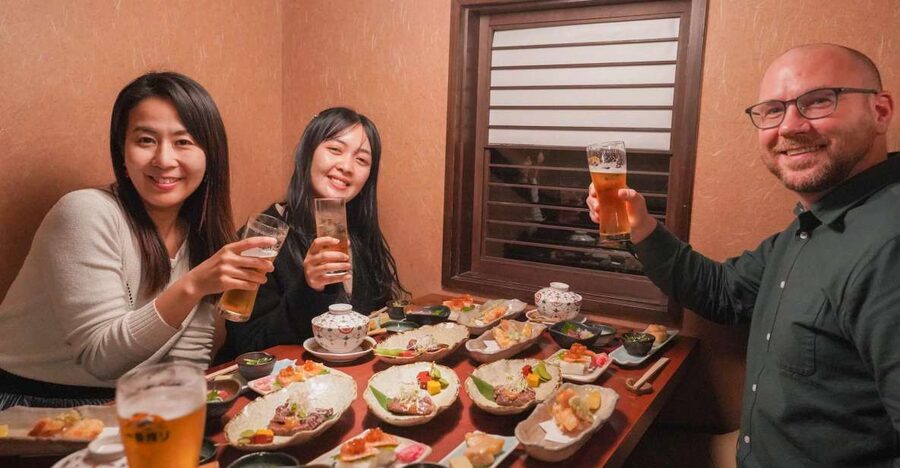
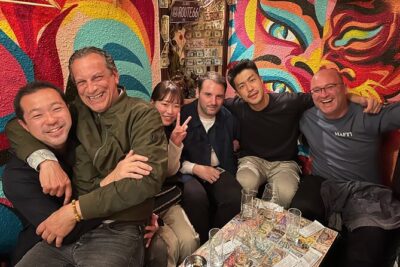
One more quality factor: the guide encourages conversation. That is not a tiny detail. Shared tables can be awkward if the guide does not manage it well. In feedback about this tour, Rika is specifically called out for making it easy for everyone to chat. If you like a social food experience, that can be a big plus.
Price and value: is $361 per person fair?
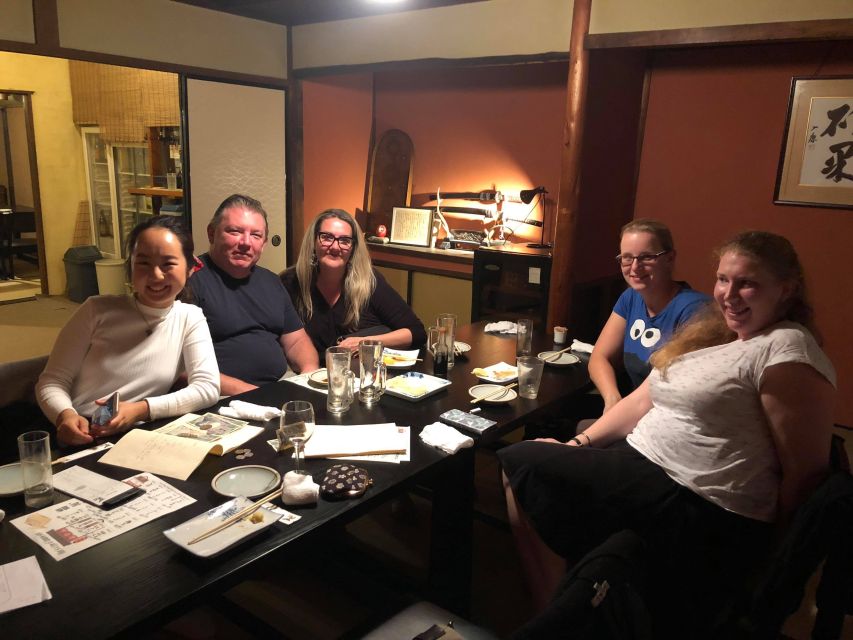
At $361 per person for about 210 minutes, this tour is not a budget choice. The question for you is what you are buying with that money.
Here is what is included, based on the provided info:
- A dinner course with 9 dishes, plus dessert
- 6 kinds of sake tastings
- 2 drinks total, with alcohol and non-alcohol options
- Tour photos
- An English-speaking guide
So you are paying for more than food. You are paying for guide time, multiple guided stops, and a course meal that would be hard to assemble yourself across two neighborhood zones.
Is it always a slam dunk? Not necessarily. If you are the type who wants a single outstanding meal and you end up feeling one stop underwhelms you, the price can feel steep. Some diners also felt the value did not match the cost.
My practical advice: if you like structured tastings, want someone to take you to hard-to-find places, and you enjoy sake, this can feel like a good trade. If your plan is to spend most of the night picking your own restaurants, this may be less worth it.
What to know before you go, so the night stays smooth
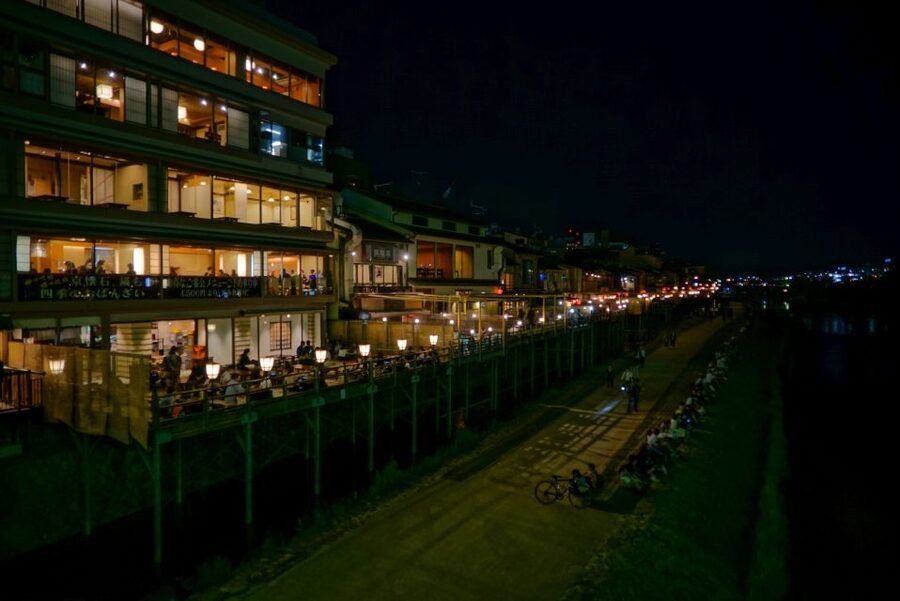
This tour has a few “small print” realities that can matter a lot once you are hungry and in motion.
First, dietary requests: you must request anything dietary in advance (by the day before). Day-of requests are not accepted. Also, the tour notes it cannot guarantee allergy-free meals or that substitutions will be possible, because dishes are prepared in kitchens that do not all belong to the tour provider. If you have allergies, plan carefully and assume you might not get perfect accommodation.
Second, cash matters. The tour asks you to bring cash for food and drinks, plus any extras. Even if you do not expect to buy extra, it is safer to carry some.
Third, it is not ideal for mobility issues. The tour says some locations are not accessible by wheelchair or stroller. If you rely on a wheelchair or you have limited mobility, you will likely have trouble with uneven access.
Finally, timing and weather. It is an evening walk with tasting stops. Bring water in warm months and wear something cool and breathable.
Who this tour fits best
This tour is a strong match if:
- You want Kyoto-focused foods like obanzai, oden, or yuba, not just generic Japanese dishes
- You enjoy sake and want guided tastings with explanations
- You like small group energy and conversation at the table
- You would rather walk with local guidance than hunt menus on your own
It may be less ideal if:
- You have strict allergy needs that require guaranteed substitutions
- You cannot do walking and some steps or uneven areas
- You only want one perfect meal and do not want a multi-stop format
- You are very price-sensitive and expect every single dish to be top-tier
Should you book this Kyoto Gion foodie night tour?
Book it if you want an organized Kyoto night that blends atmosphere with 9 dishes plus dessert, and you specifically want the sake tastings with guidance. The route through Gion and Pontocho is the point, and having a local guide makes it feel like a real evening out rather than a checklist.
Skip or rethink it if you need guaranteed allergy handling, you have mobility constraints, or you would rather choose restaurants independently and control the menu completely.
If you do book, do one smart thing: come hungry, pace your sake, and be ready for a night that values learning and local flow as much as it values food quantity.
FAQ
What is the meeting point for the tour?
Meet your guide in front of the Izumo no Okuni statue at Gion Shijo Station, right outside exit 5.
How long is the Kyoto foodie night tour?
The tour runs for about 210 minutes.
What food and drinks are included?
You get a dinner course with 9 dishes plus dessert, along with 6 kinds of sake tastings. The tour also includes 2 drinks, with alcohol and non-alcohol options available.
Can I request a dietary restriction?
You can request dietary requests in advance, by the day before the tour. Day-of requests are not accepted, and the tour cannot guarantee allergy-free meals.
Do I need to bring cash?
Yes. The tour advises bringing cash for food and drinks, since many bars do not accept credit cards for extras.
Is the tour good for guests who want to drink alcohol?
Alcohol is only available to guests over 20 due to Japanese laws, and there are non-alcohol options available as well.
More Drinking Tours in Kyoto
Gion Geisha Quarter Walks
New This Season
- Koyasan Day Trip by Private Car from Kyoto
- Old Port Town and Ultimate Sake Tasting Private Tour From Kyoto
- Kyoto’s Timeless Charm: 3hr Exploration of History and Peace
- Kyoto: 5 Types of Sushi Making
- Sacred Peak & Ancient Paths: Kurama-Kibune Hiking Experience
- Kyoto: Exclusive ZEN practice at Manpukuji temple in Uji
- Kyoto: Private Seasonal Aroma Yoga Class
- Traversing Kyoto’s Scenic West – Arashiyama to Kinkakuji
Gion Geisha Quarter Walks, compared.
Kyoto Geisha Walking Tour: Gion District & Hidden Gems
Read our review →
Gion Magical Night Walking Tour with Geisha Trivia
Read our review →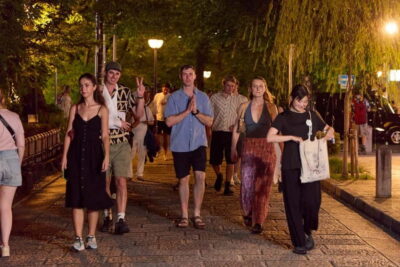
Gion Geisha District Walking Tour – Stories of Geisha
Read our review →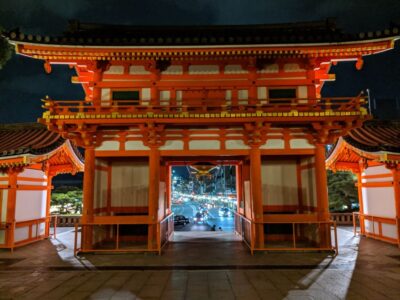
Best of Kyoto: Gion, Geisha, Pagodas & Cobblestones
Read our review →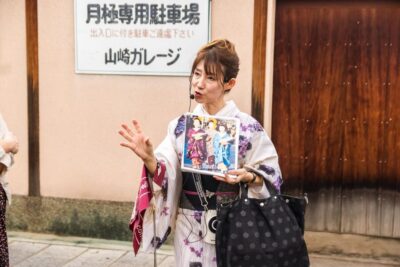
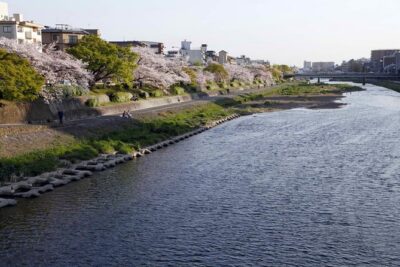
Kyoto Night Foodie Tour in Gion (9+ dishes + 6 Sake tastings)
Read our review →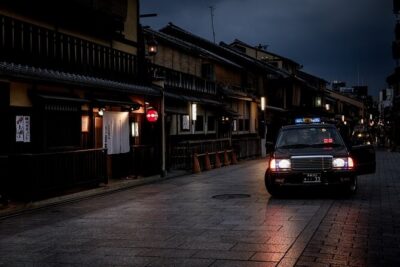
Kyoto Gion Geisha District Walking Tour – The Stories of Geisha
Read our review →