
Reviewed · FUSHIMI INARI SHRINE WALKS
Kyoto: Fushimi Inari Taisha Night Tour with Guide
Fushimi Inari feels otherworldly after dark. This 2-hour guided night walk turns Kyoto’s most famous torii into a calm, moonlit path, and it’s the guide that helps you connect the dots between what you see and what it means. I especially like the glowing torii tunnel atmosphere and the way your guide brings shrine stories into the walk. One thing to consider: the paths can be uneven, so you’ll want comfortable shoes and realistic expectations for nighttime footing.
In this tour, I like that you’re guided to experience quieter areas rather than just doing the daytime sightseeing sprint. The night also makes the forest feel hushed, with cedar-scented air and long shadows across the gates. The main drawback is simple: flash photography is not allowed, so if night shots are your top goal, plan to shoot without flash and lean on steady camera settings instead.
In This Review
- Key Points You’ll Care About
- Why the Night Torii Feels Different at Fushimi Inari
- Finding Your Guide: Daily Yamazaki and the DeepExperience Sign
- The 2-Hour Rhythm: From Torii Tunnel to Quiet Paths
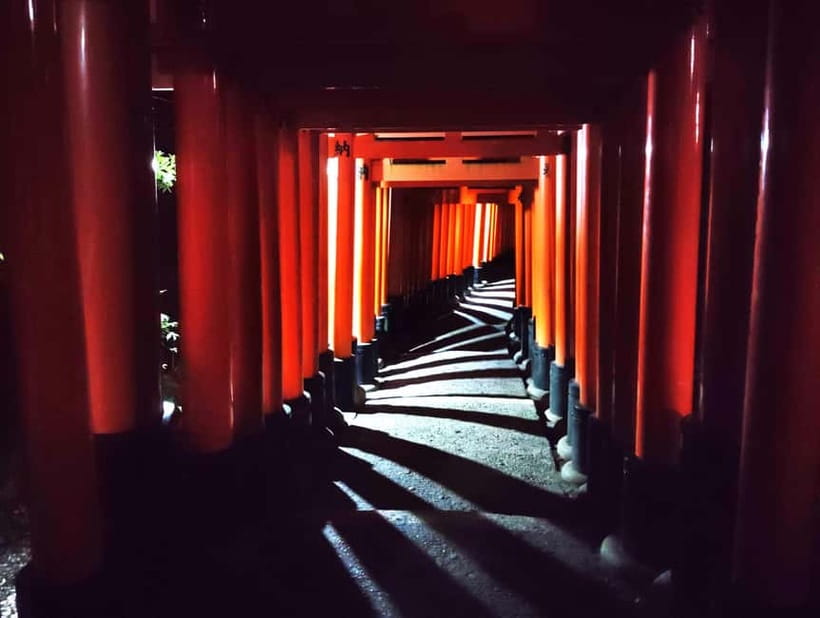
- Walking Through Glowing Torii Gates Under Moonlight
- Forest Quiet, Cedar Air, and Shrine Stories That Make It Click
- Kyoto Light Views From Higher Ground, Then a Clean Exit
- Price and Value for a $49, 2-Hour Night Tour
- What to Bring, Plus Photo Rules That Protect the Mood
- Who This Night Tour Suits Best (and Who Should Skip)
- Should You Book This Fushimi Inari Night Tour?
- FAQ
- How long is the Kyoto Fushimi Inari Taisha night tour with a guide?
- Where do I meet my guide?
- Where does the tour end?
- What languages are available for the live guide?
- What is included in the $49 price?
- Is transportation or meals included?
- Is flash photography allowed?
- FAQ
- Is the tour suitable for people with mobility impairments?
- Can I cancel for a full refund?
Key Points You’ll Care About
- Moonlit torii gates create long shadows and a quieter, more meditative feel than daytime.
- A guide-led route helps you spend the night on meaningful spots, not just the loudest ones.
- Cedar-scented forest paths feel calmer because there are far fewer crowds at night.
- Kyoto’s distant lights shimmer from higher ground, giving you a different city perspective.
- Night-friendly guidance: you get help with pacing and what to look for along the way (some guides, like Judah or Juraj, are noted for being accommodating and patient).
- No flash policy protects the shrine atmosphere, so bring your patience and camera skills.
Why the Night Torii Feels Different at Fushimi Inari
Fushimi Inari Taisha is famous for a reason. Daytime visits are all about icons: the endless vermilion gates, fox guardians, and the sense that you’re walking into a mountain-world made of ritual. But at night, the whole place changes mood. The torii look more dimensional, the shadows get dramatic, and the forest paths feel like they’re holding their breath.
That shift matters because it changes how you experience the shrine. Instead of sprinting from photo spot to photo spot, you slow down. You notice the sound of footsteps on the ground, the feeling of moving through a darker tunnel of gates, and the quiet that makes the place feel less like a landmark and more like a sacred threshold.
And yes, you’ll still see iconic imagery, but the night adds something practical too: fewer people means you can pause when you want, look longer, and actually take in the details your eyes miss during busy hours.
Finding Your Guide: Daily Yamazaki and the DeepExperience Sign
Your tour starts at a very clear, easy-to-spot meeting point: in front of the Daily Yamazaki Fushimi Inari Taisha-mae Store. The guide waits there holding a yellow sign panel that says DeepExperience. This is one of those small logistics choices that make a tour feel smooth instead of stressful.
A quick mental checklist before you go:
- Arrive with enough time to find the storefront and match the guide with the yellow sign.
- Bring your camera, but keep in mind the flash restriction during the visit.
- Dress for night air, not daytime heat. The tour is outdoors and the paths run through forest surroundings.
It’s also a good idea to mentally prepare for a walk that feels more like “wander with purpose” than “quick checklist.” A good guide sets the rhythm early, and that matters for a night tour where visibility and comfort are both part of the experience.
Still climbing through the orange gates?
- Kyoto: Fushimi Inari, Kinkakuji, Bamboo Grove 1 Day Bus Tour
★ 4.8 · 4,316 reviews - Fushimi Inari Hidden Hiking Tour (Private Option Available)
★ 5.0 · 1,750 reviews - Osaka/Kyoto:Kinkakuji,Arashiyama,FushimiInariShrine,NaraPark
★ 4.1 · 1,596 reviews - Kyoto/Osaka: Nara, Fushimi Inari Taisha, Arashiyama Bus Tour
★ 4.7 · 1,275 reviews
The 2-Hour Rhythm: From Torii Tunnel to Quiet Paths
This is a straightforward format, built around a guided walk through Fushimi Inari at night. You’ll spend the bulk of your time moving through the shrine grounds, guided step-by-step. Even though it’s only 2 hours, it feels longer in a good way because the atmosphere changes as you move deeper into the gate-lined paths.
Here’s the simple flow you can expect:
- Start at the shrine area and begin your guided walking time
- Move through the illuminated torii gates, where each gate frames darkness in a slightly different way
- Continue along forest paths designed for experiencing the shrine beyond the first layer of famous shots
- Return to the exit area and finish at Inari Station
What makes this rhythm worthwhile is the focus on movement with meaning. The tour isn’t just “walk here, take photos.” Your guide is there to point out what you’re looking at, explain the shrine’s significance, and help you understand why the route feels spiritual rather than touristy.
If you’re the type who gets tired of crowds quickly, this pacing is a real plus. Night helps. A guide helps more.
Walking Through Glowing Torii Gates Under Moonlight
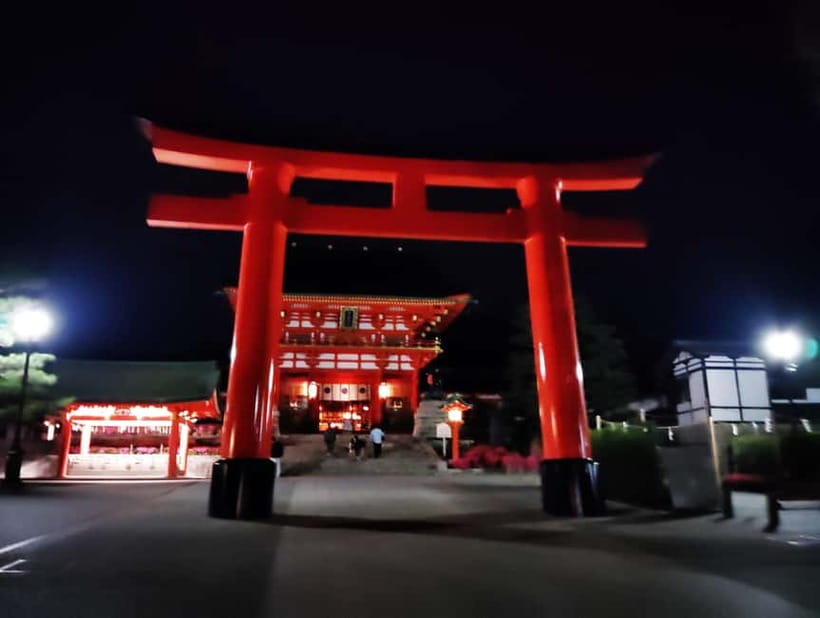
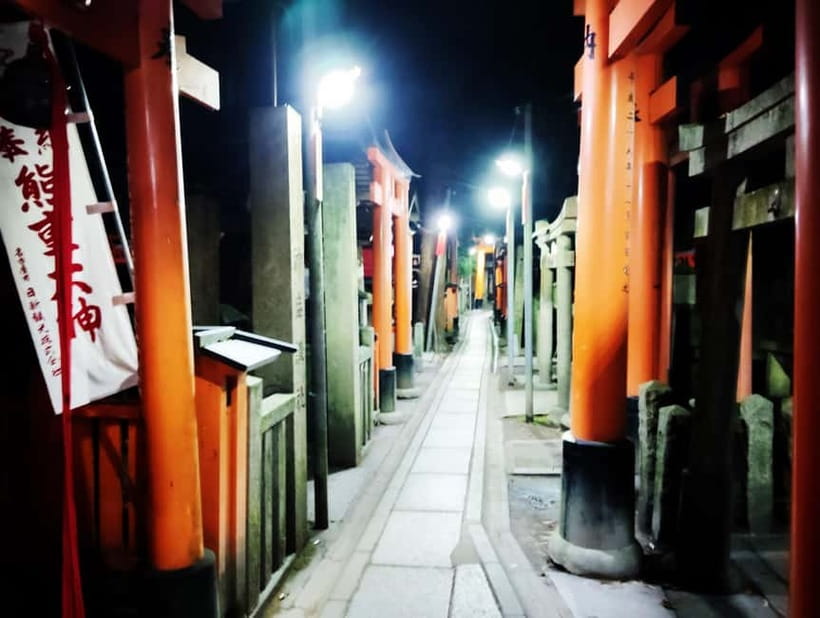
The headline experience is walking through the torii gates at night. On a typical day, those gates can feel overwhelming in volume and noise. At night, the gates turn into a corridor of color and shadow.
Expect long, quiet lines of vermilion, with each torii gate casting its own shape into the dark. The lights and darkness together make it feel like you’re moving through layers, not just rows. It’s a very different photographic mood too. Without flash, you’ll likely rely on ambient light, slower shutter speeds, or higher ISO settings. Bring a camera you can steady, or plan to shoot sparingly and just enjoy the scene.
Practical tip: give your eyes a minute to adjust. The moment your vision relaxes into the dimmer light, you’ll notice more about the space around the gates, like the texture of stone and the quiet depth of the path.
One more small note: the tour is designed to preserve tranquility. That means you should keep your voice low, move calmly, and avoid camera tricks that break the mood. It’s not only respectful, it helps everyone see better.
Forest Quiet, Cedar Air, and Shrine Stories That Make It Click
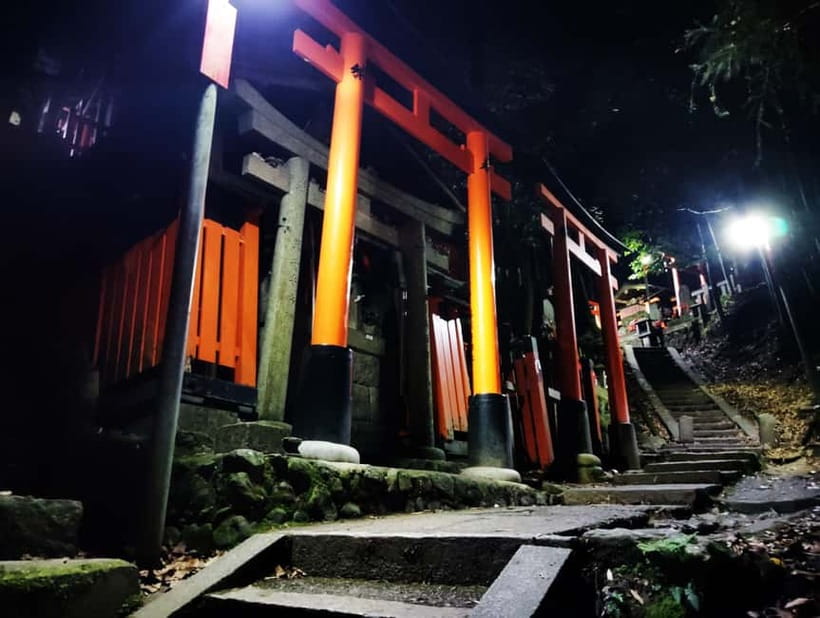
The best part of a guided night walk is what the guide does for your attention. Your job as a visitor is easy: walk, look, listen. Your guide’s job is to connect the physical experience to the shrine’s meaning.
Along the way, you can expect narration about Fushimi Inari Taisha’s history and significance, plus explanations that help you read the site beyond its most photographed parts. You’ll also feel the forest around you. The air is described as thick with cedar scent and mystery, and in practice that kind of sensory detail matters. It nudges you out of “camera mode” and into “present mode.”
If you like learning while walking, you’re in a good spot. If you prefer learning in a light, conversational way, that works too because the tour stays focused on the walking experience, not a long lecture.
Guide vibe also shows up in how the tour feels. People have specifically praised guides such as Judah and Juraj for being enthusiastic, informative, accommodating, and patient, even when someone is tired and can’t do too much walking. That kind of flexibility is exactly what you want on a nighttime route where comfort and pace matter.
Kyoto Light Views From Higher Ground, Then a Clean Exit
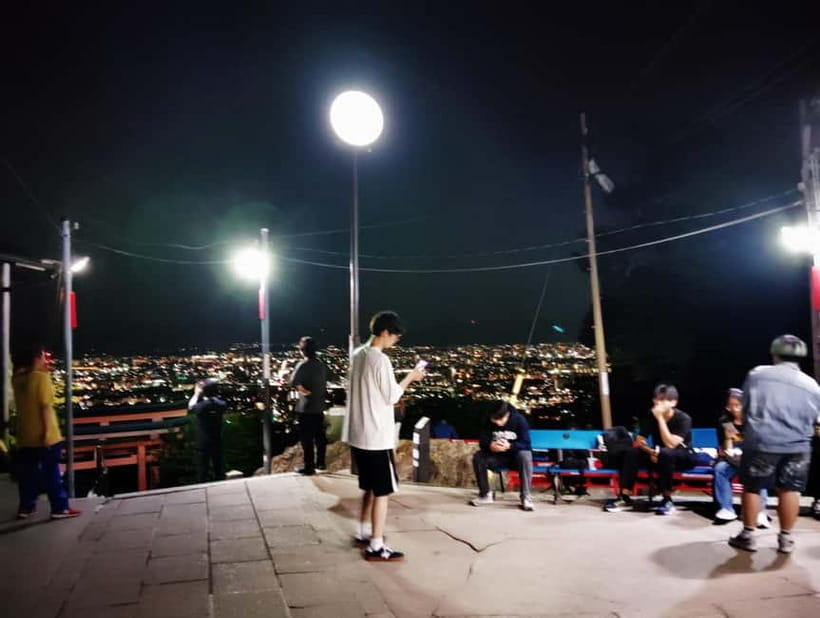
As you move along the route, the experience shifts again with viewpoint moments. From higher ground, Kyoto’s distant lights shimmer like scattered stars beneath you. This is one of those “take a breath” sections where you stop being inside the gates and start seeing the city as a whole.
It’s also a reminder that Fushimi Inari isn’t just a gate photo line. It’s a mountain path network with open angles. Night makes those angles feel cinematic.
At the end, the tour finishes at Inari Station. That matters because it turns the night walk into a complete experience with an obvious exit point. Transportation back to where you’re staying is not included, but you can plan for it around a station finish rather than needing a last-minute scramble.
A quieter way to spend a day in Kyoto



Price and Value for a $49, 2-Hour Night Tour
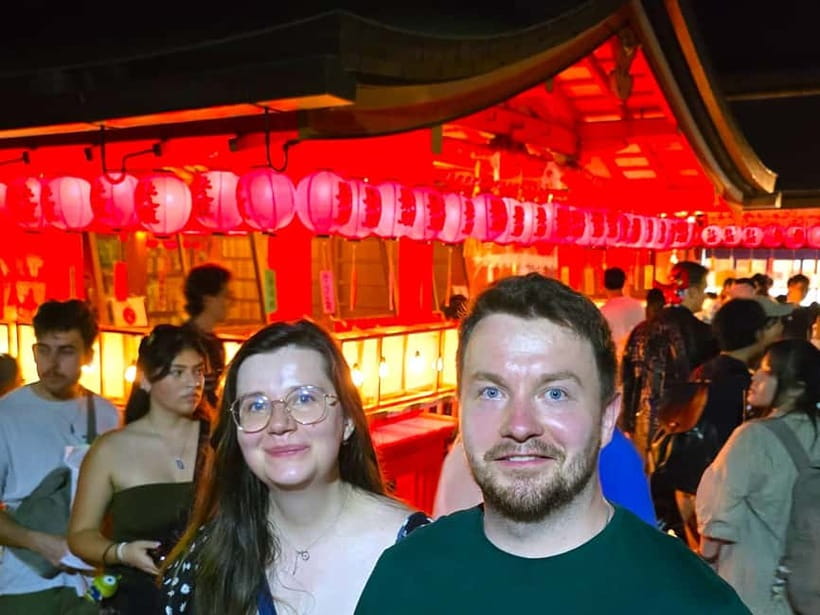
The price is $49 per person for a 2-hour guided night tour. On paper, that can sound like “just a walk,” but the value is in what you get with the guide and the timing.
Here’s what you’re paying for:
- A 2-hour night experience at Fushimi Inari when the atmosphere shifts dramatically
- A guided route through the shrine, including areas designed to avoid the densest crowd zones
- A local guide who explains history and significance while you walk
- A private group format, which usually means you can move at a pace that works for your group
The most practical value is the crowd factor. Daytime at Fushimi Inari is a popular magnet. Night reduces the pressure, and a guide helps you experience the quieter parts without guessing your way through a maze. You also avoid wasting energy on “where should we go next” questions.
So if you want the gates, the forest quiet, and the city views, $49 for 2 hours can be a fair deal, especially when you consider that what you’re buying is not just scenery, it’s attention and pacing.
What to Bring, Plus Photo Rules That Protect the Mood
This tour has a simple kit list, and following it will make your evening smoother:
- Comfortable shoes (paths can be uneven)
- Camera (and take your time with it)
- Weather-appropriate clothing (night can feel cooler)
- Flashlight (helpful for dark steps and uneven ground)
Photo rule: flash photography is not allowed. That’s a respectful policy and it also forces a better night approach. Instead of relying on flash, plan on slower photography, steady support for your hands, or accepting that some shots will be more atmospheric than crisp.
Another tip: bring patience more than gear. Night tours move differently than daytime tours. You’ll want to slow down, not speed up, so your eyes adjust and you don’t trip over your own excitement.
Who This Night Tour Suits Best (and Who Should Skip)
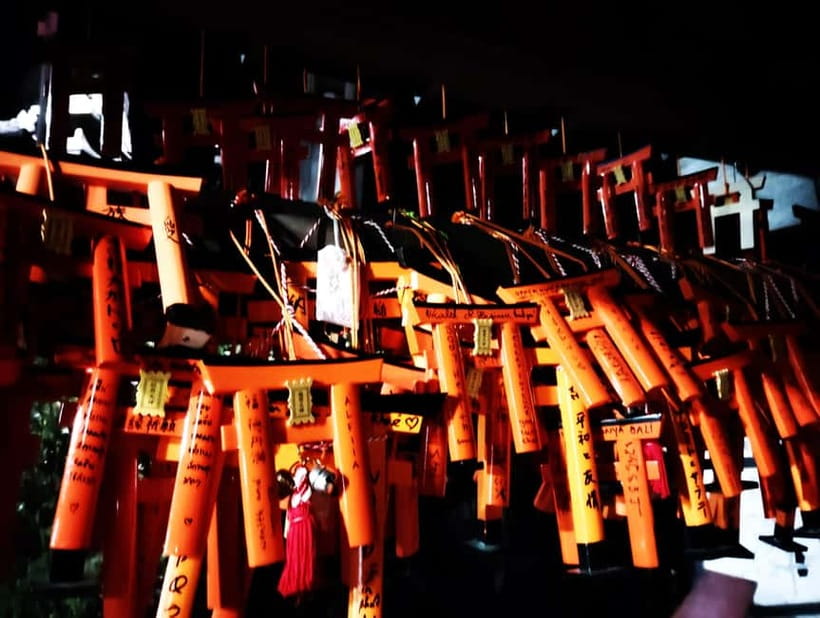
This experience is best for people who:
- Want a quieter, spiritual-feeling visit to a famous shrine
- Enjoy walking tours with a guide who explains what you’re seeing
- Prefer night hours to avoid the intensity of daytime crowds
- Like night photography for mood, even if flash is off-limits
It’s not suitable for people with mobility impairments. The terrain can be uneven, and nighttime footing adds another layer of risk. If that affects you or your group, you’ll likely be happier choosing a different visit format that fits mobility needs better.
Also, if you know you tire quickly from uphill or long walking, tell your guide what your limit is. One theme in guide feedback is patience with people who cannot do too much walking, and you’ll feel better when expectations are clear early.
Should You Book This Fushimi Inari Night Tour?
I’d book it if you want the “same place, different world” feeling. The torii gates at night, the cedar-scented forest hush, and the view of Kyoto’s lights give you a spiritual, calming angle that daytime just doesn’t deliver.
Skip it if you’re mainly after high-energy daytime sightseeing, or if you need mobility-friendly terrain. Also consider booking only if you’re okay with the no-flash photo rule, because it will shape how your photos turn out.
If you’re traveling to Kyoto and Fushimi Inari is on your must-do list, this night version is one of the smartest ways to do it. You get guided context, quieter paths, and a short but memorable 2-hour experience that leaves you with calm, not crowd fatigue.
FAQ
How long is the Kyoto Fushimi Inari Taisha night tour with a guide?
The tour lasts 2 hours.
Where do I meet my guide?
You meet in front of the Daily Yamazaki Fushimi Inari Taisha-mae Store. Your guide will be holding a yellow sign panel that says DeepExperience.
Where does the tour end?
The tour finishes at Inari Station.
What languages are available for the live guide?
The tour offers live guiding in English and Japanese.
What is included in the $49 price?
You get the 2-hour night tour, a guided walk through the shrine, and access to areas without crowds.
Is transportation or meals included?
No. Transportation to and from the shrine and meals and drinks are not included.
Is flash photography allowed?
No. Flash photography is not allowed during the tour.
FAQ
Is the tour suitable for people with mobility impairments?
No, it is not suitable for people with mobility impairments.
Can I cancel for a full refund?
Yes. You can cancel up to 24 hours in advance for a full refund.
New This Season
- Koyasan Day Trip by Private Car from Kyoto
- Old Port Town and Ultimate Sake Tasting Private Tour From Kyoto
- Kyoto’s Timeless Charm: 3hr Exploration of History and Peace
- Kyoto: 5 Types of Sushi Making
- Sacred Peak & Ancient Paths: Kurama-Kibune Hiking Experience
- Kyoto: Exclusive ZEN practice at Manpukuji temple in Uji
- Kyoto: Private Seasonal Aroma Yoga Class
- Traversing Kyoto’s Scenic West – Arashiyama to Kinkakuji
Fushimi Inari Shrine Walks, compared.
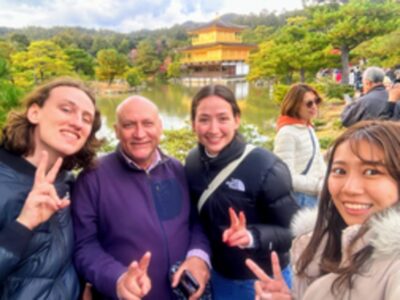
Fushimi Inari, Kinkakuji, Bamboo Grove 1 Day Bus Tour
Read our review →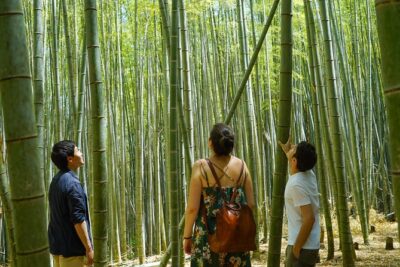
Fushimi Inari Hidden Hiking Tour (Private Option Available)
Read our review →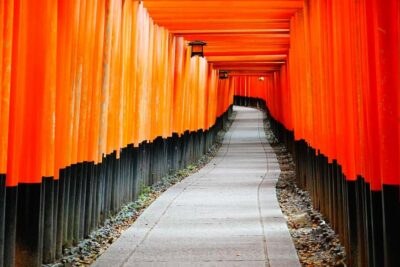
Kinkakuji,Arashiyama,FushimiInariShrine,NaraPark
Read our review →
Nara, Fushimi Inari Taisha, Arashiyama Bus Tour
Read our review →
Arashiyama, Nara & Fushimi Inari Shrine w/Lunch
Read our review →
Nijo Castle, Kiyomizu & Fushimi Inari Guided Tour
Read our review →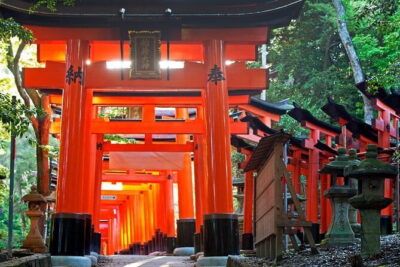
Nijo, Kinkaku-ji, Arashiyama, Kiyomizu & Fushimi Inari
Read our review →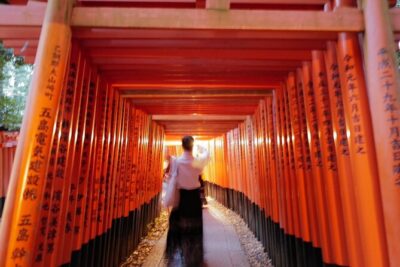
Also filed under