
Reviewed · FUSHIMI INARI SHRINE WALKS
Kyoto: Fushimi Inari-taisha y Kiyomizu-dera (Spanish Guide)
Torii gates change how you see Kyoto, and this tour strings them together with Kyoto’s big temple moment. You start at Fushimi Inari-taisha, where the red torii tunnel up the mountain gives you an instant sense of place, before you even reach the deeper shrine paths.
I also like that the day is not just photo stops. You get a guided push through the contrasts of Shinto and Buddhism, plus time in Kiyomizudera with its famed cliffside wooden platform and a calmer look inside the grounds.
One consideration: the quality and depth of the storytelling can vary by guide. One Spanish guide, Miriam, was praised for being kind, but also criticized for not delivering much historical context, so if you care a lot about background, be ready to ask questions as you go.
In This Review
- Key Points to Know Before You Go
- Meeting JR Inari, Then Diving Into Torii Country
- Fushimi Inari-taisha: The Torii Path Is the Whole Show
- What the Guide Adds at Inari (And Where It Can Fall Flat)
- Pontocho Lunch Break: A Useful Reset in the Middle
- Otani Hombyo Temple and the Otani Cemetery Pause
- Kiyomizu-dera: The Cliffside Wooden Stage Is Worth the Effort
- Sannenzaka Shopping Walk and the Finish in Higashiyama
- Price and What 76 USD Buys You in This 7-Hour Day
- Who This Tour Fits Best (And Who Should Skip It)
- Should You Book This Spanish Kyoto Shrines and Temples Tour?
- FAQ
- Where does the tour meet?
- How long is the tour?
- Is the guide available in Spanish?
- Which main sights are included?
- Is the Kiyomizudera entrance ticket included?
- Is transport included between Fushimi Inari and Kiyomizudera?
- What is the physical effort level?
- Is it suitable for people with mobility impairments?
- Are baby strollers allowed?
- Are unaccompanied minors allowed?
- Should You Book This Spanish Kyoto Shrines and Temples Tour?
Key Points to Know Before You Go
- Fushimi Inari stays physical, with trails and stairs up the mountain, not a quick stroll
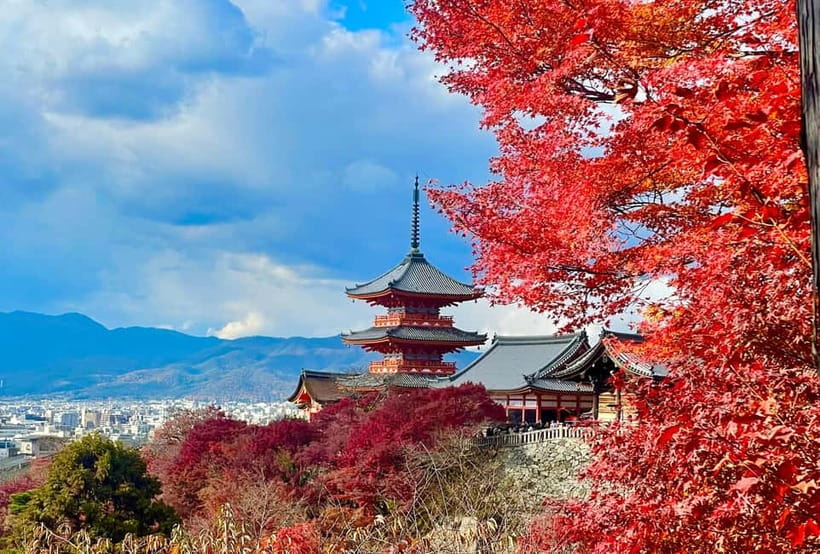
- Kiyomizudera is built for views, with time around the main hall, gardens, and the wooden stage
- Otani Hombyo plus Otani Cemetery adds a quieter, reflective stop beyond the main hotspots
- You get a timed break in Pontocho so you can handle lunch at your own pace
- Spanish live guiding is the core value, and guide style matters for how much history you hear
Meeting JR Inari, Then Diving Into Torii Country
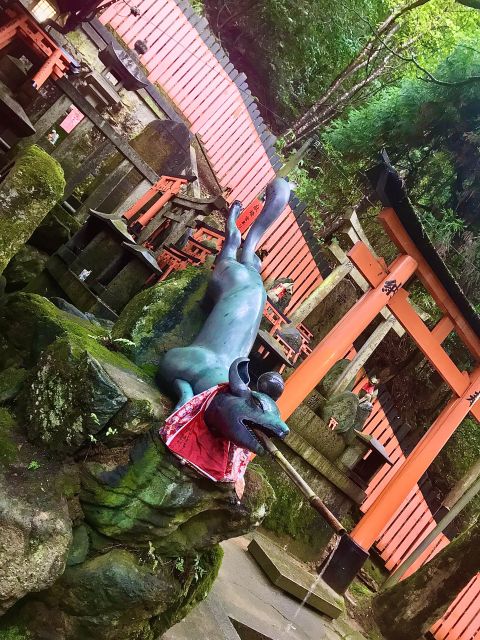
Your day starts at Fushimi-Inari Station, right in front of JR Inari, next to the fox statue. That matters because Fushimi Inari is a bit like a living system of paths, entrances, and side shrines, so you want to begin oriented and ready to walk.
The tour runs about 7 hours, and you are on the move most of the time. The biggest physical moment comes at Fushimi Inari, where you climb using trails and stairs. Comfortable shoes are not a nice extra here, they are the difference between enjoying the day and rushing through it.
One more practical note: the tour is not suitable for people with mobility impairments, and baby strollers are not allowed. If you are traveling with kids, unaccompanied minors are also not permitted, so plan around that.
Fushimi Inari-taisha: The Torii Path Is the Whole Show
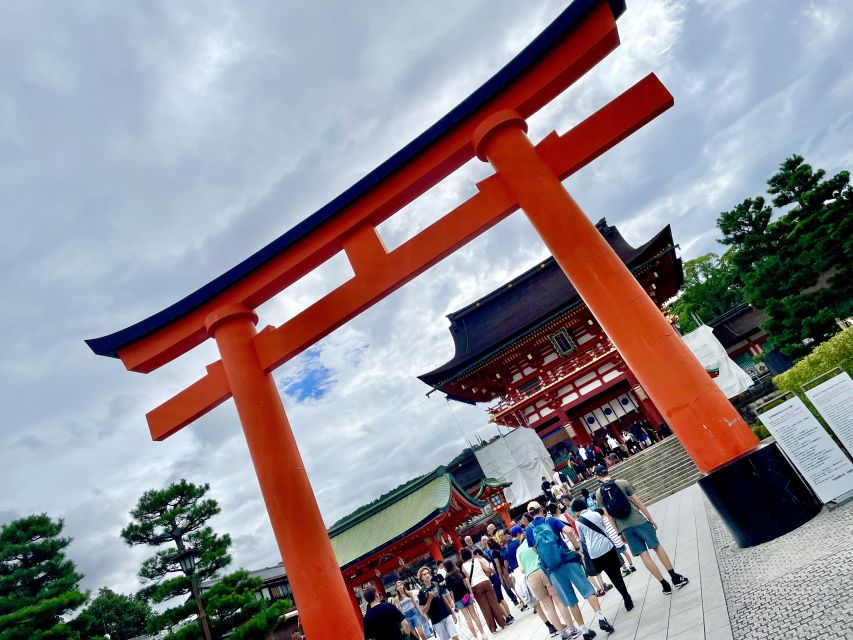
Fushimi Inari is famous for a reason, and the guided focus helps you move beyond the first big picture. You spend about 3.5 hours here, with time to hike the winding sanctuary paths and stop at smaller altars and shrines along the way.
What I like about this stop is how the experience grows as you walk. At the start, the torii may feel like a corridor you can just wander into, but once you start following the route upward, the scale becomes clearer. You are not only looking at gates, you are moving through a sacred pathway that climbs with you.
You should also pay attention to how quiet it can get. Even with crowds around the main entrance, the deeper you go, the more the sound changes. That shift is part of why this shrine feels special, and why a guided visit helps you find the right rhythm instead of getting pulled into a fast, line-waiting crawl.
The wooden stage above the hillside
- Kyoto: Tea Ceremony in a Traditional Tea House in Kiyomizu
★ 4.9 · 3,519 reviews - Kyoto: Nijo Castle, Kiyomizu & Fushimi Inari Guided Tour
★ 4.7 · 700 reviews - Kyoto: Nijo, Kinkaku-ji, Arashiyama, Kiyomizu & Fushimi Inari
★ 5.0 · 699 reviews - Kyoto Tea Ceremony & Kiyomizu-dera Temple Walking Tour
★ 5.0 · 115 reviews
What the Guide Adds at Inari (And Where It Can Fall Flat)
The tour description is clear about a route through Shintoism and Buddhism, and Fushimi Inari is your Shinto anchor point. A good guide helps you connect the dots, like why there are so many small points of worship along the way, and what to notice beyond the torii’s color.
However, the reviews suggest that guide depth can vary. One Spanish guide named Miriam was described as very friendly, but also criticized for not knowing much history and for feeling more like company than a true tour experience. Another guide, Alejandro, was praised as fantastic and attentive.
So here is the practical approach: go in expecting that the guide will point out things, but if history is your priority, treat the first 10 to 15 minutes as your check-in. If you do not hear background you care about, ask a question directly. If your guide is strong, you will feel it fast.
Pontocho Lunch Break: A Useful Reset in the Middle
After Fushimi Inari, you take a short train ride of about 15 minutes, then you get a break and lunch time in Pontocho (about 1 hour). This is a smart pacing choice. Your feet have likely built up that “tour day” fatigue by then, especially after the stairs at Inari.
Use this hour to reset your energy and decide how you want to handle the afternoon. If you like to shop, you can keep that for later. If you prefer quiet photos, you can treat lunch as your mental switch from mountain hiking to Kyoto’s temple lanes.
One small thing to plan for: the schedule keeps moving after lunch. So even if you want a longer meal, keep it realistic. You still have multiple stops ahead, including a temple complex and a cemetery photo stop.
Otani Hombyo Temple and the Otani Cemetery Pause
Next comes Otani Hombyo Temple, the mausoleum of Shinran, with about 45 minutes for a guided visit and walking. This stop is valuable because it shifts the mood. Inari is active and visually loud, while this area is more about stillness and a sense of reverence tied to a key Buddhist figure.
You then move on foot for about 30 minutes before reaching Otani Cemetery. Here the plan includes a photo stop plus guided sightseeing, about 30 minutes. I like this pairing because it gives you contrast, temple to resting place, guided interpretation to quiet looking.
What you might enjoy most is how the cemetery stop can feel less pressured than the main Kyoto icons. It is still a place of interest, but the vibe is different. Use that time to slow down, not to rush for the next landmark.
Kiyomizu-dera: The Cliffside Wooden Stage Is Worth the Effort
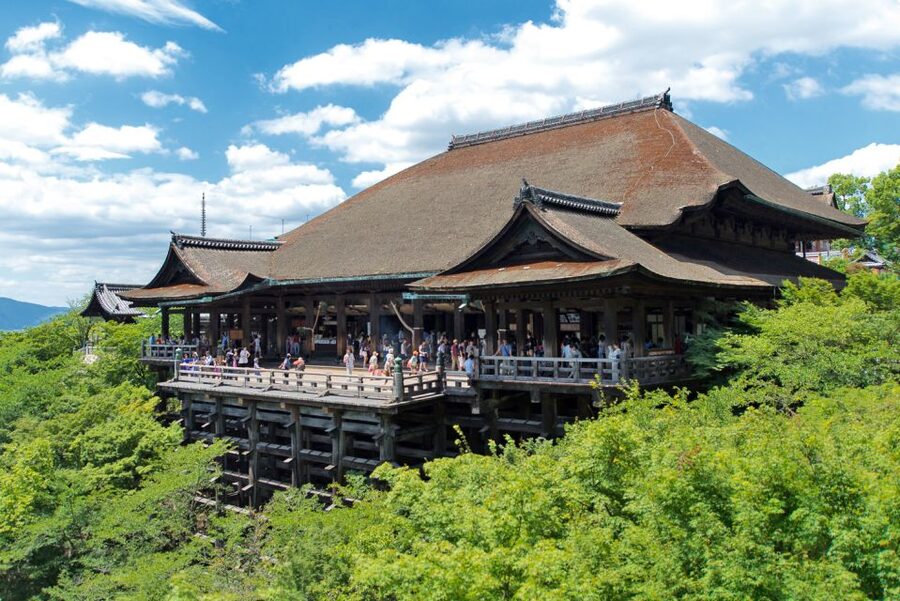
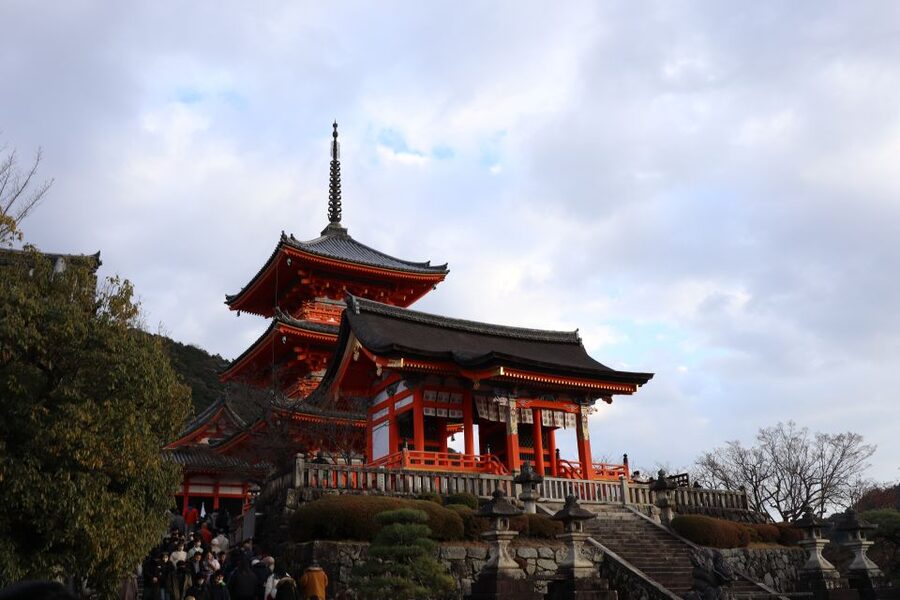
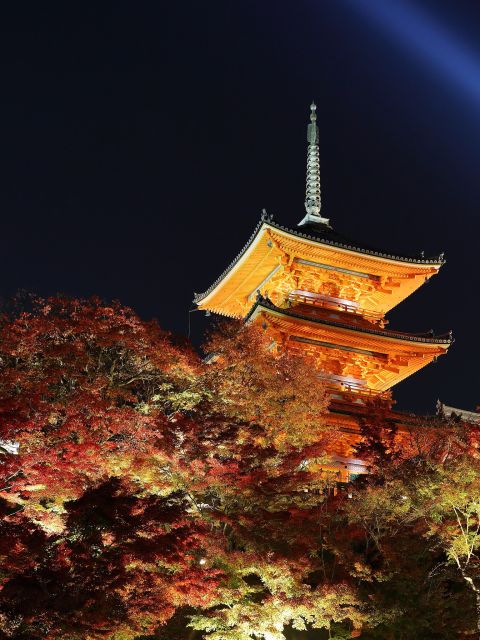
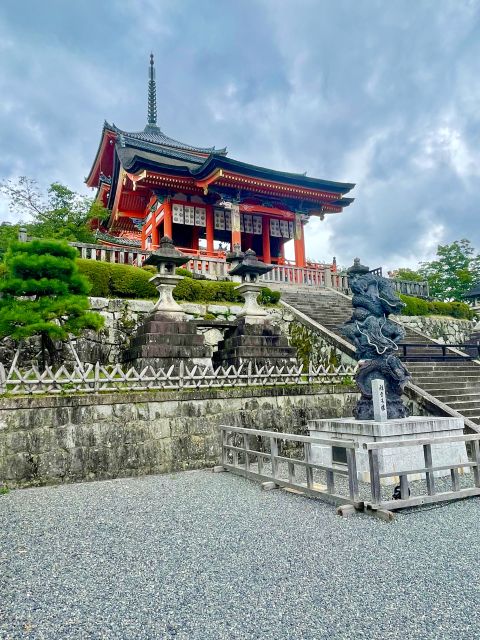
Kiyomizudera is where the day earns its postcard billing. You spend about 1.5 hours here, including a photo stop, the guided tour, and time to explore.
The big moment is the famous wooden platform that extends over the cliff. Even if you have seen photos before, standing near it changes how you understand the scale. It is the kind of viewpoint that turns the surrounding area into part of the temple experience, not just background.
Inside, you will appreciate the main hall and then you get time to wander the serene gardens around the grounds. I like that the tour does not only chase the main platform view. Gardens are where you can catch a breather, cool down a bit, and take in the temple atmosphere at a slower pace.
There is also a historic street corridor leading you toward the temple. Before you reach the temple itself, you walk through the Higashiyama neighborhood streets, which helps connect Kyoto’s famous architecture with the temple moment at the top.
Still climbing through the orange gates?

Sannenzaka Shopping Walk and the Finish in Higashiyama
After Kiyomizudera, the tour includes Sannenzaka for about 30 minutes, with guided time, shopping, and a walk through the area. This is a practical period for gifts, snacks, and the last round of photos, especially if you like to bring home something small and Kyoto-specific.
The day ends at a specific address in Higashiyama: 1-chōme-286-1 Kiyomizu, Higashiyama Ward, Kyoto, 605-0862. That matters because you can plan your next steps around where you will be dropped rather than guessing a pickup location.
If you want to keep the day efficient, treat Sannenzaka as your last “browse zone.” Once you leave, you are likely done with guided walking, so finalize your shopping while you still have momentum.
Price and What 76 USD Buys You in This 7-Hour Day
At $76 per person for a 7-hour Spanish-guided outing, the key question is value for your time and energy. This price is doing a few things at once:
- Paying for guided touring at Fushimi Inari and Kiyomizudera
- Including the Kiyomizudera entrance ticket
- Giving you a structured route that combines shrines, temples, and a cemetery stop, not just one site
What is not included is transport from Fushimi-Inari to Kiyomizudera. The schedule includes a short train ride and walking between neighborhoods, so you should expect that you will cover the necessary transit costs yourself for at least part of that connection.
So is it worth it? If you want narration in Spanish and you like moving through a plan with defined stops, yes, the structure helps. If you prefer to travel completely at your own pace or you mainly want views, you might feel the price more sharply, especially if the guide is not very history-focused.
Based on the mixed feedback you can use a common-sense filter: if Spanish is important to you and you want someone to direct your attention at Inari and Kiyomizudera, this price can be fair. If you want deep historical lecturing, do not assume every guide will deliver it.
Who This Tour Fits Best (And Who Should Skip It)
This tour works well for you if:
- You are okay with a moderate physical effort day that includes stairs and mountain trails
- You enjoy guided explanations, especially around the Shinto and Buddhism connection
- You want a structured day that covers multiple major areas in Kyoto without needing to plan every segment
It is not a great fit if:
- You need step-free routes or have mobility limitations, since it is not suitable for people with mobility impairments
- You rely on baby strollers, which are not allowed
- You are traveling with unaccompanied minors, since unaccompanied minors are not permitted
Also think about language. This is a live tour guide in Spanish, so it is best if you are comfortable following in Spanish. If your Spanish is shaky, you might find it harder to get full value from the guiding.
Should You Book This Spanish Kyoto Shrines and Temples Tour?
Book it if you want a guided, well-paced Kyoto day that combines Fushimi Inari, Kiyomizudera, and the quieter Otani Hombyo plus Otani Cemetery contrast, with the Kiyomizudera ticket included. The $76 price can feel reasonable because you are paying for two guided sites and a full 7-hour route.
Skip it or consider switching plans if you know you need heavy historical storytelling and you strongly prefer a very academic, detail-heavy guide. The feedback around guide depth is mixed, so if history is your top priority, you should treat the start of the tour as a moment to confirm what the guide will focus on.
FAQ
Where does the tour meet?
The meeting point is in front of JR Inari Station, next to the fox statue.
How long is the tour?
The duration is 7 hours.
Is the guide available in Spanish?
Yes. The live tour guide speaks Spanish.
Which main sights are included?
You will visit Fushimi Inari-taisha and Kiyomizudera, with additional stops including Otani Hombyo and Otani Cemetery.
Is the Kiyomizudera entrance ticket included?
Yes, the Kiyomizudera entrance ticket is included.
Is transport included between Fushimi Inari and Kiyomizudera?
No. Transport from Fushimi-Inari to Kiyomizudera is not included.
What is the physical effort level?
The activity has moderate physical effort, including climbing the mountain at Fushimi Inari using trails and stairs.
Is it suitable for people with mobility impairments?
No, it is not suitable for people with mobility impairments.
Are baby strollers allowed?
No, baby strollers are not allowed.
Are unaccompanied minors allowed?
No, unaccompanied minors are not allowed.
Should You Book This Spanish Kyoto Shrines and Temples Tour?
If you want a guided Spanish day that strings together Fushimi Inari, Kiyomizudera, and the reflective Otani stops, this is a solid way to spend your time in Kyoto. Just make sure you are comfortable with stairs and trails at Inari, and if you care about historical detail, start the tour by asking what the guide will cover so you get the experience you want.
New This Season
- Koyasan Day Trip by Private Car from Kyoto
- Old Port Town and Ultimate Sake Tasting Private Tour From Kyoto
- Kyoto’s Timeless Charm: 3hr Exploration of History and Peace
- Kyoto: 5 Types of Sushi Making
- Sacred Peak & Ancient Paths: Kurama-Kibune Hiking Experience
- Kyoto: Exclusive ZEN practice at Manpukuji temple in Uji
- Kyoto: Private Seasonal Aroma Yoga Class
- Traversing Kyoto’s Scenic West – Arashiyama to Kinkakuji
Fushimi Inari Shrine Walks, compared.

Fushimi Inari, Kinkakuji, Bamboo Grove 1 Day Bus Tour
Read our review →
Fushimi Inari Hidden Hiking Tour (Private Option Available)
Read our review →
Kinkakuji,Arashiyama,FushimiInariShrine,NaraPark
Read our review →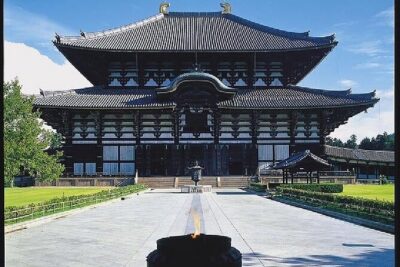
Nara, Fushimi Inari Taisha, Arashiyama Bus Tour
Read our review →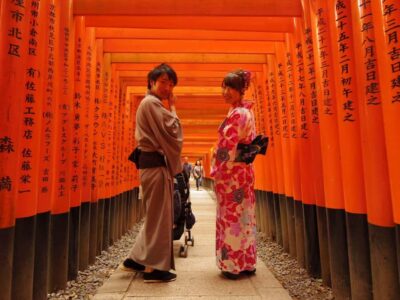
Arashiyama, Nara & Fushimi Inari Shrine w/Lunch
Read our review →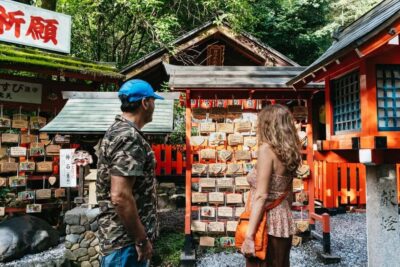
Nijo Castle, Kiyomizu & Fushimi Inari Guided Tour
Read our review →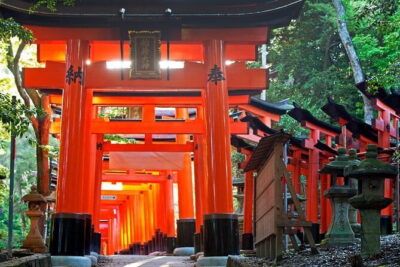
Nijo, Kinkaku-ji, Arashiyama, Kiyomizu & Fushimi Inari
Read our review →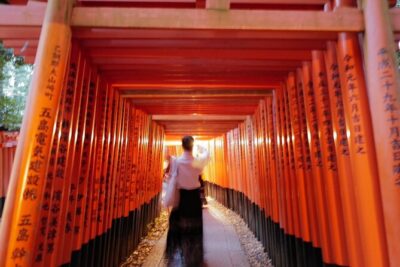
Also filed under