
Reviewed · GION GEISHA QUARTER WALKS
Kyoto: Gion & Geisha district evening tour
Night in Gion feels like a secret. This 150-minute Kyoto walk turns the usual sightseeing streets into a guided story about geiko and maiko, with an atmospheric evening mood that makes it easier to actually watch the scene. I particularly like how the route strings together Gion Shirakawa, Hanamikoji, and the quieter Miyagawacho so you get more than one side of the same world. I also appreciate that the guide weaves in what places like Yasui Konpiragu Shrine mean, including its link to relationships. One thing to keep in mind is that geisha sightings are not guaranteed, and some areas may limit photography.
You’ll do a lot of walking on uneven old-street paths, so comfortable shoes matter. Still, the payoff is a calmer, more thoughtful evening route, with stops paced at about 15 minutes each so you are not sprinting between photo spots. If you want a strict itinerary with food stops, this one is not for you since there is no food included.
In This Review
- Key things you should know before you go
- Why this Kyoto geisha evening tour works better at night
- Starting at Shijo Ohashi, finding the Izumo no Okuni statue
- Gion Shirakawa: traditional teahouses and the geiko and maiko world
- Hanamikoji Street: where stories land on the street itself
- Miyagawacho and Miyagawasuji: a quieter geisha district angle
- Yasui Konpiragu Shrine: the relationship-focused pause
- Yasaka Pagoda route, Ninenzaka, and Ishibe Alley
- Ending at Yasaka Shrine: the cultural anchor of the evening
- Price and value: is $64 worth it for 150 minutes?
- What the guide brings, from storytelling to patience
- Practical expectations: crowds, sightings, and photography rules
- Who this tour fits best
- Should you book this Kyoto Gion and Geisha district evening tour?
- FAQ
- Where does the tour start?
- How long is the tour?
- Is this a group tour or private?
- What language options are available for the guide?
- What parts of Kyoto do you visit?
- Is food or drinks included?
- Are there any photography restrictions?
- What should I wear for this tour?
- What is the cancellation policy?
Key things you should know before you go
- Evening timing helps you see traditional streets with fewer crowds to dodge.
- Your guide does the heavy lifting with clear stories about geiko and maiko.
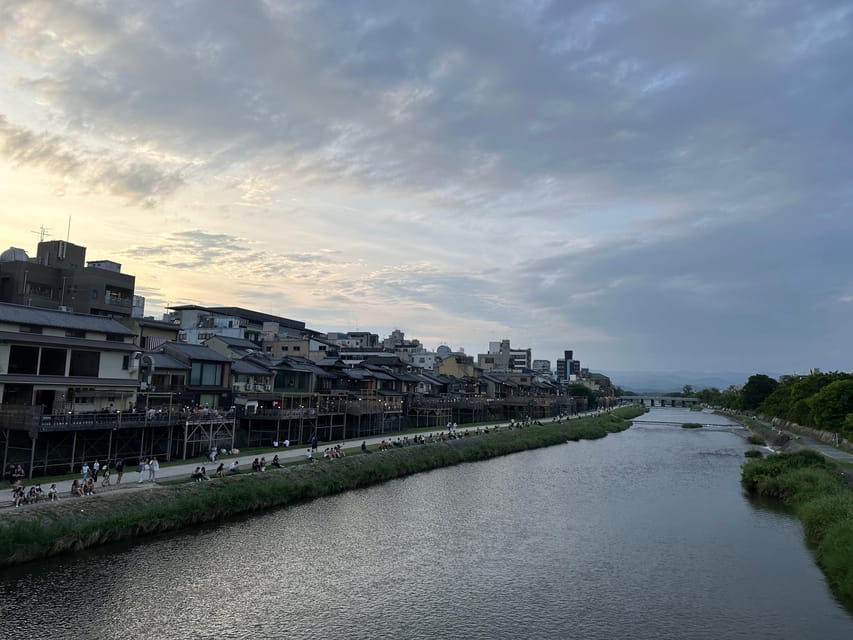
- Gion Shirakawa and Hanamikoji give you the core atmosphere people come for.
- Miyagawacho adds contrast, since it is a lesser-known geisha district.
- Shrines anchor the walk, especially Yasui Konpiragu and the ending at Yasaka Shrine.
Why this Kyoto geisha evening tour works better at night
Kyoto’s old districts look good in daylight, but they feel different after dark. The evening light softens the streets around Gion and makes the mood more reflective, not rushed. You also have a better chance of observing daily life and the rhythm of the area without fighting daytime crowds.
The biggest value here is the guided context. A geisha district is not just a set of pretty alleys, it is a world with roles, etiquette, and long-standing traditions. When your guide explains how geiko and maiko fit into that world, you understand what you are seeing instead of just taking pictures of streets.
One practical consideration: even with the right time of day, you might not spot geisha every minute. Privacy rules are part of the reality of this area, and photography restrictions can apply.
Starting at Shijo Ohashi, finding the Izumo no Okuni statue
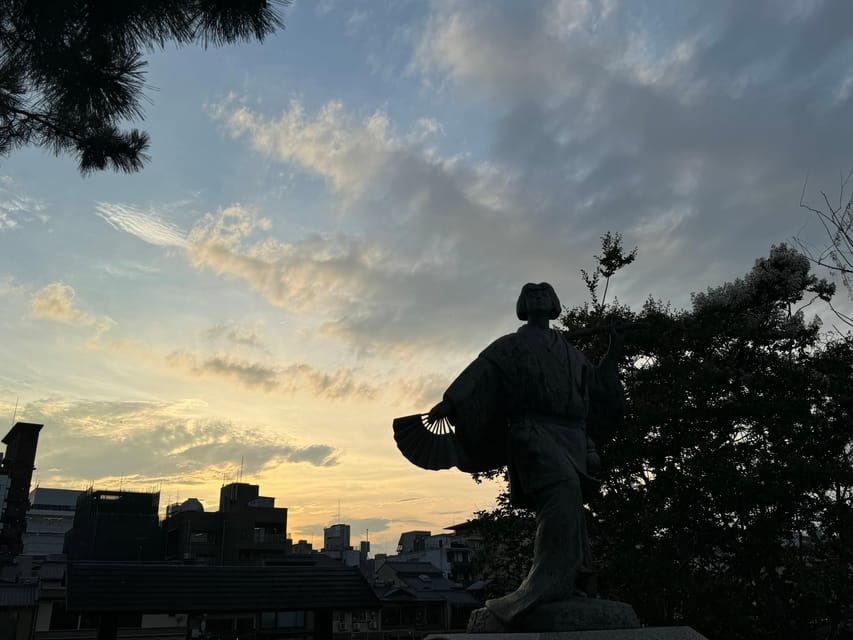
Your tour meets at the Statue of Izumo-no-Okuni in front of Shijo Ohashi. Your guide holds a yellow sign with the DeepExperience logo, which makes the meetup easy to spot once you are on the right street.
This start point is smart because it places you close to the Gion corridor before you even have to think about navigation. It also sets the tone quickly, since Izumo-no-Okuni is a name tied to Kyoto’s performance culture. You are not just walking into “a neighborhood,” you are entering a story.
Before you go, plan around walking time. Even though this is only 150 minutes, the streets you cover include slopes and older stone paths, so comfortable shoes are not optional.
Lantern-lit streets of the geisha quarter
- Kyoto Geisha Walking Tour: Gion District & Hidden Gems
★ 4.7 · 3,273 reviews - Kyoto: Gion Magical Night Walking Tour with Geisha Trivia
★ 4.9 · 2,393 reviews - Kyoto: Gion Geisha District Walking Tour – Stories of Geisha
★ 4.7 · 2,187 reviews - Best of Kyoto: Gion, Geisha, Pagodas & Cobblestones
★ 4.9 · 2,058 reviews
Gion Shirakawa: traditional teahouses and the geiko and maiko world
The first guided stop is Gion Shirakawa, with about 15 minutes focused there. This is one of the places people come to see Kyoto’s classic geisha district look, including traditional teahouse-lined streets and the atmosphere that surrounds them.
What I like about starting here is that it gives you the baseline. Your guide introduces how the geisha world works, including key differences people hear about most often: geiko versus maiko. You do not need a background in Japanese culture to follow along, because the tour is paced and story-driven.
Etiquette is part of the lesson. You are asked to be respectful of geishas and their privacy, which changes how you move through the street. Instead of treating the area like a stage, you behave like a quiet guest.
You should also expect that photography may not be allowed in some spots. Even when it is allowed, keep it discreet. If your goal is understanding, not just shooting, you will have a better experience.
Hanamikoji Street: where stories land on the street itself
Next comes Hanamikoji Street, guided for about 15 minutes. This is the heart of the traditional geisha world in Kyoto, and the street layout helps you feel why so many people remember it.
This stop is where the guide stories really start to make the architecture meaningful. If you only see the street as scenery, you might miss why certain patterns, behaviors, and historical associations matter. With a good guide, the street becomes a timeline, not just a walkway.
I also like the pacing here. Fifteen minutes is long enough to absorb what your guide is pointing out, but short enough that you are not standing around waiting for something to happen. You can keep your eyes open, watch the neighborhood’s flow, and ask questions without feeling like you are stuck in one place.
Miyagawacho and Miyagawasuji: a quieter geisha district angle
Then the tour shifts to Miyagawacho and the Miyagawasuji, Kyoto area, again with guided time (about 15 minutes). This is an important change of pace.
Why? Because Miyagawacho is often discussed less than the big-name Gion streets. That means you are more likely to feel the difference between the famous postcard scenes and the calmer lived-in feel of the district. It is the same traditional world, but the street energy is not identical.
If you love the idea of Kyoto preserving older culture, this is the stop that delivers that feeling. You are seeing how the geisha district life fits into the broader city, not just performing for visitors.
Yasui Konpiragu Shrine: the relationship-focused pause
A standout part of this walk is the visit to Yasui Konpiragu Shrine, guided for about 15 minutes. The tour focuses on why this place is special, tied to relationships.
Even if you are not a shrine expert, this stop adds balance to a route that could otherwise become only about streets and appearances. A shrine visit gives you a moment to slow down and understand how local belief connects to everyday hopes and social traditions.
Keep your expectations respectful and simple. You are there to learn what the shrine is known for, and to experience the calm contrast it provides between neighborhood lanes. If you are the type who enjoys cultural context more than crowd scenes, this is a key reason the tour is worth considering.
A quieter way to spend a day in Kyoto



Yasaka Pagoda route, Ninenzaka, and Ishibe Alley
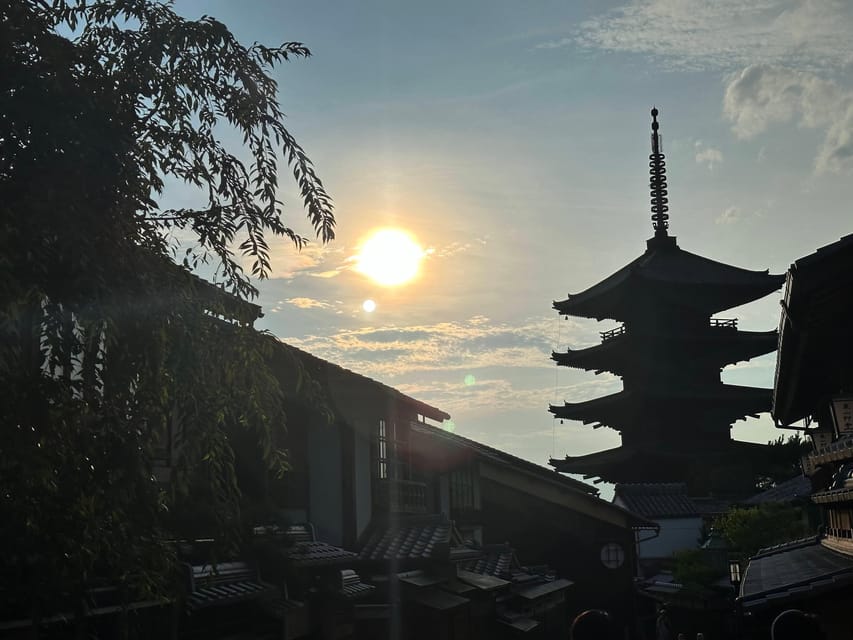
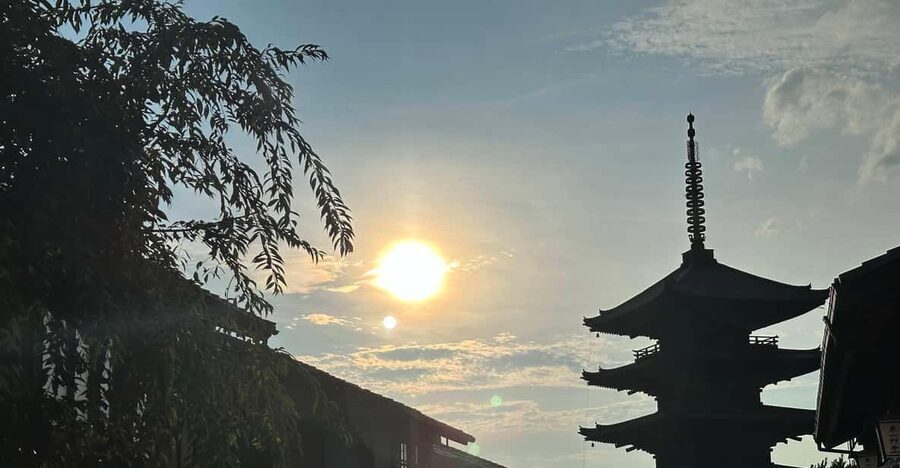
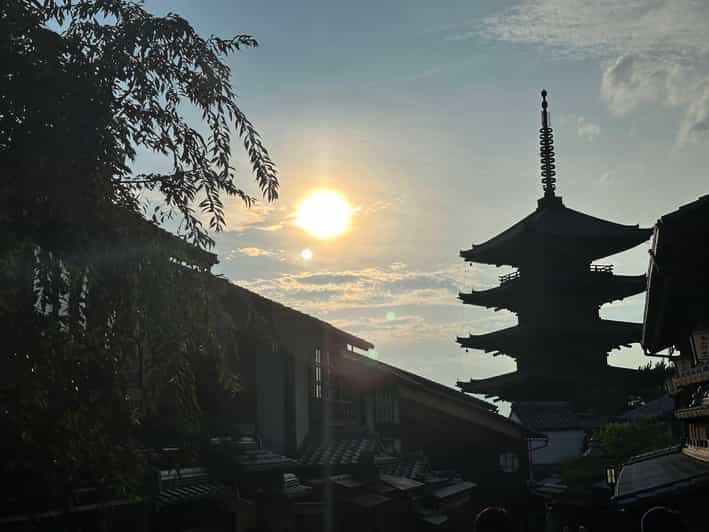
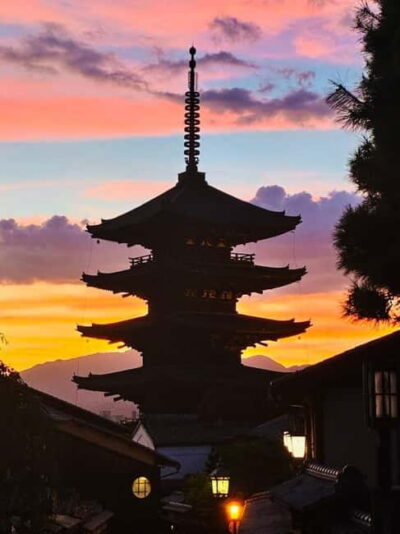
After the shrine stop, the tour turns into a scenic walk past Yasaka Pagoda, then through Ninenzaka, and along Ishibe Alley before reaching Yasaka Shrine. Your guided time includes Ninenzaka (about 15 minutes), but you will also move through the surrounding streets as the group travels.
This section is valuable for two reasons. First, it gives you a beautiful Kyoto transition, moving from the geisha district feeling into classic old-town lanes near Gion’s edge. Second, the walk helps you stretch after the more focused stops, so the pacing stays comfortable for a two-and-a-half-hour experience.
A practical note: Ninenzaka and nearby lanes can be steep or uneven. The walking is part of the charm, but it is also the reason you should wear shoes that handle stone and slope without hurting your feet.
Ending at Yasaka Shrine: the cultural anchor of the evening
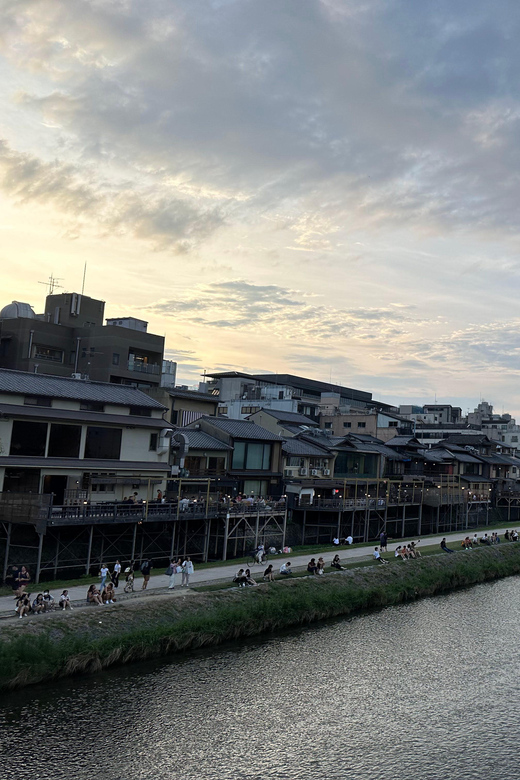
The tour concludes at Yasaka Shrine, with about 15 minutes of guided time. Ending here makes sense because Yasaka Shrine is a major cultural anchor in Kyoto. By the time you reach it, you have already learned how the evening scene shifts from district streets to sacred space.
Finishing at a well-known site also helps you plan the rest of your evening. You are not ending in the middle of nowhere, so after the tour you can choose where to go next with more confidence.
What I like most about ending at Yasaka Shrine is that the guide’s earlier stories and the shrine stop themes connect. The walk is not only about appearances, it is also about tradition, community, and how Kyoto layers meaning into everyday spaces.
Price and value: is $64 worth it for 150 minutes?
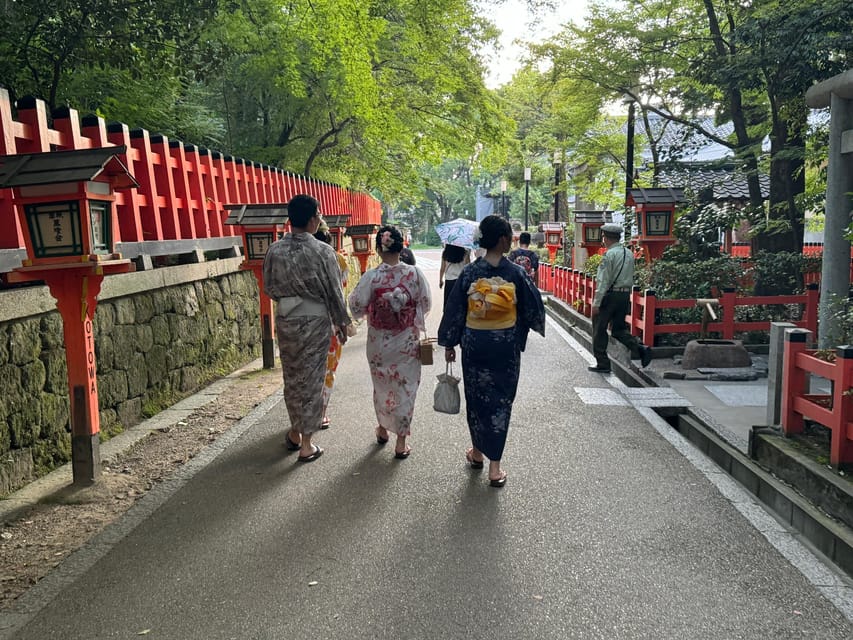
At $64 per person for a 150-minute private evening tour, the price sits in a range where you should think about value, not just cost.
Here is what you are paying for:
- A guided evening walk focused on multiple specific districts and streets
- Explanations about the geisha and maiko world
- Shrine context at Yasui Konpiragu
- A scenic route past Yasaka Pagoda through Ninenzaka and Ishibe Alley
- A live guide in Japanese or English
- A private group experience
What you are not getting:
- Food or drinks
So, when is it a good deal? If you want real context and you are short on time, paying for a guide is efficient. If you have always found geisha culture interesting but felt you did not want to “read a guidebook alone,” this format makes a difference.
When might it feel pricey? If you are already staying near Gion and you are happy to wander on your own, you can technically see the streets without a guide. The trade-off is that you will likely miss the targeted stories, the relationship-focused shrine stop, and the quiet etiquette guidance that changes how you experience the area.
Personally, I think it is worth it if your priority is understanding what you see, not just checking a district off your list. It is less worth it if you expect a guaranteed parade of geisha sightings or you want food included.
What the guide brings, from storytelling to patience
A major strength of this tour is the way the guide explains what you are seeing. The experience is built around short guided blocks, then walking so you can observe in real time.
One guide name that came up for excellent rapport is Yurie. The point of sharing that name is not to promise any specific guide, but to signal what this tour seems to do well: patient, engaging explanations that work even when you have younger travelers in the group.
If your travel style includes questions, this tour supports it. A live guide is there to help you connect street scenes to cultural meaning, especially around geiko and maiko.
Also remember: some areas may limit photography. A good guide helps you handle that smoothly, so you can stay respectful and avoid awkward moments.
Practical expectations: crowds, sightings, and photography rules
Even though this tour is designed for an evening mood with fewer crowds, you should still expect people on the streets in popular areas. The key difference is that it is easier to move calmly and observe without the daytime crush.
As for geisha sightings, think of this as a cultural walk, not a guaranteed meet-and-greet. You might see geiko and maiko, but privacy is central to the experience. If you go with flexible expectations, you will enjoy it more.
Photography rules are another variable. You might find that some stops have restrictions, so be ready to put your camera away when asked. That restraint is part of respecting the space.
Who this tour fits best
This is ideal if:
- You want a structured way to see Kyoto’s classic geisha districts in a short window
- You care about cultural context, not just sightseeing photos
- You prefer an evening walk with a calmer atmosphere
- You appreciate shrine stops that add meaning to the route
It may not be the best fit if:
- You need food included
- You want a long tour with lots of downtime in cafes
- You are hoping for a guaranteed number of geisha sightings
- You have limited mobility, since the route involves walking and old-street terrain
If you are traveling with teens or kids, the tour can work well because the guide style tends to be engaging and patient.
Should you book this Kyoto Gion and Geisha district evening tour?
I would book it if your main goal is to understand Kyoto’s geisha world through a guided route that also includes shrine meaning and scenic old streets. The $64 price makes more sense when you value the stories and etiquette guidance, and when you want the evening feel without spending time figuring out stops on your own.
Skip it or at least adjust expectations if you are mostly chasing photos, or if your top priority is food and drinks. Also, if you are set on seeing geiko and maiko in a specific way, keep it flexible. The tour is about the atmosphere, the culture, and the respectful walk.
If you like your Kyoto nights thoughtful, not frantic, this one is a solid choice.
FAQ
Where does the tour start?
You meet your guide in front of the Statue of Izumo-no-Okuni. The guide will be holding a yellow sign with the DeepExperience logo.
How long is the tour?
The tour runs for 150 minutes (about 2.5 hours).
Is this a group tour or private?
It is a private group tour.
What language options are available for the guide?
The live tour guide is available in Japanese and English.
What parts of Kyoto do you visit?
You walk through Kyoto’s historic geisha districts, including Gion Shirakawa, Hanamikoji Street, and Miyagawacho. You also visit Yasui Konpiragu Shrine and end at Yasaka Shrine, with a scenic walk past Yasaka Pagoda through Ninenzaka and Ishibe Alley.
Is food or drinks included?
No. Food and beverages are not included.
Are there any photography restrictions?
Photography may not be allowed in certain areas, so you should be ready to follow local guidance.
What should I wear for this tour?
Wear comfortable shoes because there will be a lot of walking.
What is the cancellation policy?
You can cancel up to 24 hours in advance for a full refund.
New This Season
- Koyasan Day Trip by Private Car from Kyoto
- Old Port Town and Ultimate Sake Tasting Private Tour From Kyoto
- Kyoto’s Timeless Charm: 3hr Exploration of History and Peace
- Kyoto: 5 Types of Sushi Making
- Sacred Peak & Ancient Paths: Kurama-Kibune Hiking Experience
- Kyoto: Exclusive ZEN practice at Manpukuji temple in Uji
- Kyoto: Private Seasonal Aroma Yoga Class
- Traversing Kyoto’s Scenic West – Arashiyama to Kinkakuji
Gion Geisha Quarter Walks, compared.
Kyoto Geisha Walking Tour: Gion District & Hidden Gems
Read our review →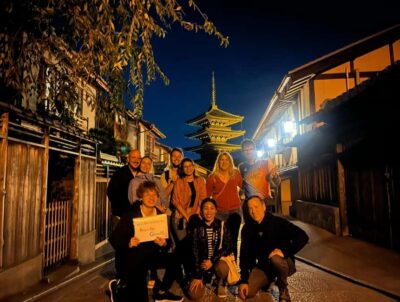
Gion Magical Night Walking Tour with Geisha Trivia
Read our review →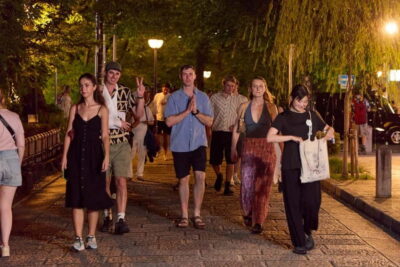
Gion Geisha District Walking Tour – Stories of Geisha
Read our review →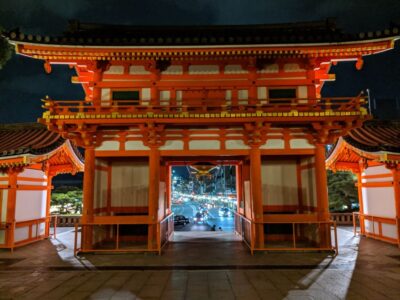
Best of Kyoto: Gion, Geisha, Pagodas & Cobblestones
Read our review →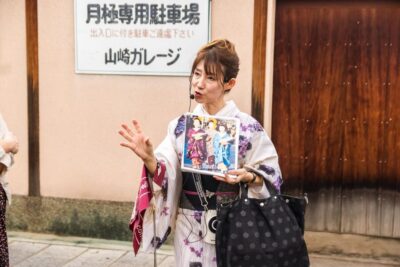
Kyoto Night Foodie Tour in Gion (9+ dishes + 6 Sake tastings)
Read our review →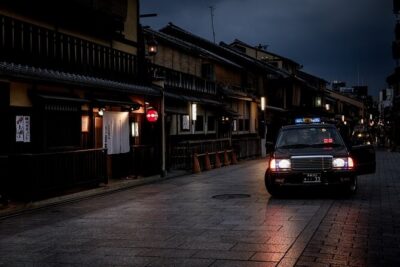
Kyoto Gion Geisha District Walking Tour – The Stories of Geisha
Read our review →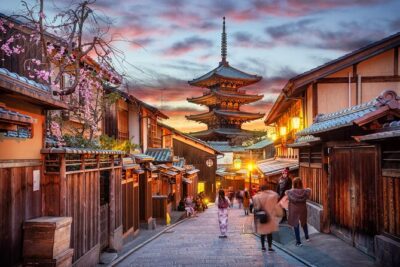
Kyoto Gion: 2-Hour Geisha Culture & History Walking Tour
Read our review →Also filed under