
Reviewed · GION GEISHA QUARTER WALKS
Kyoto Gion Night Tour: Discover Geisha District and Hidden Gems
Lantern light makes Gion feel brand new. This 1.5-hour Kyoto evening walk through Gion lets you see historic streets under traditional lanterns, and I really loved two things: the chance to spot geisha and maiko, and the easy, culture-focused explanations from the guide, Ikki.
One thing to plan for, though, is the pace: it’s a true walking experience, so you should wear comfortable shoes and arrive on time at the meeting point.
In This Review
- Key highlights you will feel right away
- Gion After Dark: Why This 6:30 pm Walk Works
- Starting Point at Kawabatacho: Get Your Bearings Fast
- Hanamikoji Street: Where You Look for Geisha and Machiya
- The Gion District Walk: Old Streets, Preserved Streetscapes
- Yasui-Konpiragu: A Shrine With a Relationship Reset Theme
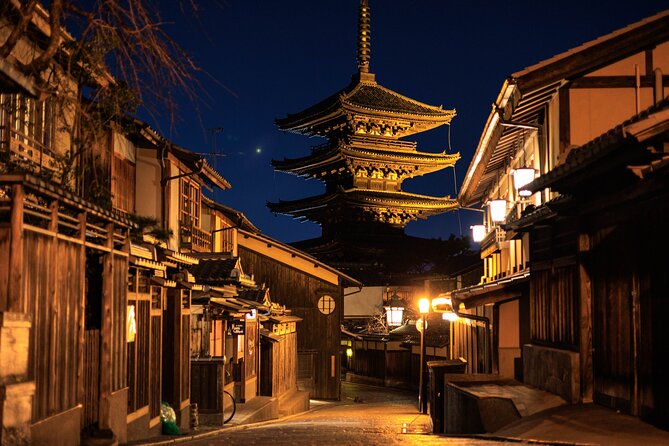
- Yasaka Pagoda at Hokanji: Scale You Feel in Your Body
- Sannenzaka and Ninenzaka: The Stone Steps to Old-Style Shopping
- Yasaka Shrine: Prosperity and Protection, Plus a Big Network
- Price and Value: Why $26.06 Can Be a Good Deal
- What You Can and Cannot Expect From Geisha Spotting
- Who This Tour Suits Best
- Should You Book the Kyoto Gion Night Tour?
- FAQ
- How long is the Kyoto Gion Night Tour, and what time does it start?
- Where do I meet the guide?
- What is included with the tour ticket?
- Are food and drinks included?
- Is this tour mostly walking?
- Is free cancellation available?
Key highlights you will feel right away
- Geisha and maiko spotting is part of the plan along Hanamikoji Street in Gion
- A small group (up to 20 people) keeps the walk feeling personal
- Shrines with a clear purpose, including Yasui-Konpiragu for severing bad relationships
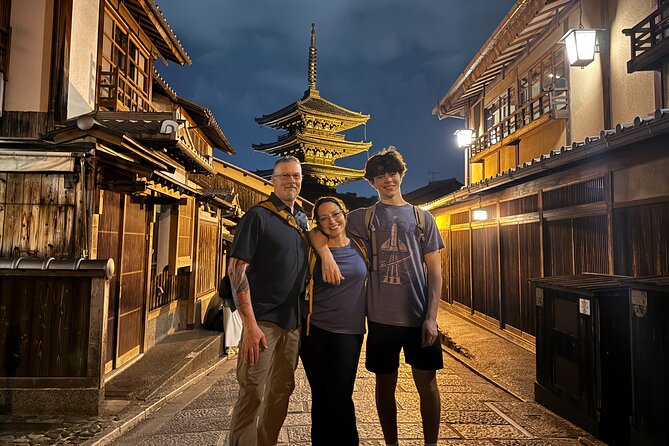
- Yasaka Pagoda at Hokanji temple is built without nails, and it shows at night
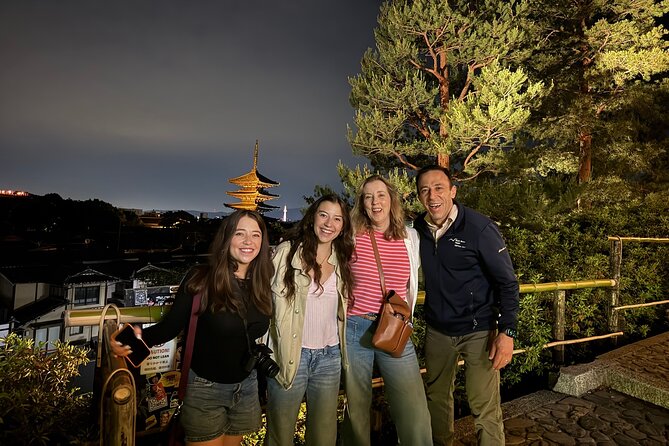
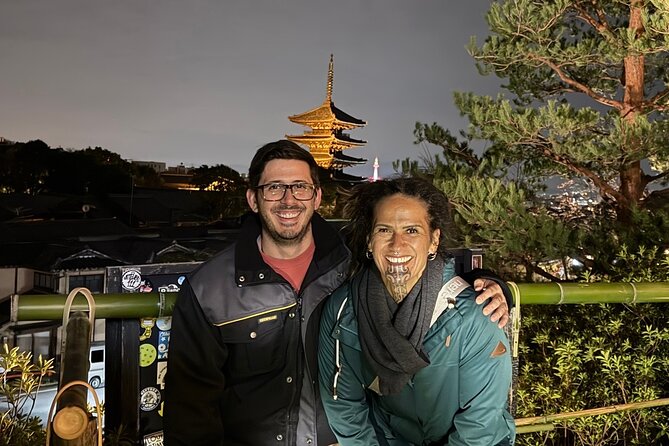
- Professional photos are taken during the tour, so you are not stuck doing awkward self-timer shots
Gion After Dark: Why This 6:30 pm Walk Works
Kyoto at night has a different mood. The streets look older, the lantern glow softens everything, and you can actually slow down enough to notice details like woodwork, teahouse facades, and small lanes that day sightseeing often rushes past.
What makes this night walk especially good value is that you are not just wandering. You get a passionate local English-speaking guide, admission fees for the temples and shrines are handled, and you also get professional photos during the experience. At $26.06 for about 1 hour 30 minutes, that is a strong deal if you want structure, cultural context, and fewer logistics headaches.
The only real trade-off is time. Each main stop is brief, so if you prefer long museum-style pacing, this route may feel quick. Think of it as a curated night walk that helps you see a lot, fast, and then leaves you free to explore on your own after.
Starting Point at Kawabatacho: Get Your Bearings Fast
The meeting point is the Statue of Izumo-no-Okuni in Kawabatacho, Higashiyama Ward, Kyoto. The tour starts at 6:30 pm, and it ends back at the meeting point, so you do not have to figure out a final transit puzzle.
One practical tip: arrive a few minutes early and be ready to move. The tour uses a walk-first approach, and if you are late, you will not be able to join (and refunds do not apply for missed starts). If you are using transit, the meeting area is described as being near public transportation, which helps if you are juggling multiple parts of your Kyoto evening.
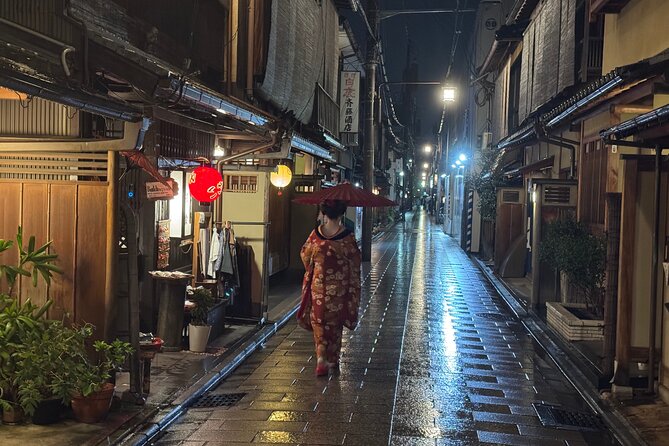
Lantern-lit streets of the geisha quarter
- Kyoto Geisha Walking Tour: Gion District & Hidden Gems
★ 4.7 · 3,273 reviews - Kyoto: Gion Magical Night Walking Tour with Geisha Trivia
★ 4.9 · 2,393 reviews - Kyoto: Gion Geisha District Walking Tour – Stories of Geisha
★ 4.7 · 2,187 reviews - Best of Kyoto: Gion, Geisha, Pagodas & Cobblestones
★ 4.9 · 2,058 reviews
Hanamikoji Street: Where You Look for Geisha and Machiya
You begin on Hanamikoji Street, one of the most famous streets in Gion. It is known for traditional teahouses and the wooden machiya townhouses that give the neighborhood its classic Kyoto look.
This is also where the geisha and maiko possibility comes in. You might see geisha or maiko here, but it is still a best-case scenario, not a guarantee. I like this stop because it is specific. You are not just told that Gion is traditional. You get a street that matches that reputation, and you know what to watch for.
A good way to enjoy Hanamikoji Street is to keep your camera ready but your attention on the details. Lantern light makes the wood tones and signage easier to read, and the teahouse architecture becomes the story, not just the search for a glimpse of someone in traditional dress.
The Gion District Walk: Old Streets, Preserved Streetscapes
Next comes Gion, Kyoto’s best-known geisha district. Expect classic sights like preserved historic streets, teahouses, and wooden machiya houses. This part of the walk is less about one landmark and more about the overall atmosphere.
Why I think this segment matters: Gion works best when you can see it as a neighborhood, not a single photo spot. With a guide, you learn what you are seeing as you move along, instead of guessing. Even if you do not catch a geisha or maiko, you still come away with a better sense of why Gion looks the way it does and what traditions shaped the area.
Drawback to keep in mind: because you are moving, you will not have huge amounts of time to linger at every doorway or side street. If you hate feeling rushed, stay mindful that the tour is designed for flow, not for long stops.
Yasui-Konpiragu: A Shrine With a Relationship Reset Theme
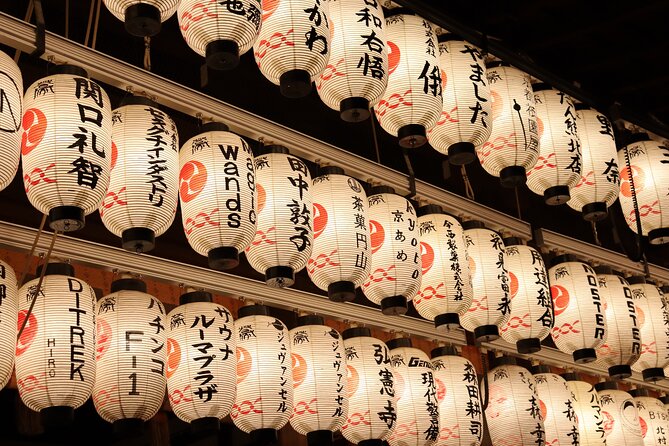
After Gion, the tour shifts to Yasui-Konpiragu. This shrine is known for prayers aimed at severing bad relationships and ending negative ties, with the goal of creating new positive connections.
What I like about including a shrine like this on a night walk is how it balances the entertainment side of Gion. Lantern-lit streets and teahouses can feel aesthetic, but a shrine stop gives you a more grounded view of everyday belief and why these places matter to people who live in Kyoto.
Time is limited here, so treat it as a meaningful pause rather than a long ceremony. Look, read what you can, and let the theme do its job. It is not a checklist stop. It is a chance to understand the cultural “why” behind places you might otherwise just photograph.
Yasaka Pagoda at Hokanji: Scale You Feel in Your Body
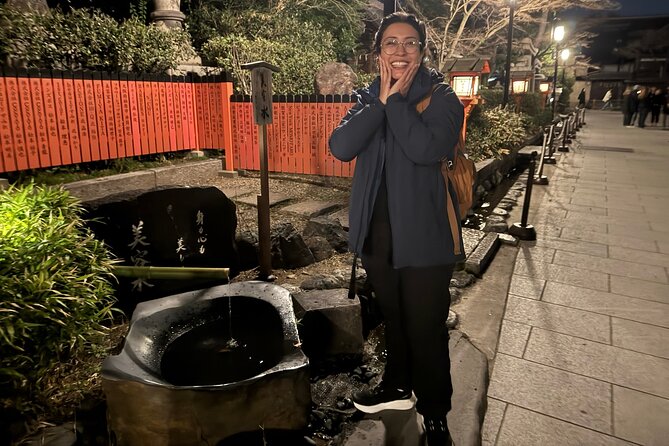
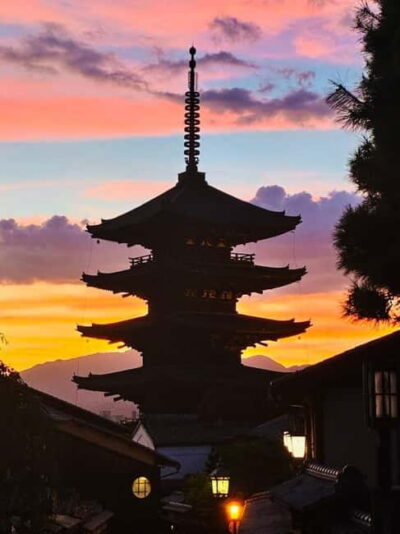
Then you reach Yasaka Pagoda (Hokanji temple). The big draw is its scale, and there is a standout fact associated with the pagoda: it is described as one of Japan’s oldest wooden structures built without using nails.
On a walking tour, this is the kind of stop that pays off because you get the perspective change. You are coming from street-level Gion atmosphere, then suddenly you see something towering and engineered in a way that feels almost impossible.
What to watch for: notice how the pagoda frames the night sky and how the light interacts with the wooden structure. The guide can help you connect what you see to why it became a Kyoto symbol in the first place.
Potential drawback: if you are hoping for a long, quiet sit-down moment, this portion is still time-limited. It is built into an efficient route, so plan to enjoy it as an intense snapshot rather than a long stay.
A quieter way to spend a day in Kyoto



Sannenzaka and Ninenzaka: The Stone Steps to Old-Style Shopping
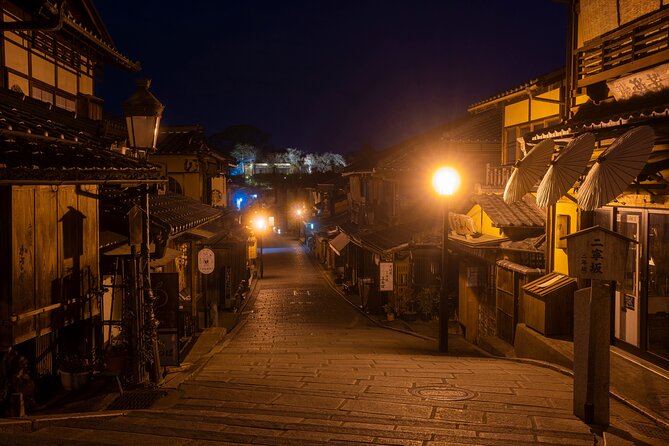
Next is Sannenzaka and Ninenzaka, a traditional stone-paved path lined with souvenir shops and restaurants housed in historic wooden buildings. Walking here feels like stepping back in time, and at night the streets take on a gentler pace.
This stop is practical too. Even though food and drinks are not included in the tour, this is where you are likely to spot places to grab a snack or small drink after. The route sets you up to keep your evening going without changing locations.
Here is the caution: this street type attracts people. You may end up navigating around storefront crowds and slow walkers, especially when you are trying to move as a group. Still, the charm is real, and the stone-paved setting makes the night feel distinctly Kyoto.
Yasaka Shrine: Prosperity and Protection, Plus a Big Network
Your final stop is Yasaka Shrine, the headquarters of 2,300 related shrines throughout Japan. The shrine is dedicated to the gods of prosperity and protection, which gives the visit a strong reason to linger even if your time is short.
Why this ending works: you finish with a place that is not just visually memorable. The 2,300 shrine connection hints at how far the influence of one location can spread. It also reframes the whole walk. You start in Gion, you move through cultural landmarks and a relationship-reset theme, and you end at a shrine tied to prosperity and protection.
Think of this final segment as your night’s meaning check. You get photos taken during the tour, but you also get a chance to stand in a sacred space and feel why people keep returning across generations.
Price and Value: Why $26.06 Can Be a Good Deal
Let’s talk money in a real way. At $26.06 per person for about 1 hour 30 minutes, you are paying for more than a street walk.
Here’s what is included:
- A passionate local English-speaking guide
- Admission fees for the temples and shrines
- Professional photos taken during the tour
Even if you were paying for just basic entries on your own, you would still need to figure out route timing, where to go first, and how to manage a coherent evening plan. This tour folds all of that into one ticket, which is often what you want on a first or second night in Kyoto.
Also, the group size is capped at 20 people, which helps. It means the guide can keep the rhythm and still talk to the group without it turning into a fast cattle-drive line.
Where the value can drop a bit: if you already know the exact spots you want, and you prefer independent wandering with no photos, then any guided service can feel less worth it. But if you want structure, context, and photos without hassle, this is a good match.
What You Can and Cannot Expect From Geisha Spotting
This tour is set up for a chance, not a promise. You may spot geisha or maiko, especially around Hanamikoji Street, but sightings depend on timing and circumstances that no guide can control.
So I recommend you adjust your expectations in a healthy way. Treat the possibility as a bonus. Your bigger payoff is the night atmosphere, the cultural context from the guide, and the set of Kyoto landmarks you get to see without trying to connect dots in the dark.
If you do get lucky, you will remember it because it happens in a real street scene, with the architecture and lantern light framing the moment. That is exactly the kind of experience this route is designed for.
Who This Tour Suits Best
This works well if you:
- Want an efficient Kyoto night plan that covers several major sights
- Like learning what you are seeing, not just taking photos
- Want a small-group walk with professional photos included
- Are short on time and still want Gion plus shrines
It is also a good choice if you do not want to manage temple/shrine admissions yourself, since those fees are included.
It may not suit you as well if:
- You dislike walking and do not want to spend most of your time on your feet
- You want long, unhurried stays at each place
- You only care about food, since food and drinks are not included
Should You Book the Kyoto Gion Night Tour?
I would book it if your goal is a guided night walk that makes Gion make sense. The mix of Gion streets, Yasaka Pagoda at Hokanji, relationship prayers at Yasui-Konpiragu, and the ending at Yasaka Shrine gives you a strong variety of Kyoto experiences in 90 minutes. Add in the easy-to-talk-to guide Ikki and the professional photos, and the value becomes pretty clear.
Skip it if you want total freedom, long stops, or if you do not enjoy a structured route at night. For most first-time Kyoto visitors who want a memorable evening plan without stress, this is a smart, cost-effective way to do it.
FAQ
How long is the Kyoto Gion Night Tour, and what time does it start?
The tour lasts about 1 hour 30 minutes and starts at 6:30 pm.
Where do I meet the guide?
You meet at the Statue of Izumo-no-Okuni in Kawabatacho, Higashiyama Ward, Kyoto.
What is included with the tour ticket?
The price includes a local English-speaking guide, admission fees for all temples and shrines, and professional photos taken during the tour.
Are food and drinks included?
No. Food and drinks are not included, so you will want to plan your own options before or after.
Is this tour mostly walking?
Yes. The tour is designed as a walking experience with plenty of time on foot, and the group size is limited to a maximum of 20 people.
Is free cancellation available?
Yes. You can cancel for a full refund up to 24 hours before the experience start time.
New This Season
- Koyasan Day Trip by Private Car from Kyoto
- Old Port Town and Ultimate Sake Tasting Private Tour From Kyoto
- Kyoto’s Timeless Charm: 3hr Exploration of History and Peace
- Kyoto: 5 Types of Sushi Making
- Sacred Peak & Ancient Paths: Kurama-Kibune Hiking Experience
- Kyoto: Exclusive ZEN practice at Manpukuji temple in Uji
- Kyoto: Private Seasonal Aroma Yoga Class
- Traversing Kyoto’s Scenic West – Arashiyama to Kinkakuji
Gion Geisha Quarter Walks, compared.
Kyoto Geisha Walking Tour: Gion District & Hidden Gems
Read our review →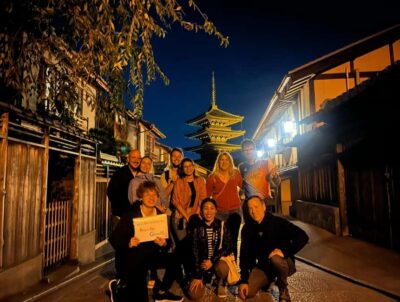
Gion Magical Night Walking Tour with Geisha Trivia
Read our review →
Gion Geisha District Walking Tour – Stories of Geisha
Read our review →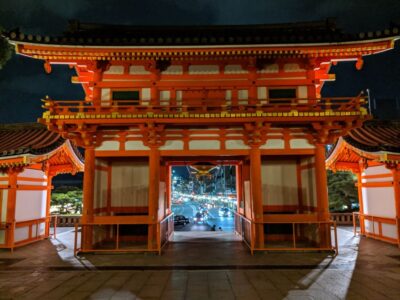
Best of Kyoto: Gion, Geisha, Pagodas & Cobblestones
Read our review →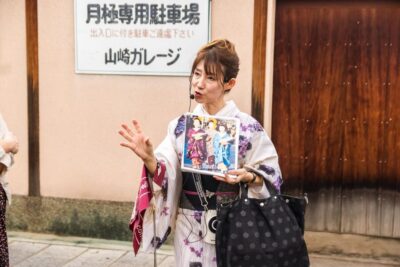
Kyoto Night Foodie Tour in Gion (9+ dishes + 6 Sake tastings)
Read our review →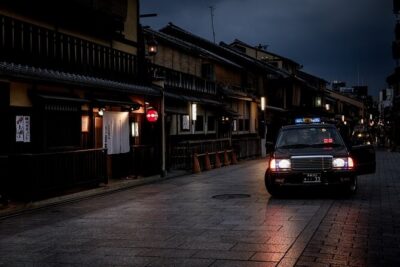
Kyoto Gion Geisha District Walking Tour – The Stories of Geisha
Read our review →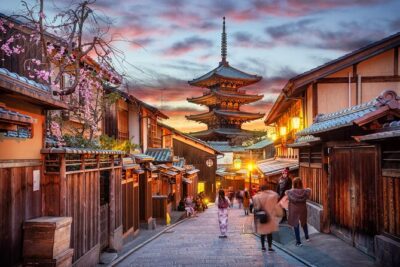
Kyoto Gion: 2-Hour Geisha Culture & History Walking Tour
Read our review →Also filed under