
Reviewed · GION GEISHA QUARTER WALKS
Kyoto: Gion Night Tour Stories of Geisha and Maiko
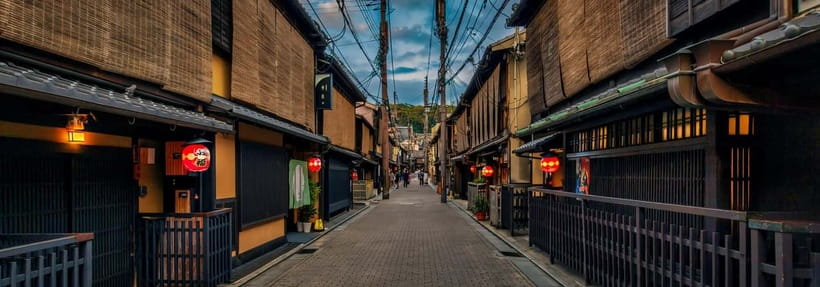
Geisha sightings tend to happen when the light softens. This Kyoto Gion night walking tour takes you through Gion at dusk, when the streets feel calmer and the culture reads clearer than during the day. I especially like how it keeps your eyes open, not just your ears, with practical guidance on what you’re looking at. My only caution: the tour runs in the evening, so you should be ready for low light, more walking, and potential disappointment if you’re expecting guaranteed performances.
Two things I really like: you get a tight 2-hour format (so you won’t lose an entire night), and the group is kept small, with a maximum of 15 people. That matters here, because Gion is a maze of narrow lanes where it helps if your guide can keep everyone together and point out details without rushing. One consideration: it is not suitable for children under 12, so plan accordingly if you’re traveling as a family.
The vibe is simple and fun. You’re learning how to recognize traditional cues in Gion, you’re walking scenic spots like Shirakawa Canal, and you’re ending near Yasaka Shrine instead of backtracking. Also, based on the way guides are described, you can get lively explanations from Spanish-speaking guides, including names like Pedro and Manuel in past groups. If you want a cultural tour that teaches you how to “read” the neighborhood, this is a good fit.
In This Review
- Key highlights you should care about
- Gion at dusk: why this tour’s timing is the whole point
- Meeting at Ben’s Cookies Kyoto Shijo, and why the start matters
- The early route: Izumo-no-Okuni, Shirakawa Canal, and key orientation moments
- How you learn to spot teahouses and Gion signs (the real skill)
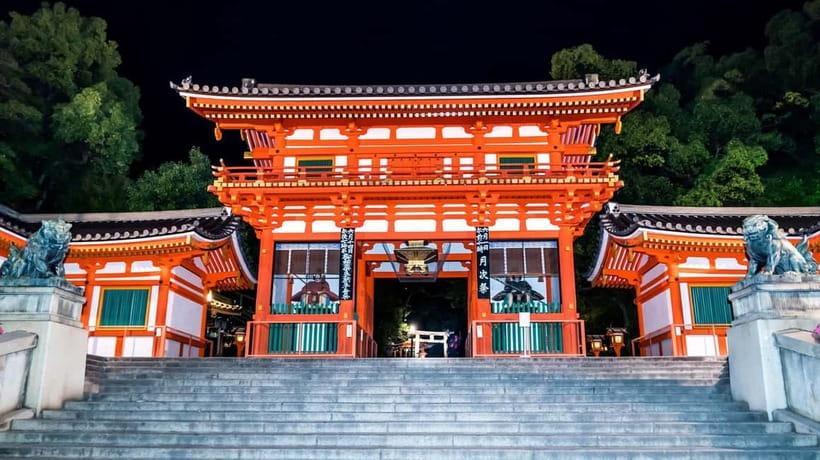
- Gion Corner and Yasaka Shrine: wrapping the walk with meaning
- Price and logistics: is $22 worth it for this kind of night tour?
- Who should book this Gion night tour, and who might skip it
- Should you book Kyoto: Gion Night Tour Stories of Geisha and Maiko?
- FAQ
- Where does the tour meet?
- How long is the tour?
- How many people are in the group?
- What language is the tour guide?
- What’s included in the tour?
- Where does the tour end?
- Is it suitable for children?
- Can I cancel or change plans?
Key highlights you should care about
- Small group (max 15) keeps the pace relaxed and the directions clear.
- Dusk timing helps you see Gion when it feels less crowded and more atmospheric.
- Teahouse and symbol spotting is the practical skill you carry off the tour.
- Geisha and maiko stories are part of the guided walk, not a separate lecture.
- Several photo stops at key spots, including the canal and Gion Corner.
- Ends at Yasaka Shrine, so you can continue your evening easily.
Gion at dusk: why this tour’s timing is the whole point
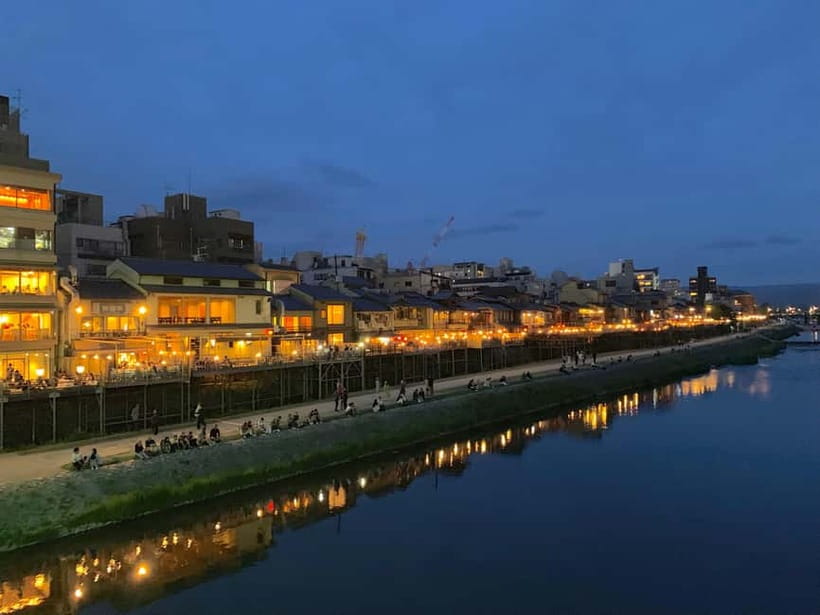
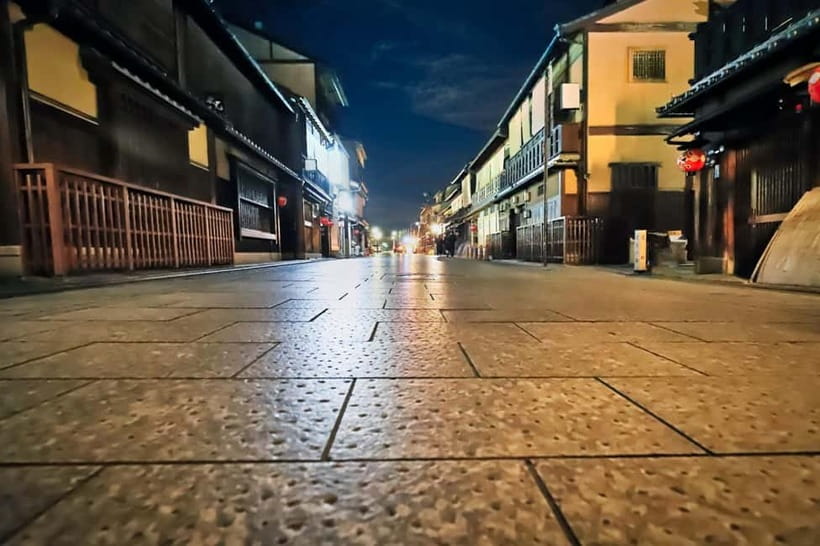
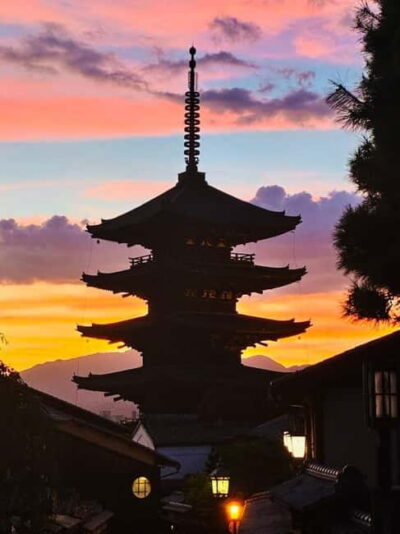
Kyoto’s Gion can feel like a stage at midday, full of daytime tours and quick snapshots. Dusk changes the mood. The light turns softer, streets look less like a checklist and more like a living neighborhood, and you get that rare feeling of being present instead of just passing through. This tour is built around that window, so you’re not trudging through crowds for basic photos.
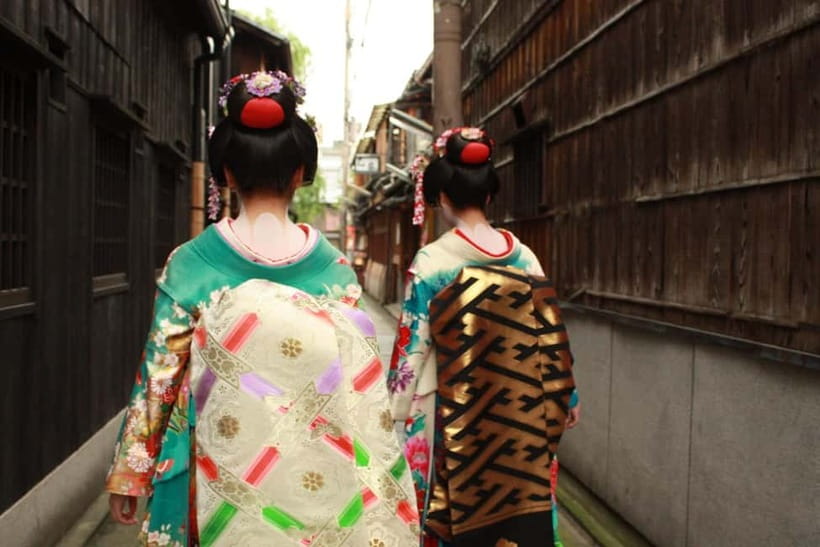
What I like is that the experience is described as a stroll through Gion streets at sunset, with chances for fleeting glimpses of geisha on their way to evening appointments. That doesn’t mean you’ll see performers like it’s a scheduled show, but it does mean you’re in the right place when the neighborhood is most likely to reveal itself.
The route also includes quieter corners and “hidden” cues, which is exactly what you want in Gion. This isn’t just big landmarks, it’s the small stuff: the signs, the layout of lanes, and the sense of where people are coming and going at night. When your guide points out those cues, your eyes start working differently. You stop seeing generic street scenes and start noticing what matters.
Meeting at Ben’s Cookies Kyoto Shijo, and why the start matters
Tours rise or fall on the first five minutes. This one starts at Ben’s Cookies Kyoto Shijo, a straightforward meeting point that’s easy to find compared with vague intersections. The guide is described as holding a sign with the tour name, which reduces the “Where is everyone?” stress.
From there, the walk begins with a short guided segment. That early orientation is more useful than it sounds. Gion is easy to get turned around in, even if you’ve looked at maps before. When your guide sets the tone and helps you understand what to watch for, you get more out of every later stop.
Also, keep in mind the tour language is Spanish. Even if your Japanese basics are decent, this is one of the times you want a guide who can explain cultural meaning clearly, not just point out streets. Past groups specifically mention guides like Pedro and Manuel for making the explanations engaging and easy to follow. If Spanish works for you, that’s a real advantage.
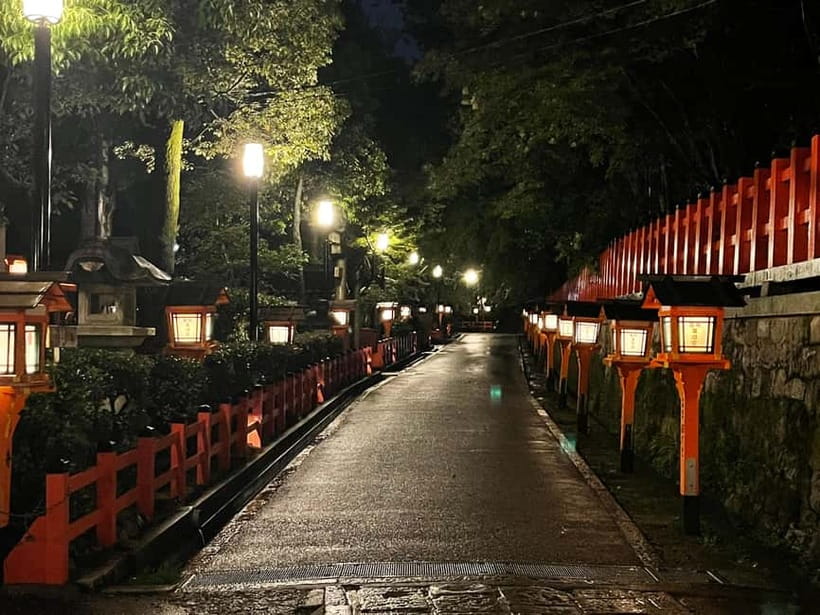
Lantern-lit streets of the geisha quarter
- Kyoto Geisha Walking Tour: Gion District & Hidden Gems
★ 4.7 · 3,273 reviews - Kyoto: Gion Magical Night Walking Tour with Geisha Trivia
★ 4.9 · 2,393 reviews - Kyoto: Gion Geisha District Walking Tour – Stories of Geisha
★ 4.7 · 2,187 reviews - Best of Kyoto: Gion, Geisha, Pagodas & Cobblestones
★ 4.9 · 2,058 reviews
The early route: Izumo-no-Okuni, Shirakawa Canal, and key orientation moments
The walk includes several stops that build your understanding step by step. It starts with a brief stop at the Statue of Izumo-no-Okuni. You’re given a guided moment there, likely to help frame what you’re about to see in Gion and why geisha culture is tied to the neighborhood’s identity. Even if you’re not a “statue person,” this kind of first stop is useful because it gives your visit context before you’re surrounded by teahouses and alley signs.
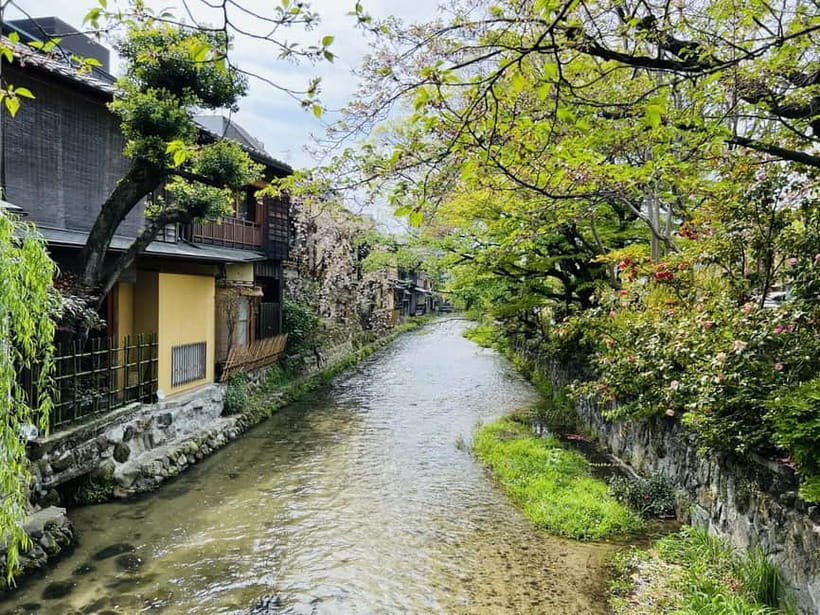
Then you head to Shirakawa Canal, where you’ll get guided time and a photo stop. Canals matter here because they create a visual rhythm. You can see how the streets and buildings relate to the water, and the canal area tends to help you slow down. On a night tour, that pause is valuable, because you’ll be walking small distances but learning a lot.
One practical perk: the itinerary is paced. There are guided segments and guided photo stops rather than a full sprint from one place to another. In a 2-hour tour, pacing is how you actually absorb details. If you’re the type who likes taking photos, you’ll also appreciate that the tour doesn’t force you to do everything on the move.
How you learn to spot teahouses and Gion signs (the real skill)
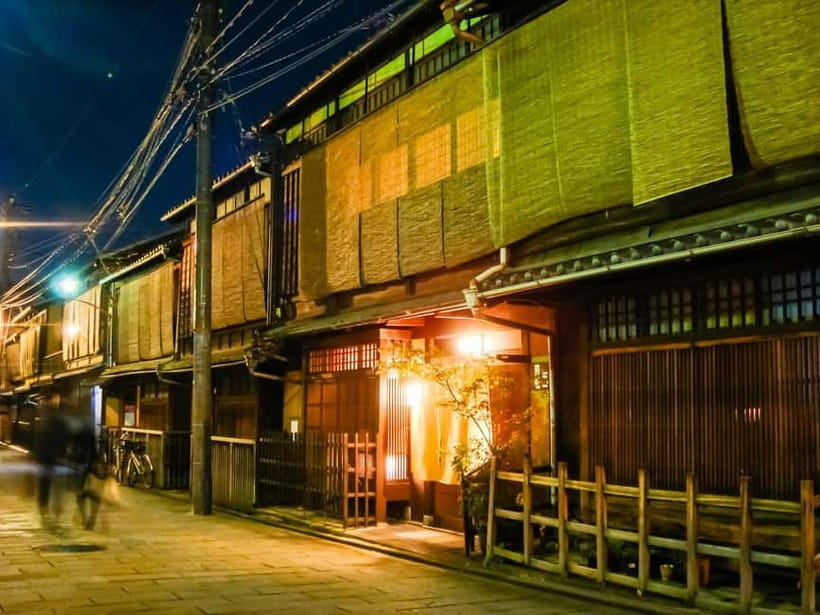
The most distinctive promise of this tour is not that you’ll simply walk through pretty streets. It’s that you’ll learn how to identify teahouses and traditional symbols that reveal the traditional life of Gion. That is exactly the difference between a generic night walk and a meaningful one.
Here’s what that translates to for you on the ground:
You’ll learn what kinds of clues to look for, so you stop wondering what you’re seeing. You don’t have to be an expert on Japanese culture to understand the basic cues once your guide explains them clearly. You also get the cultural significance behind those signs, so it’s not just “spot this, ignore that.”
This is also where the guide’s storytelling style really matters. In the experiences described by past groups, guides like Pedro and Manuel are praised for explaining the streets and geishas in a way that feels engaging and understandable. That matters because teahouses and cultural markers can look mysterious if you don’t have a key.
If your goal is to walk away with better instincts for Gion, pay attention during this part. After the tour, you’ll likely recognize patterns faster. And even if you do not spot geisha in every alley, you’ll still feel like you uncovered something real, because you learned how the neighborhood communicates its traditions through visible signs.
Gion Corner and Yasaka Shrine: wrapping the walk with meaning
Midway through the route, the itinerary includes Gion Corner. You get another photo stop plus guided time. This stop is useful because it gives you a named place to anchor your memories. When you’ve spent time learning to read lanes and symbols, a stop like this acts like a checkpoint. It helps you connect the small clues you were collecting with a larger, more recognizable Gion element.
Then the tour moves toward Yasaka Shrine, with photo stop time before the end. The tour finishes at Yasaka Shrine, which is convenient because it’s a logical place to continue your evening. You’re not left stranded somewhere random. Also, finishing at a well-known shrine area helps if you want to transition from the intimate walking experience into broader Kyoto evening strolling.
What you should expect overall at the later stops is more “how to see Gion” than “look at this landmark.” That’s the tour’s theme: teaching you how to notice teahouses, hidden signs, and the cultural world behind the street look. If you go in with curiosity instead of rigid expectations, these final minutes often feel like a payoff, because you’ll be seeing more than you did at the start.
Price and logistics: is $22 worth it for this kind of night tour?
At $22 per person for about 2 hours, this is priced like a practical, no-frills cultural walk. The value comes less from “big attractions” and more from the guided skill you get. In other words, you’re paying for a guide who can explain geisha and maiko culture and show you the traditional cues you would probably miss on your own.
The small group size (max 15) makes that cost make more sense. When a tour is small, you get clearer guidance and better chances to ask questions. Gion’s lanes are narrow, so crowd control matters. A compact group also means your guide can manage the pace without turning the tour into a forced march.
There’s also an efficiency factor. If you only have one evening in Kyoto or you don’t want to spend your whole night in one area, a 2-hour format is a sweet spot. You can still eat well after, wander more, and keep your energy.
One more small value point: guides in past groups are described as recommending places to eat near the end. Even when you don’t follow every suggestion, it’s useful to have a human steer you toward a safe, convenient next step rather than guessing.
A quieter way to spend a day in Kyoto



Who should book this Gion night tour, and who might skip it
This is a great match if you want:
- A calmer, dusk-focused experience in Gion.
- An explanation of geisha and maiko culture, not just photos.
- A guided way to learn how to spot teahouses and traditional symbols.
- A small group tour where the guide can keep the experience personal.
You might consider skipping it if:
- You want a long, sit-down, museum-style experience. This is a walking tour, and it’s time-boxed to 2 hours.
- You’re traveling with children under 12, since it is not suitable for them.
- You need entertainment guarantees. The tour includes chances for fleeting glimpses, but it’s still a neighborhood walk, not a staged performance.
Should you book Kyoto: Gion Night Tour Stories of Geisha and Maiko?
I’d book it if you enjoy learning through streets, signs, and stories, and if you want a simple evening plan that improves how you see Gion. For $22, the combination of dusk timing, a small group, and the practical focus on identifying teahouses and traditional symbols feels like strong value.
If Spanish is workable for you, the odds of a satisfying experience go up. Guides like Pedro and Manuel have been singled out for explaining the area in an engaging way, which is exactly what you want on a cultural walk.
Go with patience, wear shoes meant for nighttime walking, and keep your expectations flexible on sightings. Even if you only notice a few extra details compared to what you’d catch on your own, that improved “reading” of Gion is the payoff.
FAQ
Where does the tour meet?
The meeting point is Ben’s Cookies Kyoto Shijo. The guide will be holding a sign with the name of the tour.
How long is the tour?
The tour lasts 2 hours.
How many people are in the group?
This is a small group tour with a maximum of 15 participants.
What language is the tour guide?
The live tour guide language is Spanish.
What’s included in the tour?
You get a guided walking tour of Gion with a guide, plus cultural and historical explanations about geisha and maiko. The tour also includes tips for identifying teahouses and traditional symbols.
Where does the tour end?
The tour ends at Yasaka Shrine.
Is it suitable for children?
No, it is not suitable for children under 12.
Can I cancel or change plans?
Yes, there is free cancellation up to 24 hours in advance for a full refund, and you can reserve now & pay later.
New This Season
- Koyasan Day Trip by Private Car from Kyoto
- Old Port Town and Ultimate Sake Tasting Private Tour From Kyoto
- Kyoto’s Timeless Charm: 3hr Exploration of History and Peace
- Kyoto: 5 Types of Sushi Making
- Sacred Peak & Ancient Paths: Kurama-Kibune Hiking Experience
- Kyoto: Exclusive ZEN practice at Manpukuji temple in Uji
- Traversing Kyoto’s Scenic West – Arashiyama to Kinkakuji
- Kyoto: Private Seasonal Aroma Yoga Class
Gion Geisha Quarter Walks, compared.
Kyoto Geisha Walking Tour: Gion District & Hidden Gems
Read our review →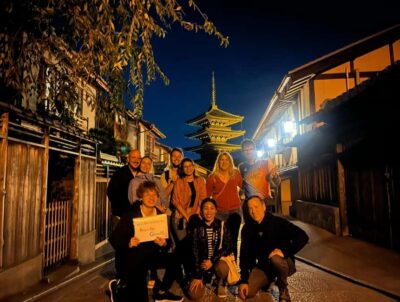
Gion Magical Night Walking Tour with Geisha Trivia
Read our review →
Gion Geisha District Walking Tour – Stories of Geisha
Read our review →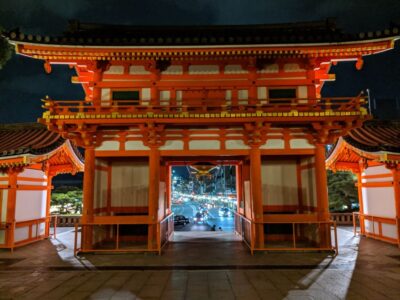
Best of Kyoto: Gion, Geisha, Pagodas & Cobblestones
Read our review →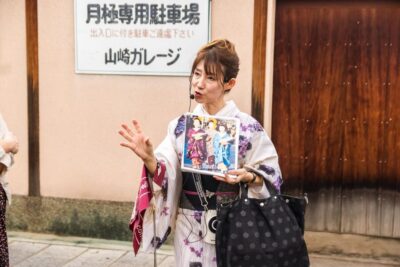

Kyoto Night Foodie Tour in Gion (9+ dishes + 6 Sake tastings)
Read our review →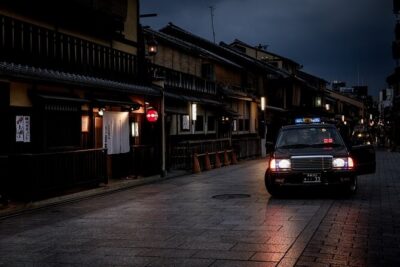
Kyoto Gion Geisha District Walking Tour – The Stories of Geisha
Read our review →
Kyoto Gion: 2-Hour Geisha Culture & History Walking Tour
Read our review →Also filed under