Reviewed · GUIDED
Kyoto Highlights 7-Hour Private Guided Tour
Kyoto in 7 hours can feel focused. You pick a northwest or southeast route, and a private licensed guide strings together top sights with just enough context to make the day click.
I like how the tour is built around key Kyoto neighborhoods, not a grab-bag checklist. I also love that you get a calm, one-on-one pace, plus the guide helps you avoid the common transit and timing headaches.
One thing to consider: this is a packed schedule. If you want long, slow hangs at a single temple or lots of shopping time, you may need to plan extra solo hours for that.
In This Review
- Key takeaways before you go
- A 7-hour Kyoto sampler with a real route choice
- Northwest route: Bamboo Grove, Ryoanji rock garden, Golden Pavilion
- Northwest finish options: Nijo Castle or Nishiki Market
- Southeast route: sake, Fushimi Inari, Sanjusangendo, Kiyomizudera
- Old-street slopes and why you end near Gion
- Start at Kyoto Station, use transit smoothly, and keep the pace human
- Private licensed guides: why names like Mie, Choco, and Mei matter
- Price and value: $215 per person for transport and entrance fees
- Who this Kyoto private tour is for
- Should you book this Kyoto highlights 7-hour private guided tour?
- FAQ
- Where does the tour start?
- When and where does the tour end?
- What routes are available, and how do I choose?
- How many locations can I see in one tour?
- What is included in the price?
- What is the cancellation policy?
Key takeaways before you go
- Two route choices let you tailor the day to what you care about most
- Top-tier Kyoto landmarks appear in one efficient loop, not separate days
- English private guidance means fewer navigation mistakes and better explanations
- Entrance fees and bus transport are handled, so you stay in the flow
- Finish near Gion at 16:00, a great springboard for an evening stroll
A 7-hour Kyoto sampler with a real route choice
This tour is designed for people who want major Kyoto highlights without spending the whole day figuring out trains, buses, and entrance lines. It runs for 7 hours and is led by a private licensed guide, in English.
The smart part is the route choice. You book either the northwest-bound itinerary or the southeast-bound itinerary. You’ll see 4 major must-see stops on your chosen route, and if you book both tours, you can hit 8 different locations at a relaxing pace.
You start at 09:00 from the Hotel Granvia Kyoto in the JR Kyoto Station building. You finish around 16:00 near the Gion area, which is perfect timing if you’re planning a night plan in the geisha district.
Northwest route: Bamboo Grove, Ryoanji rock garden, Golden Pavilion
If you choose the northwest route, the day leans into classic Kyoto scenery and high-impact temple stops. Expect a mix of walking, garden moments, and landmark photos, with your guide translating the meaning behind what you’re seeing.
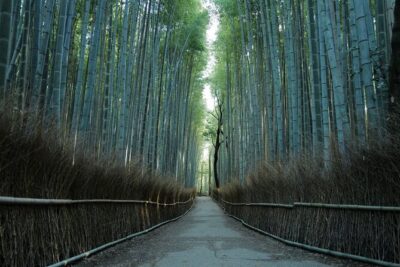
Bamboo Grove is the first big wow factor. It is one of those places where the setting does half the work, but your guide can help you understand why bamboo has such cultural and artistic weight in Japan. The time you spend here is short enough to keep it from feeling rushed, but long enough to actually enjoy the atmosphere.
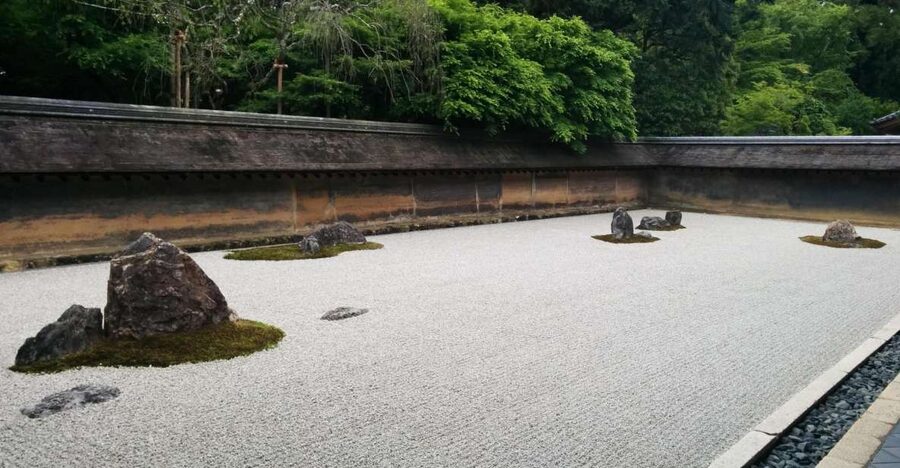
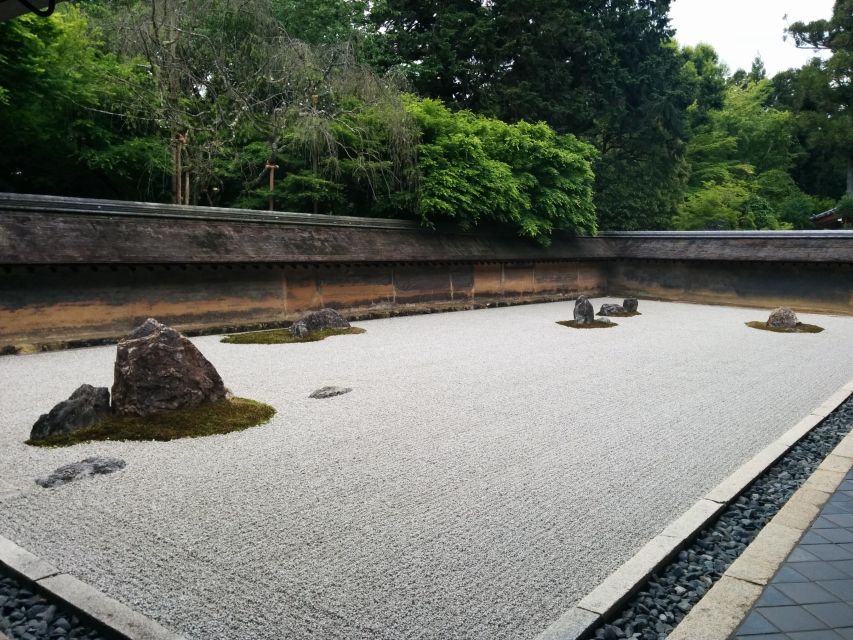
Next comes Ryoanji Temple’s rock garden, a must-see for anyone who likes to look longer than the first glance. The garden is famous, but the point is not just the famous image. You’ll learn what makes the composition work and what people notice when they shift perspective.
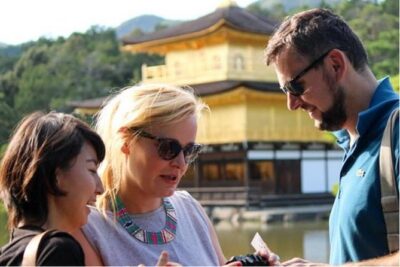
After the rock garden, you reach the Golden Pavilion. This is where your guide’s explanations really pay off, because it’s easy to treat it as a postcard. With the right context, you start noticing how water, light, and architectural details reinforce the temple’s overall idea.
A quieter way to spend a day in Kyoto
- Fushimi Inari Hidden Hiking Tour (Private Option Available)
★ 5.0 · 1,750 reviews - Private Kyoto Tour with a Local, Highlights & Hidden Gems, Personalised
★ 5.0 · 1,543 reviews - Kyoto 6hr Private Tour with Government-Licensed Guide
★ 5.0 · 1,369 reviews - 10 Must-see Spots in Kyoto One Day Private Tour (up to 7 people)
★ 5.0 · 1,108 reviews
Northwest finish options: Nijo Castle or Nishiki Market
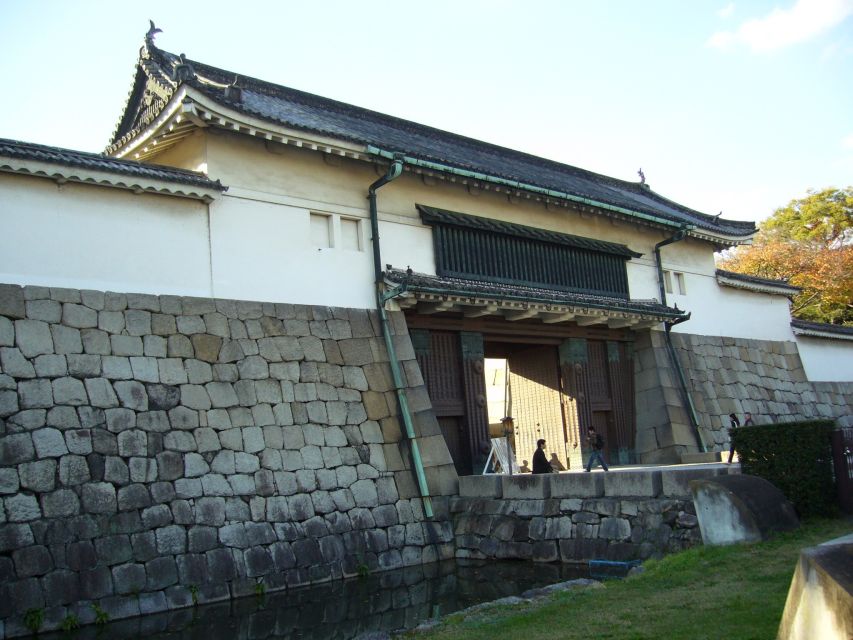
The northwest itinerary gives you a choice for the final stop. You’ll either visit Nijo Castle or Nishiki Market, depending on what’s set for your option.
Nijo Castle is a strong pick if you want Kyoto beyond temples and shrines. Castles connect to Japan’s political past in a way that makes the city feel bigger than just one era. Your guide’s historic context is especially helpful here, because it turns the site into a story instead of a series of rooms.
Nishiki Market is the better fit if you like to mix sight-seeing with snack-size breaks and local street energy. It’s also a chance to experience Kyoto’s food culture without spending hours hunting for it. Food is not included on the tour, but your guide can help you navigate what to look for and how to prioritize.
If you’re the type who wants both scenery and atmosphere, Nijo Castle usually feels like a deeper stop. If you want more casual wandering and a taste of everyday Kyoto, Nishiki Market is often the more fun ending.
Southeast route: sake, Fushimi Inari, Sanjusangendo, Kiyomizudera
The southeast route is for Kyoto lovers who want spiritual landmarks and dramatic city texture in one run. It starts with a sake brewery stop, then moves into some of the city’s most recognizable temple sites.
The sake brewery visit is a nice break from constant walking. It adds a practical, cultural angle, because sake is not just a drink in Kyoto. It’s part of how communities celebrate seasons and tradition, and your guide can help connect the dots.
Then you hit Fushimi Inari Taisha. You know the famous torii gates, but the real experience comes from moving through the shrine grounds and understanding what the space represents. Your guide can point out what to notice as you go, so you spend less time wondering what’s important and more time enjoying the flow.
Next is Sanjusangendo Temple, the site many people associate with an impressive scale of Buddhist statues. Again, your guide matters here. Without explanations, you might just see a crowd. With guidance, you understand why the arrangement is meaningful and what people find moving about it.
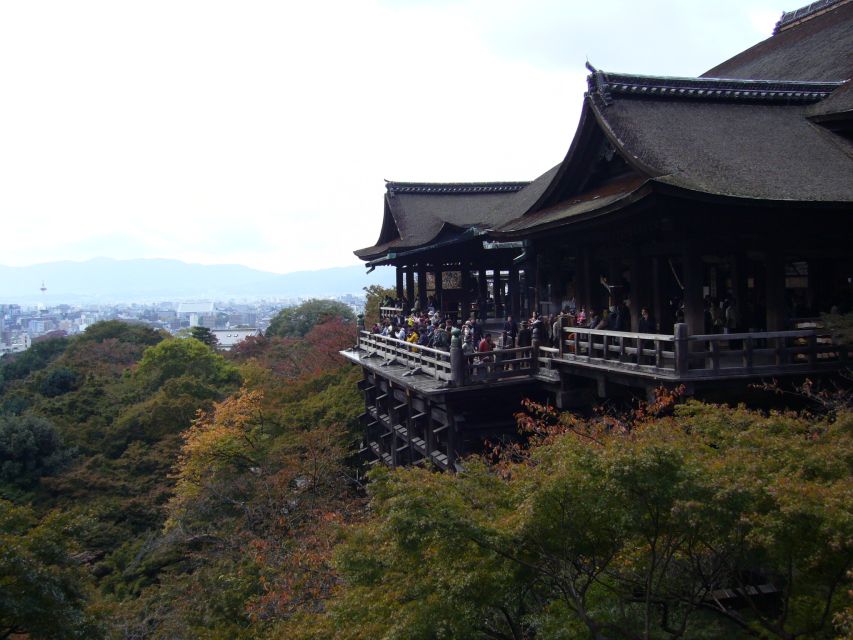
The tour continues to Kiyomizudera. This stop brings you back to the feeling of Kyoto as a city built around worship and community. You’ll get context that helps you see the temple as more than architecture, and you’ll likely pause more than once because your guide will keep you oriented.
Old-street slopes and why you end near Gion
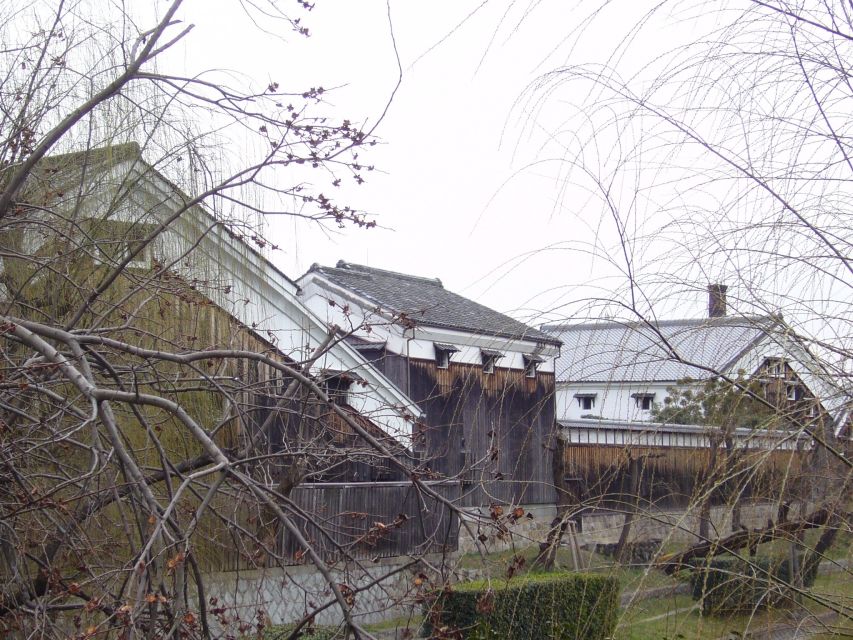
The southeast itinerary also includes a walk along Ninenzaka or Sannenzaka slopes. These are old-street sections where the streetscape helps you picture Kyoto before modern renovations took over. It’s a great pairing with the temple stops because you go from religious landmarks to the everyday streets that surround them.
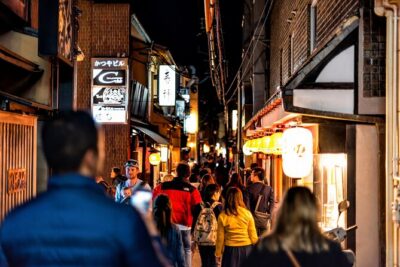
Then the day ends near Gion, the geisha district. That timing is not an accident. Finishing at 16:00 gives you a clean transition to an evening plan, and the tour recommendation to add a Night Walk in Gion is exactly the kind of smart follow-on that keeps the day from feeling over.
If you’re trying to plan your evening, keep it simple. Use the bus pass from the tour day for nearby connections, then walk slowly in Gion. When the streets get calmer later, the area feels more like a living neighborhood than a theme park.
Start at Kyoto Station, use transit smoothly, and keep the pace human
Logistics can ruin a great day, or make it effortless. This one does the easier thing.
You start at 09:00 at Hotel Granvia Kyoto in the JR Kyoto Station building. That matters because Kyoto Station is a hub, and it reduces the stress of meeting up in a maze of streets. Your pickup is from a centrally located meeting point (which may vary based on your option), and the schedule is structured so you’re not wandering around waiting for your group.
Transportation is included, and you also get a 1-day bus pass for use after the tour. That is a practical bonus, because it lets you keep exploring after you’re done with the guided portion. It also helps if you want to squeeze in one last viewpoint or food stop without re-planning routes.
The day is private, so the pace is adjustable. The guide can slow down for questions, speed up for route timing, and flex around crowd density at the sites. That’s a big deal on iconic Kyoto days, when you can spend more time moving around than actually seeing.
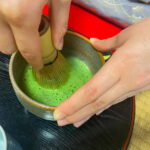
A day of temples goes further with something to break it up.
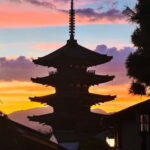
Private licensed guides: why names like Mie, Choco, and Mei matter
This tour is one of those rare cases where the guide is not just a nice extra. It’s a core part of the experience.
In the guide network, names like Mie, Choco, and Mei come up for a reason. They’re described as friendly, engaging, and able to give historic and cultural context in a way that actually sticks. That’s especially useful in Kyoto, because temples and shrines often feel like they’re trying to say something more specific than you can catch on your own.
Private guidance also helps you avoid common problems. You’re less likely to misunderstand what you’re looking at, and you’re less likely to waste time at the wrong entrance or at the wrong moment. One-on-one conversations can also clarify what to prioritize for your own next stop later that day.
If you care about Edo period context, temple layout meanings, or why certain places feel powerful in a quiet way, this format is a strong match. You get explanations at the exact moment you’re standing in front of the thing.
Price and value: $215 per person for transport and entrance fees
At $215 per person, this is not a budget tour. You are paying for a private licensed guide, transportation, entrance fees for temples, and a 1-day bus pass that keeps working after the tour.
That bundle can be good value if you’d otherwise pay for multiple transit rides, multiple temple tickets, and a day of your own time figuring it all out. It can also feel worth it if you’re traveling with just one or two people, because the guide cost is spread across fewer heads than a group tour.
If you’re traveling solo and you enjoy self-guided wandering, you might find cheaper options. But if your goal is to see the major highlights with less friction and better context, this price lines up with what you’re getting: structure, access, and guidance.
Also remember food and drinks are not included. You’ll likely want to plan lunch on your own during the day, or use the market time for snacks if your route includes Nishiki Market.
Who this Kyoto private tour is for
This tour fits best if you want a high-quality “greatest hits” day without the stress. It’s a good choice when you only have one or two days in Kyoto and you want maximum clarity on what to see.
It’s also a strong fit for couples and small groups who value conversation and context. Private touring is especially helpful when you want answers as you go, instead of trying to solve everything later with a guidebook.
If you prefer outdoor pauses, temple architecture, and neighborhood atmosphere, you’ll probably enjoy both route types. The northwest route leans more into gardens, bamboo, and famous temple icons. The southeast route leans more into shrine energy, religious landmark intensity, and old-street walking.
Should you book this Kyoto highlights 7-hour private guided tour?
Book it if you want a structured day with a private licensed guide, and you care about understanding what you’re seeing. The route choice is the big advantage, because you can match the day to your interests: northwest for bamboo and gardens, southeast for Fushimi Inari, sake, and the classic temple circuit.
Skip it or add a solo day nearby if you dislike tight schedules or you want lots of extra free time. This is still a full loop, with major stops planned, so it won’t feel like an unhurried stroll unless you’re naturally comfortable with moving through a packed itinerary.
If you’re aiming for Kyoto highlights with less guesswork and better explanations, this one is a very sensible way to spend your time.
FAQ
Where does the tour start?
The tour starts at 09:00 from the Hotel Granvia Kyoto in the JR Kyoto Station building. The exact meeting point may vary depending on the option booked.
When and where does the tour end?
The tour ends at 16:00 near the Gion area.
What routes are available, and how do I choose?
You choose either the northwest-bound or southeast-bound itinerary when booking.
How many locations can I see in one tour?
On a 7-hour tour you visit 4 major must-see attractions. If you book both tours, you can visit 8 different locations at a relaxing pace.
What is included in the price?
Included are pickup at a centrally located meeting point, a private licensed guide, entrance fee for temples, transportation, and a 1-day bus pass for use after the tour.
What is the cancellation policy?
You can cancel up to 24 hours in advance for a full refund. If you cancel closer in, fees apply: 50 percent of the total tour fee is charged 2 days before, and 100 percent is charged 1 day before or on the same day.
New This Season
- Koyasan Day Trip by Private Car from Kyoto
- Old Port Town and Ultimate Sake Tasting Private Tour From Kyoto
- Kyoto’s Timeless Charm: 3hr Exploration of History and Peace
- Kyoto: 5 Types of Sushi Making
- Sacred Peak & Ancient Paths: Kurama-Kibune Hiking Experience
- Kyoto: Exclusive ZEN practice at Manpukuji temple in Uji
- Kyoto: Private Seasonal Aroma Yoga Class
- Traversing Kyoto’s Scenic West – Arashiyama to Kinkakuji
Guided, compared.
Kyoto Early Morning Tour with English-Speaking Guide
Read our review →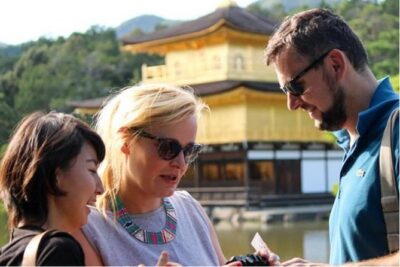
Kyoto 6hr Private Tour with Government-Licensed Guide
Read our review →Early Morning Tour with English-Speaking Guide
Read our review →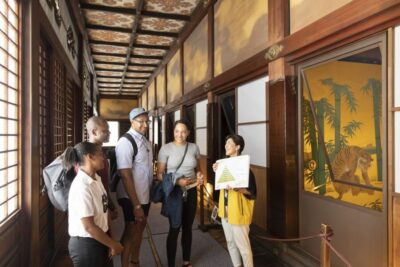
Nijo-jo Castle and Ninomaru Palace Guided Tour
Read our review →
Kyoto Gion Night Walk & Geisha District Guided Tour
Read our review →
Nijo Castle, Kiyomizu & Fushimi Inari Guided Tour
Read our review →