
Reviewed · FOOD
Kyoto: Japanese Replica Food Making Workshop~soda float
A soda float, but not for drinking.
This Kyoto workshop teaches you Japanese replica food making, so you can craft a super-realistic drink-and-dessert lookalike you can actually display. I like how hands-on and quick it is, and I really enjoy the fun choices, from soda base colors to toppings, so your finished piece feels personal.
Two things I particularly like: you get to customize the soda base color (melon, strawberry, lemon, or blue Hawaii) and then top it with either cream or ice cream. And you end up with a take-home souvenir that looks cute and convincing enough to stop people mid-walk. One drawback to keep in mind, though, is that the replica is not edible, so if you’re hoping to satisfy a sweet tooth, this is more about craft and presentation than eating.
In This Review
- Key highlights to look for
- Japanese replica food in Kyoto: what you make and why it’s fun
- Choosing your soda base color, melon to blue Hawaii
- Cream swirl or ice cream scoop: the top that changes everything
- Toppings and small decisions that make it look real
- What happens during the workshop, with a small group pace
- Where to meet near Kani Doraku: finding the workshop fast
- Price and value at about $16 per person
- Who should book this soda float replica workshop
- Quick FAQ
- FAQ
- What do I make in this workshop?
- Is the replica food edible?
- How long does the workshop take?
- Where is the meeting point?
- What languages are used during the workshop?
- Is it suitable for beginners and kids?
- Is it refundable and can I pay later?
- Should you book this Kyoto soda float replica workshop?
Key highlights to look for
- Realistic replica food, made by hand, not eaten
- Choose your soda base color: melon, strawberry, lemon, blue Hawaii
- Pick your top: whipped cream swirl or a scoop of ice cream
- Customize with 10 toppings and 4 ice cream options
- Small group (up to 4) with English and Japanese guidance
- Take it home as a one-of-a-kind Kyoto gift
Japanese replica food in Kyoto: what you make and why it’s fun
Kyoto is full of crafts, but this one has a playful twist. You’re making a Japanese replica soda float that looks like the real thing, glass and all. The fun part is that you get to create something that tricks the eye, while still being safe and easy to handle since it’s not meant to be eaten.
This kind of replica food is popular in Japan because it helps shops and displays look consistent and attractive. Here, the goal is similar, but your role is creator. You’re not just copying a picture, you’re making choices, then shaping those choices into a final piece you can keep.
Think of it like edible-looking art. You’ll spend your time focusing on color, layers, and small details that make the whole glass feel real. In a place like Kyoto, where you’re already surrounded by sights and stations and temples, this gives you something different, a small project you can finish and hold.
Choosing your soda base color, melon to blue Hawaii
The workshop starts with the soda part, and this is where your personality shows up fast. You’ll choose one soda base color from four options: melon, strawberry, lemon, or blue Hawaii. That selection isn’t just for fun, it changes the whole vibe of the finished float.
Here’s how I’d think about your choice before you sit down:
- If you want a fresh, daytime look, go lemon.
- If you want bright and playful, strawberry usually photographs well.
- If you like a richer, dessert-like feel, melon can be a great pick.
- If you want a pop that screams fun souvenirs, blue Hawaii is the obvious crowd-pleaser.
Once you’ve picked your base, you build upward. That vertical layering is the core of why replica food looks so believable. Even without eating anything, you get the satisfaction of making something that resembles a real shop dessert.
A quieter way to spend a day in Kyoto
- Kyoto Night Foodie Tour in Gion (9+ dishes + 6 Sake tastings)
★ 5.0 · 1,762 reviews - Kyoto: Insider Sake Brewery Tour with Sake and Food Pairing
★ 5.0 · 704 reviews - Kyoto Nishiki Market Food and Culture Walking Tour
★ 5.0 · 412 reviews - Kyoto: Gion Food Tour 13 Dishes at 4 Eateries
★ 5.0 · 408 reviews
Cream swirl or ice cream scoop: the top that changes everything
After the soda base, you choose how to top it: a whipped cream swirl or a scoop of ice cream. The workshop offers multiple ice cream options, so you’re not locked into one look. This step is the visual centerpiece of a soda float, and you’ll feel it the moment you decide.
I like this structure because it keeps the workshop from feeling random. You start with the big, easy choice, then you refine the details. It also helps if you’re unsure what looks best. You can start with a clear direction, then let the toppings help you “finish the story.”
If you pick cream, you’ll focus on the look of the swirl and how it sits on top. If you pick ice cream, you’ll focus more on the scoop texture look. Either way, the result is that classic soda float style, the kind you’d see in a Japanese café or display case, except yours is made by your own hands.
Toppings and small decisions that make it look real
The workshop lets you customize with two toppings from a list of ten. That’s a sweet spot, not too many decisions, but enough variety that your final float won’t look like anyone else’s.
When you choose toppings, think about balance. A soda float can look either light and summery or rich and dessert-forward. Picking two toppings helps you control that without overcomplicating the process.
Also, this is where guidance matters. You’ll have an instructor to help you along, and the materials are included. Even if you’re a first-timer, you’re not stuck guessing. The point isn’t to be an artist. The point is to learn how replica food gets its convincing look through simple, repeatable steps.
The best part is the visual payoff. When you add toppings and see them “settle into” the design, the whole glass clicks. That’s the moment you’ll want photos, and it’s also the moment you’ll feel proud, because the piece starts looking like a real display item.
What happens during the workshop, with a small group pace
This is a small-group experience, limited to 4 participants, and that size really matters. You get time to ask questions, and you aren’t stuck waiting while others catch up. The format is also approachable: no prior experience is required, and it’s suitable for ages 5 and up.
You can expect instructor guidance throughout. The instructors work in English and Japanese, so if your Japanese is basic, you can still follow along. In practice, that means you can focus on making good choices rather than translating everything in your head.
Timing is flexible too. The duration is listed as 20 to 50 minutes. That range tells you the workshop is designed for different starting points and paces. Some people will move fast, others take their time for shaping and careful placement. Either way, you’re set up to finish with a complete piece you can take home.
And based on at least one verified booking, the staff experience is a strong point. The feedback was positive about the people running the workshop, and that matches the vibe you want for a craft activity. You should feel relaxed, not rushed, while you build something that looks like a display item.
Where to meet near Kani Doraku: finding the workshop fast
Meeting point is near Kani Doraku, the restaurant known for its giant crab display. That landmark is useful because it gives you an obvious reference when you’re walking around Kyoto streets.
If you want the fastest route, you can plug in the coordinates: 35.0085758, 135.7667324. Staying near that area also makes it easy to pair this with nearby sightseeing. You’re essentially working in the heart of Kyoto where you can wander before or after without complicated transfers.
My practical tip: build a little buffer into your day. Crafts feel quick, but you’ll want a calm walk to the meeting spot so you’re not rushing. When you’re about to start creating something detailed, arriving stressed takes the fun out of it.
A day of temples goes further with something to break it up.
Price and value at about $16 per person
The price is $16 per person. On paper, that seems simple, but here’s why it can actually be good value. You’re paying for a guided, hands-on workshop plus the materials needed to create a realistic replica. You’re also getting something tangible at the end, a finished soda float replica that you can display at home or give as a gift.
What makes the value feel real is the customization. You’re not just making one fixed thing. You choose the soda base color, choose cream or ice cream, then pick toppings from a menu of options. That mix of choice plus instruction is what turns the price from a ticket into an experience.
Also, a replica food souvenir is different from the usual keychains and postcards. It’s Kyoto-themed, it’s personal, and it has a story you can tell. Even if you’re only in Kyoto for a short time, this gives you a creative output instead of another item that just sits in a drawer.
Who should book this soda float replica workshop
This workshop is a good fit if you want something interactive that doesn’t require advanced skills. The big cues from the activity info:
- Ages 5+ and no prior experience needed
- English and Japanese guidance
- Small group size of up to 4
- A finished take-home item
I’d especially recommend it if you:
- Like crafts and hands-on activities
- Want a Kyoto souvenir that feels custom
- Are traveling with kids or family who enjoy making things
- Prefer a relaxed, structured activity that still feels creative
You might skip it if you’re mainly looking for a food tasting, because the replica is explicitly not edible. This is about making and displaying, not eating.
Quick FAQ
FAQ
What do I make in this workshop?
You make a Japanese replica soda float. You choose a soda base color, then top it with either cream or ice cream, and you add toppings to finish the design.
Is the replica food edible?
No. The replicas created are not edible.
How long does the workshop take?
The duration is listed as 20 to 50 minutes. Check available starting times for the specific slot you book.
Where is the meeting point?
It’s located right near Kani Doraku, known for its giant crab display. The coordinates are 35.0085758, 135.7667324.
What languages are used during the workshop?
The instructor provides guidance in English and Japanese.
Is it suitable for beginners and kids?
Yes. It is suitable for ages 5 and up, and no prior experience is required.
Is it refundable and can I pay later?
Free cancellation is available up to 24 hours in advance for a full refund. You can also reserve now and pay later.
Should you book this Kyoto soda float replica workshop?
Yes, if you want a hands-on Kyoto experience that ends with a take-home item you’ll actually feel good about. The small group setup, the clear customization choices, and the fact that it’s guided make it work even if you’re not crafty. Just go in knowing it’s replica art, not a dessert you eat, and you’ll have a much better time.
If you’re the type who enjoys making something rather than only watching, this workshop is an easy “yes” for a short, creative stop in Kyoto.
More Workshops in Kyoto
New This Season
- Koyasan Day Trip by Private Car from Kyoto
- Old Port Town and Ultimate Sake Tasting Private Tour From Kyoto
- Kyoto’s Timeless Charm: 3hr Exploration of History and Peace
- Kyoto: 5 Types of Sushi Making
- Sacred Peak & Ancient Paths: Kurama-Kibune Hiking Experience
- Kyoto: Exclusive ZEN practice at Manpukuji temple in Uji
- Kyoto: Private Seasonal Aroma Yoga Class
- Traversing Kyoto’s Scenic West – Arashiyama to Kinkakuji
Food, compared.
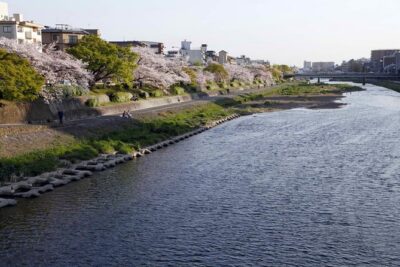
Kyoto Night Foodie Tour in Gion (9+ dishes + 6 Sake tastings)
Read our review →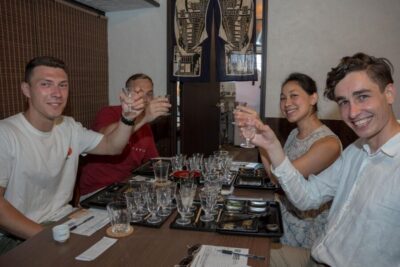
Insider Sake Brewery Tour with Sake and Food Pairing
Read our review →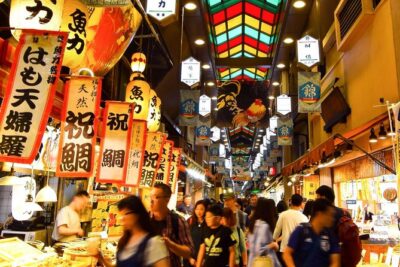
Kyoto Nishiki Market Food and Culture Walking Tour
Read our review →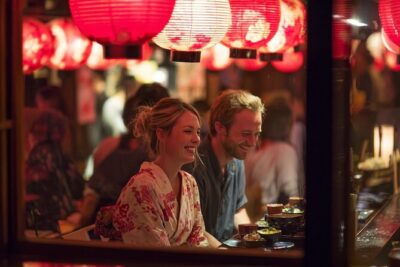
Also filed under