
Reviewed · DINING EXPERIENCES
Kyoto: Kaiseki Dinner at a Historical Townhouse
A Kyoto dinner in a real old-town house sounds simple. It gets special fast: you start with a walk through Tondaya, a 140-year-old machiya, then move straight into kaiseki in the same atmosphere. I love the way the setting feels lived-in, not staged, and you get to see how Kyoto hospitality flows from the architecture to the food.
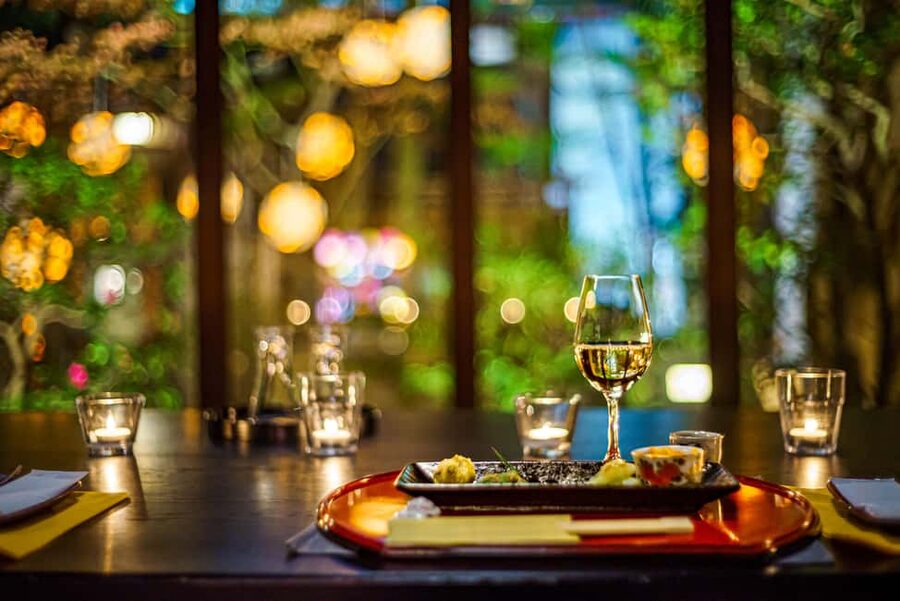
Two things I really like: the guided townhouse visit before you eat, and the garden views with soft, illuminated lighting while you dine. One possible drawback to plan around is pacing, if you like slow, step-by-step explanations, you may need to ask questions during the meal.
In This Review
- Key things to know before you go
- A Kyoto kaiseki dinner in a 140-year machiya townhouse
- Entering Tondaya, the machiya you tour before the meal
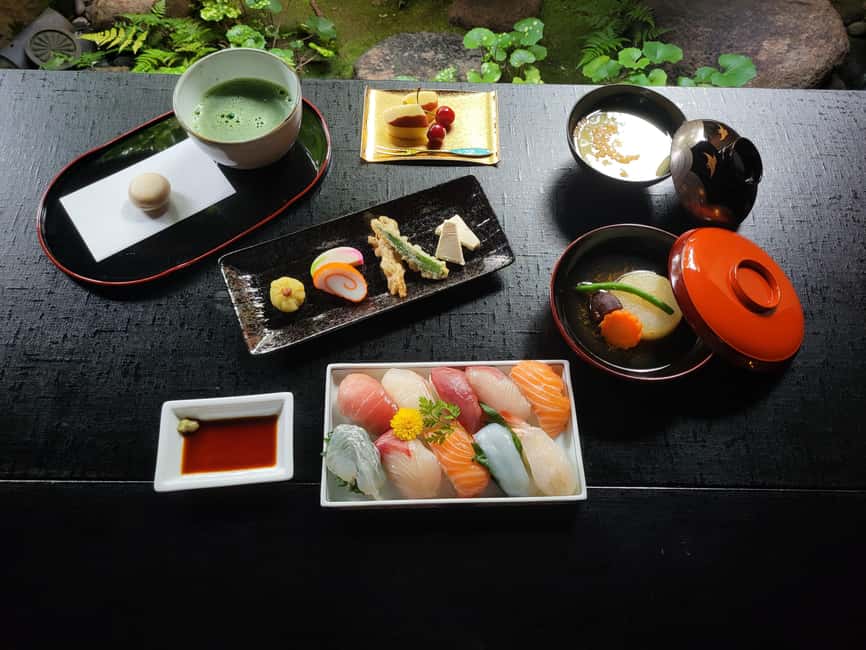
- The kaiseki meal: seasonal, multi-course, and adjusted for the occasion
- The illuminated garden view that makes dinner feel quieter
- Dietary options you can actually plan around
- Staff traditional arts, and the language reality check
- Price and value: what you get for $141 per person
- Practical do’s and don’ts in a townhouse setting
- Who should book this Kyoto kaiseki evening
- Should you book this Kyoto kaiseki dinner at Tondaya?
- FAQ
- How long is the kaiseki dinner experience?
- Where does the experience take place?
- What kind of meal is included?
- Are dietary restrictions and options available?
- Is anything else besides the meal included in the price?
- What should I wear?
- Is it wheelchair accessible?
- Is there any seasonal closure or holiday surcharge?
Key things to know before you go
- Start inside Tondaya: you tour the townhouse first, so the meal has context, not just good food.
- 140-year-old nationally registered cultural property: this is a real, protected Kyoto machiya experience.
- Seasonal kaiseki in a private-feeling room: a multi-course Kyoto dinner made for the occasion.
- Dietary options are built in: vegan, vegetarian, gluten-free, and halal options are available if requested in advance.
- Socks required, bare feet not allowed: it is a cultural setting, not a flip-flop dinner.
A Kyoto kaiseki dinner in a 140-year machiya townhouse
Kyoto is famous for food, but this experience adds something practical and emotional. You do not just eat kaiseki, you eat kaiseki in a traditional townhouse setting that is part of Kyoto’s preserved fabric.
You’ll spend about two hours from start to finish. That time is designed to feel complete: a short cultural introduction, then a multi-course meal, then a calm finish in a space lit for evening dining.
The big idea here is that kaiseki is not only about taste. It’s also about timing, presentation, and seasonal choices. The setting helps you slow down enough to notice those details without turning the evening into a formal performance.
Entering Tondaya, the machiya you tour before the meal
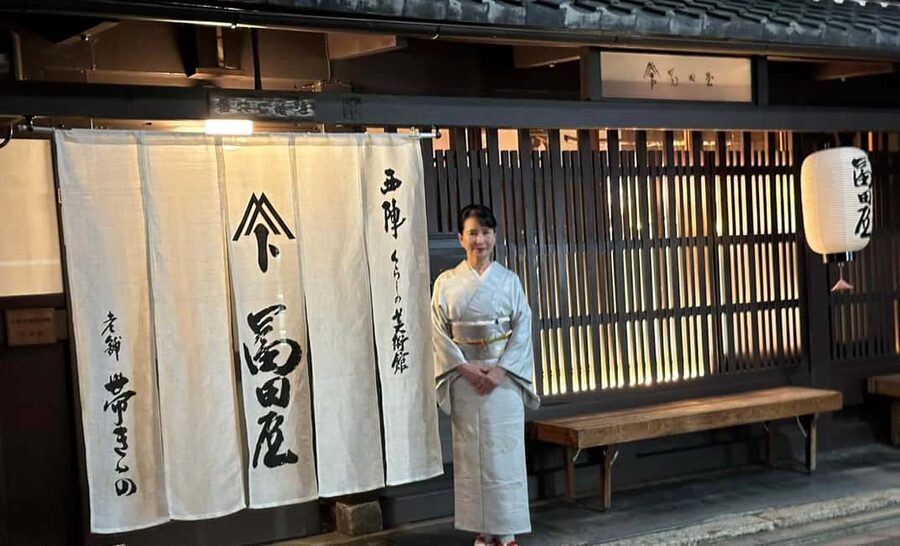
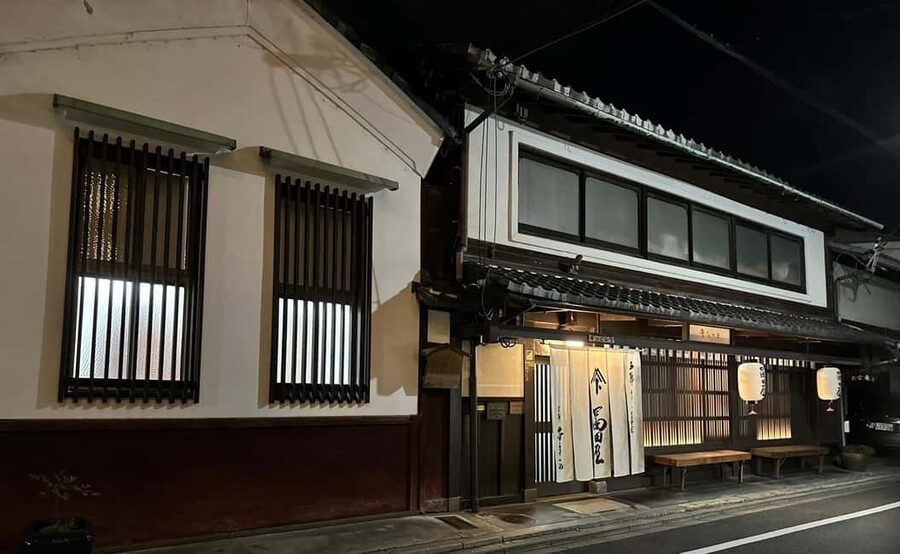
The evening starts with a guided visit to Tondaya, a machiya that is 140 years old and designated as a culturally significant property under Kyoto City Government registration.
You’ll be led through the house first, which changes the whole experience. Instead of treating dinner like a restaurant stop, you get a sense of how Kyoto townhouses were built for daily life, guests, and seasonal rhythms. The house also contains historically valuable artifacts and stories, and the team shares those as you walk through.
This order matters. By the time you sit down, you understand why kaiseki fits the space. The meal feels less random and more like a Kyoto ritual that belongs in this architecture.
If you care about hands-on context, you’ll likely enjoy that staff are trained to speak about multiple traditional arts. Based on what’s offered, topics may include kimono, tea ceremony, calligraphy, and ikebana, even if not every staff member speaks English.
Where to eat once the sun sets
- Kyoto Gion Cultural Walk & Geisha Show with Dining Options
★ 5.0 · 518 reviews - Kyoto Gion Cultural Walk & Geisha Show with Dining Options
★ 5.0 · 483 reviews - Dinner with Maiko in a Traditional Kyoto Style Restaurant Tour
★ 5.0 · 175 reviews - Kyoto: Geisha Dinner & Gion Cultural Walk
★ 5.0 · 73 reviews
The kaiseki meal: seasonal, multi-course, and adjusted for the occasion
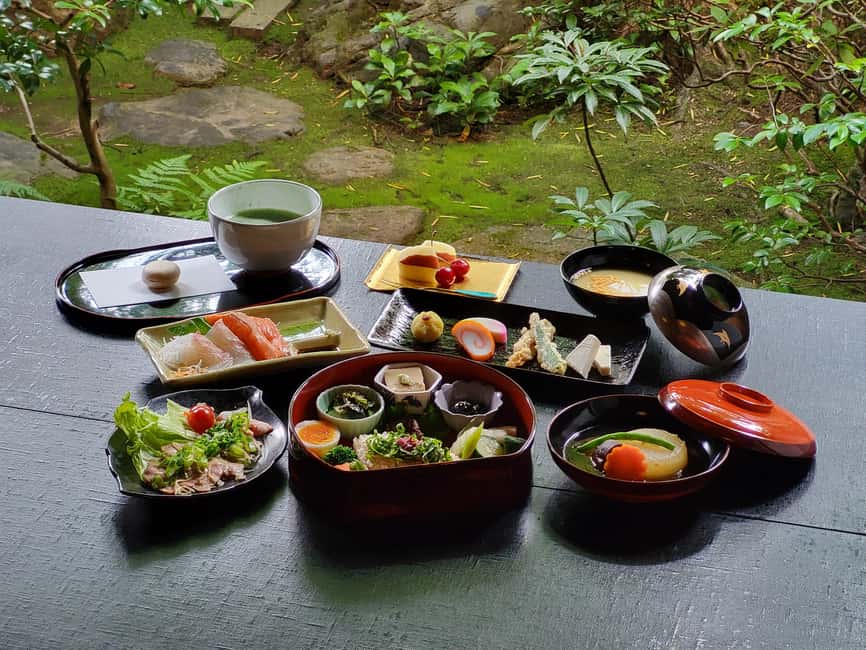
After the townhouse visit, you’ll move on to an authentic Kyoto-style kaiseki dinner prepared by a seasoned Kyoto chef.
Kaiseki is described here as a multi-course cuisine where the chef selects ingredients carefully and adjusts the menu by season and occasion. That means you can expect variety, not a one-size-fits-all meal. It also means your dinner is meant to feel like it belongs to the day you’re there, not a copy-paste menu.
A practical note: you’ll likely be sitting down for courses that are paced for a two-hour slot. In other words, it’s not a slow all-afternoon tea ceremony. If you want extra explanations about specific dishes, you’ll get the best results by asking questions early rather than waiting until the end.
One other small consideration is language. Not all staff may speak English, but an interpreter can be arranged, and a translation device may be used when necessary. That helps you follow along, but it also means your experience will depend somewhat on the language setup that evening.
The illuminated garden view that makes dinner feel quieter
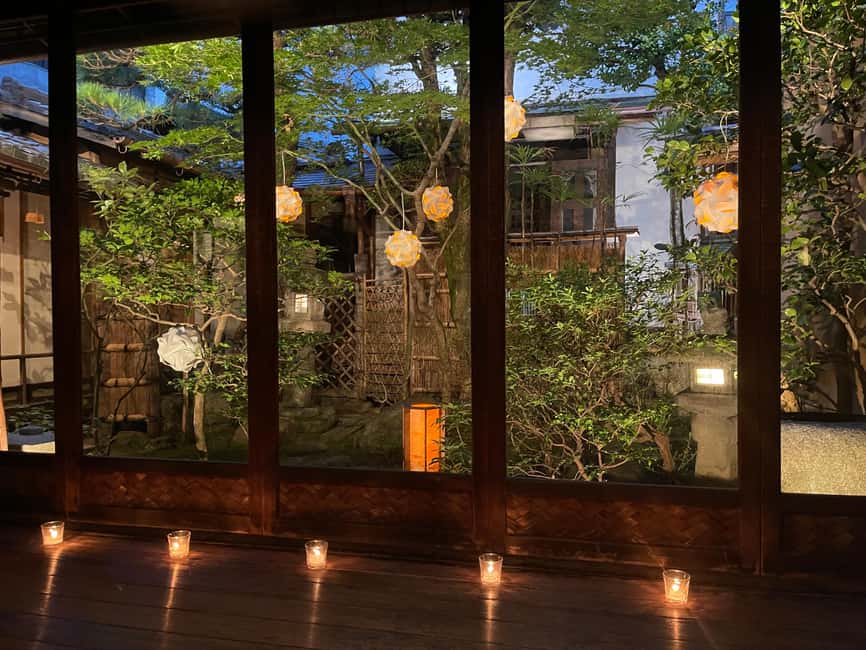
During the meal, you’ll dine while looking out at a beautifully illuminated garden.
This is where the experience leans into atmosphere in a smart way. Soft lighting and the townhouse setting do not just look pretty. They also reduce visual noise, so you can actually focus on the food and the pacing of the courses.
It’s especially nice for couples and small groups who want conversation without loud restaurant energy. For special occasions, this kind of garden view does more than add photos. It creates a calm rhythm that makes even a simple moment feel ceremonial.
Dietary options you can actually plan around
This is one of the most useful parts of the offer: you can request vegan, vegetarian, gluten-free, and halal options.
That matters because kaiseki can be challenging to adapt. Not every restaurant can adjust without losing the structure of the meal. Here, the options are explicitly offered upon request, and you’re told to inform Tondaya in advance if you have allergies or dietary restrictions.
My practical advice: send your needs clearly when you book. Use plain language for what you can and cannot eat. Also flag allergies, not just preferences, because gluten-free and vegan still have different ingredient pathways.
If you’re traveling with someone who usually struggles with Japan’s food limitations, this is a strong choice. It helps you avoid the painful dinner plan where everyone else eats and you negotiate your way through side dishes.
Staff traditional arts, and the language reality check
The staff here are not only serving food. They’re prepared to work with traditional arts like kimono, tea ceremony, calligraphy, and ikebana. Even if you do not get a full workshop, the tone is often educational rather than purely transactional.
Language is the main variable you should expect. English and Japanese are offered, and the team will try to arrange an interpreter if needed. A translation device may be used, so you can still follow explanations even when staff members are limited by language.
One tip: go in with a curious mindset and ask at least a few questions. If you’re hoping for course-by-course commentary, ask for it up front during the meal. That way you get the benefit of staff knowledge, even if your group’s language setup shifts.
More of Kyoto's centuries, explained


Price and value: what you get for $141 per person
At $141 per person, this is not a budget meal. But it is also not just a ticket to eat. The price ties to three included pieces:
- a traditional Kyoto kaiseki meal
- entrance to the cultural landmark
- a garden view during dining
Also, additional drinks are not included, so you can keep your spend under control by deciding in advance whether you want to add alcohol or other beverages.
Where the value really shows is in the combination. Many meal-only kaiseki dinners do not include a meaningful setting walkthrough. Here, the townhouse visit acts like part of the product, so you’re paying for both food and place.
If you’re the kind of traveler who cares about architecture, atmosphere, and how local traditions connect, this kind of package is often worth it. If you only care about taste and you’re fine eating in a modern restaurant, you might find cheaper kaiseki options in Kyoto. But if you want the full Kyoto feeling, the included landmark piece is the difference.
Practical do’s and don’ts in a townhouse setting
This experience has a few rules that are easy, but you want to notice them before you arrive.
First, bring socks. You cannot go barefoot. You’re also asked to refrain from wearing stockings or tights, which helps keep the floor and seating comfortable and appropriate for the space.
You’ll also want to arrive on time. The schedule is tight because the flow is structured: townhouse visit first, then dinner. Running late can shrink the time you get with both the cultural part and the meal.
Two other practical points:
- Reservations require a minimum of two participants.
- Wheelchair users are not suitable for this experience.
If you have allergies or dietary restrictions, tell Tondaya in advance. This is the kind of place where accurate prep matters more than it does at a casual restaurant.
Who should book this Kyoto kaiseki evening
This is especially good if you’re planning a special occasion dinner, a private celebration, or a business gathering where you want a setting that feels formal but not stiff.
It’s also a great fit if you like cultural context. The fact that you tour the machiya first is what makes this work for people who get bored by pure dining-only experiences.
You’ll probably enjoy it most if you:
- want a traditional Kyoto meal in a preserved townhouse
- care about atmosphere and garden views at night
- need vegan, vegetarian, gluten-free, or halal support
- are okay with a two-hour structured evening
If you need step-by-step English explanations constantly, plan to ask questions early and expect the interpreter setup to matter. And if you require wheelchair access, this one is not designed for that.
Should you book this Kyoto kaiseki dinner at Tondaya?
If you’re choosing between a quick kaiseki meal and a fully Kyoto experience, I’d lean toward booking this one. The included townhouse entry and the illuminated garden dining view make the price feel justified, not inflated.
Book it if you want a memorable dinner that ties together heritage space plus seasonal kaiseki, and you want clear dietary options handled in advance. Skip it if you only want the food and you’re not interested in the cultural property visit, or if your mobility needs require wheelchair access.
If your group has at least two people and you can handle the sock-and-tatami-style rules, this is exactly the kind of evening that turns Kyoto from a list of sights into a night you’ll remember.
FAQ
How long is the kaiseki dinner experience?
The experience duration is 2 hours.
Where does the experience take place?
It takes place at Tondaya in Kyoto, inside a 140-year-old machiya cultural property. The meeting point may vary depending on the option booked.
What kind of meal is included?
You’ll be served an authentic Kyoto-style kaiseki meal prepared by a Kyoto chef. It is a multi-course dining experience.
Are dietary restrictions and options available?
Yes. You can request vegan, vegetarian, gluten-free, and halal options. If you have food allergies or dietary restrictions, you should inform Tondaya in advance.
Is anything else besides the meal included in the price?
The included items are the kaiseki meal, entrance to the cultural landmark, and the view of the illuminated garden. Additional drinks are not included.
What should I wear?
You must wear socks and you cannot have bare feet. Avoid wearing stockings or tights.
Is it wheelchair accessible?
No. This experience is not suitable for wheelchair users.
Is there any seasonal closure or holiday surcharge?
Tondaya is closed on December 31 and January 1. From December 28 to January 5 (excluding those closed days), a 30% holiday surcharge applies to all experience fees.
Sit-Down Dining in Kyoto
New This Season
- Koyasan Day Trip by Private Car from Kyoto
- Old Port Town and Ultimate Sake Tasting Private Tour From Kyoto
- Kyoto’s Timeless Charm: 3hr Exploration of History and Peace
- Kyoto: 5 Types of Sushi Making
- Sacred Peak & Ancient Paths: Kurama-Kibune Hiking Experience
- Kyoto: Exclusive ZEN practice at Manpukuji temple in Uji
- Kyoto: Private Seasonal Aroma Yoga Class
- Traversing Kyoto’s Scenic West – Arashiyama to Kinkakuji
Dining Experiences, compared.
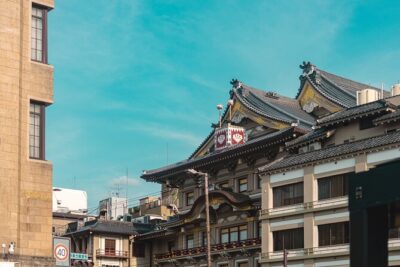
Kyoto Gion Cultural Walk & Geisha Show with Dining Options
Read our review →Kyoto Gion Cultural Walk & Geisha Show with Dining Options
Read our review →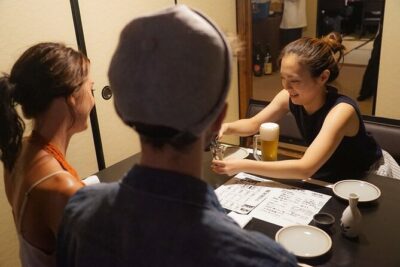
Dinner with Maiko in a Traditional Kyoto Style Restaurant Tour
Read our review →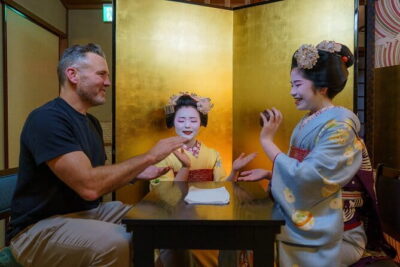
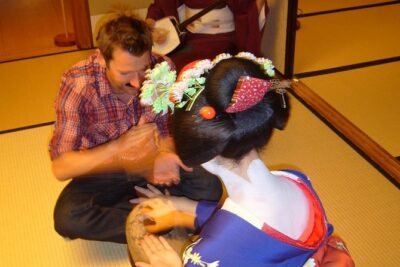
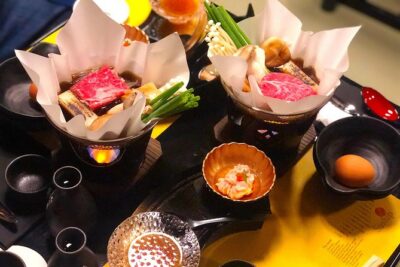
Kyoto Evening Gion Food Tour Including Kaiseki Dinner
Read our review →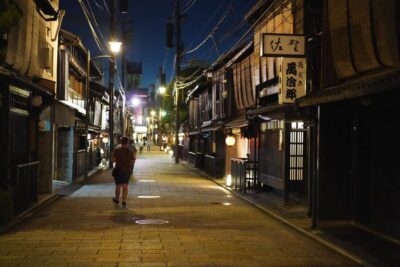
Maiko Dinner in Traditional Restaurant and Tour
Read our review →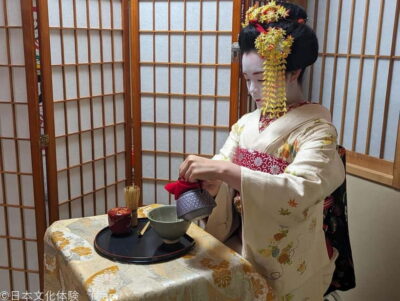
Also filed under