
Reviewed · KIYOMIZU-DERA TEMPLE VISITS
Kyoto: Kiyomizudera, Higashiyama and Yasaka Discovery Tour
Kyoto at temple-speed is a real eye-opener. In this 3-hour Kiyomizudera and Higashiyama discovery tour, I like how you get landmark sights without feeling rushed, and how the guide brings the meaning behind Kannon, peace and mercy, plus the sacred blue dragon. The main drawback to plan for is that this walk is not easy on legs, so it is not a fit if you have mobility, heart, or breathing limitations.
You start with one of Kyoto’s biggest icons and then shift into the quiet rhythm of old streets and gardens. You’ll stroll through photo-friendly lanes like Sannenzaka and Ninenzaka, then move on to Kodaiji and finish at Yasaka Shrine with a short step into Maruyama Park.
With a small group capped at 9, you can ask questions and still keep moving. Expect an English-speaking guide, entrance fees for Kiyomizudera and Kodaiji included, and snacks to take the edge off between stops.
In This Review
- Key things to know before you go
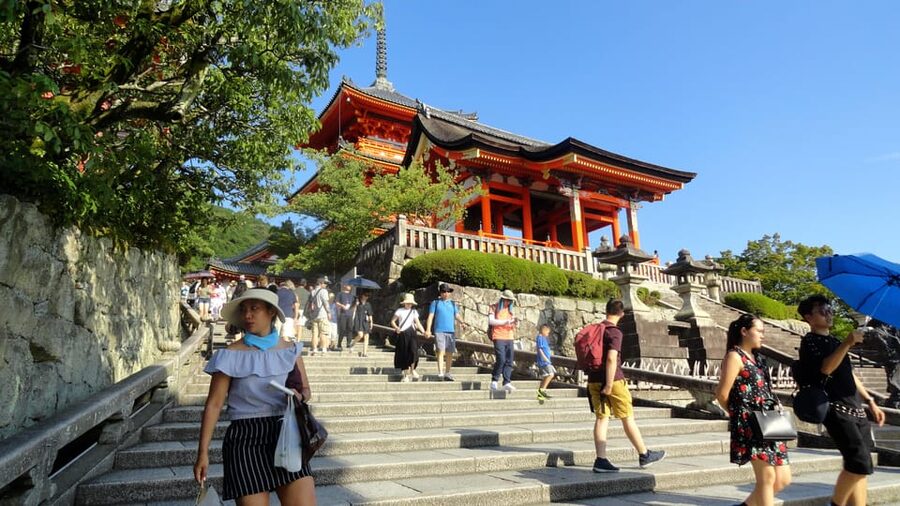
- Kiyomizudera first, with views that set the tone
- Sannenzaka, Ninenzaka, and Nene no Michi: the walk that feels like a movie
- Kodaiji Temple: Zen gardens and lavish interiors, tied to one powerful family story
- Yasaka Shrine and Maruyama Park: Shinto stories plus a gentle transition toward Gion
- Your guide can make or break the whole day
- Price and time: why $54 for 3 hours can be good value
- Logistics that matter: meeting point, finish, and what to bring
- Who this Kyoto discovery walk is best for
- Should you book this Kiyomizudera, Higashiyama, and Yasaka tour?
- FAQ
- How long is the Kyoto Kiyomizudera, Higashiyama and Yasaka Discovery Tour?
- What places does the tour visit?
- Is the tour guide available in English?
- Where do I meet the tour?
- Where does the tour finish?
- What is included in the price?
- What should I bring with me?
- Is this tour suitable for everyone?
Key things to know before you go
- UNESCO start at Kiyomizudera with time for views and key explanations
- Meaning, not just photos focused on Kannon and the sacred blue dragon
- Old-street walking along Sannenzaka, Ninenzaka, and Nene no Michi
- Kodaiji Temple context tied to Toyotomi Hideyoshi’s wife, plus gardens and interiors
- Shinto storytelling at Yasaka Shrine and a look toward Gion via the east exit
- Small group pace that leaves room for quick detours, like matcha or shopping
Kiyomizudera first, with views that set the tone
Most Kyoto temple days start with crowds. This one starts with one of the calmest ways to understand why Kiyomizudera is so famous: you go early enough to get the best of your hour there before you have to fight your way through every viewpoint.
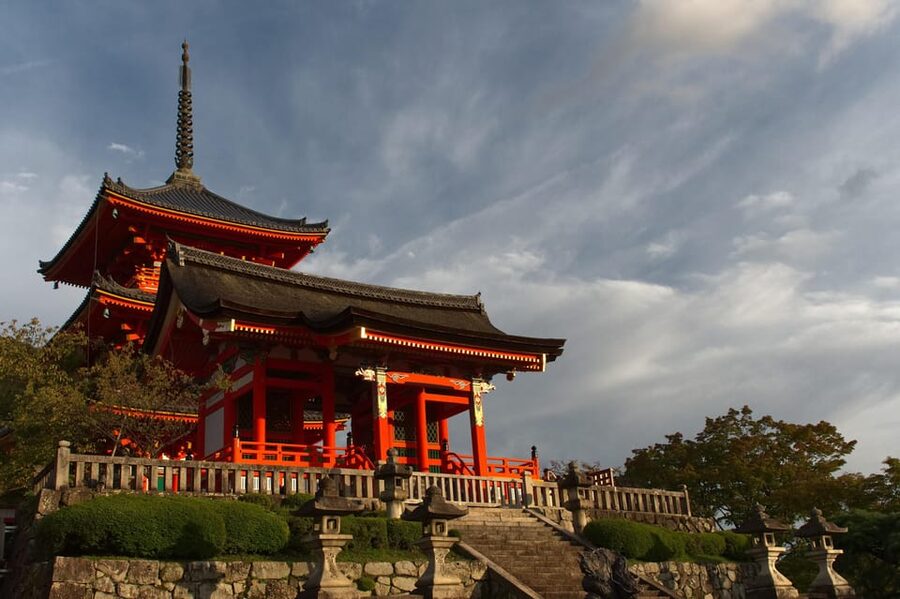
Your guide leads the time at the UNESCO site, not just a stop-and-shoot circuit. You’ll learn the meaning behind the worship there, especially Kannon, the deity of peace and mercy, and the sacred blue dragon, seiryuu. That matters because once you know what people are looking for and why, the architecture and icon details click into place.
Kiyomizudera is also about the long looks. You’ll spend time taking in the panoramic views that make the hillside setting feel dramatic, even on a day that is not perfect weather. If you’re the type who likes understanding a place before you photograph it, you’ll appreciate this structure.
Practical tip: wear comfortable shoes. The temple approach and grounds involve walking on uneven surfaces, and you will cover ground again later on the old streets.
Sannenzaka, Ninenzaka, and Nene no Michi: the walk that feels like a movie
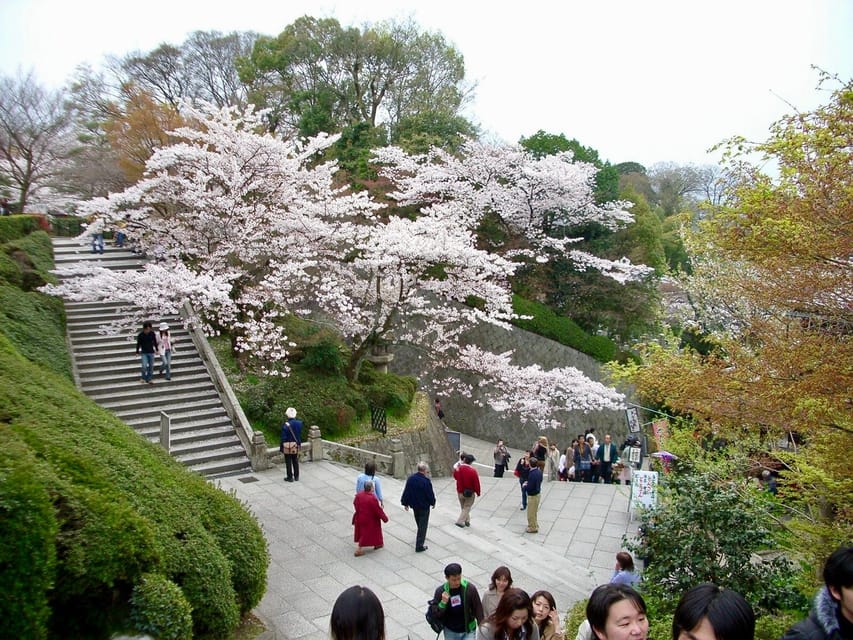
After Kiyomizudera, the tour shifts gears into a more sensory kind of Kyoto. The route pulls you through classic Higashiyama lanes, including Sannenzaka, Ninenzaka, and Nene no Michi, where the storefronts and cobbled steps create that old-town rhythm.
This is the part I like for first-time visitors because it teaches you how Kyoto neighborhoods actually flow. You’re not just seeing temple gates, you’re feeling the spacing between buildings, the curve of the street, and how people move slowly through the area.
Your guide keeps it grounded with cultural context as you go. You’ll also get photo opportunities, but with better timing than you would get on your own. Even if you are not a serious photographer, this is a good way to capture Kyoto street texture without wandering aimlessly.
One consideration: these lanes can get busy, especially near major photo spots. The advantage of a guide is that you keep your footing, follow the group, and still land on the most useful viewpoints.
The wooden stage above the hillside
- Kyoto: Tea Ceremony in a Traditional Tea House in Kiyomizu
★ 4.9 · 3,519 reviews - Kyoto: Nijo Castle, Kiyomizu & Fushimi Inari Guided Tour
★ 4.7 · 700 reviews - Kyoto: Nijo, Kinkaku-ji, Arashiyama, Kiyomizu & Fushimi Inari
★ 5.0 · 699 reviews - Kyoto Tea Ceremony & Kiyomizu-dera Temple Walking Tour
★ 5.0 · 115 reviews
Kodaiji Temple: Zen gardens and lavish interiors, tied to one powerful family story
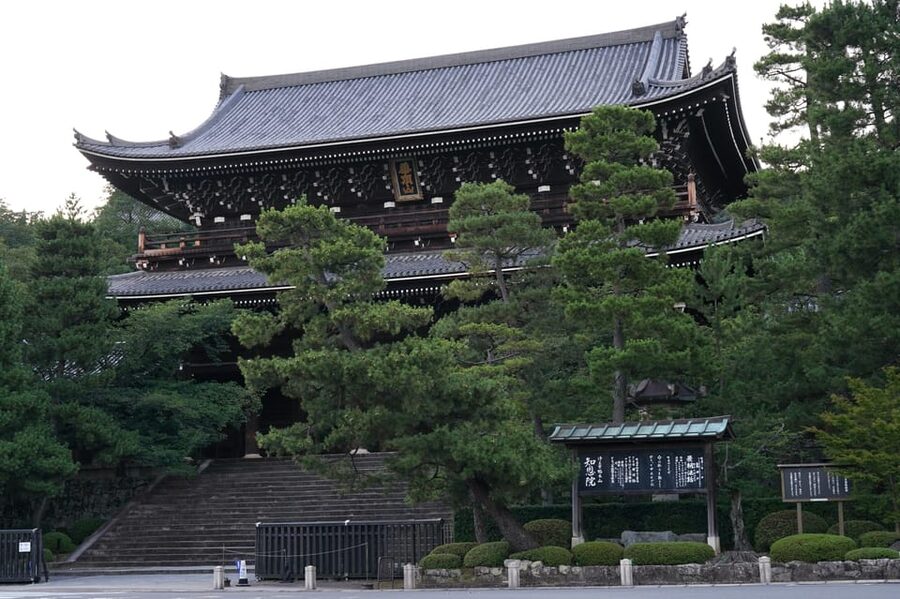
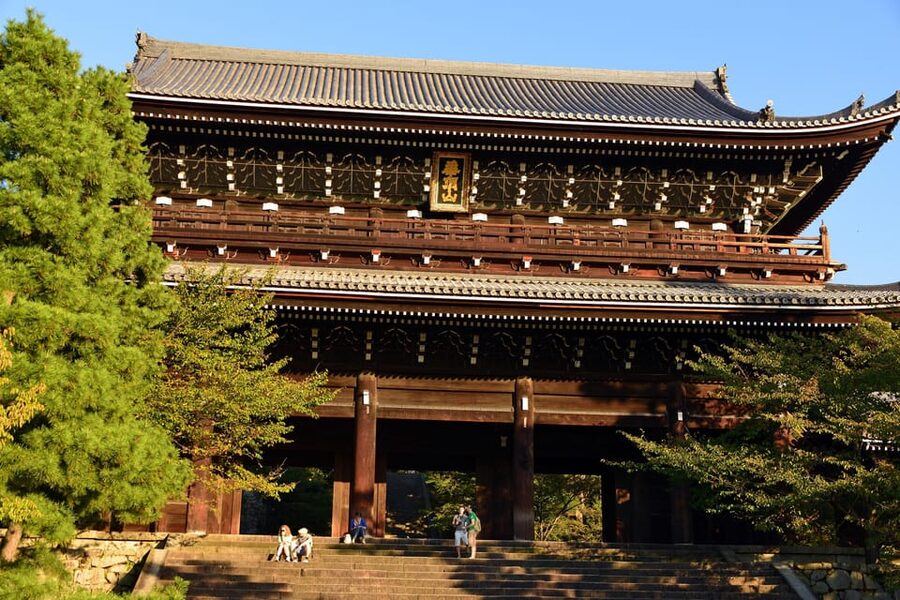
Kodaiji Temple is a smart choice in a short tour because it gives you contrast. At Kiyomizudera, the focus is broad views and big shrine energy. At Kodaiji, you get a more intimate mix of garden calm and striking interiors.
You’ll visit Kodaiji with a guide explaining why it exists in the first place: it was built in memory of Toyotomi Hideyoshi’s wife. That backstory turns the temple from just another beautiful stop into a place that holds a specific human and political moment in Kyoto’s history.
Inside and around the buildings, you’ll see the contrast that draws people in. The tour includes time to enjoy the zen gardens, and you’ll also have a look at lavish interiors. This balance is why Kodaiji tends to land well with both temple fans and architecture lovers.
How this helps you: when you understand the personal connection behind a site, you tend to notice details instead of rushing through them. In a 3-hour format, that kind of attention is the difference between collecting stamps and actually remembering places.
Practical tip: if you want photos, ask your guide when to pause. Lighting and foot traffic change quickly on temple grounds, and knowing when to stand still helps.
Yasaka Shrine and Maruyama Park: Shinto stories plus a gentle transition toward Gion
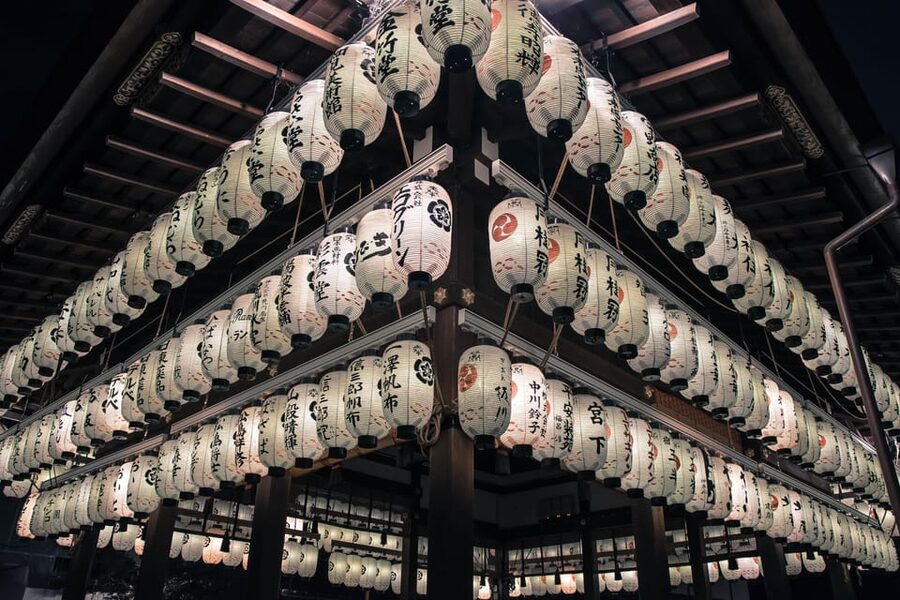
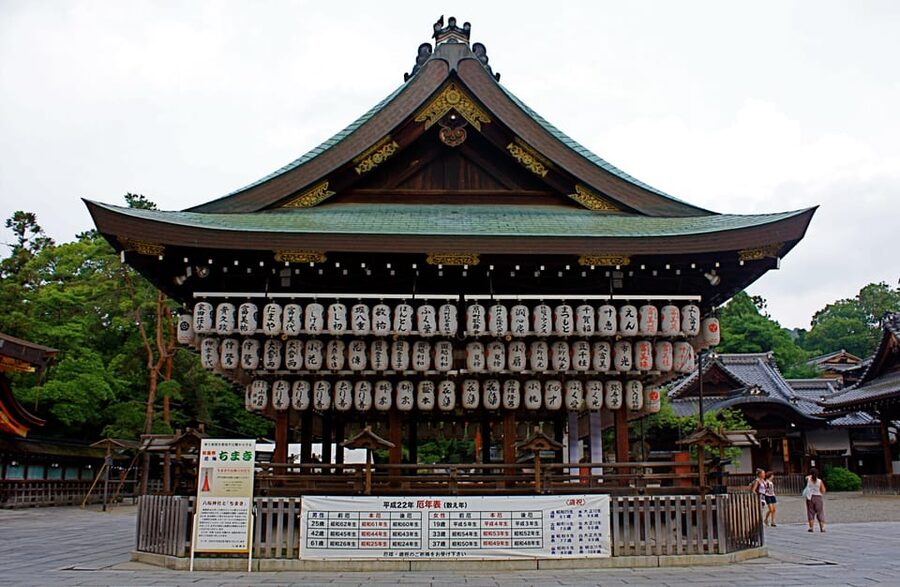
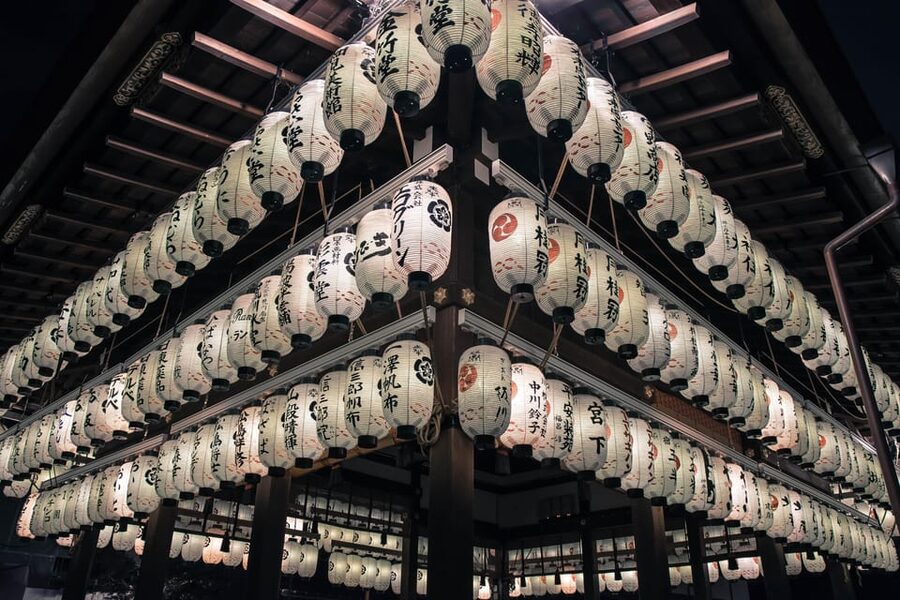
After Kodaiji, you move to the Yasaka Shrine area, one of Kyoto’s most active and meaningful Shinto hubs. Your guide leads you through the shrine grounds while sharing stories about Shinto history, culture, and practices.
This part is valuable because it is not limited to what you see. You get the “why,” which helps you interpret the rituals and the feel of the place. Even if Shinto isn’t your focus, the explanations make the shrine feel alive rather than just decorative.
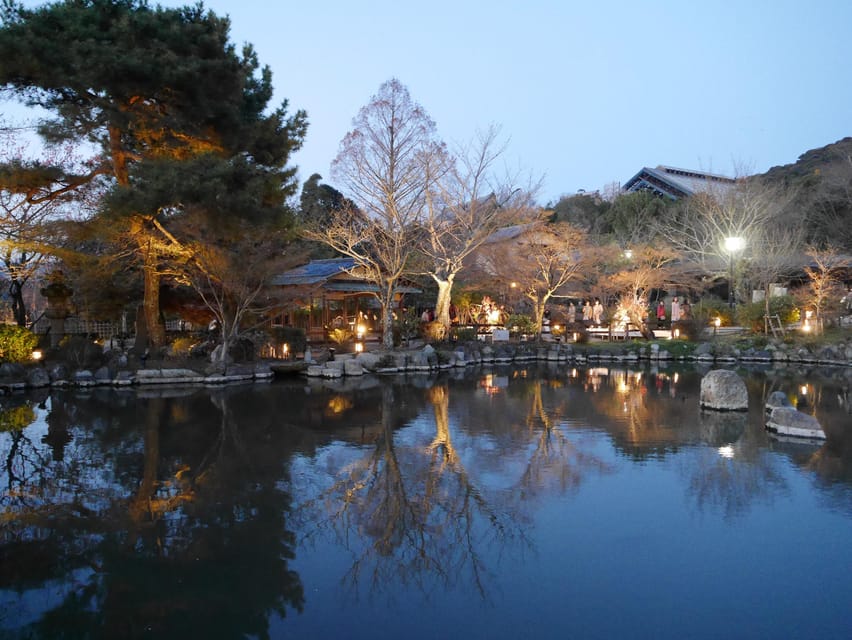
Then comes the finish move: you exit through the east and end up near Maruyama Park. If you’re traveling in cherry blossom season, you’ll understand why this area is a go-to spot. Even outside bloom time, it works as an easy transition point because you can continue exploring toward Gion at your own pace after the tour ends.
What I’d do with this ending: if you want the full evening vibe, plan to grab a bite nearby and walk slowly. You’ll already have the cultural and spatial bearings from the shrine visit.
Note: Maruyama Park is mentioned as a favorite during cherry blossom season, but you do not need blossoms for it to be useful as a landmark to reorient yourself after the tour.
Your guide can make or break the whole day
This tour’s standout feature is how much it depends on the guide. The good news is that TripGuru Japan consistently puts English-speaking guides in front of the group, and the results show in how the tour flows.
In past groups, guides have included people like Miyake, Jasmine, Yuko, Alex, and Rafael, plus others such as CC and Nobumasa Miyake. Across these examples, the common thread is a guide who makes the walk feel friendly, funny, and structured. You’re not stuck with a rigid script, either, because guides have shown flexibility for quick stops like matcha breaks or shopping detours without losing the main sights.
I also like that the tour can adapt. One group had a setup where the guide customized the route around what a family wanted to see, including an emphasis on Japanese culture and religion. That matters when you travel with different interests, or when you realize halfway through that you want more of a certain theme.
In a small group, you can actually ask follow-up questions. That’s where you learn the little cultural details that make Kyoto feel real, not just curated.
Price and time: why $54 for 3 hours can be good value
On paper, $54 per person for a 3-hour walking tour might sound like “nice but unnecessary.” Here’s why it often feels fair in Kyoto.
You’re paying for:
- An English-speaking guide for the full 3 hours
- Entrance fees for Kiyomizudera and Kodaiji Temple
- Snacks during the tour
If you tried to do this exact sequence on your own, you would still spend time figuring out routes, ticketing, and timing between stops. And you’d miss the explanations about Kannon and the sacred blue dragon at Kiyomizudera, the family memory behind Kodaiji, and the Shinto context at Yasaka Shrine.
The small group cap at 9 is also part of the value. It keeps the experience from turning into a long line of strangers. You get more guide attention per person, which is a big deal when you only have a few hours.
One caution on value: because the tour is mostly walking, you want to treat it as an activity day, not a “light sightseeing” stroll. If your energy budget is low, you might still love the sights, but you should be honest about your stamina.
A day of temples goes further with something to break it up.

Logistics that matter: meeting point, finish, and what to bring
The meeting point is a 7-Eleven near the start at 112 Tatsumichō. Look for your guide wearing a TripGuru shirt or holding a TripGuru sign. The tour finishes at Gion-Shijo Station, which is convenient if you want to keep exploring or connect to other plans.
The duration is 3 hours, and the stop times are fairly tight but workable: about an hour at Kiyomizudera, then shorter guided segments at the streets and temples, plus time at Yasaka Shrine before ending near Maruyama Park.
What to bring is simple and practical:
- Comfortable shoes
- A camera
- Cash
If you’re sensitive to crowds, plan to keep your pace steady. A guide helps with this, but the area around major temples can still be busy. Your best strategy is to stay flexible with photo timing.
Also, this tour is not suitable for pregnant women, people with mobility impairments, people with heart problems, or people with respiratory issues. That’s worth taking seriously before you book, because the walk and standing time add up.
Who this Kyoto discovery walk is best for
This is a great match if you want an efficient taste of Higashiyama with meaning built in. It’s especially good for:
- First-time Kyoto visitors who want a strong hit list without planning every ticket and route
- People who enjoy learning what religious symbols and temple stories mean
- Travelers who prefer a guide-led pace with time for questions and photos
If you already know Kyoto really well and hate group pacing, you might feel constrained by the guided time structure. But if your goal is to cover the classics and understand them quickly, this tour hits the sweet spot.
Should you book this Kiyomizudera, Higashiyama, and Yasaka tour?
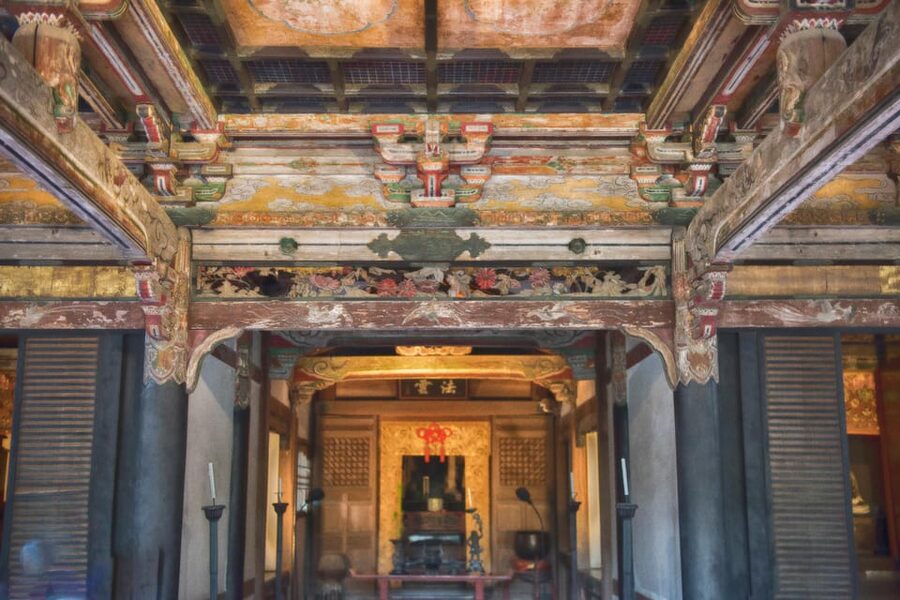
I’d book it if you want a guided 3-hour plan that combines UNESCO Kiyomizudera, old streets like Sannenzaka and Ninenzaka, and a Shinto-rich ending at Yasaka Shrine. The price feels more reasonable when you factor in entrance fees for two temples, snacks, and an English guide who can explain the religious context in plain language.
Skip it or choose a different format if you have limited mobility or medical concerns that make walking and standing difficult. Also be realistic: the tour is short, so it is not trying to replace a full-day temple marathon.
If you can handle the walking and you want a tight, story-driven Kyoto sampler, this one is an easy yes.
FAQ
How long is the Kyoto Kiyomizudera, Higashiyama and Yasaka Discovery Tour?
The tour lasts 3 hours.
What places does the tour visit?
You visit Kiyomizudera Temple, the streets of Sannenzaka, Ninenzaka, and Nene no Michi, Kodaiji Temple, and Yasaka Shrine. You also end near Maruyama Park.
Is the tour guide available in English?
Yes, the tour is guided in English.
Where do I meet the tour?
You meet at a 7-Eleven at 112 Tatsumichō. Look for a guide wearing a TripGuru shirt or holding a TripGuru sign.
Where does the tour finish?
The tour finishes at Gion-Shijo Station.
What is included in the price?
The price includes an English-speaking tour guide, entrance fees for Kiyomizudera and Kodaiji, and snacks.
What should I bring with me?
Bring comfortable shoes, a camera, and cash.
Is this tour suitable for everyone?
No. It is not suitable for pregnant women, people with mobility impairments, people with heart problems, or people with respiratory issues.
If you want, tell me your travel dates and whether you’re going for cherry blossoms or autumn light. I can suggest a smart plan for what to do before and after the tour around your finish point.
New This Season
- Koyasan Day Trip by Private Car from Kyoto
- Old Port Town and Ultimate Sake Tasting Private Tour From Kyoto
- Kyoto’s Timeless Charm: 3hr Exploration of History and Peace
- Kyoto: 5 Types of Sushi Making
- Sacred Peak & Ancient Paths: Kurama-Kibune Hiking Experience
- Kyoto: Exclusive ZEN practice at Manpukuji temple in Uji
- Kyoto: Private Seasonal Aroma Yoga Class
- Traversing Kyoto’s Scenic West – Arashiyama to Kinkakuji
Kiyomizu-dera Temple Visits, compared.
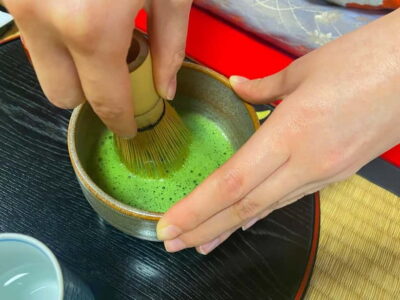
Tea Ceremony in a Traditional Tea House in Kiyomizu
Read our review →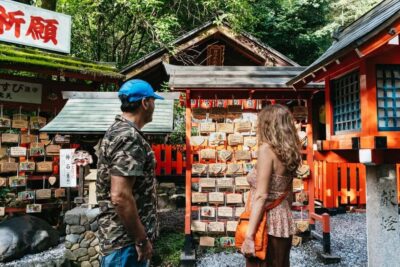
Nijo Castle, Kiyomizu & Fushimi Inari Guided Tour
Read our review →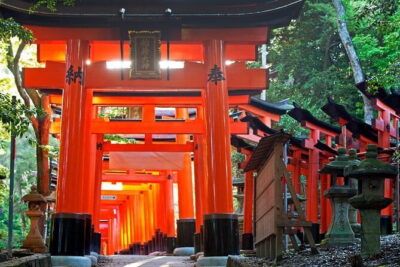
Nijo, Kinkaku-ji, Arashiyama, Kiyomizu & Fushimi Inari
Read our review →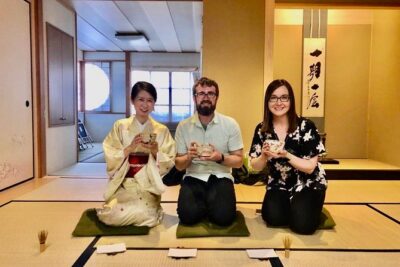
Kyoto Tea Ceremony & Kiyomizu-dera Temple Walking Tour
Read our review →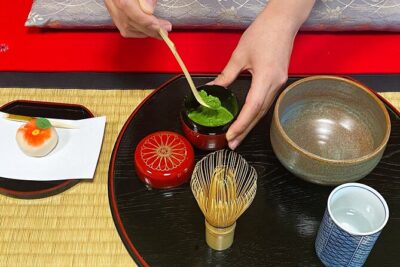
Kyoto Kiyomizu Tea Ceremony with Scenic Garden Views
Read our review →
Kimono/Yukata Rental 5 Minute from Kiyomizu-dera
Read our review →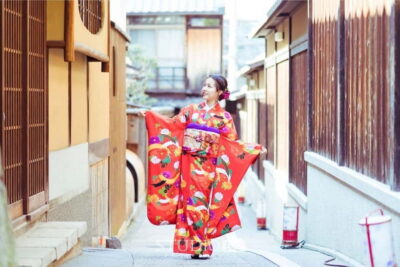
Kyoto Gion Kiyomizudera Kimono Yukata Hairstyle | Photoshoot
Read our review →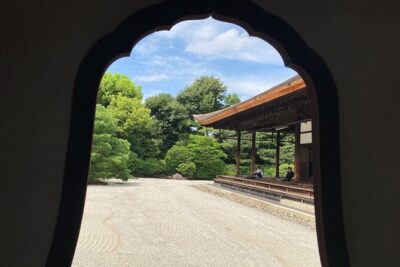
Kiyomizu Temple and Backstreets of Gion, Half Day Group Tour
Read our review →Also filed under