
Reviewed · GION GEISHA QUARTER WALKS
Kyoto Night All-Inclusive Eats and Streets, Gion and Beyond
Night in Gion is where Kyoto starts to feel grown-up. This 3-hour, small-group dinner walk mixes Yasaka Jinja at night with Gion and Ponto-cho street scenes, plus a full meal across two quality local restaurants. You get a guide fluent in your language and Japanese, so you’re not just sightseeing, you’re decoding the neighborhood.
The biggest win is how carefree it feels: you’re walking with a small crew of no more than 6, and food plus two drinks are included. One thing to think about first is that it involves walking on uneven streets, and some restaurants can allow smoking indoors, which matters if you’re sensitive.
In This Review
- Key things that make this Kyoto night tour worth it
- Why Gion after dark feels like a different Kyoto
- Meeting at Minamiza Theater, and why the small group matters
- Yasaka Jinja at night: what you will actually notice
- Gion streets and the geisha district, explained with real etiquette
- Kamo River walking time, for the breather between meals
- Two restaurants and a Japanese-style tapas rhythm
- Kobe beef option, if you book early enough
- Ponto-cho by night, and why the second stop is where it clicks
- Price and value: what $92 buys you in Kyoto at night
- Practical tips for a smooth night in Gion
- Should you book this Kyoto night eats tour?
- FAQ
- How long is the Kyoto Night All-Inclusive Eats and Streets tour?
- What is the group size?
- Where does the tour meet?
- What’s included in the price?
- Are there options for Kobe beef?
- What should I bring?
- What languages are offered for the guide?
- What is the cancellation policy and payment flexibility?
Key things that make this Kyoto night tour worth it
- Small group size (up to 6) keeps it personal and easier to ask questions
- Yasaka Jinja in the evening for that calm, lantern-lit shrine mood
- Gion and the geisha district explained with practical etiquette and context
- Two separate restaurant stops instead of one meal, so you taste a wider range
- Food-and-drink included: a full dinner plus two drinks (alcoholic or non-alcoholic)
- Kobe beef option available if you book at least 10 hours ahead
Why Gion after dark feels like a different Kyoto
Daytime Gion is famous. Nighttime Gion is intimate. The streets get quieter, the light changes, and the whole area shifts from daytime views to evening atmosphere. You’ll see traditional shrine space at Yasaka Jinja, then glide into the lanes where you can still spot the old Kyoto rhythm even while the district functions as a modern nightlife zone.
This is the kind of tour that helps you read what you’re seeing. With a guide, you’re not left wondering what all the signs, side streets, and role-related details mean. The stories also make it easier to feel respectful while you enjoy the spectacle.
I like that you get a real walking route rather than a quick photo stop then back to the hotel. You’ll move through multiple neighborhoods that connect naturally: Gion, Kamo River area, and Ponto-cho.
The other reason I think this works is pacing. It’s only 3 hours. That’s long enough for two restaurants and a meaningful shrine-and-streets walk, but short enough that you’re not dragging by the end.
Meeting at Minamiza Theater, and why the small group matters
You meet right at street level in Gion, in front of Minamiza Theater, near Gion Shijo Station exit 6. That’s a good setup because you’re starting in the middle of the action. It also means you can usually find your way there without a complicated transit puzzle.
The group size is capped at no more than 6 participants. That changes the vibe. In a big group, you watch and move along. In a small group, the guide can slow down when someone asks a question. You also tend to feel more relaxed in restaurants, where seats and order timing can get tight in Kyoto.
Language support is another practical plus. The guide is available in Spanish, French, or English, and you’ll also get explanations tied to Japanese context. If you’ve ever felt stuck because you don’t know what to ask, this format solves that.
Wear comfortable shoes. This is not the kind of night tour where you hop on and off a bus. You’re walking through narrow streets and evening streetscapes, which is exactly what you want, just plan your feet for it.
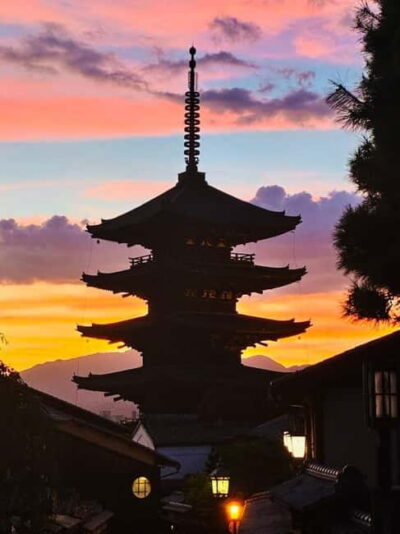
Lantern-lit streets of the geisha quarter
- Kyoto Geisha Walking Tour: Gion District & Hidden Gems
★ 4.7 · 3,273 reviews - Kyoto: Gion Magical Night Walking Tour with Geisha Trivia
★ 4.9 · 2,393 reviews - Kyoto: Gion Geisha District Walking Tour – Stories of Geisha
★ 4.7 · 2,187 reviews - Best of Kyoto: Gion, Geisha, Pagodas & Cobblestones
★ 4.9 · 2,058 reviews
Yasaka Jinja at night: what you will actually notice
Yasaka Shrine is one of the Kyoto places that looks better as the sun goes down. At night, the shrine’s atmosphere turns more reflective. You get a guided walk and a chance to look at details you might miss in the daytime rush.
On this kind of stop, I pay attention to two things: how people behave and how the space is used. You’ll be shown around in a way that makes it feel grounded, not like a checklist. And because the tour stays light and fun, you’re not stuck in a lecture while everyone else is trying to get photos.
After Yasaka Jinja, you transition into Gion. That contrast is part of the value. You don’t go from temple quiet straight into a random restaurant. You connect the dots: shrine space, neighborhood life, and the evening entertainment district all sit close enough to feel like one story.
Gion streets and the geisha district, explained with real etiquette
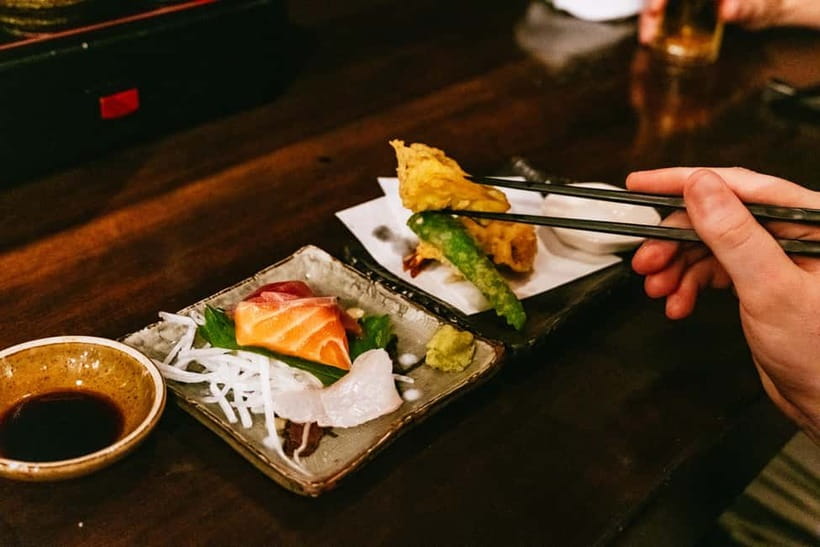
Gion is often described as if it’s stuck in time. It’s not. It’s a living neighborhood with traditions and modern life side by side. That’s why a guide helps so much: you learn how to look without staring, and how to understand what the area is, not just what it’s famous for.
This tour is designed to show you Gion as you walk it, including the explanations about the geisha district and how people navigate social customs in these areas. The tone is described as light and fun, but the cultural mores are still the point.
A practical benefit is that you’ll know where you are. When you understand why certain streets exist, or why people act a certain way nearby, it stops feeling like a maze and starts feeling like a neighborhood with logic. The guide also helps you notice small features along the route, which is exactly what makes an evening walk more than just movement.
And yes, Gion also has nightlife energy. That’s why the tour balances scenes: historic and entertainment district, both included, and you learn what to watch for without getting overwhelmed.
Kamo River walking time, for the breather between meals
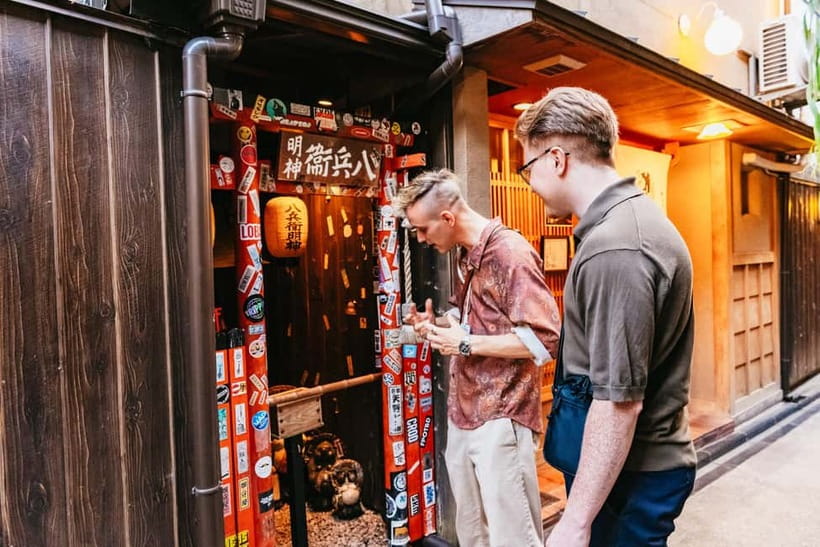
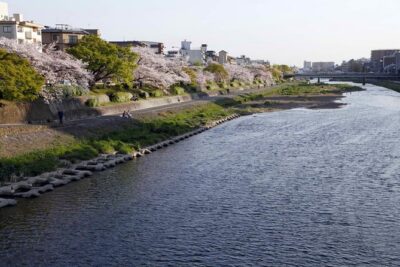
Between the shrine-and-streets sections and the restaurant stops, you spend time around the Kamo River area. That’s more than just a transfer route. At night, the river edge can give you a calmer moment in the evening flow.
I like this part because it keeps the evening from turning into constant crowd pressure. You get a guided walk, which means you’re still learning, but the overall mood shifts to something slower than the densest streets in Gion.
If you’ve never walked Kyoto at night, this is where you start to feel the city’s pace. You stop thinking about landmarks and you start thinking about atmosphere: the way the neighborhood lights reflect, the spacing of streets, and how the walk route ties different parts of the evening together.
Two restaurants and a Japanese-style tapas rhythm
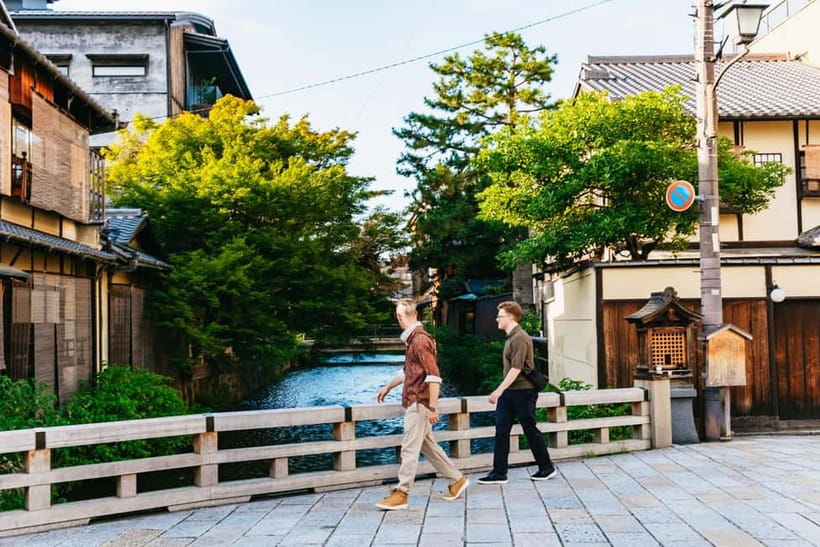
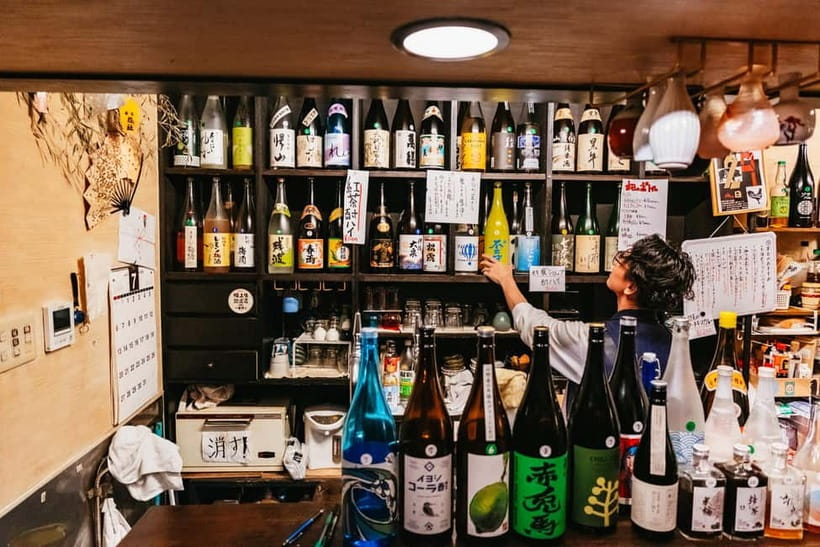
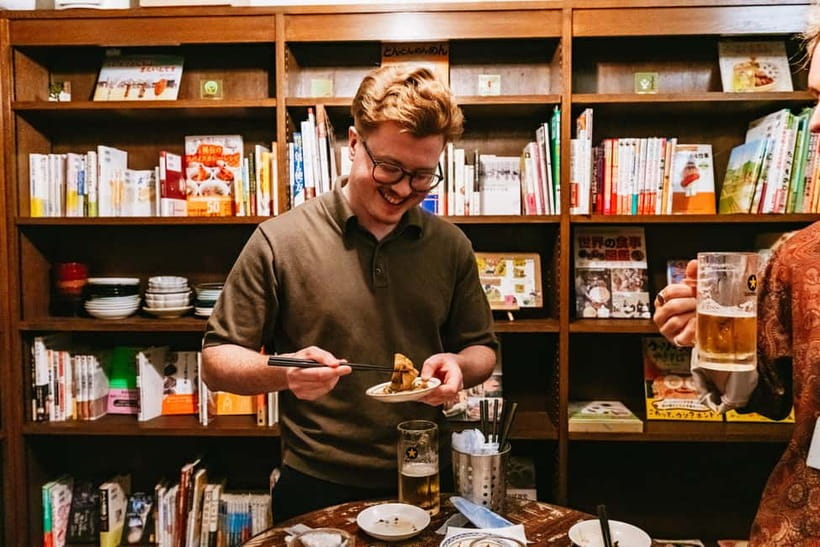
This tour builds your dinner across two quality local restaurants, with a full dinner feel rather than a single stop where you sit and wait. The structure is basically Japanese tapas style: multiple small dishes so you can try more than one flavor direction.
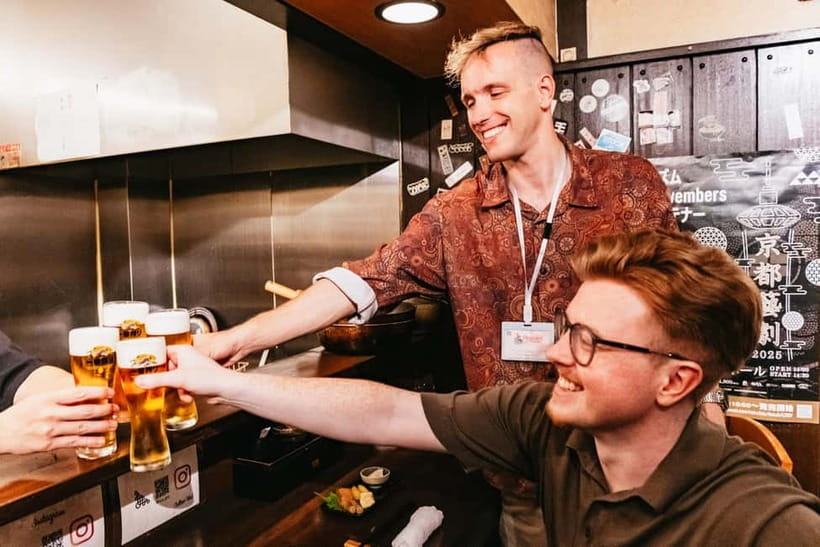
You also get two drinks included across the evening. Drinks can be alcoholic or non-alcoholic, depending on what you choose. This matters because it takes decision fatigue off your plate. You’re focused on tasting and asking questions instead of trying to interpret menus in the middle of the night.
One detail I think you should know: the portions are often described as tapas-like. That’s not a flaw by default. It means you get variety. But if you’re someone who needs a big, single-course meal to feel satisfied, you might want to plan for that mindset change. The tour is still described as filling for most people, just in a tasting sequence rather than one heavy finale.
Restaurant order can also be a group game. In small groups, the guide can help manage sharing plates and sampling across the group so you don’t all end up with the same item.
A quieter way to spend a day in Kyoto


Kobe beef option, if you book early enough
There’s an upgrade possibility: a Kobe (or nearby sourced) beef option. But it’s not a last-minute add-on. The information says it requires booking at least 10 hours in advance. If you want this, make the choice early, not on arrival.
Ponto-cho by night, and why the second stop is where it clicks
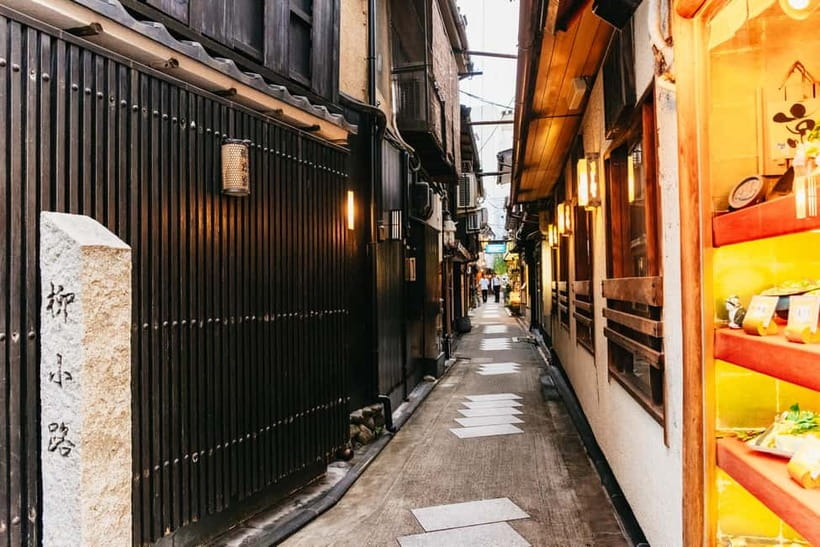
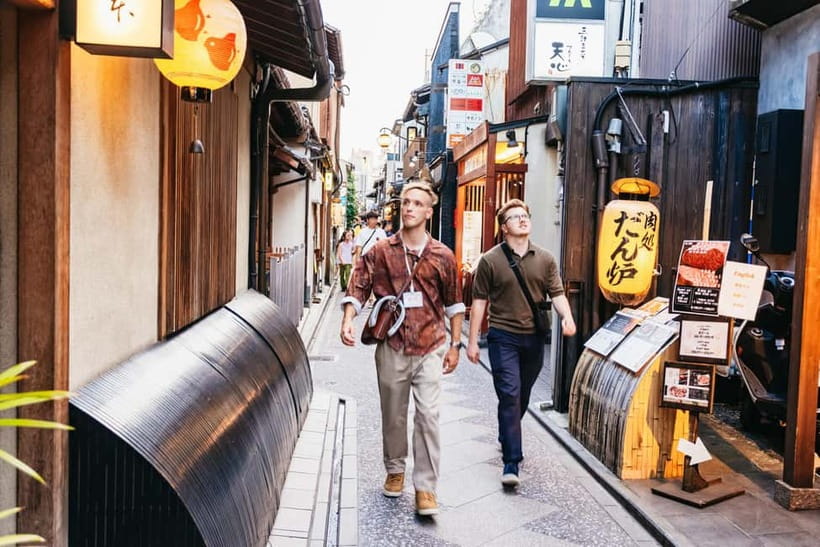
Ponto-cho is the evening counterpart to so many Kyoto daytime images. It has that “you’re in the right place at the right time” feeling, especially at night when the street character becomes the main event.
On this tour, you’ll get guided time in Ponto-cho, then a second local restaurant stop. The goal here is range. The evening is not just about repeating the same style of food twice. You’re learning how Kyoto’s restaurant scene changes street to street, and how drinks and dishes fit into different neighborhood vibes.
In reviews, many people praise the fact that these are places they wouldn’t find alone. That’s not magic. It’s local knowledge: which lanes to walk into, which kinds of small eateries suit a group tasting format, and how to order so you actually get variety.
There’s also a real-world caution. Some people mention smoking being allowed indoors at one of the restaurants. If smoke bothers you, bring it up beforehand and consider how sensitive you are to indoor smoke in small bars. It can make the difference between a fun evening and an unpleasant one.
Price and value: what $92 buys you in Kyoto at night
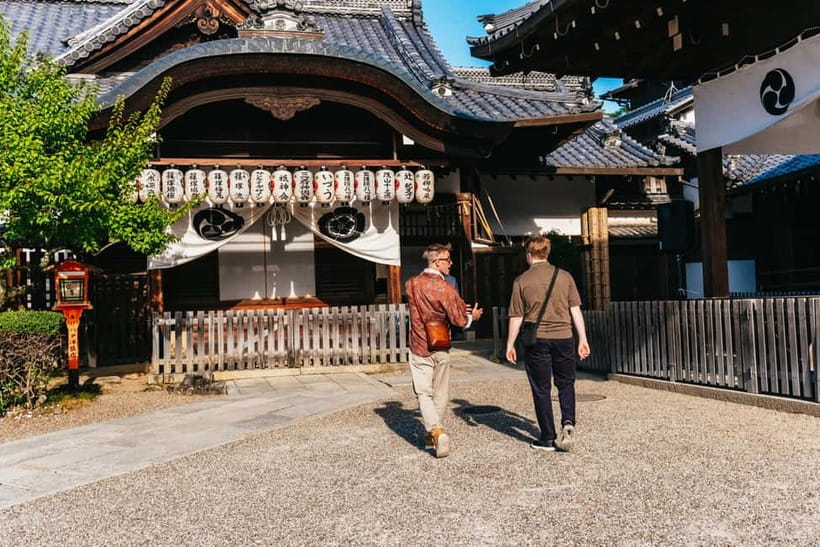
At $92 per person for about 3 hours, you’re paying for more than food. You’re paying for time with a guide, the guided route through key districts, and the meal structure.
Here’s what you’re getting:
- A full dinner across two restaurants
- Two drinks included (alcoholic or non-alcoholic)
- Gratuities included, with tipping not being the custom in Japan
- A small group and a guide fluent in Spanish, French, or English
For value, I look at what it would cost if you did it solo. In Kyoto, a guided walk with two well-chosen restaurant stops is hard to replicate cheaply, and trying to negotiate multiple tastings on your own often adds up fast. Also, you’re not stuck guessing where to go in the evening when neighborhoods can feel confusing once it’s dark.
The timing is a bonus. 3 hours keeps it efficient for first-timers, and it fits easily into a Kyoto itinerary without forcing a full night out.
You do have a tradeoff: extra drinks cost extra. If you’re the type who likes to order freely, set a budget in your head so you don’t feel surprised.
Practical tips for a smooth night in Gion
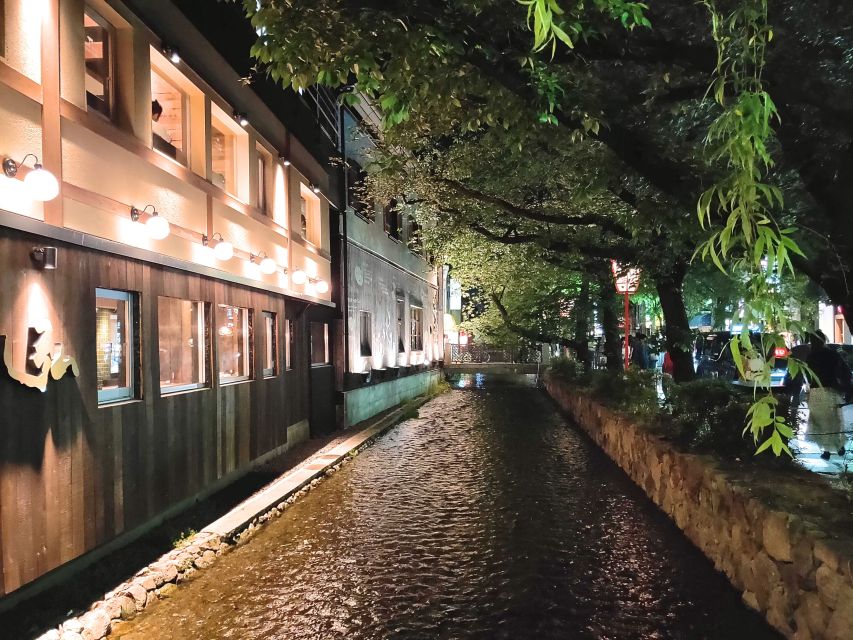
This tour is set up to be easygoing. Your job is mostly comfort and preferences.
- Bring comfortable shoes. Expect walking on uneven sidewalks and narrow lanes.
- If you want the Kobe beef option, book early because it needs at least 10 hours notice.
- The menu is described as a sample, with seasonal changes and restaurant availability affecting the exact dishes.
- If you have dietary needs, the provided info says the tour can accommodate people with restrictions, but you should still communicate them clearly in advance so the restaurants can plan appropriately.
- If you’re smoke sensitive or pregnant, take the smoking note seriously and ask the operator ahead of time. Some stops can allow smoking indoors, and that’s not ideal for everyone.
Who is this best for? First-time Kyoto visitors who want a guided introduction to Gion and the geisha district. Also good for people who like food tourism but don’t want the pressure of picking restaurants on their own. If you enjoy meeting other people, the small group makes it easy to chat without feeling stuck in a forced icebreaker.
Who should skip it? The information says it is not suitable for people with mobility impairments and not for children under 18.
Should you book this Kyoto night eats tour?
I’d book it if you want an evening that combines respectful cultural context with a real food plan. Two restaurant stops, two drinks included, and a guide who can explain what you’re seeing makes the experience feel simple, even if Gion is complicated on your own.
I’d think twice if you need a no-walking plan, have mobility limits, or are very sensitive to smoke indoors. The pace is active, and smoking at a restaurant stop is a real factor based on past experiences.
If you can handle an evening walk and you’re excited to try multiple bites in local places, this is a solid use of your Kyoto night. It’s a focused experience, not a random night out, and it gives you a clearer sense of Gion and Ponto-cho than you’ll get from wandering alone.
FAQ
How long is the Kyoto Night All-Inclusive Eats and Streets tour?
It runs for about 3 hours.
What is the group size?
It’s a small group with a maximum of no more than 6 participants.
Where does the tour meet?
Meet in front of Minamiza Theater at street level of Gion Shijo Station exit 6.
What’s included in the price?
You get a full dinner across two restaurants, two drinks (alcoholic or non-alcoholic), and gratuities are included. Tipping is not the custom in Japan.
Are there options for Kobe beef?
Yes. A Kobe (or nearby sourced) beef option is available if you book at least 10 hours in advance.
What should I bring?
Plan on comfortable shoes, since the tour involves walking.
What languages are offered for the guide?
Guides are available in Spanish, French, and English.
What is the cancellation policy and payment flexibility?
Free cancellation is available up to 24 hours in advance for a full refund. You can also reserve now and pay later.
New This Season
- Koyasan Day Trip by Private Car from Kyoto
- Old Port Town and Ultimate Sake Tasting Private Tour From Kyoto
- Kyoto’s Timeless Charm: 3hr Exploration of History and Peace
- Kyoto: 5 Types of Sushi Making
- Sacred Peak & Ancient Paths: Kurama-Kibune Hiking Experience
- Kyoto: Exclusive ZEN practice at Manpukuji temple in Uji
- Kyoto: Private Seasonal Aroma Yoga Class
- Traversing Kyoto’s Scenic West – Arashiyama to Kinkakuji
Gion Geisha Quarter Walks, compared.
Kyoto Geisha Walking Tour: Gion District & Hidden Gems
Read our review →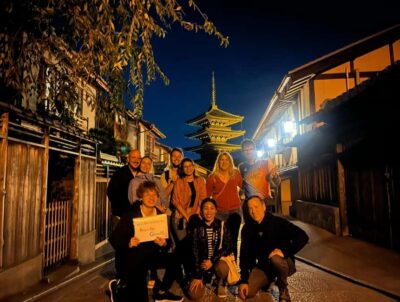
Gion Magical Night Walking Tour with Geisha Trivia
Read our review →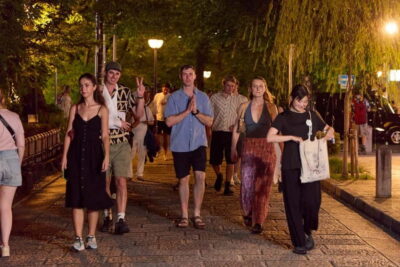
Gion Geisha District Walking Tour – Stories of Geisha
Read our review →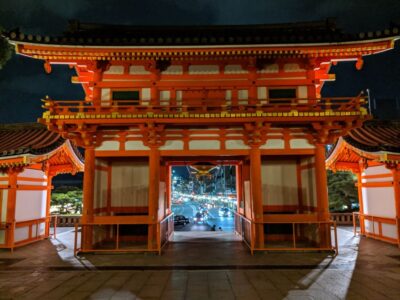
Best of Kyoto: Gion, Geisha, Pagodas & Cobblestones
Read our review →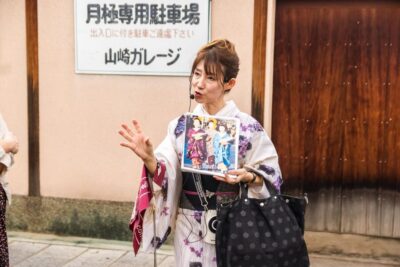
Kyoto Night Foodie Tour in Gion (9+ dishes + 6 Sake tastings)
Read our review →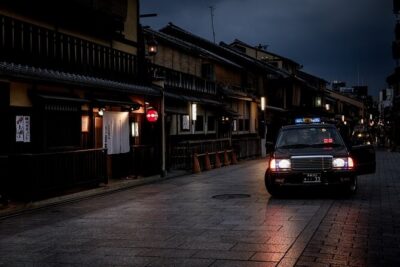
Kyoto Gion Geisha District Walking Tour – The Stories of Geisha
Read our review →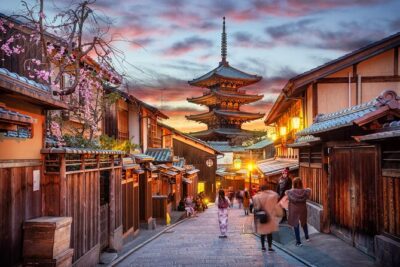
Kyoto Gion: 2-Hour Geisha Culture & History Walking Tour
Read our review →Also filed under