
Reviewed · NARA & DEER PARK DAY TRIPS
Kyoto, Osaka, Nara Private Tour by Car English Driver Guide
Kyoto in a car beats the chaos. This private day trip is a smart way to hit the big sights in Kyoto, Osaka, or Nara without wrestling transit. I especially liked the WiFi on board (use it for maps and messages) and the meet-and-greet pickup that keeps your day moving. One drawback to plan for, some drivers are more hands-on with explanations than others, so you should be clear about how much guiding you want.
What makes this tour work well is its structure. You get a full, hour-by-hour style route with an English-speaking driver to move you between stops, plus air-conditioned comfort for the between-sight gaps. If you want maximum sightseeing with minimum stress, this is the kind of day where the driver matters as much as the temples.
You’ll also want to budget time for walking. The route can be full, and entry fees and any rides are on you. When the day is rainy, some stops may shift or run differently, which is where good communication pays off.
In This Review
- Key things I found most useful
- How the private car day really feels between Kyoto, Osaka, and Nara
- Price and value: why $660.51 per group can make sense
- Kyoto itinerary: Arashiyama to Gion to Nishiki Market
- Arashiyama (about 1 hour)
- Kinkaku-ji (Golden Pavilion) (about 1 hour)
- Kiyomizu-dera (about 1 hour)
- Fushimi Inari-taisha (about 1 hour)
- Gion (about 1 hour)
- Sanjusangendo Temple (about 1 hour)
- Ginkaku-ji (Silver Pavilion) (about 1 hour)
- Nishiki Market (about 1 hour)
- Nara day plan: Deer Park, Todai-ji, Kasuga, and Naramachi
- Deer Park (about 1 hour)
- Todai-ji and Nigatsudo Kuden (about 1 hour each in the plan)
- Wakakusayama Hill (about 1 hour)
- Horyu-ji (about 1 hour)
- Kasuga Taisha Shrine (about 1 hour)
- Shinyakushiji Temple (about 1 hour)
- Naramachi street (about 1 hour)
- Osaka route that balances big sights and quick breaks
- Osaka Castle (about 1 hour)
- Shitennoji (about 1 hour)
- Dotonbori (about 1 hour)
- Sumiyoshi Taisha Shrine (about 1 hour)
- Sakai City Hall Observatory Flour (about 1 hour)
- Daisen Park (about 1 hour)
- The English guide part: what you should expect, and what to ask
- Staying on schedule without feeling trapped
- Who this tour fits best in Kansai
- Should you book this Kyoto, Osaka, or Nara private car tour?
- FAQ
- What is the duration of the Kyoto, Osaka, Nara private car tour?
- How many people can be included in one booking?
- Is WiFi provided during the tour?
- What is included in the price?
- Are temple and other attraction entry fees included?
- Can I choose Kyoto, Osaka, or Nara for the day?
Key things I found most useful
- Private car for up to 6 means you can keep your group together and avoid transit crowding
- WiFi on board helps you confirm pickup details and stay oriented while moving cities and neighborhoods
- English-speaking driver guide who can escort, recommend timing, and help with photos (many guides are praised for this)
- Three set-day options let you focus on Kyoto, Nara, or Osaka instead of burning hours in traffic
- Entry fees are not included, so the day costs more than the base price if you plan to go inside a lot
How the private car day really feels between Kyoto, Osaka, and Nara
This is a private, all-in-one vehicle day, built around getting you from attraction to attraction without the stress of transfers. Your car is air-conditioned, and you get WiFi on board, which sounds small until you’re trying to coordinate a meeting point, check walking routes, or message your driver quickly.
Pickup is part of the experience too, and many drivers are described as punctual and easy to reach. People specifically praised drivers like Hassan for being accommodating and helpful, Khan for WhatsApp communication and arriving early, Malik for caring for the group at locations, and Hamza for being flexible and even suggesting extras. Even when the guiding style varies, the logistics are usually what this tour does best: point-to-point transport and smooth pacing.
The itinerary is organized with multiple major stops, and each stop is allotted about an hour. That creates a simple rhythm for first-timers. It also means you’re not meant to linger all day in one spot. If you like slow travel, build that into your choices, for example, spend more time in one temple or market and less in another.
Price and value: why $660.51 per group can make sense
The headline number is $660.51 per group (up to 6) for about 10 hours. The value depends on how you compare.
Here’s the practical math. If you’re traveling as a couple or small family, a private car plus an English-speaking driver can cost a lot more than public transit, but it often beats cobbling together multiple taxis, especially once you add tolls, longer waits, and “how do we get there” time. This tour includes the air-conditioned vehicle, private transportation, WiFi on board, and driver and operational costs like gas and patrol cost. Highway tolls are included too.
What is not included is equally important. Entry fees and any rides cost extra, along with meals and drinks. So your true spend looks like: base price plus entrances plus whatever you choose to eat.
Is it worth it? It tends to be worth it when you:
- have more than one person in your group
- want a full day without transit friction
- care about timing and not losing half the day to trains, buses, and walking between them
It may feel expensive if you arrive wanting a long, guided lecture at every stop, or if your group ends up spending a lot of time waiting because you want to see everything slowly.
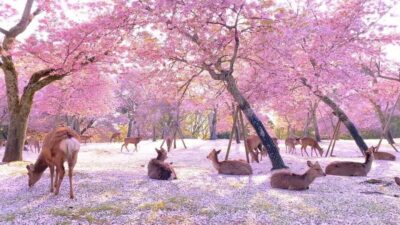
Deer that bow back, a short ride away
- Osaka/Kyoto:Kinkakuji,Arashiyama,FushimiInariShrine,NaraPark
★ 4.1 · 1,596 reviews - Kyoto/Osaka: Nara, Fushimi Inari Taisha, Arashiyama Bus Tour
★ 4.7 · 1,275 reviews - Osaka/Kyoto: Arashiyama, Nara & Fushimi Inari Shrine w/Lunch
★ 4.4 · 754 reviews - Kyoto and Nara Day Trip from Kyoto
★ 4.5 · 445 reviews
Kyoto itinerary: Arashiyama to Gion to Nishiki Market
Pick Kyoto and you’re looking at a classic “greatest hits” day, with enough variety to satisfy both temple lovers and photo seekers. Your Kyoto route typically includes:
Arashiyama, Kinkaku-ji, Kiyomizu-dera, Fushimi Inari-taisha, Gion, Sanjusangendo, Ginkaku-ji, and Nishiki Market.
Arashiyama (about 1 hour)
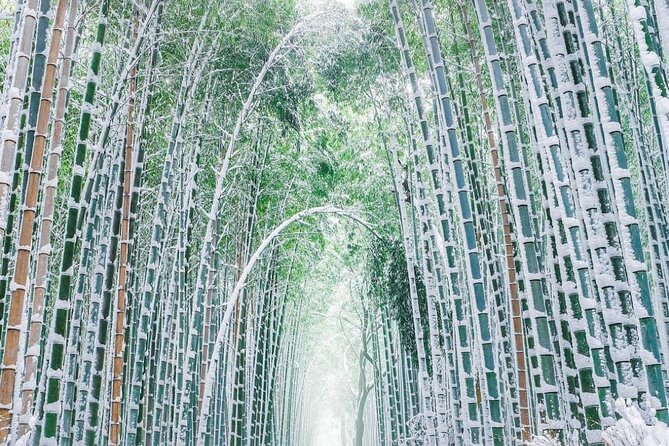
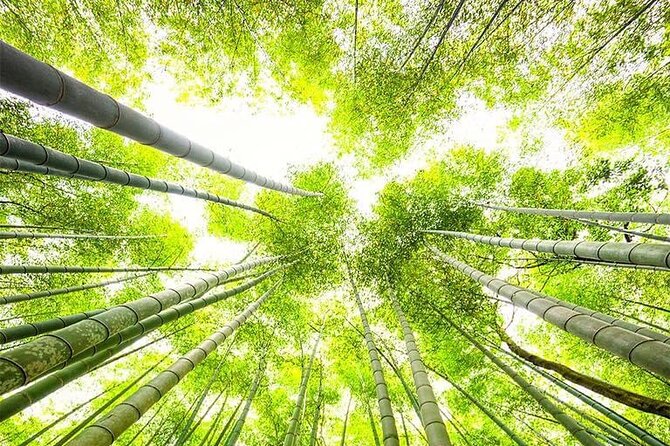
This is where you go for Kyoto’s riverside vibe and the bamboo-forest area people come for. Even if you don’t do every detour, the driver timing can help. Multiple guides were praised for picking better times to see sights with fewer crowds, and people specifically mentioned bamboo in their favorite moments. If you want photos without the crush, early or off-peak matters, and the private setup helps you get there.
Watch your footing here. Paths can be uneven and you’ll likely mix sightseeing with a fair bit of walking.
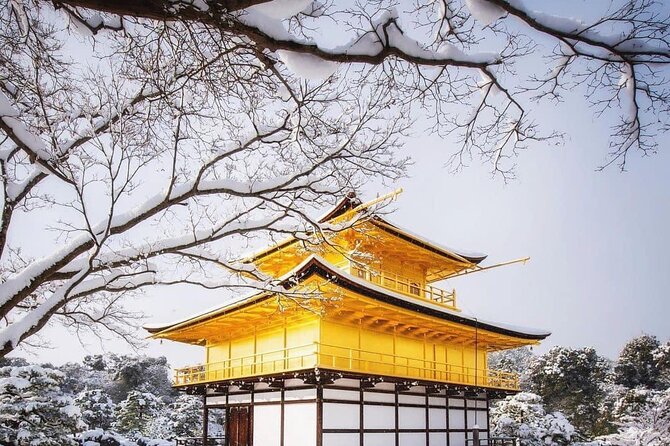
Kinkaku-ji (Golden Pavilion) (about 1 hour)
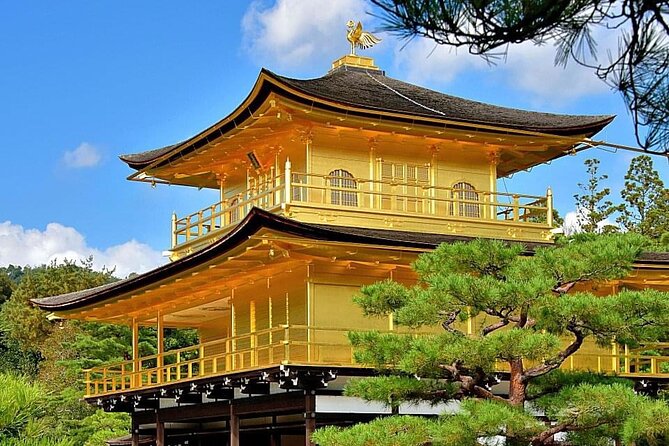
This one is all about the iconic look plus the surrounding gardens. You usually won’t need a ton of time to appreciate it, but it can get crowded. If your driver is good at planning when you arrive, you’ll feel it.
A practical note: because entry fees are not included, check what you’ll pay before you go in, so you’re not surprised at the gate.
Kiyomizu-dera (about 1 hour)
Kiyomizu-dera is both dramatic and busy. It sits above the city, and it’s easy to burn time just walking the approach and looking out from the main area.
This is also one of those stops where having your driver help you with movement and timing is useful. If the day runs tight, you’ll appreciate any guidance on where to spend your 45 minutes versus where to just snap a quick photo.
Have someone else navigate the day
Fushimi Inari-taisha (about 1 hour)
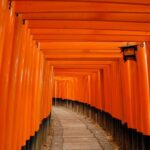
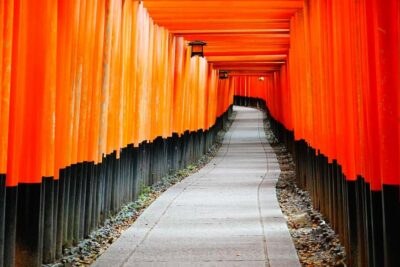
The torii gates are the star here, and this is where you’ll want to set expectations. You can spend time right at the entrance, or you can go up into the route deeper into the hills. One hour can be enough for a satisfying loop, but it’s not enough to do every side path thoroughly.
Guides like Hassan were praised for escorting groups to take pictures, and that matters here. You’ll have better results if you coordinate where you stop and when you start climbing.
Gion (about 1 hour)
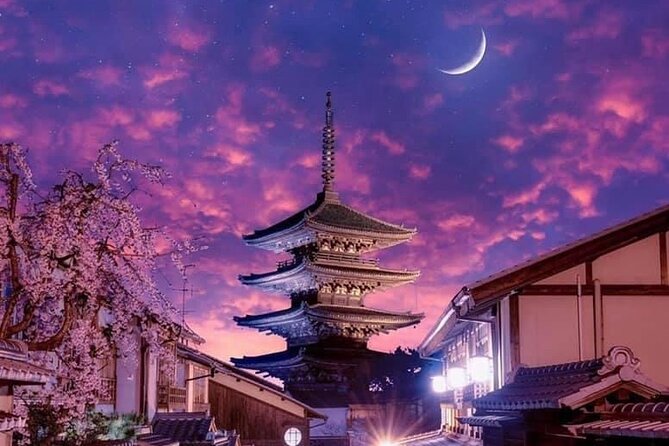
Gion works best as a stroll and a vibe stop. It’s less about one single building and more about streets, lanes, and the feeling of old Kyoto.
If you’re visiting later in the day, you may find the area more active. Plan for walking and keep your time flexible, because a “nice street photo” can turn into 20 extra minutes fast.
Sanjusangendo Temple (about 1 hour)
Sanjusangendo is known for its long interior hall and the statues inside. It tends to reward visitors who like details, but it still doesn’t take all day.
If you want explanations, this is where you should ask early. Some drivers truly do more than transport, others focus on safe timing and getting you inside. If you care about the stories, prompt them.
Ginkaku-ji (Silver Pavilion) (about 1 hour)
This stop feels calmer than some of the more famous photo icons. The garden and atmosphere are a big part of why you’re here.
Expect a moderate amount of walking, and if weather is bad, ask your driver what’s the best way to approach so you don’t waste time getting turned around.
Nishiki Market (about 1 hour)
Nishiki Market is where your day becomes food-friendly. It’s great for snacks and souvenirs, and it’s a natural place to eat if you want something quick and local.
Meals are not included, so this is also where budget matters. Decide early whether you want to treat the market like lunch, or like a tasting stop after temples.
Nara day plan: Deer Park, Todai-ji, Kasuga, and Naramachi
Choose Nara and your day leans more outdoors and slower in feel, even though you still have multiple stops. Your Nara itinerary includes Deer Park, Todai-ji, Todai-ji Nigatsudo Kuden, Wakakusayama Hill, Horyu-ji Temple, Kasuga Taisha Shrine, Shinyakushiji Temple, and Naramachi street.
Deer Park (about 1 hour)
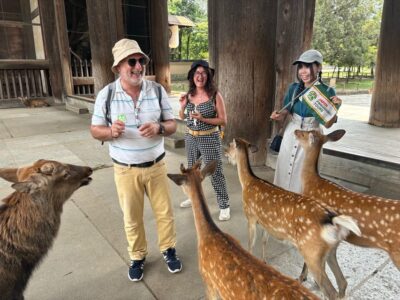
Yes, it’s famous for a reason. It’s fun, and it’s active, which is why families often love it. One review story involved feeding deer and enjoying the garden areas, and that’s exactly how this stop feels when you’re there with time to watch what’s going on.
Practical tip: wear shoes you can walk in and keep an eye on kids. The deer are bold, and that’s part of the experience.
Todai-ji and Nigatsudo Kuden (about 1 hour each in the plan)
Todai-ji is the headline, especially for the scale of the main hall and the Great Buddha. Nigatsudo Kuden is a related stop in the complex area, and it adds depth if you like religious architecture.
This is also a place where you may notice the difference between a driver who provides guiding commentary and one who is mostly transport. If you want facts and context, ask questions before you enter.
Wakakusayama Hill (about 1 hour)
This is the “walk it off” part of the day. You’ll get views and a break from temple indoor time.
Go in with realistic expectations. One hour can be enough for a pleasant walk and photos, but if you like long hikes, you’ll want more time than the schedule gives.
Horyu-ji (about 1 hour)
Horyu-ji adds variety and depth. It’s a temple stop that feels more distinct from the Todai-ji style visit, even if you’re doing both on the same day.
It’s also a good reminder that Nara is not just deer and big temples. The driver helps you cover the distance efficiently.
Kasuga Taisha Shrine (about 1 hour)
Kasuga Taisha is about the shrine experience and the atmosphere around it. Many people find it peaceful compared to the louder, more crowded photo stops.
Because this is a set day, you don’t get unlimited time to linger, so pick what you want to focus on, shrine area photos, walking pathways, or just soaking in the quiet.
Shinyakushiji Temple (about 1 hour)
This adds another layer to the religious route. It’s a good stop if you’re enjoying the architecture and smaller details.
If your group is tiring out, ask your driver to help you prioritize so you don’t feel rushed at the end.
Naramachi street (about 1 hour)
This is your traditional neighborhood wind-down. Naramachi is great for a stroll, small shopping, and snacks.
The best value move here is to use it as your buffer. If you move faster at earlier stops, you can slow down here without losing the overall day.
Osaka route that balances big sights and quick breaks
Osaka can be lively, and it’s also a city where the logistics can eat time. This car day keeps you from fighting traffic and makes it easier to hop between neighborhoods.
Your Osaka itinerary includes Osaka Castle, Shitennoji temple, Osaka Dotonbori, Sumiyoshi Taisha Shrine, Sakai City Hall Observatory Flour, and Daisen Park.
Osaka Castle (about 1 hour)
Osaka Castle is the anchor stop. It’s a “walk around and take in the scale” type of visit, plus any museum or grounds time you choose.
If you’re into photos, you’ll likely want to position yourself early in the hour before crowds build.
Shitennoji (about 1 hour)
Shitennoji is older and calmer than the neon districts. It gives you a change of pace so your day doesn’t feel like it’s one intense zone after another.
Dotonbori (about 1 hour)
Dotonbori is where Osaka’s energy shows up. This is the classic canal-side area for photos and street food vibes.
One caution: it’s easy to overspend time here if you’re hungry. If you want to hit everything on the schedule, treat this as a focused stop, eat what you want quickly, then move on.
Sumiyoshi Taisha Shrine (about 1 hour)
This shrine stop changes the mood again. It’s a nice contrast to the loud city blocks.
A driver who knows where to park matters here, because once you’re near the right access points, your walking time drops.
Sakai City Hall Observatory Flour (about 1 hour)
A view stop is a smart mid-day palate cleanser. If weather is clear, you’ll get skyline perspectives that feel totally different from temple or market time.
Daisen Park (about 1 hour)
Finally, a green break. It’s a good closer to your day if your group has energy left, or if you just want to step away from dense streets for a bit.
The English guide part: what you should expect, and what to ask
This tour advertises an English-speaking driver guide, but the experience can vary in how much guiding you get at each stop. That’s not a dealbreaker, but it is something you should handle up front.
The strongest praise in the feedback points to drivers who do more than drive. People described helpers who:
- escorted the group inside
- shared recommendations on timing to reduce crowds
- helped with photos, even stepping in to arrange shots
- communicated clearly in advance, including via WhatsApp
Names that came up in the good outcomes include Hassan, Khan, Malik, Virk, Hamza, Rana, and San. One standout detail was a suggested extra stop like Monkey Park, which ended up being a favorite even when it was not on the standard plan.
Now for the caution. There were also negative experiences where the guide felt more like a taxi driver with limited detail, or where the driver did not accompany the group inside. Rain also played a role in at least one account, with closed parking areas affecting how many stops could be fully done.
So here’s what you should do before you start:
- Ask what level of guidance you’ll get at entrances, will the driver go in with you or wait outside
- Ask the driver to prioritize the top 2 or 3 moments for your group
- If history matters to you, plan to ask questions early, because the tour’s strength is transport plus timing, not guaranteed narration everywhere
If your expectations match how the day is structured, you’re much more likely to be happy.
Staying on schedule without feeling trapped
With roughly 10 hours and multiple stops, the day is built for momentum. That’s the good news. The trick is using momentum to your advantage, not letting it bulldoze your comfort.
I like this format because your driver is essentially your “clock manager.” Some guides were praised for knowing the best times to see sights with fewer people present, including suggestions for seasonal moments like cherry blossoms. Even without seasonal details, arriving at the right moment changes your whole experience, especially around big photo sites like Fushimi Inari-taisha.
Practical advice for a smoother day:
- Wear shoes that handle uneven temple paths and stairs
- Bring cash for entry fees and snacks, since those are not included
- Decide in advance which stops are truly must-see for your group
- Use the WiFi to confirm pickup or keep track of your meeting spot if you split briefly for shopping
If weather turns, be ready for adjustments. At least one experience described that heavy rain affected parking and led to drop-offs without fully going inside. A good driver will still do their best to salvage your priorities.
Who this tour fits best in Kansai
This is a strong match if you’re:
- traveling with a small group of up to 6 and want private comfort
- short on time and want a big hit list in one day
- the type who hates transit transfers and wants your day to feel simpler
- traveling with kids who need logistics handled, not constant navigation
One Nara example involved a group with multiple children ranging from young teens to older ages, and the deer park plus temples worked well for them. That’s a clue: if your group wants a mix of outdoor fun and major landmarks without overplanning, this style of day trip suits it.
It may be less ideal if you specifically want a full-time certified docent who explains every site in depth for the entire duration. Because the experience can land anywhere on the driver versus guide spectrum, it helps to ask clear questions early.
Should you book this Kyoto, Osaka, or Nara private car tour?
I’d book it if your goal is a stress-free, private day with an English-speaking driver who can manage timing, get you to the right access points, and keep your group moving. You’ll likely be happiest if you choose one city day and commit to the core route, because that’s how the schedule is built to work.
I would hesitate if:
- your priority is nonstop guided storytelling at every entrance
- your group needs long stops at only one or two sites
- you’re expecting everything to be fully handled inside each temple with no follow-up from you
If you’re flexible, comfortable with paying entry fees separately, and you ask your driver how they plan to handle inside visits, you can get a lot of value out of the private car format. And when the driver is strong, this day goes from sightseeing to a smooth, well-timed highlight reel of Kansai.
FAQ
What is the duration of the Kyoto, Osaka, Nara private car tour?
It runs for about 10 hours.
How many people can be included in one booking?
It’s listed as up to 6 people per group.
Is WiFi provided during the tour?
Yes, the vehicle has WiFi on board.
What is included in the price?
The tour includes an air-conditioned vehicle, private transportation, WiFi on board, meet-and-greet, an English-speaking driver/guide cost, and gas, patrol cost, and highway toll tax. It’s a private tour for your group only.
Are temple and other attraction entry fees included?
No. Entry fees for places and any ride fees are not included, and meals or food and drink are also not included.
Can I choose Kyoto, Osaka, or Nara for the day?
Yes. You can book a day tour for Kyoto, Nara, or Osaka, each with its own planned route.
New This Season
- Koyasan Day Trip by Private Car from Kyoto
- Old Port Town and Ultimate Sake Tasting Private Tour From Kyoto
- Kyoto’s Timeless Charm: 3hr Exploration of History and Peace
- Kyoto: 5 Types of Sushi Making
- Sacred Peak & Ancient Paths: Kurama-Kibune Hiking Experience
- Kyoto: Exclusive ZEN practice at Manpukuji temple in Uji
- Kyoto: Private Seasonal Aroma Yoga Class
- Traversing Kyoto’s Scenic West – Arashiyama to Kinkakuji
Nara & Deer Park Day Trips, compared.
Kinkakuji,Arashiyama,FushimiInariShrine,NaraPark
Read our review →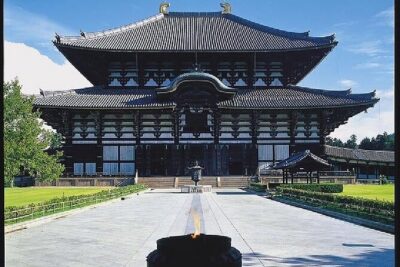
Nara, Fushimi Inari Taisha, Arashiyama Bus Tour
Read our review →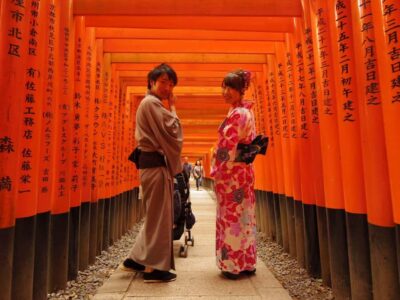
Arashiyama, Nara & Fushimi Inari Shrine w/Lunch
Read our review →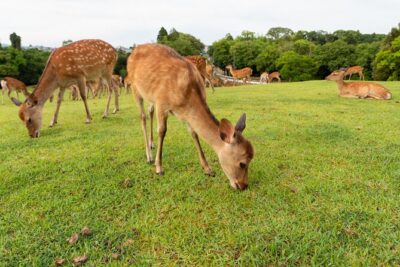
Full Day Guided Tour to Kyoto and Nara from Osaka by Van
Read our review →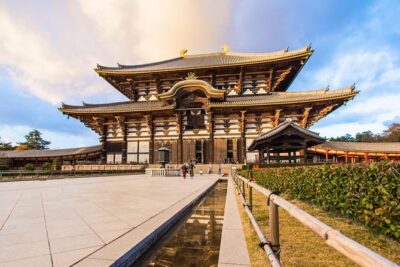
Also filed under