
Reviewed · NARA & DEER PARK DAY TRIPS
Kyoto Private Car Tour with Japanese Navigator (+Nara) T5
Kyoto feels big, even when you only have a day. This private car tour keeps the day moving with a friendly Japanese navigator (Hiroki), plus smart routing and flexible stops. I especially like the way you get to see major sights without wasting time in transit, and how Hiroki turns temples, shrines, and neighborhoods into stories you can actually use. One thing to consider: you’ll still need to plan for entry fees, parking, and meals on top of the tour price.
What makes this setup work is the human touch. You can shape the itinerary around what you care about, from a classics-and-cameras route to calmer temple experiences like copying sutras or meditating in a Japanese temple garden. It’s also a wheelchair, disability, and LGBT friendly tour, with a vehicle sized for small groups.
The one possible drawback is comfort and logistics for larger parties. The car fits up to 3 adults, or 2 adults plus 2 children, and if you book as 4 guests, one adult sits in the middle of the rear seat. That’s workable, but it’s worth thinking through before you reserve.
In This Review
- Key things I’d plan around
- Why Kyoto is better from a private car
- Meet Hiroki, your English-Japanese navigator
- A day plan built around Kyoto’s top stops
- Kinkakuji, the Golden Pavilion, with less stress
- Toriimoto, a traditional village pause
- Gion by night, when the streets feel different
- Fushimi Inari, the shrine that keeps going
- Bamboo forest time and seasonal sightings you can actually notice
- How to add Nara without ruining your Kyoto day
- Temple extras: sutra copying and quiet garden time
- Timing, traffic, and small-group comfort
- Price of $128 and the value math that matters
- What to bring for a smoother Kyoto day
- Should you book this private Kyoto car tour?
- FAQ
- How many people can fit in the car?
- What is included in the tour price?
- What is not included?
- What languages is the tour guide available in?
- What should I bring on the tour?
- Is the tour wheelchair and disability friendly?
Key things I’d plan around
- Hiroki’s flexibility: you can adjust stops based on your pace and interests.
- Car-based Kyoto touring: you spend more time at sights and less time stuck in traffic.
- Crowds handled with routing: he can steer you toward less chaotic pockets.
- Seasonal moments: look for flowers and seasonal animals as the day unfolds.
- On-the-go comfort: bottled water, charging devices, and WiFi in the car.
- Optional Nara: you can add a Nara segment when your day has room.
Why Kyoto is better from a private car
Kyoto can be a puzzle, even for seasoned travelers. Neighborhoods are close on a map, but traffic, one-way streets, and pedestrian bottlenecks can make short distances feel long. A private car tour solves that in a practical way. You get hotel pickup, then you move between areas with less friction, which matters if you’re trying to cover the big sights and still enjoy the day.
I like that this isn’t a rigid checklist. You choose the overall length of time you want, and your navigator adjusts the plan as the day goes on. That’s especially useful in Kyoto, because weather and crowd levels can change quickly. If the afternoon is getting heavy, the driver can route to avoid the worst of it, and that’s one of those details you feel immediately.
Also, the pace is friendlier when you have anyone in your group who needs shorter walks. In at least one trip example, Hiroki positioned you as close as possible so you didn’t have to crisscross Kyoto on foot in hot summer conditions. Even if you’re not dealing with mobility limits, less walking means more time for photos, snacks, and actually looking at what’s in front of you.
Meet Hiroki, your English-Japanese navigator
This tour is guided by a Japanese navigator, with English and Japanese support. The standout is the vibe: friendly, patient, and tuned to your questions. In multiple examples, Hiroki explained what you were seeing in plain language and added practical context, not just dates and titles.
If you care about the “why” behind Kyoto, this is the kind of guiding that helps you get your bearings fast. When you visit something like Fushimi Inari, it’s easy to get lost in the sheer visual pattern. A good guide helps you connect the place to the culture around it, so you’re not just collecting images, you’re understanding what you’re looking at.
Hiroki also shows flexibility that makes private touring feel worth it. People asked for changes, and he worked them in without turning the plan into chaos. He’s also been attentive to families, including making the experience easier with small children. That usually comes down to two things: smart stop order and not forcing your group to endure long stretches at a time.
And yes, small practical touches matter. In one case, Hiroki had water, umbrellas, and phone chargers ready. That doesn’t sound glamorous, but in Kyoto, it can be the difference between enjoying the day and spending time searching for basic needs.
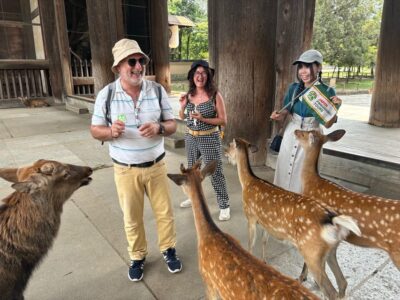
Deer that bow back, a short ride away
- Osaka/Kyoto:Kinkakuji,Arashiyama,FushimiInariShrine,NaraPark
★ 4.1 · 1,596 reviews - Kyoto/Osaka: Nara, Fushimi Inari Taisha, Arashiyama Bus Tour
★ 4.7 · 1,275 reviews - Osaka/Kyoto: Arashiyama, Nara & Fushimi Inari Shrine w/Lunch
★ 4.4 · 754 reviews - Kyoto and Nara Day Trip from Kyoto
★ 4.5 · 445 reviews
A day plan built around Kyoto’s top stops
Kyoto has “must-sees,” but the best private-car approach is turning them into a smooth route. One example itinerary loop includes Kinkakuji (Golden Pavilion), a traditional village area (Toriimoto), Gion at night, and Fushimi Inari shrine. Even if your final list differs, this sequence gives you a model for how to structure a first-timer day.
Kinkakuji, the Golden Pavilion, with less stress
Kinkakuji is famous for a reason. The visual impact hits fast, and the grounds give you plenty to see without needing a complex plan. The key on this kind of tour is timing and access. With a car, you can get in, get positioned, and spend your time where it counts instead of losing momentum to getting around.
A good navigator also helps you avoid the common trap of only photographing the front view. You’re more likely to understand what you’re seeing when you get guidance on how the site is laid out and what to notice as you move.
Potential drawback: like all top Kyoto sights, Kinkakuji can be crowded. Private guiding helps because the route and arrival timing can be managed better than on foot or bus, but you should still expect some busy moments.
Toriimoto, a traditional village pause
A traditional village stop like Toriimoto is a nice break from pure temple-hopping. It gives your day texture, because you’re not only dealing with grand landmark buildings, you’re seeing a more everyday side of historical Kyoto.
What I like about this type of stop is that it changes the pace. After a heavy visual hit like Kinkakuji, you can slow down, browse, and experience the atmosphere. It also gives you time to think about food, because you’re often closer to local snack options in these kinds of areas.
Potential drawback: if you’re strictly focused on “big-ticket” sights, this might feel like a detour. But for most people, it makes the day feel more human.
Gion by night, when the streets feel different
Gion by night is where Kyoto shifts gear. By evening, you’re more likely to sense the contrast between tourist photography and the neighborhood’s evening rhythm. Your navigator can help you choose where to stand and how long to spend, instead of just drifting around.
This is also a strong place for your guide to make food recommendations. Even when meals aren’t included, a navigator who knows where people actually eat can save you time and help you avoid the most generic options.
Potential drawback: if you’re hoping for a quiet, empty street, you might be disappointed. Gion is a popular area. The advantage here is using a private guide to help you find calmer vantage points while still enjoying the atmosphere.
Skip the buses, hire a driver

Fushimi Inari, the shrine that keeps going
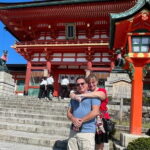
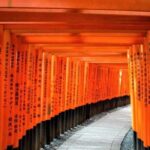
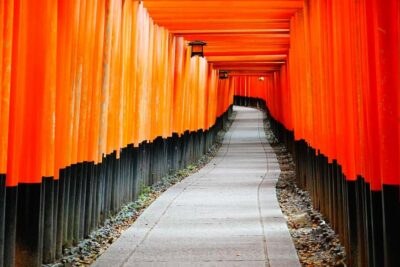
Fushimi Inari is one of Kyoto’s most iconic experiences, and it’s also one of the easiest places to turn into a repetitive photo loop if you don’t have guidance. A navigator helps you understand what makes the place special as you walk through the patterns of gates and paths.
It’s a sight that rewards walking, so your best bet is having a plan for breaks and water. The car tour approach means you can keep your energy reasonable and not spend your entire day only walking. When you combine Fushimi Inari with a car-led route, you get the joy of the walk without the feeling that you’re rushing through everything else.
Potential drawback: Fushimi Inari can be packed at peak times. You might want to be flexible on your visit time, and let your guide handle the pacing.
Bamboo forest time and seasonal sightings you can actually notice
Kyoto isn’t only temples and torii gates. One highlight you can look for is the bamboo forest experience. Bamboo settings can feel magical, but only if you’re not pushing through too fast. A private car tour makes this easier because the guide can place your stop in the right context inside the day.
Bamboo is also a place where you notice the “stagecraft” of light and crowds. If the area is busy, a good navigator can guide you toward angles and routes that make the scene feel less like a waiting line. In one example, families enjoyed bamboo forest sightseeing along the way, which suggests the pacing can be managed even with kids.
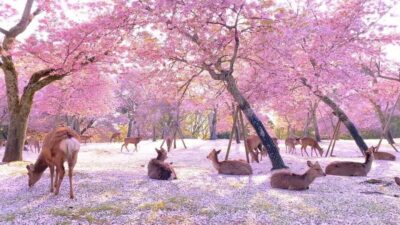
The tour also points you toward seasonal animals and flowers. That’s not a vague promise, it’s a cue to keep your eyes open as you move. In spring and other seasonal shifts, you might spot blossoms, and you may also notice small wildlife moments depending on the time of year. The car helps here because you aren’t confined to one neighborhood. You can shift based on what’s happening that day.
Practical tip: bring rain gear. Kyoto weather can switch fast, and being prepared lets you keep enjoying the outdoors rather than cutting your day short.
How to add Nara without ruining your Kyoto day
The tour name includes Nara, which is a big deal if you want more than Kyoto but still want one-day convenience. The key is planning for travel time and deciding your priorities.
Since the details for specific Nara sights aren’t spelled out in the information you have, the best approach is to treat Nara as an optional segment you discuss when you’re building your plan. Tell your navigator what you care about most, then let them build a route that fits the day and avoids the worst traffic windows.
In practice, this is where the private car shines. Without it, Nara from Kyoto can turn into a timing headache. With a driver and navigator, you can focus on enjoying the experience instead of calculating train transfers and hoping everything lines up.
What to watch for: one-day energy limits. Nara plus central Kyoto top sights can mean a long day, so be clear about how much walking you want to do, and whether you need closer drop-offs.
Temple extras: sutra copying and quiet garden time
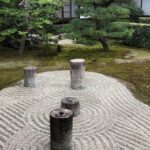
One of the more interesting parts of this tour is that it’s customizable beyond sightseeing. If you’re open to something more hands-on, your guide can help you design options like copying sutras or meditating in a Japanese temple garden. These experiences tend to make Kyoto feel personal, not just historical.
Even if you don’t do every extra, it’s still valuable to know that your navigator can shift the mood. You can go from landmark sights to calmer, reflective moments. That balance helps prevent “temple fatigue,” which is real when you stack too many stops.
A practical note: these extras often involve site rules and potential waiting, so it’s smart to plan them earlier rather than at the end of the day. Your navigator can guide you based on your schedule and what your group is comfortable with.
Timing, traffic, and small-group comfort
The car is the backbone of this tour. It’s private, and it also includes helpful in-car perks: WiFi connection, charging devices, and a bottle of mineral water. That’s useful when you’re navigating on your phone, translating signs, or looking up where to eat later.
The group setup matters too. The car can accommodate up to 3 adults, or 2 adults and 2 children. If you book 4 guests, one adult sits in the middle of the rear seat. It’s not unsafe or unusual in a private car context, but it does affect comfort. If your group is made of adults who value space, try to keep it within the 3-adult limit.
Wheelchair and disability friendliness are explicitly mentioned. That’s a big plus if you want a Kyoto day that doesn’t assume everyone can tackle long distance walking. Still, confirm your needs with the operator when you reserve, especially if you have specific transfer requirements.
One more practical win from the experience: avoiding heavy afternoon traffic. In at least one described scenario, the guide knew the roads well enough to steer around the peak congestion. That turns the second half of your day into a calmer experience.
Price of $128 and the value math that matters

At $128 per person, this tour sits in the “worth it if it saves your day” category. The best value isn’t just the sightseeing. It’s the added productivity: hotel pickup, a private car with petrol, and a guide and driver doing the navigation work for you.
Let’s break it down in real-world terms:
- You’re not paying extra for the car itself. Petrol and the private driver are included.
- You get in-car help for devices and basics, with WiFi, charging, and water.
- You get customization, including the ability to adjust your plan on the fly.
What’s not included is also important. Entry fees, parking fees, toll road fees, and food and drinks are separate. For a day that includes several major sites, entry costs can add up. But this is normal for Japan. The value here is that you won’t waste time trying to coordinate transport and tickets alone.
Who this is best for:
- First-time Kyoto visitors with limited time
- People who want to cover top sights but keep stress low
- Families with children who need a flexible pace
- Anyone who wants a guide to recommend where to go next, not only explain what you’re already seeing
If you’re traveling solo and want maximum independence, you might find public transport cheaper. But if you’re paying for convenience, fewer transfers, and a guide who can shift with the day, the $128 per person can feel fair.
What to bring for a smoother Kyoto day

Kyoto weather and daily comfort can make or break a plan. Here’s what you should have ready:
- Rain gear, since conditions can change quickly
- Cash, for places where cash is still useful
- A charged smartphone, because you’ll rely on it
- Internet access, which matters for navigation and planning
Also, plan your luggage. Oversize luggage and large bags aren’t allowed in the vehicle. If you’re traveling with more than a small day bag, you may need to think about how to store items between pickup and drop-off.
And remember: smoking isn’t allowed in the vehicle. Simple, but it’s worth knowing.
Should you book this private Kyoto car tour?
I’d book this if you want a Kyoto day that feels guided, flexible, and efficient, without sacrificing comfort. The biggest selling point is the private car plus a navigator like Hiroki who handles routing, explains what you’re seeing, and adapts to your pace. That’s the kind of value that shows up the moment you’re not stuck in traffic or sprinting between far-apart sights.
I would think twice if your group is larger than the car comfort limits, or if you’re allergic to planning for extra costs like entry fees and meals. Also, if you’re strictly budget-first and don’t care about fewer transfers, you might prefer cheaper public transport options.
If your goal is a well-paced Kyoto highlight day, with the option to add Nara and to include calmer temple moments, this tour is a solid choice.
FAQ
How many people can fit in the car?
The car can accommodate up to 3 adults, or 2 adults and 2 children. If there are 4 guests, one adult needs to be seated in the middle of the rear seat.
What is included in the tour price?
Included are hotel pickup, Kyoto city drop-off, private car, petrol, a private guide and driver, 1 bottle of mineral water, charging devices while traveling, and WiFi connection.
What is not included?
Entry fees, parking fees, toll road fees, and food and drinks are not included.
What languages is the tour guide available in?
The tour languages are English and Japanese.
What should I bring on the tour?
Bring rain gear, cash, a charged smartphone, and internet access.
Is the tour wheelchair and disability friendly?
The tour is listed as wheelchair and disability friendly, and it is also LGBT friendly.
New This Season
- Koyasan Day Trip by Private Car from Kyoto
- Old Port Town and Ultimate Sake Tasting Private Tour From Kyoto
- Kyoto’s Timeless Charm: 3hr Exploration of History and Peace
- Kyoto: 5 Types of Sushi Making
- Sacred Peak & Ancient Paths: Kurama-Kibune Hiking Experience
- Kyoto: Exclusive ZEN practice at Manpukuji temple in Uji
- Kyoto: Private Seasonal Aroma Yoga Class
- Traversing Kyoto’s Scenic West – Arashiyama to Kinkakuji
Nara & Deer Park Day Trips, compared.
Kinkakuji,Arashiyama,FushimiInariShrine,NaraPark
Read our review →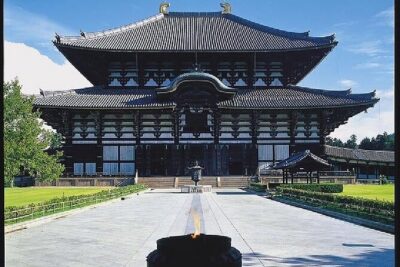
Nara, Fushimi Inari Taisha, Arashiyama Bus Tour
Read our review →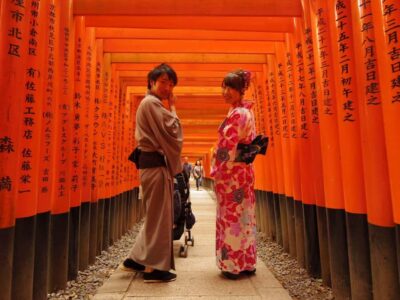
Arashiyama, Nara & Fushimi Inari Shrine w/Lunch
Read our review →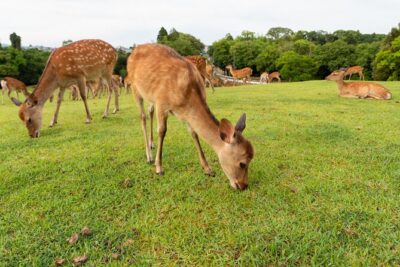
Full Day Guided Tour to Kyoto and Nara from Osaka by Van
Read our review →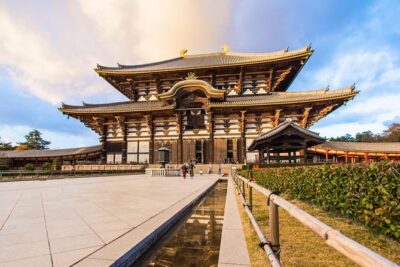
Also filed under