Reviewed · GUIDED
Kyoto: Private tour with Kyoto’s licensed guide. Spanish
One day, five Kyoto icons, zero guesswork. This private, Spanish-guided outing is built around major sights with Kyoto City licensing and clear context shown on an iPad so you know what you are looking at. You also finish with confidence to keep exploring on your own.
I especially like the private group format, because you can ask questions in real time, take photos at your own pace, and get recommendations after the walk. If your guide is Roberto, past feedback highlights how he explains history in a friendly way and handles doubts without rushing you.
The main drawback to plan for is that the day mixes public transport with substantial walking inside temple areas, so it can be tough if you need frequent breaks or have mobility limits, and temple entrance fees are extra.
In This Review
- Key highlights to know before you go
- Kyoto in one day, with a guide you can actually follow
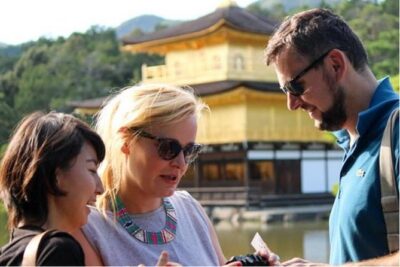
- From Kyoto Station to Kinkaku-ji, the Golden Pavilion moment
- Nijo Castle and Edo-era power in 90 minutes of focus
- Nishiki Market lunch break, short and useful
- Fushimi Inari Taisha and the torii paths you walk through
- Kiyomizu-dera and the lanes around it
- Gion with geiko and maiko, plus the old-street atmosphere
- Price and logistics: where your $180 really goes
- What to pack, how much walking to expect, and who it is not for
- Smooth day tips, plus how to keep exploring after
- Should you book this Kyoto private tour?
- FAQ
- Is the tour guided in Spanish?
- Where does the pickup happen?
- Is this a private tour?
- How long is the tour?
- Which main places are visited during the day?
- Are temple entrance fees included in the price?
- Is lunch included?
- Does the tour run rain or shine?
- Is it a lot of walking?
- What should I bring?
Key highlights to know before you go
- Kyoto City licensed guide in Spanish: you get official local interpretation, not generic scripts
- iPad explanations with visuals: faster understanding of what makes each place important
- A smooth route with pickup at Kyoto Station: easier start, less stress in the morning
- Gold Pavilion, Nijo Castle, Fushimi Inari, Kiyomizu-dera, Gion: the big hitters in one day
- Photography friendly: the guide can take as many pictures as you want
- Some temple entrances are free, others cost extra: budget time and yen for tickets
Kyoto in one day, with a guide you can actually follow
Kyoto can feel like a choose-your-own-adventure game, but this format keeps you on track. You start at Kyoto Station, head out with a Spanish-speaking guide who is licensed by the city, then move from sight to sight using public transportation. It is the kind of day where you stop thinking about logistics and start noticing details.
The iPad visuals are a smart touch. Instead of just hearing names and dates, you get explanations supported by images. That helps at Kinkaku-ji, where the gold leaf is more than a pretty surface, and at Nijo Castle, where the layout and design connect to shogunal power.
And because it is private, you are not stuck with a crowd tempo. You can ask small questions as they come up, which is exactly how you avoid the usual Kyoto problem: seeing famous places but not really understanding what you are looking at.
From Kyoto Station to Kinkaku-ji, the Golden Pavilion moment
You begin with pickup at the Kyoto Station Building area, in front of Seven Eleven. Then you take the subway or metro for about 32 minutes before reaching your first guided stop: Kinkaku-ji, the Golden Pavilion, for about 75 minutes.
Kinkaku-ji is a UNESCO site and one of Kyoto’s most recognized landmarks. The top two floors are covered in gold leaf. That detail matters because it was used to signal wealth, power, and devotion. A good guide makes you look past the Instagram version of the scene, so you understand the temple’s Zen Buddhist context and why this structure became so iconic.
What to watch for:
- The best experience is usually at the moment you realize the gold leaf is part of a larger visual and spiritual statement.
- Bring comfortable shoes and plan for steady walking, even if you are not climbing anything extreme.
Budget note: the entrance fee for Kinkaku-ji is 500 yen (around US$3.10) and it is not included.
A quieter way to spend a day in Kyoto
- Fushimi Inari Hidden Hiking Tour (Private Option Available)
★ 5.0 · 1,750 reviews - Private Kyoto Tour with a Local, Highlights & Hidden Gems, Personalised
★ 5.0 · 1,543 reviews - Kyoto 6hr Private Tour with Government-Licensed Guide
★ 5.0 · 1,369 reviews - 10 Must-see Spots in Kyoto One Day Private Tour (up to 7 people)
★ 5.0 · 1,108 reviews
Nijo Castle and Edo-era power in 90 minutes of focus
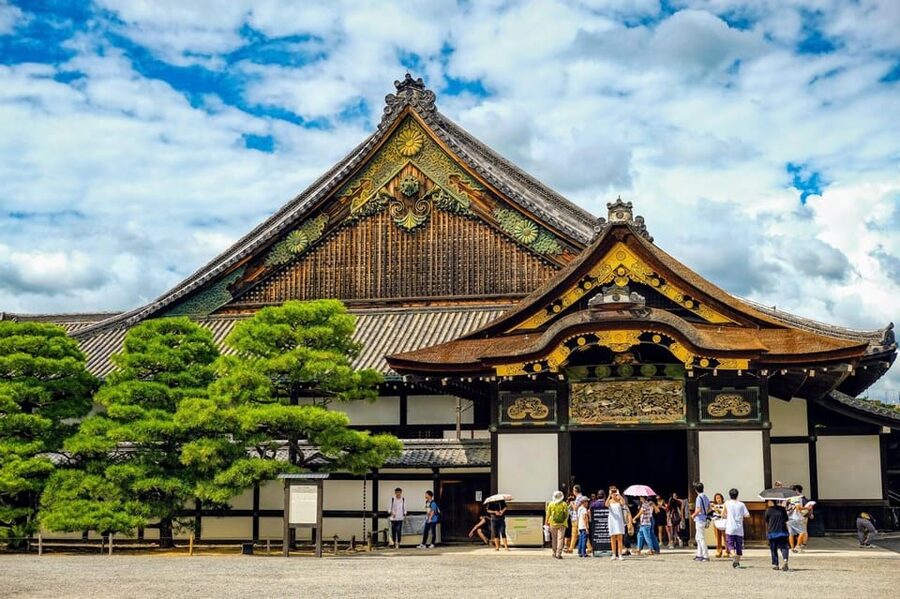
Next you take buses or coaches for about 18 minutes to Nijo Castle. The guided visit is about 1.5 hours, which is a good chunk for a site that can otherwise feel confusing if you just wander.
Nijo Castle is also UNESCO-listed and tied closely to Japan’s Edo period authority. It is closely associated with the Tokugawa shogunate. The castle served as the residence of Tokugawa Ieyasu, the founder of the influential Tokugawa dynasty, and it helped shape Japanese politics for more than 200 years.
A guided pace helps here because Nijo is not just about one hall or one gate. You will get the “why” behind the design and the way the place functioned as a center of power. You are also more likely to understand the stories connecting the castle to the larger Edo era, instead of treating it like a static museum stop.
Budget note: Nijo Castle entrance is 1,300 yen (around US$8.50) and it is not included.
Nishiki Market lunch break, short and useful
You then shift into Nishiki Market, with a break time of about 30 minutes. This is the famous food-focused street often called Kyoto’s Kitchen, where you can find a mix of traditional and modern Japanese foods, ingredients, and crafts.
Because your lunch is part of the break time, it is smart to keep expectations practical. Food and drinks are not included, so you should treat this as a chance to snack, sample, and refuel rather than plan a sit-down meal.
How to make the most of only 30 minutes:
- Decide what you want before you enter, even if it is just one or two things to try.
- If you are sensitive to crowds, go in with a quick plan so you do not lose time comparing every stall.
Fushimi Inari Taisha and the torii paths you walk through
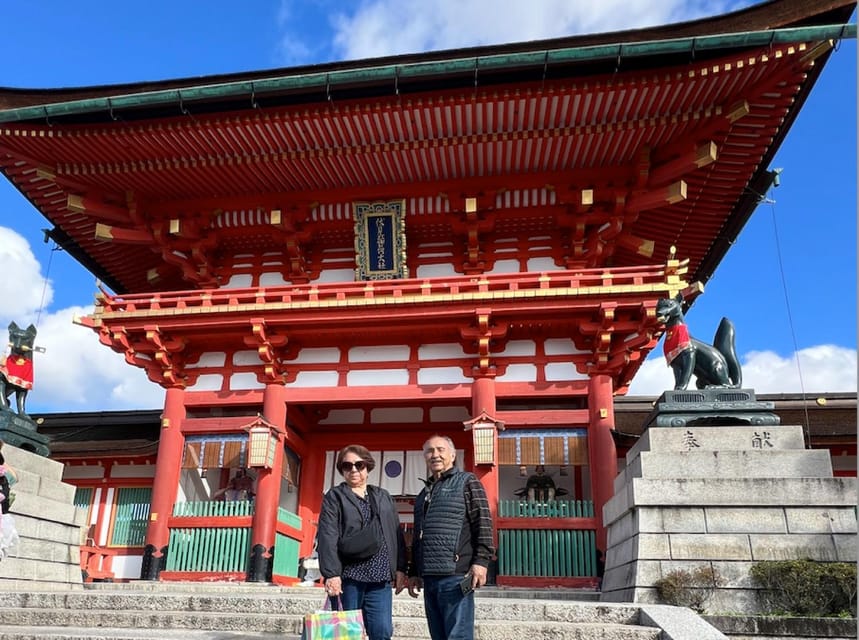
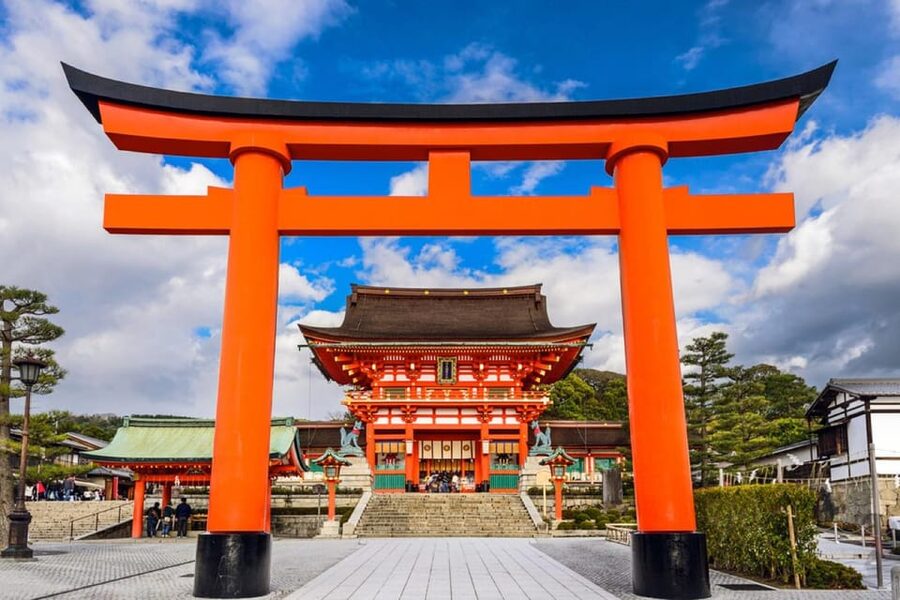
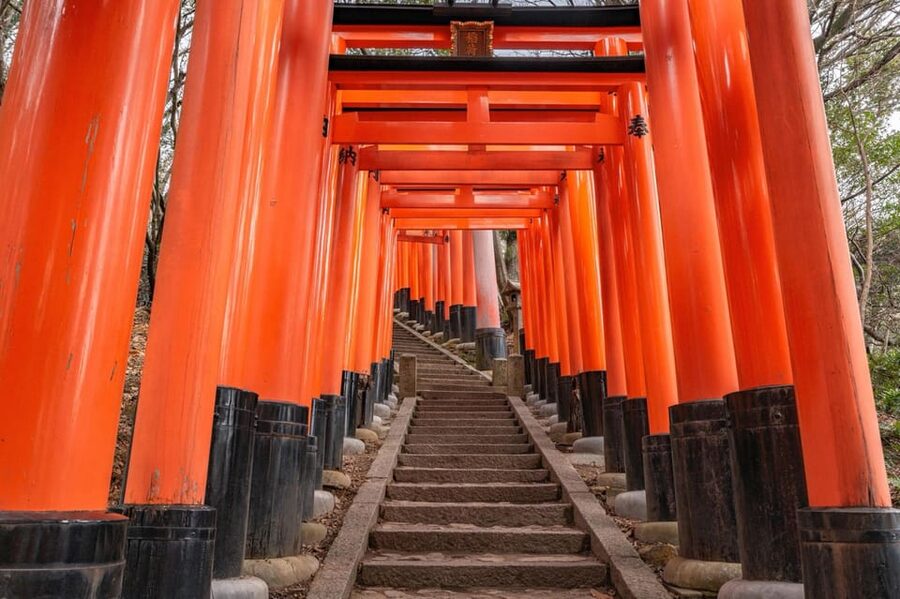
After another transit segment, you reach Fushimi Inari Taisha with about 75 minutes of guided time. This stop is free. It is also one of those places where the guide can seriously change your experience.
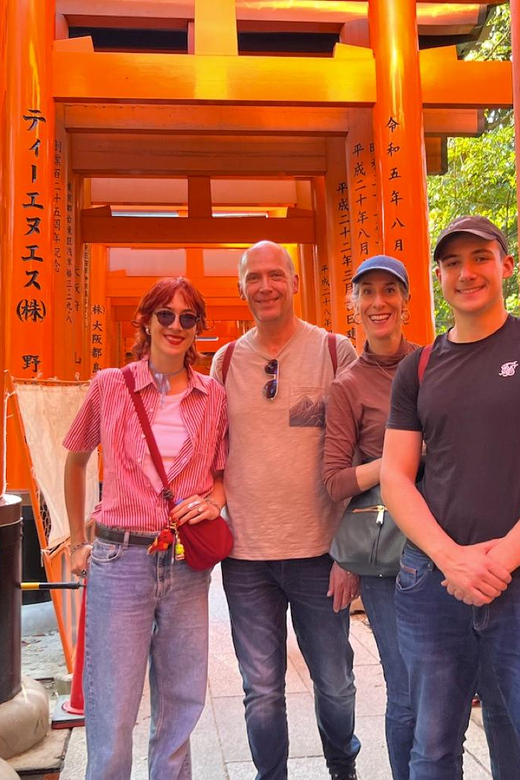
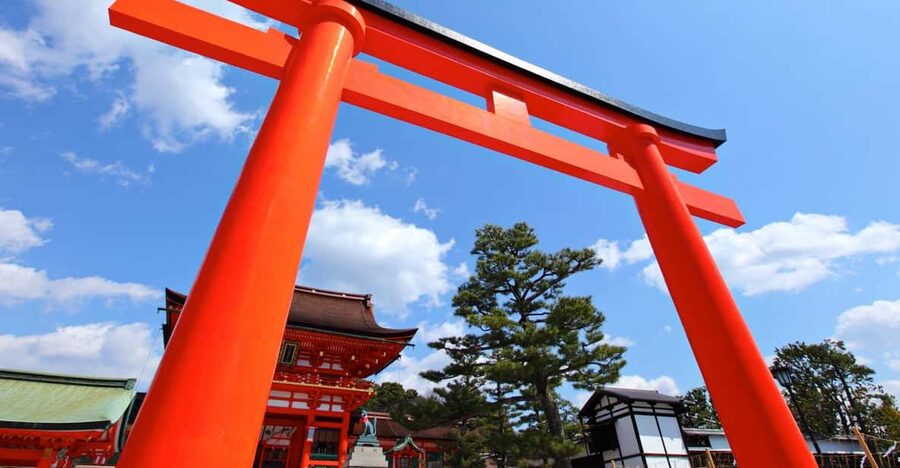
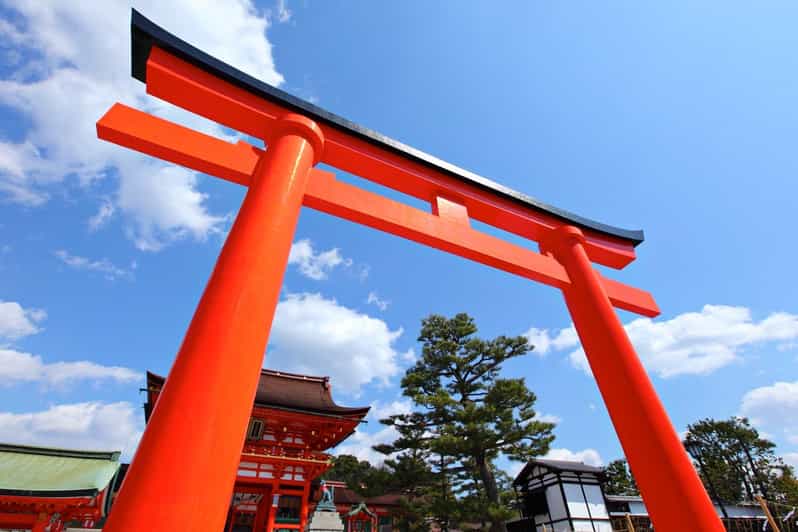
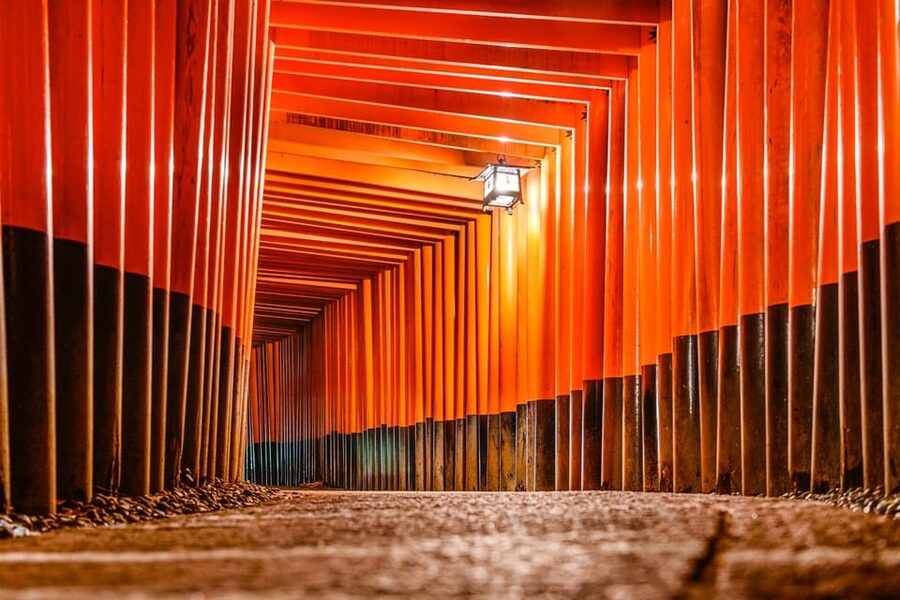
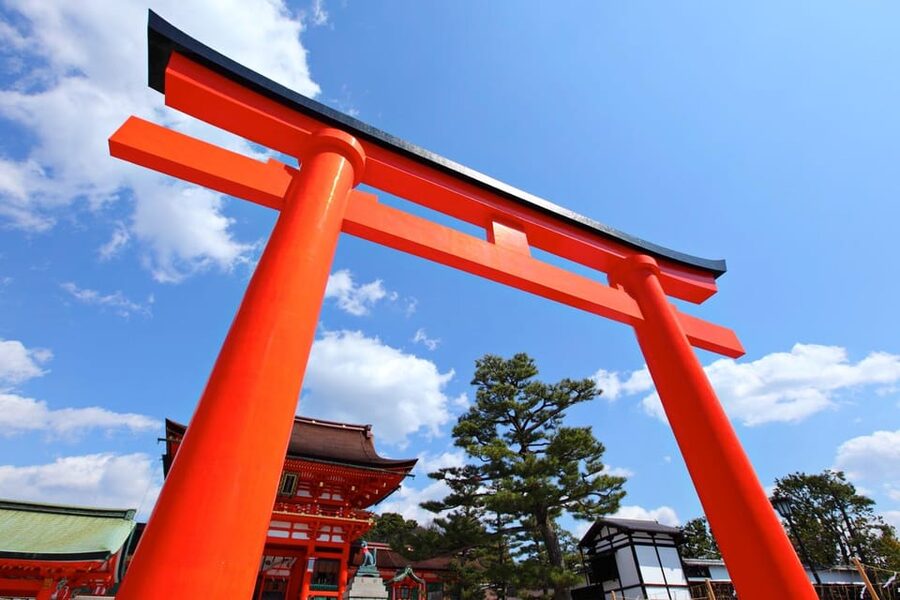
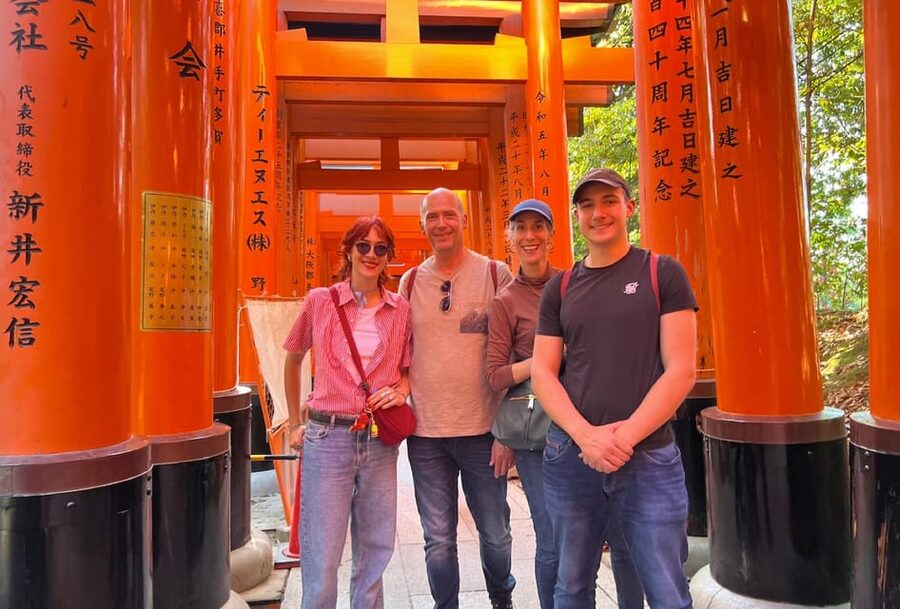
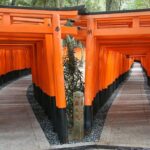
Fushimi Inari is known for its long lines of vermillion torii gates. You do not just see the gates, you follow paths that intertwine behind the main structures. The guide’s pacing helps you choose the right route so you get the feeling of the torii tunnel without getting lost or stuck in the densest flows.
You will also notice fox statues scattered around the shrine grounds. That detail gives Fushimi Inari a mystical, story-driven atmosphere that is hard to recreate on your own if you do not know what to look for.
Practical tip: even though the tour does not climb mountains or long stair climbs, temple grounds still involve a lot of walking. Wear shoes that handle uneven pavement and keep your pace steady.
Kiyomizu-dera and the lanes around it
You then head to Kiyomizu-dera, with about 1.5 hours for the guided visit. This is another UNESCO World Heritage temple and it is widely considered one of Japan’s most famous temple experiences.
Your time here is not only about the temple itself. The surrounding streets, including Sannenzaka and Ninenzaka, are lively with shops selling Kyoto sweets, souvenirs, and traditional crafts. This is where you usually get a strong sense of what Kyoto shopping feels like, because the walk-through streets blend tourism and everyday life.
Budget note: Kiyomizu-dera entrance is 500 yen (around US$3.10) and it is not included.
Photo reality check: inside some temples, there are areas where taking pictures is forbidden. Plan to enjoy what you see without relying on your camera for everything. Also, if you want photos with your guide or with landmarks in the background, tell them early. The tour includes picture-taking by the guide, and you can ask for as many photos as you want.
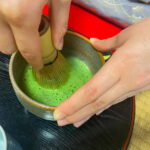
A day of temples goes further with something to break it up.
Gion with geiko and maiko, plus the old-street atmosphere
The day closes with Gion, your guided time here is about 30 minutes, after a short walk segment. You will learn what you are seeing in the district, including the terms geiko and maiko for Kyoto geisha and apprentice geisha.
Gion is lined with wooden machiya townhouses, tea houses (ochaya), and narrow cobblestone streets that preserve the feel of Kyoto’s past. Depending on the time of day, you might spot geiko or maiko in full attire heading to appointments. You will also get context on the traditional arts connected with this world, including music and dance and tea ceremonies.
This part is not about checking another ticket counter. It is about learning the rhythm of the streets and knowing how to observe respectfully. If you care about atmosphere as much as sights, this final stop is a great way to end.
Price and logistics: where your $180 really goes
At $180 per person for about 510 minutes (just over 8.5 hours), the value comes from three things: a private, licensed guide; structured routing with public transportation; and guided interpretation at each major site.
Included in your price:
- Kyoto City official certified guide
- iPad explanations with images
- Guide taking as many pictures as you want
- The guide does not require you to pay their entrance fees or transportation
Not included, so you should budget separately:
- Food and drinks
- Transportation fee
- Entrance fees to temples (for these specific paid stops):
- Golden Pavilion (Kinkaku-ji): 500 yen
- Kiyomizu-dera: 500 yen
- Nijo Castle: 1,300 yen
- Free stops:
- Fushimi Inari Taisha
- Geisha District (Gion)
If you only pay the three ticketed sites above, that is 2,300 yen total, which is roughly US$14.70 using the tour’s provided approximations. Your larger unknown is the transportation fee and your own meal choices at Nishiki Market and elsewhere, because those are explicitly not included.
So when you compare this to a cheaper group tour, the question is not just price. It is whether you want your time with a licensed guide, in Spanish, at a pace that lets you ask questions and absorb the meaning behind Kyoto’s icons.
What to pack, how much walking to expect, and who it is not for
This is a walking tour using public transportation. The good news: the tour says it will not climb mountains or long stair sections. The reality: inside temple areas there is still quite a bit of walking.
You should bring:
- Comfortable shoes (non-negotiable for Kyoto cobblestones and temple paths)
Also plan around:
- Rain or shine: the tour runs in all weather.
- Photo rules: some temple areas forbid photography.
- Vehicle rules: no smoking and no food or drinks inside the vehicle.
Not suitable for you if:
- You need frequent rest due to overweight, age, or general mobility limits
- You have back problems
- You use leg prosthetics
- You cannot comfortably meet the walking demands
- You are bringing children under 7
- Your weight exceeds 287 lbs (130 kg)
If you are generally active, this should feel doable, just keep your pace steady and start the day with good footwear.
Smooth day tips, plus how to keep exploring after
The best way to keep the day feeling easy is to treat the tour as both education and orientation. You get a guided route that shows the highlights, and then the guide recommends places to visit afterward. That follow-up matters, because Kyoto is too big to “wing” intelligently right after a long travel day.
A few practical moves:
- Ask your guide what time of day you should return to places you liked most. You will know which details you cared about.
- At each stop, pick one thing you want to remember. For Kinkaku-ji, it might be how the gold leaf ties to meaning, not just shine. For Nijo, it might be the Tokugawa Ieyasu connection and how Edo power showed up in the buildings.
- If photography is important, tell the guide you want pictures. The tour includes that, and it prevents the awkward, last-minute “can you take one more” moment.
And once the tour ends, you can explore Kyoto on your own with confidence because you now understand the geography and the stories behind what you saw.
Should you book this Kyoto private tour?
Book it if you want:
- A Spanish guide who is officially licensed by Kyoto
- A guided day hitting the major Kyoto icons without spending your mental energy on routes
- Clear explanations using an iPad so you understand what you are seeing
- A private pace where you can ask questions and get help with photos
Skip it or choose another option if:
- You know you will struggle with sustained walking inside temples
- You need frequent seating breaks
- You have mobility or back issues, or you use leg prosthetics
For most visitors who are comfortable walking and want a structured, high-value introduction to Kyoto’s top sites, this is a strong choice.
FAQ
Is the tour guided in Spanish?
Yes. The live tour guide speaks Spanish.
Where does the pickup happen?
Pickup is included at Kyoto Station, in front of Seven Eleven.
Is this a private tour?
Yes, it is a private group tour.
How long is the tour?
The total duration is 510 minutes.
Which main places are visited during the day?
You visit Kinkaku-ji (Golden Pavilion), Nijo Castle, Nishiki Market, Fushimi Inari Taisha, Kiyomizu-dera, and Gion.
Are temple entrance fees included in the price?
No. Entrance fees for Kinkaku-ji (500 yen), Kiyomizu-dera (500 yen), and Nijo Castle (1,300 yen) are not included. Fushimi Inari is free, and the Geisha District (Gion) is free.
Is lunch included?
Food and drinks are not included. There is a short break at Nishiki Market where you can enjoy a short lunch.
Does the tour run rain or shine?
Yes. It takes place rain or shine.
Is it a lot of walking?
There is walking involved, including quite a bit inside temples. The tour also uses public transportation, and it is not recommended if you need to rest frequently due to overweight or age, or if you use leg prosthetics.
What should I bring?
Wear comfortable shoes, since the route involves walking on temple grounds and city streets.
New This Season
- Koyasan Day Trip by Private Car from Kyoto
- Old Port Town and Ultimate Sake Tasting Private Tour From Kyoto
- Kyoto’s Timeless Charm: 3hr Exploration of History and Peace
- Kyoto: 5 Types of Sushi Making
- Sacred Peak & Ancient Paths: Kurama-Kibune Hiking Experience
- Kyoto: Exclusive ZEN practice at Manpukuji temple in Uji
- Kyoto: Private Seasonal Aroma Yoga Class
- Traversing Kyoto’s Scenic West – Arashiyama to Kinkakuji
Guided, compared.
Kyoto Early Morning Tour with English-Speaking Guide
Read our review →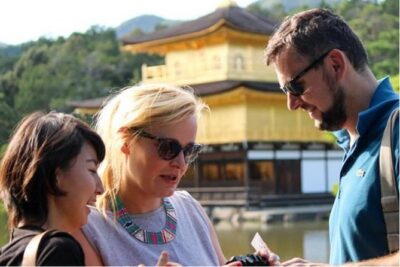
Kyoto 6hr Private Tour with Government-Licensed Guide
Read our review →Early Morning Tour with English-Speaking Guide
Read our review →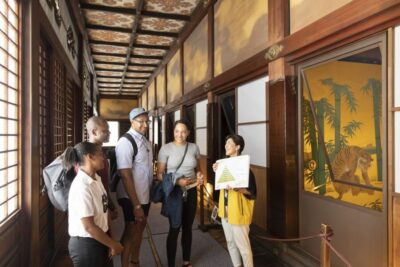
Nijo-jo Castle and Ninomaru Palace Guided Tour
Read our review →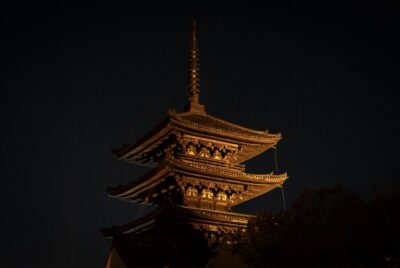
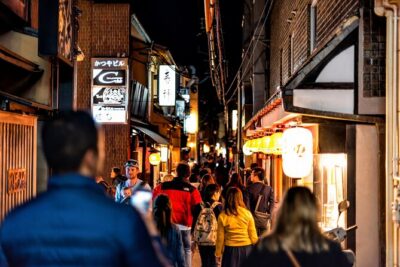
Kyoto Gion Night Walk & Geisha District Guided Tour
Read our review →
Nijo Castle, Kiyomizu & Fushimi Inari Guided Tour
Read our review →