
Reviewed · TEMPLE & SHRINE VISITS
Kyoto Silver Pavilion Private 4-Hour Guided Tour
Kyoto’s quiet corners can feel priceless. This private 4-hour guided tour strings together Suirokaku Viaduct, Nanzen-ji, the Philosopher’s Walk, and ends at Ginkaku-ji, the Silver Pavilion, with a lot of meaning packed into a half day. I especially like the mix of engineering-era history and Zen calm.
The second thing I like: you get a real walking rhythm with a guide who keeps things understandable. In one 5-star review, the guide Mouloud stood out for answering questions and being kind about breaks when the pace felt like too much. The big tradeoff is simple: entrance fees are not included for Nanzen-ji and Ginkaku-ji, so your final spend depends on those tickets.
In This Review
- Key things to know before you go
- Why this Silver Pavilion walk feels different than a checklist tour
- Price and what you’re really paying for
- Meeting point, route logic, and how the pacing works
- Stop 1: Suirokaku Viaduct and the modernization story in stone
- Stop 2: Nanzen-ji Temple and that Zen reset feeling
- Stop 3: Philosopher’s Walk, Kitarô Nishida, and walking with meaning
- Stop 4: Ginkaku-ji (Silver Pavilion) and the view payoff over Kyoto
- What I think makes this tour worth it: private guidance, not just a route
- Who this tour is best for (and who might want something else)
- Practical tips to make your 4 hours smoother
- Should you book this Kyoto Silver Pavilion guided tour?
Key things to know before you go
- Private, half-day pacing: 4 hours is long enough to feel satisfied, short enough to avoid a full-day wipeout.
- History plus Zen gardens: modernization at Suirokaku, then 13th and 15th century temple atmospheres.
- Free stretches: Suirokaku and the Philosopher’s Walk are ticket-free on this route.
- City views at the end: Ginkaku-ji is timed for that payoff moment over Kyoto.
- A guide who adjusts: Mouloud is praised for knowledge and for taking breaks when needed.
Why this Silver Pavilion walk feels different than a checklist tour
Kyoto does not do loud-and-fast well. This experience keeps you on foot, moving from landmark to landmark at a human pace. That matters because the places here are meant to be looked at slowly: stone, water, gardens, lines of architecture, and the subtle feeling that you’ve stepped out of regular time.
I also like that the route is built around two contrasting moods. You start with Suirokaku Viaduct, a symbol tied to Japan’s 19th-century opening up and modernization, where the hand of man joins nature. Then you shift into Nanzen-ji, a 13th-century Buddhist temple known for a peaceful Zen garden. That tonal change is exactly why this half day works.
Price and what you’re really paying for
The tour costs $155.38 per person and runs about 4 hours. On paper, that’s not cheap. But for Kyoto, where temples often demand you line up, plan, and translate your way through, paying for a guide can save real time and confusion.
Here’s what your money covers: guide fees. You’ll also get a mobile ticket, and the tour notes group discounts. What it does not cover: entrance tickets for Nanzen-ji and Ginkaku-ji. So you should budget a bit extra for those two temple entries, even if some of the route is free.
One more practical detail: it’s often booked about 77 days in advance. That’s a clue that the timing slots can fill, especially around busy seasons. If you have firm dates, planning ahead is smart.
More rooftops worth a detour
- Kyoto: Tea Ceremony Ju-An at Jotokuji Temple
★ 4.9 · 3,207 reviews - Arashiyama Bamboo, Temple, Monkeys, or Secret Sake Brewery
★ 4.8 · 886 reviews - Kyoto: Arashiyama Bamboo Forest, Monkeys, Matcha & Temple Tour
★ 5.0 · 759 reviews - Osaka/Kyoto: Arashiyama, Nara & Fushimi Inari Shrine w/Lunch
★ 4.4 · 754 reviews
Meeting point, route logic, and how the pacing works
You meet near Keage Sta., at Higashikomonozacho in Higashiyama Ward. The tour ends at Higashiyama Jisho-ji 2, in the Ginkakujichō area, with directions to exit of the last visited monument.
The route is designed to connect places that are close in spirit, not just close on a map. You begin with the Suirokaku area, then go to Nanzen-ji. After that, you walk the Philosopher’s Walk, which links Nanzen-ji to the Silver Pavilion. Ending at Ginkaku-ji gives you your best payoff moment, including views over the city.
The tour also asks for moderate physical fitness. This is not an extreme hike, but it is still walking for several hours, plus temple time. If you get tired easily on flat ground, bring comfortable shoes and a water plan.
Stop 1: Suirokaku Viaduct and the modernization story in stone
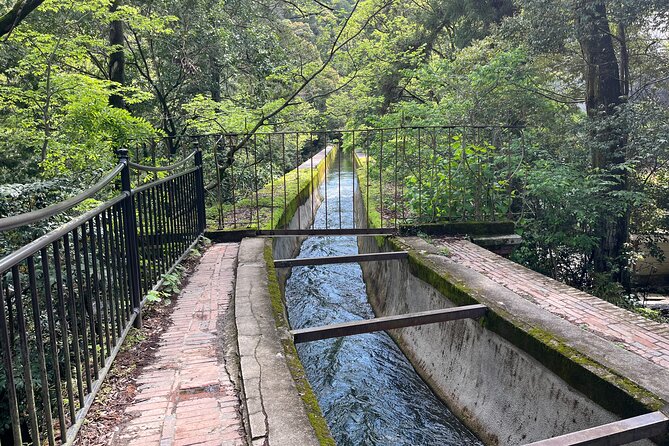
Your first stop centers on Suirokaku Viaduct at Nanzenji Suirokaku. This section is free, and it sets the tone for the entire half day.
What makes it interesting is the theme. This viaduct is described as a symbol of Japan’s opening up and modernization in the 19th century, where the hand of man joins nature. That’s not just trivia. It gives you a lens for what you’ll see next. When you later step into Nanzen-ji and then Ginkaku-ji, you’ll notice how people shaped spaces over time, for different purposes, under different philosophies.
I find these early context moments are what prevent temple visits from feeling like random photo stops. You start the morning understanding what kind of “Japan story” you’re walking through.
Stop 2: Nanzen-ji Temple and that Zen reset feeling
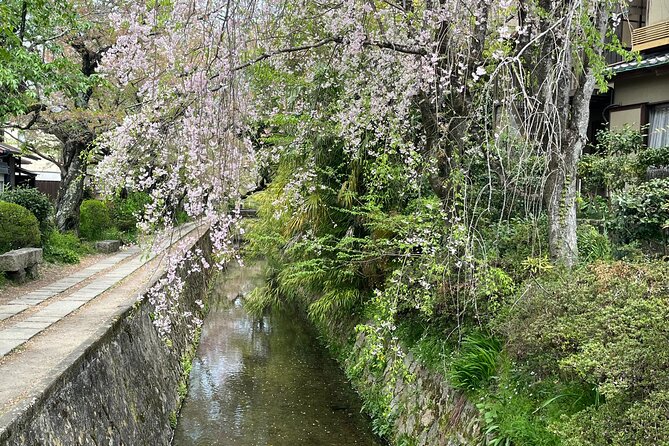
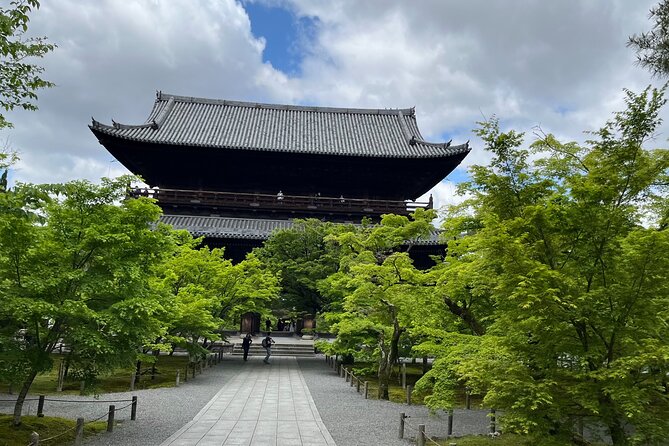
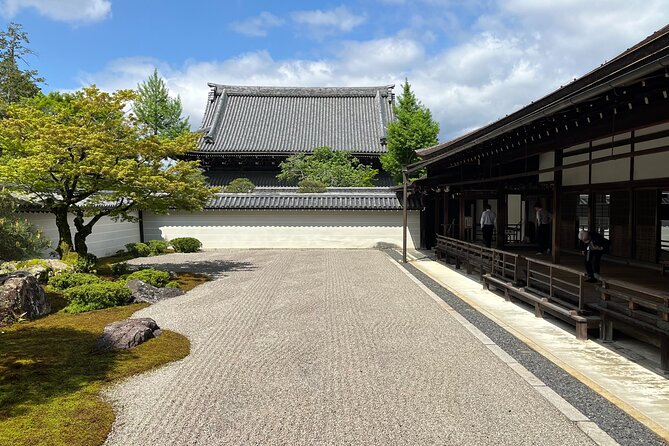
Next comes Nanzen-ji Temple, a 13th-century Buddhist temple. This is a one-hour visit with a guide, and the entrance fee is not included.
This stop is built around rejuvenation and quiet. The temple is known for a magnificent Zen garden and a peaceful atmosphere. If your Kyoto goal is to slow down, this is the best time to do it. You’re not just looking at old buildings. You’re stepping into a space designed for calm attention.
Practical tip: plan to take your time here. Gardens and temple grounds reward a slower pace, and your guide can help you focus on what matters. In the praised review, the guide Mouloud was appreciated for knowing the sights well and for being thoughtful about breaks, which is exactly what you want at a temple stop.
Stop 3: Philosopher’s Walk, Kitarô Nishida, and walking with meaning
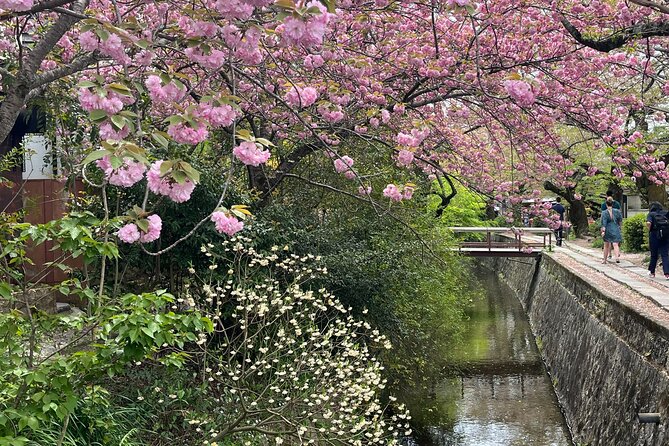
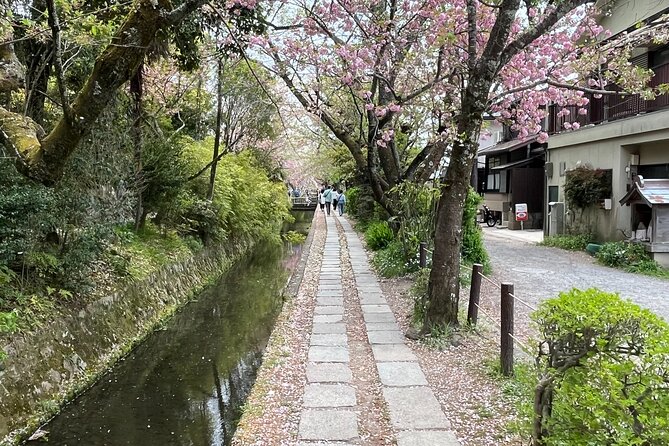
Then you move to the Philosopher’s Walk. This path runs between Nanzen-ji and Ginkaku-ji and is ticket-free. Expect about an hour here.
The Philosopher’s Walk isn’t just a scenic corridor. The name connects to Kitarô Nishida, a philosopher from 1870 to 1945, who appreciated this route. The tour frames it as a link between Nanzen-ji and the Silver Pavilion, but the deeper value is the idea of walking with intention.
In practice, this is a gift to your energy level. After Nanzen-ji, you’re already in a calmer mindset. Then this long, connective stroll keeps things moving without turning into a strenuous scramble. It also sets you up for the final reveal at Ginkaku-ji, because you arrive feeling ready to take in the architecture and garden.
If you’re prone to rushing, this is the moment to force yourself into a slower stride. That’s when the route stops being “transit” and starts being part of the experience.
A quieter way to spend a day in Kyoto


Stop 4: Ginkaku-ji (Silver Pavilion) and the view payoff over Kyoto
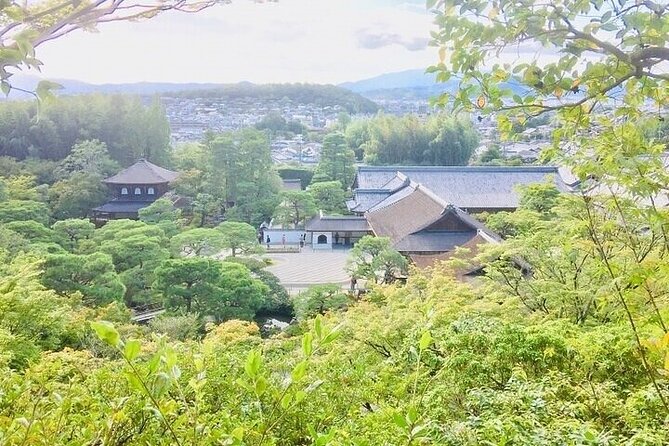
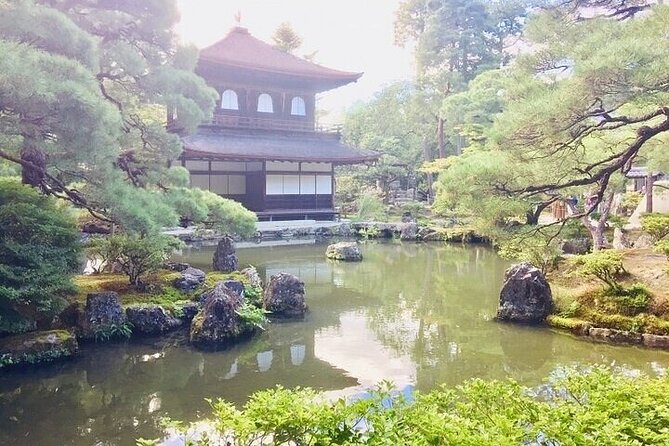
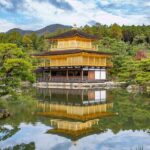
You finish at Ginkaku-ji, the Silver Pavilion, which dates to the middle of the 15th century. Entrance fees are not included, and the visit is about an hour.
This stop is described as famous for simplicity, architecture, its Zen garden, and breathtaking views of the city. That combination is why people remember Ginkaku-ji. It’s not trying to show off with chaos. Instead, it focuses on balance, lines, and a contemplative mood.
Here’s what you should plan for: you’ll want at least a little time to pause, look, and then look again. Zen gardens and temple architecture can feel abstract until you slow down enough to see their structure. A guide helps because they can point out what to notice, so you’re not just photographing.
And then there are the city views. Kyoto’s topography means views can feel like a reward for your time and effort. Finishing here makes the walk feel like it built toward something, not like a random sequence.
What I think makes this tour worth it: private guidance, not just a route
This is a private tour, so only your group participates. That’s a big deal for Kyoto, where crowd levels can swing hard by time of day. With a private guide, you’re not stuck waiting for others to catch up or being rushed to keep pace with a large group.
The review credit to Mouloud matters too. He’s described as having a lot of knowledge for all the sights, answering questions, and being kind when breaks were needed. That tells me the tour is flexible enough to match real bodies and real attention spans. You don’t need to keep swallowing information without a pause. You get room to absorb.
Also, the guide’s job here is not just to recite facts. The tour frames each stop with a theme, modernization into Zen calm, then a meaningful walk, then a final architectural and garden payoff. That story structure is what turns a simple temple visit into a connected experience.
Who this tour is best for (and who might want something else)
This is a great fit if you want a calm, meaningful half day in Kyoto. It’s especially good for:
- First-timers who want the Silver Pavilion experience but prefer a more guided, less stressful route
- People who enjoy Zen gardens, temple architecture, and slow walking
- Travelers who like context, like why the Philosopher’s Walk is named after Kitarô Nishida
- Anyone who wants flexibility for breaks during the walk
It might not be perfect if you want nonstop stimulation or a super short time commitment. It’s four hours on foot, with two temple entry fees. If you only want the absolute quickest highlights, you might feel you’re paying for guide time instead of pure sightseeing time.
Practical tips to make your 4 hours smoother
A few things will make this much more enjoyable:
- Wear comfortable shoes you can walk in for hours. Even if the route isn’t described as extreme, it is still walking plus temple time.
- Plan to budget for entrance fees at Nanzen-ji and Ginkaku-ji. The route has ticket-free sections, but the two main temple entrances add up.
- Bring a small bottle of water. The tour includes walking and you may appreciate it during breaks.
- If you’re sensitive to crowds, the private setup helps. Still, arrive at a pace you can manage, then let your guide help you settle into the calm.
Should you book this Kyoto Silver Pavilion guided tour?
If your goal is a structured but peaceful Kyoto half day, I’d book it. The route makes sense: Suirokaku sets up a modernization theme, Nanzen-ji delivers Zen garden calm, the Philosopher’s Walk keeps things flowing, and Ginkaku-ji ends with city views and a contemplative architecture moment.
I’d skip it only if you’re trying to minimize costs tightly or you prefer to wander entirely on your own without paying for guided context. In that case, you might choose cheaper, self-paced options.
For most people, though, paying for a private guide who can explain what you’re seeing, and who can handle breaks when your body asks for them, is the difference between collecting photos and actually feeling the place.
New This Season
- Koyasan Day Trip by Private Car from Kyoto
- Old Port Town and Ultimate Sake Tasting Private Tour From Kyoto
- Kyoto’s Timeless Charm: 3hr Exploration of History and Peace
- Kyoto: 5 Types of Sushi Making
- Sacred Peak & Ancient Paths: Kurama-Kibune Hiking Experience
- Kyoto: Exclusive ZEN practice at Manpukuji temple in Uji
- Kyoto: Private Seasonal Aroma Yoga Class
- Traversing Kyoto’s Scenic West – Arashiyama to Kinkakuji
Temple & Shrine Visits, compared.
Arashiyama Bamboo, Temple, Monkeys, or Secret Sake Brewery
Read our review →
Arashiyama Bamboo Forest, Monkeys, Matcha & Temple Tour
Read our review →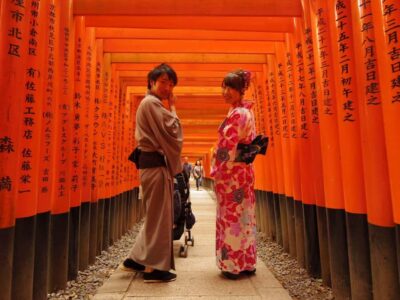
Arashiyama, Nara & Fushimi Inari Shrine w/Lunch
Read our review →
Kyoto Zen Meditation & Garden Tour at a Zen Temple with Lunch
Read our review →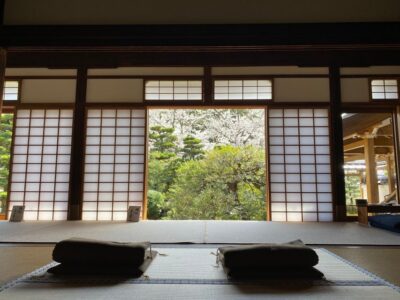
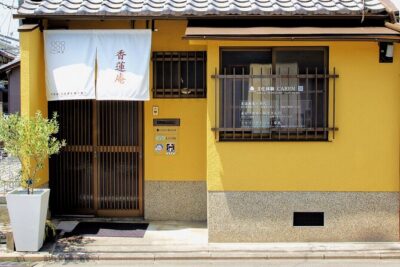
KYOTO Tea Ceremony with kimono near by Imamiya Jinjya Shrine
Read our review →Arashiyama Bamboo, Matcha, Monkeys & Temple Tour
Read our review →Also filed under