
Reviewed · MATCHA & GREEN TEA TASTINGS
Kyoto: Uji Matcha Tea Museum Entry Ticket
Matcha starts here, not in a cup. The Kyoto Uji Matcha Tea Museum ticket is a simple, budget-friendly way to understand what makes Uji tea special, with hands-on style learning and digital displays.
I like that the museum answers real questions, including how Uji tea is produced and the difference between Gyokuro and Sencha. I also like that it is designed to work for kids and adults, so you are not stuck with museum jargon.
One consideration: this experience is mostly a museum-style, indoor learning stop, so if you were hoping for a long tea tasting or an outdoor tea-farm walk, this ticket may feel too focused.
In This Review
- Key Things to Know Before You Go
- Uji Tea Room (Uji-cha no Ma): Where Tea Questions Get Answers
- How the Museum Teaches Tea Making (Without Making It Complicated)
- History Room: The 10-Yen Coin, the Uji River, and Meisho-zue
- The Tea-Themed Photo Spot in the Last Corner
- Price and Value: What $3.87 Buys You in Uji
- Who This Ticket Fits Best
- Should You Book the Kyoto Uji Matcha Tea Museum Ticket?
- FAQ
- Where is the Kyoto Uji Matcha Tea Museum entry ticket located?
- How much does the Kyoto Uji Matcha Tea Museum entry ticket cost?
- How long is the experience?
- What is included with the ticket?
- Is this entry ticket wheelchair accessible?
- Is free cancellation available?
- Can I reserve now and pay later?
- Is the ticket valid for one day?
- Do I need to choose a starting time?
- Who is the experience provider?
Key Things to Know Before You Go
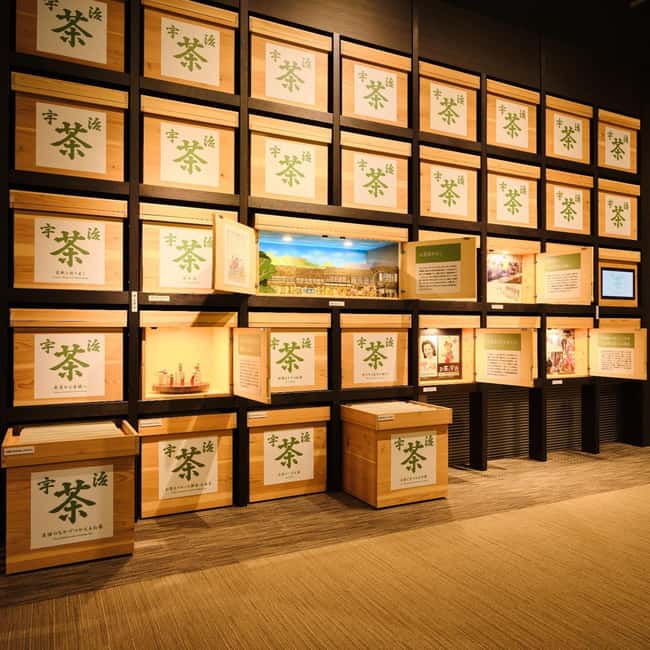
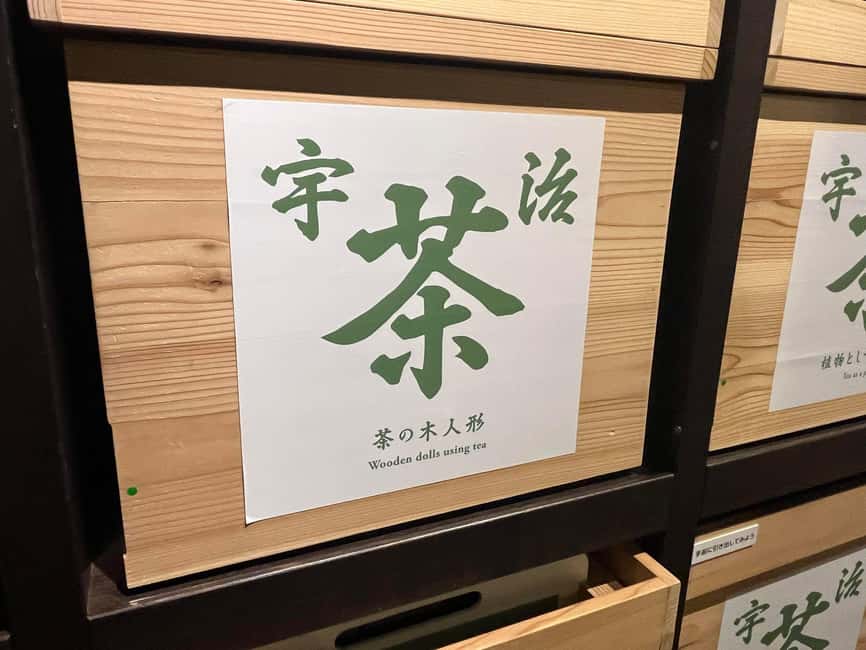
- Uji-cha no Ma (Uji Tea Room) explains tea making with digital exhibitions you can touch
- Gyokuro vs Sencha is covered in a clear, question-and-answer style
- Byodoin Phoenix Hall appears as a huge 10-yen coin in the History Room
- Meisho-zue shows up on a large 4K HDTV screen with townscape drawings
- Tea-themed photo spot is in the last corner, perfect for quick souvenir pics
- Wheelchair accessible and museum tickets are the only included item
Uji Tea Room (Uji-cha no Ma): Where Tea Questions Get Answers
The core of the visit is the Uji Tea Room, also labeled Uji-cha no Ma. This is where you learn about Uji tea production and why it matters, using digital exhibitions that go beyond a text panel you might skim and forget.
Expect an information flow built around common tea questions. The museum highlights topics like how tea is made, the birth story behind Uji tea, and what difference you should know between Gyokuro and Sencha. If you like learning by comparing, this part is a good fit because it puts key terms into a story about production and taste.
What makes this room especially useful is that it is not only watching. The exhibits let you touch and experience the tea as part of the learning. That matters because it turns your visit into something you can remember, not just something you walk through.
Practical tip: move at a steady pace through the displays once, then go back for the sections you want to reread. Digital exhibits are easier to take in when you do not rush the first pass.
How the Museum Teaches Tea Making (Without Making It Complicated)
Uji tea can sound intimidating when you first hear about special cultivation, processing, and different leaf styles. This museum keeps it approachable by structuring the content around questions you would actually ask while shopping or ordering.
The exhibits focus on practical understanding, including what might be a special way to make delicious tea. That is the kind of detail that can follow you into your next meal, since it helps you interpret what you taste later rather than treating every cup as the same.
You will also find the explanations framed as a learning experience for everyone, from children to adults. That means the tone stays accessible. Even if you are not a tea person yet, you should still come away with a few clearer ideas, like what sets Gyokuro and Sencha apart and why Uji has a reputation for quality.
If you are a tea nerd, this still works. The topics are specific enough to feel real, and the touch element gives you a better grasp than read-only information.
Whisk your own bowl of matcha
- Kyoto: Arashiyama Bamboo Forest, Monkeys, Matcha & Temple Tour
★ 5.0 · 759 reviews - Kyoto: Tea Ceremony Meditation – Make Matcha with Tea Master
★ 4.8 · 406 reviews - Kyoto: Arashiyama Bamboo, Matcha, Monkeys & Temple Tour
★ 4.9 · 291 reviews - Kyoto: Kimono Tea Ceremony with Matcha and Sweet
★ 4.9 · 249 reviews
History Room: The 10-Yen Coin, the Uji River, and Meisho-zue
After the tea-making section, the History Room shifts gears into place and time. This is where Uji’s story becomes more concrete, tied to landmarks and visuals you can picture even if you are not from the region.
You get a big welcome from a huge 10-yen coin featuring the Byodoin Phoenix Hall. That is a clever detail because it links money, design, and a famous site in one object. It gives you a quick mental anchor, so the rest of the exhibits feel connected instead of random.
The museum then covers changes in the town of Uji and the Uji River over time. You will see digital exhibitions that help you understand how the area developed, which gives context for why tea is such a big part of local identity.
Another standout here is the large 4K HDTV digital screen showing townscape drawings called Meisho-zue. This is one of those displays that can make you stop moving for a moment. Even if you only catch parts of the story, the sheer clarity and scale make it easier to stay focused than with small screens.
Practical tip: if you tend to get museum fatigue, this History Room may be a better pace breaker. It feels more visual and less like reading, so it can reset your attention.
The Tea-Themed Photo Spot in the Last Corner
Yes, there is a photo moment, and it is located in the last corner. It is not just an afterthought. A dedicated photo spot is useful because it gives you a final, easy payoff right when you are wrapping up the visit.
If you care about getting decent photos, plan to slow down near the end. When you leave early, you miss the place that seems designed specifically for pictures. When you go a little slower, you also give yourself time to capture a few angles without feeling rushed.
This is also a good checkpoint for your own learning. Right before photos, review what you just learned about Uji tea production and the Gyokuro versus Sencha idea. The photo becomes a memory marker for the topics you want to remember later.
Price and Value: What $3.87 Buys You in Uji
At about $3.87 per person, this ticket sits in the rare category of low-cost museum entertainment. The big value is not only the access. It is what you get for the time you spend, namely a structured explanation of Uji tea production plus history visuals tied to recognizable cultural references.
You are also not paying extra for add-ons, since the included item is simply the museum ticket. That keeps the whole experience feel straightforward. If you have a tight budget, this is the kind of stop that can still feel meaningful, because it teaches you something while you walk.
One more value angle: it is a 1-day ticket, so it fits easily into a Uji or Kyoto day. That makes it a good “fill the gaps” option when you want a calm, indoor learning stop that does not eat the whole day.
Who This Ticket Fits Best
This entry ticket is ideal if you want tea education in a small package. It is built for mixed ages, so it works well if you are traveling with kids, or if you want an activity that does not bore adults.
It is also a good fit for beginners. The museum lays out common questions about how tea is made and why Uji tea has a distinctive story. If you already know tea terms, you will still find value in the Gyokuro versus Sencha comparison.
On the flip side, if you only want traditional sightseeing, this may feel narrow. The experience described here is about displays and exhibits, not a multi-stop tour that mixes scenery with long walks.
So think of it as a focused cultural and educational pause, not a full-day outdoor excursion.
Indoors, when temple-hopping wears thin

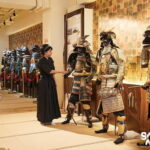
Should You Book the Kyoto Uji Matcha Tea Museum Ticket?
Book it if you want a low-cost, structured lesson on Uji tea, with digital exhibits you can interact with and clear comparison topics like Gyokuro and Sencha. The History Room details, including the Byodoin Phoenix Hall 10-yen coin display and the Meisho-zue 4K screen, add real visual payoff for a short visit.
Skip it only if you are specifically hunting for a long tea tasting, an outdoor tea-field experience, or a multi-location guided tour. Based on what the museum offers, this ticket is best when you are happy to spend your time learning inside.
FAQ
Where is the Kyoto Uji Matcha Tea Museum entry ticket located?
It is in Honshu, Japan.
How much does the Kyoto Uji Matcha Tea Museum entry ticket cost?
The price listed is $3.87 per person.
How long is the experience?
The duration is listed as 1 day.
What is included with the ticket?
The included item is the museum ticket.
Is this entry ticket wheelchair accessible?
Yes, it is listed as wheelchair accessible.
Is free cancellation available?
Yes, you can cancel up to 24 hours in advance for a full refund.
Can I reserve now and pay later?
Yes, it offers a reserve now and pay later option.
Is the ticket valid for one day?
Yes, it is listed as valid for 1 day.
Do I need to choose a starting time?
Check availability to see starting times.
Who is the experience provider?
The provider listed is Chazuna.
New This Season
- Koyasan Day Trip by Private Car from Kyoto
- Old Port Town and Ultimate Sake Tasting Private Tour From Kyoto
- Kyoto’s Timeless Charm: 3hr Exploration of History and Peace
- Kyoto: 5 Types of Sushi Making
- Sacred Peak & Ancient Paths: Kurama-Kibune Hiking Experience
- Kyoto: Exclusive ZEN practice at Manpukuji temple in Uji
- Kyoto: Private Seasonal Aroma Yoga Class
- Traversing Kyoto’s Scenic West – Arashiyama to Kinkakuji
Matcha & Green Tea Tastings, compared.

Arashiyama Bamboo Forest, Monkeys, Matcha & Temple Tour
Read our review →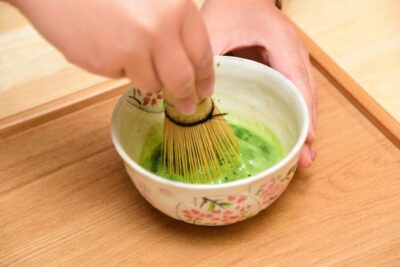
Tea Museum Tickets and Matcha Grinding Experience
Read our review →
Tea Ceremony Meditation – Make Matcha with Tea Master
Read our review →Arashiyama Bamboo, Matcha, Monkeys & Temple Tour
Read our review →

Arashiyama Bamboo, Temple, Matcha, Monkeys & secret spots
Read our review →
Green Tea Tour with Byodoin and Koshoji Temple Visits
Read our review →Also filed under