
Reviewed · MATCHA & GREEN TEA TASTINGS
Kyoto:60-Minute Matcha with Traditional Japanese music show
Matcha sounds better with a koto. In Kyoto, a koto and violin duet turns traditional Japanese sounds into music you might recognize from games and anime, all in a calm indoor setting. It’s short, friendly, and built for people who want culture without a long homework assignment.
I love the hands-on koto moment, where you can touch and sometimes play the instrument. I also love the smart variety in the set, moving from Japanese tradition to anime and game tunes, with original arrangements that connect it all.
The main drawback is simple: it’s a 60-minute show. That means it is a taste, not a full deep training, and the chance to play the koto may depend on how the session runs.
In This Review
- Key things that make this show worth your time
- Kyoto matcha, koto, and violin: why this show clicks
- The music program: from Japanese tradition to anime and game themes
- Midori no Yakata and the tea-room vibe: finding the venue and setting expectations
- What you will do during the 60-minute performance
- The koto touch-and-play moment: hands-on without needing prior skill
- Meeting the artists after the concert: the best way to connect music to meaning
- English instruction and who this works best for
- Price and value: is $60 for a 1-hour show a fair deal?
- Finding the right moment in your Kyoto schedule
- Should you book this Kyoto koto and matcha show?
- FAQ
- Where is the meeting point for the Kyoto koto and matcha show?
- How long is the concert?
- How much does it cost?
- What kind of music will I hear?
- Can I touch or play the koto?
- Is there time to meet the performers?
- Is the show presented in English?
Key things that make this show worth your time
- Koto meets violin crossover: delicate plucked koto lines paired with a strong violin voice
- You might actually play the koto: some participants get hands-on time
- Traditional plus anime and game music: familiar melodies used in an instrumentally Japanese way
- Young performers with a teaching mindset: the vibe is about passing the craft forward
- Meet the artists after the concert: ask questions and hear how they think about the music
- Easy Kyoto location near Umekoji Park: a clear venue setup with a restaurant on the first floor and the show upstairs
Kyoto matcha, koto, and violin: why this show clicks
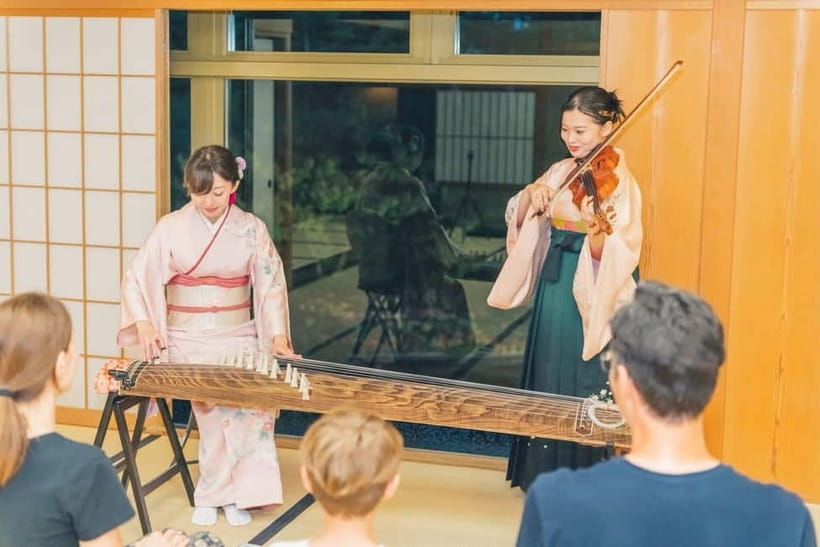
Kyoto has plenty of big-ticket cultural stops. This one is smaller, tighter, and made for direct contact with sound. You sit inside, you get matcha, and you hear how a koto can sound both ancient and strangely modern when it shares the stage with a Western violin.
What I like about this setup is the attitude. The program is not trying to freeze traditional music in amber. It treats tradition as something living, something you can reshape with care. When you hear the koto’s delicate timbre ride on top of the violin’s fuller phrasing, it feels like two languages learning to talk to each other.
Another big plus is the practical format. A full concert tour can be an all-day event. Here, it is just an hour, so you can fit it into a Kyoto day without sacrificing dinner plans or temple time.
The music program: from Japanese tradition to anime and game themes
This show is built around fusion, but not the messy, gimmicky kind. Expect a lineup that ranges from traditional Japanese pieces to music linked with anime and game worlds. The key is that the instruments stay true to their strengths: the koto stays crisp and light, while the violin brings long, singing lines.
You will also hear original arrangements. That matters, because it turns the set from a grab-bag into a coherent listening experience. Instead of simply remixing popular tunes, the performers arrange them so the koto makes sense in the melody, not just as background texture.
I also like that the set is explained in English. Music can be hard to read if you do not know what you are listening for. With English guidance, you get just enough context to appreciate the choices, whether the piece is rooted in Japanese tradition or inspired by familiar pop culture.
And here is the best part for many people: even if you do not consider yourself a music person, you can still follow the emotional arc. The contrast between plucked koto and bowed violin makes patterns easy to hear, even during transitions.
Whisk your own bowl of matcha
- Kyoto: Arashiyama Bamboo Forest, Monkeys, Matcha & Temple Tour
★ 5.0 · 759 reviews - Kyoto: Tea Ceremony Meditation – Make Matcha with Tea Master
★ 4.8 · 406 reviews - Kyoto: Arashiyama Bamboo, Matcha, Monkeys & Temple Tour
★ 4.9 · 291 reviews - Kyoto: Kimono Tea Ceremony with Matcha and Sweet
★ 4.9 · 249 reviews
Midori no Yakata and the tea-room vibe: finding the venue and setting expectations
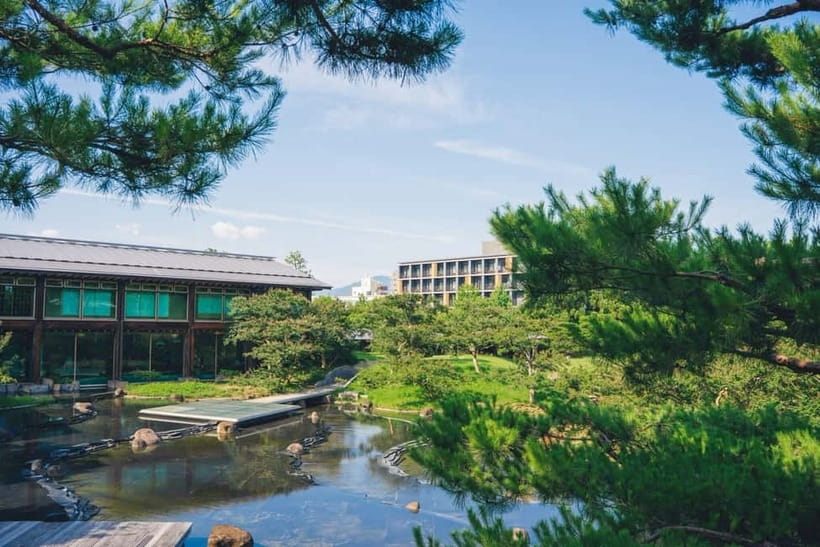
The concert takes place on the 2nd floor of Midori no Yakata, on the west side of Umekoji Park. You can spot it because BOTANIQ KAJIYA is on the 1st floor, and the venue is directly above it.
From Kyoto Station, you walk west along Shiokoji Street for about 15 minutes toward Umekoji Park. If you prefer rail, the venue is directly accessible from JR Sagano Line Umekoji Kyoto Nishi Station. Either way, you are not stuck with a complicated maze of transfers.
Once you are inside, the atmosphere is what you would want for something like this: traditional Japanese-style rooms and tea rooms. That kind of setting matters for listening. If the room is too loud or too casual, subtle instrument details get lost. Here, the space supports the sound, especially the koto, where clarity is everything.
Expect this to be an indoor, seated experience. Dress comfortably, because you will be focused on the performance rather than walking around. Think of it as a short cultural stop where you can hear details without the pressure of rushing to your next landmark.
What you will do during the 60-minute performance
The core plan is straightforward: an indoor concert featuring koto and violin, plus matcha. The total duration is 1 hour.
Because the show blends different genres, the pacing can move quickly. One minute you are listening to a traditional-style melody, the next you are recognizing the shape of an anime or game theme played in a Japanese instrument voice. That variety is part of the point, and it keeps the experience from feeling repetitive.
At a practical level, this format is also good for non-musicians. The koto’s sound is distinctive, so your brain does not have to work too hard to separate it from the violin. You can hear contrast right away:
- koto lines tend to feel like clean droplets of sound
- violin phrases feel like they stretch and carry emotion
One more detail I think you should know beforehand: the show is presented in English. So you will not be left guessing what is happening or why a particular arrangement matters.
The koto touch-and-play moment: hands-on without needing prior skill

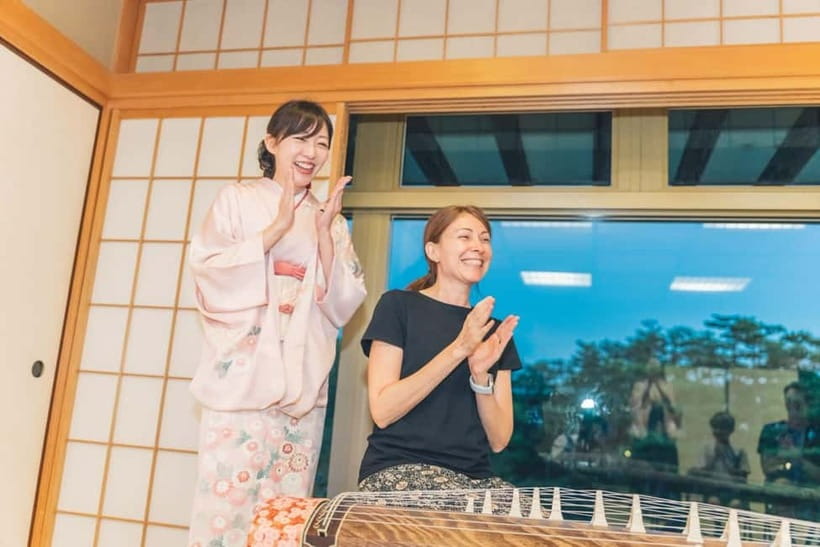
The biggest reason people rave about this experience is the interactive koto chance. The program allows some participants to touch and play the koto. In the most memorable examples, people even learn and play a theme from a well-known game series on the instrument.
That is not just a fun souvenir moment. It changes how you listen. When you have tried the koto once, you understand why the sound is so delicate. You also notice how the player controls tone and timing, and why the violin can feel so powerful in comparison.
For you, the smart mindset is simple: treat it like a guided try. Do not worry about being perfect. You are there to connect with the instrument, and the performers are young and clearly passionate about sharing. That energy usually translates into patience and clear direction during the hands-on portion.
Practical tip: wear clothes that let you sit comfortably and follow along easily. Since you might be asked to handle or play the koto briefly, avoid anything with complicated layers or tight footwear that makes it hard to settle in.
Also, keep expectations realistic. The data says some participants get the chance to try. That means your turn is not guaranteed. Still, even watching the hands-on segment can teach you what to listen for during the concert.
Meeting the artists after the concert: the best way to connect music to meaning
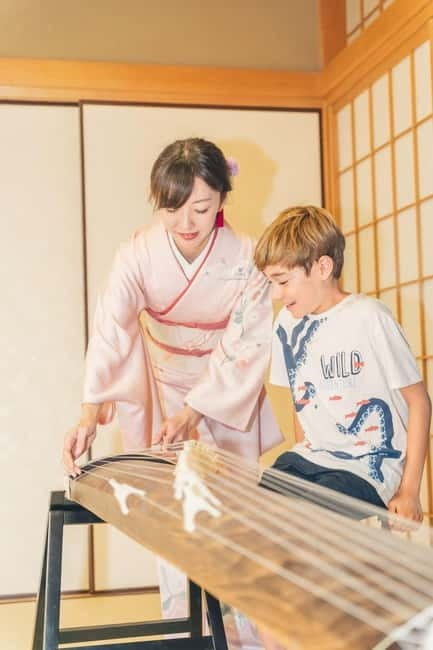
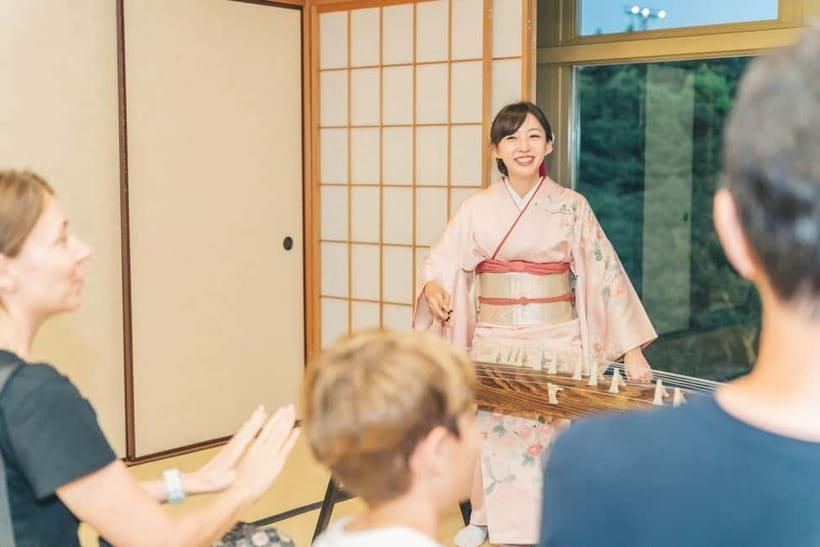
After the performance, there is time to interact with the artists. This is not just a quick photo moment. The point is conversation, and it helps you understand what you heard and why it matters.
You can learn about the instruments’ allure and the background of the pieces. The performers focus on explaining their passion and dedication, especially their goal of passing the charm of traditional instruments to the next generation.
This part can be surprisingly useful, even if you think you are not a “talk-to-strangers” person. One or two good questions can turn the show from entertainment into comprehension.
If you are the type who likes to ask practical questions, you will likely get a lot out of questions like:
- how they approach blending traditional and Western styles
- what makes the arrangement work on koto and violin together
- how they think about playing recognizable themes while keeping Japanese character
The artists are described as young, and that youth matters. It signals that the performers see tradition as something they can carry forward, not something locked behind ceremony.
A quieter way to spend a day in Kyoto
English instruction and who this works best for
The concert includes English instruction, which makes a big difference in Japan when you want to understand the structure of what you are hearing. If you are visiting Kyoto for the first time, this kind of explanation helps you move beyond passive listening.
This show is especially well-suited for:
- first-timers who want a non-temple cultural experience in a manageable time window
- music lovers who enjoy instrument sound, not just famous songs
- people curious about Japanese tradition but interested in crossover genres too
- families with kids old enough to sit through an hour and handle a calm indoor setting
It is not suitable for babies under 1 year. If you are traveling with an infant, check your plans carefully for comfort and timing.
One more group that tends to love this format: people who feel overwhelmed by Kyoto’s “too much to do” days. One hour plus a clear cultural theme can act like a pressure release valve.
Price and value: is $60 for a 1-hour show a fair deal?
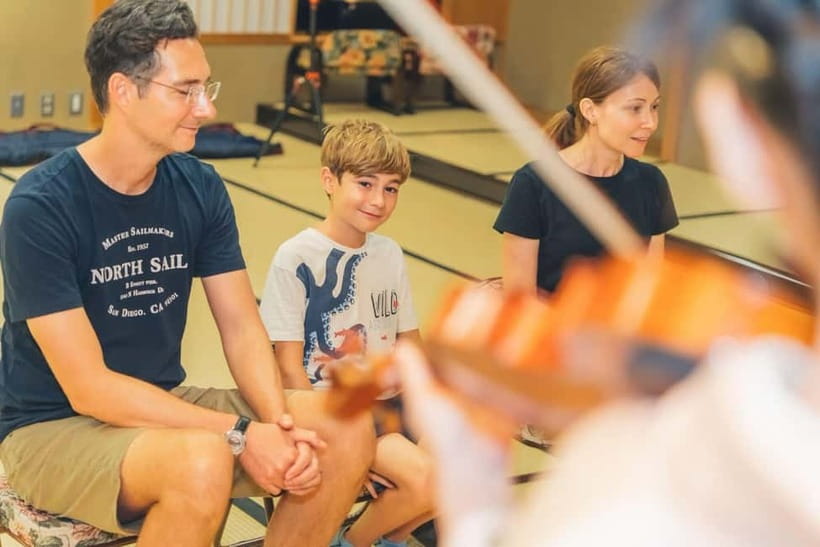
At $60 per person for a 1-hour concert, it is not a bargain in the way temple admission can be. But it does include several things that many standalone experiences do not combine.
You get:
- a special indoor concert featuring koto and violin
- a matcha experience tied to the show
- music ranging from traditional Japanese to anime and game tunes, plus original arrangements
- an interactive component where some participants may try playing the koto
- post-concert interaction with the artists in a more personal setting
In other words, you are paying for more than a seat. You are paying for guided listening, plus access to the instruments and the people behind them. That combination is what makes the price feel more reasonable.
The value equation is also about time. If you only have a few hours in Kyoto, spending one hour here can be more meaningful than squeezing in another stop that gives you less direct connection to culture.
The only real financial caveat is the 60-minute length again. If you want a long program, with lots of playing practice or extended performance sets, this might feel brief. But if you want a high-impact introduction and a hands-on moment, it is strong value.
Finding the right moment in your Kyoto schedule
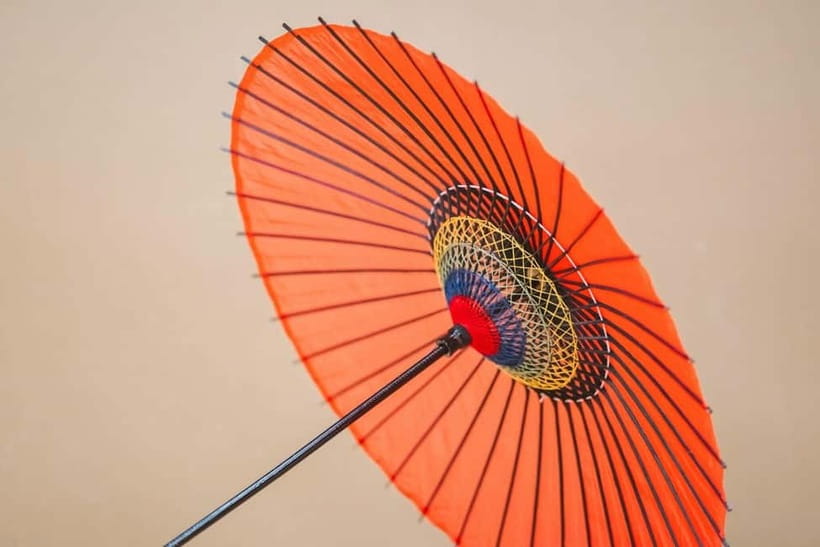
Because the show is only one hour, you can slot it into many types of days. Plan it as an indoor activity when the weather is unpredictable, or as a calm contrast after a day of walking.
If you are trying to avoid rushed travel, aim to arrive a few minutes early. You will be going to the 2nd floor above BOTANIQ KAJIYA, and you want time to settle without stress.
Also, make sure you are not scheduling something equally time-sensitive immediately after. The meet-and-greet can run long enough to keep conversations going, and you will likely want a moment to breathe before your next stop.
Should you book this Kyoto koto and matcha show?
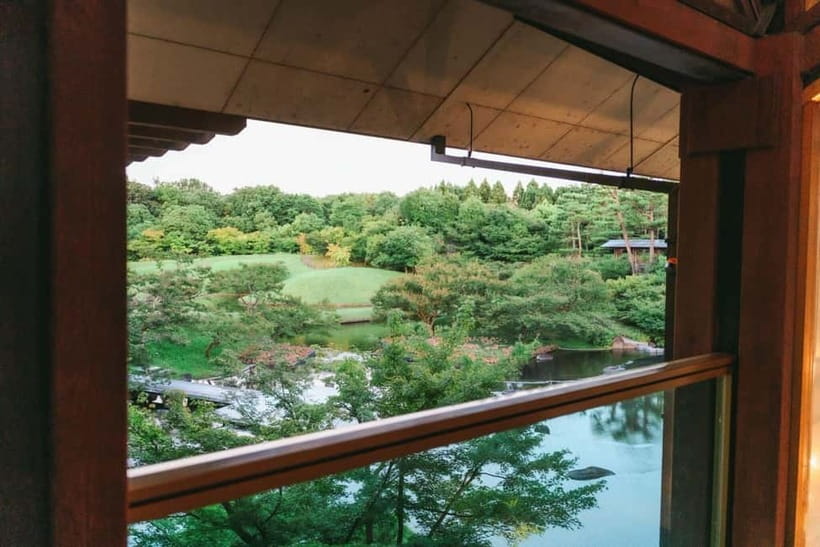
If you want an hour of Kyoto culture that is easy to fit, in English, and built around real instrument sound, I think you should book it. The standout strengths are the koto and violin collaboration and the chance to touch and try the koto. Add matcha and a post-show conversation with the performers, and you get a compact experience with real payoff.
Skip it only if you strongly prefer long, formal concerts or you are hoping for a guaranteed, everyone plays the koto style workshop. This is a show first, with hands-on added where possible.
FAQ
Where is the meeting point for the Kyoto koto and matcha show?
From Kyoto Station (JR, Subway, Kintetsu) Central Exit, walk west along Shiokoji Street for about 15 minutes. It is also directly accessible from JR Sagano Line Umekoji Kyoto Nishi Station.
How long is the concert?
The experience lasts 1 hour.
How much does it cost?
The price is $60 per person.
What kind of music will I hear?
The program includes traditional Japanese music, plus anime and game music, along with original arrangements.
Can I touch or play the koto?
There is an interactive part where some participants may be able to touch and try playing the koto.
Is there time to meet the performers?
Yes. After the concert, there is an opportunity to interact with the artists and learn more about the music and instruments.
Is the show presented in English?
Yes. The instructor uses English.
New This Season
- Koyasan Day Trip by Private Car from Kyoto
- Old Port Town and Ultimate Sake Tasting Private Tour From Kyoto
- Kyoto’s Timeless Charm: 3hr Exploration of History and Peace
- Kyoto: 5 Types of Sushi Making
- Sacred Peak & Ancient Paths: Kurama-Kibune Hiking Experience
- Kyoto: Exclusive ZEN practice at Manpukuji temple in Uji
- Kyoto: Private Seasonal Aroma Yoga Class
- Traversing Kyoto’s Scenic West – Arashiyama to Kinkakuji
Matcha & Green Tea Tastings, compared.

Arashiyama Bamboo Forest, Monkeys, Matcha & Temple Tour
Read our review →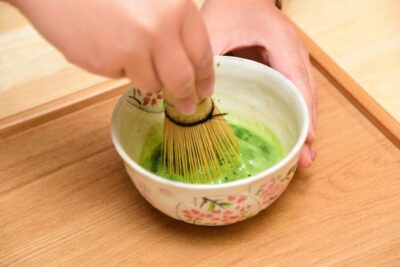
Tea Museum Tickets and Matcha Grinding Experience
Read our review →
Tea Ceremony Meditation – Make Matcha with Tea Master
Read our review →Arashiyama Bamboo, Matcha, Monkeys & Temple Tour
Read our review →

Arashiyama Bamboo, Temple, Matcha, Monkeys & secret spots
Read our review →
Green Tea Tour with Byodoin and Koshoji Temple Visits
Read our review →Also filed under