
Reviewed · KIMONO & YUKATA RENTALS
Kyoto:Family-Friendly Kimono & Yukata Experience at WARGO
Kyoto looks better in a kimono. This WARGO rental is interesting because you choose from 1000+ styles and get full staff dressing help before stepping back into the streets. I like that the rental is built for real sightseeing, not a quick photo stop, and I also like the clear plan options for first-timers.
One thing to plan around: your return time matters, since you can bring the outfit back anytime before 5:30 PM, and the available kimono upgrades can vary by store. If you book very late, you might also face a short wait at the shop.
In This Review
- Key things to know before you go
- Kyoto Kimono Rental at WARGO, what you really get
- Gion Store vs Kyoto Tower Store, pick your base
- From locker rooms to street-ready, the dressing flow
- Standard plan vs deluxe plan, what changes in your kimono kit
- What’s included (and why it helps families)
- How to plan your sightseeing time in Kyoto
- The next-day return option, a smart way to avoid rushing
- Practical tips for first-timers, including what to wear underneath
- Who this suits best, and who should consider alternatives
- Price and value, is $31.91 a good deal?
- A few logistics notes that affect your day
- Should you book WARGO’s Kyoto kimono and yukata experience?
Key things to know before you go
- Two smart locations in Kyoto, Gion for Hanamikoji and Yasaka Shrine photos, or Kyoto Tower for faster access to Arashiyama and Fushimi Inari
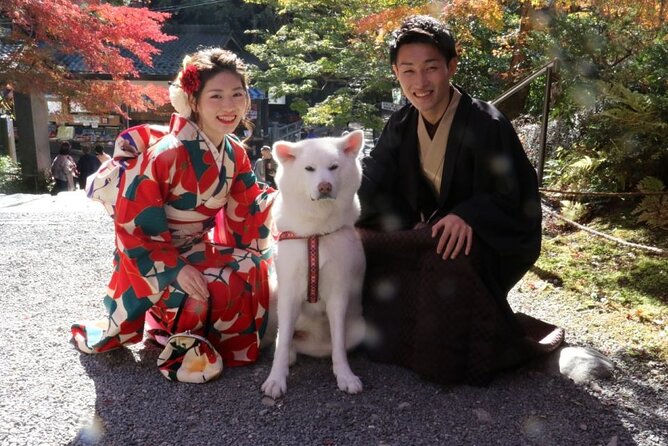
- Over 1000 choices of classic and contemporary kimono and yukata styles
- Standard vs deluxe options, including hair accessories like kanzashi in the deluxe plan
- Everything you need for wearing is included, including the obi, sandals (zori), tabi, and undergarments
- Small group handling, with a maximum of 5 travelers per activity
Kyoto Kimono Rental at WARGO, what you really get
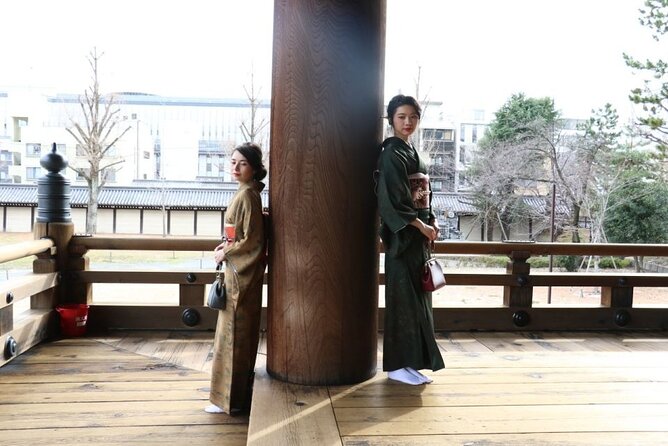
Think of this as a practical outfit rental with a built-in costume helper. You pick your kimono or yukata at the shop, the staff get you dressed, and then you head out to explore Kyoto in full traditional style.
The value is in how complete the kit feels. Besides the kimono, you also get the obi, zori sandals, tabi socks, and the underlayers that make the whole look sit correctly.
You can rent for a morning or an afternoon slot, and the experience length is listed as 1 to 7 hours depending on what you choose. After you leave the shop, the clock really becomes your sightseeing plan.
Gion Store vs Kyoto Tower Store, pick your base
You have two central choices, and the best one depends on where you want your day to start.
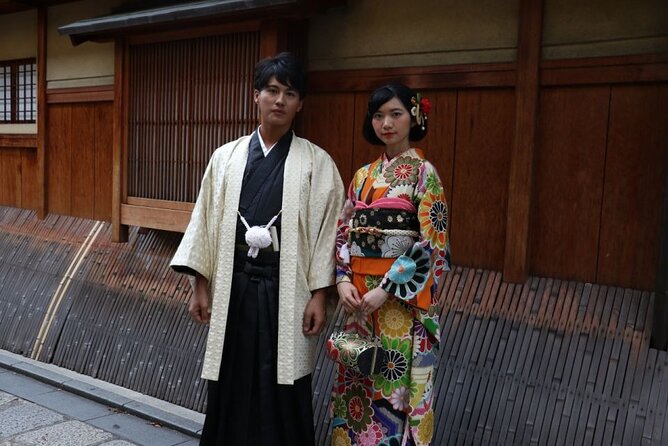
The Gion Store is a short walk from Hanamikoji Street and Yasaka Shrine, and it’s also a walkable option for Kiyomizu Temple (listed as about a 15-minute walk). If your goal is traditional Kyoto lanes, shrine-area photos, and evening stroll vibes, this location makes sense.
The Kyoto Tower Store is about 2 minutes from Kyoto Station. It’s ideal if you want easy access to other regions like Arashiyama and Fushimi Inari, or if you’re combining Kyoto with a day trip from Osaka. It’s also simply convenient if you plan to move fast between spots.
If you care about the exact kimono grade and belt options, keep in mind that the available choices can vary by store. That is one of the reasons I suggest choosing your location first, then selecting your look.
Walk the old streets in kimono
- Kimono Tea Ceremony at Kyoto Maikoya, NISHIKI
★ 5.0 · 911 reviews - Kyoto: Kimono Rental with Hairstyling and Accessories
★ 4.8 · 653 reviews - Kyoto: Kimono Tea Ceremony at Orizuruya Gion
★ 4.9 · 618 reviews - KYOTO Tea Ceremony with kimono near by Imamiya Jinjya Shrine
★ 5.0 · 343 reviews
From locker rooms to street-ready, the dressing flow
Your experience starts at the shop. You choose the kimono or yukata you want to wear, then the staff help you put everything on in the correct order.
This matters more than it sounds. A kimono can look amazing even in a rented outfit, but only if it’s fitted properly at the waist and collar points. The included components help here too, since you receive the extra layers and straps that support the final shape.
After you’re dressed, you step outside and explore at your own pace. You’re encouraged to take photos and enjoy Kyoto in your outfit, without feeling tied to a scripted route.
The activity ends back at the meeting point, so plan to return to the same shop you started at. The listing also notes that you can come back anytime as long as it is before 5:30 PM.
Standard plan vs deluxe plan, what changes in your kimono kit
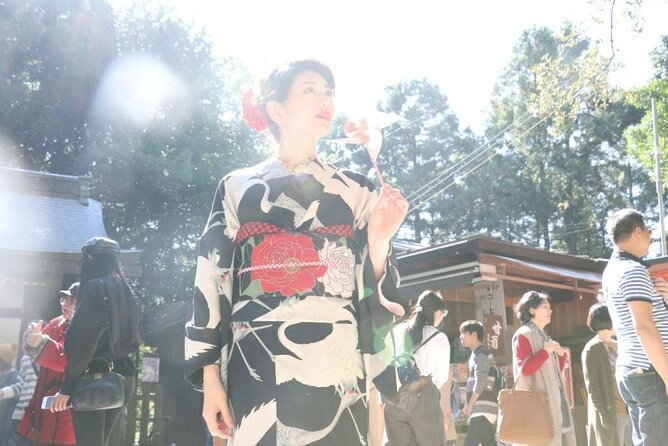
WARGO gives you two main ways to book: a standard plan and a deluxe plan.
With the standard plan, you get the kimono, obi belt, a Japanese clutch bag, zori sandals, tabi socks, and a simple hairstyle. The hairstyle is included right in the package, so you do not have to add a hair service on top.
With the deluxe plan, you can add a bit more style. The deluxe option includes a simple hair styling approach with kanzashi (ornamental hairpin) and an ornament. It also offers flexibility to upgrade the grade of the kimono and obi up to a certain level.
If you are booking for women, note that the deluxe plan specifically includes a standard hairstyle (the info says only for women). For kids and others, you still get the core outfit and basics, but the hairstyle detail is the one place where the plan language is explicit.
Both plans are designed so you show up, get dressed, and go. The “included” list goes far beyond just the fabric, including items like undergarments, a long undergarment, a waist strap, and collar core pieces.
What’s included (and why it helps families)
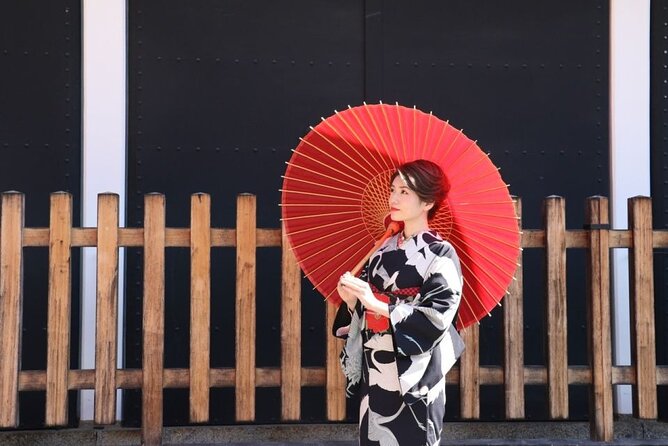
This rental is built around you not needing to source extra gear. Here’s what’s included: insurance fee, dressing fee, kimono or yukata, obi, zori sandals, bag, tabi, undergarments, long undergarment, waist strap, date tightening, strip, and collar core.
That setup makes a difference if you’re traveling with kids, grandparents, or anyone who does not want to manage outfit basics in a foreign language. The point is comfort and fit, and that takes more than just handing you a robe.
From the strong satisfaction signals, the big theme is service quality. People highlight that the staff are kind and helpful, and that they handle the dressing process efficiently even when the shop is busy.
There’s also language support: English and Chinese guidance is possible, and the shop may use translation devices for some staff. That helps you get through the sizing and fitting questions without stress.
Another practical plus is that the activity is capped at a maximum of 5 travelers. Smaller groups usually mean more attention during dressing time.
How to plan your sightseeing time in Kyoto
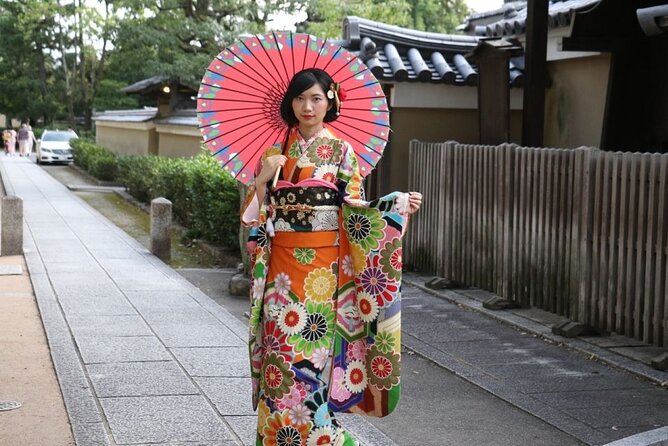
Once you’re dressed, you can walk at your own pace. You do not get locked into a rigid schedule, which is ideal for Kyoto because you will often want to pause, turn down a side street, or stop for a photo.
If you start in Gion, you can link your outfit with classic areas like Hanamikoji Street and Yasaka Shrine. That lets the kimono feel like part of the landscape, not just a costume you wear across town.
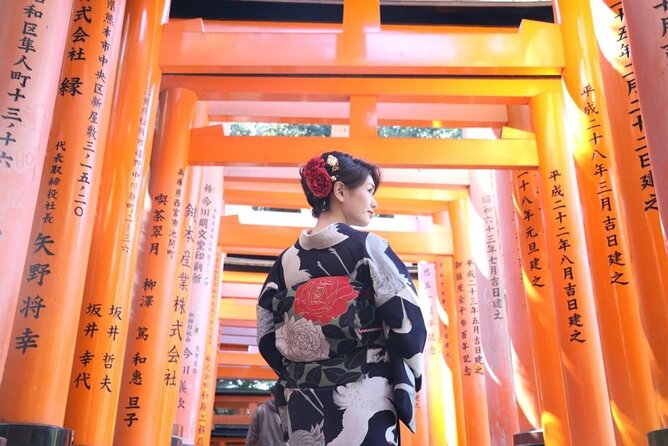
If you start near Kyoto Station, you can build a route that includes photo stops closer to the station area, like Kyoto Station itself and Higashi Honganji Temple (listed nearby). From there, you can branch out toward Arashiyama and Fushimi Inari depending on your time.
The rental return rule is your only hard constraint: you must return before 5:30 PM. If you go heavy on longer walks, save energy for your return trip, because your outfit does change how fast you move.
A day of temples goes further with something to break it up.

The next-day return option, a smart way to avoid rushing
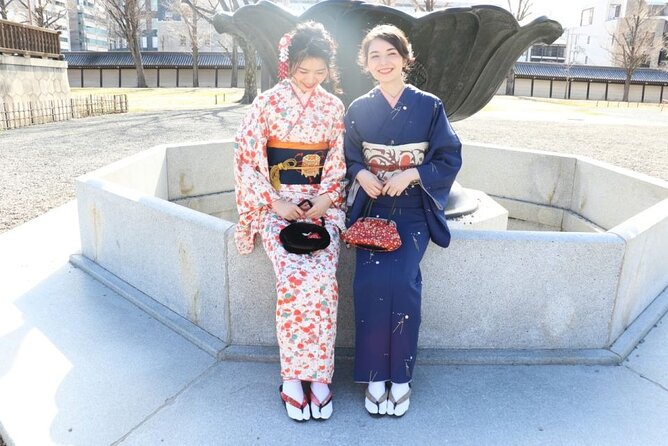
One of the most useful features is the option to return the kimono the next day for an additional fee. This is perfect if you want to wear the outfit at night or if your daytime plan is packed.
It also helps if you know Kyoto will tempt you into one more stop. You can keep exploring after dark without feeling like your day ends abruptly at the shop cutoff.
If you’re choosing between morning and afternoon rentals, this next-day option gives you flexibility. I like it especially for families, since kids can wear the outfit for a longer window and you can spread the sightseeing out.
Just remember: the next-day return is not free, and it still requires you to follow the shop’s process for that extension.
Practical tips for first-timers, including what to wear underneath
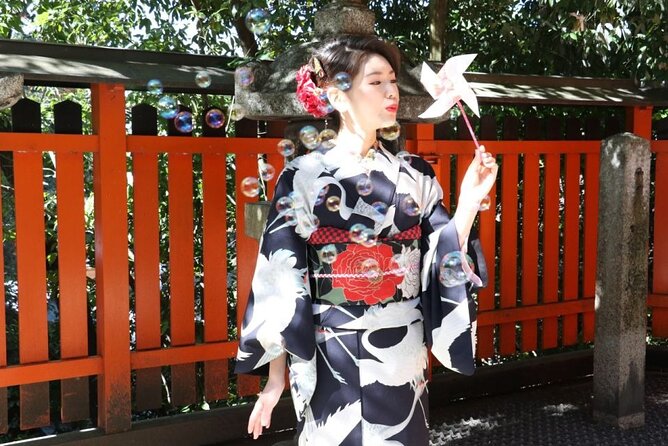
A kimono rental works best when you think like a planner, not like a tourist chasing perfect shoes.
Start with the idea that you will be walking. You’re given zori sandals and tabi socks, so you can move, but you should wear your “walk slow and steady” mindset. Avoid expecting long-distance hiking energy in a rented outfit.
Pay attention to the dressing and tightening process. The included items, like the date tightening and collar core pieces, exist to keep everything in place. When the staff finish, do a quick check, then trust the fit and focus on your route.
If you’re traveling with kids, go simple. The staff dressing help is a big part of the value, so let them handle the setup. You just need to be ready for a bit of time at the shop before you head out.
For comfort, plan your day around breaks. Kyoto is full of small pauses, and your kimono will make you notice side streets more. I find that rhythm is when rentals feel worth it.
Who this suits best, and who should consider alternatives
This experience fits you if you want an easy cultural photo day with real support. It’s also a good pick if you dislike complicated logistics, because the shop handles dressing and provides the core accessories.
It’s especially well suited for families. The included undergarments and complete kit reduces the headache of figuring out what to bring, and the staff support is designed to get you street-ready.
It may not be the best fit if you are looking for a guided walking tour with a set route and commentary. This is not presented as a narration-heavy tour. Instead, it’s a rental where you explore on your own after getting dressed.
Also, if you are very detail-specific about kimono grade and belt upgrades, you will want to confirm what is available at your chosen store. The info notes that available options can vary by location.
Price and value, is $31.91 a good deal?
At $31.91 per person, the price is competitive for Kyoto kimono rentals that include more than just the outer garment. The key value is that the booking includes the rental outfit plus insurance, a dressing fee, and the full set of accessories needed to actually wear it.
Many cheaper rentals leave you to sort out basics yourself. Here, you get zori sandals, tabi socks, the obi, and underlayers, plus the staff time to dress you correctly. That is the biggest reason the package feels like more than a souvenir.
The deluxe plan costs more, but it also adds styling elements like kanzashi and ornament, plus the ability to upgrade kimono and obi grade within limits. If you care about the overall look in photos, deluxe is the smarter choice.
My rule for value: choose the plan level that matches your photo priority. If you want a clean, traditional look with minimal add-ons, standard does the job. If you want extra polish, deluxe is worth thinking about.
A few logistics notes that affect your day
You get a mobile ticket, and you receive confirmation at booking. The shop is near public transportation, so getting to either location should not be a problem.
The activity ends back at the meeting point, so keep your return plan simple. Do not scatter your plans so far that you miss the 5:30 PM return window.
If you book after 3 PM the day before, you might have to wait a little at the store. That is not a dealbreaker, but it’s smart to build in buffer time, especially if you are traveling with kids or elderly family members.
Free cancellation is available up to 24 hours in advance for a full refund. If your schedule could shift, you’re not locked in until the last day.
Should you book WARGO’s Kyoto kimono and yukata experience?
Book it if you want a straightforward way to wear kimono in Kyoto with staff help and a complete kit. You also get enough flexibility to explore your own route, and the next-day return option is a strong add-on for evening plans.
Skip or rethink it if you want a full guided tour experience with narration and a set itinerary. This setup is about outfit rental and on-street wandering, not a lecture.
If you’re traveling with family and want low-stress logistics, this is a strong choice. The combination of included underlayers, dressing support, English or Chinese guidance, and the small maximum group size makes it practical, not just photogenic.
New This Season
- Koyasan Day Trip by Private Car from Kyoto
- Old Port Town and Ultimate Sake Tasting Private Tour From Kyoto
- Kyoto’s Timeless Charm: 3hr Exploration of History and Peace
- Kyoto: 5 Types of Sushi Making
- Sacred Peak & Ancient Paths: Kurama-Kibune Hiking Experience
- Kyoto: Exclusive ZEN practice at Manpukuji temple in Uji
- Kyoto: Private Seasonal Aroma Yoga Class
- Traversing Kyoto’s Scenic West – Arashiyama to Kinkakuji
Kimono & Yukata Rentals, compared.
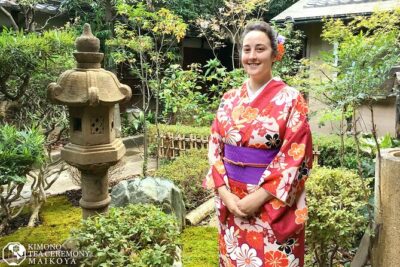
Kimono Tea Ceremony at Kyoto Maikoya, NISHIKI
Read our review →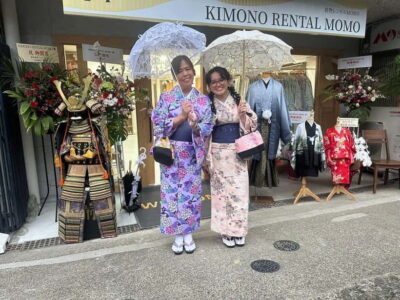
KYOTO Tea Ceremony with kimono near by Imamiya Jinjya Shrine
Read our review →
Kimono and Tea Ceremony Experience at Cultural Asset
Read our review →
1 Day Traditional Japanese Kimono Rental Experience
Read our review →Also filed under