
Reviewed · NINJA TRAINING EXPERIENCES
Make Your Own Ninja Weapon from Tin Casting Workshop
Make a ninja weapon from scratch. In Kyoto, you design and cast your own tin shuriken in a hands-on workshop led by blacksmith TAKE, learning real metalworking skills along the way. You’ll love the feeling of turning your idea into something physical through tin casting.
Two things I really like: the workshop keeps the group small, so TAKE can correct your grip and technique, and the process ends with practical rust-preventive finishing so your souvenir is meant to last. One consideration is that your first design might not come out exactly like you imagined, since you are learning casting and hand shaping in real time.
In This Review
- Key moments that make this workshop worth your time
- A two-hour tin ninja weapon you actually make in Kyoto
- Meet TAKE and choose your ninja weapon design
- Mold making: the step that decides how your weapon turns out
- Melting tin at 230°C: real metalwork, not mystery casting
- Shaping with hammer and smoothing with a file
- Finishing: rust-preventive solution and special oil coating
- What the 2-hour format really means for your day
- Price and value: why $104.72 can be fair for a real craft session
- What to bring, and how to prepare so the session feels smooth
- Who this tin casting workshop is best for
- My practical take: the laughter and the learning are part of the point
- Should you book the tin-casting ninja weapon workshop in Kyoto?
- FAQ
- What will I make in the tin casting workshop?
- How long does the workshop take?
- Who teaches the workshop?
- Where is the studio located, and how do I get there?
- Is alcohol included?
- Is there a locker?
- What is the cancellation policy?
Key moments that make this workshop worth your time
- Small group size (max 8 travelers) helps you get attention when tools feel unfamiliar
- Design to finished piece in about 2 hours, with a true casting sequence
- Tin melting at 230°C gives you a genuine view of how makers work with low-melting metal
- Hammer, file, and oil finishing so your ninja weapon looks better and is cared for
- 3-minute walk from Demachiyanagi Station keeps logistics easy during a Kyoto day
A two-hour tin ninja weapon you actually make in Kyoto
Kyoto has a thousand ways to spend a day, but this one is refreshingly direct: you create a ninja-style weapon using tin, then take it home as your own one-of-a-kind souvenir. It’s not a demo where you watch and clap. It’s a do-it-yourself workshop, with TAKE guiding you through each step so even if you’ve never used metal tools, you can follow along.
The “maker” part matters here. You start by designing your weapon, then you make a mold, melt tin, cast it, and only then do the shaping and finishing. That order turns the experience into something you can understand, not just something you attend. And because TAKE usually makes knives and blades, the instruction is grounded in real craft, not generic tourism talk.
Meet TAKE and choose your ninja weapon design
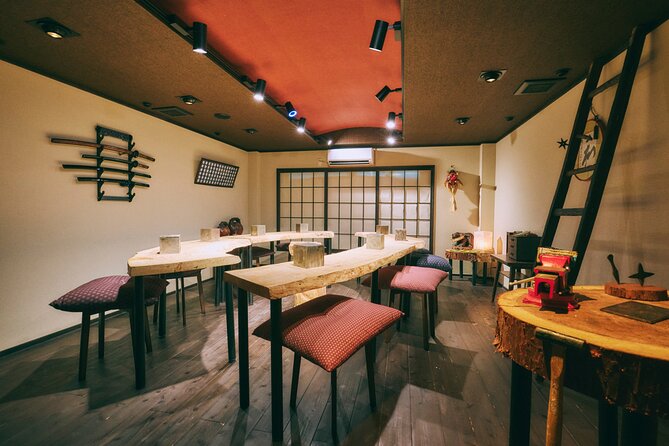
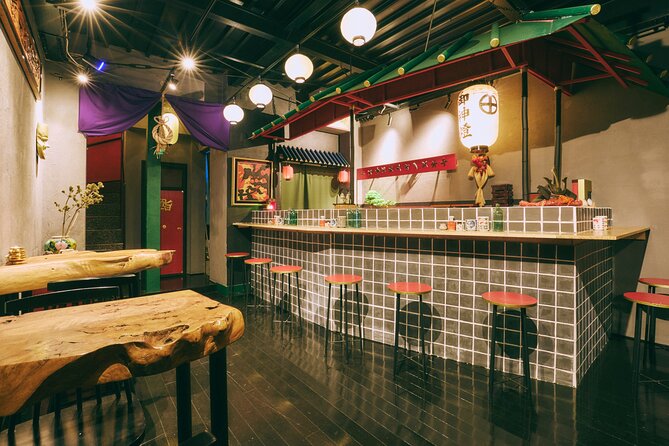
You’ll meet at Atelier NIN at 9-8 Tanaka Shimoyanagichō in Sakyo Ward. The studio is a short walk from Demachiyanagi Station, about a 3-minute stroll, which is the kind of detail that saves time when your Kyoto schedule is already packed.
Once you’re settled, TAKE walks you through the whole workflow in beginner-friendly terms. He’s the sort of instructor who expects you to learn as you go, not the sort who leaves you to figure things out alone. That’s a big reason this workshop earns such strong ratings. People tend to come in curious, laugh a lot during the process, and leave feeling proud even if the first version isn’t a perfect replica of their original sketch.
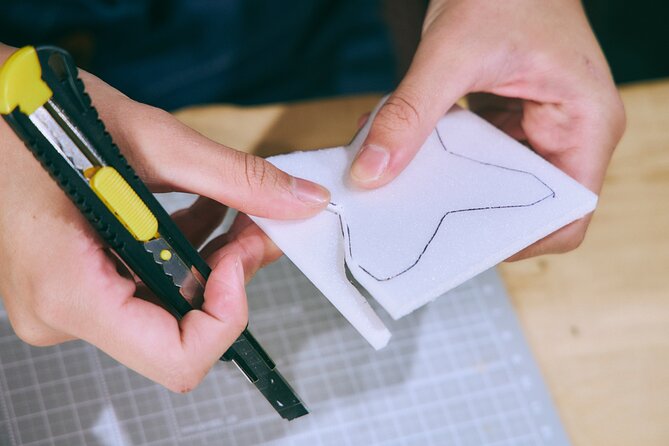
Designing your ninja weapon is where the fun really starts. You’re not asked to copy a template blindly. You’re shaping your plan around what can be molded and cast in tin. If you want a specific style, bring that intention in with you, because your choices now affect everything later: how the mold holds the form, how the tin fills, and how you’ll need to trim or file.
Throw stars and learn to move unseen
- Skip the lines Basic Ticket at SAMURAI NINJA MUSEUM KYOTO
★ 4.5 · 632 reviews - Ninja 1-hour Hands-on Lesson by Japanese master in Kyoto -Entry
★ 5.0 · 489 reviews - Kyoto: Ninja Weapon Forging Experience
★ 4.8 · 478 reviews - Ninja 2-hour Hands-on Lesson by Japanese master in Kyoto -Medium
★ 5.0 · 218 reviews
Mold making: the step that decides how your weapon turns out
In casting workshops, the mold is the blueprint. Here, you’ll make a mold as part of the sequence before melting and pouring. The practical point for you: mold work is where you learn to be patient and precise. If a line is unclear or a shape is rushed, you may see it later in the final metal piece.
Take this step seriously, even if you’re tempted to rush. Small corrections at the mold stage are usually easier than major repairs after the tin sets. And because you’re working in a guided class with a maximum of 8 travelers, you can ask questions quickly when something feels off. That small-group format is one of the quiet benefits that doesn’t show up on marketing photos.
Melting tin at 230°C: real metalwork, not mystery casting
Tin melts at 230°C, and that detail tells you something important. This is metalworking that is intentionally approachable. You’re still handling heated material under supervision, but the melting point is low compared with many metals, which makes this kind of hands-on session possible in a workshop setting.
You’ll melt tin, then cast it into your mold. The casting moment has that “wait and see” element, which is part of the charm. Even when you do everything right, casting is still craft. Tin can reveal the truth about your mold and your design. That’s why some people end up laughing while the piece forms, and why it’s totally normal to feel a little surprised the first time you remove something from a mold.
One practical tip: keep your expectations realistic. If you’re imagining a crisp, perfectly symmetrical star on the first try, this might not happen. But you are learning the mechanics of making, shaping, and finishing a metal souvenir. The value is in the process you can repeat, not just the finished object.
Shaping with hammer and smoothing with a file
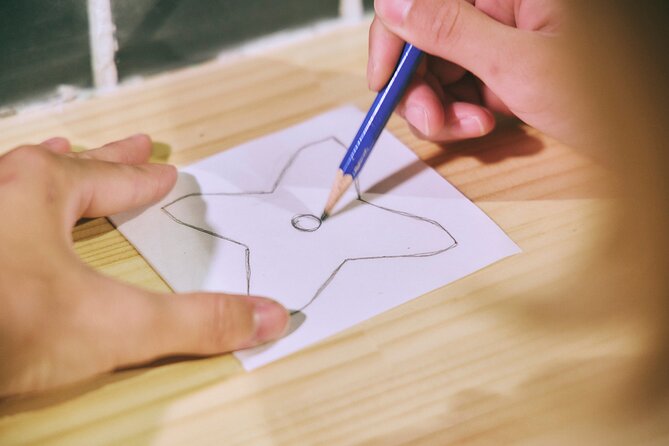
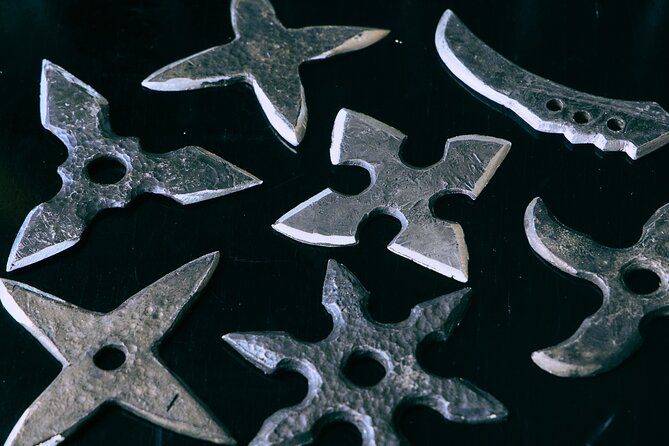
After the casting, you move into the physical part of refining your weapon. You’ll shape it with a hammer, then smooth it with a file. This stage is where your ninja weapon stops being a rough casting and starts becoming a piece you can recognize as yours.
For first-timers, the hammering and filing can feel like the most intimidating part, mainly because it’s easy to worry about ruining the work. TAKE’s guidance helps here. He’ll help you learn how to hold tools safely and how to apply pressure in a way that improves the shape instead of damaging fine edges.
This is also where the workshop shifts from “making a thing” to “learning a technique.” You start to understand how metal responds to controlled force. You’ll see your design sharpen up as you remove extra material, smooth surfaces, and refine contours.
Finishing: rust-preventive solution and special oil coating
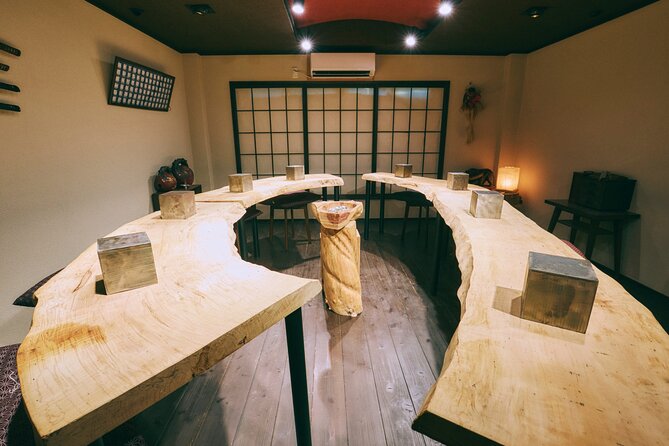
Here’s where this workshop earns points for practicality. Your piece doesn’t just get a quick wipe and a goodbye. You finish it with a rust-preventive solution and a special oil coating.
That matters for you because tin can tarnish or change surface over time if it’s not protected. The finishing steps are designed to help your souvenir stay presentable after you return to your hotel, go sightseeing, and pack your item away. If you want a keepsake that feels worth the trip, this kind of care at the end is a strong sign the shop thinks beyond the craft session.
The oil coating also adds that “made, not mass-produced” feeling. It can make the metal look richer and help protect it while you handle it. Follow TAKE’s finishing guidance at the end so you know how your piece should be treated after class.
A quieter way to spend a day in Kyoto


What the 2-hour format really means for your day
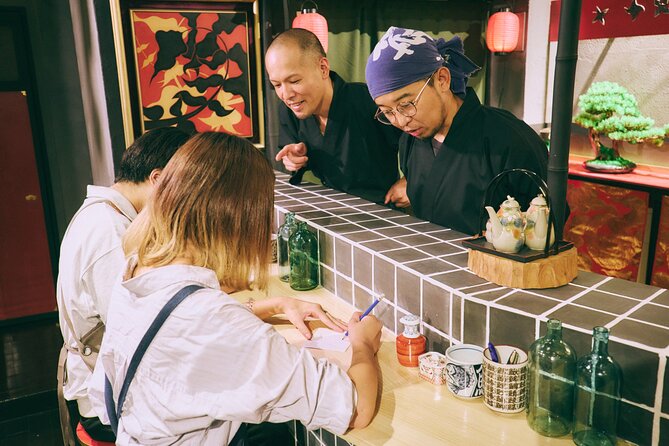
The experience runs about 2 hours. That’s a good length for hands-on learning because you get enough time to go from design to finishing without turning it into a half-day commitment you’ll regret.
If you’re planning your Kyoto day, think of it like an on-the-go workshop with a start and finish point you can build around. The 3-minute walk from Demachiyanagi Station is a big deal because it reduces stress when you’re hopping between neighborhoods. It’s also near public transportation, so you can connect it to morning shrine time or afternoon museum time without a complicated route.
Group size is max 8 travelers. That tends to keep the pace moving and keeps the instructor from being stretched thin. You get to ask questions when you’re stuck, which is especially important for tool use.
Price and value: why $104.72 can be fair for a real craft session
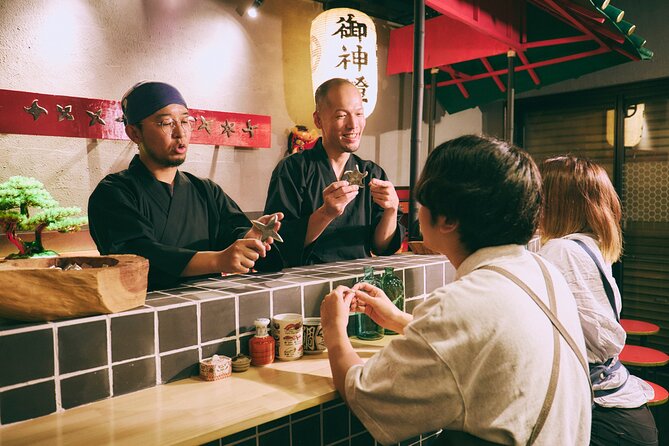
The price is listed at $104.72 per person. That may sound like a lot until you compare it to the value of what you actually do here: design work, mold making, melting and casting, tool shaping, filing, then protective finishing.
You’re paying for materials plus an instructor who can guide you through the steps safely and help you finish with a coating intended to protect the final object. In other words, this isn’t just a class. It’s a guided production session where you walk away with a tangible object you made with your own hands.
Also, because you’re not limited to watching, the cost has a “memory” payoff. This is the kind of souvenir you’ll remember when you see it later, because you know how each step changed the outcome. If you enjoy crafts, metalwork concepts, or hands-on learning, the value tends to feel more obvious.
A final note on timing: it’s booked about 34 days in advance on average. That doesn’t mean you must book immediately, but it’s a hint that slots fill. If you want a specific day, earlier planning usually keeps your schedule flexible.
What to bring, and how to prepare so the session feels smooth
This workshop includes a locker, which is helpful if you need to store bags while you work. Alcoholic beverages are not included, so plan to handle drinks outside the class if you want them.
Your physical fitness level should be moderate. The experience doesn’t specify athletic requirements, but you can expect you’ll be standing and using hand tools for parts of the session. Wear comfortable clothing and shoes you can move in. If you have long sleeves or dangling accessories, consider securing them so they don’t interfere with work or your comfort.
Before you arrive, it helps to have a simple idea of what you want to make. You don’t need a perfect sketch, but having a clear image makes the design phase more satisfying.
Who this tin casting workshop is best for
This is a great fit if you want an authentic Kyoto activity that’s hands-on and skill-based, not just photo ops. It’s also a good choice if you like the idea of making something you can hold, examine up close, and bring home.
You’ll likely enjoy it if:
- you’re a beginner who wants patient, step-by-step guidance
- you enjoy crafts, even if you’ve never worked with metal tools
- you want a souvenir with real workmanship, not something pre-made
If you’re the type who gets stressed by learning curves, it may be worth going in with a relaxed mindset. Your first ninja weapon might not match your dream version exactly, and that’s normal. The craft experience is in learning the process, not in expecting a perfect final product on day one.
My practical take: the laughter and the learning are part of the point
One of the nicest things about this workshop is the tone. People described the instructor and staff as funny, and the room energy tends to stay light even while you’re working with tools. That matters because casting and filing can feel serious. When the atmosphere is supportive, you learn faster and you make fewer mistakes trying to be perfect.
If you’re worried about outcome, read this as reassurance: even if your ninja star does not come out exactly how you wanted, it can still be meaningful. You’ll know it was made with care, and you’ll likely want to make another one right away. That desire to repeat is one of the strongest signs the workshop teaches a real technique, not just a souvenir craft.
Should you book the tin-casting ninja weapon workshop in Kyoto?
Book it if you want a hands-on, beginner-friendly workshop with real craft steps and a finished piece you can protect and keep. The combination of TAKE’s instruction, the small group size, and the practical rust-preventive and oil finishing makes it feel like a complete experience, not a rushed tourist activity.
Skip it if you dislike tool work or you only want passive sightseeing. This is a making class, so your time is meant to be active. And if you need a perfectly executed outcome on the first attempt, go in with patience. The fun is learning how the mold, tin casting, hammer shaping, and filing all connect.
If your Kyoto plan includes a day with some breathing room, this workshop is a great way to add a memorable, technical souvenir to your trip.
FAQ
What will I make in the tin casting workshop?
You’ll design and create your own ninja weapon using tin, using a process that includes making a mold, melting tin, casting, shaping with a hammer, smoothing with a file, and finishing with rust-preventive solution and special oil coating.
How long does the workshop take?
The experience runs for about 2 hours.
Who teaches the workshop?
The instructor is TAKE, a skilled blacksmith who usually makes knives and blades.
Where is the studio located, and how do I get there?
The studio meeting point is 9-8 Tanaka Shimoyanagichō, Sakyo Ward, Kyoto, and it is about a 3-minute walk from Demachiyanagi Station.
Is alcohol included?
No. Alcoholic beverages are not included.
Is there a locker?
Yes. A locker is included.
What is the cancellation policy?
Free cancellation is available. You must cancel at least 24 hours before the experience’s start time for a full refund. Canceling within 24 hours does not receive a refund.
New This Season
- Koyasan Day Trip by Private Car from Kyoto
- Old Port Town and Ultimate Sake Tasting Private Tour From Kyoto
- Kyoto’s Timeless Charm: 3hr Exploration of History and Peace
- Kyoto: 5 Types of Sushi Making
- Sacred Peak & Ancient Paths: Kurama-Kibune Hiking Experience
- Kyoto: Exclusive ZEN practice at Manpukuji temple in Uji
- Kyoto: Private Seasonal Aroma Yoga Class
- Traversing Kyoto’s Scenic West – Arashiyama to Kinkakuji
Ninja Training Experiences, compared.

Skip the lines Basic Ticket at SAMURAI NINJA MUSEUM KYOTO
Read our review →
Ninja 1-hour Hands-on Lesson by Japanese master in Kyoto -Entry
Read our review →
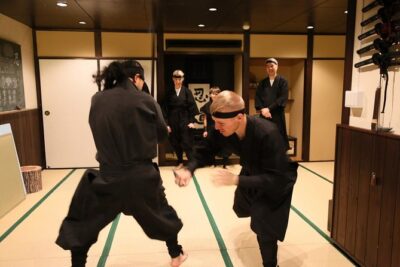
Ninja 2-hour Hands-on Lesson by Japanese master in Kyoto -Medium
Read our review →
Kyoto Sword Experience – includes Museum Ticket/Ninja Experience
Read our review →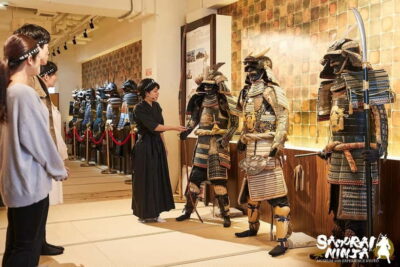
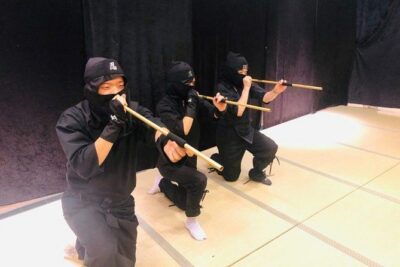
Ninja Experience (Family Friendly) at Samurai Ninja Museum KYOTO
Read our review →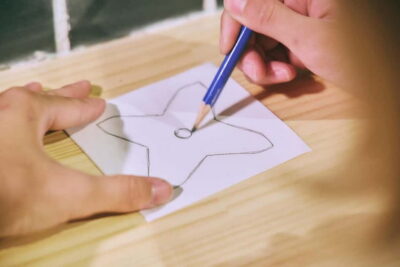
Forge Your Own Ninja Weapon with Japanese Tin Casting
Read our review →Also filed under