
Reviewed · MATCHA & GREEN TEA TASTINGS
Matcha Grinding Experience and Walking Tour in Uji Kyoto
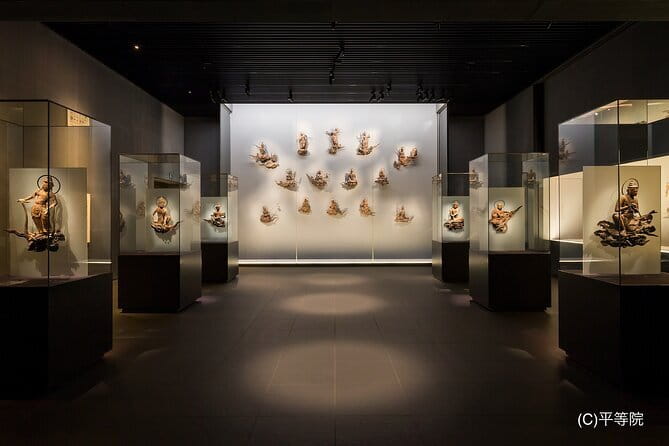
Matcha grinding in Uji feels like a time machine. In a few hours, you go from temple paths to a traditional stone mill and end with a cup you made yourself. You’ll also walk past Uji’s key tea stops and the famous Byodo-in Temple, known for its UNESCO status and its appearance on the 10-yen coin.
Two things I really like about this experience are how hands-on the matcha part is, and how the tour keeps you moving through real Uji landmarks rather than only doing a workshop and rushing out. You grind, you taste, and you get a guided walk that ties the tea culture to what you’re seeing on the ground.
One consideration: there’s no hotel pickup. You’ll need to get yourself to the meeting spot near JR Kyoto Station, and you should plan for a mask during the matcha making workshop.
In This Review
- Quick hits before you go
- Uji Matcha starts at Byodo-in, then moves into your hands
- Timing, meeting point, and why this runs like a small-group walk
- Byodo-in Temple: the UNESCO stop that anchors the whole Uji story
- The short walk to Uji Shrine: a calmer pause in the middle
- Fukujuen Ujicha Kobo and the matcha stone grinding workshop
- Drinking matcha with sweets or ice cream, and how to make it count
- English guidance, and why a friendly guide matters here
- Price and value: what $130.46 covers for a 4-hour Uji tea day
- Who should book this Uji matcha grinding and walking tour
- Should you book this Uji matcha grinding experience?
- FAQ
- What is the tour duration?
- What time does the tour start, and where does it meet?
- Is the tour guided in English?
- What stops are included on the walking route?
- What do I do during the matcha experience?
- Do I need to wear a mask?
- Is there free cancellation?
Quick hits before you go
- Stone mill matcha grinding that turns a lesson into a real skill you can repeat later
- Byodo-in Temple with UNESCO importance and the iconic 10-yen look
- Small group size (max 6) that can feel flexible and not rushed
- Uji Shrine and a tea shop stop that add variety beyond the temple photo
- English guidance with practical explanations, including matcha-making walkthroughs
- Snacks or matcha ice cream included, so the tour ends like a proper food break
Uji Matcha starts at Byodo-in, then moves into your hands
Uji is often called Japan’s matcha capital for a reason, and this tour is built around that idea. You’re not just watching matcha culture from the sidelines. You’re also walking through a place that carries instant recognition, because Byodo-in Temple is tied to the 10-yen coin and is a UNESCO World Heritage Site.
What makes the matcha experience work is the way it connects the senses. You visit the temple area first, then you switch gears to a workshop where you grind leaves into powder using a traditional stone mill. That order matters. It turns the tea story from something abstract into something physical.
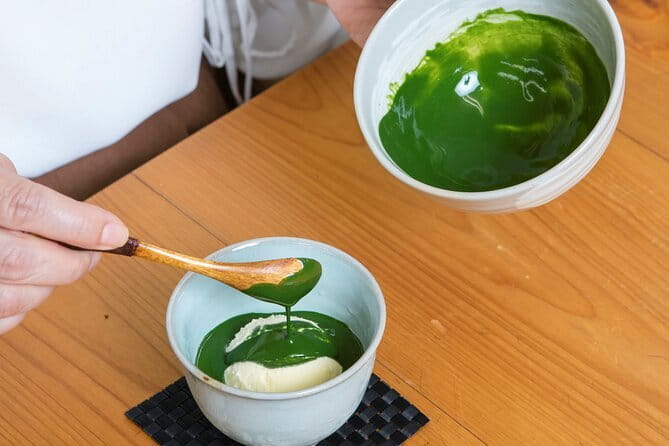
I also like that you’re not stuck with one kind of reward. After grinding and drinking your fresh matcha, you get either Japanese sweets or matcha ice cream, depending on what’s available and what you choose. It’s a small detail, but it makes the whole afternoon feel like you ate your way through the theme.
Timing, meeting point, and why this runs like a small-group walk
The tour runs about 4 hours and starts at 9:30 am. It’s a walking route that includes multiple stops, so you’ll want to be ready for a steady, not marathon, pace. The provider uses a mobile ticket, so make sure your phone battery is healthy.
You also need to plan your start logistics carefully because there’s no hotel pickup. The meeting point is at Shinshindo, near JR Kyoto Station (Central Exit area). That’s convenient if you’re already staying in Kyoto, but it’s not convenient if you’re relying on taxis or you’re far from the station.
Group size is capped at 6 travelers. In reviews, that small scale is a big part of the satisfaction. When the group stays tiny, the guide can slow down for questions and adjust the walk as you go. You might even experience the tour feeling close to private, because there are fewer people for the guide to manage at each stop.
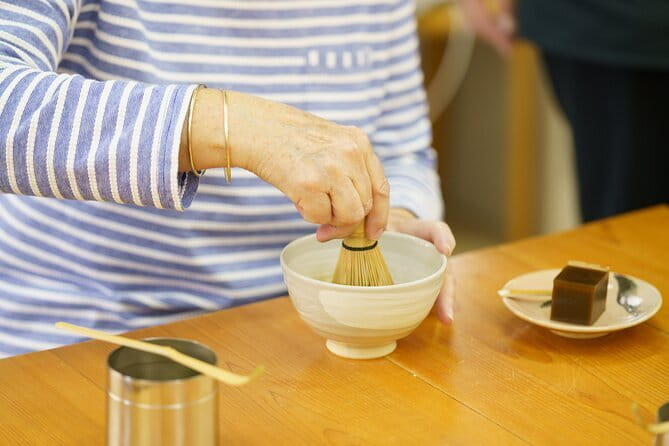
Whisk your own bowl of matcha
- Kyoto: Arashiyama Bamboo Forest, Monkeys, Matcha & Temple Tour
★ 5.0 · 759 reviews - Kyoto: Tea Ceremony Meditation – Make Matcha with Tea Master
★ 4.8 · 406 reviews - Kyoto: Arashiyama Bamboo, Matcha, Monkeys & Temple Tour
★ 4.9 · 291 reviews - Kyoto: Kimono Tea Ceremony with Matcha and Sweet
★ 4.9 · 249 reviews
Byodo-in Temple: the UNESCO stop that anchors the whole Uji story
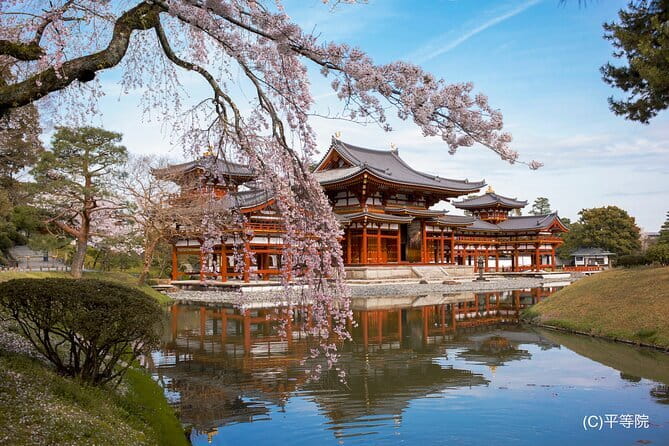
Your first stop is Byodoin Temple. This is the one that most people recognize immediately because it’s linked to the 10-yen coin image and because it’s a UNESCO World Heritage Site. Even if you’ve seen photos before, seeing it in person changes the feel. The architecture is the kind of thing where you start paying attention to small spacing, symmetry, and the way the grounds guide your eye.
From a value standpoint, this stop is important because admission is included. When a ticket is already handled for you, you avoid the usual “what line is this for?” stress. It also keeps the schedule tighter, which matters since you have a few other stops after this.
One practical tip: wear comfortable shoes. Uji is not all flat walking, and temple grounds usually mean uneven paths. The tour is only about half a day, so you don’t want sore feet to steal your attention from the views.
The short walk to Uji Shrine: a calmer pause in the middle
After Byodoin Temple, you head to Uji Shrine. This stop is less about a single iconic landmark and more about pace. A shrine stop helps break up the “big photo, big photo” cycle and gives you a quieter moment to reset your eyes before the tea-making part.
I like this kind of structure. By the time you reach the workshop, your brain is warmed up to tea culture through the surroundings. You’re not just learning matcha in a classroom. You’re moving through Uji’s sacred and everyday spaces in the order that makes sense.
The one thing to keep in mind is that shrines can mean short waits and slow foot traffic, depending on when you go. This tour starts at 9:30 am, which is usually a friendly time for walking, but you still should expect some basic crowds typical of major temple areas.
Fukujuen Ujicha Kobo and the matcha stone grinding workshop
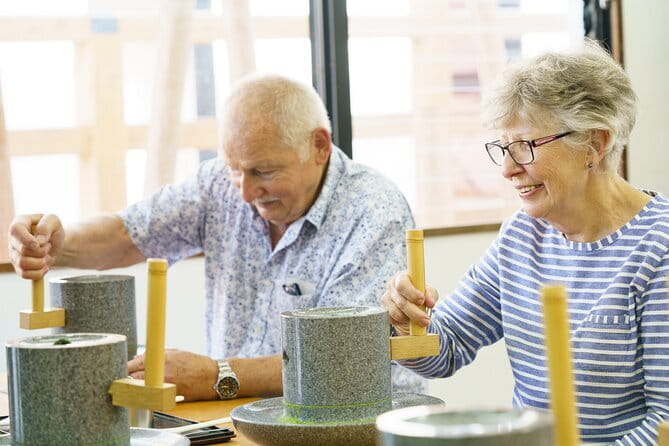
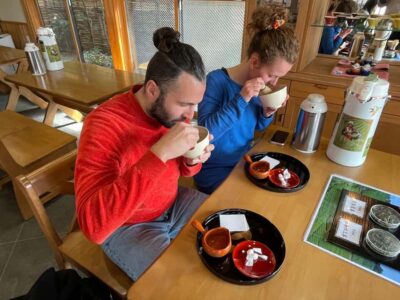
The workshop happens at Fukujuen Ujicha Kobo, and this is the core reason to book. The tour includes a matcha making class where you grind your own matcha powder using a traditional stone mill. Then you drink your freshly made matcha.
This is where a guided experience beats a self-guided visit. If you’ve ever seen matcha made before, you might think it’s mostly about mixing powder into hot water. The real lesson is in how grinding changes texture and how you notice the aroma as things become finer. Even without going deep into technical chemistry, the act of grinding gives you a more grounded understanding of what matcha is.
Also note the small but important rule: wear a mask during the matcha making workshop. That’s explicitly part of the experience, so plan on bringing one even if you normally travel without it.
Drinking matcha with sweets or ice cream, and how to make it count
After grinding, you get to enjoy your freshly made matcha tea with either Japanese snacks or matcha ice cream. That combination is more than a filler. It changes how you experience the matcha.
If you choose sweets, you’ll likely notice how the sweetness balances the tea’s taste. If you choose ice cream, you add a cool, slow-dissolving contrast that can make the matcha feel smoother. Either way, you end with something concrete, not just a souvenir photo.
One detail I appreciate from the way the tour is described is the focus on drinking the matcha you made. That turns the workshop from a performance into a personal moment. You can look at the temple photo later, but that cup in front of you is the one you carry with your memory.
If you’re sensitive to caffeine, treat matcha like coffee. This is a tea focused tour, so expect a real wake-up effect.
A quieter way to spend a day in Kyoto


English guidance, and why a friendly guide matters here
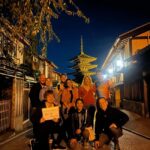
This is an English guided tour, and the guide role isn’t just reading facts off a sign. In the experience, the guide explains what you’re seeing and also talks you through the matcha-making steps. Reviews specifically mention a guide named Vincent, praised for being friendly and for explaining the sights clearly.
That matters because matcha grinding has a rhythm. If nobody explains the timing and handling, you can end up rushing or unsure about what “right” feels like. A good guide gives you permission to slow down and do it carefully.
Also, because the group is small, conversation feels more possible. In reviews, that friendly tone and the ability to go with the flow are repeatedly part of the reason people would recommend the tour.
Price and value: what $130.46 covers for a 4-hour Uji tea day
At $130.46 per person for about 4 hours, this is not a bargain-basement activity. But it isn’t priced like a luxury show either. The value comes from three concrete things included:
- Byodoin Temple admission, which would otherwise cost you time and money
- A matcha class with your own stone mill grinding and a fresh cup
- Japanese snacks or matcha ice cream, so you’re not paying extra to feel satisfied
You also get the guided walking piece, meaning you’re not just buying a workshop ticket. You’re buying a connected route through Byodo-in, Uji Shrine, and a tea stop at Fukujuen Ujicha Kobo.
One more value angle: the small group limit (max 6) usually improves the experience. When the guide is dealing with fewer people, you tend to get more attention and fewer delays at each stop. That makes the time feel more personal, and that’s a big deal for a hands-on food experience.
What you do not get is hotel pickup. That’s the main trade-off. If you’re already near Kyoto Station, you’re fine. If not, you’ll need to spend time and money getting to the meeting point.
Who should book this Uji matcha grinding and walking tour
This tour fits best if you want a tea experience with actual participation. If you like food activities where you produce something, this works because you grind matcha yourself rather than watching someone else do it. It also suits you if you’re the type who enjoys walking between landmarks and having the meaning explained, not just collecting pictures.
I’d especially recommend it to:
- Matcha lovers who want to understand the process through hands-on work
- First-time Uji visitors who want the key sights in one half day
- People who prefer small-group tours instead of big bus groups
- Anyone who likes combining a famous site with something tactile and tasty
If you hate walking, or you want a pure temple-only day, you might find the workshop segment interruptive. But given the structure, it tends to feel like a satisfying switch in the middle of the morning.
Should you book this Uji matcha grinding experience?
I think you should book it if you want the best of Uji in one structured 4-hour window: Byodo-in Temple with its UNESCO and 10-yen coin connection, a walk through Uji Shrine, and a matcha class that ends with you drinking what you made. The small group size and the guide attention make it more than a ticket. It becomes a guided tea day.
Before you click confirm, do two things. First, check that you can get to the meeting point near JR Kyoto Station at 9:30 am. Second, make sure you have WhatsApp available, since the guide uses it for easy communication, and bring a mask for the workshop.
If you’re on the fence, use the included value math. Temple admission plus a real matcha class plus snacks or ice cream in a guided half-day is a solid bundle. For many people, that balance is exactly what makes this kind of tour worth paying for.
FAQ
What is the tour duration?
The tour is about 4 hours (approx.).
What time does the tour start, and where does it meet?
The start time is 9:30 am. The meeting point is Shinshindo at JR Kyoto Station, Central Exit area.
Is the tour guided in English?
Yes, it is an English guided tour.
What stops are included on the walking route?
The tour includes Byodoin Temple, Uji Shrine, and Fukujuen Ujicha Kobo.
What do I do during the matcha experience?
You’ll take part in a matcha making class where you grind matcha powder using a traditional stone mill, then drink your fresh matcha. You also receive Japanese snacks or matcha ice cream.
Do I need to wear a mask?
Yes. The tour requires you to wear a mask during the matcha making workshop.
Is there free cancellation?
Yes. You can cancel for a full refund up to 24 hours before the experience starts, with free cancellation available.
New This Season
- Koyasan Day Trip by Private Car from Kyoto
- Old Port Town and Ultimate Sake Tasting Private Tour From Kyoto
- Kyoto’s Timeless Charm: 3hr Exploration of History and Peace
- Kyoto: 5 Types of Sushi Making
- Sacred Peak & Ancient Paths: Kurama-Kibune Hiking Experience
- Kyoto: Exclusive ZEN practice at Manpukuji temple in Uji
- Kyoto: Private Seasonal Aroma Yoga Class
- Traversing Kyoto’s Scenic West – Arashiyama to Kinkakuji
Matcha & Green Tea Tastings, compared.
Arashiyama Bamboo Forest, Monkeys, Matcha & Temple Tour
Read our review →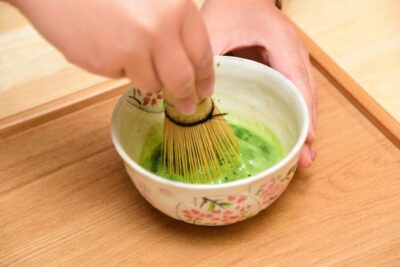
Tea Museum Tickets and Matcha Grinding Experience
Read our review →
Tea Ceremony Meditation – Make Matcha with Tea Master
Read our review →Arashiyama Bamboo, Matcha, Monkeys & Temple Tour
Read our review →

Arashiyama Bamboo, Temple, Matcha, Monkeys & secret spots
Read our review →
Green Tea Tour with Byodoin and Koshoji Temple Visits
Read our review →Also filed under