
Reviewed · FUSHIMI INARI SHRINE WALKS
Miko Small Group Experience at Takenobu Inari Jinja Shrine
Kyoto lets you borrow a shrine-maiden role for an hour. At Takenobu Inari Jinja, you step into a crisp, quiet corner of tradition with a real costume, respectful shrine manners, and a short lesson that makes it all make sense. It’s set up for women age 12 and up, so you can focus on the experience instead of wondering if you fit.
I love the hands-on flow, from costume dressing to the purifying actions like ringing bells and doing formal worship (sanpai). The instruction is clear and the guide’s English is excellent, plus the group stays friendly and calm.
One consideration: this is an outdoor shrine activity that needs good weather, and it’s non-refundable if you cancel.
In This Review
- Key things to know before you go
- Takenobu Inari Jinja, and why this shrine matters for your photos
- Your 100 to 120 minutes at the shrine, step by step
- 1) Costume dressing that sets the tone
- 2) Purification and shrine manners, with real actions
- 3) Sweeping the shrine precinct
- 4) A small lecture, then photo time
- The costume details you can actually use: Chihaya and Kanzashi
- The guide and small group size, why it feels easier than it sounds
- Price and value at $70.78 per person in Kyoto
- What to wear and bring so you do not stress in the moment
- Meeting point at Takenobu Inari Jinja: find it fast
- Weather, and the small reality check for outdoor ceremony time
- Who this miko experience is best for
- Should you book the Miko Small Group experience at Takenobu Inari?
- FAQ
- Who can join the miko experience?
- How long does the experience take?
- What activities are included?
- Where is the meeting point?
- What should I wear or bring?
- Can I take photos during the experience?
- Can I add extras for photos?
- How big is the group?
- What happens if weather is bad?
Key things to know before you go
- Miko costume plus etiquette, including purifying actions, ringing bells, and sanpai
- Small group size (max 4), so questions feel easy and the pace stays relaxed
- Short lecture and photo time, with a clear chance to get pictures without rushing
- Optional photo outfit upgrades: Chihaya (formal jacket) and Kanzashi (hair accessory)
- What you wear matters: you need white innerwear, and tabi socks and waist straps are helpful
- Weather dependent, since it’s tied to conditions at the shrine
Takenobu Inari Jinja, and why this shrine matters for your photos
Takenobu Inari Jinja is the kind of Kyoto shrine visit that feels less like a checklist and more like quiet participation. This experience is built around the shrine setting, so you’re not just dressing up for pictures, you’re learning how shrine-maiden roles connect to manners and ceremony.
If you’re visiting Kyoto and already doing the big temple highlights, this is a nice change of pace. The focus stays on one place and one theme: respectful behavior, small ritual steps, and the visual impact of the outfit. It’s also practical for photographers, because you get designated time to take pictures and you can use the extra formal accessories for a more complete look.
The shrine is also a good match for travelers who like structure. You’re guided through what to do and when, including ceremonial gestures. That matters in Japan, where the difference between guessing and doing things correctly can be huge.
Your 100 to 120 minutes at the shrine, step by step
Plan on about 1 hour 40 minutes to 2 hours total. The timing can vary a bit with the flow of the ceremony, but this is a short, focused session rather than a half-day commitment.
Here’s the practical sequence you can expect:
Still climbing through the orange gates?
- Kyoto: Fushimi Inari, Kinkakuji, Bamboo Grove 1 Day Bus Tour
★ 4.8 · 4,316 reviews - Fushimi Inari Hidden Hiking Tour (Private Option Available)
★ 5.0 · 1,750 reviews - Osaka/Kyoto:Kinkakuji,Arashiyama,FushimiInariShrine,NaraPark
★ 4.1 · 1,596 reviews - Kyoto/Osaka: Nara, Fushimi Inari Taisha, Arashiyama Bus Tour
★ 4.7 · 1,275 reviews
1) Costume dressing that sets the tone
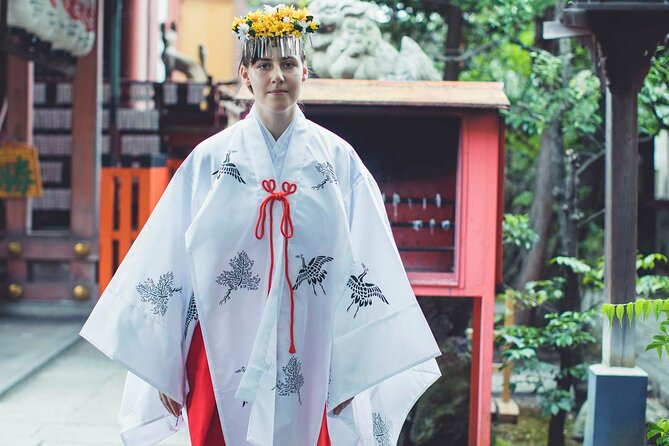
You start with the robe and skirt outfit used for the miko experience: white robes with red skirts. This is more than “getting dressed.” The way the session is handled makes the costume feel like a formal role you’re borrowing for the shrine setting.
Before you go, keep in mind you’ll be asked to wear white innerwear. If you have tabi socks and waist straps, bring them. If not, let the provider know, and they’ll prepare and let you borrow what you need.
2) Purification and shrine manners, with real actions
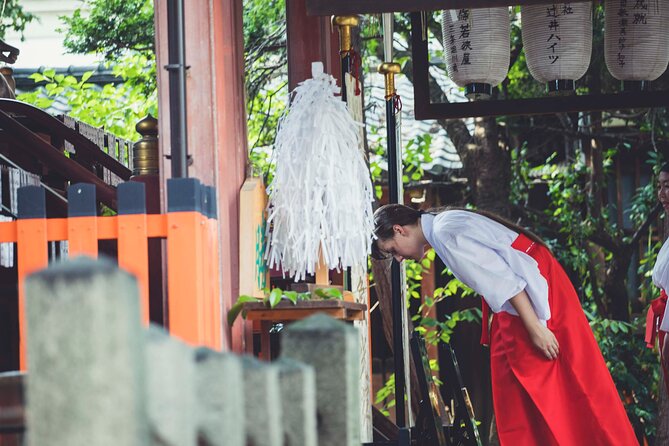
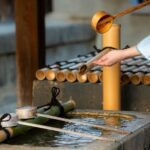
Next comes the ceremonial etiquette. You’ll practice elements such as purifying actions and ringing bells. You’ll also do shrine worship (sanpai), which is a formal way to show respect.
This part is the heart of why the experience works. You’re not just hearing about shrine tradition, you’re doing the motions with guidance. That turns “I watched a video” into “I understand what the steps mean.”
3) Sweeping the shrine precinct
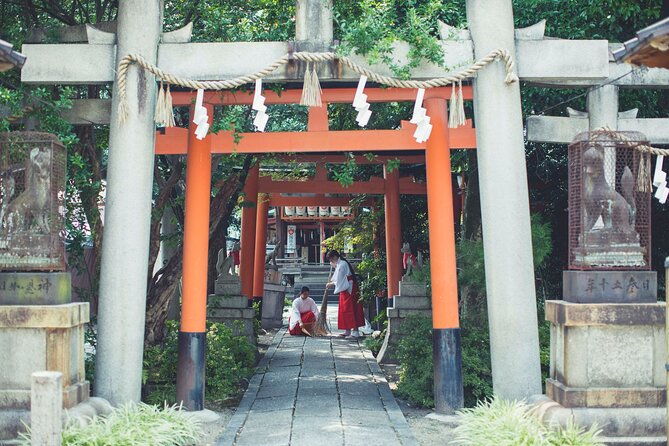
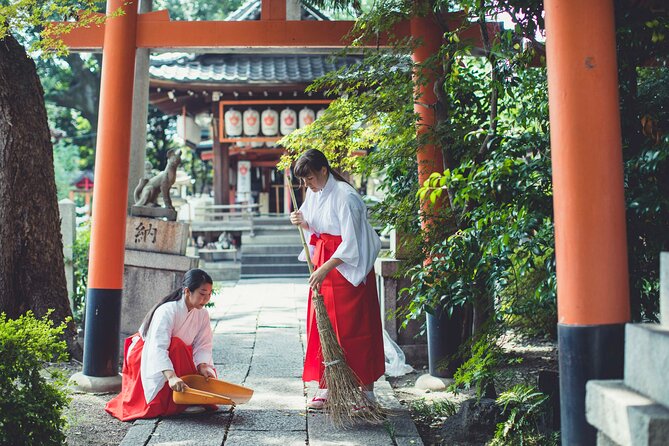
You’ll also sweep part of the shrine precinct. It’s a small task, but it adds an important feeling of contribution. That’s also where the experience becomes more grounded, because it shifts you from observer to participant.
4) A small lecture, then photo time
After the ritual steps, you get a small lecture and then photo time. You can take pictures there, and you can also take photos anywhere you like during the photo window.
This is a helpful format for people who want both culture and content. The photo time isn’t thrown in at random, it follows instruction, so you’ve got context before you start shooting.
More rooftops worth a detour


The costume details you can actually use: Chihaya and Kanzashi
One thing I really like about this setup is that the photos aren’t limited to whatever you start with. You can also put on Chihaya (a formal jacket) and Kanzashi (a hair accessory) when you take pictures.
In practical terms, this means you can fine-tune your look without disrupting the ceremony part. You get the full miko silhouette first, then you level up the outfit for photos once you’re in the right moment.
You should also think about your comfort. A formal garment plus photo time means you’ll likely be standing, turning, and holding poses. If you’re the type who gets stiff easily, plan a slow start. The group stays small, so you can match your pace to the guide instead of feeling rushed by a large crowd.
And yes, you can take photos anywhere you like during the photo time. That’s great if you want a specific angle or a calmer background instead of only one designated spot.
The guide and small group size, why it feels easier than it sounds
This experience caps at 4 travelers, which changes the whole vibe. With a group that small, you’re not trying to hear details over noise or crowd control. You can also ask questions without feeling like you’re slowing down a tour bus.
The guidance style is also a big plus. The instructor explains things very well, and the guide’s English is excellent. Even if you don’t know Japanese, you’ll likely be able to follow along with confidence because you’re taught the steps, not just pointed toward them.
That’s especially important for ceremonial actions like purifying, ringing bells, and sanpai. These are easy to misunderstand if you’re guessing. Clear instruction helps you do it right the first time, which also makes the experience more satisfying.
Finally, the atmosphere stays friendly and accommodating. That matters because costume experiences can sometimes feel awkward for first-timers. In this format, it’s more like a supportive lesson in manners.
Price and value at $70.78 per person in Kyoto
At $70.78 per person, this isn’t a budget “quick costume” activity. But it also isn’t priced like a full, multi-hour cultural tour either. So the real question is value, and the value here comes from the structure.
You get multiple parts that usually cost money if you book them separately:
- robe and skirt dressing
- guided ceremonial etiquette (including purifying actions and sanpai)
- sweeping activity
- a short lecture
- photo time in miko styling
Also, your time commitment is manageable. At around 1 hour 40 minutes to 2 hours, it’s easy to slot into a busy Kyoto itinerary.
Another value factor: the mobile ticket. That’s one less thing to worry about while you’re navigating train stations and walking routes.
If you’re the kind of traveler who enjoys cultural context and correct etiquette, this price starts to look fair. If you only want photos with minimal instruction, you may feel it’s pricier than you expected.
What to wear and bring so you do not stress in the moment
This experience gives you some flexibility, but you still need to show up ready.
Bring:
- white innerwear (required)
- tabi socks and waist straps if you have them
If you don’t have tabi socks and waist straps, tell the provider ahead of time. They’ll prepare and you can borrow them.
Wear:
- something easy to get comfortable in, since costume dressing is part of the session
- practical footwear for getting to the shrine, because you’ll walk there first before dressing
A small mindset tip: treat this like a formal ceremony, even if it’s playful. Once you’re in the outfit, do your best to slow down. Move politely, listen carefully, and follow the guide’s cues. That makes the experience smoother and your photos look more natural too.
Meeting point at Takenobu Inari Jinja: find it fast
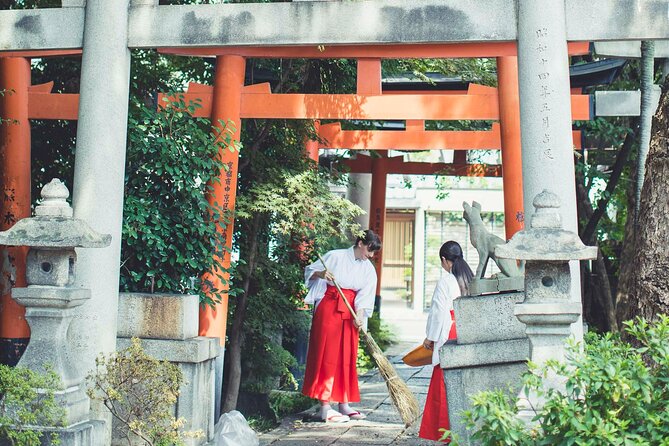
You’ll meet at Takenobu Inari Shrine Japan, 604-8801 京都府京都市中京区今新在家西町38. The activity ends back at the meeting point.
The good news is that it’s near public transportation, so you don’t have to build your day around a car or a taxi stand. Still, Kyoto can have tricky walking blocks, so it helps to arrive a little early.
Since your time window is short, give yourself breathing room. You want to be calm when you start dressing, not rushing while you’re trying to understand instructions in a quiet shrine environment.
Weather, and the small reality check for outdoor ceremony time
This experience requires good weather. That matters because the ceremony actions and sweeping happen at the shrine precinct.
If it’s canceled due to poor weather, you’ll be offered a different date or a full refund. So you’re not stuck with a bad day losing your money with no options.
One more note to keep your plans realistic: this experience is non-refundable and cannot be changed for any reason. So once you pick your date, treat it like a real appointment.
Who this miko experience is best for
This works well if you:
- want an authentic shrine-role experience with ceremonial manners, not just a costume
- like small group learning and clear English instruction
- enjoy getting dressed for photos in a meaningful setting
- are visiting Kyoto and want something different from the usual temple hopping
It’s also a smart choice for people who are comfortable following steps and respecting quiet rules. If you get impatient with guided etiquette, you might find it more structured than you hoped.
Age-wise, it’s for ladies over 12 years old. Most travelers can participate, so you don’t need special training. Just plan to follow the clothing and etiquette guidance.
Should you book the Miko Small Group experience at Takenobu Inari?
I think you should book this if you want a respectful, guided shrine experience with a clear structure and strong instruction. The combination of robe dressing, purifying actions, sanpai, sweeping, and photo time in a max-4 group makes it feel worth doing in Kyoto.
Skip it only if your main goal is quick, casual photos with little ceremony. At $70.78 per person, you’re paying for the guided ritual flow and the cultural manners, not just the outfit.
If your schedule is tight, this short format is a win. If the weather looks iffy, keep your date flexible in your mind, but know you’ll have options if it’s canceled due to poor conditions.
FAQ
Who can join the miko experience?
Any ladies over 12 years old can take this experience.
How long does the experience take?
The experience takes about 1 hour 40 minutes, approximately, and is also described as around 2 hours.
What activities are included?
You can expect costume dressing, ceremonial manners such as purifying and ringing bells, sweeping the shrine precinct, formal worship (sanpai), a small lecture, and photo time.
Where is the meeting point?
The meeting point is Takenobu Inari Shrine Japan, 604-8801 京都府京都市中京区今新在家西町38. The activity ends back at the same meeting point.
What should I wear or bring?
Please put on white innerwear. If you have tabi sox and waist straps, bring them. If you don’t have them, let the provider know and you can borrow them.
Can I take photos during the experience?
Yes. There is a small photo time, and you can take pictures anywhere you like during that time.
Can I add extras for photos?
You can put on Chihaya (a formal jacket) and Kanzashi (a hair accessory) when you take pictures.
How big is the group?
The activity has a maximum of 4 travelers.
What happens if weather is bad?
This experience requires good weather. If it is canceled due to poor weather, you will be offered a different date or a full refund.
New This Season
- Koyasan Day Trip by Private Car from Kyoto
- Old Port Town and Ultimate Sake Tasting Private Tour From Kyoto
- Sacred Peak & Ancient Paths: Kurama-Kibune Hiking Experience
- Kyoto’s Timeless Charm: 3hr Exploration of History and Peace
- Kyoto: 5 Types of Sushi Making
- Kyoto: Exclusive ZEN practice at Manpukuji temple in Uji
- Kyoto: Private Seasonal Aroma Yoga Class
- Traversing Kyoto’s Scenic West – Arashiyama to Kinkakuji
Fushimi Inari Shrine Walks, compared.

Fushimi Inari, Kinkakuji, Bamboo Grove 1 Day Bus Tour
Read our review →
Fushimi Inari Hidden Hiking Tour (Private Option Available)
Read our review →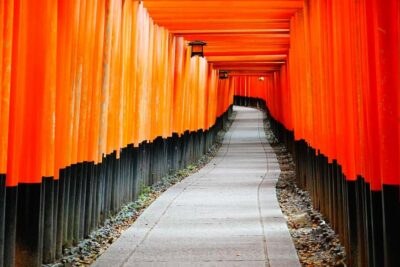
Kinkakuji,Arashiyama,FushimiInariShrine,NaraPark
Read our review →
Nara, Fushimi Inari Taisha, Arashiyama Bus Tour
Read our review →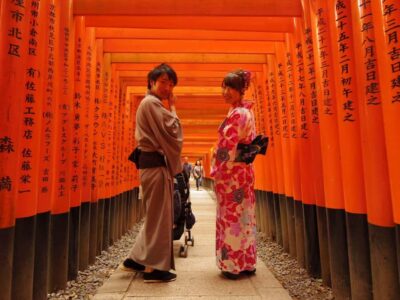
Arashiyama, Nara & Fushimi Inari Shrine w/Lunch
Read our review →
Nijo Castle, Kiyomizu & Fushimi Inari Guided Tour
Read our review →
Nijo, Kinkaku-ji, Arashiyama, Kiyomizu & Fushimi Inari
Read our review →
Also filed under