
Reviewed · TEMPLE & SHRINE VISITS
Nanzenji, Eikando, and Ginkakuji Autumn Private Tour in Kyoto
Kyoto’s autumn scenery hits different when it’s guided and paced well. This private half day connects Nanzenji, Tenjuan Garden, Eikando, and Ginkakuji with the kind of stop-by-stop context that makes the colors and details feel meaningful, not just pretty. You get a local expert, a clear route using public transport, and enough time at each place to actually look around.
I like two things most. First, Tenjuan Garden at Nanzenji gives you a calm, layered garden experience with mossy paths and koi ponds, a true breather from the busier temple areas. Second, the route finishes at Ginkakuji and its approach, where you walk through traditional streets and tea houses before the Silver Pavilion itself.
One thing to consider is money on the day. The tour price includes the private guide and guide expenses, but admission, meals, and transportation are not included, and some stops may not take credit cards, so plan to bring cash.
In This Review
- Key points before you go
- How this Kyoto autumn private route actually works
- Tenjuan Garden: the calm break inside Nanzenji
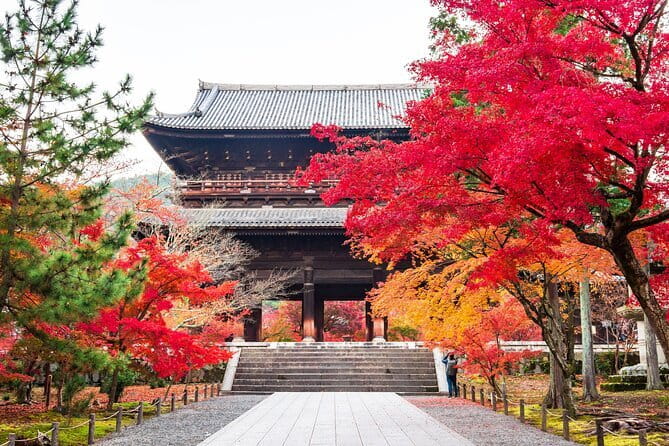
- Nanzenji Temple: Sanmon Gate views and the Suijikaku Waterway Pavilion
- Eikando Zenrinji: sideways gaze Amida and fall color you can feel
- The Ginkakuji approach: traditional shops and tea houses before the Silver Pavilion
- Ginkaku-ji Temple: the medieval palace roots and the wabi-sabi vibe
- Price and value: what you pay vs. what you cover on the day
- Where you meet, where you end, and how to plan the rest of your day
- What to wear and how to keep the day comfortable
- Who this tour suits best
- Should you book this Nanzenji, Eikando, and Ginkakuji autumn private tour?
- FAQ
- How long is the Nanzenji, Eikando, and Ginkakuji autumn private tour?
- Is this a private tour?
- What temples and areas are included in the itinerary?
- Are admission fees included in the tour price?
- Do I need cash during the tour?
- Where do we meet and where does the tour end?
- What happens if weather is bad or a place is closed?
Key points before you go
- Private guide, private group so you can move at your pace and get help reading what you’re seeing
- Tenjuan Garden access to the two gardens, even though the temple buildings are closed to visitors
- Nanzenji’s standout viewpoints including the Sanmon Gate grounds and the Suijikaku Waterway Pavilion
- Eikando’s autumn focus with maple color and the temple’s special nighttime illumination during fall
- Ginkakuji approach time through shops and tea houses, plus a free walking section before the pavilion
- Bring cash for some temples since credit cards aren’t accepted everywhere
How this Kyoto autumn private route actually works
This is a 5 hour 30 minute private tour built for Kyoto fall. You start near Keage Station in Higashiyama, then work your way toward Ginkakuji and finish near Kyoto Station in Shimogyo. That finish matters. It means you can tack on dinner or a last stroll without backtracking across the city.
Because it’s private, the guide can manage the rhythm. That sounds small, but in autumn it’s everything. Temple precincts can feel crowded, and you want time to breathe, look at garden details, and take photos that actually match what’s in front of you.
You’ll be walking. The tour is not described as strenuous, but temples and approaches mean steps, slopes, and longer walks than you might expect. Comfortable shoes are not optional. Also, the route uses public transport, so you’ll be switching between short transit rides and concentrated viewing time.
Tenjuan Garden: the calm break inside Nanzenji
Tenjuan is a sub temple of Nanzenji, and it’s the kind of place that makes you exhale. The garden plan includes two parts: a dry landscape garden (karesansui) and a pond garden. You’re visiting the gardens even though the temple buildings are closed to the public, so the focus stays on what you came for, the scenery.
What makes Tenjuan especially good in autumn is texture as much as color. The information you’ll hear from your guide will likely help you notice moss-covered pathways and the way bamboo and koi ponds frame reflections and color. In fall, maples shift into red and gold tones, and the gardens get that layered look where one branch affects the whole view.
Practical tip: even when the garden isn’t huge, you can lose time if you rush. This stop is listed at 40 minutes, so use it to slow down. Look for the contrast between the dry garden composition and the softer pond garden atmosphere. That contrast is basically the whole point of the design.
Also keep in mind: the admission is not included for Tenjuan. The garden time is worth it, but you should budget.
More rooftops worth a detour
- Kyoto: Tea Ceremony Ju-An at Jotokuji Temple
★ 4.9 · 3,207 reviews - Arashiyama Bamboo, Temple, Monkeys, or Secret Sake Brewery
★ 4.8 · 886 reviews - Kyoto: Arashiyama Bamboo Forest, Monkeys, Matcha & Temple Tour
★ 5.0 · 759 reviews - Osaka/Kyoto: Arashiyama, Nara & Fushimi Inari Shrine w/Lunch
★ 4.4 · 754 reviews
Nanzenji Temple: Sanmon Gate views and the Suijikaku Waterway Pavilion
Nanzenji is one of Kyoto’s major Zen temple complexes, and it’s known for a scale that feels different from the smaller, more tightly packed sites. The big wins here are the landmark viewpoints your guide will point out as you move through the grounds.
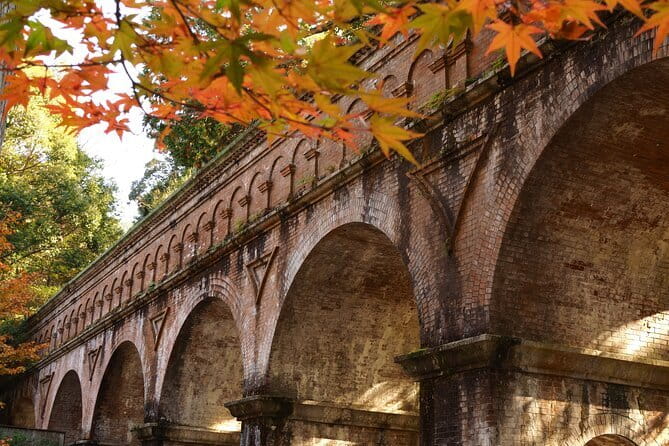
Two named favorites are the view from the Sanmon Gate and the Suijikaku Waterway Pavilion. The Suijikaku is built in the Meiji era (1868 to 1912), and it sits by the water channel, giving the temple grounds a distinctive, almost cinematic perspective when the light is right.
This stop is 50 minutes. That’s a good amount of time for seeing the major highlights without treating the precinct like a race. You’ll also find photo spots in the spacious grounds, and you’ll likely see younger visitors taking pictures during daylight hours. The temple layout helps with that. It’s easier to find clear angles when you’re not squeezed.
Admission for Nanzenji is also not included in the tour price, so plan that cost for your day.
Eikando Zenrinji: sideways gaze Amida and fall color you can feel
Eikando, also known as Zenrinji, is specifically famous for autumn foliage. If you want maples in reds and golds, this is one of the places on the list where the season theme is loud and clear.
The temple is established in 863, so it has that long Kyoto timeline. Your guide can help you anchor that history to what you’re looking at, especially the Amida Buddha statue with a sideways gaze. That detail tends to stick in your mind because it’s not what most people expect at first glance.
Eikando also has a pond and winding paths through garden areas. In autumn, the paths make the color feel like it changes as you walk. That’s a simple but powerful way to experience fall: instead of a single postcard view, you get a sequence of small frames.
Nighttime illumination is part of the fall program. The information provided says the temple is illuminated at night during autumn. Your tour timing is a daytime route, so you might not catch the illumination itself, but knowing it exists helps you understand why the garden is arranged the way it is and what people hope to see later.
As with the other temple stops, admission isn’t included, so factor that into the cash you bring.
The Ginkakuji approach: traditional shops and tea houses before the Silver Pavilion
One of my favorite parts of this tour is the segment called the approach to Ginkaku-ji. You’re walking for about 1 hour, and the approach is listed as free.
Why this matters: the walk itself acts like a bridge between temple calm and street life. The route is lined with traditional shops and tea houses and climbs gently toward the hill area. Even if you’re not shopping, the approach gives you Kyoto’s day-to-day atmosphere in a form that still feels connected to the sight you’re heading to.
This is also a smart pacing tool. After temple-to-temple concentration, the approach lets you reset. You can look up as you move, spot viewpoints, and slow down without feeling like you’re wasting time. It’s also a good window to buy water or a snack if you want something light before the final temple stop.
If you care about photos, aim to keep an eye out for angles from the path. The approach offers plenty of framing, and you’ll be walking at a tempo that doesn’t feel frantic.
Ginkaku-ji Temple: the medieval palace roots and the wabi-sabi vibe
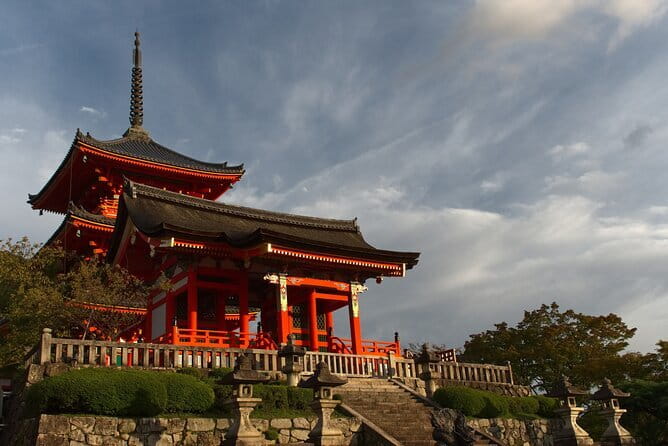
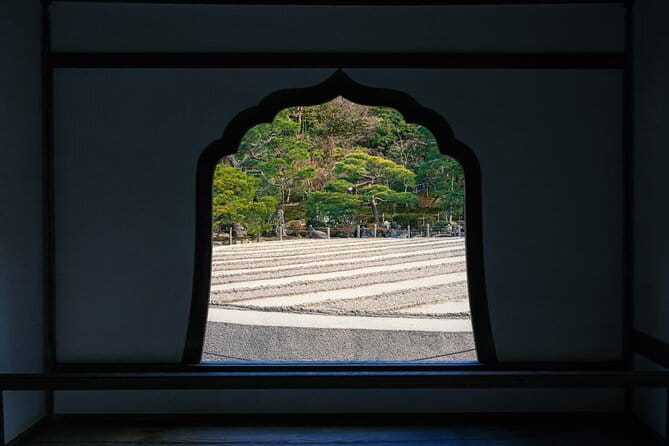
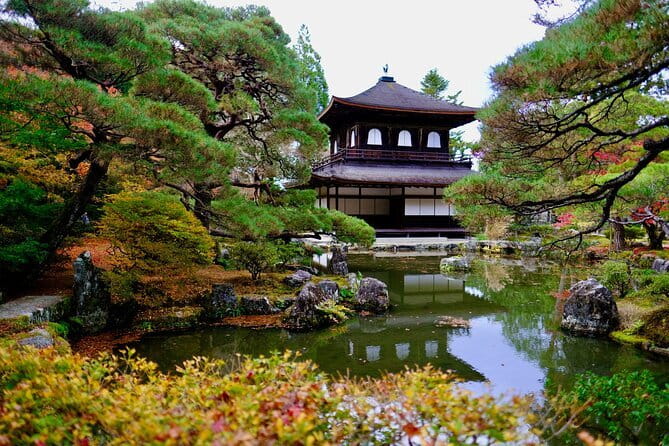
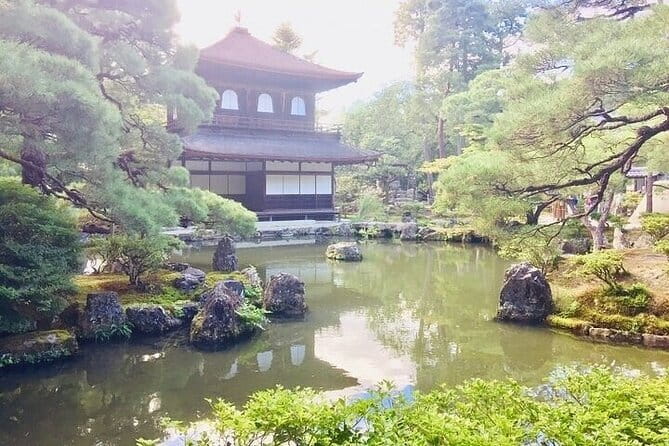
Ginkakuji, the Silver Pavilion, is where the route lands. It’s described as one of Japan’s representative architectural structures of medieval culture. The backstory helps a lot: it began as a palace built by a shogun, and after his death it became a temple. Some buildings where the shogun lived remain within the precincts.
That shift from residence to temple is key to understanding what you’re seeing. It’s not just an architectural shell or a garden wall. It’s a place shaped by power and later shaped by religious and aesthetic restraint.
The tour information also highlights the mood connected to wabi and sabi. In plain terms, that’s the idea of quiet simplicity, weathered beauty, and appreciation for what’s imperfect or aged. If you’ve ever wondered why some Kyoto scenes feel calm instead of flashy, this is one reason.
This stop is 50 minutes, and that’s a good match for Ginkakuji. You need time to move through the precinct and still pause to let the atmosphere land. Admission is not included, so budget for it.
A quieter way to spend a day in Kyoto

Price and value: what you pay vs. what you cover on the day
The price is listed at $124.27 per person for the private tour, for about 5 hours 30 minutes. Included in that price are the private tour, the guide, and the necessary expenses for the guide during the tour.
What you should be ready to pay on top of that:
- Estimated tour costs are 4,060 JPY per person
- Transportation: 460 JPY
- Meal costs: 1,500 JPY
- Admission fees: 2,100 JPY
Those figures help you see the structure. You’re paying for expert time and route planning, and then you’re paying your way through the city and temple entries. That’s not a bad deal for a private half day, especially when autumn access and timing matter.
Also note the details that can affect your budget day-of. The approach to Ginkakuji is free, so your paid temple admissions are mainly concentrated in Nanzenji areas, Tenjuan, and Eikando, plus Ginkakuji itself.
One more practical point: some spots do not accept credit cards. Since you’ll already have temple admissions and possibly snacks, bring cash so you don’t get stuck finding an ATM.
Where you meet, where you end, and how to plan the rest of your day
You start at Keage Sta., Higashikomonozacho, Higashiyama Ward. You end at Kyoto Station, Higashishiokoji Kamadonocho, Shimogyo Ward. Since the finish is different from the start, it helps to plan your next reservation with Kyoto Station in mind.
If you’re thinking about dinner, Kyoto Station is convenient. If you prefer to return to Gion or the Higashiyama side, you’ll have to travel after the tour, but at least you’re finishing in a major hub.
Because the tour is near public transportation and uses public transit, it’s easier to combine with other plans than a tour that locks you into a single taxi run.
What to wear and how to keep the day comfortable
You’ll walk a lot, so comfortable clothing and shoes are recommended. For autumn, layers help. Temperatures can swing, and temples can feel cooler in open precincts and near shaded garden areas.
Bring cash, and keep a simple buffer in your mind for rest breaks. A private guide can help adjust small timing issues, but you still want to avoid rushing. Rushing is how you miss the garden details that make this route worth it.
Who this tour suits best
This works well if you want a focused autumn route without the stress of planning each temple entry on your own. It’s also a good pick if you care about context, because the guide is expected to provide insider knowledge and personal insights at each stop.
It’s especially suitable for:
- Couples and small groups who want a private pace
- People who want the classic Kyoto fall circuit, but with smoother flow
- Anyone who likes gardens and wants more than one type of garden experience in a single day
If you prefer to roam entirely on your own schedule with no structure, you might not need a private guide. But if you want autumn color plus cultural grounding, the guided order helps.
Should you book this Nanzenji, Eikando, and Ginkakuji autumn private tour?
If your goal is a high-quality Kyoto autumn day that feels organized, this is a solid choice. The combination is strong: Tenjuan gives you a quiet garden pause, Nanzenji delivers big temple scale and clear landmarks, Eikando adds a strong foliage focus, and Ginkakuji finishes the story with the Silver Pavilion and its approach streets.
I’d book it if:
- You want a private guided route with clear pacing
- You’re traveling in autumn and want less guesswork
- You’re happy to pay admissions and meals separately with cash on hand
I’d think twice if:
- You want everything fully included and paid upfront
- You hate walking or you’d struggle without lots of stops
- You strongly prefer to manage temples on your own timing
FAQ
How long is the Nanzenji, Eikando, and Ginkakuji autumn private tour?
The tour lasts about 5 hours 30 minutes.
Is this a private tour?
Yes. It is a private tour, and only your group participates.
What temples and areas are included in the itinerary?
You visit Nanzenji Tenjuan (Tenjuan Garden), Nanzenji Temple, Eikando Zenrinji Temple, the approach to Ginkaku-ji (Ginkakuji), and Ginkaku-ji Temple.
Are admission fees included in the tour price?
Admission fees are not included. The approach to Ginkaku-ji is free, but tickets at the other stops are listed as not included.
Do I need cash during the tour?
Yes. The information says some spots do not accept credit cards, so bring cash for admissions and other expenses.
Where do we meet and where does the tour end?
The start meeting point is Keage Sta., Higashikomonozacho, Higashiyama Ward. The tour ends near Kyoto Station, Higashishiokoji Kamadonocho, Shimogyo Ward.
What happens if weather is bad or a place is closed?
If the weather is bad, the transportation, destinations, and routes may change. The tour spots might also be replaced with alternative spots in case of temporary closure.
New This Season
- Koyasan Day Trip by Private Car from Kyoto
- Old Port Town and Ultimate Sake Tasting Private Tour From Kyoto
- Sacred Peak & Ancient Paths: Kurama-Kibune Hiking Experience
- Kyoto’s Timeless Charm: 3hr Exploration of History and Peace
- Kyoto: 5 Types of Sushi Making
- Kyoto: Exclusive ZEN practice at Manpukuji temple in Uji
- Kyoto: Private Seasonal Aroma Yoga Class
- Traversing Kyoto’s Scenic West – Arashiyama to Kinkakuji
Temple & Shrine Visits, compared.
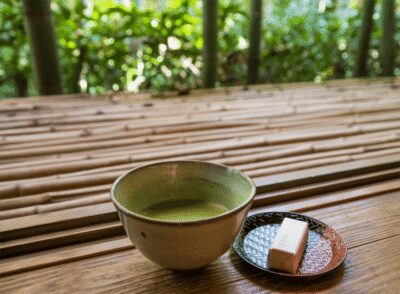
Arashiyama Bamboo, Temple, Monkeys, or Secret Sake Brewery
Read our review →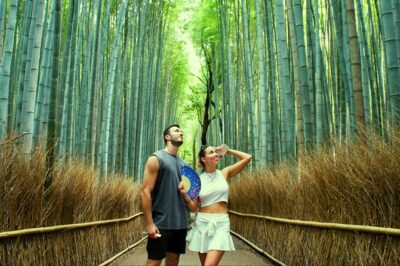
Arashiyama Bamboo Forest, Monkeys, Matcha & Temple Tour
Read our review →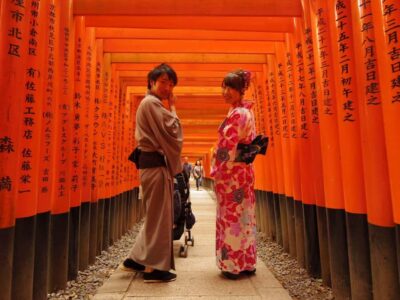
Arashiyama, Nara & Fushimi Inari Shrine w/Lunch
Read our review →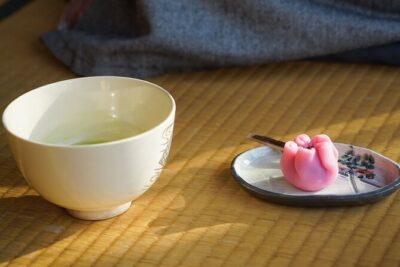
Kyoto Zen Meditation & Garden Tour at a Zen Temple with Lunch
Read our review →
KYOTO Tea Ceremony with kimono near by Imamiya Jinjya Shrine
Read our review →Arashiyama Bamboo, Matcha, Monkeys & Temple Tour
Read our review →Also filed under