
Reviewed · MATCHA & GREEN TEA TASTINGS
Nerikiri and Matcha Making Class in Kyoto
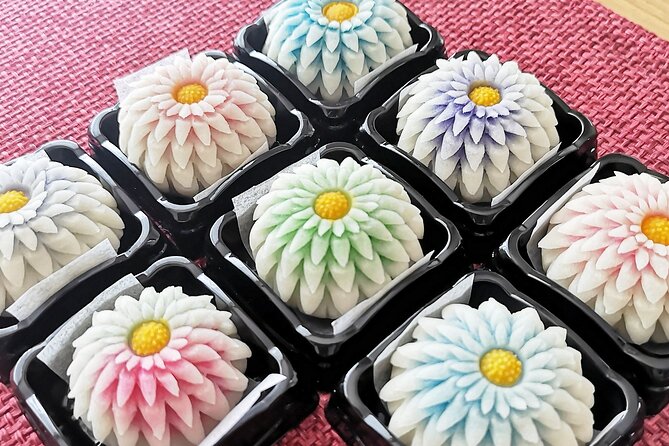
Kyoto sweets get hands-on in this class. You learn 5 nerikiri designs, make matcha table-style, and enjoy what you shape.
I love how the instructor teaches the precise shaping step-by-step, then helps you practice with different tools. The small group size keeps things calm, almost therapeutic, but one consideration is limited space, so there are no spectators.
In This Review
- Key Things to Know Before You Go
- Nerikiri Shaping in Kyoto, Step by Step (and Really Doable)
- Table-Style Matcha After Your Confections
- Getting There: Matsugasaki Station Meets a Home-Style Workshop
- What You Take Home: Five Nerikiri, a Container, and Recipe Options
- Price and Value: $84.92 for Technique, Materials, and Matcha
- Who Should Book This Class (and Who Might Skip It)
- Timing, Tickets, and the Day-Of Flow
- Should You Book Nerikiri and Matcha Making in Kyoto?
- FAQ
- How long is the Nerikiri and Matcha making class?
- What will I make in the class?
- Is transportation included?
- What is included in the price?
- Can I take the Nerikiri home?
- Who can participate?
- How many people are in the group?
- What if I need to change or cancel my booking?
Key Things to Know Before You Go
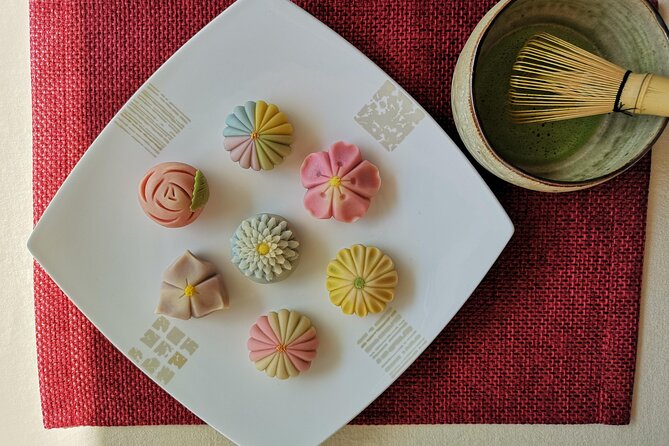
- Five Nerikiri designs plus matcha, all included.
- Step-by-step shaping practice with different nerikiri tools.
- Dough is pre-made by the instructor, so you focus on technique.
- Take-home container included, so you can share or save your work.
- Small group (max 8) at a peaceful, home-style setting.
Nerikiri Shaping in Kyoto, Step by Step (and Really Doable)
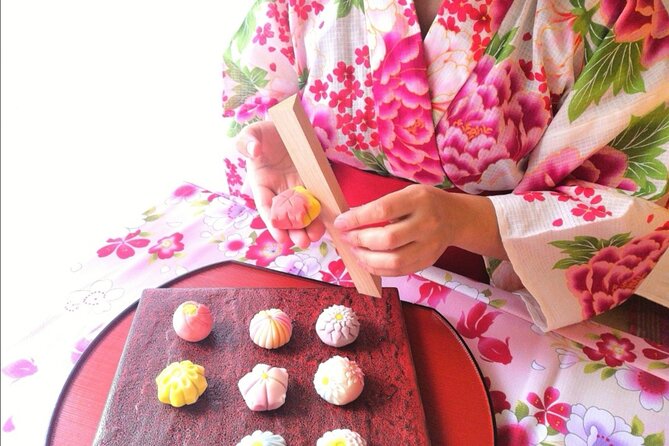
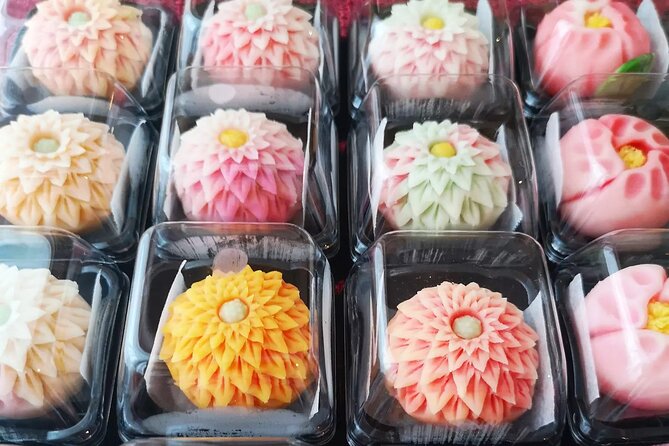
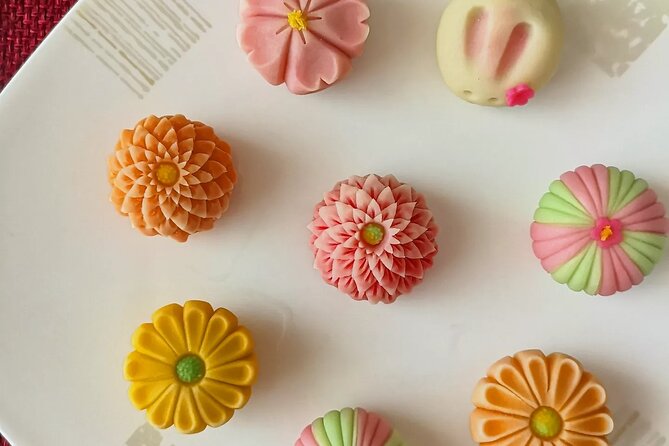
This class is all about Nerikiri, those beautiful Japanese tea-ceremony confections shaped with care. The method can look complicated from the outside. In class, you get the breakdown that makes it feel manageable, even if you do not have any sweets-making experience.
What you actually do is simple, but not rushed. Your instructor first explains how to make the Nerikiri dough conceptually and what it needs to do. Then you move into the hands-on part: shaping five separate designs. You use different techniques and tools for each one, so you get more than a single repeat pattern.
One of the most enjoyable parts is that the class pacing is built for refinement. The goal is not speed. It is control. You learn how to handle the dough, shape clean lines, and create the look of each design in a way that still feels like you. And because the group stays small, you can correct your form before it becomes a habit.
If you like craft experiences, this is the kind where your hands remember more than your brain. It is peaceful work. And yes, it can feel therapeutic, because you are focusing on a small, quiet task with a clear end point each time you finish a design.
Table-Style Matcha After Your Confections
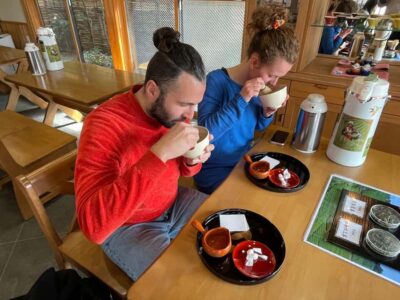
After you shape your five Nerikiri, you make and taste matcha. This is table-style, meaning you are not standing around in a performance setup. You sit, you make matcha, and you taste it alongside your sweets.
That pairing matters. Nerikiri are made primarily from sweet white beans and are served at tea ceremonies. Matcha has its own strong, grassy character. When you taste your own Nerikiri right after making them, you can notice how the flavor and texture come across with the bitterness and balance of the tea.
I also like that matcha is not treated as an extra add-on that you barely touch. You get the time to make it, then actually enjoy it with what you made. It turns the class into a full circle, from dough and shape to flavor.
Because the matcha is part of the same session, the experience stays coherent. You are not hopping between disconnected stops. You are building a small tea moment from scratch.
Whisk your own bowl of matcha
- Kyoto: Arashiyama Bamboo Forest, Monkeys, Matcha & Temple Tour
★ 5.0 · 759 reviews - Kyoto: Tea Ceremony Meditation – Make Matcha with Tea Master
★ 4.8 · 406 reviews - Kyoto: Arashiyama Bamboo, Matcha, Monkeys & Temple Tour
★ 4.9 · 291 reviews - Kyoto: Kimono Tea Ceremony with Matcha and Sweet
★ 4.9 · 249 reviews
Getting There: Matsugasaki Station Meets a Home-Style Workshop
Logistics are refreshingly straightforward. The meeting point is Matsugasaki Station, in Sakyo Ward, Kyoto, starting at 10:00 am. The activity ends back at the meeting point, so you are not left wondering how to get home after class.
The area is served by public transportation, so you can plan around train and local transit. That matters in Kyoto, where taxis can eat into your day fast.
One detail you should plan for: the class atmosphere feels like learning in someone’s home. That is partly why it feels calm. You are not in a loud, high-traffic studio. You are working where someone is actually welcoming you, setting you up, and guiding you through a careful process.
Also note the space rules. Only people participating in the class can attend because the session is limited in capacity. So if you are bringing someone who wants to watch, they will not be able to hang around. Plan your group accordingly.
Finally, the class runs about 2 hours 30 minutes. That is a sweet spot. Long enough to learn technique, short enough to fit into a Kyoto day without feeling like you lost the whole schedule.
What You Take Home: Five Nerikiri, a Container, and Recipe Options
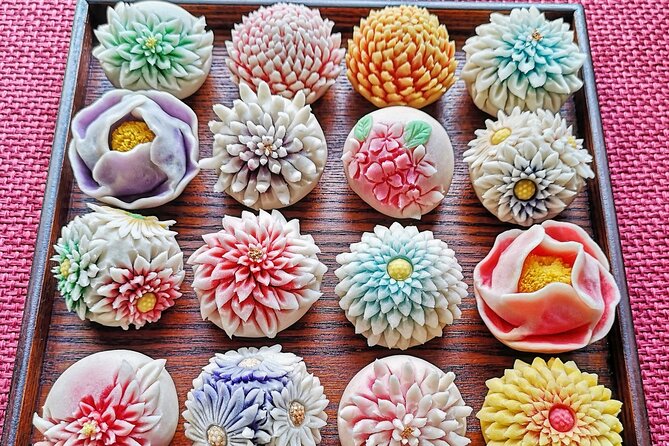
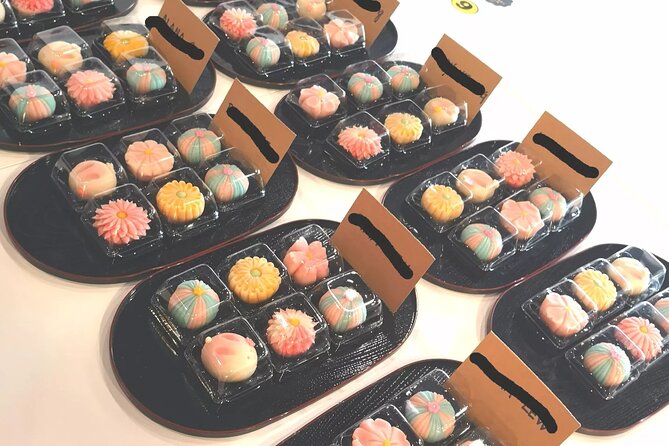
You get more than the lesson. You also get something tangible at the end. The class includes 5 Nerikiri, matcha, and a container so you can take the remaining Nerikiri home.
Even better, you are not stuck with only what fits in your stomach during the tasting. If there is extra, you can pack it up and keep it. That is perfect for sharing later, or for bringing a real Kyoto souvenir that is not just a photo.
There is also a follow-up learning piece. Your instructor will send you two versions of Nerikiri dough recipes by email after the class, but only if you provide your email address. That is a small thing with a big impact. It turns your lesson into something you can try at home, instead of a one-time skill you forget the next week.
One practical note: because the dough is prepared in advance by the instructor, you are not starting from scratch with raw ingredients during the session. That is good for beginners. You get to focus on shaping and design, which is where most people struggle.
Price and Value: $84.92 for Technique, Materials, and Matcha
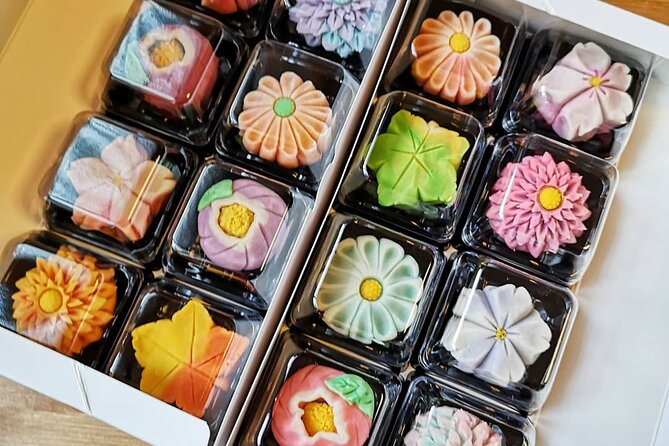
The price is $84.92 per person for about 2.5 hours. On paper, that can look like a lot until you break down what is included.
You are paying for:
- Instruction through the dough and design process
- Enough Nerikiri for the five designs
- Matcha made during the class
- A container for taking Nerikiri home
- Recipe emails after the session (two versions), if you share your email
What makes this feel like value is that you are not just watching or doing one simple shape. You practice multiple designs using different tools. You get real guided technique, then you taste what you made.
It is also booked in advance pretty often, with an average booking window around 29 days ahead. So if you want a specific day, try earlier rather than later. The class max is 8 travelers, and small classes fill first.
If you are the type who likes learning one specific Kyoto craft deeply, this price can make sense. If you want a casual souvenir stop with no focus on technique, this might feel more structured than you need.
Who Should Book This Class (and Who Might Skip It)
This class is a great fit if you:
- Like hands-on craft work and clear step-by-step instruction
- Want something calmer than the typical Kyoto sightseeing sprint
- Enjoy tea culture and want Nerikiri explained and made, not just bought
- Want a take-home edible souvenir with real meaning
It is also a solid choice if you are traveling with a partner or small group that wants a shared activity. With a small group size, you are more likely to get attention when you need it.
You should think twice if you:
- Want to bring additional people who plan to watch, because there are no spectators
- Have limited time and cannot fit a full 2.5 hours
- Are not comfortable with a craft that requires attention to delicate details
Age-wise, participants must be older than 10. That keeps the class focused and manageable for instruction and workspace.
A quieter way to spend a day in Kyoto
Timing, Tickets, and the Day-Of Flow
This experience starts at 10:00 am at Matsugasaki Station and ends back at the meeting point. You will receive confirmation within 48 hours of booking, subject to availability. You also get a mobile ticket, which is convenient for navigating on arrival.
Because the class includes tasting and tea, you might want to eat a light snack beforehand if you tend to get hungry in the morning. The session is not extremely long, but it is long enough for your appetite to show up if you normally wait until lunch.
Also, arrive a few minutes early. In Kyoto, stations and exits can be confusing when you are tired, and you will want a stress-free start for a class that is all about calm focus.
Should You Book Nerikiri and Matcha Making in Kyoto?
If you are choosing between another food stop and a hands-on workshop, I would lean toward booking this one. You learn technique, make multiple designs, then taste matcha right away. And you get a take-home container plus follow-up recipes by email, which makes it more than a single-day activity.
Skip it only if you dislike detail-oriented crafts, need spectators to join you, or cannot commit to the full 2.5 hours. For the right mood, this is the kind of Kyoto experience you remember with your hands, not just your camera.
FAQ
How long is the Nerikiri and Matcha making class?
It lasts about 2 hours 30 minutes.
What will I make in the class?
You will learn how to make Nerikiri designs and you will make matcha tea (table-style). The class includes 5 Nerikiri designs.
Is transportation included?
No private transportation is included.
What is included in the price?
The price includes 5 Nerikiri, matcha, and a container to take the Nerikiri home.
Can I take the Nerikiri home?
Yes. The container is provided so you can take the rest of the Nerikiri home.
Who can participate?
Participants must be older than 10.
How many people are in the group?
The class has a maximum of 8 people.
What if I need to change or cancel my booking?
This experience is non-refundable and cannot be changed for any reason.
New This Season
- Koyasan Day Trip by Private Car from Kyoto
- Old Port Town and Ultimate Sake Tasting Private Tour From Kyoto
- Kyoto’s Timeless Charm: 3hr Exploration of History and Peace
- Kyoto: 5 Types of Sushi Making
- Sacred Peak & Ancient Paths: Kurama-Kibune Hiking Experience
- Kyoto: Exclusive ZEN practice at Manpukuji temple in Uji
- Kyoto: Private Seasonal Aroma Yoga Class
- Traversing Kyoto’s Scenic West – Arashiyama to Kinkakuji
Matcha & Green Tea Tastings, compared.

Arashiyama Bamboo Forest, Monkeys, Matcha & Temple Tour
Read our review →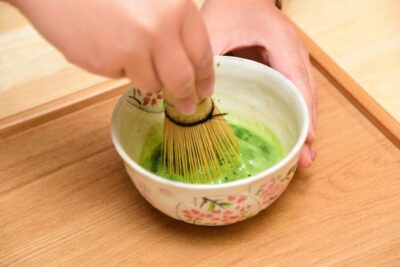
Tea Museum Tickets and Matcha Grinding Experience
Read our review →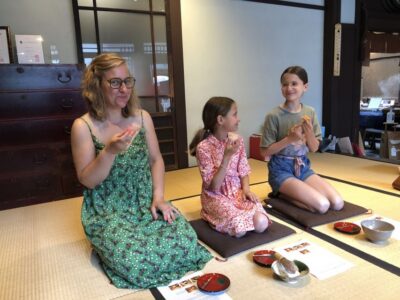
Tea Ceremony Meditation – Make Matcha with Tea Master
Read our review →Arashiyama Bamboo, Matcha, Monkeys & Temple Tour
Read our review →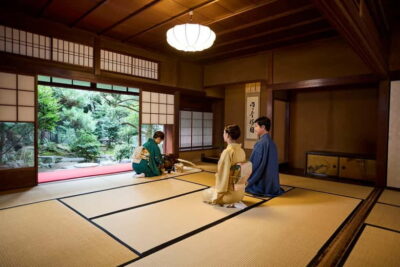

Arashiyama Bamboo, Temple, Matcha, Monkeys & secret spots
Read our review →
Green Tea Tour with Byodoin and Koshoji Temple Visits
Read our review →Also filed under