
Reviewed · ARASHIYAMA BAMBOO FOREST WALKS
ONLY YOU in the Bamboo Forest! 4 hours E-bike tour with a local
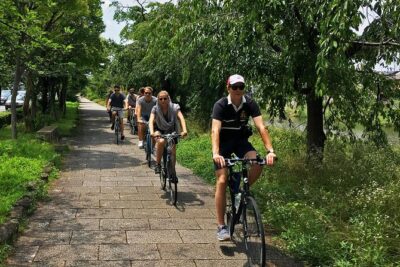
Arashiyama can feel crowded fast, but this ride keeps it peaceful. In a 4-hour small-group e-bike tour, you glide through the Bamboo Forest early, then roll to temple stops and scenic water views without worrying about routes or hills.
Two things I really like: the small group size (max 5) keeps the pace calm, and the guide, Yuki, focuses on stories that make Kyoto feel personal, not scripted. One consideration is that this experience asks for good weather, so plan for flexibility if it rains or the forecast looks bad.
In This Review
- Key highlights you should care about
- A practical way to see Arashiyama in half a day
- Meeting at Arashiyama Station, then getting your bike under control
- Stop 2: Bamboo Forest Street, where the quiet starts
- Stop 3: Sagatoriimoto Fukatanicho and the Mt. Atago approach
- Stop 4: Hirosawa Pond, a 30-minute breath
- Stop 5 and 6: Tenryu-ji area and the main temple time
- Stop 7: Back to the bike, then Kyoto on your own
- Why the small group and Yuki’s style make it worth the money
- The e-bike reality check: who it suits best
- Stop-by-stop timing and what it feels like
- Value: what $99.08 buys you in Kyoto
- Should you book? My decision guide
Key highlights you should care about
- E-bike and helmet included, so you start riding right away
- Maximum 5 travelers, which makes it easier to go at a human pace
- Arashiyama Bamboo Forest time is designed for a quieter feel, especially earlier in the day
- Tenryu-ji area coverage, with time to take in the temple and its surroundings
- A local guide named Yuki who helps with navigation if you miss the meetup
- Scenic pond stop at Hirosawa Pond, with mirror-like views when the wind is calm
A practical way to see Arashiyama in half a day
Kyoto is famous for taking longer than you plan. Arashiyama is no exception. Walking the Bamboo Forest, weaving to nearby shrines, then fitting in Tenryu-ji can stretch your morning or afternoon into something bigger than you intended.
This e-bike format fixes that. Instead of treating Arashiyama like a checklist, you get a gentle rhythm: ride, stop, look, listen. The tour is about 4 hours, and that time is structured so you cover major highlights without sprinting between them. The payoff is simple: you see more, and you still get moments to slow down.
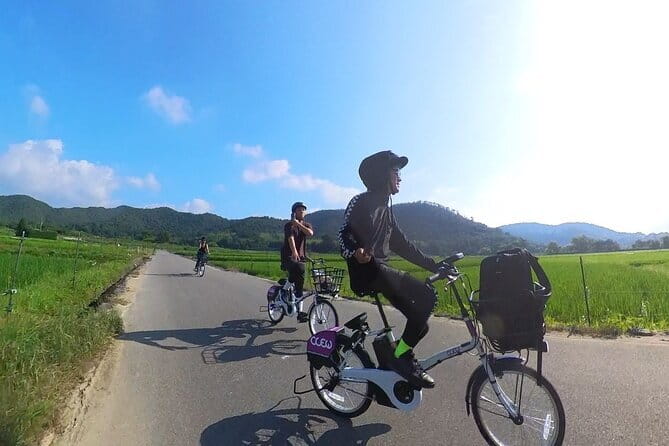
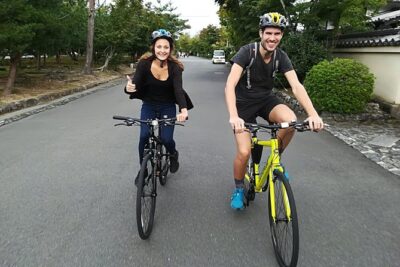
And yes, the e-bike matters here. Arashiyama has little climbs and uneven stretches. With assist, the hills feel manageable, even if you are not a cyclist. You can stay in the moment instead of wrestling your legs the whole time.
Meeting at Arashiyama Station, then getting your bike under control
Your first stop is at the south exit of Arashiyama Station, where your guide meets you at the share-cycle port for Crew. The exact address listed is HELLO CYCLINGJapan, Sagatenryūji Kurumamichichō, JR Sagatenryūji Station area parking.
Here’s why this matters: Kyoto station areas can be confusing, especially if you step out on the wrong side or your phone map stalls. Yuki has handled this situation for riders who arrived at the wrong spot, and he has also helped when people were a bit lost near the meetup area.
At the start, you also get basic instruction, even if you are new to electric bicycles. Expect a quick run-through of how it works and what to do with the bike controls before you roll out. That first short buffer makes the rest of the ride feel smoother.
Tip: arrive a few minutes early. The meeting time can feel short, and you will want those minutes for setup and questions.
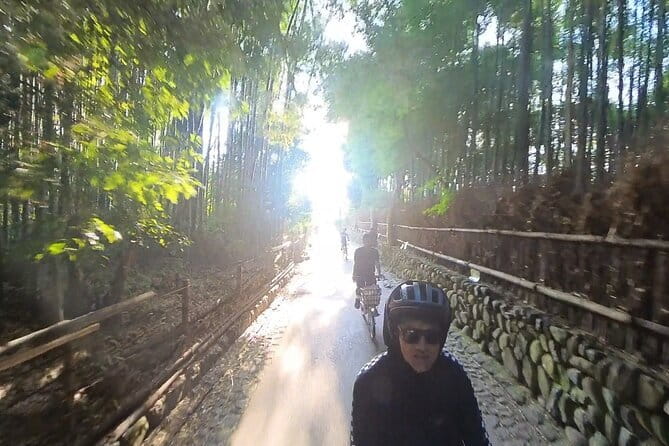
Green light through a bamboo grove
- Kyoto: Fushimi Inari, Kinkakuji, Bamboo Grove 1 Day Bus Tour
★ 4.8 · 4,316 reviews - Osaka/Kyoto:Kinkakuji,Arashiyama,FushimiInariShrine,NaraPark
★ 4.1 · 1,596 reviews - Kyoto/Osaka: Nara, Fushimi Inari Taisha, Arashiyama Bus Tour
★ 4.7 · 1,275 reviews - Kyoto Arashiyama Walking Tour: Bamboo, Monkeys, Gardens & Secrets
★ 5.0 · 1,216 reviews
Stop 2: Bamboo Forest Street, where the quiet starts
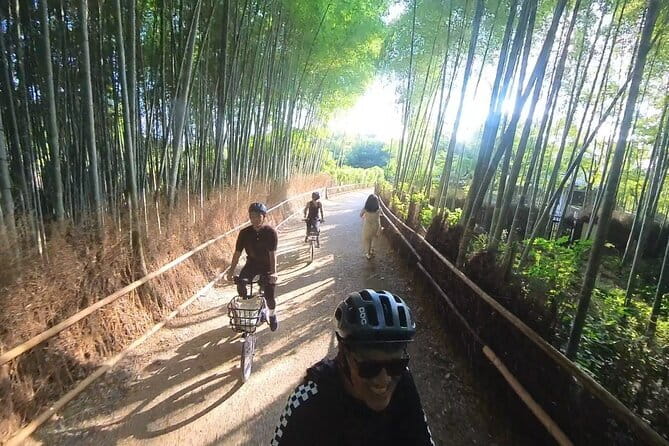
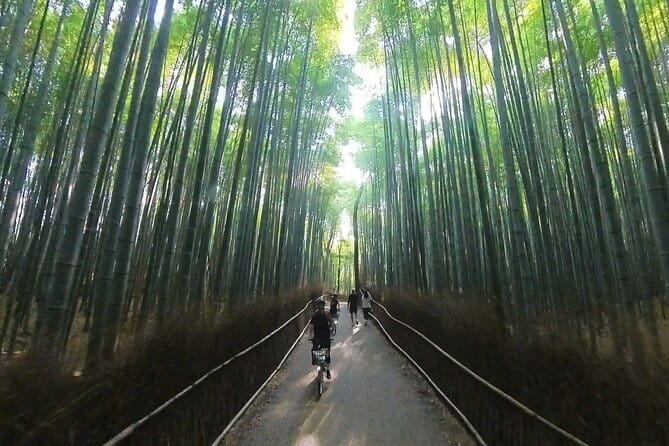
You head into the Bamboo Forest along Bamboo Forest Street, spending about 40 minutes riding through the bamboo-lined area.
What you should expect:
- A natural bamboo setting with the feel of a real forest, not just a photo corridor
- Views that are easy to enjoy from the seat, since the pace is guided
- A lighter crowd at earlier timing, which helps the forest feel calmer
The forest here is mainly described as Moso bamboo, and that detail helps explain why the scene looks the way it does. You get that thick, uniform stand of bamboo that can feel surreal when the light hits it.
One drawback to keep in mind: bamboo areas can still be crowded even at better times, and rain can make paths slick. If conditions are poor, your guide’s job is to keep you safe and moving. Either way, you will get the forest experience without the hours of waiting and detours that walking can take.
Stop 3: Sagatoriimoto Fukatanicho and the Mt. Atago approach
Next you ride to Sagatoriimoto Fukatanicho, spending about 30 minutes.
This stop is interesting because it is not only about one landmark. It sits at the foothills entrance to the approach toward Mt. Atago Shrine, and the site is described as a Tendai sect temple in Saga. It is also known as the starting point of the Sagano tour.
In plain terms, this is where Arashiyama starts to feel like a lived-in route, not a single attraction. You can look at the buildings and the surrounding approach paths, then connect the dots to why this part of Kyoto has been visited for a long time.
If you like places where history and daily movement overlap, this stop does a nice job of giving context. It also gives you a break from riding so you can reset your energy before the next scenic pause.
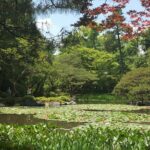
Stop 4: Hirosawa Pond, a 30-minute breath
Then you reach Hirosawa Pond for about 30 minutes.
This pond is about 1.3 km in circumference, and it is known for reflections on calm days. When there is no wind, the surface can give a mirrored look that feels extra peaceful after the bamboo.
What makes this stop valuable is the pacing. You are not just collecting sights. You are taking a quiet break, letting your eyes adjust to water and trees instead of constant movement.
Possible consideration: you will not always get the mirror-perfect reflections, especially if there’s wind or cloudy skies. Still, even on less-perfect days, ponds tend to calm everything down.
If you are into photography, bring the same mindset you would at a river walk: patience. Wait a few minutes and the light can change faster than you expect.
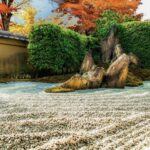
Stop 5 and 6: Tenryu-ji area and the main temple time
Your schedule then moves into the Tenryu-ji complex area. You’ll spend 1.5 hours at the broader Sagatenryūji Susukinobabachō area, then about 10 minutes at Tenryu-ji Temple itself.
Here’s how to think about it:
- The longer segment gives you time for orientation, viewpoints, and absorbing the temple setting.
- The shorter temple segment focuses your attention on the main highlight without turning it into an all-day commitment.
Tenryu-ji is described as one of Kyoto’s major Zen temples, connected historically to the Ashikaga Shogun family and Emperor Godaigo, and it is registered as a UNESCO World Heritage Site as part of Historic Monuments of Ancient Kyoto.
This is one of those stops where the guided commentary can make your eyes smarter. Without context, you can walk around and still miss why certain areas feel the way they do. With guidance, you start noticing relationships between structures, garden elements, and the overall temple layout.
One small practical note: 10 minutes at the main temple can feel short if you like to wander slowly on your own. But the tradeoff is that you get enough time to enjoy it, then still finish the tour without rushing back across Arashiyama.
A quieter way to spend a day in Kyoto
Stop 7: Back to the bike, then Kyoto on your own
The tour ends when you return the bicycle back at the Arashiyama Station south exit area.
This is useful because you are not trapped in the same loop. Once you drop the bike, you can choose what to do next based on what you still want to see in Kyoto, whether that’s more temples, a meal, or just strolling.
Most tours leave you somewhere scenic but awkward. This one sends you back near the station area, which keeps options open.
Why the small group and Yuki’s style make it worth the money
This is listed as a maximum of 5 travelers, and I would treat that as a feature, not a marketing detail.
Small groups mean:
- You can ask questions without shouting
- The ride pace stays human
- Your guide can notice if someone is struggling or unsure
Yuki comes up again and again in the feedback. The big theme is that he is friendly, talks a lot, and shares information in a way that feels like a conversation. He has also helped when people were delayed or misdirected at the meetup point, which is a big relief in a city where signage and station exits can be confusing.
There’s also a nice practical touch in the rhythm of stops: bamboo, then temple area, then pond, then Tenryu-ji. That order makes sense because it alternates motion and stillness. You do not spend the whole tour either riding nonstop or standing still nonstop.
And yes, if you like little extras, some riders mentioned a traditional Japanese café after the tour, with pastries and coffee. The fact that the experience often feels like a complete morning or afternoon, not just a ride-and-leave, is part of what makes it memorable.
The e-bike reality check: who it suits best
Most people can participate, and you get beginner-friendly setup at the start. Children under 10 are allowed if they are taller than 140 cm and can ride a bicycle, but the fee matches the adult fee.
So who should book?
- If you want bamboo and temples but hate the idea of walking for hours
- If you like structured sightseeing but still want time to look
- If you want an easier way to handle hills without tiring out too fast
Who might hesitate?
- If you want long, unhurried time inside temples, you may find the Tenryu-ji temple stop short.
- If you are extremely weather sensitive, you should take the good-weather requirement seriously.
For clothing, keep it simple. Wear comfortable shoes that can handle wet pavement if it rains. Bring a light rain layer if you are traveling in seasons where Kyoto weather shifts.
Stop-by-stop timing and what it feels like
Here’s the tempo you can expect, in human terms.
- Start near Arashiyama Station, about 20 minutes: bike setup and a short intro
- Bamboo Forest Street, about 40 minutes: most of the wow-factor early on
- Sagatoriimoto Fukatanicho, about 30 minutes: a temple stop that also connects routes toward Mt. Atago
- Hirosawa Pond, about 30 minutes: slower pace and reflection time
- Tenryu-ji area segment, about 1 hour 30 minutes: broader viewing and context
- Tenryu-ji Temple itself, about 10 minutes: focused highlight time
- Return to the station area, about 20 minutes: wrap-up and bike handoff
Notice the balance. You do not stack all the walking time at the end. You also avoid spending your best light only trapped in one crowded corridor.
Value: what $99.08 buys you in Kyoto
At $99.08 per person for about 4 hours, the big question is value. For me, the math is mostly about what’s included and how much stress you avoid.
You’re paying for:
- Guided routing so you do not navigate on your own
- Small-group attention instead of a crowd-and-squeeze experience
- E-bike and helmet rental included, which saves you from sorting gear
- A sequence of major Arashiyama highlights packed into a half-day format
Also, the listed stops show admission ticket free for the tour stops. That matters because it helps keep the total cost from growing with extra entry fees.
Is it the cheapest way to see Arashiyama? No. But if you consider the guide time plus e-bike rental value, plus the fact that you get access to several sights without planning the route, it feels like a fair way to spend your Kyoto time.
Should you book? My decision guide
Book this tour if you want:
- A 4-hour, low-stress Arashiyama highlights package
- Bamboo Forest time with less hassle than walking
- A guide like Yuki who helps with real-world problems like missed meetup spots and keeps the mood friendly
- A good mix of moving and resting, with Tenryu-ji included
Skip or consider an alternative if:
- You want hours inside temples and gardens with lots of independent wandering time
- Your schedule cannot flex if the weather is poor, since the experience requires good weather and you may need to shift dates if it gets canceled
If you like practical sightseeing, this is a solid bet. You leave with bamboo memories, temple context, and a calmer Arashiyama than most people manage on their first day.
More Cycling Tours in Kyoto

New This Season
- Koyasan Day Trip by Private Car from Kyoto
- Old Port Town and Ultimate Sake Tasting Private Tour From Kyoto
- Kyoto’s Timeless Charm: 3hr Exploration of History and Peace
- Kyoto: 5 Types of Sushi Making
- Sacred Peak & Ancient Paths: Kurama-Kibune Hiking Experience
- Kyoto: Exclusive ZEN practice at Manpukuji temple in Uji
- Kyoto: Private Seasonal Aroma Yoga Class
- Traversing Kyoto’s Scenic West – Arashiyama to Kinkakuji
Arashiyama Bamboo Forest Walks, compared.
Fushimi Inari, Kinkakuji, Bamboo Grove 1 Day Bus Tour
Read our review →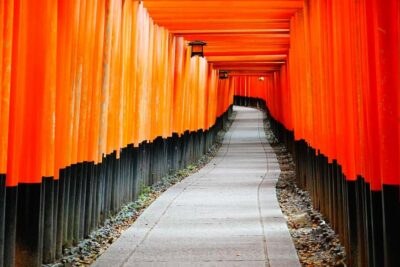
Kinkakuji,Arashiyama,FushimiInariShrine,NaraPark
Read our review →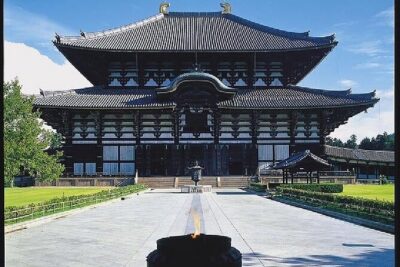
Nara, Fushimi Inari Taisha, Arashiyama Bus Tour
Read our review →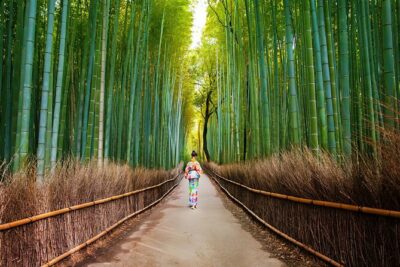
Kyoto Arashiyama Walking Tour: Bamboo, Monkeys, Gardens & Secrets
Read our review →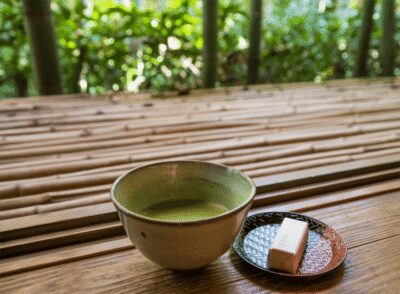
Arashiyama Bamboo, Temple, Monkeys, or Secret Sake Brewery
Read our review →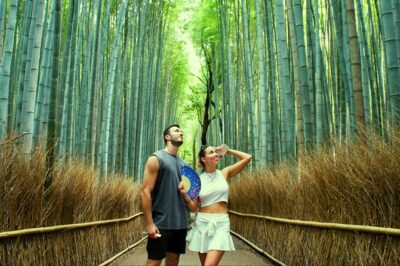
Arashiyama Bamboo Forest, Monkeys, Matcha & Temple Tour
Read our review →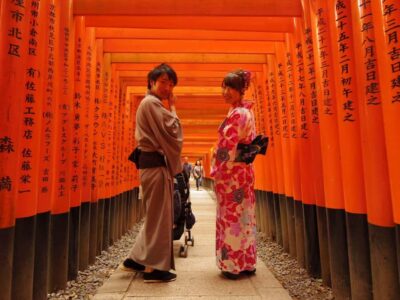
Arashiyama, Nara & Fushimi Inari Shrine w/Lunch
Read our review →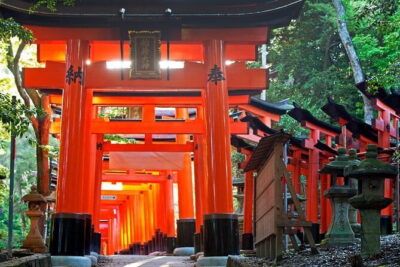
Nijo, Kinkaku-ji, Arashiyama, Kiyomizu & Fushimi Inari
Read our review →Also filed under