
Reviewed · ARASHIYAMA BAMBOO FOREST WALKS
Peaceful Pedals: Arashiyama Slow Cycling Retreat
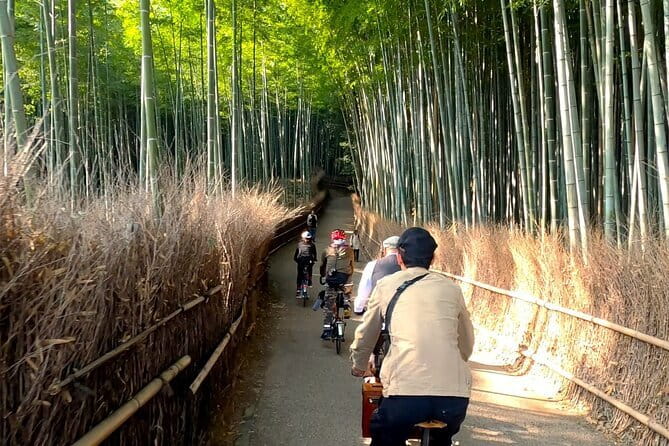
Kyoto can feel like a crowd maze. This slow cycling retreat is a calmer way to see Arashiyama and Sagano, with a dedicated English-speaking navigator guiding you toward quieter lanes. I especially like the chance to explore Arashiyama by bike while still hitting the big-name spots, like the Togetsukyo Bridge, without doing the usual stop-and-stare routine. And you get the fun factor too, the BROMPTON setup makes photos feel like part of the day, not an afterthought.
The one thing to keep in mind is that you should be comfortable with moderate, active walking-bike time, since the tour is designed for slow riding and not wheelchair-level sightseeing. If rain hits or conditions are poor, the experience may shift dates or get refunded, because this is a good-weather kind of plan.
In This Review
- Key Highlights That Make This Ride Worth It
- Why Arashiyama Feels Calmer When You Pedal
- The Bike Setup and Navigator Support You Actually Need
- Stop 1: Togetsukyo Bridge, the Kyoto Postcard Start
- Stop 2: Arashiyama by Bicycle, Beyond the Crowd Hotspots
- Stop 3: Saga Toriimoto, Quiet Car-Free Traditional Streets
- Stop 4: Hirosawa Pond, a Breather from the City Tempo
- Stop 5: Myoshinji Temple Grounds and the Stroll Through Pagoda Temples
- Stop 6: Kitano Tenmangu Shrine, Seasonal Culture in a 10th Century Setting
- Stop 7: Randen Train Back and the Arashiyama Kimono Forest
- Food Stops That Feel Local, Not Touristy
- Price and What You Really Get for About $113
- Who This Tour Suits Best, and Who Should Consider Alternatives
- Quick Tips for a Smooth Ride in Kyoto Conditions
- Should You Book Peaceful Pedals: Arashiyama Slow Cycling Retreat?
- FAQ
- What is the duration of the Peaceful Pedals: Arashiyama Slow Cycling Retreat?
- How much does the tour cost?
- What does the tour include?
- Is lunch included?
- Do I need to bring a bike or riding equipment?
- What are the main stops on the itinerary?
- Is the tour suitable for people with moderate fitness?
- Where do we meet, and when does the tour end?
- What is the cancellation policy?
Key Highlights That Make This Ride Worth It
- Bicycle-first route: you cover ground at a slow pace, with breaks built into real sightseeing time.
- Quiet-path guidance: the navigator leads you away from the busiest flows in Arashiyama.
- Photo-friendly BROMPTON: you can take stylish pictures with your bike during the experience.
- Temple and shrine time: you get proper strolling time at Myoshinji Temple and Kitano Tenmangu Shrine.
- Countryside contrast: Saga Toriimoto and Hirosawa Pond help Sagano feel like a different Kyoto mood.
- Randen rail moment: you finish with a train return and the Arashiyama Kimono Forest installation at the station.
Why Arashiyama Feels Calmer When You Pedal
Arashiyama is one of those Kyoto places where the main sights are famous for a reason, and also where crowds can turn your plan into a patience test. This tour keeps you moving in a way that feels gentler. Instead of battling foot traffic, you ride through it, then step off the bike when the surroundings are ready for a slower look.
What I like most is the design logic. You still visit iconic places, but you spend meaningful time in sections that have elbow room. The ride also gives your eyes an easier job, watching scenery glide by instead of constantly scanning for the next entrance and the next crowd bottleneck.
The Bike Setup and Navigator Support You Actually Need
This is a guided experience with a dedicated English-speaking navigator, and that matters more than it sounds. In Kyoto, routes can look simple on a map, but the real world includes narrow streets, changing sidewalk space, and sudden crowd surges. Your navigator helps you keep the day feeling light, not stressful.
You also do not have to bring riding gear. Helmets are provided, and you get equipment including bags for wheeled transport. That means you can travel with less hassle and still keep a practical setup for photos and personal items.
And since the tour is private for your group, you are not squeezed into a generic pace. The course can be arranged according to your wishes, which is helpful if you want a bit more time photographing or you prefer slightly faster movement between stops.
Green light through a bamboo grove
- Kyoto: Fushimi Inari, Kinkakuji, Bamboo Grove 1 Day Bus Tour
★ 4.8 · 4,316 reviews - Osaka/Kyoto:Kinkakuji,Arashiyama,FushimiInariShrine,NaraPark
★ 4.1 · 1,596 reviews - Kyoto/Osaka: Nara, Fushimi Inari Taisha, Arashiyama Bus Tour
★ 4.7 · 1,275 reviews - Kyoto Arashiyama Walking Tour: Bamboo, Monkeys, Gardens & Secrets
★ 5.0 · 1,216 reviews
Stop 1: Togetsukyo Bridge, the Kyoto Postcard Start
You begin at Togetsukyo Bridge, a wooden bridge with around 400 years behind it. It is a great first stop because it frames the whole day. You get the river and mountain scenery immediately, so the ride has a clear sense of direction from minute one.
Seasonal timing is part of the appeal here. In spring, you are looking for cherry blossoms, and in autumn, autumn leaves. The time on the bridge is about 15 minutes, so it works best as a quick scenic reset, not a long photo session marathon.
One consideration: if you want a super long bridge moment, the schedule is built for flow. You can still take your photos, but plan on moving on rather than camping out.
Stop 2: Arashiyama by Bicycle, Beyond the Crowd Hotspots
Next comes Arashiyama itself, including the familiar mix of river views and the bamboo-area energy people come for. Yes, there are plenty of tourists in the overall area, but the real value here is the navigation. Your guide steers you toward quieter paths rather than forcing you to stay stuck right next to the densest foot traffic.
You get about 1 hour 30 minutes here, which is long enough to feel like you did more than check boxes. It also lets you slow down. You can pause for photos, watch the river and street life, and step aside when the walking route would otherwise feel crowded.
This is also where biking changes the rhythm of sightseeing. You are not just walking from one point to another. You are traveling through the setting, and that tends to make famous areas feel more personal.
Stop 3: Saga Toriimoto, Quiet Car-Free Traditional Streets
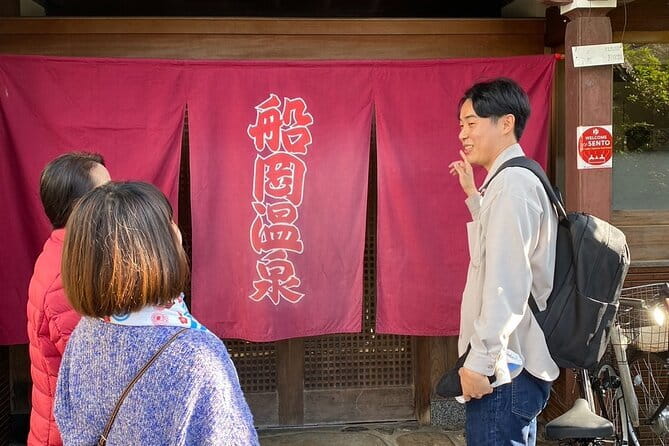
Then you roll into Saga Toriimoto Traditional Buildings Preservation Area, and the mood shifts in a good way. This is a calm, car-free section with traditional 19th-century timber-framed houses and small shops, plus woodland views.
You get around 30 minutes, which is enough for a gentle stroll without turning it into a rushed shopping stop. The preservation area vibe is the kind of place where slow riding pays off, because it helps you notice the details that you would otherwise miss in a crowded foot route.
If you love craft shops, local snacks, or just people-watching in quieter streets, this is one of the more satisfying segments. If you are only interested in sweeping views and big monuments, it may feel more low-key, but that is kind of the point.
Stop 4: Hirosawa Pond, a Breather from the City Tempo
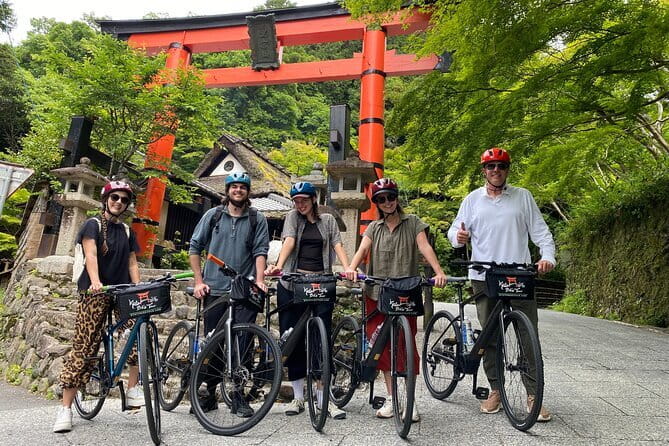
Hirosawa Pond is one of those stops that makes the day feel balanced. You are off the main hustle of Arashiyama, and the pond sits in a calm countryside-like setting. You get about 45 minutes, which is plenty of time to sit, stroll, and reset.
This is also a smart pacing tool. After a couple of stops with more people and more movement, the pond gives you a slower tempo where you can actually take in scenery without constantly worrying about where the crowd will surge next.
Practical note: bring a comfortable mindset. This is not a rapid photo spree. It is a chance to enjoy nature at a steady pace.
A quieter way to spend a day in Kyoto

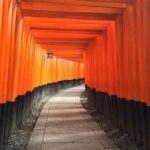
Stop 5: Myoshinji Temple Grounds and the Stroll Through Pagoda Temples

At Myoshinji Temple, you are in the head temple of the Myoshinji school of Rinzai sect. The grounds are spacious and lined with 46 pagoda temples, and that layout is made for a slow walking route.
You get about 1 hour here. That feels right for this kind of sightseeing, because the experience is not just looking at one building. You are strolling through a wider sacred space, letting the pagoda temples create the rhythm of your route.
Potential drawback: if you are expecting a short, highlight-only stop, temples often require more time to feel meaningful. The schedule gives you that time, but you will need to accept that it is walking and observing, not quick photo-only stops.
Stop 6: Kitano Tenmangu Shrine, Seasonal Culture in a 10th Century Setting
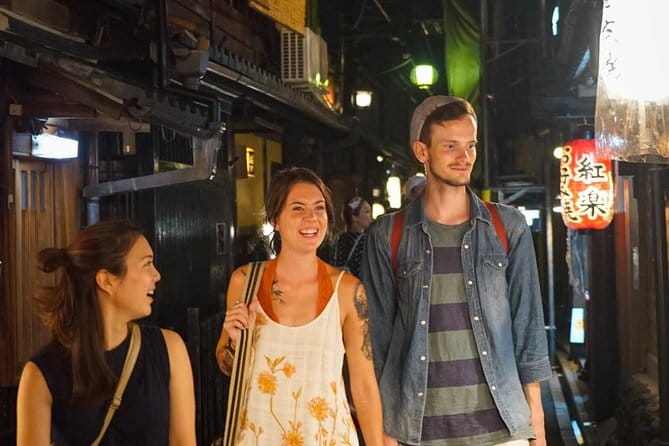
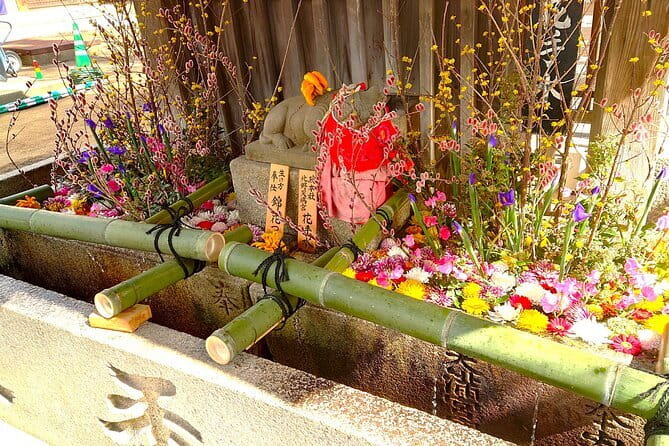
Next is Kitano Tenmangu Shrine, founded in the 10th century. This stop has a seasonal feel, since traditional events happen throughout the year.
You are there for about 1 hour, so you get enough time to stroll the grounds without racing through. Shrines in Kyoto can feel especially rewarding when you are not rushing, and the calm pacing of the biking day helps a lot.
One more practical thought: shrine visits can be emotionally quiet but visually busy. If you like architecture, details, or the layout of grounds, you will likely enjoy this more than a purely scenic-view stop.
Stop 7: Randen Train Back and the Arashiyama Kimono Forest
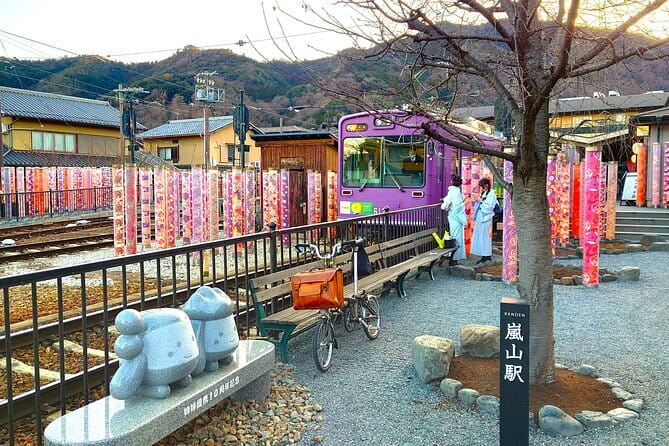
You finish with a return by train to Randen Arashiyama Station. Randen has a distinct local-train atmosphere, and the ride also gives you city views from a different angle than your bike route.
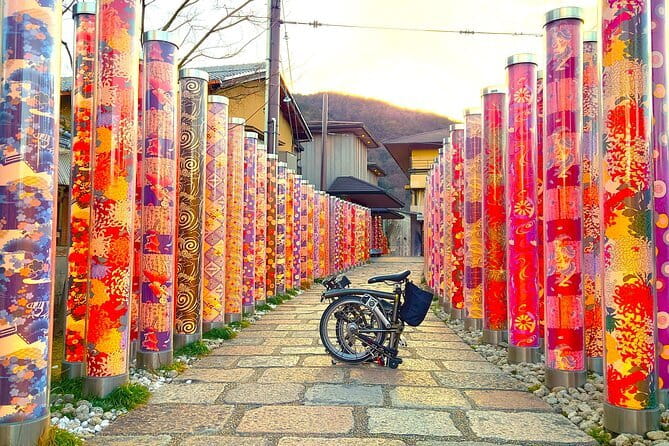
Then you get the Arashiyama Kimono Forest at the station. It is an art installation of 600 poles decorated in vibrant yuzen, and it glows beautifully in backlight. You have about 1 hour here, which gives enough time for photos when lighting changes.
This is a great ending because it wraps the day into a Kyoto-style transition. You start with a historic wooden bridge, move through temple grounds, then end with an art installation tied to local transportation. It feels like you saw the area in layers, not as a single loop.
Food Stops That Feel Local, Not Touristy
Lunch is not included, but the navigator can suggest restaurants for lunch during the tour based on your wishes. That is a subtle but important value. Kyoto food choices can vary a lot by neighborhood, and having guidance helps you avoid the easiest-but-not-best options.
Since you are also riding and walking, you can benefit from choosing a meal that fits your energy level. If you want something light, or you want a proper sit-down lunch, you can ask your navigator in the moment rather than forcing a plan you guessed at days earlier.
Price and What You Really Get for About $113
At $113.01 per person for about 6 hours (including travel time), this tour is priced like a guided, equipment-inclusive experience rather than a self-guided bike rental.
What you are paying for, practically:
- Bike rental fee and riding equipment like helmets and transport bags
- Exclusive navigator fee (and the route planning that comes with it)
- Rail fare for the train segment
When you compare that to DIY, the big value is not the bike alone. It is the navigator help in finding quieter paths and keeping the day flowing. Kyoto sightseeing can become costly in time and energy when you get stuck in crowds. Paying for guidance reduces that friction.
Group discounts are available, and since this is private for your group, you are not sharing the route with strangers in a way that can slow or complicate pacing. If you are traveling as a small group, this can feel like good value for the amount of time you get with real support.
Who This Tour Suits Best, and Who Should Consider Alternatives
This is a great fit if you want a calmer Kyoto day and you like the idea of exploring by bicycle at an easy pace. The tour specifically frames slow cycling as a way to join even if you are not confident about your physical fitness, and it targets moderate fitness.
You will likely enjoy this most if:
- You want off-the-beaten-path feeling within a famous area
- You like temples, shrines, and traditional streets, not just big scenic pull-offs
- You want a day plan with built-in pacing rather than constant decision-making
- You care about getting photos without turning them into long lines
It may be less ideal if you want fully flexible timing or you hate the idea of riding most of the day. Also, if you are extremely sensitive to weather, note that the experience is weather dependent.
Quick Tips for a Smooth Ride in Kyoto Conditions
A few practical things will make your day easier, even if you are not an experienced cyclist.
- Wear comfortable clothes and shoes you can walk in, since temple and shrine stops involve real strolling.
- Bring a light layer. Kyoto weather can shift, and you may ride more comfortably if you are not stuck in one temperature the whole time.
- Plan to use your stop time for both photos and small breaks. The schedule includes dedicated sightseeing blocks, and you will enjoy it more if you treat it as a paced outing rather than a checklist.
Also, since you can take photos with the stylish bike, set aside time mentally for that. It will feel less rushed.
Should You Book Peaceful Pedals: Arashiyama Slow Cycling Retreat?
I think you should book it if you want a bicycle-led day that keeps you calmer than the typical Arashiyama experience. The biggest selling points are the English navigator, the quieter path approach, and the way the itinerary blends famous landmarks with slower countryside-feeling stops like Saga Toriimoto and Hirosawa Pond.
Skip it if you want a very hands-off self-guided trip, or if you want a lot of time for one single landmark at the expense of everything else. This tour is built for balanced pacing.
If you are choosing one Arashiyama plan and you care about atmosphere, not just names on a map, this is a strong option.
FAQ
What is the duration of the Peaceful Pedals: Arashiyama Slow Cycling Retreat?
The tour duration is about 6 hours, and this total includes travel time.
How much does the tour cost?
The price is $113.01 per person.
What does the tour include?
It includes bicycle rental, an exclusive English-speaking navigator fee, bicycle equipment such as helmets and bags for wheeled transport, and rail fare.
Is lunch included?
Lunch is not included. The accompanying navigator can suggest restaurants for lunch during the tour based on what you want.
Do I need to bring a bike or riding equipment?
No. The tour provides the bike rental and the riding equipment such as helmets and bags for transport.
What are the main stops on the itinerary?
The route includes Togetsukyo Bridge, Arashiyama, Saga Toriimoto Traditional Buildings Preservation Area, Hirosawa Pond, Myoshinji Temple, Kitano Tenmangu Shrine, and the Arashiyama Kimono Forest at Randen Arashiyama Station.
Is the tour suitable for people with moderate fitness?
The tour is designed for travelers with moderate physical fitness level, and slow cycling is described as an easy way for people who are not confident about their physical fitness to participate.
Where do we meet, and when does the tour end?
The start is at Arashiyama Station (Arashiyama Higashiichikawacho, Nishikyo Ward, Kyoto, 616-0002, Japan). The activity ends back at the meeting point.
What is the cancellation policy?
Cancellation is free. You can cancel up to 24 hours in advance for a full refund, and weather issues may result in a different date or a full refund.
New This Season
- Koyasan Day Trip by Private Car from Kyoto
- Old Port Town and Ultimate Sake Tasting Private Tour From Kyoto
- Kyoto’s Timeless Charm: 3hr Exploration of History and Peace
- Kyoto: 5 Types of Sushi Making
- Sacred Peak & Ancient Paths: Kurama-Kibune Hiking Experience
- Kyoto: Exclusive ZEN practice at Manpukuji temple in Uji
- Kyoto: Private Seasonal Aroma Yoga Class
- Traversing Kyoto’s Scenic West – Arashiyama to Kinkakuji
Arashiyama Bamboo Forest Walks, compared.
Fushimi Inari, Kinkakuji, Bamboo Grove 1 Day Bus Tour
Read our review →
Kinkakuji,Arashiyama,FushimiInariShrine,NaraPark
Read our review →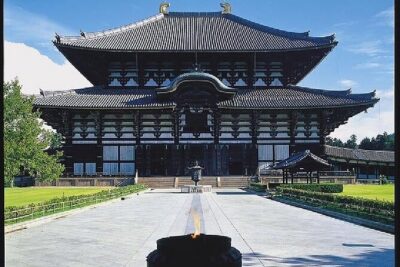
Nara, Fushimi Inari Taisha, Arashiyama Bus Tour
Read our review →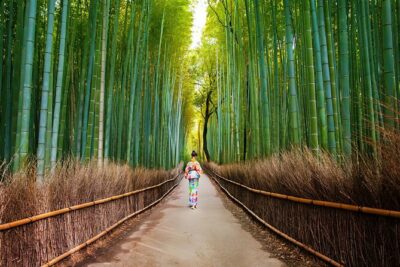
Kyoto Arashiyama Walking Tour: Bamboo, Monkeys, Gardens & Secrets
Read our review →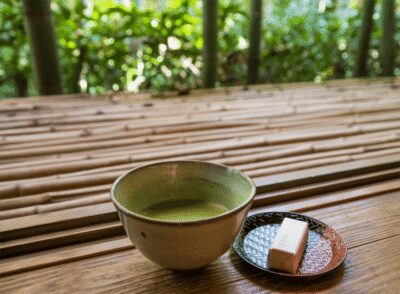
Arashiyama Bamboo, Temple, Monkeys, or Secret Sake Brewery
Read our review →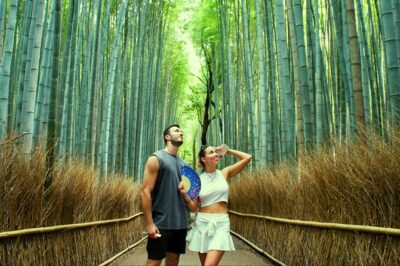
Arashiyama Bamboo Forest, Monkeys, Matcha & Temple Tour
Read our review →
Arashiyama, Nara & Fushimi Inari Shrine w/Lunch
Read our review →
Nijo, Kinkaku-ji, Arashiyama, Kiyomizu & Fushimi Inari
Read our review →Also filed under