
Reviewed · TEMPLE & SHRINE VISITS
Private Day Tour of the Temples of Kyoto
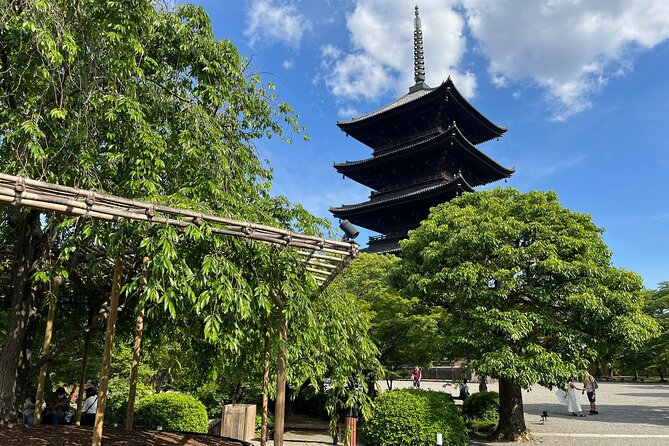
Kyoto in one long temple walk is a great way to get your bearings fast. This private day tour strings together the Golden Pavilion, the Silver Pavilion area, the Philosopher’s Walk, Kiyomizu-dera, and the torii tunnels of Fushimi Inari, all with local guidance to connect what you see to why it matters. I especially like how the route goes from gold to zen garden calm, and then finishes with the big visual payoff at Fushimi Inari. One thing to watch: it is not a car sightseeing day, so plan on an 8-hour mix of walking and public transport rather than expecting a relaxed ride between stops.
The big win here is context. Instead of just snapping photos at famous landmarks, you get the religious and cultural background that helps Kyoto’s architecture and landscapes make sense. In some outings, the guide quality is a standout, with Mouloud specifically noted for being patient, engaging, and knowledgeable, even adding an extra site when time allowed.
In This Review
- Quick highlights
- When you say private, what you really get in Kyoto
- The pacing inside an 8-hour Kyoto temple loop
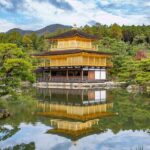
- Kinkakuji Golden Pavilion, Rokuon-ji: your first wow moment
- Higashiyama Jisho-ji and the Silver Pavilion area: where Kyoto turns quieter
- Philosopher’s Walk near Ginkaku-ji: history in a nature stroll
- Kiyomizu-dera: the terrace viewpoint that makes the skyline matter
- Fushimi Inari Taisha: thousands of torii and your grand finale
- Guide value, especially when they can add an extra stop
- Pickup, public transport, and the one logistics mistake to avoid
- Price and value: where $226.77 makes sense
- Should you book this Kyoto temples private day tour?
- FAQ
- How long is the private day tour?
- What time does the tour start?
- Is this tour private?
- Will I need to buy temple admission tickets?
- Is lunch or transport included?
- Does the tour use walking and public transport?
- What is the cancellation policy?
Quick highlights
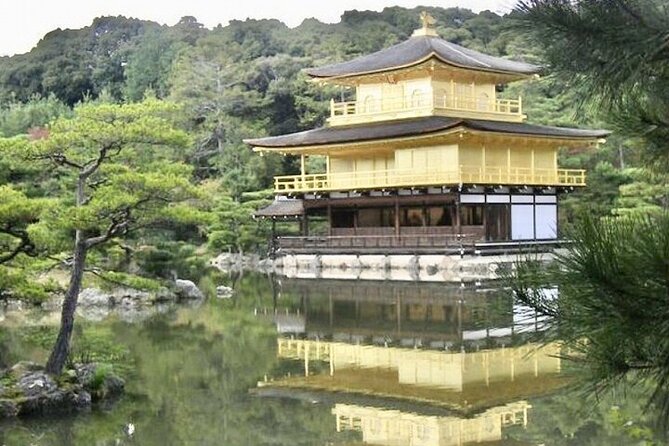
- Golden Pavilion start at Kinkakuji (Rokuon-ji), with gold leaf symbolism and a full hour to see it properly
- Zen garden and city views near the Silver Pavilion area, giving you a calmer contrast to Kinkakuji
- Philosopher’s Walk timing as a one-hour nature stretch tied to Kitarô Nishida
- Kiyomizu-dera terrace panorama plus time for nearby temple buildings in the surrounding area
- Fushimi Inari finale with famous torii portals, and this stop is free to enter
- Private-group pacing where you stay with your group only, guided through public transport and walking
When you say private, what you really get in Kyoto
A private tour in Kyoto can mean anything from a flexible custom plan to a fixed route with a guide. This one is clearly a set temple loop, but you still get the benefits of privacy: you control questions, your guide can adjust pacing to your group, and you are not stuck syncing your speed with a bigger bus crowd.
You should also think of this as an all-day outdoor plan. Even though the day includes public transport, the experience is built around walking between key areas. The itinerary gives each temple area about one hour, but real time includes transit and walking paths, so you will want comfortable shoes and a “steady pace” mindset.
If you are expecting a car ride the whole time, read carefully before you go. One past experience included confusion about pickup meaning a vehicle, but the tour experience is explicitly built on foot and public transport. So, if pickup is offered in your booking details, assume it is meant for making the day easier, not replacing the walking portion.
The pacing inside an 8-hour Kyoto temple loop
This tour runs about 8 hours, starting at 9:00 am. Each major stop is allotted roughly one hour, which is enough time to see the main sight, absorb the setting, and take photos without feeling like a stopwatch is taped to your head.
Here is how the day “feels” in order:
- Stop one opens with a full hour where you can focus on the pavilion itself and the wow-factor reflections it is known for.
- Stops two and three slow the tone down. You shift from a major pavilion stop to a zen garden area and then a nature promenade.
- Stop four is another big visual moment, with a famous terrace viewpoint.
- Stop five ends with motion, stairs, and that long tunnel walk through red torii gates.
That structure helps. Kyoto’s temples can blur together when you rush, but moving from gold to calm gardens to panoramic views to torii intensity keeps each segment distinct.
More rooftops worth a detour
- Kyoto: Tea Ceremony Ju-An at Jotokuji Temple
★ 4.9 · 3,207 reviews - Arashiyama Bamboo, Temple, Monkeys, or Secret Sake Brewery
★ 4.8 · 886 reviews - Kyoto: Arashiyama Bamboo Forest, Monkeys, Matcha & Temple Tour
★ 5.0 · 759 reviews - Osaka/Kyoto: Arashiyama, Nara & Fushimi Inari Shrine w/Lunch
★ 4.4 · 754 reviews
Kinkakuji Golden Pavilion, Rokuon-ji: your first wow moment
Kinkakuji is the Golden Pavilion, and the real name you will hear is Rokuon-ji. It is one of Kyoto’s most visited temple sites, and that makes sense. The pavilion is wrapped in gold leaf on the exterior, and it functions like a symbol for how spectacular imperial Kyoto could look when power and craft came together.
You get one hour here, and that matters. In a short visit you mostly capture the exterior. In a full hour, you can also slow down and notice how the pavilion sits within its setting, how the sightline works from different angles, and how the water and surrounding layout contribute to the overall effect.
What to watch: Kinkakuji is popular. That is not a downside if you are ready for it, but it does mean you should keep your expectations realistic. The best strategy is to use your guide time to learn what you are looking at, then let the crowd pressure slide off you while you hunt for calm angles.
Higashiyama Jisho-ji and the Silver Pavilion area: where Kyoto turns quieter
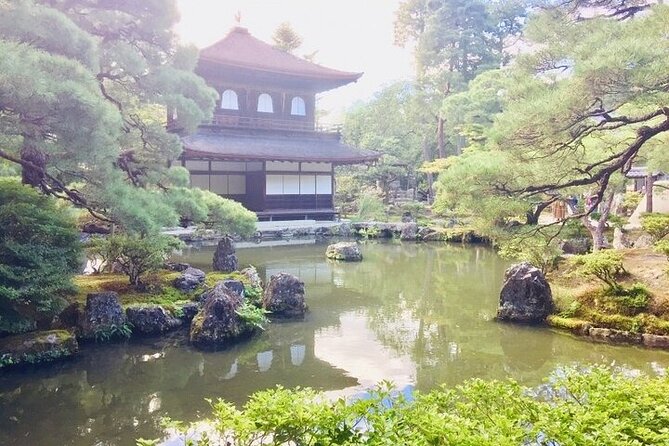
Next you head to the Higashiyama Jisho-ji area, often discussed alongside Kyoto’s famed Silver Pavilion. The tone shifts. The “silver pavilion” is described as more sober than its illustrious counterpart, and that is exactly what you should pay attention to.
Instead of a gold spectacle, you get:
- a pretty building that you can take in without feeling like you are staring at a single color theme,
- a zen garden that rewards a slower look, and
- views over Kyoto that help you understand why people built sacred spaces with “the city in the background.”
You also get about one hour here. If you have only seen the photo version of the Silver Pavilion area, this segment is where you understand why it is so beloved. Zen gardens are meant to train attention. Even if you are not studying the philosophy, the layout gives you a reason to stand still.
Practical consideration: if you are someone who likes lots of open wandering time, the one-hour temple block plus transit may feel a little tight. You still leave with a sense of the overall vibe, just not an all-day indulgence.
Philosopher’s Walk near Ginkaku-ji: history in a nature stroll
Then comes the Philosopher’s Walk, a promenade close to Ginkaku-ji. This is a key switch in the day. Up to now you have been in temple compound mode. This is more of a walking-with-nature break, and it is free to visit.
The name is not random. It dates back to the early 20th century and connects to philosopher Kitarô Nishida (1870 to 1945), who particularly appreciated the walk. That detail is small, but it changes how you experience it. You are not just crossing a scenic footpath. You are walking a place that once shaped a thinker’s daily rhythm.
You get about one hour here. I like using this stretch to reset your legs and mind. It also helps you space out the next big stop. Kiyomizu-dera is another heavyweight, so you want this promenade to act like a breather.
Tip that fits the facts: because this segment is on foot and outdoors, plan your pace. If you start sprinting for photos, you will arrive at the next stop tired instead of ready.
Kiyomizu-dera: the terrace viewpoint that makes the skyline matter
Kiyomizu-dera is one of Japan’s best-known Buddhist temples, and the signature feature is its 13-metre stilted terrace overlooking the valley. That alone explains why the place keeps appearing in travel photos, but your guide context can help you understand how temple architecture and geography work together here.
You get one hour at Kiyomizu-dera. In that time, you should be able to:
- take in the terrace area and the panoramic city feel,
- understand why the temple is famous beyond its looks,
- and explore surrounding temples and buildings in the area’s natural setting.
The terrace is not just a viewpoint. It is a statement about where people believe spiritual life belongs, and it is also a practical design choice that lets you experience Kyoto’s topography from an elevated position.
Possible drawback: if you dislike crowds at viewpoints, this is the stop where you may feel it the most. It is famous for a reason. Your best move is to spend your time listening and looking for details instead of trying to win a photo battle.
A quieter way to spend a day in Kyoto


Fushimi Inari Taisha: thousands of torii and your grand finale
You end at Fushimi Inari Taisha, the Shinto shrine famous for its thousands of red torii portals. The number 10,000 gets thrown around often, and in this tour context the shrine is framed around that iconic visual journey.
This stop is free to enter and also lasts about one hour. That hour can be spent in two ways:
- enjoy the main torii sequence and the shrine areas,
- or walk deeper into the torii corridors to feel how the shrine turns movement into ritual.
Why this finale works: it closes the day with a very different energy than the Buddhist temple stops. Kyoto’s religious culture is layered, and ending with a Shinto experience helps you feel the full spectrum instead of ending on just one tradition.
Practical note: torii areas mean stairs, uneven paths, and lots of people moving in the same direction. If you are managing energy after a full day, it is still a strong close, because even partial progress gives you the effect.
Guide value, especially when they can add an extra stop
This is the kind of tour where the guide can make a noticeable difference. The route hits major icons, but what makes it worth paying for is the connective tissue: how your guide explains religious history, architecture, and the way nature was folded into the experience.
One highlight from an earlier outing involved a guide named Mouloud, praised for being kind, patient, knowledgeable, professional, and engaging. The same experience also noted that Mouloud was flexible enough to add another site when there was leftover time.
That matters for you because the “private” part of private tours is not just exclusivity. It is also responsiveness. If your group is curious and keeps moving at a good pace, you can sometimes get more value than a strict script.
If you want to maximize guide impact, come with one or two questions ready, like:
- What is the key difference between the pavilion style here?
- Why do torii form a tunnel experience instead of just marking entrances?
Your guide will likely match your interests, and that is where the day feels personal.
Pickup, public transport, and the one logistics mistake to avoid
This tour advertises pickup offered and a private group format. At the same time, the day’s flow is built on walking and public transport. That combination can confuse people if they assume pickup means a car waiting for you like a chauffeured sightseeing day.
To avoid the same frustration some people have had, do this:
- Read what your confirmation says about pickup and transportation details.
- When you book, confirm whether pickup is simply meeting at a convenient spot or if any vehicle is involved.
Also, since the tour uses public transport, you should be comfortable with transit times adding up. Even if each temple is about an hour, your “real” time is 8 hours total, and some part of that is inevitably spent on getting from place to place.
Price and value: where $226.77 makes sense
At $226.77 per person for about 8 hours, you are paying for more than entry tickets. You are paying for:
- a private guide,
- time coordination across multiple major Kyoto landmarks,
- and guide-led navigation that helps you understand what you are seeing.
Most temple admissions in the day are listed as not included for stops like Kinkakuji, the Jisho-ji/Silver Pavilion area, and Kiyomizu-dera. Philosopher’s Walk and Fushimi Inari are free. So the cost is mostly about the guided experience and the structure of the day, not buying a bundle of attractions.
One reason this price can feel fair is that Kyoto’s top sites are famous for a reason, which also means they can be crowded and confusing when you try to piece it together alone. If you want a smooth plan, a guide saves you the stress of figuring out the order, the connections, and the “why.”
The main value test for you is this: do you want a full-day loop with context, or do you want to wander freely and read on your own? If you want context and less planning, this is a solid match.
Also consider timing. The tour is booked far in advance on average, around 132 days. That tells you demand is high, which can mean limited flexibility on your preferred dates.
Should you book this Kyoto temples private day tour?
I would book it if you want a one-day sweep through Kyoto’s biggest temple experiences with a guide who connects religion, architecture, and landscape. It is especially good if you like a route that starts with Kinkakuji, then slows down with zen gardens and a nature promenade, and ends with the torii tunnel drama of Fushimi Inari.
I would think twice if you hate walking and prefer short hops between sights, because this is a walking-and-public-transport style day. Also, if you are the type who assumes pickup always means a private car, double-check your confirmation so you do not get surprised.
If you do book, go in ready for a full day outdoors, bring comfortable shoes, and use your guide time for questions. That is how you turn a list of famous names into a day that actually feels like you understood Kyoto, not just photographed it.
FAQ
How long is the private day tour?
It runs about 8 hours.
What time does the tour start?
The start time is 9:00 am.
Is this tour private?
Yes. It is a private tour, and only your group will participate.
Will I need to buy temple admission tickets?
Some admissions are not included. Kinkakuji, the Jisho-ji/Silver Pavilion stop, and Kiyomizu-dera are listed as admission ticket not included. Philosopher’s Walk and Fushimi Inari-taisha are listed as admission free.
Is lunch or transport included?
The provided information lists lunch and transport as not included, but the included section also mentions transport and lunch in the guide fees line. Because of that mismatch, you should confirm what your specific booking includes in your confirmation message.
Does the tour use walking and public transport?
The tour description says you will visit Kyoto on foot and by public transport, and it also notes pickup offered. The day is designed around walking between stops.
What is the cancellation policy?
You can cancel for a full refund if you do so up to 24 hours before the experience start time. If you cancel less than 24 hours before, the amount paid is not refunded.
New This Season
- Koyasan Day Trip by Private Car from Kyoto
- Old Port Town and Ultimate Sake Tasting Private Tour From Kyoto
- Sacred Peak & Ancient Paths: Kurama-Kibune Hiking Experience
- Kyoto’s Timeless Charm: 3hr Exploration of History and Peace
- Kyoto: 5 Types of Sushi Making
- Kyoto: Exclusive ZEN practice at Manpukuji temple in Uji
- Kyoto: Private Seasonal Aroma Yoga Class
- Traversing Kyoto’s Scenic West – Arashiyama to Kinkakuji
Temple & Shrine Visits, compared.
Arashiyama Bamboo, Temple, Monkeys, or Secret Sake Brewery
Read our review →
Arashiyama Bamboo Forest, Monkeys, Matcha & Temple Tour
Read our review →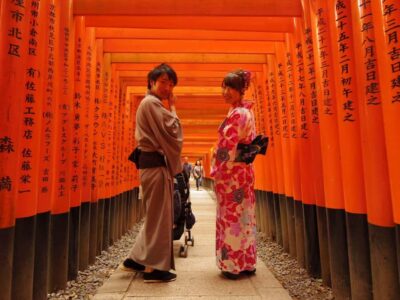
Arashiyama, Nara & Fushimi Inari Shrine w/Lunch
Read our review →
Kyoto Zen Meditation & Garden Tour at a Zen Temple with Lunch
Read our review →
KYOTO Tea Ceremony with kimono near by Imamiya Jinjya Shrine
Read our review →Arashiyama Bamboo, Matcha, Monkeys & Temple Tour
Read our review →Also filed under