
Reviewed · FUSHIMI INARI SHRINE WALKS
Sacred Treasure Fushimi Inari and Kiyomizu Dera Tour
Kyoto rewards you fast on this route. This Sacred Treasure tour strings together Fushimi Inari Taisha torii gates and Kiyomizu-dera sacred sights, and I like the way the guide keeps the plan straightforward and the temple tickets handled. The one drawback I’d plan for is that this is a timed group tour, so if a guide is delayed or the schedule shifts, you will want to stay flexible.
You start near Kyoto Station and end in the shopping lanes of Ninenzaka and Sannenzaka, with a mobile ticket to keep things simple. It runs about 3 hours total, with roughly 1 hour at Fushimi Inari, 1 hour 30 minutes at Kiyomizu-dera, then two short breaks on the old streets.
In This Review
- Key highlights to know before you go
- A Fast Shinto-to-Buddha Route From Kyoto Station
- Fushimi Inari Taisha: Torii Gates and the Prosperity Theme
- Kiyomizu-dera and the Pure Water Temple: Views and Sacred Waters
- Ninenzaka and Sannenzaka: Cobblestones, Shops, and a Friendly Finish
- How the 3 Hours Work, and What You’re Paying For
- Guide style can make or break it, from Andrea to Robert to Joanes and Ricardo
- Practical tips: meeting point, shoes, and mobile tickets
- Should you book this Sacred Treasure Fushimi Inari and Kiyomizu Dera Tour?
- FAQ
- What sites are included on the tour?
- How long is the Sacred Treasure Fushimi Inari and Kiyomizu Dera Tour?
- Where does the tour start and end?
- Are temple tickets included?
- Is transportation included?
- What is the cancellation policy?
Key highlights to know before you go
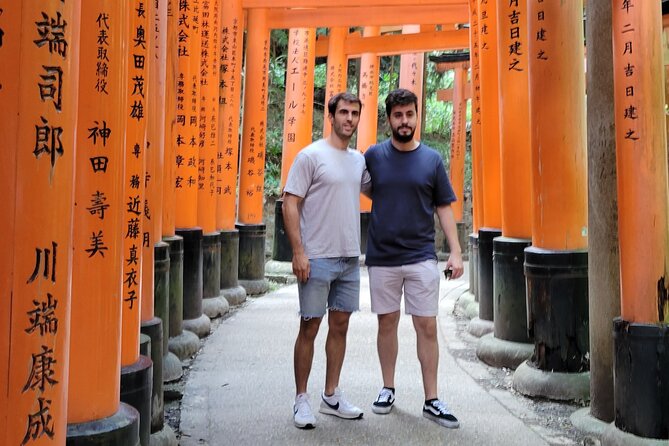
- Torii-gate Shinto focus at Fushimi Inari with a guided route through the famous vermillion gate scene tied to prosperity themes
- Kiyomizu-dera as the Pure Water Temple with UNESCO status, a dramatic wooden stage view, and sacred waters linked to health and longevity
- Quick, practical old-street time on cobblestone lanes at Ninenzaka and Sannenzaka, then a finish right where you can shop and grab coffee
- Tickets and guide included in the base price so you are not hunting for entrances mid-walk
- A group cap of up to 50 people, so it feels social rather than private (plan for some crowding)
A Fast Shinto-to-Buddha Route From Kyoto Station
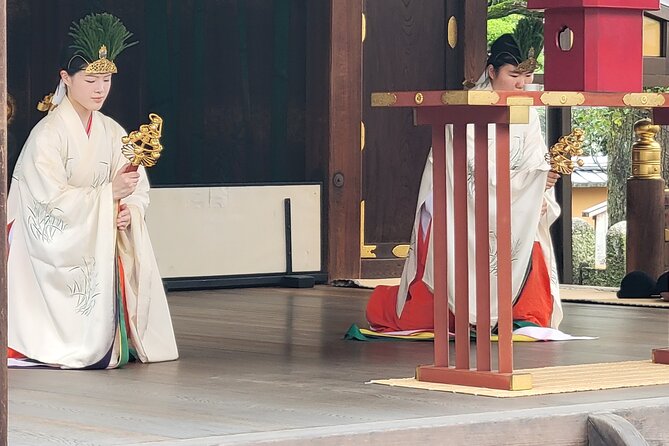
If you want Kyoto in one morning or early afternoon, this tour is built for momentum. You combine a Shinto shrine stop (Fushimi Inari Taisha) with a major Buddhist temple stop (Kiyomizu-dera), then end in the atmospheric historic lanes near the temple area.
The best part for me is that it is not just sightseeing. A good guide turns these famous places into a story you can hold in your head. On this tour, that often means connecting the meaning behind prayers and rituals at Fushimi Inari to the sacred-water theme at Kiyomizu-dera, then using Ninenzaka and Sannenzaka as the human-scale break between the big monuments.
Value-wise, the pitch is simple: $30 per person for about 3 hours, with a certified guide and temple tickets included. That can be a smart way to save time, especially if you do not want to figure out entrances and logistics while you are already in Kyoto sightseeing mode.
Fushimi Inari Taisha: Torii Gates and the Prosperity Theme
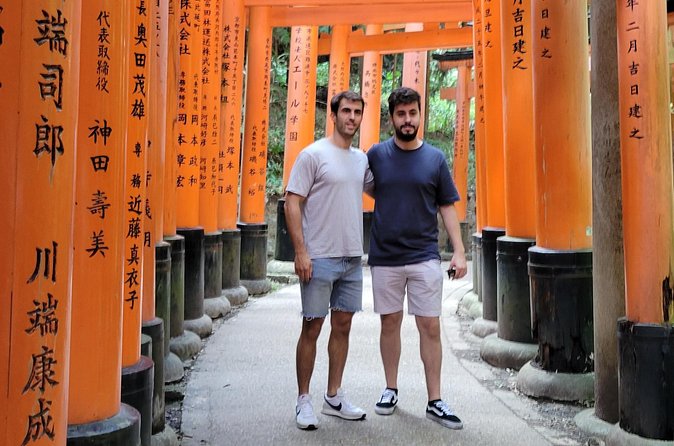
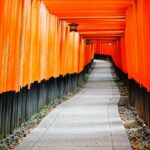
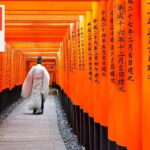
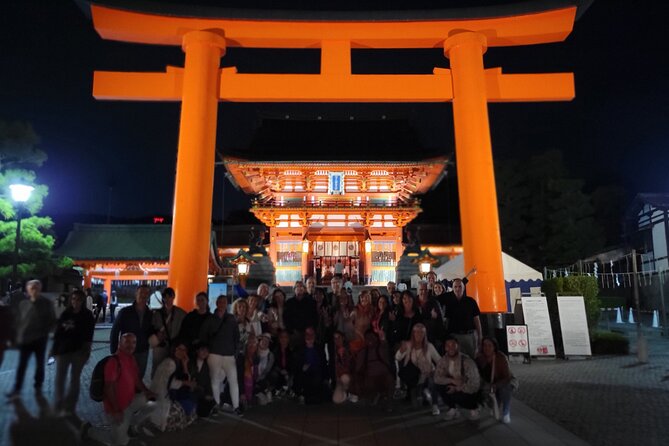
Stop 1 is Fushimi Inari-taisha Shrine, and the whole vibe is basically “walk into a sea of vermillion torii gates.” This is a Shinto shrine dedicated to Inari, the deity tied to rice, prosperity, and business. That focus matters because it gives you something to look for besides the scenery.
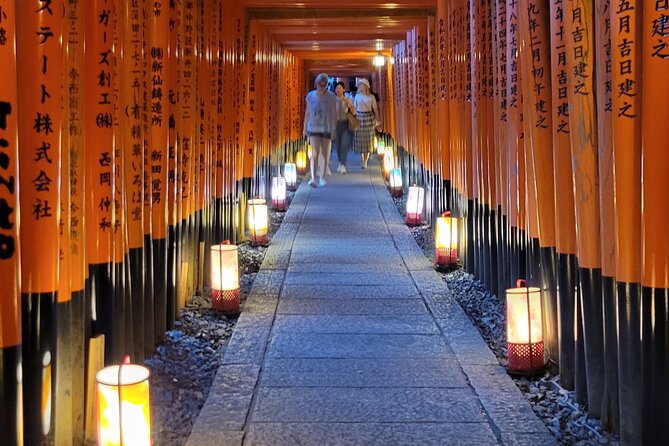
What I like about this part of the tour is the guided meaning. The torii gates are iconic, but the guide’s explanations give you context for why people come here and what they hope to receive. You get about 1 hour here, which is enough time to enjoy the atmosphere without feeling like you are rushing to check a box.
The practical consideration is that you should expect this to be a walking-heavy stop. You are moving through gate corridors and waiting for photo moments. If you prefer to hover at one view instead of walking, you may wish you had more time or a slower pace. Still, for most first-timers, an hour is a solid “taste plus context” length.
Also, this stop includes admission, so you are not stuck paying separately or figuring out where tickets are sold. That matters on a tight schedule.
The wooden stage above the hillside
- Kyoto: Tea Ceremony in a Traditional Tea House in Kiyomizu
★ 4.9 · 3,519 reviews - Kyoto: Nijo Castle, Kiyomizu & Fushimi Inari Guided Tour
★ 4.7 · 700 reviews - Kyoto: Nijo, Kinkaku-ji, Arashiyama, Kiyomizu & Fushimi Inari
★ 5.0 · 699 reviews - Kyoto Tea Ceremony & Kiyomizu-dera Temple Walking Tour
★ 5.0 · 115 reviews
Kiyomizu-dera and the Pure Water Temple: Views and Sacred Waters
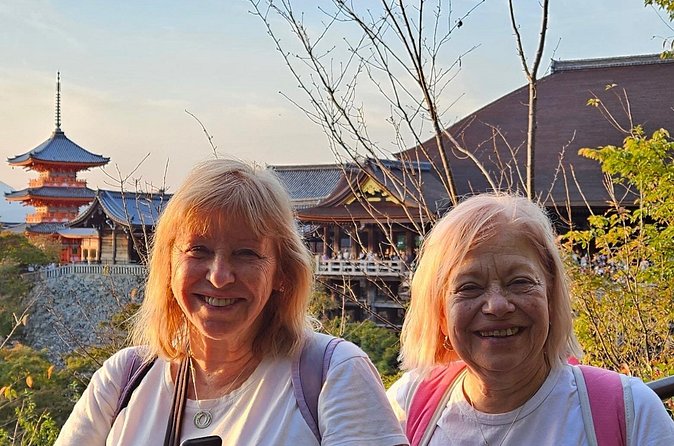
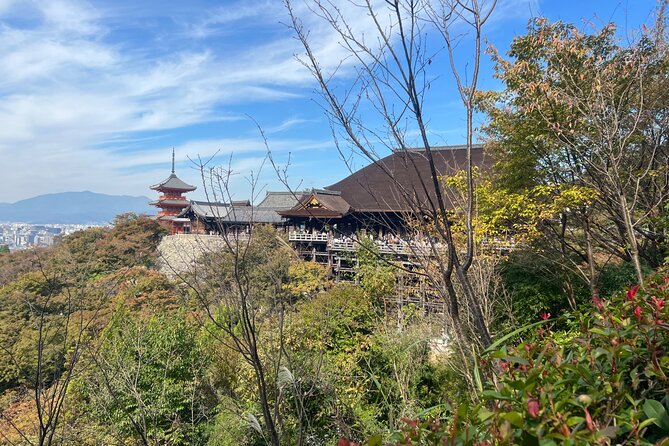
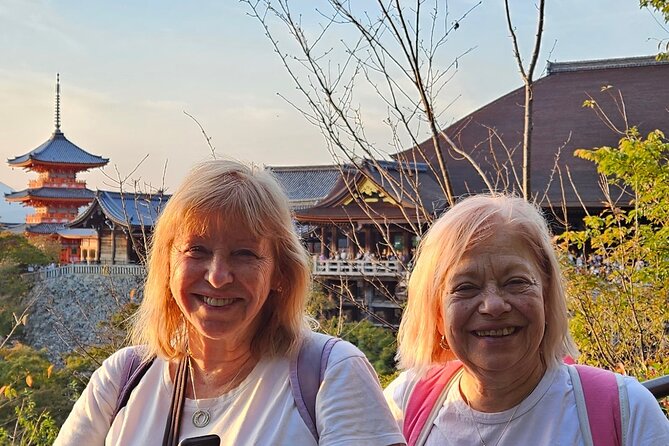
Stop 2 is Kiyomizu-dera, also known as the Pure Water Temple. It is one of Kyoto’s most iconic landmarks and a UNESCO World Heritage site. The headline feature is the wooden stage that juts out over the hillsides, the kind of structure that makes you look up before you even think.
Then there is the sacred-water angle. The tour frames the waters as something believed to grant health and longevity. That is the kind of detail that makes a temple visit feel more personal than just architectural appreciation. It helps you understand why people pay attention to the ritual side of what they are doing.
You get about 1 hour 30 minutes at Kiyomizu-dera, which is good pacing. It gives you time to take in the stage views, then slow down for the temple’s spiritual theme without the sense of “next stop, right now.” In my opinion, this is the heart of the tour.
One caution: timing is everything on a scheduled group tour. If you pause too long for photos, you can feel the pressure later at the historic streets. I like this part of the itinerary, but it rewards a little self-control. Decide what you want to see first, then let the sacred-water moment happen in the middle, not at the very end.
Ninenzaka and Sannenzaka: Cobblestones, Shops, and a Friendly Finish
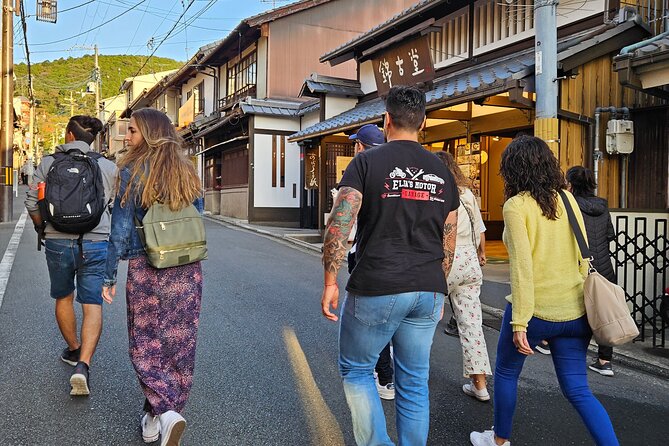
Stops 3 and 4 are Ninen Zaka Path and Sannenzaka. Together, they are two charming historic streets near Kiyomizu-dera, lined with traditional wooden buildings and paved with cobblestones. You also get the “Kyoto shopping street” feeling here, with souvenir shops, teahouses, and traditional craft stores.
This is the part of the tour that feels like breathing room. Stop 3 is about 15 minutes, then Stop 4 is another 15 minutes, and both are free of admission charges. It is short, but it is long enough to:
- walk a few blocks and absorb the old-street texture
- browse a couple shops without the full “I need an hour for shopping” commitment
- reset your legs after the temple walking
And the payoff is the finish. The tour ends at the shopping streets of Ninenzaka and Sannenzaka, so you can keep going for snacks or coffee. That is a smart design choice because it avoids the awkward moment where a tour ends and you have no clue where to go next.
How the 3 Hours Work, and What You’re Paying For
The tour is listed at about 3 hours total, and the schedule is broken into:
- 1 hour at Fushimi Inari-taisha
- 1 hour 30 minutes at Kiyomizu-dera
- 15 minutes on Ninenzaka
- 15 minutes on Sannenzaka
In practice, that means you get two major stops with meaningful time, plus two short streets for atmosphere and shopping. If you only had time for one temple area, you would likely spend most of your day around Kiyomizu-dera anyway. This tour is essentially a way to add Fushimi Inari without losing your afternoon.
Price analysis is where this tour can make sense. At $30, with a certified guide and tickets to temples included, you are mostly paying for:
- guide time and interpretation
- ticket handling
- saved effort on routing and timing
You are not paying for private transportation because private transportation and transportation fees are not included. That can be a good fit if you are already using public transit in Kyoto. The tour is described as near public transportation, which typically means you are not trekking across the city on your own.
One important takeaway from the overall format is that this is not a slow, keep-you-longer kind of tour. It is a structured “see the essentials with context” experience.
Guide style can make or break it, from Andrea to Robert to Joanes and Ricardo
The most praised aspect of this tour is the way guides connect the sites to meaning. People talk about understanding the two main religions in Japan, and the guides named in those accounts often focus on mythology, history, and ritual context.
For example, Andrea from Colombia is cited as explaining history and mythology, which is exactly what you want at these shrines and temples. Another guide named Robert is linked with a blend of history, mythology, and even participation in a ritual linked to finding the right person in one of the temple spaces. If you like a more active, hands-on interpretation, that kind of guiding style can be a highlight.
Then there is Joanes y Ricardo, mentioned for patience while explaining temples, plus recommendations for Japanese gastronomy and good advice for what to do next. That matters because Kyoto sightseeing is not only about “what you see,” it is also about knowing what to eat and where to go after you finish the big sights.
Now, the balanced side: there is also at least one very serious complaint about last-minute cancellation tied to a guide delay. Another complaint describes confusion around organization, including a guide wanting to change the tour and talk about added transportation or entrance charges. I cannot predict how your specific day will go, but it does point to a simple strategy: keep your plan flexible, arrive early at the meeting point, and check the details on what your voucher says is included.
Still climbing through the orange gates?

Practical tips: meeting point, shoes, and mobile tickets
Here’s the “do this right and it will feel easy” info.
Meeting point: Kyoto Station area, listed as Higashishiokoji Kamadonocho, Shimogyo Ward, Kyoto 600-8216, Japan.
End point: near Kiyomizu-dera, listed as 1-chōme-294 Kiyomizu, Higashiyama Ward, Kyoto 605-0862, Japan, with the tour ending on the Ninenzaka and Sannenzaka shopping streets.
You also get a mobile ticket, which is a plus if you do not want to manage paper. Just make sure you have your phone charged and your ticket easy to access before you meet up.
Shoes matter here more than usual. You are walking at multiple stops, including cobblestone streets and shrine approaches, so comfort beats style. Bring layers too. The tour is described as requiring good weather, meaning conditions can affect whether it runs.
If bad weather hits, the experience may be canceled, and then you are offered a different date or a full refund. If you are booking close to a busy travel day, consider how easy it is for you to move plans if the tour needs to reschedule.
Group size can also affect your feel. With a maximum of 50 travelers, you are not getting a private guide experience. You will likely share viewpoints and narrow walking areas with other people, especially around the most famous angles and gates.
Should you book this Sacred Treasure Fushimi Inari and Kiyomizu Dera Tour?
I think this tour is a good choice if you want a guided, time-efficient route through Kyoto’s biggest “meaning-rich” stops. The combination of Fushimi Inari and Kiyomizu-dera, plus a short walk on Ninenzaka and Sannenzaka, is a smart way to get both spiritual context and historic street atmosphere without spending a full day figuring out logistics.
Book it if:
- you like having a guide connect sites to religion and ritual meaning
- you want temple admissions handled in advance
- you like ending right in the shopping lanes for coffee and browsing
- you are comfortable with a structured 3-hour walking plan
Consider skipping it or weighing alternatives if:
- you need absolute certainty for timing (there has been at least one serious complaint about last-minute cancellation)
- you dislike group schedules and want a fully flexible pace
- you are worried about any added fees not clearly reflected in your voucher, since one complaint described confusion around extra payments
If you do book, do it with a calm, practical mindset. Arrive early at Kyoto Station, keep your phone ticket ready, and treat the itinerary as a plan that moves through Kyoto’s spiritual highlights with a clear end point at the old streets.
FAQ
What sites are included on the tour?
The tour includes Fushimi Inari-taisha Shrine, Kiyomizu-dera Temple, Ninenzaka Path, and Sannenzaka. Ninenzaka and Sannenzaka are listed as historic streets with free admission.
How long is the Sacred Treasure Fushimi Inari and Kiyomizu Dera Tour?
It lasts about 3 hours (approx.). The schedule lists 1 hour for Fushimi Inari-taisha, 1 hour 30 minutes for Kiyomizu-dera, and two 15-minute stops for Ninenzaka and Sannenzaka.
Where does the tour start and end?
It starts at Kyoto Station, Higashishiokoji Kamadonocho, Shimogyo Ward, Kyoto 600-8216, Japan. It ends at Kiyomizu-dera area, with the tour ending at the shopping street of Ninenzaka and Sannenzaka.
Are temple tickets included?
Yes. Tickets to temples are included in the tour.
Is transportation included?
No. Private transportation and transportation fees are not included. The tour notes that it is near public transportation.
What is the cancellation policy?
You can cancel for free up to 24 hours in advance for a full refund. The experience requires good weather, and if it is canceled due to poor weather, you are offered a different date or a full refund.
New This Season
- Koyasan Day Trip by Private Car from Kyoto
- Old Port Town and Ultimate Sake Tasting Private Tour From Kyoto
- Kyoto’s Timeless Charm: 3hr Exploration of History and Peace
- Kyoto: 5 Types of Sushi Making
- Sacred Peak & Ancient Paths: Kurama-Kibune Hiking Experience
- Kyoto: Exclusive ZEN practice at Manpukuji temple in Uji
- Kyoto: Private Seasonal Aroma Yoga Class
- Traversing Kyoto’s Scenic West – Arashiyama to Kinkakuji
Fushimi Inari Shrine Walks, compared.
Fushimi Inari, Kinkakuji, Bamboo Grove 1 Day Bus Tour
Read our review →
Fushimi Inari Hidden Hiking Tour (Private Option Available)
Read our review →
Kinkakuji,Arashiyama,FushimiInariShrine,NaraPark
Read our review →
Nara, Fushimi Inari Taisha, Arashiyama Bus Tour
Read our review →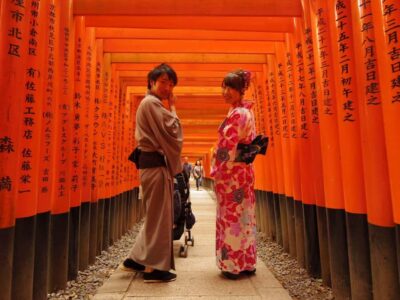
Arashiyama, Nara & Fushimi Inari Shrine w/Lunch
Read our review →
Nijo Castle, Kiyomizu & Fushimi Inari Guided Tour
Read our review →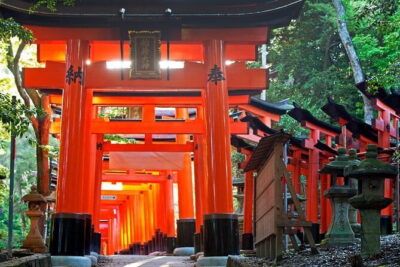
Nijo, Kinkaku-ji, Arashiyama, Kiyomizu & Fushimi Inari
Read our review →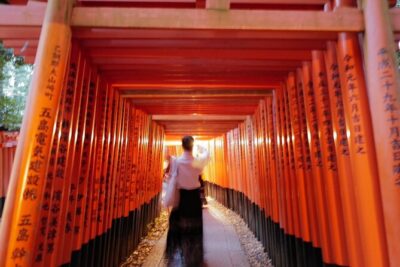
Also filed under