Reviewed · TOURS
All-Inclusive Kyoto Day Tour: Amanohashidate, Miyama or Ohara
Kyoto feels huge when you plan it yourself, but this day tour keeps it smart and focused. You pick one route, ride in a private car with an English-speaking guide, and get the key experiences that are hardest to stitch together on your own, like boat time and a chairlift.
You also get a strong change of scenery without wasting hours on transfers, with stop ideas like Jingoji Temple in a cedar-filled setting, and Amanohashidate’s sandbar viewpoint.
Two things I really like about this tour are the way it packages must-see areas into one smooth day, and how it includes the “pay later” pieces. You should appreciate the included boat fee around Ine Funaya and Amanohashidate, plus the included chairlift fee at Amanohashidate Viewland. The result feels like you’re doing more, with less friction.
One possible drawback: there’s no lunch included, and the day runs close to 8 hours with several short, timed sights, so you’ll want to plan your food strategy.
Key highlights worth knowing
- Private car + English guide means you can keep the pace comfortable and ask questions without the group shuffle
- Included boat rides tie the day together, especially for Ine no Funaya and Amanohashidate viewpoints
- Amanohashidate Viewland chairlift is covered, so you do not have to track tickets mid-day
- Temples in different moods, from cedar-shadow quiet at Jingoji Temple to hilltop calm at Kōsan-ji Temple
- Thatched-roof village stroll at Kayabuki-no-sato Kitamura brings classic rural Kyoto into the plan
- Hiyoshi Dam stop adds an engineering-and-nature break without feeling like a detour
In This Review
- Private Kyoto Routes, Pick Your Mood and Your Scenery
- What You Really Pay For: Value Beyond the Sticker Price
- Route A: Miyama and Takao for Thatched-Roof Quiet and Temple Calm
- Jingoji Temple, cedar shade and pagodas
- Kōsan-ji Temple, a UNESCO World Heritage stop in the hills
- Kayabuki-no-sato Kitamura, rural Kyoto with classic roofs
- Hiyoshi Dam, a nature-and-engineering pause
- Route B: Amanohashidate and Ine, Sandbar Views plus Funaya Boats
- Chion-ji Temple and Motoise Konojinja Shrine, calm before the main view
- Amanohashidate Kasamatsu Park, the sandbar viewpoint
- Amanohashidate Viewland chairlift, easy height without a hike
- Ine no Funaya, the fishing village built along the water
- Why the order feels right
- Route C: Ohara and Biwako for Rural Slow Time and a Lake Reset
- Timing That Works: Short Stops, No Wasted Hours
- Included Comfort That Makes a Difference
- The Biggest Practical Considerations Before You Book
- Lunch is on you
- The day is packed, even when it feels relaxed
- You’re choosing a route for a reason
- Who This Tour Fits Best
- Should You Book This Private Kyoto Day Tour?
- FAQ
- What time does the tour start?
- How long is the Kyoto day tour?
- Is pickup available?
- Is this a private tour or shared group?
- What’s included in the tour price?
- Are admission tickets included?
- Is lunch included?
- Can I cancel for a full refund?
Private Kyoto Routes, Pick Your Mood and Your Scenery
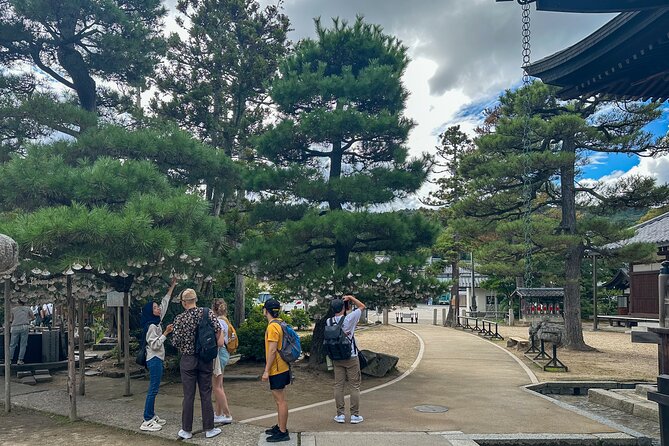
This is not one generic Kyoto tour. It’s three different Kyoto Prefecture day routes, built so you can match the day to your energy level and interests. You’ll start around 9:00 am and be finished after roughly 8 hours, which is a sweet spot for first-time visitors and return travelers alike.
If you want old-world rural Kyoto and mountain atmosphere, the Miyama and Takao route makes sense. If you’re chasing famous views plus a fishing-village vibe, Amanohashidate and Ine is the obvious pick. And if you want quieter countryside and a pause by Lake Biwa, the Ohara and Biwako option aims in that direction.
What You Really Pay For: Value Beyond the Sticker Price
At $520.25 per person, this is a premium day. But the price is not just for a driver and a calendar reminder. The tour includes a private car, an English-speaking guide, bottled water, and the costs that typically add up fast when you plan on your own.
Here’s what’s especially “value” about this:
- Private transportation costs are covered, including gas, parking, and highway fees
- Boat fees are included for both the Amanohashidate area experience and Ine Funaya
- Chairlift fees at Amanohashidate Viewland are included
- Some admissions are included outright, including Jingoji Temple, Kōsan-ji Temple, and Amanohashidate Kasamatsu Park
What’s not included is straightforward: lunch and tips for the guide are on you, plus personal expenses. So you’ll want to budget for at least one meal and a few snacks.
Route A: Miyama and Takao for Thatched-Roof Quiet and Temple Calm
This route leans into two classic Kyoto feelings: rural stillness and temple geography. It’s a great choice if you like walking at a relaxed pace, taking in wood and stone textures, and slowing down just enough to feel like you escaped the city.
Kyoto rewards patience — the quieter half of the city sits just off the main path.
- PERFECT KYOTO 1-Day Bus Tour
★ 5.0 · 13,518 reviews - Kyoto: Fushimi Inari, Kinkakuji, Bamboo Grove 1 Day Bus Tour
★ 4.8 · 4,316 reviews - Kyoto: Tea Ceremony in a Traditional Tea House in Kiyomizu
★ 4.9 · 3,519 reviews - Kyoto Geisha Walking Tour: Gion District & Hidden Gems
★ 4.7 · 3,273 reviews
Jingoji Temple, cedar shade and pagodas
Your day begins at Jingoji Temple, where the setting is defined by tall cedar trees, old pagodas, and garden views. The tone here is peaceful and easy to enjoy, especially if you want a calmer start before the day gets more active. Expect about 1 hour 30 minutes, so you’ll have time to look around rather than just pass through.
Why it works: this stop gives you a “Kyoto in the trees” moment early. It also sets a mood that makes the rest of the day feel more connected.
Kōsan-ji Temple, a UNESCO World Heritage stop in the hills
Next is Kōsan-ji Temple in the Takao area. This is a UNESCO World Heritage site, set in a lush mountain environment. You’ll get around 1 hour here, with your guide walking you through important halls and gardens and sharing context as you go.
Why it works: UNESCO can sometimes feel like a label. Here, it’s more like a real place you can read through, with a guide helping you understand what you’re seeing and why it matters.
Kayabuki-no-sato Kitamura, rural Kyoto with classic roofs
Then you step into Kayabuki-no-sato Kitamura, a village known for its traditional thatched-roof farmhouses. You’ll spend about 1 hour doing a leisurely stroll through the countryside. The entry here is noted as free, which is a nice bonus when you’re trying to control costs.
This is the kind of stop you enjoy more when you slow down. Look closely at materials, not just the photo angles. Even on a short visit, your guide can point out details that make the village feel lived-in rather than staged.
Hiyoshi Dam, a nature-and-engineering pause
You also get a break at Hiyoshi Dam, about 30 minutes. It’s not just a quick “look at a structure” moment. Your guide explains its role in flood control and water management, and you’re in a natural setting while learning something useful.
Why it works: it gives your brain a different kind of travel experience, one that doesn’t depend on crowds or perfect weather.
A day of temples goes further with something to break it up.
Route B: Amanohashidate and Ine, Sandbar Views plus Funaya Boats
If you want a day that feels like Kyoto postcards turned real, this is the route. It mixes famous scenery with a quieter fishing-village world, and it does it without you hunting tickets or timing your own transport.
Chion-ji Temple and Motoise Konojinja Shrine, calm before the main view
You start with Chion-ji Temple (around 20 minutes) and then Motoise Konojinja Shrine (about 15 minutes). These are shorter stops, but they matter because they set a respectful, grounded tone before you reach the big scenery.
Also, these two are listed as free admissions. So you can enjoy the architecture and atmosphere without the feeling that you’re paying just to walk through.
Amanohashidate Kasamatsu Park, the sandbar viewpoint
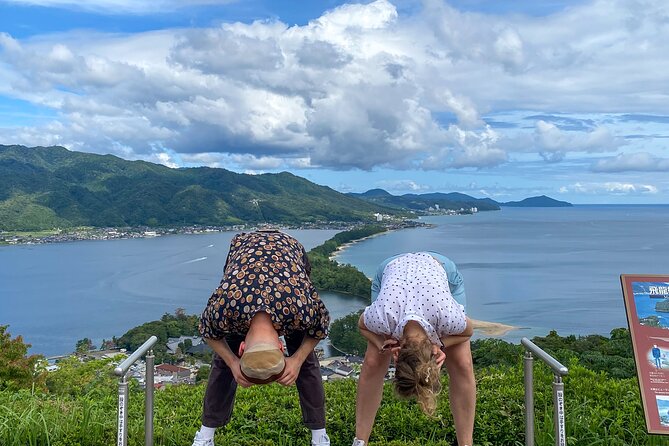
The centerpiece is Amanohashidate Kasamatsu Park, with about 1 hour 30 minutes. You’ll go up to an observation area for panoramic views of the famous sandbar stretching across the bay.
This is one of those places where the best move is to take your time from one angle to another. The guide helps you figure out what you’re looking at, and you’ll likely appreciate it more than you expect.
Amanohashidate Viewland chairlift, easy height without a hike
The chairlift fee is included, which is the kind of detail that makes this route feel “thought through.” You can get elevation and a different perspective without burning energy on a steep trek.
Practical tip: chairlifts are faster than walking up, but they still mean you’ll be moving. Wear shoes you’re comfortable in, since Kyoto days often add up walking even when the plan looks light.
Ine no Funaya, the fishing village built along the water
Then you head to Ine no Funaya in Ine-cho, with about 1 hour 30 minutes. This is the highlight for many people because the village is known for boathouses (funaya) built right by the water’s edge.
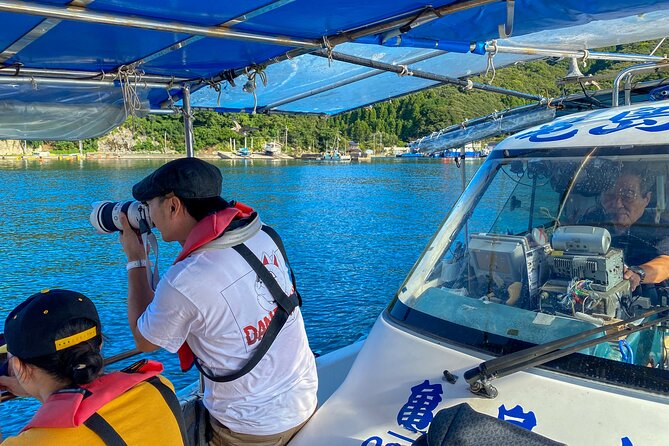
Boat time is included here, and the experience is the reason this route feels special. One review-style detail I’d take seriously: this is where you get to do small-boat sightseeing in the area, including views referred to as being near the famous dragon. Even if you only catch a glimpse, the boat perspective is the difference between seeing a photo and understanding the place.
Why the order feels right
The day flows from calm temple and shrine mood to big visual payoff, then into the village where the water is central. It’s a smart progression. You’re not bouncing between extremes without a reason.
Route C: Ohara and Biwako for Rural Slow Time and a Lake Reset
The Ohara and Biwako route is for travelers who want a break from the “famous Kyoto crowds” feeling. The overview focuses on scenic rural villages and time to relax by the shores of Lake Biwa.
In the provided plan, Hiyoshi Dam appears as a free admission stop, and that actually fits the theme. It’s a nature-heavy moment with a practical learning angle. If you want one change of pace from temple and viewpoint days, it’s a good choice.
What you can expect from the overall route style:
- Less pressure to hit a single iconic viewpoint every 10 minutes
- More time spent moving through countryside
- A calmer ending tied to the lake setting
If weather is an issue on your trip, this route can still work well because the experience is less dependent on one single photo spot.
Timing That Works: Short Stops, No Wasted Hours
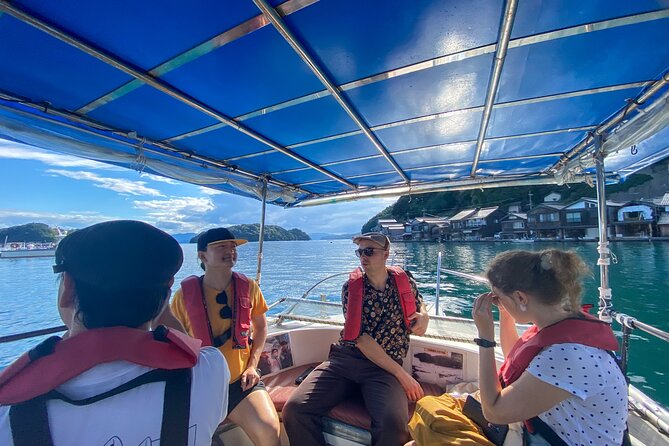
A common problem with day tours is that they feel rushed. Here, the stop lengths are built so you actually experience each place rather than just move through it.
You’ll see the pattern:
- Longer blocks where you need real time to wander, like Jingoji Temple and Amanohashidate Kasamatsu Park
- Medium blocks for temples and villages where walking matters, like Kōsan-ji Temple and Ine no Funaya
- Short inserts for key spiritual sites like Chion-ji Temple and Motoise Konojinja Shrine so you get variety without losing the main day’s momentum
Also, the tour is private for your group. That means you’re not negotiating with a large crowd. The pace can be more natural, and the guide can adjust for how you’re doing.
Included Comfort That Makes a Difference
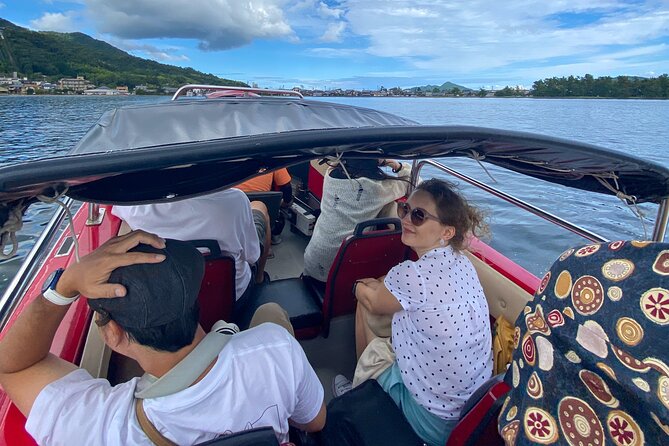
You get a private car, and the plan includes bottled water and all the major transport costs (gas, parking, highway fees). That might sound basic, but in practice it changes how you plan your day.
Instead of:
- estimating train connections
- buying multiple tickets
- losing time to transfers
you get a single, guided flow that keeps you focused on what you came for.
And because it’s an English-speaking guide, you should be able to follow the key context at each stop. Even when a place is famous, what you notice is often guided by what you’re told.
The Biggest Practical Considerations Before You Book
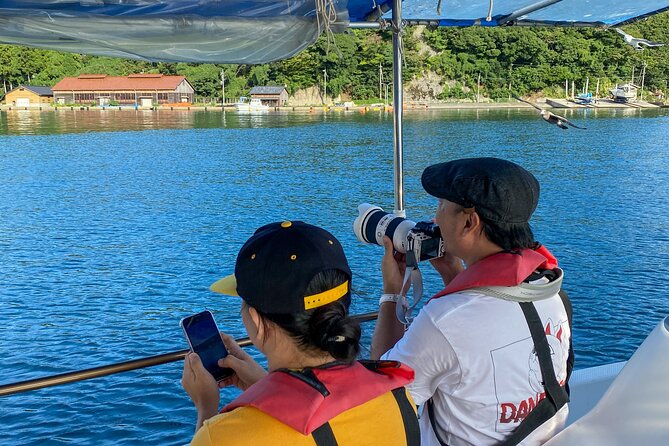
Here are the things I’d think about before choosing this tour, based on the tour structure and what’s included.
Lunch is on you
Since lunch is not included, plan to either:
- bring a simple snack for partway through the day, or
- reserve time to buy food near your route
If you’re the type who hates making decisions in the moment, pick a backup plan before you start.
The day is packed, even when it feels relaxed
Several stops are around 15 to 30 minutes. That’s not bad, it just means you should stay flexible. You’ll want comfortable walking shoes and a light layer for changing weather.
You’re choosing a route for a reason
This is not a “see everything in Kyoto” day. It’s a focused prefecture escape. If you’re torn between rural village atmosphere and big coastal scenery, choose based on what you want most because that choice will shape your whole day.
Who This Tour Fits Best
This is a strong match for:
- people who want a private guide without spending time building their own route
- first-time Kyoto visitors who also want to see beyond the city core
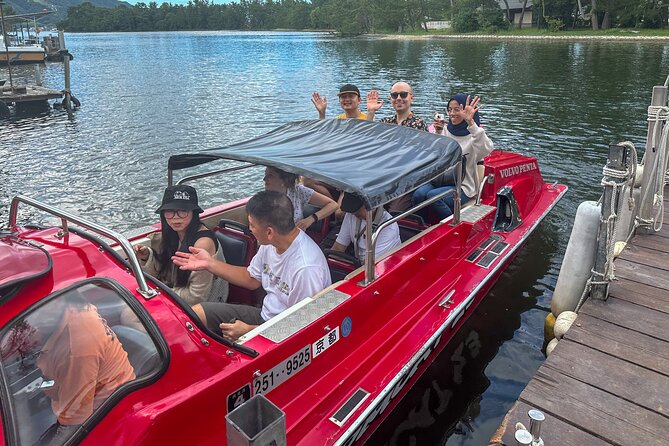
- travelers who like variety in transport, since this day can include walking, boat rides, and chairlift time
- groups who want an efficient day but still want control, since it’s private for your group only
It’s also a good option if you care about organization. The tone of the experience is built around smooth timing, pickup-based travel, and included tickets that reduce mid-day stress.
Should You Book This Private Kyoto Day Tour?
Book it if you want a day that feels planned, not improvised. The combination of a private car, English guidance, and included experiences like boats and a chairlift adds real value. The routes are also designed to match different tastes, so you can choose your mood: rural calm, famous sandbar views, or lake-side reset.
Skip it, or at least rethink your plan, if:
- you want to control every minute yourself with public transport
- you hate tightly scheduled days, even with short stops
- you’re trying to do Kyoto on a strict budget, since lunch and guide tips are extra
If you want a smooth, high-effort payoff day without the hassle of ticket math and transport timing, this is the kind of tour that makes travel days feel easier.
FAQ
What time does the tour start?
The tour start time is listed as 9:00 am.
How long is the Kyoto day tour?
It lasts about 8 hours (approx.).
Is pickup available?
Yes, pickup is offered.
Is this a private tour or shared group?
This is a private tour/activity, and only your group will participate.
What’s included in the tour price?
The tour includes bottled water, an English-speaking guide, private car with gasoline, parking, and highway fees, plus boat fees in Ine Funaya and Amanohashidate and the chairlift fee at Amanohashidate Viewland.
Are admission tickets included?
Some admissions are listed as included, such as Jingoji Temple, Kōsan-ji Temple, and Amanohashidate Kasamatsu Park. Other sites on the plan are marked as free.
Is lunch included?
No, lunch is not included.
Can I cancel for a full refund?
Yes. Free cancellation is available if you cancel at least 24 hours before the experience’s start time.
New This Season
- Koyasan Day Trip by Private Car from Kyoto
- Old Port Town and Ultimate Sake Tasting Private Tour From Kyoto
- Kyoto’s Timeless Charm: 3hr Exploration of History and Peace
- Kyoto: 5 Types of Sushi Making
- Sacred Peak & Ancient Paths: Kurama-Kibune Hiking Experience
- Kyoto: Exclusive ZEN practice at Manpukuji temple in Uji
- Kyoto: Private Seasonal Aroma Yoga Class
- Traversing Kyoto’s Scenic West – Arashiyama to Kinkakuji
Tours, compared.
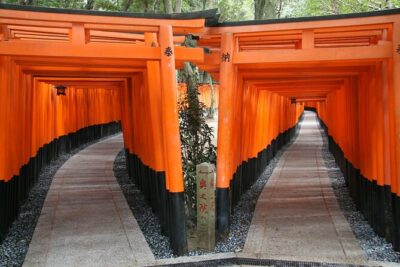
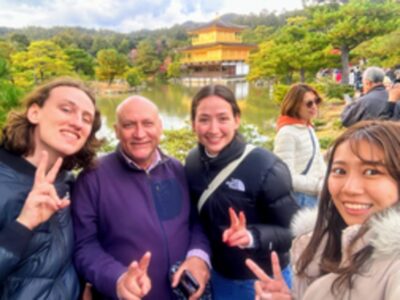
Fushimi Inari, Kinkakuji, Bamboo Grove 1 Day Bus Tour
Read our review →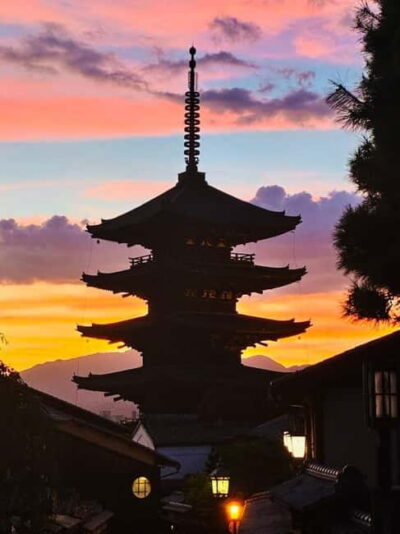
Kyoto Geisha Walking Tour: Gion District & Hidden Gems
Read our review →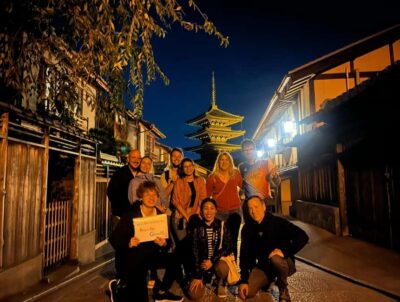
Gion Magical Night Walking Tour with Geisha Trivia
Read our review →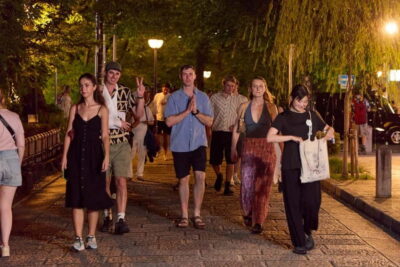
Gion Geisha District Walking Tour – Stories of Geisha
Read our review →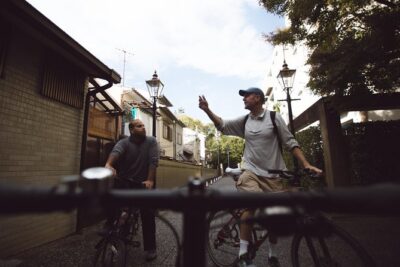
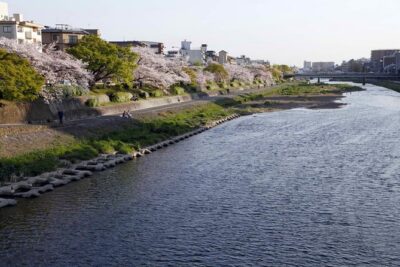
Kyoto Night Foodie Tour in Gion (9+ dishes + 6 Sake tastings)
Read our review →