
Reviewed · SAMURAI TRAINING EXPERIENCES
Ancient Katana Training in Kyoto with Local Students
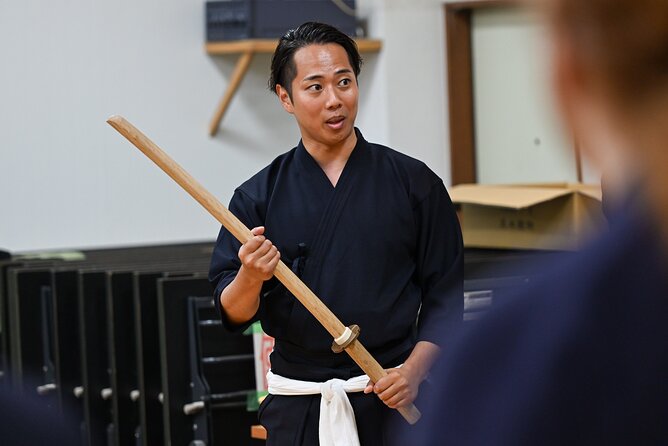
A real dojo, not a sword photo session. This Kyoto training follows the Kyoto Branch of Asayama Ichiden Ryu Hyōhō, a 400-year-old Kobudo tradition, and focuses on Iaijutsu and Kenjutsu with bokutō under instruction from Shogo Sensei and regular dojo members. It’s a genuine training setting, so you get the feel of how these arts are taught, not how they are performed for visitors.
I especially like the small group size (maximum 4), because it makes the feedback feel close and practical. I also like that the class is led with communication in both English and Japanese, which helps you catch details fast instead of guessing.
One thing to consider first, though: this is not positioned as beginner-friendly. The general rule is that people with no prior budo experience may not be accepted, so you should be ready to contact them for a quick consultation if you’re unsure.
In This Review
- Key highlights
- Kyoto’s Asayama Ichiden Ryu Hyōhō, and what 400 years changes
- Finding the dojo, 6:30 pm Honmachi timing, and the small-group feel
- Reihō etiquette first, because discipline is part of the technique
- Iaijutsu with bokutō, quick-draw fundamentals that reward focus
- Kenjutsu practice, learning swordsmanship through control not force
- The role of Shogo Sensei, instruction that works across languages
- What you learn here, and what it hints at next
- Who this fits, and who should ask questions first
- Price and value: why $45.61 makes sense here
- Should you book Ancient Katana Training in Kyoto?
- FAQ
- Where is the meeting point and what time does the class start?
- How long is the training session?
- What will I learn during the class?
- Do I need to bring a katana or bokutō?
- Is this class suitable for beginners?
- What is the cancellation policy?
Key highlights
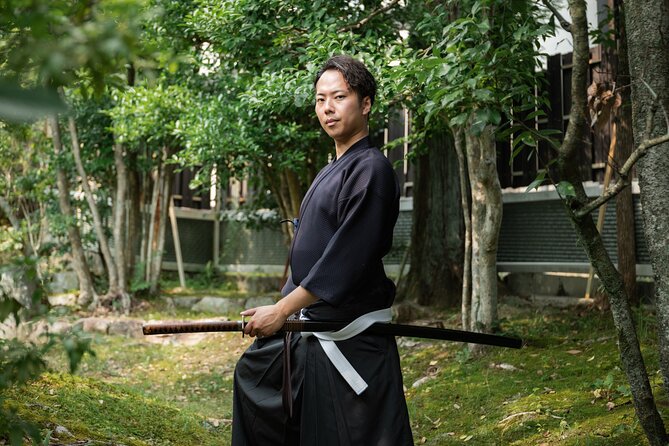
- Real koryu training with the Kyoto Branch of Asayama Ichiden Ryu Hyōhō, not a casual tourist demo
- Iaijutsu and Kenjutsu fundamentals practiced with bokutō in a structured session
- Reihō etiquette first, so you learn the discipline around the technique
- Small class size with a maximum of 4 participants for more direct guidance
- English and Japanese instruction, including pacing that’s described as clear and forgiving
- Budo system context, with the tradition including tools beyond swords even if this session centers on katana arts
Kyoto’s Asayama Ichiden Ryu Hyōhō, and what 400 years changes
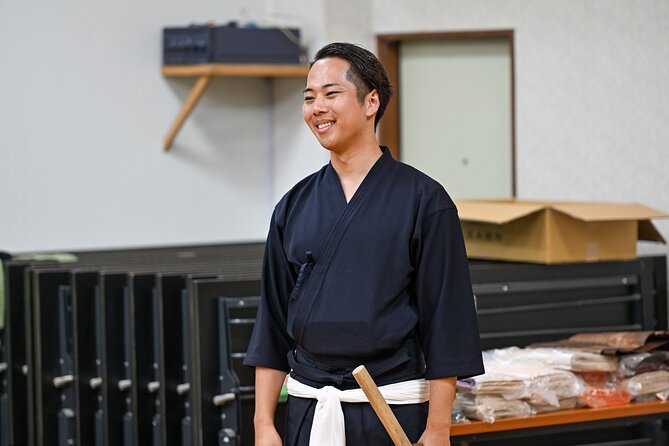
This is a Kyoto dojo class rooted in an old koryu tradition: Asayama Ichiden Ryu Hyōhō, practiced in the Kyoto Branch setting today. The art is described as over 400 years old, and it preserves training methods from the era when samurai fought while wearing armor. That detail matters because it helps explain why the focus is on control, form, and timing, not just dramatic moves.
Also, this isn’t treated like a “single trick” sword lesson. The style is a full martial system, and while this class primarily trains sword arts, it sits inside a larger technical world. In the same tradition, you’ll find references to other weapon systems such as kama-jutsu (sickle techniques), bōjutsu (staff), jōjutsu (short staff), tanbōjutsu (short stick), kusarifundōjutsu (chain and weight), and shurikenjutsu (throwing darts). Even if you don’t practice every weapon in your 3 hours, the structure gives you a sense of how koryu arts are built, step by step, over years.
Finding the dojo, 6:30 pm Honmachi timing, and the small-group feel
The training starts at 6:30 pm and runs about 3 hours. The meeting point is 7-chōme-27-1 Honmachi, Higashiyama Ward, Kyoto, and the activity ends back at the same place. It’s near public transportation, which matters in Kyoto, where walking can go from charming to tiring fast.
Your group size is capped at 4 travelers, so you’re not squeezed into a crowd. That small number makes it easier for your instructor to spot small issues, adjust your stance or draw, and keep everyone safe and on pace. It also changes the vibe. You’re not watching from the edge, you’re practicing as part of the room.
The ticket is mobile, and you get confirmation at booking. None of that changes your training directly, but it does make your evening plan simpler, especially if you’re juggling dinner and transit.
Pick up a sword for an afternoon
- Kyoto Samurai Experience
★ 5.0 · 1,294 reviews - Kyoto: Kendo and Samurai Experience with Uniform and Gear
★ 4.9 · 815 reviews - Kyoto: Samurai Sword Class by Experts in Traditional Arts
★ 4.9 · 657 reviews - Skip the lines Basic Ticket at SAMURAI NINJA MUSEUM KYOTO
★ 4.5 · 632 reviews
Reihō etiquette first, because discipline is part of the technique
Before you draw anything, you practice Reihō etiquette. That may sound like “rules,” but in koryu training it’s not decoration. It’s how the dojo sets energy, focus, and respect, so everyone can learn without chaos.
In a real sword class, etiquette also becomes practical safety. You learn how to move within the shared training space, how to behave around other students, and how to follow the instructor’s timing. Even if you only catch a few details the first time, you’ll likely feel the structure quickly. It’s one reason this kind of experience feels different from short demonstrations.
Iaijutsu with bokutō, quick-draw fundamentals that reward focus
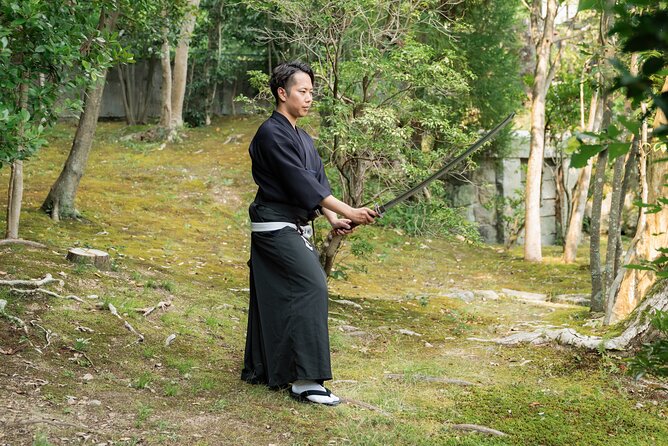
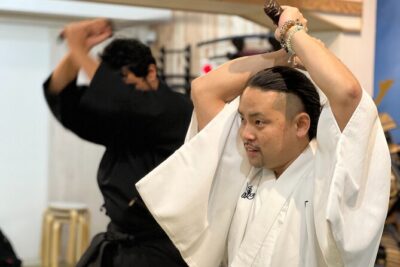
This session includes Iaijutsu, described as quick-draw katana techniques. You train using bokutō, which are wooden katana, so you can practice form and control without the same risks or intimidation that come with live steel.
In practical terms, Iaijutsu is where your mind has to line up with your body. Timing matters, and so does calm. If you’ve ever watched sword arts and thought the most impressive part is speed, this class pushes you to respect the setup first. The technique is built around a sequence: readiness, draw, and finishing position. Your instructor and the regular dojo members will guide you through those steps as part of your level.
Also, you can show up without bringing a sword, because the class can provide one. That’s a big help if you’re traveling light. You just focus on learning the movements correctly rather than trying to figure out what kind of gear you need in advance.
Kenjutsu practice, learning swordsmanship through control not force
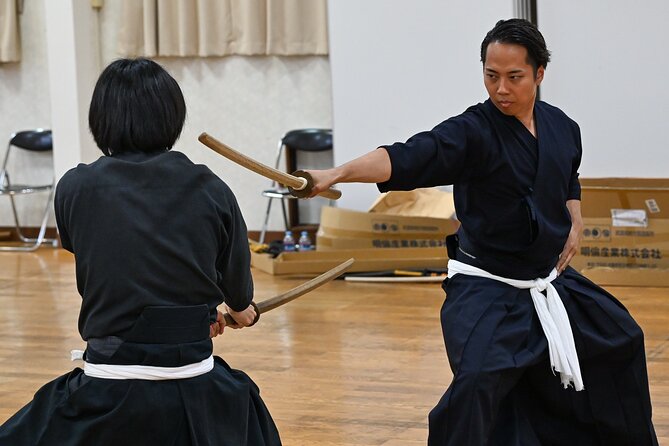
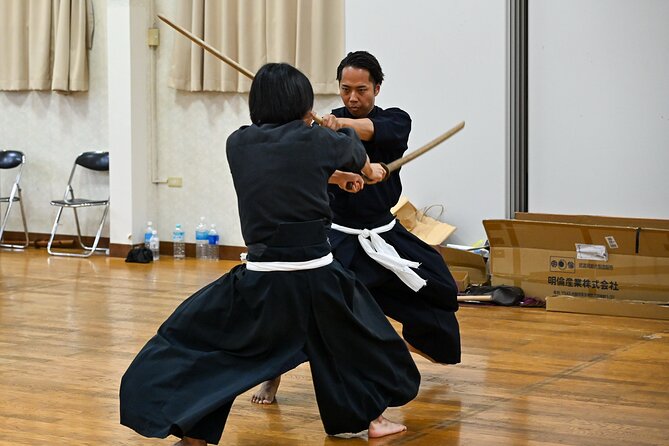
After the draw skills, the class shifts to Kenjutsu, Japanese swordsmanship. In many tourist-style katana sessions, you’ll see a few theatrical cuts or poses. Here, it’s presented as training alongside actual students, so the emphasis is on what you do between cuts: distance, posture, and the way technique flows.
Kenjutsu is also where many people realize how much of “martial skill” is restraint. You’re learning to move in a way that makes sense for an opponent and for a training environment. Even with bokutō, you can still hurt someone if you rush, swing wildly, or ignore spacing. So you’ll likely spend more time than you expect on clean execution and staying synced with the instructor’s guidance.
One detail that stands out from the way instruction is described is personalization. The session is said to be tailored to your level, which is exactly what you want in a koryu setting. If you’re trying and you keep getting corrected, that correction is what turns a cool movement into something you can repeat.
The role of Shogo Sensei, instruction that works across languages
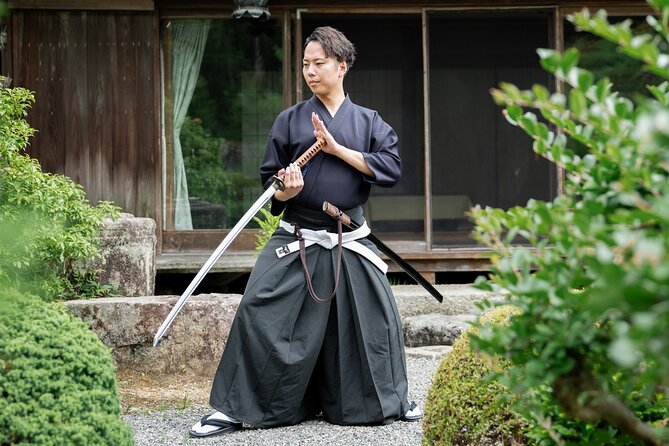
Shogo Sensei teaches in both English and Japanese, which is a practical advantage in a Kyoto dojo. Sword arts are full of small terms, and those terms matter. Having the instructor able to explain concepts in two languages can speed up your understanding, especially when you’re trying to follow multiple steps in real time.
The class is also described as well paced. That matters because 3 hours sounds short until you’re practicing movements that require focus. If instruction moves too fast, you’ll only learn how to look busy. If it’s paced well, you can actually connect the explanation to what your body is doing.
And there’s another helpful point: instruction is described as forgiving enough when things don’t go smoothly. That’s not just kindness. It’s how you keep learning instead of freezing up. In a discipline-based training environment, you want to be able to try without fear of immediately failing.
A day of temples goes further with something to break it up.

What you learn here, and what it hints at next
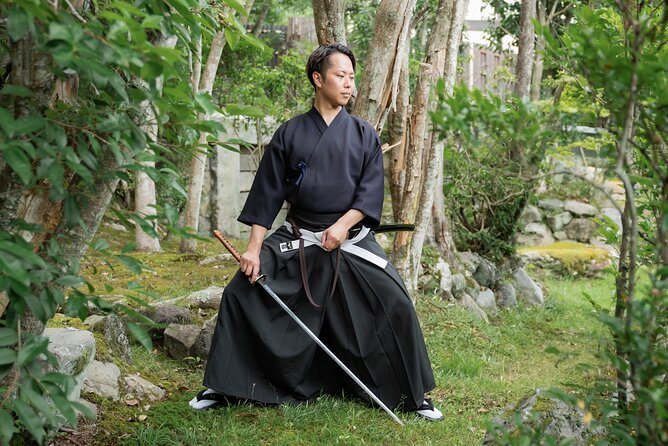
This session primarily trains sword arts: Iaijutsu and Kenjutsu, plus Reihō etiquette. That’s your direct takeaway in the evening. But knowing this ryu tradition also includes other weapons can change how you interpret what you practice.
Why? Because koryu schools often connect training principles across weapons. Even if you’re not doing kama-jutsu or bōjutsu in this class, you can understand why they train the way they do. You’re not learning isolated “cool moves.” You’re learning a piece of a system that, in the full tradition, extends to staff, short staff, short stick, chain and weight, and throwing darts.
If you start feeling curious after the session, you’ll have a better map of what “traditional samurai martial practice” means. It’s not just swords. The art is broader, and your class is one focused window into that world.
Who this fits, and who should ask questions first
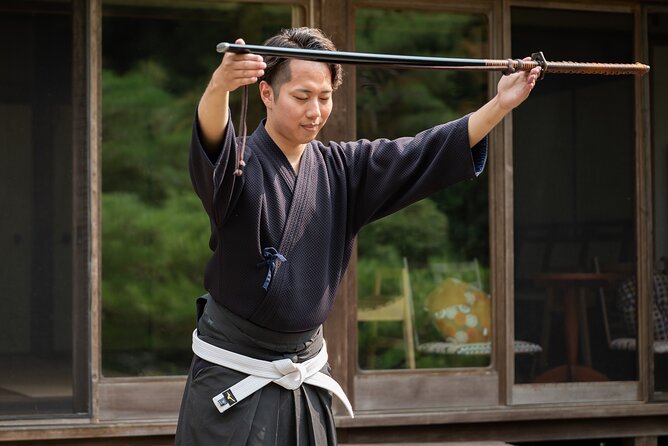
This training is best for people who can handle the reality that it’s a genuine class with actual dojo students. It is not presented as a tourist-friendly sword performance.
There’s also a stated rule of thumb around experience. As a general rule, participants with no prior budo experience may not be accepted. If you really want in and you’re new, your best move is to contact them for a consultation rather than assuming you’ll be treated like a beginner in a casual class.
You should also consider the moderate physical fitness level requirement. The session is 3 hours, and it’s martial arts practice. That doesn’t automatically mean athletic training, but it does mean you should choose a day when your body feels steady and you can focus without rushing.
If you’ve practiced any martial discipline before, even outside Japan, you’ll likely pick up the etiquette side faster. If you haven’t, go in with patience and a willingness to learn slowly.
Price and value: why $45.61 makes sense here
At $45.61 per person for about 3 hours, the price can feel surprisingly reasonable for what you’re getting. The value comes from three things that are hard to fake.
First, it’s a real dojo-style training session alongside local students, not a scripted spectacle. Second, your instruction is meant to work with your level, in a group that is capped at 4. Third, you train with bokutō, and you can be provided a sword if needed, so you’re not paying extra just to participate.
Could you spend less on a general sword experience in Kyoto? Possibly. But if you want the closest thing to practicing inside the tradition, this is the type of class that justifies the fee. You’re paying for access to technique, etiquette, and time with the people who actually practice.
The main tradeoff is that it’s not a “walk up and try anything” experience. If you need a beginner-friendly tourist format, this may feel strict. If you want real training structure, you’ll probably appreciate it.
Should you book Ancient Katana Training in Kyoto?
Book it if you want an authentic koryu training session in Kyoto, with real dojo instruction in Iaijutsu and Kenjutsu. Choose it if you like small-group learning, want to practice Reihō etiquette as part of the art, and prefer clear guidance you can follow in English and Japanese.
Don’t book it if you’re hoping for a casual, no-experience, tourist-friendly sword tryout. This class is positioned as training, and the dojo has general expectations about prior budo experience.
If you’re deciding at the last minute, use this simple checklist: Are you okay treating it like a class, not a show? Are you ready for a 6:30 pm session that lasts about 3 hours? And if you’re new to budo, are you willing to ask for a consultation rather than assuming?
If you say yes to those, you’ll likely leave with more than a few photos in your camera roll. You’ll leave with a real sense of what disciplined katana training is supposed to feel like.
FAQ
Where is the meeting point and what time does the class start?
The meeting point is 7-chōme-27-1 Honmachi, Higashiyama Ward, Kyoto, 605-0981, Japan. Start time is 6:30 pm, and the activity ends back at the meeting point.
How long is the training session?
The session is about 3 hours.
What will I learn during the class?
You’ll practice Reihō etiquette, Iaijutsu (quick-draw katana techniques), and Kenjutsu (katana swordsmanship). Training is done using bokutō (wooden katana).
Do I need to bring a katana or bokutō?
The class uses bokutō, and you can participate without bringing your own sword since a sword can be provided.
Is this class suitable for beginners?
The general rule is that participants with no prior budo experience may not be accepted. If you’re very eager to join, you can contact the provider for a consultation.
What is the cancellation policy?
You can cancel for a full refund with free cancellation up to 24 hours before the experience’s start time. If you cancel less than 24 hours before, the amount paid is not refunded.
New This Season
- Koyasan Day Trip by Private Car from Kyoto
- Old Port Town and Ultimate Sake Tasting Private Tour From Kyoto
- Kyoto’s Timeless Charm: 3hr Exploration of History and Peace
- Kyoto: 5 Types of Sushi Making
- Sacred Peak & Ancient Paths: Kurama-Kibune Hiking Experience
- Kyoto: Exclusive ZEN practice at Manpukuji temple in Uji
- Kyoto: Private Seasonal Aroma Yoga Class
- Traversing Kyoto’s Scenic West – Arashiyama to Kinkakuji
Samurai Training Experiences, compared.
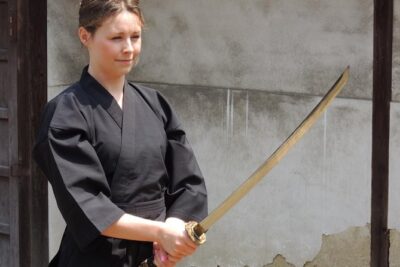
Kendo and Samurai Experience with Uniform and Gear
Read our review →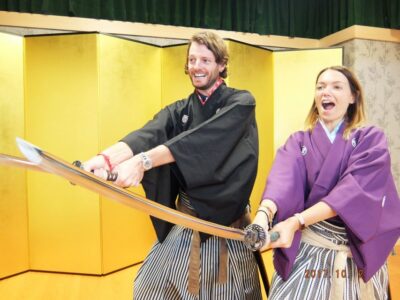
Samurai Sword Class by Experts in Traditional Arts
Read our review →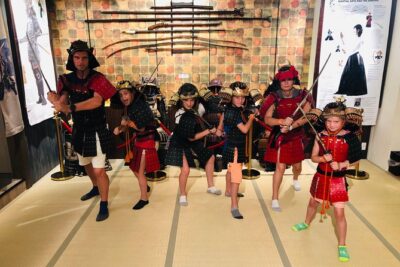
Skip the lines Basic Ticket at SAMURAI NINJA MUSEUM KYOTO
Read our review →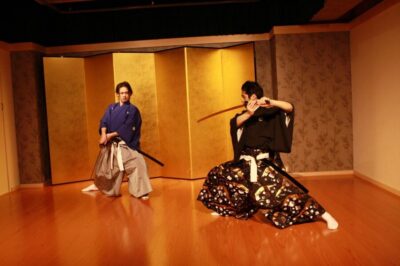
Samurai Training with Modern day Musashi in Kyoto
Read our review →
Private Tea Ceremony and Sake Tasting in Kyoto Samurai House
Read our review →Also filed under