
Reviewed · ARASHIYAMA BAMBOO FOREST WALKS
Arashiyama Hidden Gems: Walking Tour escaping crowds
Crowds can ruin Arashiyama. This 4 hour walk keeps you moving through quieter shrine and temple paths, with Nonomiya Shrine’s black torii and the Seiryoji and Daikakuji temple highlights. I also like the small group size, so you actually have time to ask questions and get good photos.
One thing to consider: you will do real walking (about 3 km, plus travel time), and you need to remove your shoes inside Seiryoji and Daikakuji.
In This Review
- Quick reasons this Arashiyama route feels calmer
- Finding your pace, meeting Keifuku Randen Arashiyama Station
- Nonomiya Shrine’s black torii and moss garden quietness
- Bamboo Forest, with sound and photos instead of crowd stress
- Seiryoji Temple and the Shaka Nyorai national treasure
- A secret street-food style break for local flavors
- Daikakuji and the imperial palace feeling in the open air
- Osawa no Ike pond, Japan’s oldest artificial pond mood
- The Tale of Genji option, how literature changes what you notice
- Price and value: what $105 buys in time, tickets, and guidance
- Who should book, and who should skip this walking pace
- Final verdict: should you book this Arashiyama walking tour?
- FAQ
- How long is the tour, and how much walking is included?
- What is included in the tour price?
- Are meals or snacks included?
- Do I need to remove my shoes at any stops?
- What is the difference between the standard tour and the The Tale of Genji option?
- Where do we meet, and what if Google Maps is inaccurate?
Quick reasons this Arashiyama route feels calmer
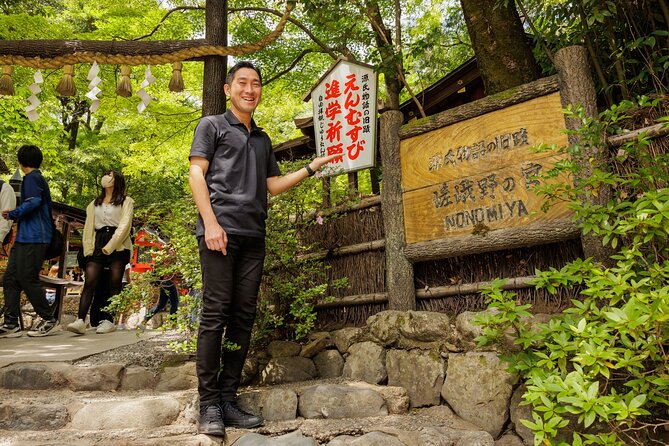
- Black torii at Nonomiya Shrine, plus a moss garden and guidance on how to pray there
- A photo friendly bamboo forest visit, with help from local guide Yusuke
- Shaka Nyorai at Seiryoji, including temple stamps (including a free option)
- Daikakuji like an imperial palace, with features like a nightingale floor and corridor of Murasame
- Osawa no Ike pond, described as Japan’s oldest artificial pond and stunning in different seasons
- Optional Tale of Genji storytelling, tied to many of the stops on the walk
Finding your pace, meeting Keifuku Randen Arashiyama Station
This tour is built for travelers who want Arashiyama without feeling like you are in a moving line. You start at Keifuku (Randen) Arashiyama station, specifically in front of the locker area, with the nearby Randenya shop as an anchor point. One practical note: Google Maps can be fussy about the exact spot, so plan to use the local landmark you are given.
From there, you head toward Arashiyama on foot. The overall experience runs about 4 hours, and walking time is about 3 km or around 55 minutes spread through the stops, plus scenic walking between them. That matters because the pace feels like sightseeing, not exercise. Still, wear comfortable shoes. You will be on your feet.
The group is kept small, up to 6 participants, and that’s a big deal in Arashiyama. Smaller groups mean fewer bottlenecks at shrines and temples, and it’s easier for the guide to adjust when people pause for photos.
Nonomiya Shrine’s black torii and moss garden quietness
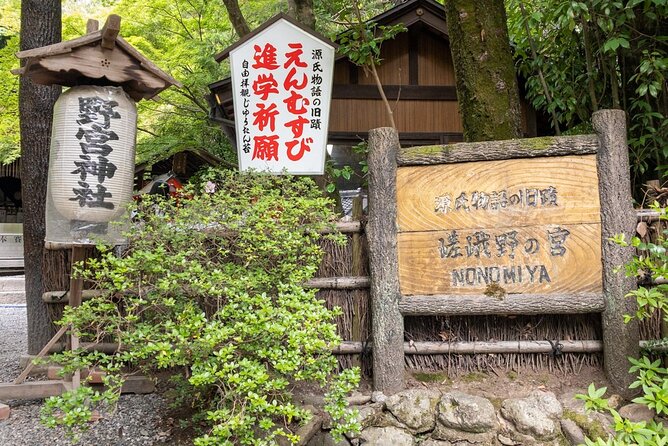
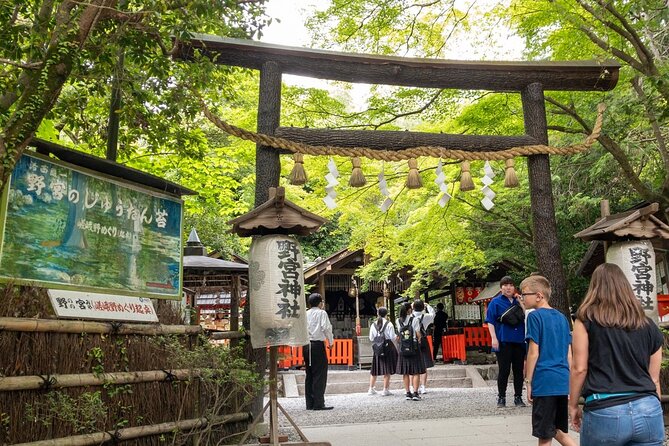
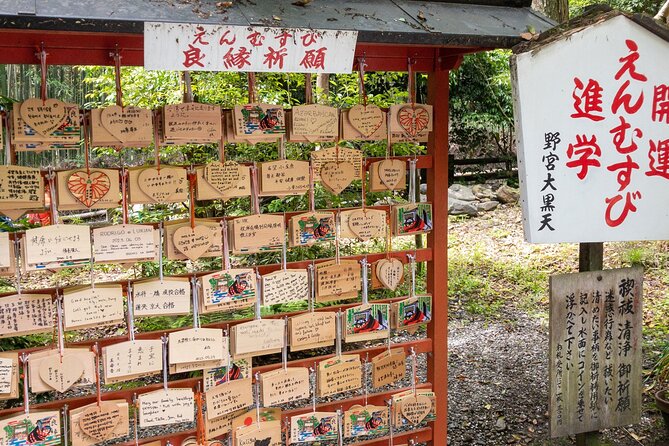
The first major stop is Nonomiya Shrine, where the big draw is a black wooden torii gate. The tour description is very specific here: only two shrines in Japan have black torii gates. Whether you are a temple detail nerd or just want something visually memorable, this is one of those places that turns a normal shrine stop into a story.
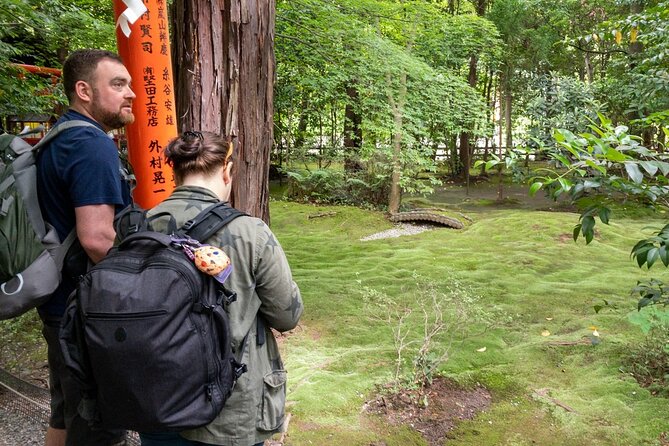
You will also spend time with the moss garden, and you get guidance on how to visit and pray at the shrine. That part is underrated. A lot of people wander through shrines without realizing there are simple customs you can follow, and once you know what to do, the experience feels calmer and more respectful, not like a checklist.
There is also a quick education piece built into this stop: you learn the differences between shrines and temples. That might sound basic, but it helps you interpret what you are seeing later, especially once you reach temple architecture and Buddhist statuary.
Photo stop time is included, and this is a good moment to remember your camera settings. Dark gate wood plus green moss can look flat if your exposure is off, so let your guide’s timing help you get a cleaner shot.
Green light through a bamboo grove
- Kyoto: Fushimi Inari, Kinkakuji, Bamboo Grove 1 Day Bus Tour
★ 4.8 · 4,316 reviews - Osaka/Kyoto:Kinkakuji,Arashiyama,FushimiInariShrine,NaraPark
★ 4.1 · 1,596 reviews - Kyoto/Osaka: Nara, Fushimi Inari Taisha, Arashiyama Bus Tour
★ 4.7 · 1,275 reviews - Kyoto Arashiyama Walking Tour: Bamboo, Monkeys, Gardens & Secrets
★ 5.0 · 1,216 reviews
Bamboo Forest, with sound and photos instead of crowd stress
Yes, you will go to the bamboo forest area, including a photo stop and guided walking. But the tour’s whole point is that you are not just piling into the most famous choke point and moving on.
Here, you focus on the bamboo itself and the soundscape you notice when you stand and listen. That sounds poetic, but it is practical too. When you pay attention to the sound and height of the stalks, you slow down without anyone telling you to.
Yusuke also helps with memorable photos, which is useful if you want the classic bamboo shots without losing your spot or blocking other people. In a place like this, having a guide who knows where to stand saves time and stress.
If you care about the optional literary track, note this: most of the places on the tour relate to The Tale of Genji, but the bamboo forest is called out as an exception. So if you choose Genji mode, you still see bamboo, but the story focus shifts at other stops.
Seiryoji Temple and the Shaka Nyorai national treasure
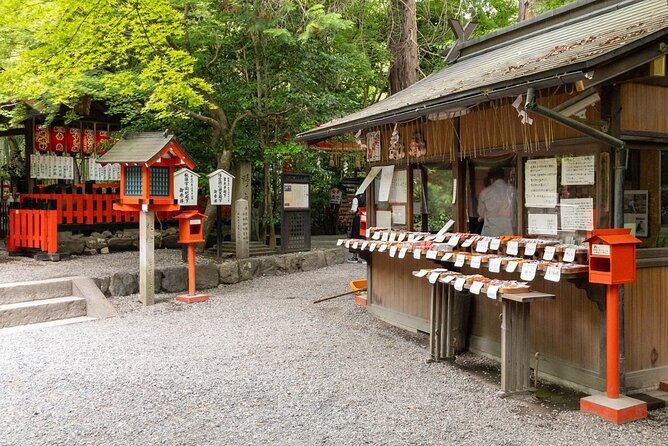
Next up is Seiryoji Temple, and this is where the tour shifts from scenery to serious cultural artifacts. The temple traces back about 1,200 years originally, and the current building is about 300 years old. That timeline gives context for why the architecture looks the way it does and why it feels grounded in long use, not just a photo setting.
Your main highlight is the Japanese national treasure Shaka Nyorai (Buddha statue). Seeing a national treasure is not automatic in most casual Arashiyama wandering. Here it’s the centerpiece, and it’s framed with time for you to notice the building details too.
You will also appreciate the temple interior setup, including a corridor and a Japanese garden view. One more practical thing: you take off your shoes to enter inside at Seiryoji. If you are the type who always thinks about footwear at the last second, this is your reminder to plan smart socks and easy slip-on removal.
Stamps are a real part of the experience. Seiryoji offers temple stamps (goshuin) in two types, including an official stamp with a paying option and a free stamp. If you like collecting, this is one of the nicer temple-stamp structures because you can decide how much you want to spend.
There is also local sweets at Seiryoji (optional), with a stated ticket fee of 400 JPY not included in the tour price. If you have a sweet tooth, treat this as a good checkpoint break instead of trying to hunt snacks later.
A secret street-food style break for local flavors
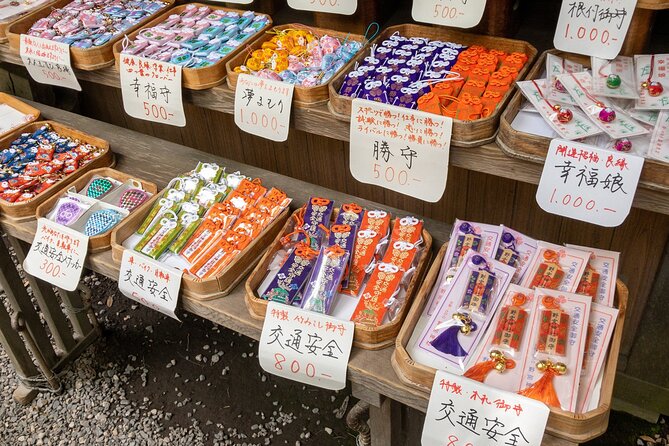
Between temple stops, you get a secret stop that functions as break time. The idea here is simple: reset your energy while still keeping it local. You are there for street food, a guided visit, and food tasting with regional bites.
This is the kind of stop that makes a walking tour feel human. Temples and views are great, but Japan travel also means you learn what people actually eat day to day. Even if you only try one or two items, you start building a more personal sense of the area.
The walking tour is still efficient, so this break is short. If you prefer a longer meal, you might find yourself wanting more time here after the tasting, but it does keep the overall pacing smooth.
Daikakuji and the imperial palace feeling in the open air
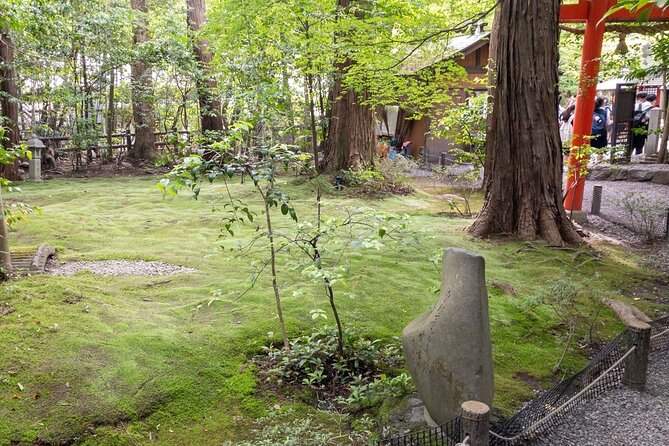
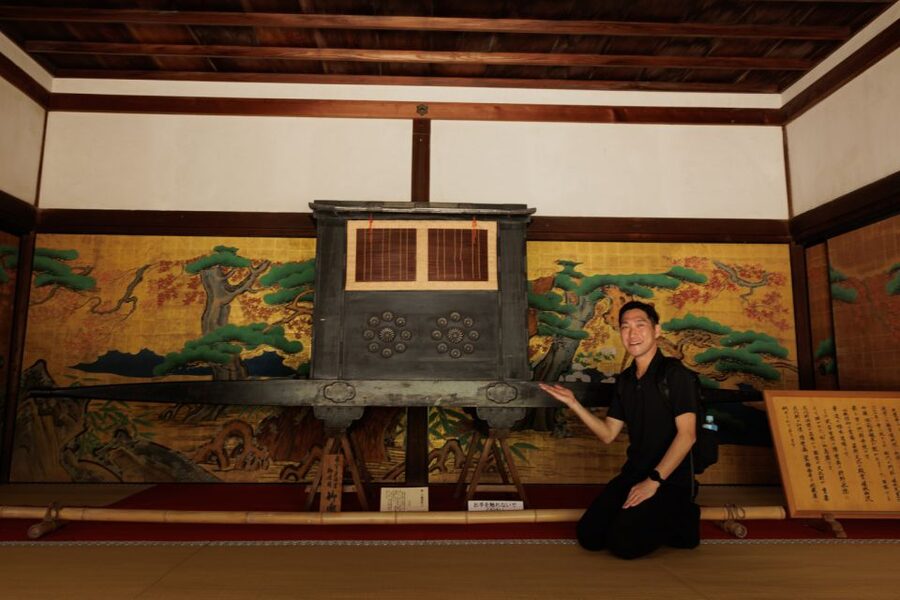
Then comes Daikakuji Temple, framed as a former imperial palace experience. It was built as Saga Gosho, described as built about 1,200 years ago. This is one of the tour’s signature moments because it lets you experience the sense of how an emperor and queen might have lived, not just look at a hall from the outside.
This stop is also where the tour leans into movement and structure. You can experience some spaces in a way that lets you move without walking on the ground, which is exactly the kind of detail that changes your mental model of the palace.
Architectural features called out here include the nightingale floor and the corridor of Murasame. Even if you only remember the names, you are more likely to notice them when you see them, and that makes the visit feel “explained,” not random.
Again, there is shoe etiquette. You take off your shoes to enter inside at Daikakuji as well. Plan your footwear like you are going to a museum with locker time, not like a casual street walk.
There are also tickets for Daikakuji with a stated price of 500 JPY, but you are covered through the tour’s included site tickets. So you are not doing mental math at the counter while trying to enjoy the moment.
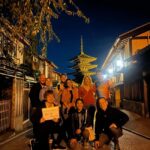
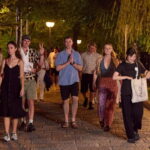
A quieter way to spend a day in Kyoto

Osawa no Ike pond, Japan’s oldest artificial pond mood
Within this temple complex experience, you also get time for Osawa no Ike pond, described as the oldest artificial pond in Japan. This matters because ponds in Japanese garden design are not just water. They are composition, reflection, and timing.
The tour format gives you a quieter moment after the Daikakuji palace feel. Pond views can be a little slow in the best way, especially when you are not fighting the crowds. You can also think about seasonal change here, because the description emphasizes that the scenery shifts through the year.
If you are the type who always wonders why guides tell you to slow down, this is why. A pond view rewards patience, and the tour’s pacing actually creates that.
The Tale of Genji option, how literature changes what you notice
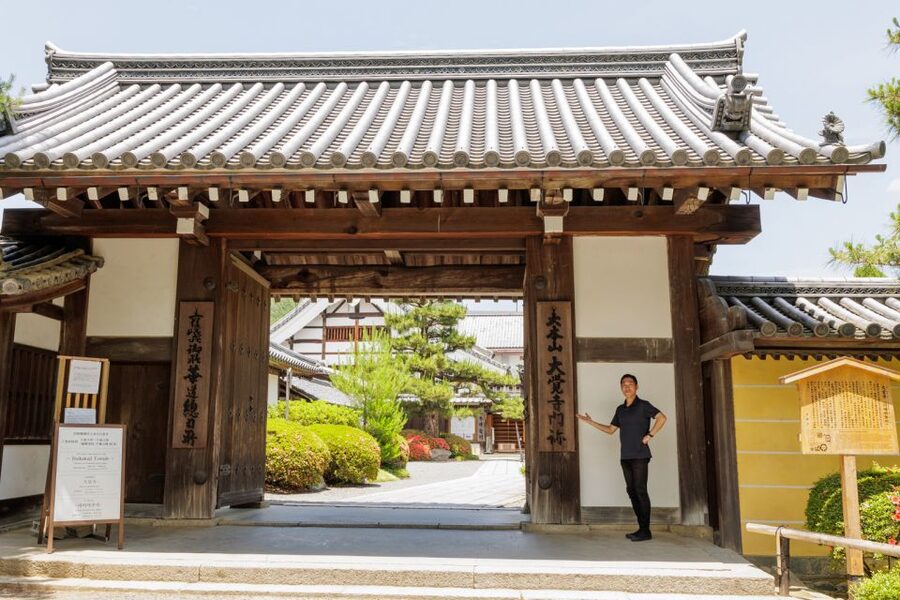
If you pick the The Tale of Genji option, you are not changing the route, you are changing the lens. The tour notes that most of the places visited appear in The Tale of Genji, with the bamboo forest called out as the exception. So you get deeper storytelling tied to the places, not just general facts.
This part is especially valuable if you have read any part of the book or even just know it as famous literature. Names and scenes become physical spaces. You start to see why certain places would be referenced in the story, not just why they look pretty today.
The vibe here is more guided interpretation. You will get historical and literary context as you move through the sites. That can turn a “nice day out” into something you remember longer, especially if you like connecting art, writing, and everyday objects.
Price and value: what $105 buys in time, tickets, and guidance
At $105 per person for about 4 hours, this tour is not the cheapest option in Kyoto. But it is easy to justify when you look at what is included.
You receive tickets for Seiryoji, Daikakuji, and Osawa no Ike pond. The tour provides stated entry prices for these sites: 400 JPY for Seiryoji, 500 JPY for Daikakuji, and 300 JPY for Osawa no Ike pond. That is 1,200 JPY worth of admissions on the page, plus the guide time.
You also get an original tour booklet of about 15 pages, which helps you keep track of what you are seeing. And there is photo help, with Yusuke adding a photography hobby touch to the experience. In practice, having a guide who knows how to get photos in a tight, etiquette heavy area can save you energy, and that is part of what you are paying for.
Optional costs do exist. Local sweets at Seiryoji are optional with a 400 JPY sweets fee not included. There is also a mention of snacks being optional, around 500 JPY. If you want to keep the spend contained, just choose your sweet moment and plan to eat a proper meal later.
The small group size also adds value. You are not paying the premium for a fancy badge. You are paying for fewer people, more room to ask questions, and less time watching other tourists decide what to do next.
Who should book, and who should skip this walking pace
This tour is a good fit if you like:
- Quiet, thoughtful sightseeing in shrines and temples
- Specific places with clear meaning, like the black torii gate and Shaka Nyorai
- A guided rhythm that includes time for photos and food tasting
- A smaller group day instead of a crowd choreography
It may not work well if you have limits. The tour lists it as not suitable for wheelchair users, people over 95 years, and also people who are pregnant, have heart problems, back problems, or other pre-existing medical conditions. The route includes walking and shoe removal inside.
If you want an Arashiyama day that feels comfortable and calm, the tour is designed for that. But if you prefer minimal walking or zero transitions inside places, you may want a different format.
Final verdict: should you book this Arashiyama walking tour?
I think this is worth booking if you want Arashiyama to feel personal and readable, not just famous. The mix of Nonomiya Shrine, Seiryoji, Daikakuji, and Osawa no Ike gives you spiritual sites plus imperial palace atmosphere, and it does it at a pace that leaves room to notice details.
The optional Tale of Genji storytelling is the extra lever. Even if you are not a literature superfan, it gives you a reason to pay attention beyond the photo. And if you do care about photos, Yusuke’s help is built into the experience.
If you are trying to do Arashiyama in one crowded day, you might feel frustrated. But if you want quiet paths, temple etiquette you understand, and a small group guide who can explain what you see, this tour is a strong choice.
FAQ
How long is the tour, and how much walking is included?
The tour runs about 4 hours in total. Walking time is about 3 km, or around 55 minutes, and travel time between spots is included in the overall duration.
What is included in the tour price?
Your price includes guiding, an original tour booklet (about 15 pages), photo help, and tickets for Seiryoji Temple, Daikakuji Temple, and Osawa no Ike pond.
Are meals or snacks included?
Japanese sweets are listed as optional, and the sweets fee at Seiryoji is 400 JPY, which is not included. There is also an optional snack amount listed around 500 JPY.
Do I need to remove my shoes at any stops?
Yes. You must remove your shoes to enter inside at both Seiryoji Temple and Daikakuji Temple.
What is the difference between the standard tour and the The Tale of Genji option?
Both options visit the same locations. The Tale of Genji option adds more guiding with historical and literary context related to the story.
Where do we meet, and what if Google Maps is inaccurate?
You meet in front of the locker area at Keifuku (Randen) Arashiyama station, near the Randenya shop. The tour notes that Google Maps may not show the exact spot, so use the given landmark.
New This Season
- Koyasan Day Trip by Private Car from Kyoto
- Old Port Town and Ultimate Sake Tasting Private Tour From Kyoto
- Kyoto’s Timeless Charm: 3hr Exploration of History and Peace
- Kyoto: 5 Types of Sushi Making
- Sacred Peak & Ancient Paths: Kurama-Kibune Hiking Experience
- Kyoto: Exclusive ZEN practice at Manpukuji temple in Uji
- Kyoto: Private Seasonal Aroma Yoga Class
- Traversing Kyoto’s Scenic West – Arashiyama to Kinkakuji
Arashiyama Bamboo Forest Walks, compared.
Fushimi Inari, Kinkakuji, Bamboo Grove 1 Day Bus Tour
Read our review →
Kinkakuji,Arashiyama,FushimiInariShrine,NaraPark
Read our review →
Nara, Fushimi Inari Taisha, Arashiyama Bus Tour
Read our review →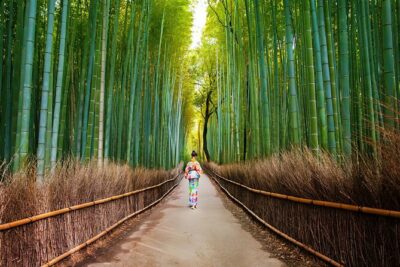
Kyoto Arashiyama Walking Tour: Bamboo, Monkeys, Gardens & Secrets
Read our review →
Arashiyama Bamboo, Temple, Monkeys, or Secret Sake Brewery
Read our review →
Arashiyama Bamboo Forest, Monkeys, Matcha & Temple Tour
Read our review →
Arashiyama, Nara & Fushimi Inari Shrine w/Lunch
Read our review →
Nijo, Kinkaku-ji, Arashiyama, Kiyomizu & Fushimi Inari
Read our review →Also filed under