
Reviewed · SUSHI-MAKING WORKSHOPS
Art Sushi Rolls Experience in 150 Years Old Townhouse Kyoto
Sushi, but make it art. In Kyoto, you get a short, focused class inside a 150-year-old townhouse, where decorative sushi rolls meet Kyoto-style seasonal design. I like that the lesson is not just about rolling, it also gives you a quick story of Kyoto and the basics behind kazarimaki so your finished roll has meaning, not just looks.
My favorite part is the hands-on teaching pace, even if it’s your first time with sushi. You’ll practice techniques like sushi rice prep, tool use, and how to shape color and patterns, guided in person. One thing to consider: with a 50 minute session, you’ll typically focus on one seasonal theme (peach blossoms) rather than leaving with a whole variety of designs.
In This Review
- Key things you get in this 50-minute class
- A 150-year Kyoto townhouse, where the vibe helps you learn
- What happens before the rolling: orientation + the why behind kazarimaki
- Tools and ingredients: the basics are the whole game
- Hands-on: peach blossoms and the art of patterns you can see
- Languages, group size, and pacing that work for real life
- Price and value: what $70.54 buys you in Kyoto
- Where this experience fits in your Kyoto plan
- Practical tips so you leave happy (and not stressed)
- Should you book Art Sushi Rolls in Kyoto?
- FAQ
- How long is the decorative sushi roll-making experience?
- Where do I meet for the class?
- Is the class suitable for a first time sushi maker?
- What design will I make during the class?
- What languages are offered during the experience?
- How many people are in a group?
- What is included in the price?
- What is not included?
- What is the booking trend like?
- What if the weather is bad?
Key things you get in this 50-minute class
- A decorative-roll skill you can repeat: you’ll learn the steps behind kazarimaki, not just watch someone else do it
- Kyoto-inspired seasonal motifs: the design theme shifts through the year, so you’re learning more than one look
- Hands-on rolling with structured guidance: tools like seaweed and bamboo mats are part of the basics you’ll cover
- A culture primer before you start: a short orientation on Kyoto food and the spirit behind decorative sushi
- Multi-language support: Japanese and English daily, with other language sessions scheduled throughout the week
A 150-year Kyoto townhouse, where the vibe helps you learn
This class happens at Tea Ceremony & Cultural Experience Kangetsu Kyoto, in a historic Kyoto setting on the Higashiyama side (near Ninenzaka). The address is Tea Ceremony & Cultural Experience Kangetsu Kyoto, 日本文化体験教室 寒月 京都二年坂349-19 Masuyachō, Higashiyama Ward, Kyoto 605-0826. You meet there and the experience ends back at the same spot.
What that means for you is simple: you’re not trying to learn sushi art in a rushed, generic room. The setting supports the slower, detail-focused feel that decorative rolls require. Decorative sushi is basically controlled contrast, with colors and shapes lined up on purpose, so a calm space helps.
You’ll also appreciate the “everyone is welcome” approach. The class offers experiences in Japanese and English every day, which is ideal if you want instruction you can actually follow without playing translation games.
What happens before the rolling: orientation + the why behind kazarimaki
The session starts with a welcome orientation that keeps things practical. You’ll get a brief introduction to the history of Kyoto and Japanese cuisine, then a look at where decorative sushi rolls come from and what makes them distinct.
Then the instructor bridges into the “how” by explaining the basic knowledge you need. This part matters because decorative sushi is not only technique, it’s also design thinking. If you understand what you’re building and why the arrangement matters, you’re less likely to feel lost when you’re holding the seaweed and shaping the rice.
Based on how the class is described, you can expect the cultural piece to be short but meaningful. It’s the kind of warm start that helps first-timers settle in and couples or families feel comfortable right away.
Learn to roll your own sushi
- Sushi Making in Kyoto! Same-day bookings welcome!
★ 5.0 · 713 reviews - The Original Small-Group Sushi Making Class in Kyoto
★ 5.0 · 436 reviews - Kyoto: Small-Group Authentic Sushi Making Workshop
★ 5.0 · 137 reviews - Sushi – Authentic Japanese Cooking Class – the best souvenir from Kyoto!
★ 5.0 · 93 reviews
Tools and ingredients: the basics are the whole game
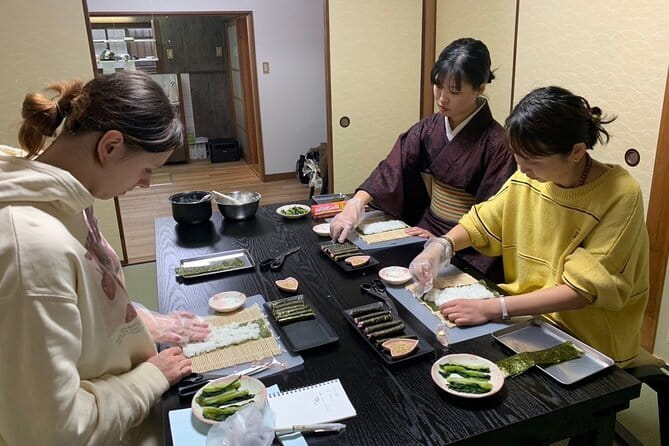
Before you roll, you’ll cover the essential ingredients and tools. That includes sushi rice and seaweed, plus the bamboo mat used for shaping. You’ll also learn how to choose colors and shapes, and how to prepare sushi rice.
Here’s the practical reason this matters: decorative sushi kazarimaki depends on clean layers. If your rice is too uneven or the colors aren’t placed with intent, the pattern won’t read well. The class focuses on these fundamentals so you’re not just copying a finished example, you’re learning a repeatable method.
You’ll also hear about the Japanese philosophy of cooking with all five senses. That phrase can sound abstract, but in a class like this it usually translates into paying attention to texture, smell, temperature, and the feel of what you’re doing. It’s also a good reminder to slow down, since the whole point of decorative rolls is precision.
Hands-on: peach blossoms and the art of patterns you can see
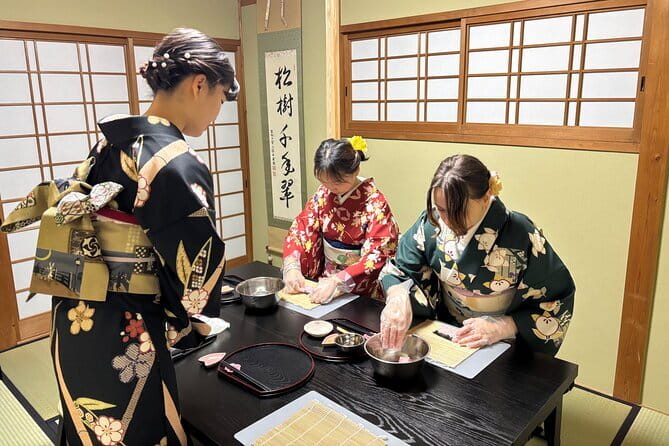
Your main hands-on design in this session is themed around peach blossoms. Even if you’re new to sushi, this theme is a smart choice for beginners because it pushes you to focus on clear shapes and placement rather than complicated flavors.
You’ll practice the core sequence: combining ingredients, rolling, and crafting the pattern so it shows up neatly when you slice or present it. Decorative sushi is usually where people get intimidated, because it looks like something only an expert could do. But this class is built around the basics first, then a focused design task, so you’re not expected to invent a whole new technique on your own.
From the way the experience is described, you should come away with more than a nice photo. You’ll understand how decorative elements work within a roll, and how seasonal motifs guide what goes where.
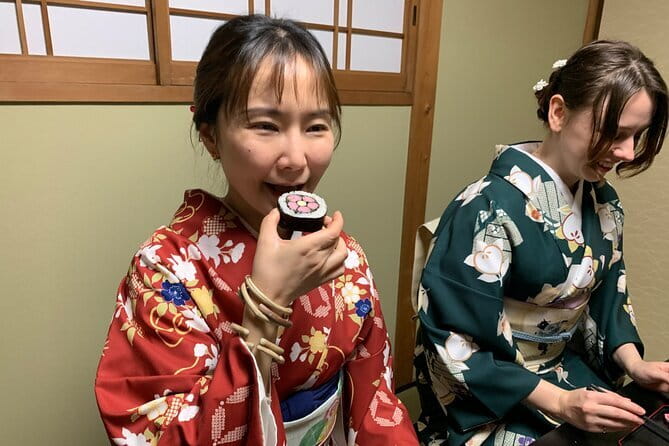
And yes, it should be delicious. One highlight from past participants was that the roll they made tasted great, not just looked impressive.
Languages, group size, and pacing that work for real life
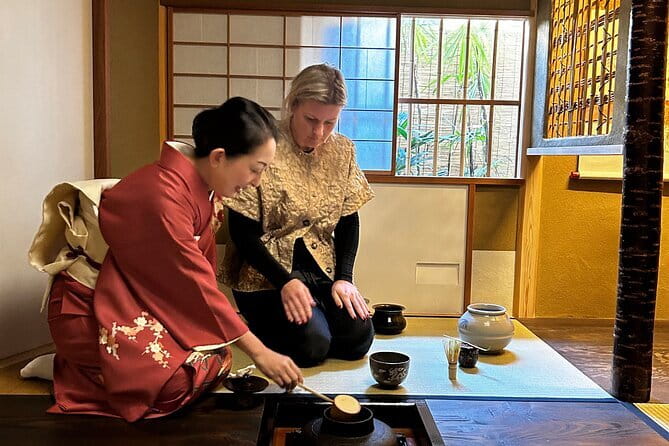
The group size is capped at a maximum of 15 travelers. That’s a sweet spot for a class like this. You still get enough hands-on attention, and the pace doesn’t turn into a long wait between steps.
In terms of language, instruction is provided in Japanese and English every day. There are also additional language sessions:
- Chinese: Wednesdays, Fridays, and Sundays
- Ukrainian/Russian: Tuesdays, Thursdays, and Saturdays
- French: can be arranged on request with prior confirmation
If you’re planning around language, this is the kind of detail that can make or break your experience. If you want to follow along closely while your hands are working, pick a date that matches your language comfort.
The duration is about 50 minutes. That’s not long, which is good news if you want a cultural activity that fits into a busy Kyoto day. Just go in with the mindset that this is a skill lesson with a specific design, not a full multi-course workshop.
Price and value: what $70.54 buys you in Kyoto
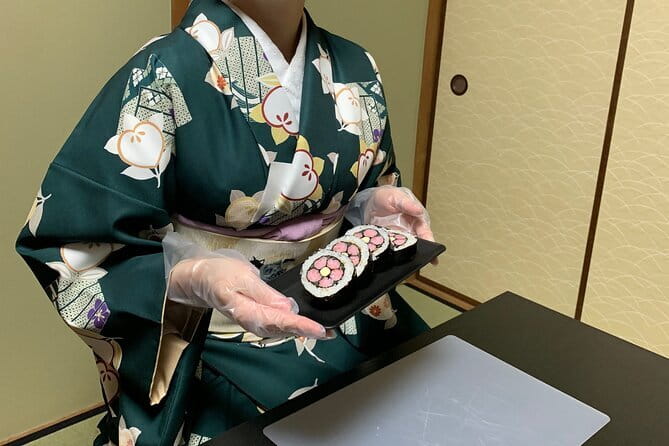
The price is $70.54 per person. At first glance, it’s not a budget activity. But the value comes from three things that are hard to get together in one class: instructor guidance, hands-on practice, and a cultural intro that actually explains the design ideas.
This experience includes all fees and taxes, plus an in-person guide. What’s not included is alcoholic beverages, bottled water, and soda/pop. So you may want to plan to bring your own water or buy water nearby before you start, especially if you tend to get thirsty while concentrating.
Also, this is commonly booked about 45 days in advance on average. That’s a useful signal. It suggests demand, and because group size is limited, it’s smart to lock in your date early rather than assuming you can walk in at the last minute.
A day of temples goes further with something to break it up.


Where this experience fits in your Kyoto plan
This is the type of Kyoto activity I recommend when you want something hands-on that feels local, not a standard checklist stop. You’re learning kazarimaki, a Japanese decorative tradition tied to aesthetics and seasonality. If you enjoy food culture, you’ll likely enjoy this more than a purely scenic activity.
It also works well for:
- couples who want a shared activity with an artistic result
- families looking for a structured lesson in a comfortable setting
- anyone who wants a short class that doesn’t derail a full day of sightseeing
One realistic expectation: because it’s about 50 minutes, you’ll focus on one seasonal design. If you love sushi art and want multiple styles, you might consider booking another session at a different time of year when the motifs change.
Practical tips so you leave happy (and not stressed)
Decorative sushi is detail work. You’ll feel better if you:
- arrive on time, so you don’t miss the quick orientation
- wear clothes you can handle if a little rice gets on you
- if language matters to you, choose a date with Japanese/English daily or your preferred language schedule
Also, since the experience requires good weather, it’s worth having a flexible day plan. If weather is poor and the activity is canceled, you’ll be offered a different date or a full refund. That’s reassuring.
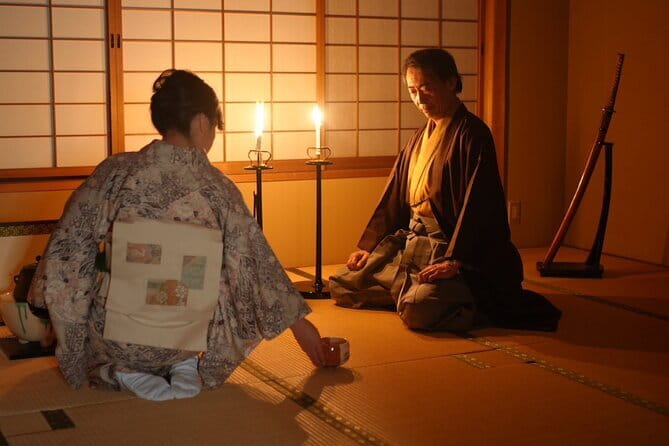
Finally, if you’re the type who loves to keep learning, take the class as a doorway. One neat detail from past participants was that they planned to try the tea ceremony next, which fits naturally here since the meeting point is in a cultural experience space.
Should you book Art Sushi Rolls in Kyoto?
Book it if you want a short, hands-on Kyoto food experience that teaches technique and meaning, not just a quick activity. The combination of Japanese decor themes, a structured introduction to ingredients and tools, and instruction in Japanese and English every day makes it a strong choice for both first-timers and culture-minded foodies.
Skip it or choose a different option if you only want a relaxed tasting stop, or if you’re looking for a long workshop with lots of different designs in one go. With a 50 minute session, it’s a focused peach blossom lesson style experience.
If your Kyoto plan includes food, art, or seasonality, this one is worth your time. You’ll leave with a skill you can understand, and a roll that feels like it belongs in Kyoto.
FAQ
How long is the decorative sushi roll-making experience?
The class lasts about 50 minutes.
Where do I meet for the class?
You meet at Tea Ceremony & Cultural Experience Kangetsu Kyoto, 日本文化体験教室 寒月 京都二年坂349-19 Masuyachō, Higashiyama Ward, Kyoto, 605-0826, Japan.
Is the class suitable for a first time sushi maker?
Yes. The experience is designed for first time sushi makers, and the basics are taught.
What design will I make during the class?
The hands-on theme described is peach blossoms.
What languages are offered during the experience?
The experience is available in Japanese and English every day. Chinese sessions run on Wednesdays, Fridays, and Sundays. Ukrainian/Russian sessions run on Tuesdays, Thursdays, and Saturdays. French-speaking staff can be arranged upon request with prior confirmation.
How many people are in a group?
The maximum group size is 15 travelers.
What is included in the price?
All fees and taxes are included, and there is an in-person guide.
What is not included?
Alcoholic beverages, bottled water, and soda/pop are not included.
What is the booking trend like?
On average, it is booked about 45 days in advance.
What if the weather is bad?
The experience requires good weather. If it is canceled due to poor weather, you will be offered a different date or a full refund.
New This Season
- Koyasan Day Trip by Private Car from Kyoto
- Old Port Town and Ultimate Sake Tasting Private Tour From Kyoto
- Kyoto’s Timeless Charm: 3hr Exploration of History and Peace
- Kyoto: 5 Types of Sushi Making
- Sacred Peak & Ancient Paths: Kurama-Kibune Hiking Experience
- Kyoto: Exclusive ZEN practice at Manpukuji temple in Uji
- Kyoto: Private Seasonal Aroma Yoga Class
- Traversing Kyoto’s Scenic West – Arashiyama to Kinkakuji
Sushi-Making Workshops, compared.
Sushi Making in Kyoto! Same-day bookings welcome!
Read our review →
The Original Small-Group Sushi Making Class in Kyoto
Read our review →
Sushi – Authentic Japanese Cooking Class – the best souvenir from Kyoto!
Read our review →
Private Kyoto Sushi Cooking Class & Tea Ceremony with Emika
Read our review →
Enjoy Sushi & Market Tour! Best for Family & Couple!
Read our review →
Sushi or Traditional Japanese Cuisine in a Kyoto Home with Emika
Read our review →Also filed under