
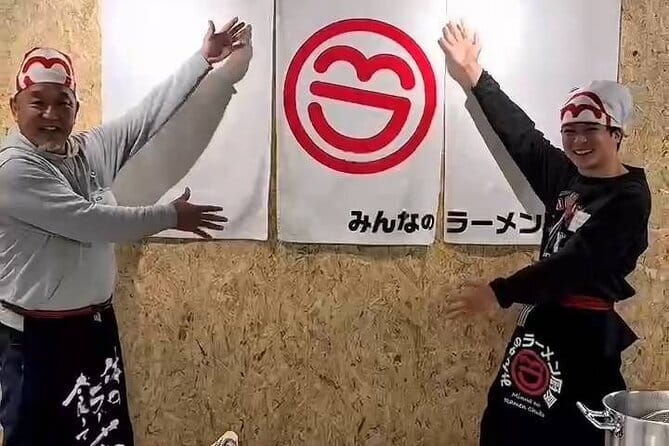
Reviewed · RAMEN TOURS
Authentic Ramen Making Experience Near Kyoto Yodo Station
Cooking ramen in Kyoto is surprisingly personal. You knead dough, pick broth, and build a bowl that feels like yours, not a factory meal. It runs in a tight 1 hour 30 minutes format, so you get real hands-on time without turning your day into a full project.
I especially like the private, individual kitchen setup. Each person gets their own station lined up in the venue, which keeps things tidy and focused. I also like the choice aspect, from sampling several soups to selecting noodle thickness, toppings, and even a bowl design.
One thing to consider: this is a small class, max 6 people, so it can book up. If you need a very flexible schedule, you may want to lock in early rather than waiting.
In This Review
- Key things to know before you go
- Ramen from scratch, right by Kyoto’s Yodo Station
- The private kitchen setup near Yodoikegamicho
- What happens first: kneading dough and building your ramen base
- Choosing broth after tasting several soup types
- Noodles and toppings: making ramen feel like a custom meal
- Picking a bowl design and plating your final creation
- Souvenirs: recipe book plus original merchandise
- Where you go and how the timing fits Kyoto plans
- Value check: is $116.79 worth it?
- Who this ramen class suits best
- Should you book this ramen experience near Kyoto Yodo Station?
- FAQ
- Where is the meeting point for the ramen making experience?
- How long does the ramen making experience last?
- What is the price per person?
- How many people can be in the group?
- Do I receive a mobile ticket?
- Is the meeting point near public transportation?
- What parts of the ramen can I customize?
- Can I take photos or videos during the experience?
- What souvenirs do I get?
- What is the cancellation policy?
Key things to know before you go
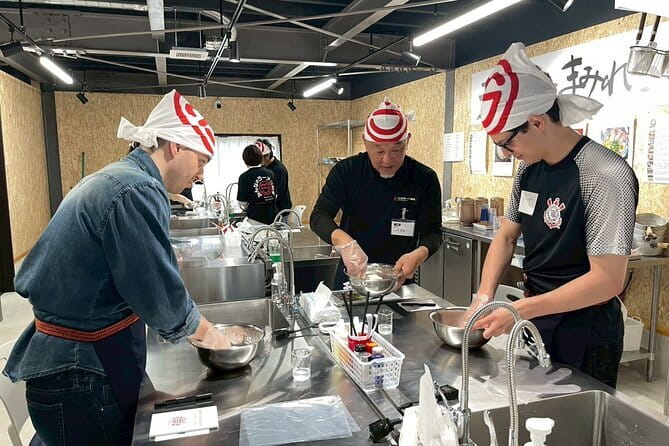
- Private kitchen stations lined up so you cook at your own pace in a shared venue
- Soup sampling so you can choose your favorite broth style
- Customization you control, including noodle thickness and toppings
- Bowl design choice for a fun, photo-friendly final presentation
- Small group size (maximum 6), which makes the experience feel more hands-on
Ramen from scratch, right by Kyoto’s Yodo Station
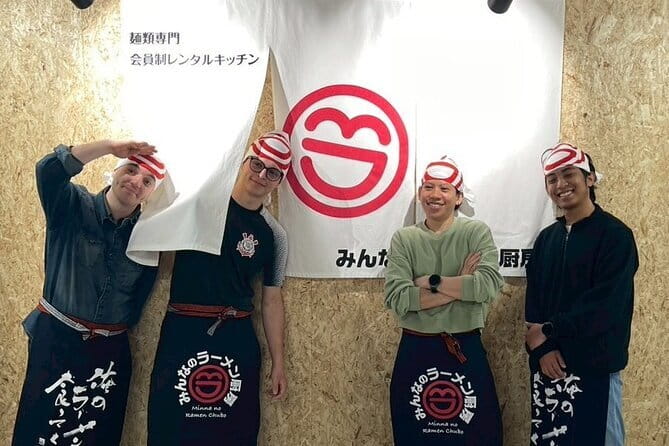
This is the kind of ramen class that starts with real technique, not just assembly. You work through the process step by step, starting with dough and moving into the parts that make ramen taste like ramen: broth choice, noodle texture, and topping decisions. The goal is a personalized bowl, built with your own preferences in mind.
Because it is planned for about 1 hour 30 minutes, the class keeps momentum. You will not spend half the session waiting around for instructions. Instead, you get repeated chances to make decisions, then taste and adjust your plan as you go.
The private kitchen setup near Yodoikegamicho
The venue is set up with individual kitchen stations. That matters more than it sounds. In a class like this, cooking gets messy, and the flow can get chaotic fast in shared spaces. Having your own station helps you stay organized, keep ingredients where you need them, and follow along without bumping elbows.
It also keeps the vibe calmer. One of the strongest themes in the feedback is how clean and well-run the experience feels, described as a 100% clean kitchen. That is not just a comfort issue. It also makes it easier to focus on the cooking, especially if you are new to ramen.
The class is also small, up to 6 people. If you like learning in a room where questions are actually possible, this setup is a good match. You get more direct guidance, and it is easier to share the fun of your food choices.
More bowls worth the wait
- Ramen Cooking Class at Ramen Factory in Kyoto
★ 5.0 · 1,937 reviews - Kyoto: Ramen Cooking Class at a Ramen Factory with Souvenir
★ 4.9 · 532 reviews - Kyoto: Ramen, Gyoza, and Onigiri Cooking Class
★ 5.0 · 445 reviews - Kyoto Ramen and Gyoza Cooking Class with Professional Chefs
★ 5.0 · 282 reviews
What happens first: kneading dough and building your ramen base
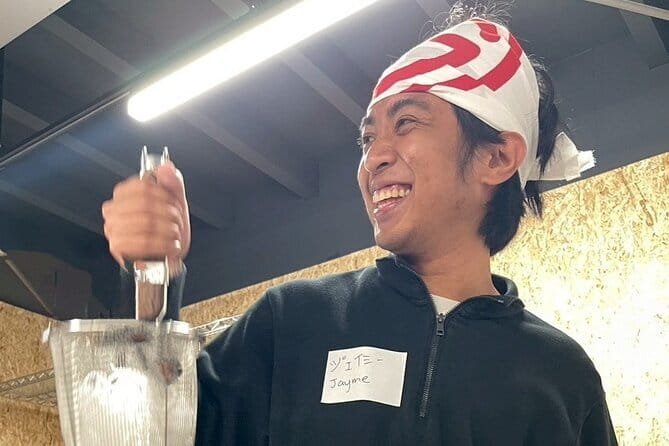
You start by making the dough, which sets the foundation for everything else. Even if you have never made noodles before, you learn how the dough process connects to the final texture. This is where you stop thinking of ramen as something you order and start treating it as a craft.
From there, you move into the decisions that shape your bowl. You are not just told what to do. You get to choose, including the noodle thickness. That choice changes the eating experience: thicker noodles tend to feel more substantial, while thinner noodles can feel more delicate and quick.
If you are cooking with kids or a friend who gets bored waiting, the “hands working the whole time” style helps. You are always doing something, even if you are still learning the basics.
Choosing broth after tasting several soup types

One of the most fun parts is tasting multiple types of soup and picking your favorite. This is where ramen stops being a single dish and turns into a set of styles. You learn how broth choice drives flavor, mood, and even how you think about toppings.
You get to select your preferred broth instead of being locked into one option at the start. That is a meaningful difference, because different soups pair better with different noodle thickness and different topping styles. You also leave with a personal reference point, meaning you can remember what you liked and why.
In a small class, tasting can actually work, instead of being a rushed afterthought. You can take your time, compare, and commit to a decision that makes sense for your taste.
Noodles and toppings: making ramen feel like a custom meal
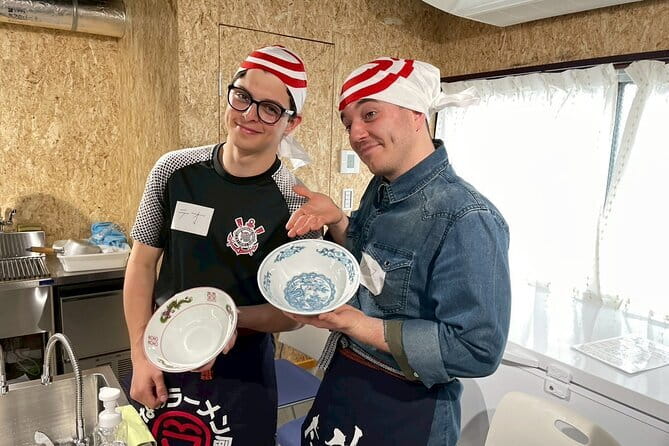
Once you choose your broth, the class flows into assembling your bowl. You pick the noodle thickness, then choose toppings. The toppings piece is where you can steer your ramen toward your comfort zone, whether you like richer flavors, more savory balance, or a specific texture contrast.
This is also a great moment for photos and videos. The experience is built to be shareable, so you can capture your bowl right after it comes together. If you like posting food content, this is one of the more satisfying classes because your final plate looks like a finished product, not a work-in-progress photo.
A practical note: ramen is hot. Treat tasting time as “small bites first,” then adjust if needed. You are learning, so it is normal if your first attempt is not exactly your dream bowl. That is part of the fun.
Picking a bowl design and plating your final creation
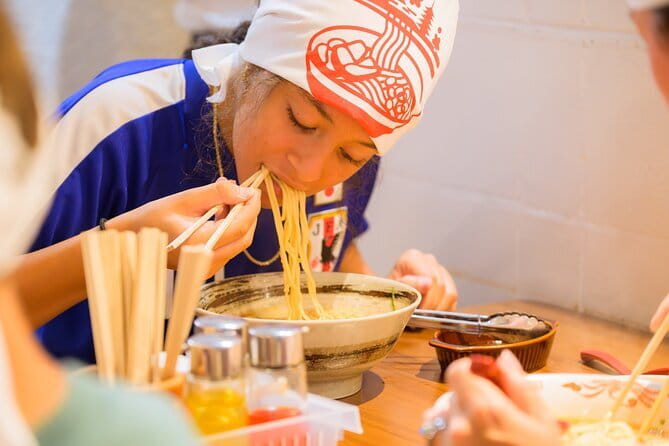
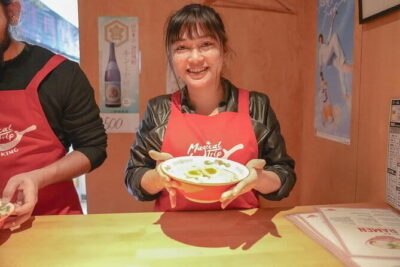
Another element that sounds small but really improves the experience is choosing a bowl design from a range of designs. This is not just decoration. It gives you a sense of ownership. You are not only cooking, you are curating the presentation.
This also makes the class feel more like a workshop than a lecture. When you can choose the bowl you eat from, you stay engaged all the way through. It becomes a mini product design moment, but for ramen.
Once everything is in place, you get to savor the broth and chewy noodles of your homemade bowl. That part is important. The class is hands-on, but it is not only about skills. It is also about eating something you built with your own decisions.
A day of temples goes further with something to break it up.


Souvenirs: recipe book plus original merchandise
At the end, you receive original merchandise and a recipe book as a thank-you souvenir. This is the piece that helps the experience last longer than one meal.
The recipe book matters because it gives you a way to repeat the process later. Even if your home version will never be identical to a classroom kitchen, having a written reference helps you remember what you chose and how it worked. That turns the class into a skill, not only a memory.
The merchandise is a nice add-on too. It is small, and it feels connected to the theme, rather than generic “tour store” stuff.
Where you go and how the timing fits Kyoto plans
The meeting point is みんなのラーメン厨房78 (Yodoikegamichō), Fushimi Ward, Kyoto 613-0904, Japan. The activity ends back at the meeting point, so you do not have to solve a second logistics puzzle later.
It is near public transportation, which is a major win in Kyoto. You can slot this into a food-focused day without turning the trip into a long commute. If you are using trains and subways to get around, this kind of location reduces friction.
The class runs about 1 hour 30 minutes. That length is also practical. It is long enough to learn and cook, short enough to keep your afternoon or evening open for other Kyoto pleasures.
Value check: is $116.79 worth it?
The price is listed as $116.79 per person. On paper, it sounds like a lot for “a cooking class.” In practice, you are paying for several things that are hard to replicate at home: guided ramen technique, tasting and choice, and a full setup that includes a private cooking station.
You are also paying for the time format that keeps the class moving. A 90-minute experience with a small max group size means you get more direct attention than you would in larger mass classes. And you get tangible take-home items: a recipe book plus original merchandise.
For couples, this can be a fun splurge because you both get a custom bowl and then a souvenir to remind you of the exact day. For families, it can work well too, especially if at least one person in the group likes cooking or wants an activity that is not only watching.
Who this ramen class suits best
This is a good fit if you want food you can personalize and a hands-on format where your choices matter. It is also ideal if you like cleanliness and order in a cooking environment. The feedback highlights how the kitchen is kept very clean, which makes a big difference when you are working close to ingredients and hot equipment.
I can also see it working well for multi-generational travel. One feedback story includes a mother and her 19-year-old daughter enjoying the experience together. That points to a broad appeal: it is interactive enough for a young adult, and structured enough to feel comfortable for an adult who just wants to enjoy cooking without stress.
If you are the type who likes taking home a practical method, the recipe book is your reason to book. If you want something purely performance-based, though, this is less about watching and more about doing.
Should you book this ramen experience near Kyoto Yodo Station?
Book it if you want a small-group, hands-on ramen class where you actually make choices. The private kitchen stations, soup sampling, and customization steps make it more personal than a typical cooking workshop. The clean kitchen setup also matters, and the overall feedback about a friendly family-like atmosphere suggests it is welcoming, not stiff.
Consider holding off if price is a big concern or if your schedule is too uncertain for a class that tends to book in advance. Since it is often reserved about 55 days ahead on average, plan like it is a popular slot, not a casual walk-in.
If you do book it, treat it like a mini food project and show up hungry. You will get the satisfaction of building your ramen, then eating it hot, plus the recipe book so you can try again later at home.
FAQ
Where is the meeting point for the ramen making experience?
The meeting point is みんなのラーメン厨房78, Yodoikegamichō, Fushimi Ward, Kyoto 613-0904, Japan.
How long does the ramen making experience last?
The experience lasts about 1 hour 30 minutes.
What is the price per person?
The price is $116.79 per person.
How many people can be in the group?
The class has a maximum of 6 travelers.
Do I receive a mobile ticket?
Yes, the experience includes a mobile ticket.
Is the meeting point near public transportation?
Yes, it is near public transportation.
What parts of the ramen can I customize?
You can choose the broth you like, select your noodle thickness, choose toppings, and pick a preferred bowl design.
Can I take photos or videos during the experience?
Yes, you can capture photos and videos to share your ramen creation.
What souvenirs do I get?
You receive original merchandise and a recipe book as a token of appreciation.
What is the cancellation policy?
Free cancellation is available. You can cancel up to 24 hours in advance for a full refund, and cancellations made less than 24 hours before the start time are not refunded.
New This Season
- Koyasan Day Trip by Private Car from Kyoto
- Old Port Town and Ultimate Sake Tasting Private Tour From Kyoto
- Kyoto’s Timeless Charm: 3hr Exploration of History and Peace
- Kyoto: 5 Types of Sushi Making
- Sacred Peak & Ancient Paths: Kurama-Kibune Hiking Experience
- Kyoto: Exclusive ZEN practice at Manpukuji temple in Uji
- Kyoto: Private Seasonal Aroma Yoga Class
- Traversing Kyoto’s Scenic West – Arashiyama to Kinkakuji
Ramen Tours, compared.
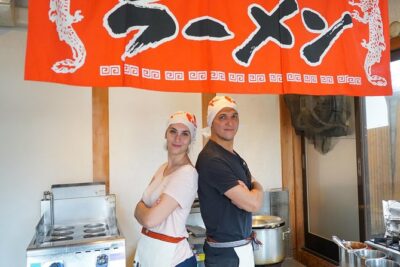
Ramen Cooking Class at Ramen Factory in Kyoto
Read our review →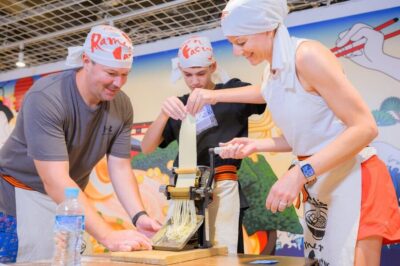
Ramen Cooking Class at a Ramen Factory with Souvenir
Read our review →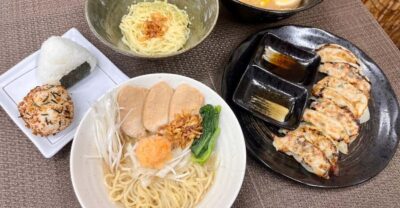
Kyoto Ramen and Gyoza Cooking Class with Professional Chefs
Read our review →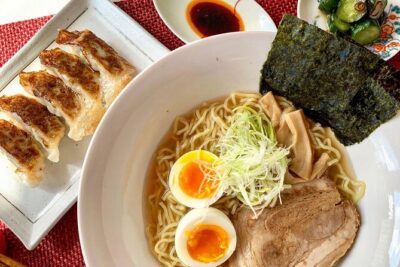
Home style Ramen and Homemade Gyoza in Kyoto
Read our review →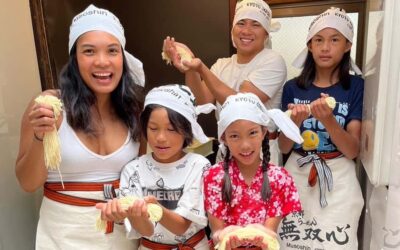
Kyoto Michelin Ramen Workshop or Painting Ramen Essentials
Read our review →Kyoto Ramen & Gyoza Cooking Class with Professional Chefs
Read our review →Also filed under