
Reviewed · COOKING CLASSES
Bento Box Cooking Class
Kyoto teaches lunch in a box. This compact bento box cooking class at Cooking Sun Kyoto is a smart way to learn Japanese flavors without spending your whole day in the kitchen. I like that you get both chef-led demonstrations and real hands-on instruction, so you are not just watching. The one thing to think about is that the exact menu can shift with the seasons, so go in with curiosity, not a strict list of dishes.
You will also appreciate the small-group feel. With a maximum of 8 people per booking and English-speaking guidance, it stays practical and personal. I also love the take-home recipes, because you can recreate the same bento ideas back home instead of letting the experience fade with your memory.
If you have food allergies, this is still a strong option. The class is set up to be careful and supportive, but you should still flag dietary needs clearly at booking so the team can adapt responsibly.
In This Review
- Key highlights to know before you go
- Kyoto Bento Class at Cooking Sun Kyoto: what you are really getting
- Bento box basics: why this meal is more than convenience
- Your hands-on menu: what you can expect to cook
- Cooking flow at the studio: how the 3-hour rhythm works
- Step 1: background and technique demo
- Step 2: hands-on cooking with guidance
- Step 3: eat what you made
- Why the instructors feel like the secret ingredient
- Lunch included, plus a recipe kit you will actually use
- Price and value: is $71.35 worth it in Kyoto?
- Getting there and fitting it into your Kyoto day
- Who should book this bento box class
- Should you book the Bento Box Cooking Class in Kyoto?
- FAQ
- How long is the Bento Box Cooking Class?
- Where is the class located in Kyoto?
- What time does the experience start?
- What is included in the price?
- What is not included?
- Is the class suitable for people with dietary requirements?
- How many people are in the group?
- Do I get recipes to take home?
- Is there a mobile ticket?
- What is the cancellation policy?
- Is a service animal allowed?
Key highlights to know before you go
- Small-group format with a maximum of 8 travelers, designed for close supervision
- Master chef demonstrations followed by you cooking key bento staples
- Seasonal menu adjustments every three months, so the food stays current
- Lunch included, plus recipe copies so you can cook again at home
- Food-allergy friendly support when you share needs ahead of time
- Comfortable morning timing with a 9:30 am start and a few hours to finish
Kyoto Bento Class at Cooking Sun Kyoto: what you are really getting
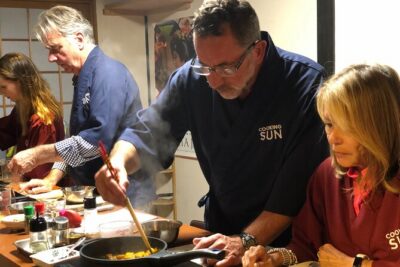
This is not one of those cooking classes where you stand back and the chef does everything. The core idea is simple: you learn what makes a bento box work, then you build one with your own hands. In a few hours, you go from ingredients and techniques to a tidy lunch packed into a box, ready to eat with the rest of the class.
The class happens at Cooking Sun Kyoto, a dedicated studio space in Shimogyo Ward. You start at 9:30 am, and the total time is about 3 to 3.5 hours. That timing is great if you want a food experience early, then you can still go sightseeing after lunch.
The overall feel is efficient and upbeat. You are there to cook, not to wander around a market for a half day. If you are time-pressed but still want something authentic and hands-on, that tradeoff makes sense.
Bento box basics: why this meal is more than convenience
Bento is famous as a convenience food, but the class frames it as something craft-like. The history side gives you a useful context for why bento looks the way it does. The term traces back to the 13th century, when the Song Dynasty used bento as slang for anything convenient.
That matters because it explains the mindset behind bento: pack food for when you need it, keep it orderly, and make it satisfying in a small format. In Japanese daily life, bento is not only for school lunches. It is also a practical meal for trips, work, and days when you need food that holds up.
In your session, you are not just learning recipes. You are learning the logic of bento:
- balanced portions (not only carbs)
- variety in textures (crisp, soft, fried, rolled)
- flavors that work together even when the meal is not freshly plated
Once you understand that logic, the recipes you learn become adaptable. You can swap ingredients later and still keep the bento style.
A quieter way to spend a day in Kyoto
- Ramen Cooking Class at Ramen Factory in Kyoto
★ 5.0 · 1,937 reviews - Kyoto: Ramen Cooking Class at a Ramen Factory with Souvenir
★ 4.9 · 532 reviews - Kyoto: Ramen, Gyoza, and Onigiri Cooking Class
★ 5.0 · 445 reviews - Kyoto: Japanese Washoku Bento Small Group Cooking Class
★ 5.0 · 380 reviews
Your hands-on menu: what you can expect to cook
The exact dishes can change based on when you book, since the menu is adjusted every three months to use seasonal ingredients. Still, you can expect a mix of classic bento items and Japanese home-cooking skills.
From what you may learn, here are examples that fit the bento theme and the way the class is described:
- miso soup
- tempura vegetables
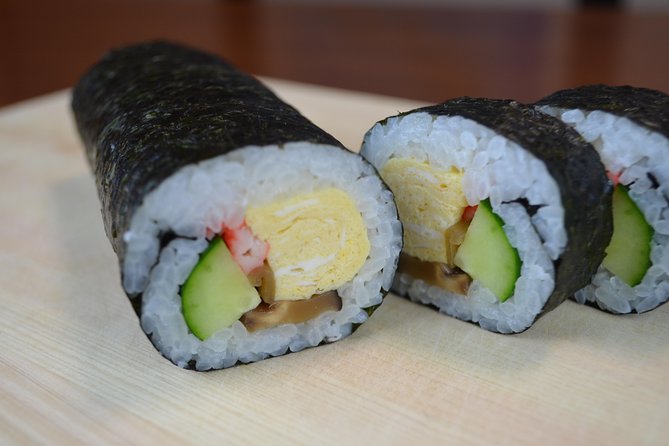
- egg rolls (and other rolled egg styles)
- teriyaki-style components (in some menus)
- sushi rolling skills (in some menus)
- fried and assembled bento sides, like tempura shrimp (in some menus)
- salad or sesame-forward sides (in some menus)
- dashi and soy sauce nuance, including tips around different soy sauce colors (in some menus)
A big practical plus is that many ingredients are prepped in advance. You are still doing plenty of hands-on cooking, but you are not stuck chopping everything for hours. That is one reason this class works so well for visitors who want a true cooking experience without a full-day project.
Also, you will get coached through technical steps. The popular skills highlighted in class include things like rolling (egg and sushi), and tempura frying. Even if you cook at home, these techniques are often where classes can feel either frustrating or rewarding. Here, the feedback suggests the instructions are clear and precise, and you get enough attention to correct your technique.
Cooking flow at the studio: how the 3-hour rhythm works
The day moves in a logical sequence, and you feel it in how relaxed the class stays.
Step 1: background and technique demo
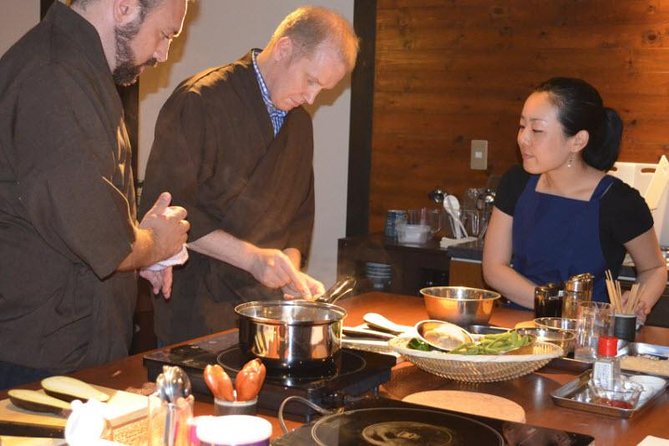
You begin with a short origin and culture overview, then you watch a chef demonstrate the key techniques. This is where you learn the why, not just the what. If something looks fussy, the demo helps it click. For example, rolled items are easier when you understand how to manage shape and timing.
Step 2: hands-on cooking with guidance
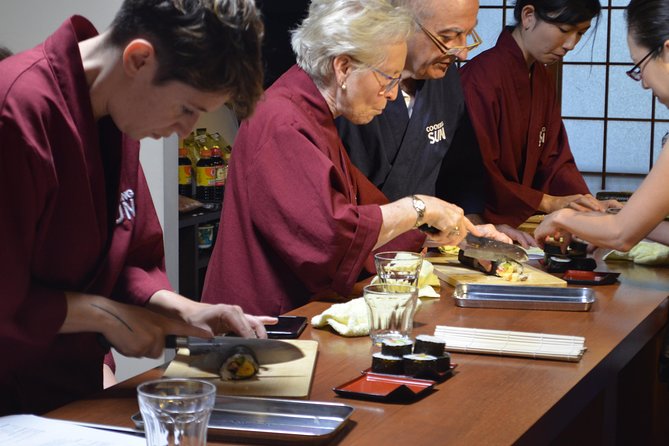
Then you switch roles, from observer to cook. You practice multiple bento components. Because the group is small and the class uses English-speaking instruction, you can ask questions in real time instead of guessing after the fact.
The “hands-on” part is also why people rave about this class. You are not stuck with one task. You get to make several dishes, which means you leave with multiple techniques and a bento you can actually serve.
A day of temples goes further with something to break it up.

Step 3: eat what you made
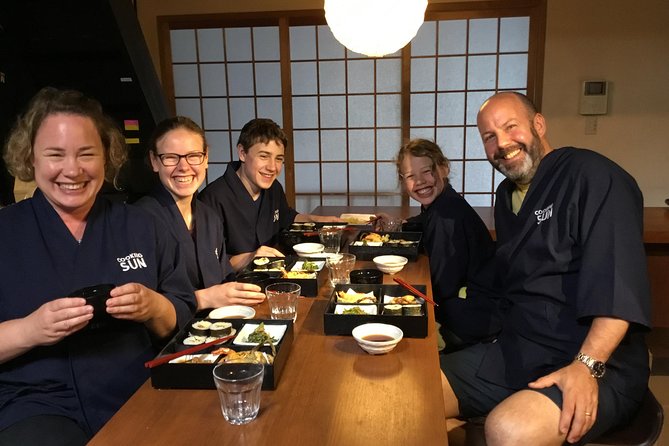
At the end, you stow your knife and apron and sit down for lunch with the group. The meal is your handiwork: the bento you assembled and the dishes inside it.
One practical note from past experience reports is that you should not show up hungry. If you skip breakfast, cooking plus the wait to eat can hit hard. If you are starting at 9:30 am, I strongly suggest a quick bite beforehand, like yogurt, fruit, or a simple pastry and tea.
Why the instructors feel like the secret ingredient
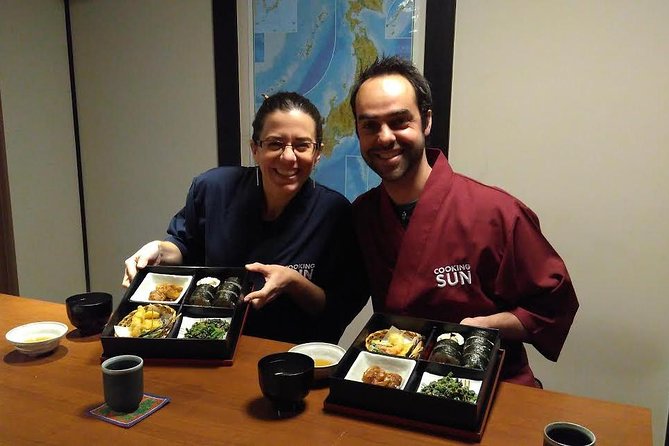
The big theme across positive feedback is clarity and patient coaching. You see it in how the class is organized, how the steps are explained, and how closely you are supervised while cooking.
A few things that stand out as especially valuable:
- instructions are precise, so you are not guessing during tricky steps
- you get personal attention rather than being left on your own
- you can learn extra technique tips for things people commonly struggle with at home
Some participants specifically mention learning dashi tips and when to use different soy sauces, including guidance tied to soy sauce types by color. Others mention rolling skills and tempura. Those are not “big fancy” lessons for impressing dinner guests. They are the kinds of practical details that make your results taste more Japanese and less generic.
And if you have allergies, the class is set up to be careful. One review highlights that staff were very careful and helpful. That is exactly what you want: clear communication, thoughtful handling, and willingness to work around needs you share ahead of time.
Lunch included, plus a recipe kit you will actually use
The class includes lunch, and everything needed for cooking is provided. That includes ingredients and an apron.
But the best part for long-term value is that you also receive copies of the session recipes to take home. Many cooking classes give you something vague. Here, the intent is clear: you should be able to cook for friends and family later.
So after you pack up, you are not only remembering a great meal. You are carrying a plan. That is what turns a cooking class from a fun memory into a skill you keep using.
Also, the lunch portion tends to be satisfying. More than one person notes they made more food than they expected to eat. That is a real benefit in Kyoto, where a lot of activities are snacks plus wandering, not a full sit-down meal.
Price and value: is $71.35 worth it in Kyoto?
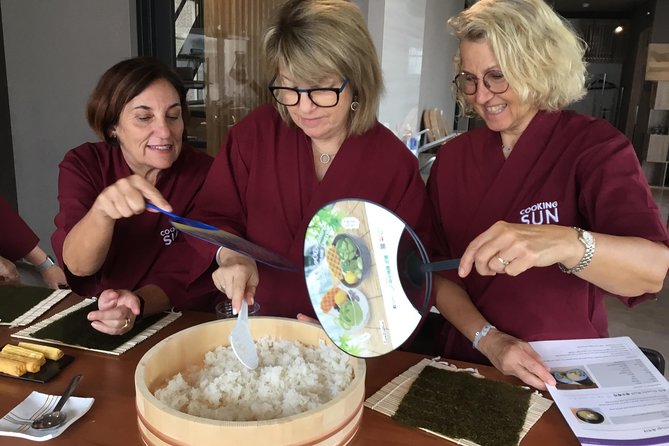
At $71.35 per person, this bento class sits in a mid-range price bracket for Kyoto food experiences. The value is in what is included and what you learn.
You get:
- a roughly 3 to 3.5 hour structured class
- lunch included
- all cooking ingredients provided
- an English-speaking instructor
- an apron
- recipe copies to take home
- a small-group cap of 8 people per booking
For me, that checks the key value boxes. You are not paying just for the final meal. You are paying for guidance plus technique practice plus a repeatable outcome.
If you cook at home even sometimes, this type of class can pay off quickly. The recipes are not only “what to make,” they also act like training wheels for Japanese fundamentals like dashi use, sauce choices, and tempura/rolling technique.
If you are the kind of traveler who only wants to taste, not cook, then you might feel the cost is heavier than a simple restaurant meal. But for food lovers who like doing things with their hands, the included lunch and take-home recipes make the price feel fair.
Getting there and fitting it into your Kyoto day
You meet at Cooking Sun Kyoto, 679 Funayachō, Shimogyo Ward, Kyoto, 600-8466. The activity ends back at the meeting point.
Since you start at 9:30 am, build your Kyoto schedule around a calm first half of the day. After lunch, you are free to walk, shop, and sightsee with less “food pressure” in the afternoon.
It is also near public transportation, which matters in Kyoto. You do not want to spend your cooking time fighting transit.
You will receive confirmation at booking, and you get a mobile ticket. That makes the day feel smoother if you are juggling multiple plans.
Who should book this bento box class
This class is a great fit if you want:
- a hands-on food activity with real instruction
- a small-group experience, not a crowded show
- Japanese cooking fundamentals you can repeat at home
- a full meal included, not just samples
It is also a strong choice for families and couples. Several participants mention doing it with a partner or with a parent-child mix, and they describe it as fun, relaxing, and well organized.
You might consider skipping it if:
- you are not interested in cooking at all
- you want a strict set menu (since dishes can change with seasons)
- you have dietary needs you have not communicated clearly at booking, since safe adaptation depends on advance info
If you fall into the “I love Japanese food and I want to understand it” category, this class should land well.
Should you book the Bento Box Cooking Class in Kyoto?
Yes, if you want the most practical kind of souvenir: a skill plus recipes. The small-group format, chef-led technique demos, and hands-on cooking make it feel worth your time. Add lunch included and take-home recipe copies, and it becomes a value-rich food experience that keeps paying you back when you cook later.
Book it especially if you:
- enjoy Japanese cooking or want to level up quickly
- like structured lessons with clear guidance
- want to eat something you helped make
Skip or think twice if you only want to taste without cooking, or if your schedule cannot handle a 9:30 am start and a few hours of focused activity.
FAQ
How long is the Bento Box Cooking Class?
It runs about 3 hours, with a total duration listed as approximately 3 hours (3 to 3.5 hours).
Where is the class located in Kyoto?
The meeting point is Cooking Sun at 679 Funayachō, Shimogyo Ward, Kyoto 600-8466, Japan.
What time does the experience start?
The start time is 9:30 am.
What is included in the price?
The price includes lunch, all ingredients for cooking, an English-speaking cooking instructor, and an apron.
What is not included?
Food and drinks are not included unless specified, and there is no hotel pickup or drop-off.
Is the class suitable for people with dietary requirements?
You should advise any specific dietary requirements at the time of booking so the team can accommodate you.
How many people are in the group?
There is a maximum of 8 people per booking.
Do I get recipes to take home?
Yes. At the end of the class, you receive copies of the session recipes.
Is there a mobile ticket?
Yes, the experience includes a mobile ticket.
What is the cancellation policy?
Free cancellation is available up to 24 hours in advance for a full refund.
Is a service animal allowed?
Yes, service animals are allowed. The meeting point is also near public transportation.
New This Season
- Koyasan Day Trip by Private Car from Kyoto
- Old Port Town and Ultimate Sake Tasting Private Tour From Kyoto
- Sacred Peak & Ancient Paths: Kurama-Kibune Hiking Experience
- Kyoto’s Timeless Charm: 3hr Exploration of History and Peace
- Kyoto: 5 Types of Sushi Making
- Kyoto: Exclusive ZEN practice at Manpukuji temple in Uji
- Kyoto: Private Seasonal Aroma Yoga Class
- Traversing Kyoto’s Scenic West – Arashiyama to Kinkakuji
Cooking Classes, compared.
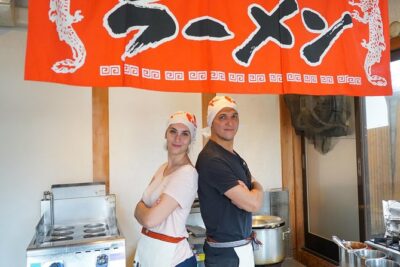
Ramen Cooking Class at Ramen Factory in Kyoto
Read our review →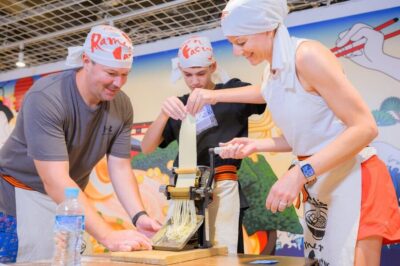
Ramen Cooking Class at a Ramen Factory with Souvenir
Read our review →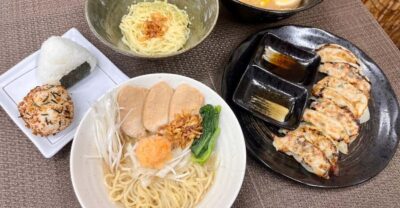
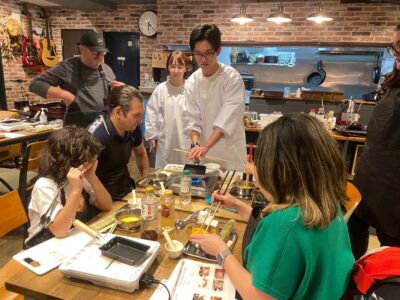
Japanese Washoku Bento Small Group Cooking Class
Read our review →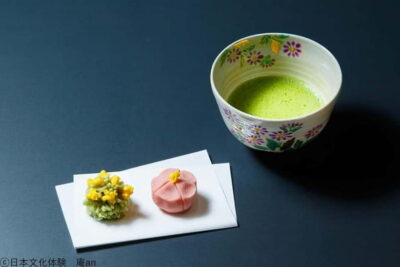
Japanese Traditional Sweets Making and Tea Ceremony
Read our review →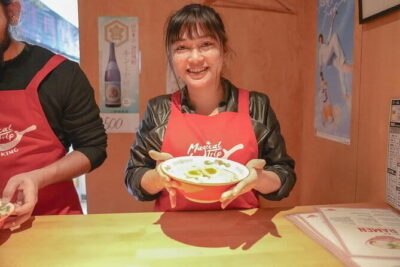
Kyoto Ramen and Gyoza Cooking Class with Professional Chefs
Read our review →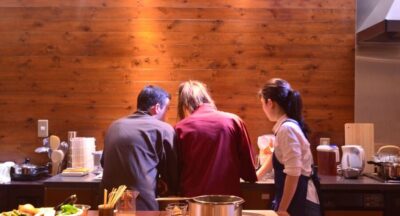
Also filed under