Reviewed · TOURS
Dark Kyoto Tour
Kyoto has a darker side you can actually learn. I love how this tour pairs major sights with quieter, less obvious places, so you get variety without feeling lost. I also like that the stories are tied to culture, religion, and real historical moments, not just jump scares. If you’re extremely sensitive to scary ghost-story vibes, the theme may feel like more creep factor than you want.
I’d plan for a compact, evening-style route that moves through multiple neighborhoods and temples in about four hours. The group is capped at 10, which helps the guide keep the pace human and the questions flowing. A mobile ticket means you can focus on walking, not printing.
Your guide for this experience is Atticus Sims, and the tone is equal parts mystery and explanation. Expect eerie anecdotes that still make sense in a Kyoto context, plus some stops that lean into spooky atmosphere like cemeteries and even a haunted candy store.
In This Review
- Key Points Before You Go
- Why the Dark Kyoto Theme Actually Feels Grounded
- Starting at Yasaka Shrine: Plague Wards and Night-Scene Mood
- Gion Back Streets: The Haunting Stories You Won’t Find on Postcards
- Kennin-ji: Old Zen Roots That Match the Mood
- Kiyomizu-dera at Night: UNESCO Scale Meets Dark Local History
- Toyokuni Shrine: Hideyoshi’s Presence and the Power of Memory
- Cemetery Corners and a Haunted Candy Store Detour
- Price and Value: What $175 Buys in Kyoto
- Who This Tour Is Best For (And Who It Might Not Suit)
- Practical Tips So You Enjoy Every Stop
- Should You Book the Dark Kyoto Tour?
- FAQ
- How long is the Dark Kyoto Tour?
- What’s the price?
- Where does the tour start?
- Is the ticket mobile or paper?
- How big is the group?
- Is entry included for all stops?
- What if the weather is bad?
- Are service animals allowed?
Key Points Before You Go
- Small group, big storytelling energy with a max size of 10
- Yasaka Shrine’s plague-era roots set the tone early
- Kennin-ji connects Zen with the supernatural mood in a measured way
- Kiyomizu-dera adds UNESCO scale plus dark local history with admission included
- Toyokuni Shrine brings Hideyoshi into the ghostly conversation
- Mostly free temple/shrine stops keep value strong for the price
Why the Dark Kyoto Theme Actually Feels Grounded
“Dark” in Kyoto can sound like pure horror entertainment, but this tour’s best trick is realism. The creepy parts come with context: why certain places became meaningful, how belief shaped behavior, and how religion and folklore overlap in daily life.
That matters because Kyoto’s atmosphere is already heavy with history. When you get a framework for what you’re seeing, the supernatural tone feels less like fantasy and more like how people used to think and cope. Even if you’re not into ghost stories, you’ll still walk away with a clearer sense of how shrines and temples functioned in real community life, including during difficult times.
And if you do like the spooky side, you’ll appreciate that the tour isn’t only about being scared. It’s about understanding the ideas behind the stories. That keeps it fun instead of just eerie.
Starting at Yasaka Shrine: Plague Wards and Night-Scene Mood
Most tours start at a “pretty landmark” and call it a day. Here, you start at Yasaka Shrine, and that choice sets up the whole theme.
You’ll spend about 15 minutes here, and the key detail is the shrine’s role in earlier efforts to ward off a plague that struck Kyoto in the 9th century CE. That’s not just trivia. It explains why certain religious spaces get linked to protection and fear, especially when people feel powerless.
Practical tip: arrive a bit early so you can settle your bearings before the storytelling gets rolling. Since the tour is about moving through multiple neighborhoods, getting your shoes ready and your attention focused helps a lot.
Kyoto rewards patience — the quieter half of the city sits just off the main path.
- PERFECT KYOTO 1-Day Bus Tour
★ 5.0 · 13,518 reviews - Kyoto: Fushimi Inari, Kinkakuji, Bamboo Grove 1 Day Bus Tour
★ 4.8 · 4,316 reviews - Kyoto: Tea Ceremony in a Traditional Tea House in Kiyomizu
★ 4.9 · 3,519 reviews - Kyoto Geisha Walking Tour: Gion District & Hidden Gems
★ 4.7 · 3,273 reviews
Gion Back Streets: The Haunting Stories You Won’t Find on Postcards
From the shrine, the tour heads into Gion, where the back streets are famous for old Kyoto vibes and lots of legends. You’ll have around 30 minutes here, with the emphasis on stories tied to the area’s reputation.
The best part of covering Gion this way is that it’s not only about the big-name views. You’re guided toward the smaller lanes and the atmosphere behind the headlines. That makes the “dark” theme feel more local, like you’re hearing how residents and visitors used to interpret odd events.
Possible drawback: this stop is a story-heavy walk. If you prefer lots of quiet sightseeing with minimal talking, Gion may feel like it’s more about narration than photos.
Still, if you like being told what to look for, this is where the tour becomes playful instead of random.
Kennin-ji: Old Zen Roots That Match the Mood
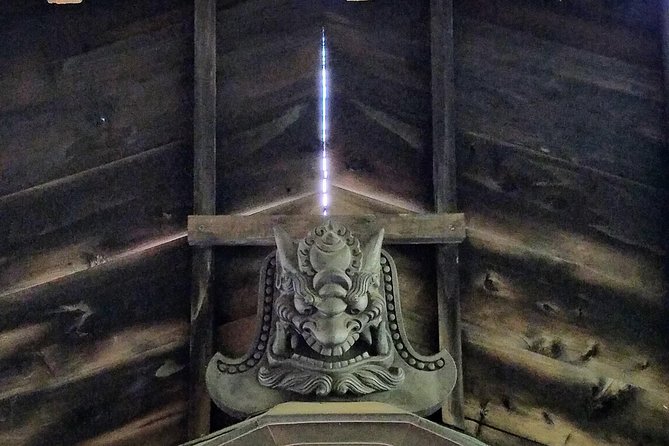
Next up is Kennin-ji Temple, with about 15 minutes scheduled. The spotlight here is that it’s the oldest Zen temple in Japan.
That Zen connection matters because it helps you read the setting differently. Instead of treating the supernatural angle as separate from daily life, you’ll see how spirituality, discipline, and community history can shape the way ghost stories spread and stick.
Kennin-ji also works well as a pacing moment. After the Gion movement, a shorter temple stop gives you a chance to slow down, focus on atmosphere, and reset your brain. If you’re traveling with someone who gets overwhelmed by constant walking, this timing helps.
Kiyomizu-dera at Night: UNESCO Scale Meets Dark Local History
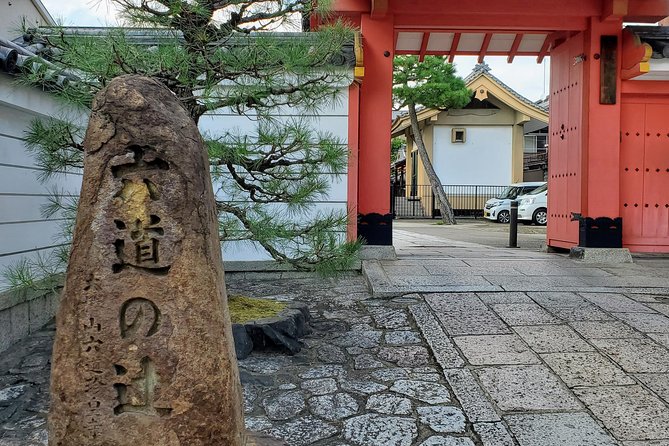
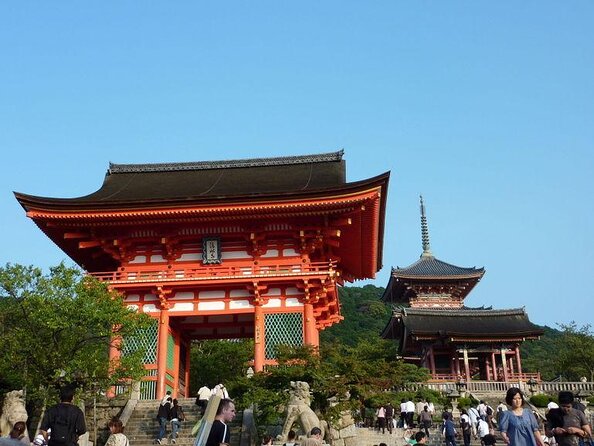
Then comes Kiyomizu-dera, one of Kyoto’s best-known sights and a UNESCO World Heritage Site. You’ll spend about 30 minutes here, and admission is included.
This is the stop where the tour’s “dark side” framing gets most visible. Even if you’ve heard of Kiyomizu-dera before, the local stories bring another layer, the kind that’s less about postcard beauty and more about how people interpret place, power, and the unexplained.
Value angle: since admission is included, this stop alone helps justify the total tour price. You get the UNESCO experience and the extra context without having to line up and manage tickets on your own.
Practical note: Kiyomizu-dera is popular. A group tour keeps things moving, but it also means you’re sharing the space with other visitors. I’d plan on brief moments for photos rather than a long, uninterrupted photo session.
Toyokuni Shrine: Hideyoshi’s Presence and the Power of Memory
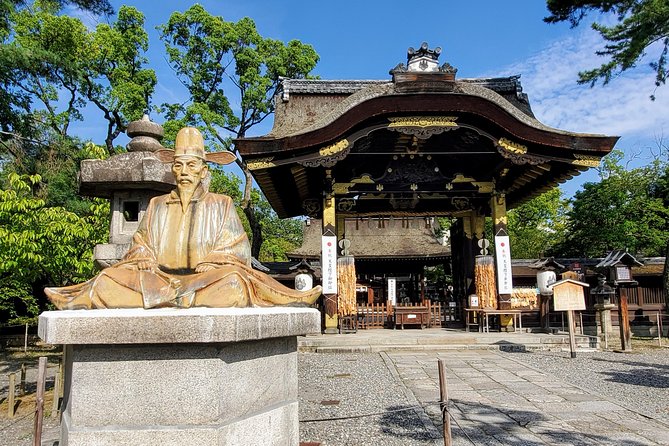
After Kiyomizu-dera, you’ll head to Toyokuni Shrine for about 10 minutes. This shrine is where shogun Hideyoshi is enshrined.
This stop is short, but it’s smart. Hideyoshi is a major figure in Japanese history, and linking him to a shrine helps show how politics, memory, and spirituality can overlap. That makes the tour’s “mystery” theme feel less like generic creepiness and more like the long shadow of past decisions.
If you like history that shows up in everyday geography, this is a great quick hit. If you want longer temple time, just remember this is designed as a brief bridge in the route.
A day of temples goes further with something to break it up.
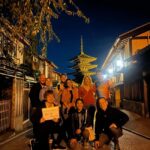
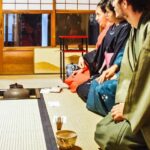
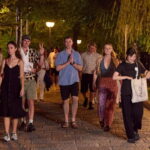
Cemetery Corners and a Haunted Candy Store Detour
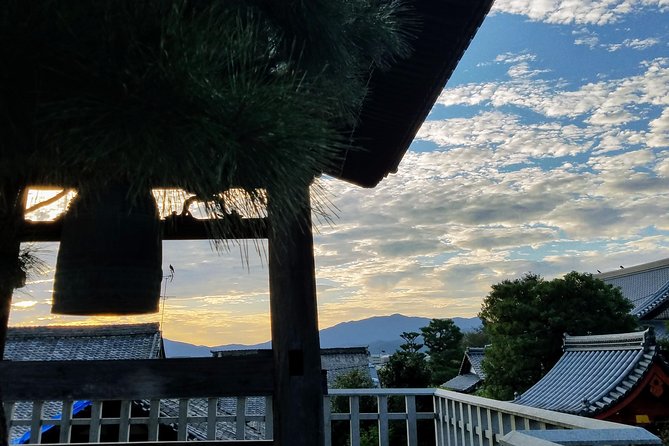
The tour also includes stops you might not choose on your own. The descriptions point to visits like cemeteries and a themed stop connected to a haunted candy store.
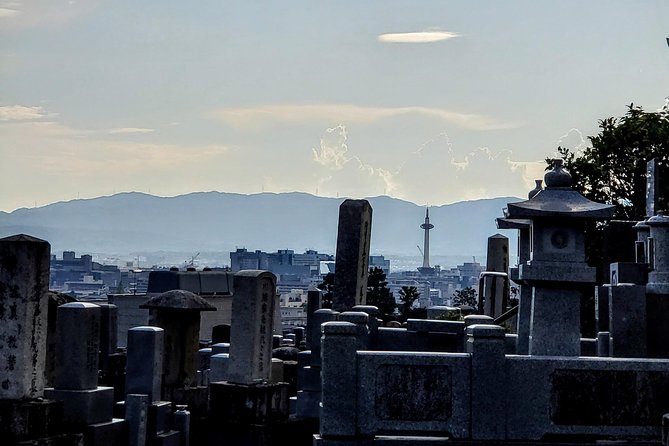
This is where “dark Kyoto” becomes more than just famous shrines. Cemeteries, in particular, can change how you experience a city. Even without fear factor, they encourage respect and quiet observation. Add a guided explanation and you’ll likely understand why these spaces hold stories the living keep.
The haunted candy store element is lighter by nature, but it fits the overall idea. Kyoto folklore isn’t only solemn. People entertained themselves with spooky themes too, especially through small, playful rituals tied to local storytelling.
If you’re traveling with family, this kind of tonal shift is a plus. It keeps the experience from becoming too intense for younger minds.
Price and Value: What $175 Buys in Kyoto
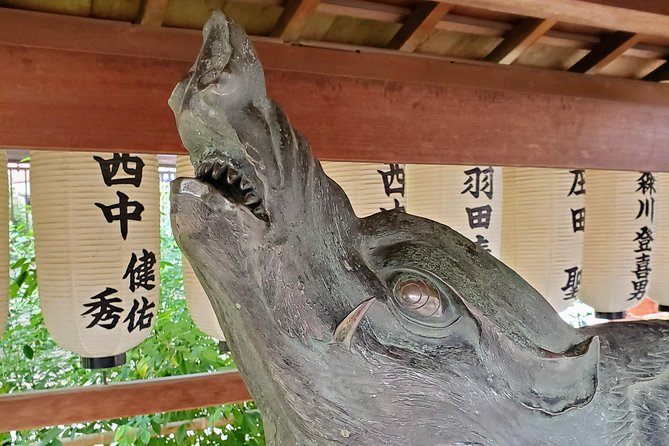
At $175 for about four hours, the main value isn’t just the walking. It’s the structure and the guide’s ability to connect dots between places.
Here’s why it feels fair based on what’s included:
- Many stops are listed as free admission, so your money isn’t constantly going to ticket line items.
- Kiyomizu-dera admission is included, which is a meaningful cost saver versus paying separately.
- The group size max of 10 helps you actually interact with the guide instead of listening from the back of a crowd.
- A mobile ticket reduces friction, so you can arrive and start without extra steps.
If you’re comparing against other Kyoto night tours, the big question is whether you’ll benefit from guided context. If you like stories tied to culture and religion, this is a strong fit. If you want pure sightseeing with minimal narrative, you might find it pricey for the time on the clock.
Who This Tour Is Best For (And Who It Might Not Suit)
This is described as good fun for first-time or repeat visitors. That’s believable because it works on two levels:
1) First-timers get major Kyoto anchors like Gion and Kiyomizu-dera.
2) Repeat visitors get the “how did I miss that?” feeling from smaller, lesser-known stops.
It also signals that the scare factor is meant to be manageable. It’s ideal for travelers who aren’t too sensitive to scary ghost stories. So if you want gentle spookiness, you’ll probably have a great time. If you’re easily unsettled by haunted-story framing, I’d consider a lighter-themed alternative.
Based on the guide’s described style, it also sounds like a solid option for couples and families. The route has enough big names for adults and enough variety to keep kids and teens interested, as long as they can handle the spooky theme.
Practical Tips So You Enjoy Every Stop
A few things make this kind of tour easier and more enjoyable:
- Wear comfortable shoes. Temple and shrine areas often involve uneven ground and a fair amount of walking.
- Dress for the weather. The tour requires good weather, so plan accordingly and bring a light layer for evening air.
- Bring your curiosity. This tour works best when you listen for how the stories connect to place names, religious purpose, and historical events.
- Expect a guided pace. Each stop is short, so treat it like a night walk with multiple chapters, not a single long visit.
Should You Book the Dark Kyoto Tour?
I’d book this if you want Kyoto that feels story-driven and slightly spooky, with real cultural context. Starting at Yasaka Shrine with plague-era protection lore, then moving through Gion, Kennin-ji, and Kiyomizu-dera with dark local history, gives you a full arc instead of a random collection of stops. Add Toyokuni Shrine and the oddball moments like cemeteries and a haunted candy store, and you get variety for the price.
Skip it if you strongly dislike ghost-story themes or you prefer quiet, independent sightseeing where you control the pace completely. Also consider it carefully if you want lots of time for photos at each landmark, because the schedule is built for movement and narration.
If you fit the sweet spot, this is an efficient, memorable way to see Kyoto’s famous places with a different lens.
FAQ
How long is the Dark Kyoto Tour?
The tour lasts about 4 hours.
What’s the price?
The price is $175.
Where does the tour start?
The meeting point is Yasaka Shrine, 625 Gionmachi Kitagawa, Higashiyama Ward, Kyoto, 605-0073, Japan.
Is the ticket mobile or paper?
It uses a mobile ticket.
How big is the group?
The maximum group size is 10 travelers.
Is entry included for all stops?
Most stops have admission listed as free, and Kiyomizu-dera has admission included.
What if the weather is bad?
This tour requires good weather. If it’s canceled due to poor weather, you’ll be offered a different date or a full refund.
Are service animals allowed?
Yes, service animals are allowed.
New This Season
- Koyasan Day Trip by Private Car from Kyoto
- Old Port Town and Ultimate Sake Tasting Private Tour From Kyoto
- Kyoto’s Timeless Charm: 3hr Exploration of History and Peace
- Kyoto: 5 Types of Sushi Making
- Sacred Peak & Ancient Paths: Kurama-Kibune Hiking Experience
- Kyoto: Exclusive ZEN practice at Manpukuji temple in Uji
- Kyoto: Private Seasonal Aroma Yoga Class
- Traversing Kyoto’s Scenic West – Arashiyama to Kinkakuji
Tours, compared.
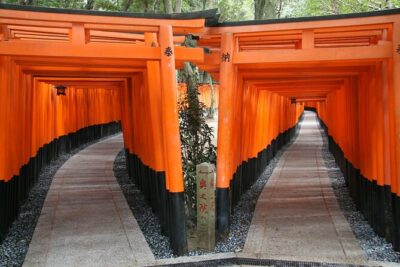
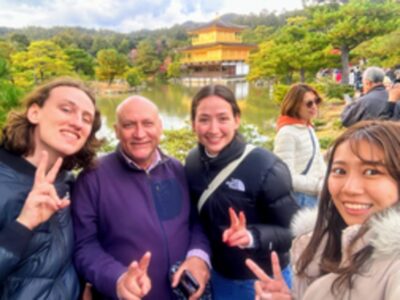
Fushimi Inari, Kinkakuji, Bamboo Grove 1 Day Bus Tour
Read our review →
Kyoto Geisha Walking Tour: Gion District & Hidden Gems
Read our review →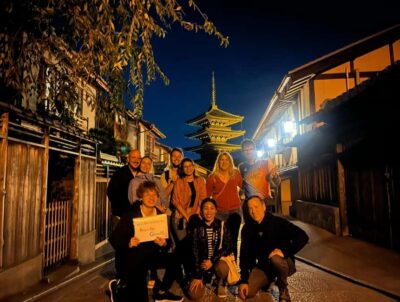
Gion Magical Night Walking Tour with Geisha Trivia
Read our review →
Gion Geisha District Walking Tour – Stories of Geisha
Read our review →
Kyoto Night Foodie Tour in Gion (9+ dishes + 6 Sake tastings)
Read our review →