
Reviewed · ARASHIYAMA BAMBOO FOREST WALKS
Explore Arashiyama Bamboo Forest with Authentic Zen Experience
The Arashiyama bamboo feels quieter here. This half-day pairs the famous walkway with a Zen meditation lesson led at a hilltop temple, so you’re not just taking photos, you’re learning how people slow down on purpose. I love that the day includes sacred chanting and hands-on guidance, and I also like that the guide keeps you moving so the calm part of Arashiyama lands on time.
My second favorite part is the tea ceremony stop and the way the route builds toward big panoramic views. The one drawback to plan for is that you do have to put in real effort, including a climb up toward Daihikaku Senkoji, plus some walking through town before you reach the temple grounds.
In This Review
- Key Highlights You Should Expect
- Why This Arashiyama Day Feels More Zen Than a Normal Bamboo Stop
- Price and Value: What $114 Buys You (and What It Doesn’t)
- Getting There: Start Time, Meeting Point, and How the Route Ends
- Stop 1: Arashiyama Bamboo Forest, Main Street, and Togetsukyo Bridge
- Nonomiya Shrine: Buddhist Teachings Plus a View-Forward Mindset
- Arashiyama Park (Kameyama Area) and the Tea Ceremony Pause
- Senko-ji Temple and Daihikaku Senkoji: The Monk-Led Zen Experience
- Randen Keifuku Arashiyama Station: Kimono Forest, Snacks, and a Foot Bath
- Who This Tour Is Best For (and Who Should Skip It)
- Should You Book This Zen-Style Arashiyama Experience?
- FAQ
- How long is the Arashiyama Zen Experience?
- How much does the tour cost?
- What time does the tour start, and where do I meet?
- Where does the tour end?
- Is this a private tour?
- What’s included in the price?
- Are admissions included or do I need tickets?
- How physically demanding is the day?
- What is the cancellation policy?
Key Highlights You Should Expect
- Monk-led Zen practice at Daihikaku Senkoji with English guidance that helps you follow along
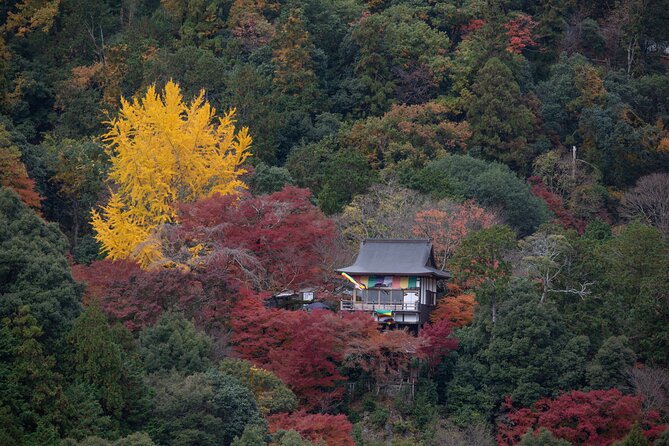
- Hilltop panoramas over Kyoto, Arashiyama, and the Hozu River valley as the payoff for hiking
- A traditional tea ceremony in the Arashiyama-Kameyama area, where the pace slows down
- Nonomiya Shrine conversations and Buddhist teachings before the mountain temple segment
- End-of-tour Randen Keifuku Arashiyama station time with snacks, the Kimono Forest display, and a foot bath
Why This Arashiyama Day Feels More Zen Than a Normal Bamboo Stop
Arashiyama is one of Kyoto’s most photographed areas, but it’s also one of the easiest places to feel like you’re trapped in a crowd. What makes this tour different is the focus: bamboo is only the opening act.
The real “you came all this way for this” moment is the Zen mountain temple experience at Daihikaku Senkoji. You’re not asked to guess what you’re seeing or silently sit through things that you don’t understand. Instead, the English-speaking guide helps you follow the flow of the meditation instruction and the sacred chants.
I also like that the tour doesn’t treat Arashiyama like a single postcard. You get a mix of iconic sights plus quieter religious stops, and the walk gradually pushes you out of the easiest tourist lanes. If you’re hoping to feel Kyoto’s calm side, this route is built for that goal.
Price and Value: What $114 Buys You (and What It Doesn’t)
At about $114, this isn’t the cheapest way to do Arashiyama. The value comes from three things you usually end up paying for separately on your own: a guide who can translate the Zen practice, a protected temple-focused experience at Daihikaku Senkoji, and time spent in multiple stops without you needing to coordinate trains and transfers for each one.
Here’s what’s included: an English-speaking guide, the Daihikaku Senkoji Zen mountain temple experience, and snacks. What’s not included is hotel pick-up or drop-off and personal expenses.
Also note how admissions are handled. Stops at the bamboo forest, Nonomiya Shrine, and the Arashiyama Park/Kameyama area list admission as free, while the Senko-ji temple segment includes admission. That structure matters if you’re cost-conscious, because it reduces the “surprise fees” feeling that can come with religious sites.
If you enjoy planning your own days but want help with one key component, this tour can be a good compromise: you still get independent time in Arashiyama, but you buy clarity and access for the Zen lesson.
Sit in silence at a Zen temple
- Kyoto Zen Meditation & Garden Tour at a Zen Temple with Lunch
★ 5.0 · 441 reviews - Kyoto: Zen Experience in a Hidden Temple
★ 5.0 · 437 reviews - Kyoto: Tea Ceremony Meditation – Make Matcha with Tea Master
★ 4.8 · 406 reviews - Kyoto: Zen Meditation at a Private Temple with a Monk
★ 5.0 · 202 reviews
Getting There: Start Time, Meeting Point, and How the Route Ends
The tour starts at 12:00 pm at Saga-Arashiyama Station (11-1 Sagatenryūji Kurumamichichō, Ukyo Ward, Kyoto). It’s a straightforward meeting point that’s near public transportation, which is a relief in a city where station exits can be confusing.
The tour ends at Randen Keifuku Arashiyama station. That matters because you’ll finish near a convenient transit hub, so you can head back toward your hotel or connect to other plans without a long “how do I get out of here” scramble.
It’s also a private tour/activity, meaning only your group participates. That usually helps with pacing, especially when you’re doing a slower, instruction-based temple activity.
Finally, you’ll use a mobile ticket, so make sure your phone battery is healthy. Kyoto tours often run on quick check-in windows, and you don’t want to be juggling a low-battery panic while trying to meet your guide.
Stop 1: Arashiyama Bamboo Forest, Main Street, and Togetsukyo Bridge
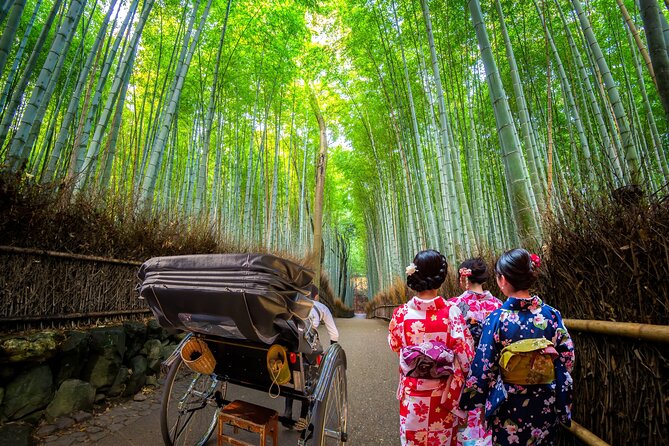
You begin with Arashiyama’s classic setting. The day starts by walking through Arashiyama Main Street and the historic Togetsukyo Bridge, then you step into the bamboo atmosphere.
The bamboo forest here is popular for a reason: the walking rhythm and tall stalks change the sound and the feel of the street. But the “practical tip” takeaway is this, bamboo is easy to overdo on a trip. If you spend too much time here alone, the rest of Arashiyama can feel rushed. This tour uses the bamboo forest as a starting point, then shifts toward Zen practice and temple views later when you’re ready for a deeper tempo change.
You also get 30 minutes at this first stop. That’s enough for orientation and photos, but it’s not a long free roam. If you’re the type who loves taking ten minutes at every angle, you may want to plan a little extra time on a separate day back in the bamboo area after your tour.
Nonomiya Shrine: Buddhist Teachings Plus a View-Forward Mindset
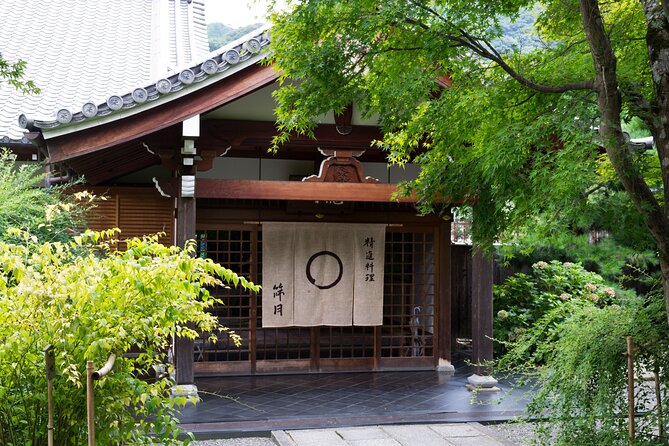
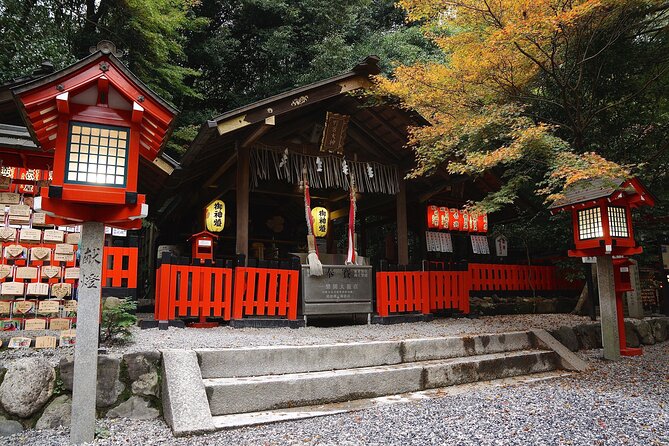
Next comes Nonomiya Shrine for another 30 minutes. This stop is more than a pretty shrine photo. You’re guided into meaningful conversation and Buddhist teachings, and the tone is meant to match the rest of the day.
What you should carry into this section is the idea of attention. By the time you reach Nonomiya, you’ll already have crossed Togetsukyo Bridge and entered the bamboo world. The shrine stop is the bridge between sightseeing and the Zen portion, so it sets you up to understand why the meditation teaching is being done where it is.
This is also one of the moments where physical pacing matters. The route transitions toward the hilltop temple area, and the day is not just “sit and watch.” If you’re not used to walking up sloped paths, take it slow and let your breathing settle before the stronger climb later.
Arashiyama Park (Kameyama Area) and the Tea Ceremony Pause
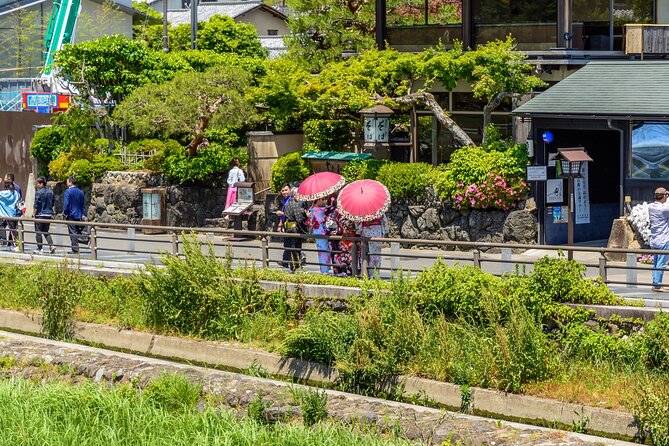
The tour then moves to Arashiyama Park, Kameyama Area for 30 minutes, and this is where the day gets personal in a good way.
You’ll take part in a traditional tea ceremony in a quieter, more scenic setting than you’d get if your entire plan was bamboo-only. Even if you’re not a tea expert, I like that this is a structured calm moment. You’re guided through what’s happening, so you’re not guessing what to do with your hands, your questions, or your timing.
From there, you continue upward through an ancient bamboo stretch and toward Arashiyama-Kameyama Park, then you loop back toward the more famous bamboo area. The point is not just more scenery. It’s to help you see that Arashiyama is more than one line of bamboo and a crowded bridge.
This part of the route is also a good reality check for your energy level. If you feel fine here, you’re likely okay for the temple climb that comes next. If you’re already winded, treat this segment as your early indicator to slow your pace and take short breaks.
Green light through a bamboo grove
Senko-ji Temple and Daihikaku Senkoji: The Monk-Led Zen Experience
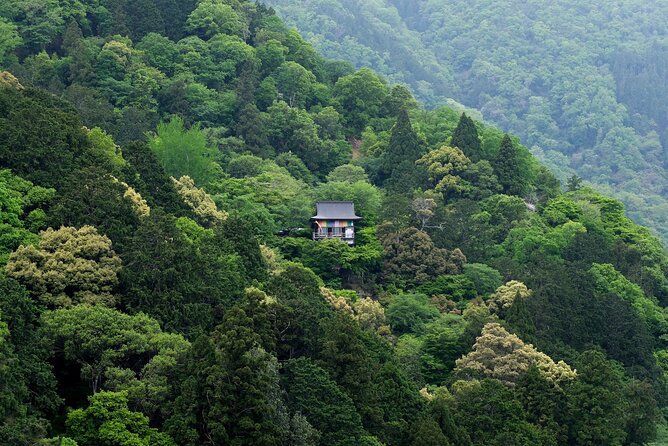
The centerpiece is Senko-ji Temple, with about 1 hour 30 minutes, and admission included.
This is the segment where the tour earns its “Zen experience” promise. You engage with teachings, and you learn the art of meditation with a qualified monk. The instruction includes how to meditate and also mentions sacred chanting, which is important because it gives you more than a quiet moment. It helps you understand the practice as something lived in the moment.
The guide plays a key role here. The strongest versions of this kind of tour are the ones where translation does not just explain words, it explains rhythm and meaning. One thing I’d watch for in any Zen session is whether you feel lost. This tour is set up so you’re not left guessing.
And then there are the views. When you reach the hilltop temple area, you’re rewarded with panoramic sightlines over Kyoto, Arashiyama, and the Hozu River valley. This is why the climb matters. The exercise is not just exercise, it turns into a perspective shift.
Practical note: dress for walking and changing conditions. Temple areas can feel cooler or breezier than you expect, and you’ll likely be moving up and down paths.
Randen Keifuku Arashiyama Station: Kimono Forest, Snacks, and a Foot Bath
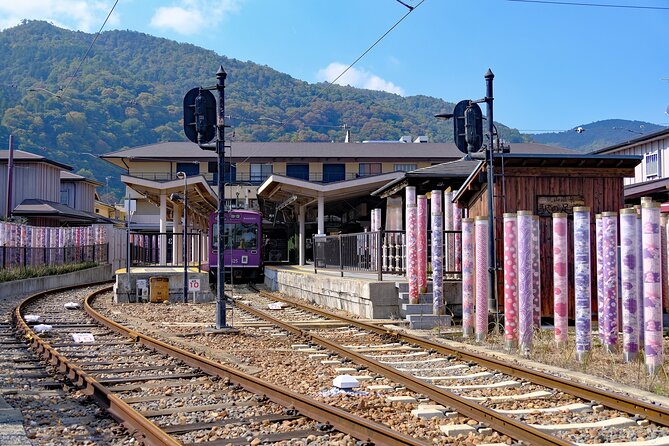
To close, the tour ends at Randen Keifuku Arashiyama station for about 1 hour.
This stop is perfect for recovery. You can unwind with traditional Japanese snacks (snacks are included), admire the Kimono Forest patterns, and relax your feet with a soothing foot bath. That last part is not just a cute detail. After temple steps and bamboo-area walking, it can turn “I’m tired” into “I can still enjoy the rest of my day.”
You’ll also see how Arashiyama feels once the sightseeing intensity drops. Instead of more climbing, this is where you transition back to normal travel mode, buy any extras you want, and plan what you’ll do next.
If you’re planning dinner afterward, keep your expectations realistic. Your feet will probably want downtime before a long sit-down meal, and this station stop gives you the buffer.
Who This Tour Is Best For (and Who Should Skip It)
This experience is a strong match if you want Kyoto that feels quiet and meaningful, not just scenic. It’s also a good choice if you’re curious about Zen practice and want it explained in English in a way that fits a real temple environment.
You’ll get the best value if you can handle moderate physical fitness. The day includes hiking and a climb to the mountaintop temple. Reviews also flag that you’ll do enough walking to feel it, including some earlier walking in town before the temple payoff.
If you have limited mobility or you want a mostly flat, low-effort sightseeing day, you may find the uphill segments too demanding. In that case, you might prefer a shorter bamboo-focused plan without the mountain temple commitment.
If you’re traveling as a couple, a friend group, or even solo but want a private setting, the private format helps keep the day from feeling chaotic. If you’re traveling with seniors or kids, you should be honest about their stamina before booking.
Should You Book This Zen-Style Arashiyama Experience?
I’d book it if you want Arashiyama to feel like more than a photo stop. The monk-led Daihikaku Senkoji meditation and chants, the tea ceremony, and the combination of shrine learning plus hilltop views create a day with a real theme.
I wouldn’t book it if you want an easy stroll and minimal walking. The trek to the temple is a main feature, and the route includes enough uphill effort that comfortable shoes are not optional.
If your schedule is flexible, this also pairs well with a longer Kyoto stay. Arashiyama is easy to revisit on a second day when you want extra time in the bamboo area or the riverside.
FAQ
How long is the Arashiyama Zen Experience?
It runs for about 4 hours.
How much does the tour cost?
The price is listed at $114.
What time does the tour start, and where do I meet?
The start time is 12:00 pm, and the meeting point is Saga-Arashiyama Station (11-1 Sagatenryūji Kurumamichichō, Ukyo Ward, Kyoto).
Where does the tour end?
The tour ends at Arashiyama Station area, specifically at Randen Keifuku Arashiyama (trolley) station.
Is this a private tour?
Yes. Only your group will participate.
What’s included in the price?
Included are an English-speaking tour guide, the Daihikaku Senkoji Zen mountain temple experience, and snacks.
Are admissions included or do I need tickets?
Some stops list admission as free, including the Arashiyama Bamboo Forest, Nonomiya Shrine, and the Arashiyama Park, Kameyama area. Admission for Senko-ji Temple is included. You’ll also receive a mobile ticket.
How physically demanding is the day?
It’s described as moderate fitness, and the route includes hiking plus a climb to the mountaintop temple area.
What is the cancellation policy?
You can cancel for a full refund up to 24 hours before the experience starts. If you cancel less than 24 hours before start time, the amount paid is not refunded.
New This Season
- Koyasan Day Trip by Private Car from Kyoto
- Old Port Town and Ultimate Sake Tasting Private Tour From Kyoto
- Kyoto’s Timeless Charm: 3hr Exploration of History and Peace
- Kyoto: 5 Types of Sushi Making
- Sacred Peak & Ancient Paths: Kurama-Kibune Hiking Experience
- Kyoto: Exclusive ZEN practice at Manpukuji temple in Uji
- Kyoto: Private Seasonal Aroma Yoga Class
- Traversing Kyoto’s Scenic West – Arashiyama to Kinkakuji
Arashiyama Bamboo Forest Walks, compared.
Fushimi Inari, Kinkakuji, Bamboo Grove 1 Day Bus Tour
Read our review →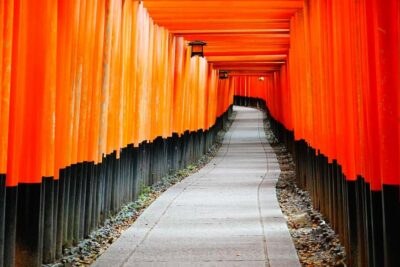
Kinkakuji,Arashiyama,FushimiInariShrine,NaraPark
Read our review →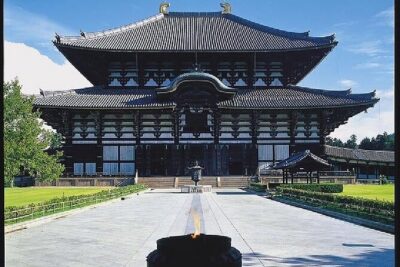
Nara, Fushimi Inari Taisha, Arashiyama Bus Tour
Read our review →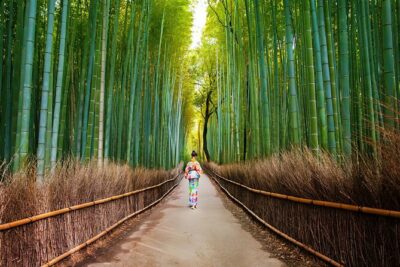
Kyoto Arashiyama Walking Tour: Bamboo, Monkeys, Gardens & Secrets
Read our review →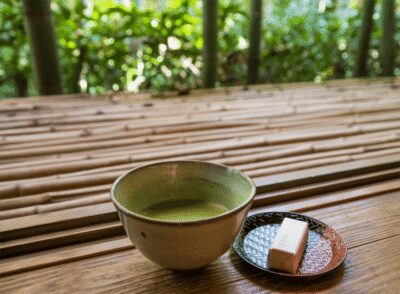
Arashiyama Bamboo, Temple, Monkeys, or Secret Sake Brewery
Read our review →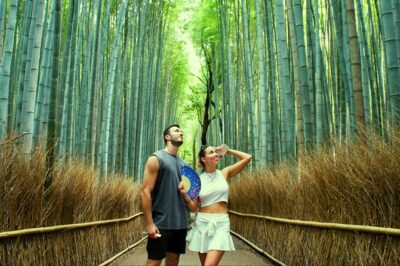
Arashiyama Bamboo Forest, Monkeys, Matcha & Temple Tour
Read our review →
Arashiyama, Nara & Fushimi Inari Shrine w/Lunch
Read our review →
Nijo, Kinkaku-ji, Arashiyama, Kiyomizu & Fushimi Inari
Read our review →Also filed under