
Reviewed · WORKSHOPS
Fish cutting class
Cut fish, then eat your sashimi. This class is special because you start with raw fish and end up serving sashimi you made yourself inside Kimura, a fishmonger’s shop with centuries of trade behind it. I also like how the guidance is practical and patient, so even a beginner can get real knife confidence with Chef Masashi’s step-by-step corrections. The one real consideration is practical mess and comfort: you’ll want clothes that can get dirty, and the class is not suitable for children under 10.
In 150 minutes, you go from watching to doing, then you get to eat your results for lunch. The price is $77 per person, and it feels fair because the fish, tools, apron, gloves, and sauces are included, plus you get rice to go with what you prepare. You also have gluten free soy sauce and halal soy sauce available, which makes a big difference if you usually have to sit out food experiences.
In This Review
- Key points to know before you book fish cutting class at Kimura
- Entering Kimura at Nishiki Market: what makes the setting matter
- Fillet first, then learn: the full 150-minute flow
- Step 1: meet the instructor and understand the goal
- Step 2: the instructor fillets while you watch
- Step 3: you fillet with guidance
- Step 4: you turn your fillets into sashimi and carpaccio
- Step 5: you eat what you made for lunch, with rice
- Tools, aprons, and gloves: the small details that make it easier
- Coach level: what you actually learn from Chef Masashi and the team
- Making sashimi and carpaccio: how your cuts change the bite
- Lunch tasting: turning technique into real appreciation
- Price and value: is $77 fair for 150 minutes?
- Who should book, and who might prefer something else
- Practical tips before you go, so you enjoy the class more
- Should you book fish cutting class at Kimura?
- FAQ
- Where is the fish cutting class held?
- How long is the class?
- How big is the group?
- Is the instructor English-speaking?
- What should I bring?
- Is there gluten free or halal soy sauce available?
- What’s included in the class price?
- Is alcohol included?
- Is it beginner-friendly and are there age limits?
Key points to know before you book fish cutting class at Kimura
- You handle the fish from the start, not just garnish a finished dish
- Your sashimi and carpaccio come from your own cuts, so the flavor feels personal
- Small-group coaching with English instruction, limited to 8 participants
- In a Nishiki Market fish shop (Kimura) where the setting is part of the lesson
- Diet support matters, with gluten free soy sauce and halal soy sauce available
- You can take a commemorative photo with the fish you worked on
Entering Kimura at Nishiki Market: what makes the setting matter
I love workshops where the room itself teaches you something. Here, you meet at Kimura in Nishiki Market, and the fishmonger shop atmosphere does more than look good in photos. You’re surrounded by the tools and rhythms of real fish work, so the class feels like learning a trade, not doing a timed craft.
That matters because Japanese food technique is about control. When you’re in a working fish shop, it’s easier to understand why people talk about sharp knives, clean cuts, and careful handling. You’ll see how small movements affect texture. You also get the sense that sashimi is not a gimmick food, it’s a standard that expects respect.
One more thing I’d plan for, even if you’re curious and confident: the environment can be busy and hands-on. You’ll be working with raw seafood, so your clothes and expectations should match that reality.
Fillet first, then learn: the full 150-minute flow
This class runs for about 150 minutes, and the structure is designed to keep you from freezing up. You start by meeting the instructor and getting your bearings. Then you move in a logical sequence: watch, practice, refine, cook, eat.
Here’s what happens in order:
A quieter way to spend a day in Kyoto
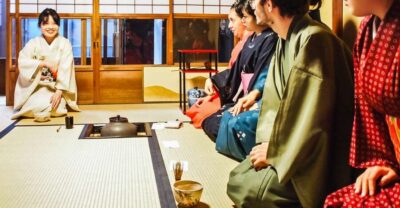
- Kyoto: 45-Minute Tea Ceremony Lesson Experience
★ 4.3 · 2,378 reviews - Ramen Cooking Class at Ramen Factory in Kyoto
★ 5.0 · 1,937 reviews - Kyoto : Chopsticks Making Workshop in Gion with Engraving Option
★ 5.0 · 958 reviews - Kyoto: Samurai Sword Class by Experts in Traditional Arts
★ 4.9 · 657 reviews
Step 1: meet the instructor and understand the goal
You’ll be introduced first. This is not a lecture you have to endure. It sets the stage for what you’ll be making and what good technique looks like.
Step 2: the instructor fillets while you watch
Next, you’ll watch the filleting process. This matters more than you might think. Watching once gives you a mental map for where your knife should go and how the fish should be held. If you’re new, this reduces the guesswork when it’s your turn.
Step 3: you fillet with guidance
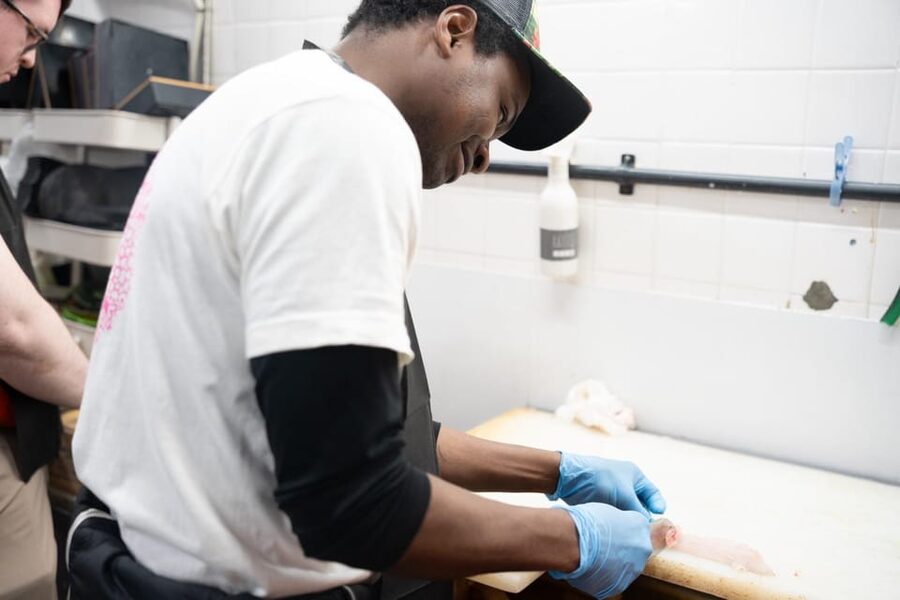
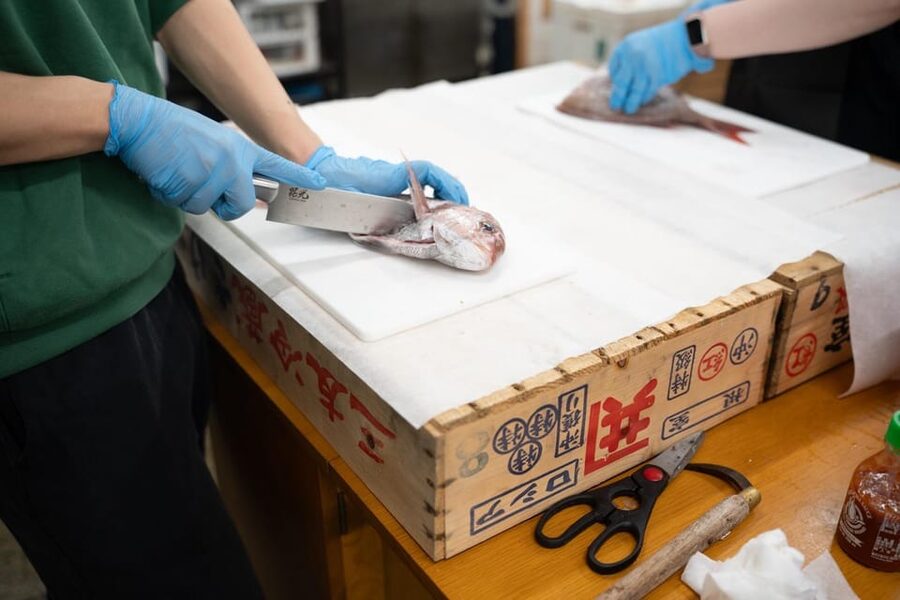
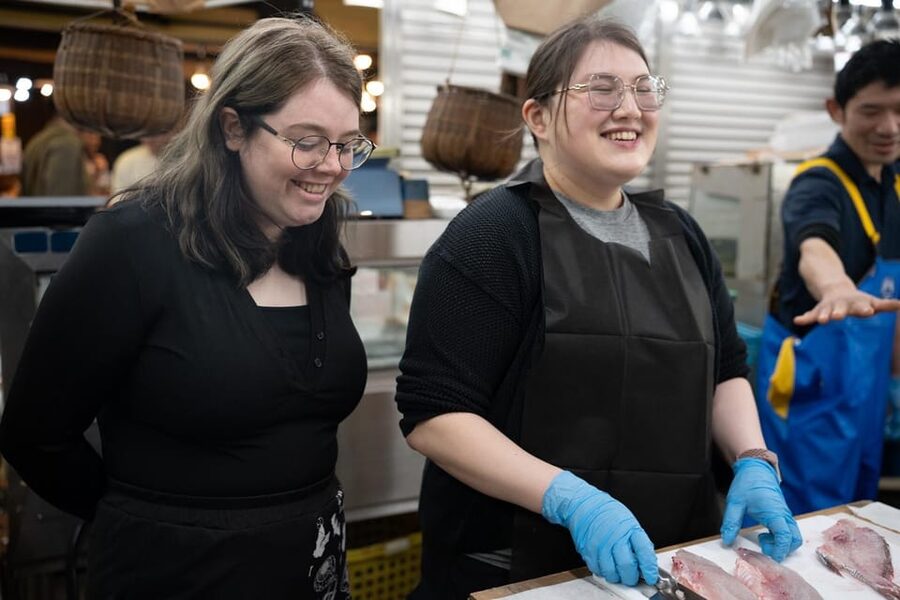
Then participants fillet the fish themselves. You’ll be taught how to fillet carefully, not just how to cut. In the classes with Chef Masashi, the coaching is detailed and on-the-spot, with corrections given right away when something needs adjusting.
This part is the heart of the experience. Knife work is one thing, but controlling the fillet without tearing is another. That’s why the later eating hits harder. You can taste the difference you create.
Step 4: you turn your fillets into sashimi and carpaccio
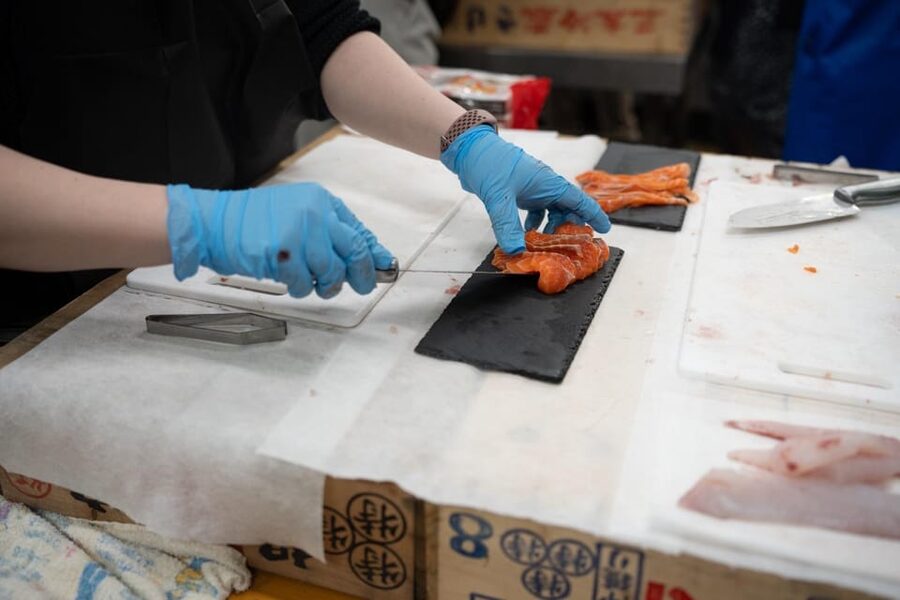
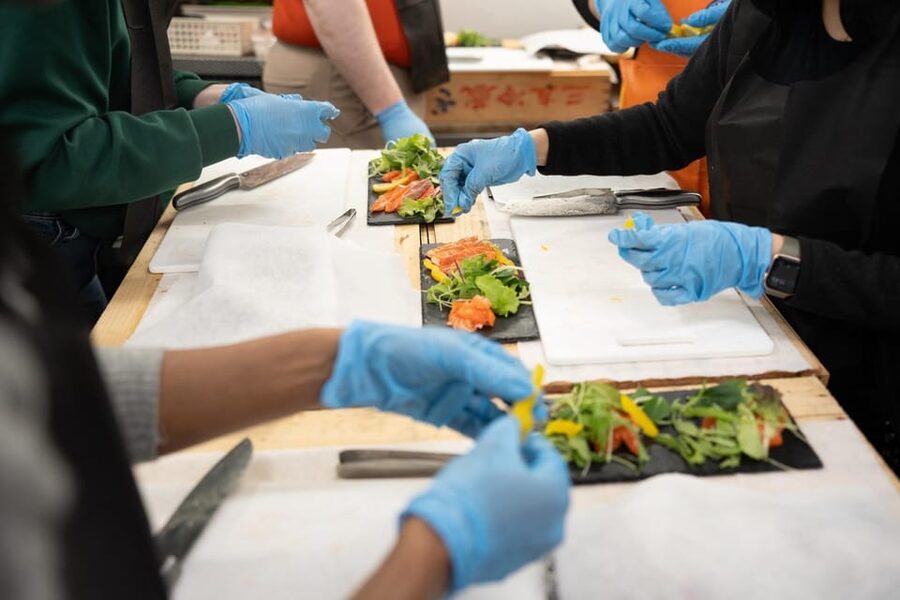
After you finish your cuts, you make sashimi from the fish you have filleted. You also make carpaccio. This is a smart pairing because both are raw preparations, but they still demand different attention to slicing and presentation.
A day of temples goes further with something to break it up.


Step 5: you eat what you made for lunch, with rice
Finally, you eat. You’ll have rice, and you’ll taste the fish you handled. Several people highlight that this is where the experience really lands, because the sashimi feels fresher and more rewarding when you understand the work that went into it.
On at least some sessions, the menu includes additional items like miso soup and tempura. If you’re hoping for a broader cooking lesson beyond raw fish prep, you might like that angle. Still, don’t count on extras every time, since the core promise is the filleting plus sashimi and carpaccio meal.
Tools, aprons, and gloves: the small details that make it easier
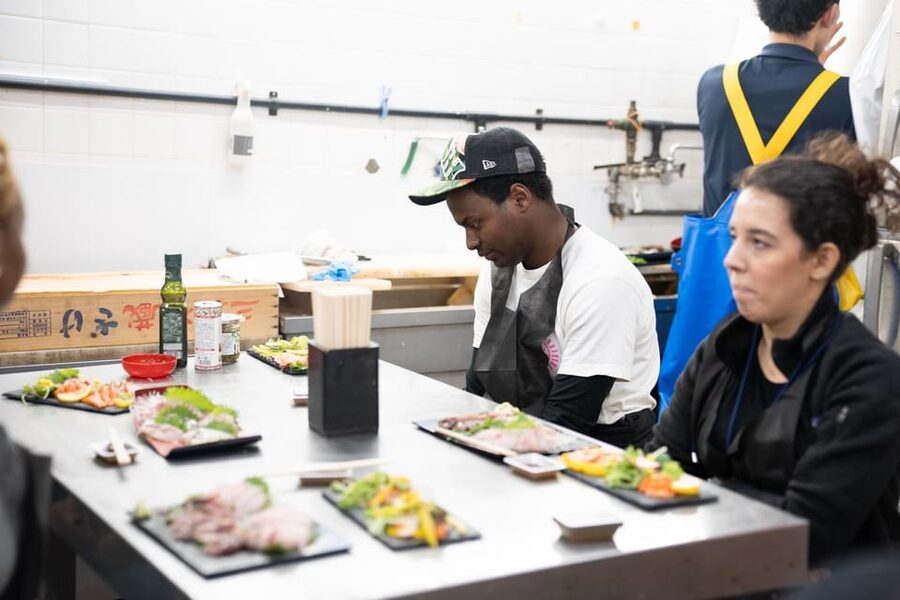
They provide most of what you need, and that’s a big part of why this class feels like good value. You’ll use the knife they provide, and you’ll wear a blue and orange apron. Rubber gloves are also part of the setup, which helps with comfort and hygiene while handling raw fish.
What you should bring is simple: clothes that can get dirty. Even with aprons and gloves, you should expect some fishy mess. This is not the kind of activity where you show up in your best outfit and try to keep everything spotless.
You’ll also get soy sauce and carpaccio sauce. And importantly for dietary needs, gluten free soy sauce and halal soy sauce are available. That means you can focus on the technique and taste, not on substituting your own condiments.
Coach level: what you actually learn from Chef Masashi and the team
A sashimi class can become either a show or a skill lesson. This one is built to teach you basics you can use again later.
What I like about the instruction style is that it’s practical. You’re not just told that a knife needs to be sharp. You’re guided through the motions that make sharpness matter. When something goes wrong, the instructor corrects it on the spot so you don’t leave with bad habits.
Chef Masashi is specifically mentioned for being friendly and patient, with clear detail and quick corrections. I also appreciate that the class format stays calm and relaxed, so you don’t feel rushed while you’re learning something technical.
Because the group is limited to 8 participants, you can actually get attention. Beginners are welcome, so you don’t need prior filleting experience. Still, this is hands-on food work, so you should arrive ready to try and accept minor mistakes as part of learning.
Making sashimi and carpaccio: how your cuts change the bite
Here’s the part most people care about: what you eat at the end.
You’ll make sashimi and carpaccio from the fillets you produced. That means your slicing, thickness, and handling choices show up immediately in texture and flavor. With sashimi, the goal is clean presentation and careful slicing that keeps the fish tasting fresh and natural. With carpaccio, you’re working toward a different feel, using thin preparation that pairs with the provided carpaccio sauce.
What’s especially satisfying is how the class reframes food value. Yes, the fish is good. But you’ll likely notice something else: your respect for the craft grows because you see how much work is required for a small plate.
This is why people say the best sashimi is the one you make yourself. It’s not just bragging. When you’ve handled the fish, you understand what freshness means in real terms, not as a marketing word.
Lunch tasting: turning technique into real appreciation
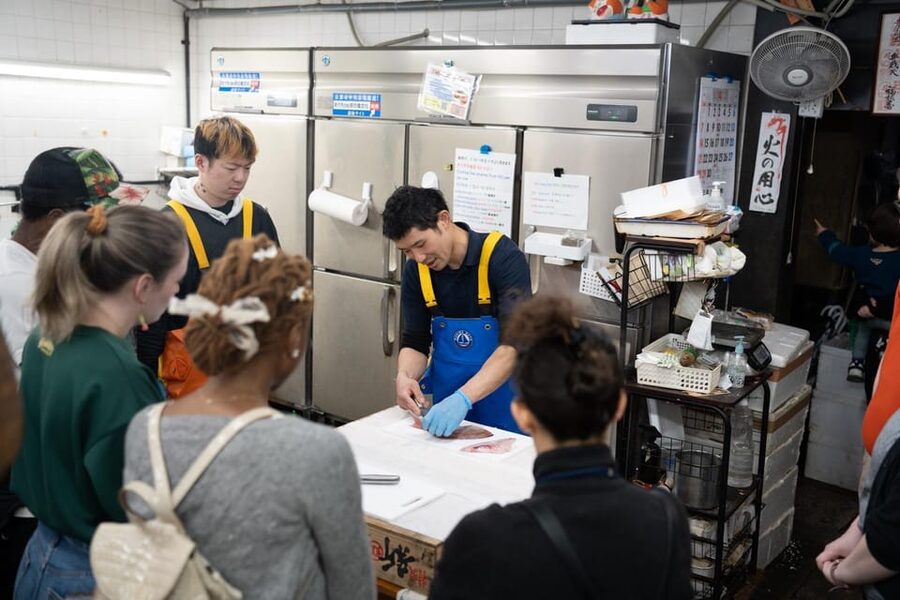
Eating is not an afterthought here. It’s the payoff, and it changes how you experience Japanese food.
When you sit down for lunch, you get to taste the results of your work and compare them to what you might have had elsewhere. Even if you’re not a huge sashimi fan at first, the class can reset how you view it. You’re not eating a restaurant product. You’re eating a skill you just practiced.
Rice is included, which helps balance raw fish flavors and makes lunch feel complete. The class also provides soy sauce and carpaccio sauce, so you can taste how sauce interacts with your cut and slice choices.
This is also where the provided dietary options matter. Gluten free soy sauce and halal soy sauce mean you can still participate fully in the taste portion.
And yes, there’s a commemorative photo with the fish you worked on. It’s a small moment, but it makes the whole experience feel tangible, like you really earned it.
Price and value: is $77 fair for 150 minutes?
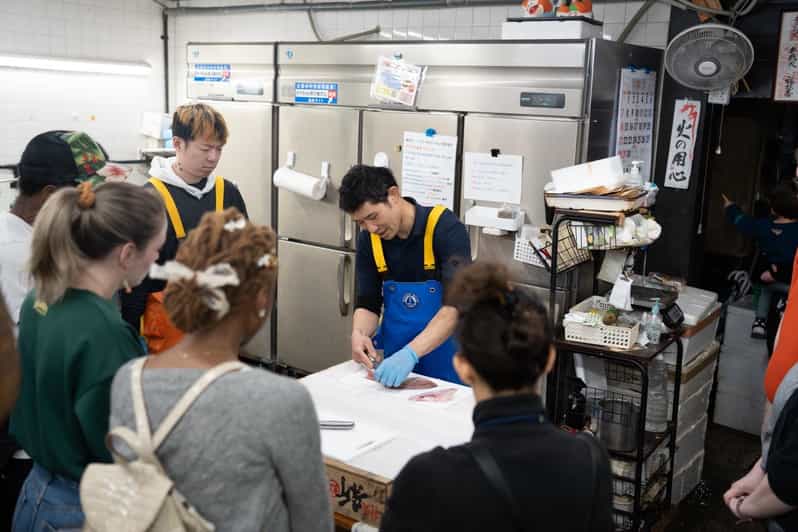
Let’s talk money like a grown-up.
At $77 per person for 150 minutes, you’re paying for more than an activity. You’re paying for instructor time, small-group attention, and the ingredients plus prep tools that most cooking classes would charge you for separately. In this class, you get:
- the fish you handle
- the knife you use
- the apron and rubber gloves
- rice
- soy sauce and carpaccio sauce
So the value comes from the full chain. You’re not just watching fish get cut. You do the cutting, you make the dishes, and you eat the meal.
If you’ve done sushi-making workshops before, the difference here is that you start with raw fish prep, not only shaping rice or assembling already-prepared ingredients. That makes the learning feel more fundamental. It also explains why people who really care about sashimi and knife skills call it a must-do.
Where the value might not land: if you want a purely passive experience, or if you’re sensitive to the idea of handling raw seafood. This class is hands-on by design.
Who should book, and who might prefer something else
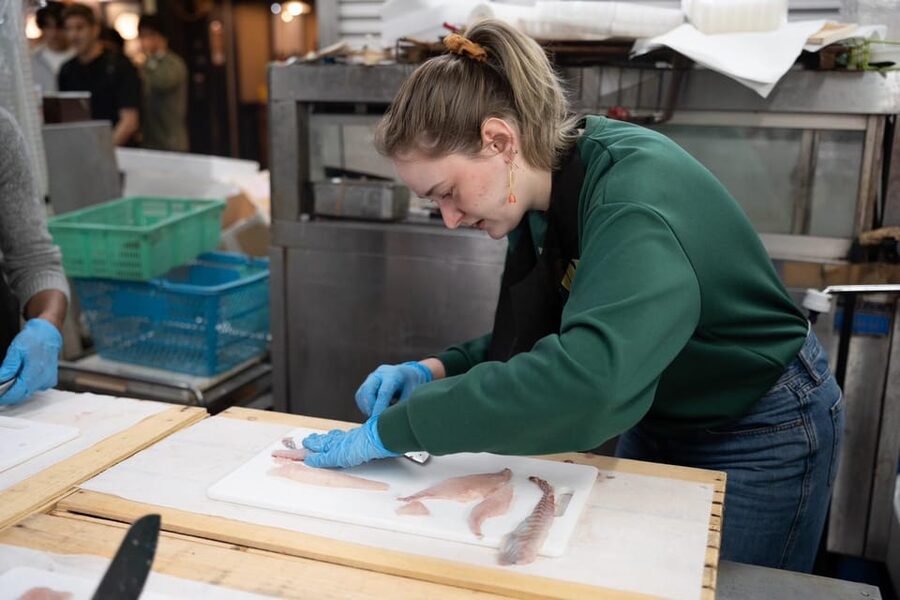
This experience fits best if you’re one of these types:
- you love Japanese food and want deeper context, not just a snack
- you enjoy learning practical skills, especially knife basics
- you’re curious about how sashimi becomes possible with careful preparation
- you want a small-group setting where questions actually get answered
It may be less ideal if:
- you have trouble with mess and you dislike the idea of getting splashes on your clothes
- you’re bringing someone under 10, since children under 10 are not suitable
- you want alcohol during the experience, since beer and alcohol are not included
Also note the rule: nudity is not allowed. It’s a standard policy, but it’s still part of what you should know before booking.
Practical tips before you go, so you enjoy the class more
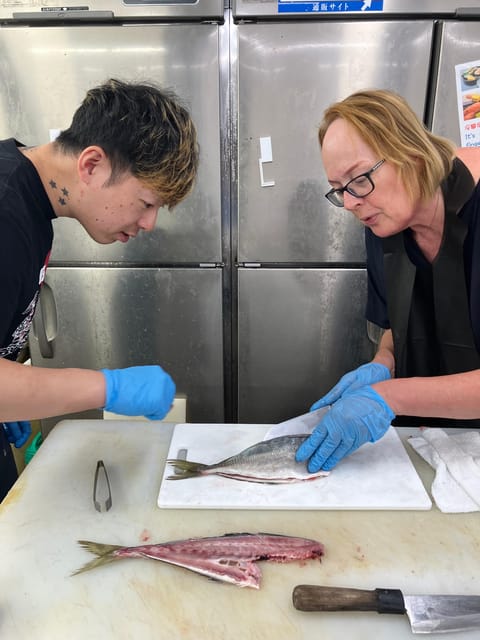
A few things will make your 150 minutes smoother.
First, wear clothes you’re okay with getting dirty. You’ll be handling fish, even with gloves and an apron. If you care about your outfit, you’ll worry the whole time. If you pick practical clothes, you’ll actually learn.
Second, plan your expectations around technique. Your goal is not perfection on your first try. Your goal is understanding how the instructor wants the fish handled, where the knife should move, and why careful cuts matter.
Third, bring your appetite, because you’ll eat what you make. This is not a tiny bite and a roll-away. It’s lunch with rice and sauces.
Fourth, if you have dietary needs, mention you’d like gluten free soy sauce or halal soy sauce. These options are available, so you can feel comfortable focusing on the cooking instead of hunting for substitutions.
Should you book fish cutting class at Kimura?
If you love food and you want to understand Japanese dining through real preparation work, I think you should book it. The standout value is the full loop: you fillet, you slice into sashimi and carpaccio, and then you eat the outcome. That is not common.
Book it especially if you enjoy skill-building and you want a small-group class in English with a patient instructor like Chef Masashi. It’s also a good pick if you’ve done other cooking classes but want something that starts with raw fish handling.
Consider skipping if you’re looking for a low-effort tasting or if mess, raw seafood, or the idea of knife practice makes you uncomfortable. This class is for people who want to get their hands involved.
If you match that mindset, this $77, 150-minute experience at Kimura in Nishiki Market is one of the most direct ways to appreciate sashimi as a craft.
FAQ
Where is the fish cutting class held?
It’s held at a fish shop called Kimura in Nishiki Market.
How long is the class?
The duration is 150 minutes.
How big is the group?
The group is small, limited to 8 participants.
Is the instructor English-speaking?
Yes, the instructor teaches in English.
What should I bring?
Wear clothes that can get dirty.
Is there gluten free or halal soy sauce available?
Yes, gluten free soy sauce and halal soy sauce are available. You can inquire about this.
What’s included in the class price?
Included items are the fish you handle, rice, the knife you use, the apron and rubber gloves you use, soy sauce, and carpaccio sauce.
Is alcohol included?
No. Beer and alcohol are not included.
Is it beginner-friendly and are there age limits?
Beginners are welcome. Children under 10 years old are not suitable, and nudity is not allowed.
New This Season
- Koyasan Day Trip by Private Car from Kyoto
- Old Port Town and Ultimate Sake Tasting Private Tour From Kyoto
- Kyoto’s Timeless Charm: 3hr Exploration of History and Peace
- Kyoto: 5 Types of Sushi Making
- Sacred Peak & Ancient Paths: Kurama-Kibune Hiking Experience
- Kyoto: Exclusive ZEN practice at Manpukuji temple in Uji
- Kyoto: Private Seasonal Aroma Yoga Class
- Traversing Kyoto’s Scenic West – Arashiyama to Kinkakuji
Workshops, compared.
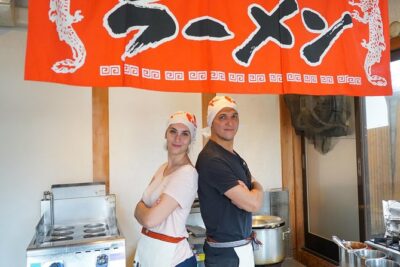
Ramen Cooking Class at Ramen Factory in Kyoto
Read our review →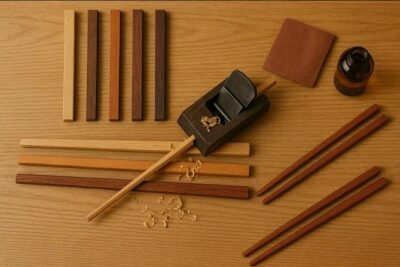
Chopsticks Making Workshop in Gion with Engraving Option
Read our review →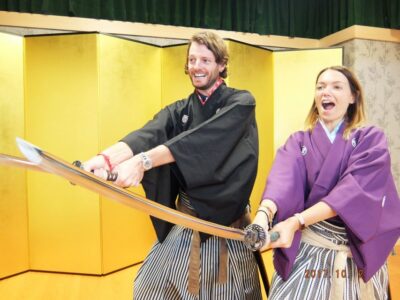
Samurai Sword Class by Experts in Traditional Arts
Read our review →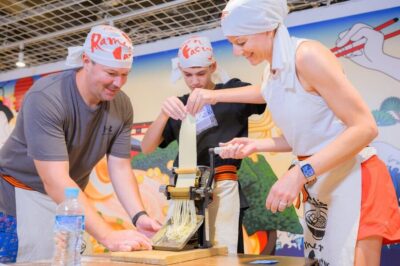
Ramen Cooking Class at a Ramen Factory with Souvenir
Read our review →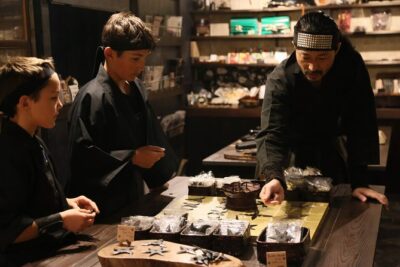
Ninja 1-hour Hands-on Lesson by Japanese master in Kyoto -Entry
Read our review →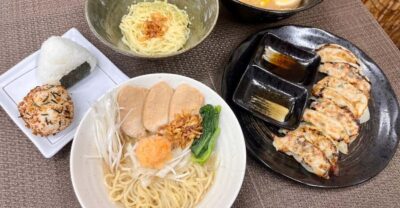
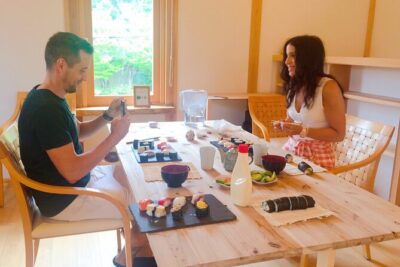
The Original Small-Group Sushi Making Class in Kyoto
Read our review →Also filed under