
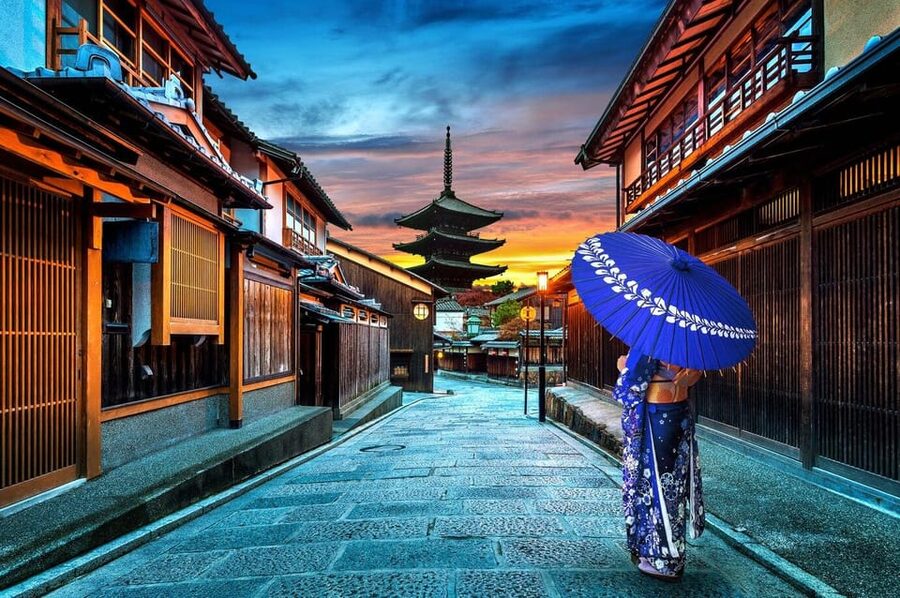
Reviewed · NARA & DEER PARK DAY TRIPS
From Osaka/Kyoto: Private Kyoto and Nara Day Trip
Two capitals in one long day.
This private Kyoto and Nara day trip strings together Fushimi Inari’s vermilion torii gates, Arashiyama’s bamboo paths, and Nara’s sacred deer without you needing to stitch together trains and tickets. I like the small group size up to 6, and I really appreciate the hotel pickup option from either Osaka or Kyoto.
One thing to keep in mind: it’s a full day of outdoor walking, and the experience can feel more like guided route points than constant narration, depending on the pace your guide uses.
In This Review
- Key Highlights You’ll Actually Feel
- How This Private Kyoto and Nara Day Feels in Real Life
- Pickup From Osaka or Kyoto, and Why It Matters
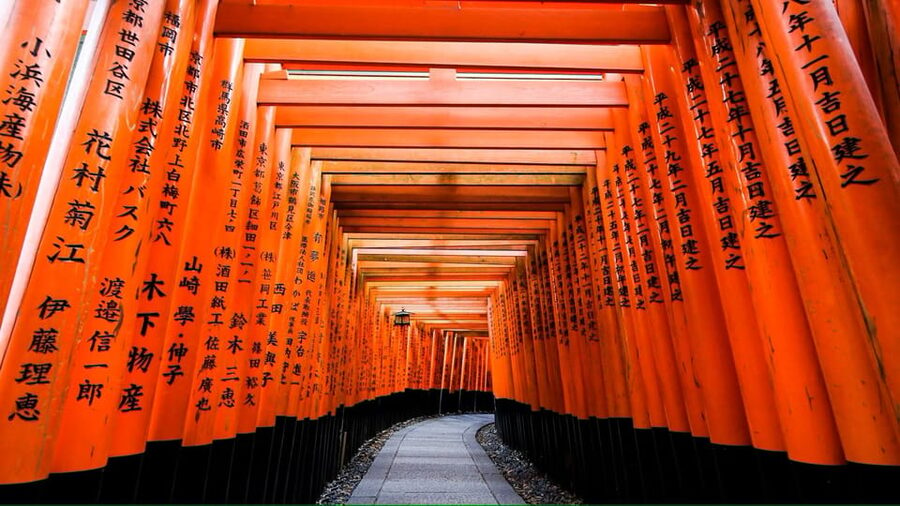
- Fushimi Inari Taisha: Torii Gates You Can Walk Through
- Arashiyama Bamboo Forest: Calm Walking and Better Photos Than You Think
- The Nara Park Deer Encounter: Sacred, Not Cute
- Todai-ji Temple and the Great Buddha Hall
- Kyoto Break Time, Photos, and Shopping
- Kasuga Taisha Lanterns at Dusk (When Timing Works)
- Transportation and the Value of Being Moved for You
- What I’d Watch For: Guidance Style Can Vary
- What to Bring and Wear for 10 Hours of Walking
- Who This Tour Suits Best (and Who Should Skip)
- So, Should You Book This Private Kyoto and Nara Day Trip?
- FAQ
- How long is the Kyoto and Nara private day trip?
- What is the group size?
- Where do pickup and drop-off happen?
- What sites are included in the visit?
- Are admissions included?
- What languages is the live guide?
- What should I bring, and what rules should I follow?
Key Highlights You’ll Actually Feel
- Up to 6 people means less waiting and easier movement through crowded sights
- Hotel pickup from Osaka or Kyoto saves time you would otherwise spend figuring logistics
- Fushimi Inari’s torii tunnel gives you one of Kyoto’s most memorable walking experiences
- Arashiyama Bamboo Forest is calm enough to enjoy photos, even when the city feels busy
- Nara Park deer moments feel special because you’re not just seeing animals, you’re witnessing a local sacred custom
- Todai-ji’s Great Buddha Hall is a heavyweight stop, with admissions included
How This Private Kyoto and Nara Day Feels in Real Life
You’re doing two of Japan’s most important cities, but in one managed sweep. That’s the trick. Instead of spending your limited daylight jumping between train lines and ticket counters, you get a simple flow: Kyoto highlights first, Nara next, then back for a Kyoto break and shopping time.
What makes the day work is that the stops are different in character. Kyoto gives you spiritual drama and quiet scenery, while Nara leans into awe plus a very human experience in the park. You’re not doing 10 temples that all blur together. You’re mixing iconic architecture, walking scenery, and a cultural encounter.
I also like that it’s framed as a guided day, not a self-guided checklist. You still walk plenty, but you’re not guessing your way through where to turn next.
Pickup From Osaka or Kyoto, and Why It Matters
Your day starts with a pickup from a hotel or another location in Osaka or Kyoto. Port and airport pickup is not available, so plan to be already in the city area before you start.
This matters more than it sounds. Kyoto and Nara traffic and transit timing can be unpredictable, especially when you’re trying to hit famous sites in the right light. Starting with pickup helps you avoid the early scramble and gets you into Kyoto first, when many people prefer to see Fushimi Inari before crowds thicken.
You also get drop-off at Kyoto or Osaka, depending on your pickup choice. It keeps the day from turning into an exhausting “back-and-forth” loop.
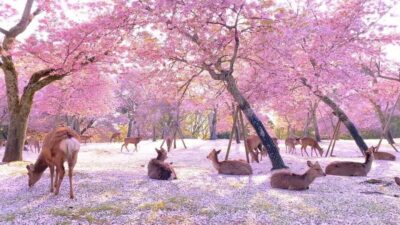
Deer that bow back, a short ride away
- Osaka/Kyoto:Kinkakuji,Arashiyama,FushimiInariShrine,NaraPark
★ 4.1 · 1,596 reviews - Kyoto/Osaka: Nara, Fushimi Inari Taisha, Arashiyama Bus Tour
★ 4.7 · 1,275 reviews - Osaka/Kyoto: Arashiyama, Nara & Fushimi Inari Shrine w/Lunch
★ 4.4 · 754 reviews - Kyoto and Nara Day Trip from Kyoto
★ 4.5 · 445 reviews
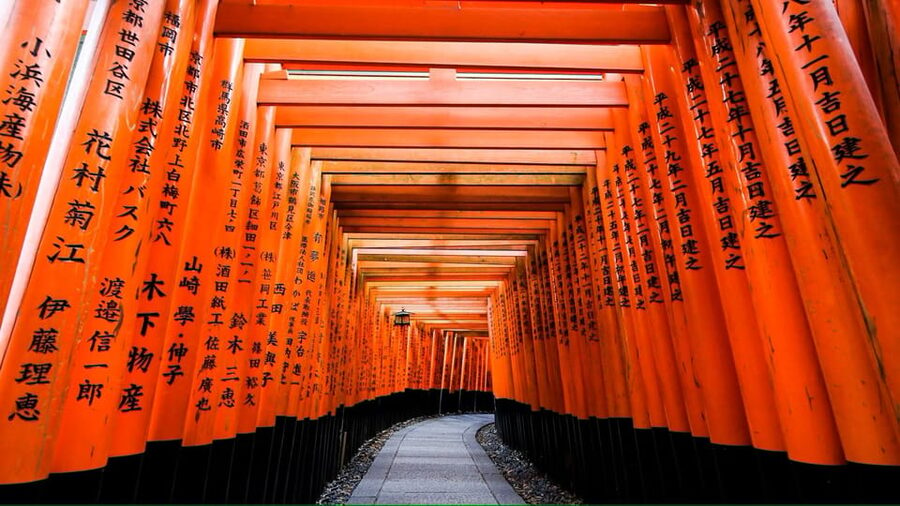
Fushimi Inari Taisha: Torii Gates You Can Walk Through
Fushimi Inari Taisha is the stop people talk about for a reason. You’ll see the famous hillside tunnel of thousands of vermilion torii gates, and you’ll have time for photos and a guided visit.
What I love here is the way the gates change your perception of space. In photos, it looks like one iconic path. On the ground, it feels layered. Each turn gives you a new angle, and the color turns almost architectural, like the hillside is built out of gates.
You’re scheduled for about 30 minutes here, with a guide-led experience. That’s not a lot of time if you want every side path, so think like this:
- Decide what you want most, the main gate tunnel photo moments or quieter side views.
- Wear shoes with grip, because stone paths can get slippery.
Also, plan for crowd energy. Even if you get there feeling calm, this is one of Kyoto’s headline sights, so expect people. If you’re sensitive to crowds, keep your goal simple and move at a steady pace.
Arashiyama Bamboo Forest: Calm Walking and Better Photos Than You Think
Next up is Arashiyama Bamboo Forest, known for those towering bamboo stalks that form a serene corridor. You’ll get around 30 minutes plus a photo stop and guided visit.
This is the kind of place where you can do it wrong. If you rush straight through, you miss the atmosphere. If you stop too long in one spot, you’ll get stuck waiting behind groups for your photos. The sweet spot is a slow walk, a couple of strategic stops, then continue.
What you’ll likely notice is that the bamboo acts like natural “sound control.” The forest doesn’t erase the world, but it changes how you hear it. That makes Arashiyama a good counterweight after the intensity of torii gates.
Practical tip: bring a camera, but also take a few seconds just to look. You can get so focused on shooting that you forget you’re standing in an iconic Kyoto scene.
The Nara Park Deer Encounter: Sacred, Not Cute
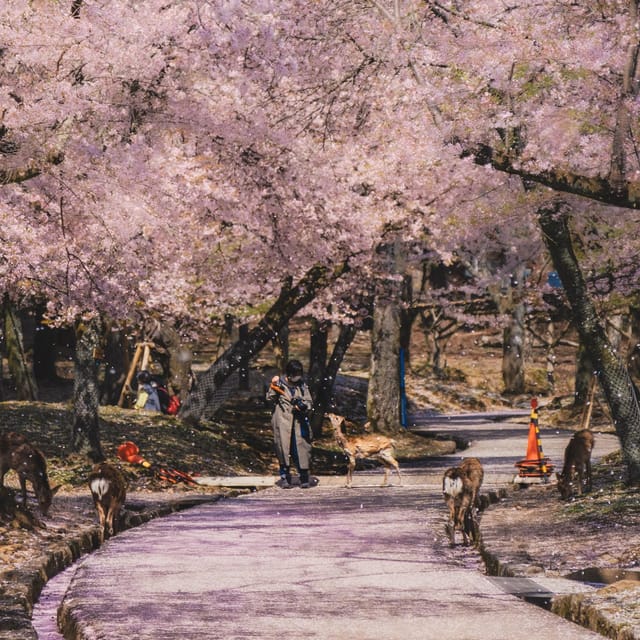
Then the day shifts to Nara, Japan’s first permanent capital. You’ll have a stop at Nara Park, with time for photos, guided visit, and walking in the area.
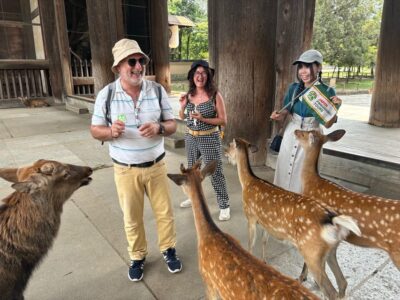
Here’s the key: the deer in Nara are described as sacred messengers of the gods. That matters because the interaction isn’t meant to be a free-for-all. You can get close and see them roaming, but you’re also expected to respect local customs and wildlife.
You won’t be allowed to feed animals, and that’s good. Feeding turns a cultural experience into a problem fast, and the rules are there to keep the deer healthy and people safe.
How to enjoy Nara deer without chaos:
- Keep your hands and snacks secured.
- Watch where you step. Deer are calm, but they do move.
- If a deer approaches, let it come to you. Don’t herd, chase, or try to guide its position.
You’ll also have a little room for shopping and a bit of browsing time, which is nice if you want small souvenirs without turning this day into a mall run.
Todai-ji Temple and the Great Buddha Hall
Todai-ji is one of those places that sounds impressive and then somehow still surprises you once you’re there. You’ll visit with about an hour allocated, including a guided visit, photo stop, and time for shopping.
The headline is the Great Buddha Hall, which houses the world’s largest bronze statue of Buddha. Even if you already know that fact, the scale is what lands. You feel small in a respectful way.
What to do with your hour:
- Start with the main hall area first, so your timing stays solid.
- Then use your guided portion to understand what you’re looking at.
- Save some time for wandering within the complex, so it doesn’t feel like a rushed photo mission.
Also, Todai-ji and the broader Nara area are tied to UNESCO World Heritage sites, so it’s worth treating the visit as more than “one temple.” This is a central piece of Nara’s identity.
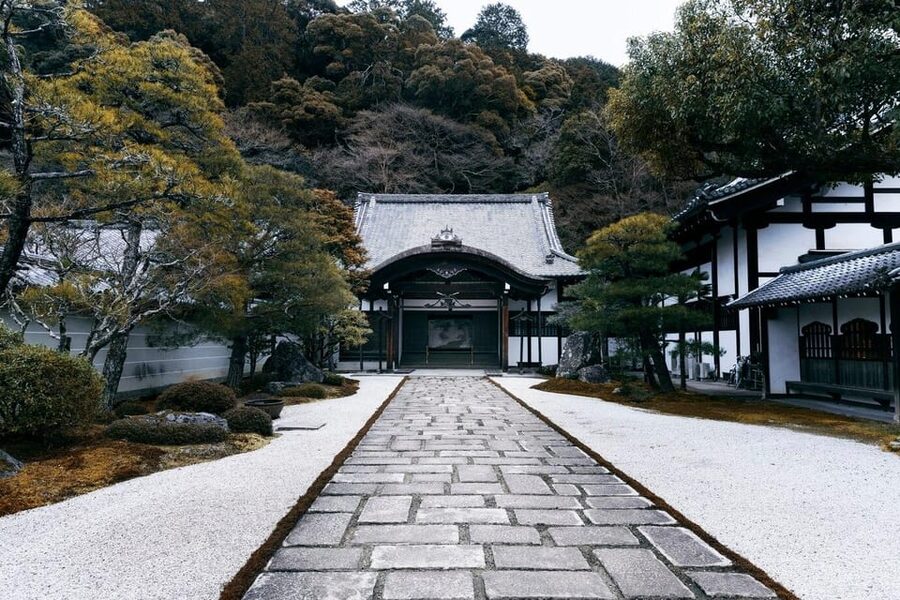
A quieter way to spend a day in Kyoto

Kyoto Break Time, Photos, and Shopping
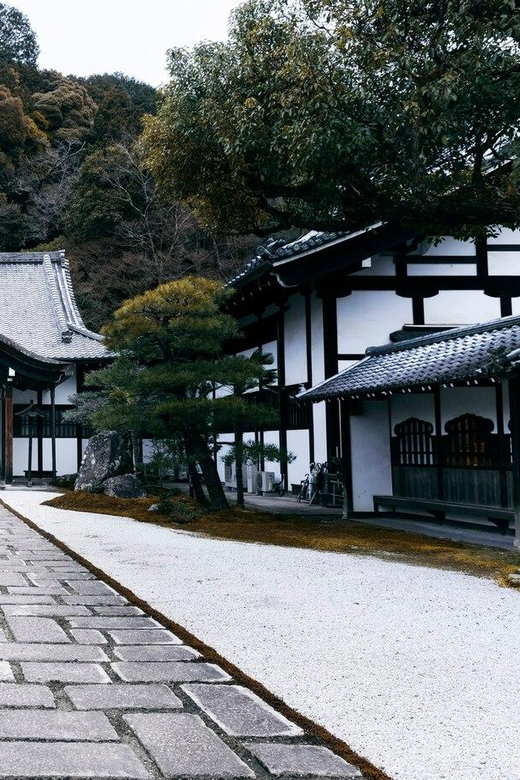
After Nara, you head back toward Kyoto for a break period. The day includes time labeled as break, photo stop, guided visit, free time, and shopping, with about an hour set aside.
This part is underrated, because it gives you flexibility. You can:
- grab a snack or cold drink,
- reset your energy,
- do a small souvenir stop,
- or circle back for a last set of photos.
If you’re the kind of traveler who likes control, use this hour to decide what you still want to see in Kyoto. If you’re less picky, just enjoy the chance to breathe and keep your feet from burning out.
Kasuga Taisha Lanterns at Dusk (When Timing Works)
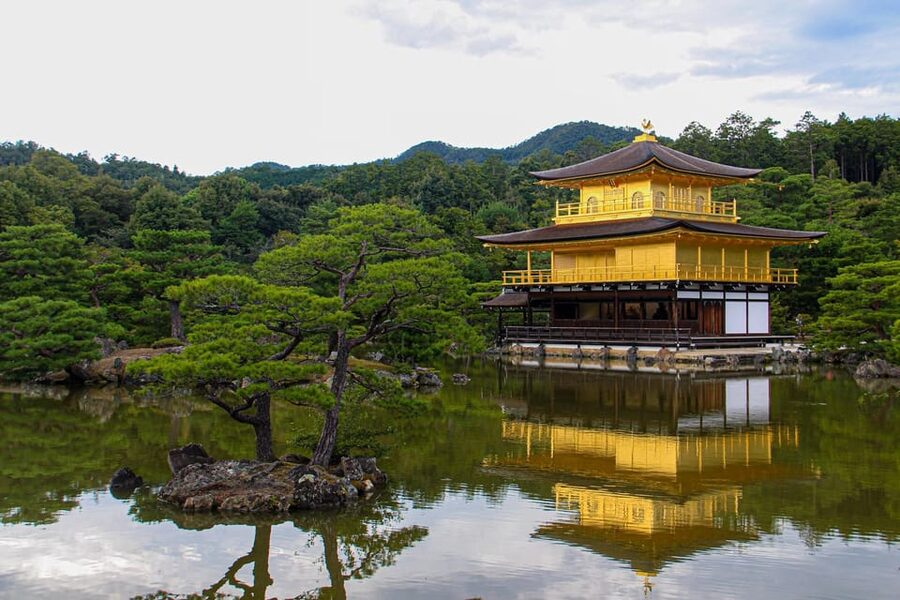
The plan also includes Kasuga Taisha Shrine, described as adorned with thousands of lanterns, creating a magical glow at dusk.
One note for planning your expectations: dusk experiences depend on timing and how the day runs. You’ll want to be mentally ready for a late-day mood, where light and crowd flow matter more than perfect sightseeing photos.
If you get a lantern glow moment here, it’s a nice way to close the loop. After torii gates and bamboo, Kasuga brings a different visual language, soft light and quiet reverence.
Transportation and the Value of Being Moved for You
You’re provided transportation between sites, and admissions for the mentioned stops are included. That’s where value can show up, especially on a long day.
Here’s the practical math:
- The price is $483 per group up to 6 for a 10-hour experience.
- If you book as a full group, the per-person cost drops.
- If you’re only 1 or 2 people, it can feel pricey, because you’re paying for the entire group rate.
Is it always cheaper than DIY? Not necessarily. A private day like this is about saving decision fatigue and making the schedule feel smooth. If you want convenience and a guide to handle routing, it can be worth it. If you’re comfortable using taxis or public transit and you’re strict on budget, you might compare options first.
What I’d Watch For: Guidance Style Can Vary
This is the part I’d call out honestly. The idea of a guided tour is great, but the lived experience can vary based on the guide’s approach and timing.
Some groups may feel the day is more about being brought to entrances and moving on. Others may get more walking explanation and context throughout. Your best move is to set a simple expectation before you go: ask how hands-on the guide will be during each stop, and what kind of details you can expect while walking.
You should still expect a guide on the day, live in English and Hindi, but you may want to be clear that you want help with what to notice, not only where to stand for photos.
What to Bring and Wear for 10 Hours of Walking
This is a “be outdoors most of the day” setup. Your best comfort upgrade is footwear. Bring comfortable shoes with support.
Also bring:
- a hat and sunscreen, because Kyoto and Nara outdoor walking can hit hard,
- water, since you’ll be on the move,
- a camera, because you’ll want it for torii gates, bamboo, and bronze Buddha scale shots.
You’re also explicitly asked not to smoke or litter, and not to feed animals. Those rules are there to keep the experience enjoyable for everyone.
Who This Tour Suits Best (and Who Should Skip)
This day trip fits travelers who want iconic sights with less planning stress. It also suits people who like walking but don’t want to handle routing between multiple neighborhoods.
It is not suitable for:
- children under 5 years,
- people with mobility impairments,
- wheelchair users.
If you have limited mobility or you’re sensitive to long, uneven walking surfaces, this might not be your best option. Even with a guide, the sites are walk-heavy.
If you’re traveling as a small group up to 6 and you want pickup convenience, this is a strong match. If you’re a solo traveler or a couple chasing the lowest cost possible, you may want to consider DIY transit and compare.
So, Should You Book This Private Kyoto and Nara Day Trip?
I’d book it if you want a structured day that hits Fushimi Inari, Arashiyama, Nara Park, Todai-ji, and potentially Kasuga Taisha without you building an itinerary from scratch. The included admissions, the transportation between stops, and the hotel pickup from Osaka or Kyoto add real convenience value for a 10-hour day.
I’d think twice if you need a super detailed narration at every moment, because some parts of the day can feel more like route guidance than nonstop explanation. Also, if you don’t like long outdoor walking, you’ll feel it here.
If you can handle the walking and you value ease over DIY control, this is a very solid way to see Kyoto and Nara in one day.
FAQ
How long is the Kyoto and Nara private day trip?
It lasts 10 hours.
What is the group size?
It’s a small group limited to 6 participants.
Where do pickup and drop-off happen?
Pickup is included from your hotel or another location in Osaka or Kyoto. Drop-off is also available in Kyoto or Osaka. Port and airport pickup are not available.
What sites are included in the visit?
The day includes stops at Fushimi Inari Taisha, Arashiyama Bamboo Forest, Nara Park, and Todai-ji. Kasuga Taisha Shrine is described as part of the experience as well.
Are admissions included?
Yes, admission to all mentioned sites is included.
What languages is the live guide?
The guide is available in English and Hindi.
What should I bring, and what rules should I follow?
Bring comfortable shoes, a hat, camera, sunscreen, and water. Smoking and littering are not allowed, and feeding animals is not allowed.
New This Season
- Koyasan Day Trip by Private Car from Kyoto
- Old Port Town and Ultimate Sake Tasting Private Tour From Kyoto
- Kyoto’s Timeless Charm: 3hr Exploration of History and Peace
- Kyoto: 5 Types of Sushi Making
- Sacred Peak & Ancient Paths: Kurama-Kibune Hiking Experience
- Kyoto: Exclusive ZEN practice at Manpukuji temple in Uji
- Kyoto: Private Seasonal Aroma Yoga Class
- Traversing Kyoto’s Scenic West – Arashiyama to Kinkakuji
Nara & Deer Park Day Trips, compared.
Kinkakuji,Arashiyama,FushimiInariShrine,NaraPark
Read our review →
Nara, Fushimi Inari Taisha, Arashiyama Bus Tour
Read our review →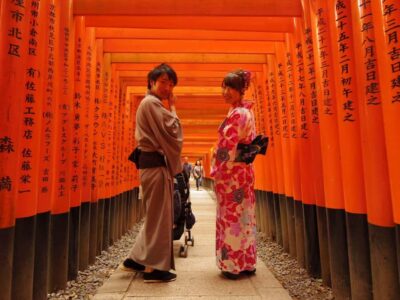
Arashiyama, Nara & Fushimi Inari Shrine w/Lunch
Read our review →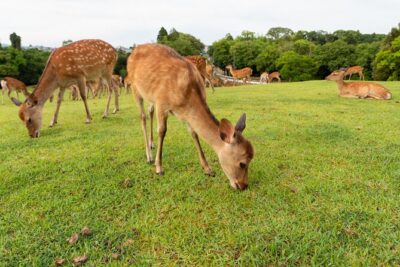
Full Day Guided Tour to Kyoto and Nara from Osaka by Van
Read our review →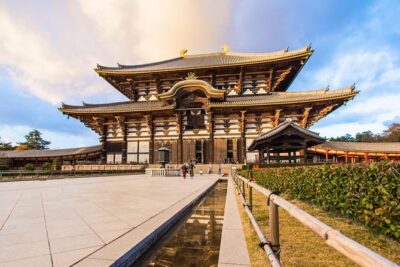
Also filed under