Reviewed · FULL-DAY
Full-Day Kyoto Group Tour with an Expert Local Guide
Kyoto can feel like too much at once, but this route keeps it doable. You get a focused loop of Kyoto icons plus quieter streets, led by an English-speaking local guide, and it runs like a plan, not a scramble. I especially like the expert local guidance and the small group size, which makes it easier to ask questions and move at a human pace.
One thing to plan for: this is not a fully all-in price. Lunch is not included, and Kiyomizudera entrance plus a bit of public transit are extra, so you will want a small cash buffer or card ready.
In This Review
- Key Points You Should Know Before You Go
- The Big Idea: A Kyoto Day That Feels Like a Route, Not a Project
- Price and Value: What $74.93 Covers, and What You Still Need
- Where You Start, Where You Finish, and Why It Matters
- The Pace and Group Size: Moving With a Plan, Not a Stampede
- Stop 1: Fushimi Inari-taisha Shrine, More Than the Torii Photos
- Stop 2: Kiyomizu-dera Temple, the Balcony View With Context
- Stops 3 and 4: Sannenzaka and Ninenzaka, Old Streets That Set the Mood
- Stop 5: Gion, the Famous District, and What to Notice Beyond the Postcards
- Stop 6: Yasaka Shrine, Vermillion Gates and the Gion Matsuri Connection
- Stop 7: Pontocho and Sanjo, Finishing With Atmosphere and Easy Options
- The Expert Guide Factor: Why This Type of Tour Feels Easier
- Extra Tips for a Smoother Kyoto Day
- Who Should Book This Tour (and Who Might Skip It)
- Should You Book This Full-Day Kyoto Group Tour?
- FAQ
- How long is the tour?
- What is the meeting point and start time?
- Where does the tour end?
- Is lunch included in the price?
- Are entrance fees included for Kiyomizudera?
- What if the minimum number of travelers is not met or weather is bad?
Key Points You Should Know Before You Go
- Small group, max 10 people, so you are not stuck in a conga line.
- Mobile ticket makes check-in simpler.
- Fushimi Inari gets more than the famous torii tunnel shots, with guide context.
- Kiyomizudera is timed for a proper visit, including the famous balcony area.
- Gion plus Yasaka Shrine connects the geiko district with the Shinto side of the story.
- Guides like Paren and Rianne have been part of this tour, and the vibe tends to be organized and friendly.
The Big Idea: A Kyoto Day That Feels Like a Route, Not a Project
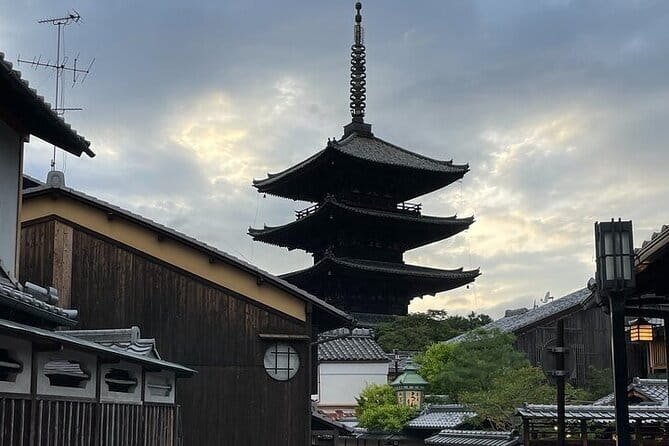
Kyoto is gorgeous, but it is also a city of separate neighborhoods that can eat your time if you wing it. This full-day group tour works because it strings together the areas that make sense in a single, walking-forward day. You get a mix of religion, old streets, and classic Kyoto evenings, all without trying to figure out every bus and train step yourself.
I also like that the tour is designed for engagement. With a small group (up to 10), the guide can slow down when someone has a question, and you are not always waiting for the slowest person in a large crowd. If you want a first taste of Kyoto that sets you up to explore more on your own afterward, this is a strong start.
The route also has a nice balance: the headline sites anchor the day, then you move into streets and districts where the atmosphere is the point, not just the photo.
Price and Value: What $74.93 Covers, and What You Still Need
At about $74.93 per person, the cost is reasonable for a guided, structured day with multiple major stops. What makes it good value is that you are paying for interpretation, timing, and logistics help, not just someone walking beside you.
That said, don’t assume it is fully all-in:
- Lunch is not included, so you need to plan where you want to eat once you reach the central areas.
- Kiyomizudera entrance is extra (listed at $3.00 per person).
- Public transportation is extra (listed at $5.00 per person).
For me, the key question is whether you will benefit from that guide time. If you like learning why places matter, and you want a smooth day without constantly checking maps, the guide portion justifies the price. If you prefer total freedom and you already know Kyoto’s main neighborhoods well, you might spend less on your own. But if you are new to the city, this kind of guided route often saves enough hassle to feel worth it.
A quieter way to spend a day in Kyoto
- Kyoto Early Morning Tour with English-Speaking Guide
★ 5.0 · 1,427 reviews - Kyoto 6hr Private Tour with Government-Licensed Guide
★ 5.0 · 1,369 reviews - Kyoto: Early Morning Tour with English-Speaking Guide
★ 4.9 · 1,128 reviews - Kyoto: Nijo-jo Castle and Ninomaru Palace Guided Tour
★ 4.7 · 1,020 reviews
Where You Start, Where You Finish, and Why It Matters
The tour begins at LAWSON Kyoto Station Front Store, 843-2 Higashishiokōjichō in Shimogyo Ward, and it starts at 10:00 am. It ends at Kyoto Sanjo Shopping Street, 1-1 Imashinzaikenishichō in Nakagyo Ward.
This start and finish pattern is practical. Starting near Kyoto Station is convenient because most people are either already there or can get there easily. Ending on Sanjo Shopping Street is also smart, because you land in a lively central area where it is easy to keep moving: dinner options, last-minute shopping, and more transit connections are all close by.
You also get a mobile ticket, which helps on a day where you will be out and about and don’t want to hunt for paperwork.
The Pace and Group Size: Moving With a Plan, Not a Stampede
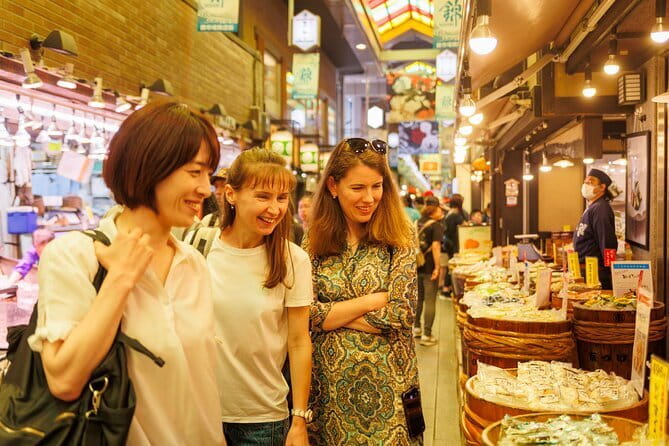
This is a 6-hour tour, designed for walking and short transfers between stops. The pacing is generally friendlier than independent touring because the guide handles the sequence. You get clear wayfinding, so you spend less time searching and more time seeing.
The tour runs with up to 10 travelers, and it requires a minimum number of participants. If the minimum is not met, you can still enjoy a more private experience by paying an extra person fee.
That matters if you care about comfort. Smaller groups mean less waiting at crowded photo points, and you can hear explanations without standing directly in someone’s shoulder line.
Stop 1: Fushimi Inari-taisha Shrine, More Than the Torii Photos
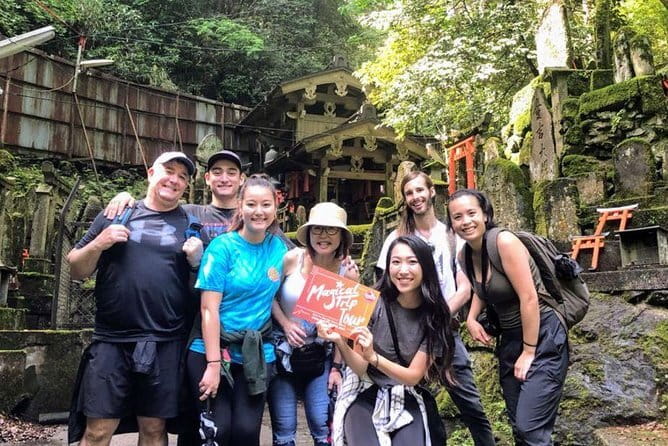
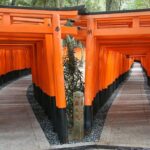
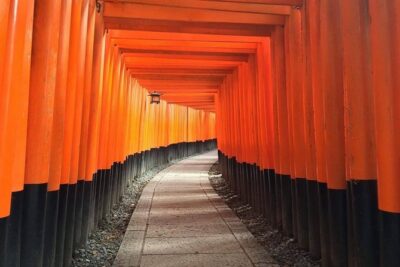
You kick off at Fushimi Inari-taisha Shrine, with about 1 hour there. Yes, the red torii gates are the headline, and you will see plenty of that classic look. But the value here is how the guide connects what you are seeing to the bigger story behind the site.
It helps to go with someone who can point out what you might otherwise miss: the shrine’s significance in Japan’s broader cultural framework, and the idea that this place is not just scenery. That context changes the way you walk through it. Instead of just moving from one viewpoint to another, you start to notice the rhythm of the gates and how the complex feels like a living pilgrimage route.
Admission is free here, so you can focus your budget on later entrances and lunch.
Stop 2: Kiyomizu-dera Temple, the Balcony View With Context
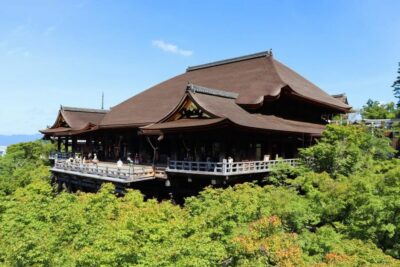
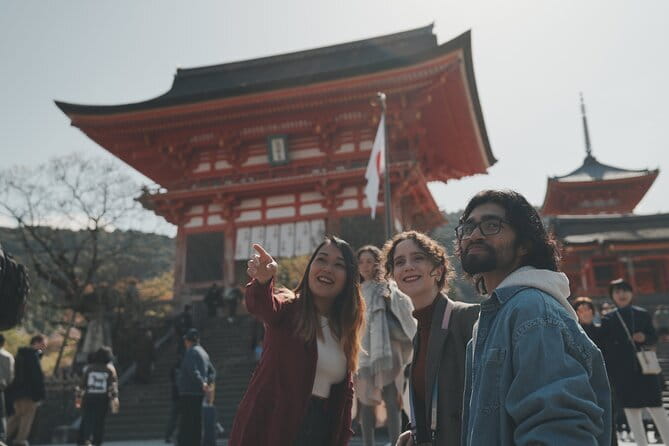
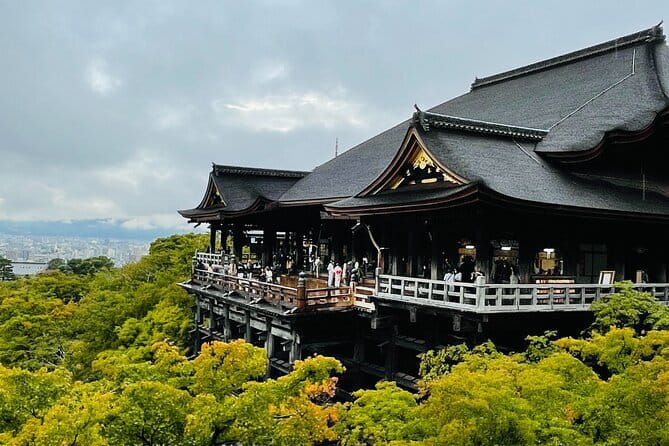
Next is Kiyomizu-dera Temple, again with about 1 hour. This is one of Kyoto’s most famous temples and it is recognized as a World Heritage Site. The big reason people come is the temple’s wide balcony area, with panoramic views.
The catch is that views are only half the story. The guide helps you understand what you are looking at and how Kiyomizu-dera fits into Kyoto’s long religious and cultural timeline. That is where a guided format pays off, because the temple grounds can feel overwhelming if you are just collecting pictures.
Entrance to Kiyomizudera is not included and is listed at $3.00 per person. That is a small add-on, but you should still plan for it so it does not pop up at the gate unexpectedly.
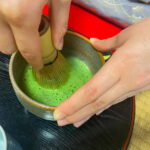
A day of temples goes further with something to break it up.

Stops 3 and 4: Sannenzaka and Ninenzaka, Old Streets That Set the Mood
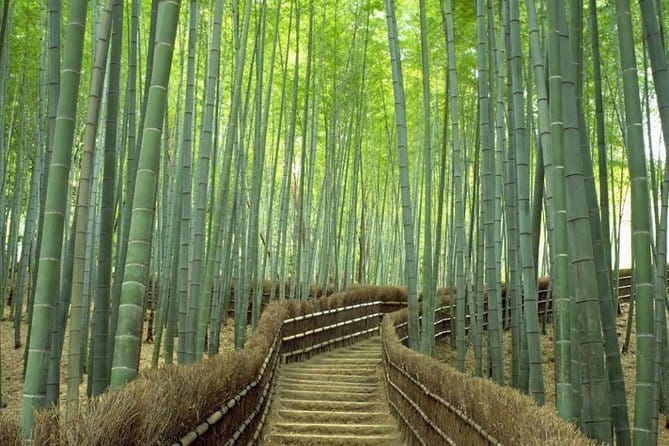
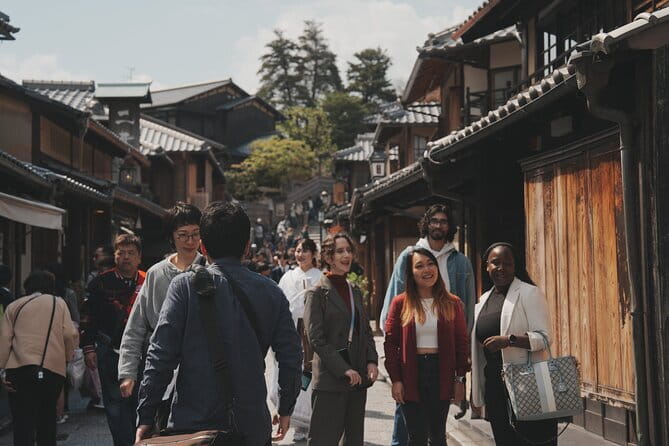
After the temple, you shift into street Kyoto at Sannenzaka and Ninenzaka. You get about 30 minutes here, and this is one of those segments where you slow down without feeling behind.
These are gently sloping, traditional streets in the Higashiyama area, known for preserved old-style surroundings, with classic Kyoto atmosphere. This is where you can wander a little, take short pauses, and look at the details you might race past on your own.
Practical tip: treat this like a palate cleanser after temple intensity. You are walking among the old streets, so comfortable shoes matter, and you should keep an eye on where crowds thicken so you don’t lose your group.
There is no admission listed for this stop, so it is pure sightseeing time.
Stop 5: Gion, the Famous District, and What to Notice Beyond the Postcards
You then head to Gion, with about 1 hour. Gion is Kyoto’s renowned geisha district, known for well-preserved traditional machiya townhouses and a concentration of tea houses.
The benefit of having a guide here is not just where to stand. It is what to notice while you walk. A good guide will point out how the district functions as a cultural space, and what terms like geiko connect to the local traditions.
Also, Gion is one of those places where it is easy to get distracted by storefronts and crowds. The guide keeps you oriented, so you spend more time understanding and less time aimlessly wandering.
Admission is free for this segment.
Stop 6: Yasaka Shrine, Vermillion Gates and the Gion Matsuri Connection
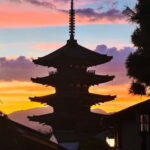
Next is Yasaka Shrine (also called Gion Shrine), with about 30 minutes. This stop adds a Shinto layer to the day, which helps round out Kyoto’s spiritual picture after temple visits.
Yasaka Shrine is known for vivid vermillion gates, and it is connected to Kyoto’s Gion Matsuri festival as a heart of the celebrations. Even if you are not there during festival season, the shrine’s role gives the area context. It helps you understand why Gion and its traditions are not just about architecture and aesthetics.
This stop is free as listed, so you can treat it as a quick, meaningful pause before moving into evening-stroll territory.
Stop 7: Pontocho and Sanjo, Finishing With Atmosphere and Easy Options
After Yasaka Shrine, you visit Pontocho District for about 30 minutes. Pontocho is a narrow alley along the Kamogawa River, famous for its traditional charm and a mix of dining and tea-house culture.
This is a nice final pivot because it is less about monuments and more about feeling Kyoto after dark, even if you are not actually at peak night hours. The alley format also helps you see why Kyoto’s “old-city” identity feels different from other Japanese cities. It is all about the streets and the rhythm.
Admission is free.
Then you finish at Kyoto Sanjo Shopping Street for about 30 minutes. Sanjo is a covered arcade with lots of practical shopping options, including traditional Kyoto crafts and vintage-style finds. Ending here is a smart move if you want a chance to pick up small gifts or snack items on the way to your next plan.
Admission is free for this stop too, and it is a good place to decide where to go next for dinner.
The Expert Guide Factor: Why This Type of Tour Feels Easier
The guide is doing real work on this tour. You’re not just following someone down a sidewalk. You are getting a narrative that links the day’s stops: how shrine and temple culture relate, why Gion has its particular identity, and what you might otherwise overlook in Fushimi Inari’s layout.
Even the reviews point to the same theme: guides can make your first day in Japan feel calmer. For example, names like Paren and Rianne show up as guides for this experience, and the feedback centers on guidance that feels practical, not just ceremonial.
If you are traveling with questions like:
- How do trains and platforms work?
- Where should I go in the order that makes sense?
- What should I pay attention to so I don’t miss the meaning?
…this tour format is built to answer those on the fly.
Extra Tips for a Smoother Kyoto Day
You are walking through religious sites and old streets, so you should dress and plan accordingly.
- Wear comfortable shoes. The day includes major walking zones and sloped streets.
- Bring a small snack backup. Lunch is not included, so you might want flexibility if you get delayed at a stop.
- Keep some cash or a card ready for Kiyomizudera entrance and the listed transit portion.
- Go light on bags if you want easier movement around crowds.
The tour also requires good weather. If weather is poor, the operator will offer a different date or a full refund. That means you should watch forecasts the day before, since Kyoto can swing from fine to slippery quickly.
Who Should Book This Tour (and Who Might Skip It)
This tour is a great fit if:
- You want a first full day in Kyoto without planning every stop.
- You like learning from an English-speaking guide rather than reading signs.
- You prefer a route where someone else handles the order and timing.
It is less ideal if:
- You hate group pacing and want maximum flexibility.
- You only care about photos and you already know exactly how to plan your neighborhoods.
Also, if you want a calmer experience, the small group matters. You get a max of 10, and there is even an option for a more private feel if the minimum traveler count is not met.
Should You Book This Full-Day Kyoto Group Tour?
If you are looking for a guided “Kyoto highlights plus atmosphere” day, I would book this. The price feels fair when you factor in the guide time, the structured route, and the fact that the tour ends in a practical central area where you can keep exploring.
I would book especially if you want help making sense of the sites, not just collecting images. Fushimi Inari and Kiyomizu-dera are big hitters, and the way the day connects to Gion, Yasaka Shrine, Pontocho, and Sanjo makes the whole experience feel like more than a set of separate stops.
The only reason to hesitate is if you strongly prefer to control your own schedule, or if you would rather spend time on fewer areas without the extra entrance and transport costs. But for most first-time Kyoto travelers who want a smart day plan, this is a solid choice.
FAQ
How long is the tour?
The tour runs for about 6 hours.
What is the meeting point and start time?
It starts at 10:00 am at LAWSON Kyoto Station Front Store, 843-2 Higashishiokōjichō, Shimogyo Ward, Kyoto.
Where does the tour end?
The tour ends at Kyoto Sanjo Shopping Street, 1-1 Imashinzaikenishichō, Nakagyo Ward, Kyoto.
Is lunch included in the price?
No, lunch is not included.
Are entrance fees included for Kiyomizudera?
No. The entrance fee for Kiyomizudera Temple is not included and is listed as $3.00 per person.
What if the minimum number of travelers is not met or weather is bad?
The tour needs a minimum number of participants. If it is not met, you can enjoy a more private experience by paying one extra person fee. If the tour is canceled due to poor weather, you will be offered a different date or a full refund.
New This Season
- Koyasan Day Trip by Private Car from Kyoto
- Old Port Town and Ultimate Sake Tasting Private Tour From Kyoto
- Kyoto’s Timeless Charm: 3hr Exploration of History and Peace
- Kyoto: 5 Types of Sushi Making
- Sacred Peak & Ancient Paths: Kurama-Kibune Hiking Experience
- Kyoto: Exclusive ZEN practice at Manpukuji temple in Uji
- Kyoto: Private Seasonal Aroma Yoga Class
- Traversing Kyoto’s Scenic West – Arashiyama to Kinkakuji
Full-Day, compared.
5 Top Highlights of Kyoto Full Day Bike Tour (E-bike option)
Read our review →
Full Day Biking Tour Exploring the Best of Kyoto
Read our review →
Full Day Guided Tour to Kyoto and Nara from Osaka by Van
Read our review →
Nara Park, Osaka & Kobe from Kyoto Full Day tour
Read our review →
Kyoto Private Car Tour – Full Day with Local Guide & Nara Option
Read our review →
Full Day Hiroshima and Miyajima Tour by Bullet Train from Kyoto
Read our review →