
Reviewed · COOKING CLASSES
Gyoza Cooking Class in Kyoto: Traditional Japanese Dumplings
Folding gyoza fast feels like a superpower. This 90-minute Kyoto class turns Japanese dumpling making into a step-by-step skill you can use right away, from choosing fillings to getting that crisp pan-fried finish. I especially like the English-speaking instructor support and the fact you leave with your own cooked gyoza and a full recipe for home.
One practical consideration: the workshop is not suitable for wheelchair users.
In This Review
- Key things to know before you go
- Kyoto gyoza class, done the practical way
- Karasuma Oike meeting point, and how to show up smooth
- Your filling choices, and why they matter
- Wrapping gyoza dough like you actually mean it
- Cooking on the pan, getting the crisp and juicy balance
- Meeting Hama and the kind of instruction that helps
- The Samurai photo moment, and a recipe you can repeat
- Price and value: why $127 can make sense
- Who should book this gyoza workshop
- Practical tips to enjoy the class more
- Should you book this Kyoto gyoza cooking class?
- FAQ
- Where is the meeting point for the gyoza cooking class?
- How long is the gyoza cooking class in Kyoto?
- How much does the class cost?
- Is an English-speaking instructor included?
- What is included in the price?
- What should I bring or know about dietary restrictions?
- Is there a vegetable option for fillings?
- Do I get a recipe to cook gyoza at home?
- Is transportation included?
- Is there a photo with a Samurai?
- Is the class accessible for wheelchair users?
Key things to know before you go
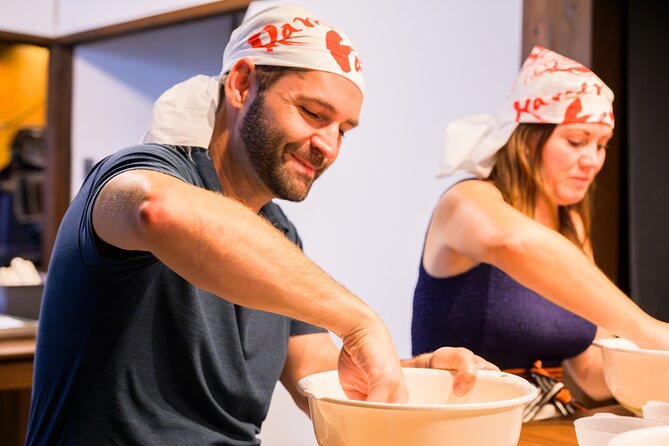
- Hands-on gyoza wrapping: you shape pleats and learn what good gyoza looks like before cooking
- Choose your fillings: meat and vegetable options, so you can match your taste
- Pan-frying technique focus: you cook your dumplings in the class, not just watch
- Take-home recipe: you get the full gyoza recipe to recreate at home
- Fun extras: you get a photo moment with a Samurai
- Near Kyoto subway: meeting point is a short walk from Karasuma Oike Station
Kyoto gyoza class, done the practical way
Kyoto is packed with food you can eat quickly, but learning how it is made is slower in the best way. A gyoza cooking class is one of the most satisfying formats because the steps are simple enough for beginners and specific enough to feel real for people who cook already. In about 90 minutes, you go from ingredients to a plate of dumplings you made with your own hands.
What makes this class worth your time is the balance of technique and freedom. You learn how to wrap and cook gyoza correctly, then you get to pick from meat and vegetable fillings so it feels personal. And because it is hands-on, you are not just taking photos of food, you are producing it.
Karasuma Oike meeting point, and how to show up smooth
The meeting point is easy to reach by subway. You will find the class about a 5-minute walk from Exit 2 of Karasuma Oike Station, on the Kyoto City Subway Karasuma Line and Tozai Line. It is also listed as 362 meters from the station, so you should not need a long trek through Kyoto sidewalks.
Plan on arriving a little early. Classes work best when your hands are ready to start shaping, not when you are rushing to settle in. If you are pairing this with a day of sightseeing, I suggest picking a time when you are not immediately sprinting to your next reservation, since cooking is the main event.
A quieter way to spend a day in Kyoto
- Ramen Cooking Class at Ramen Factory in Kyoto
★ 5.0 · 1,937 reviews - Kyoto: Ramen Cooking Class at a Ramen Factory with Souvenir
★ 4.9 · 532 reviews - Kyoto: Ramen, Gyoza, and Onigiri Cooking Class
★ 5.0 · 445 reviews - Kyoto: Japanese Washoku Bento Small Group Cooking Class
★ 5.0 · 380 reviews
Your filling choices, and why they matter
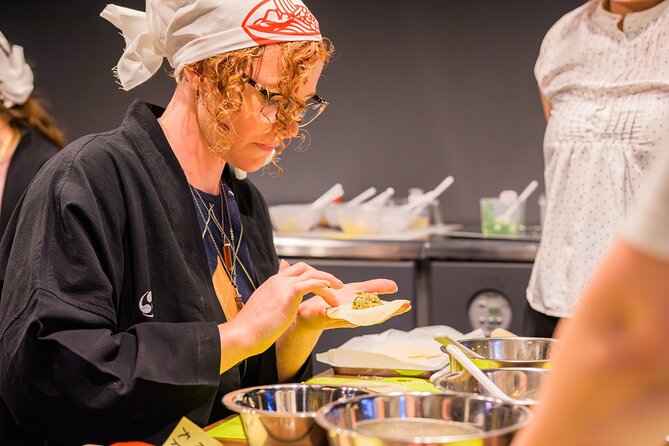
Gyoza tastes like a whole system, not just a dumpling wrapper. The flavor starts with the filling, and this class gives you a real choice: meat options and vegetable options. That matters because you can aim for whatever you like, from classic savory profiles to lighter vegetable-forward dumplings.
Before you start cooking, you also learn the basic idea behind choosing ingredients. It is not only about what you put in, it is about how the filling behaves once it is wrapped and pan-fried. The instructors guide you through selection so you understand why certain combinations work well for gyoza’s texture.
If you have dietary restrictions, do not wing it. The class asks you to inform them in advance about allergies or dietary restrictions, so they can plan accordingly. This is especially important with dumplings, where ingredients and cross-contact can matter.
Wrapping gyoza dough like you actually mean it
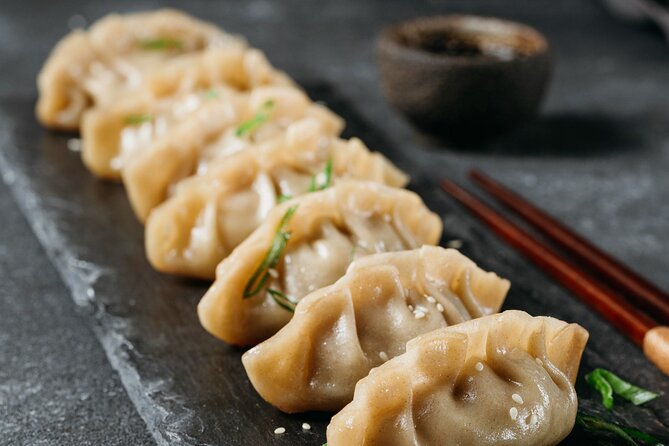
Wrapping sounds simple until you are holding dough in your hands and trying to make it look like gyoza. This workshop focuses on the wrapping technique itself, with guidance that keeps things moving but not frantic. You shape your own dumplings step by step, learning how to close them and how to form those familiar pleats.
Even if you have never folded dough before, you are not starting from scratch in a vague way. The class is set up so you can follow along at your pace, then correct small issues before cooking. That is a big deal because the wrapper quality is what determines whether your dumplings seal well and cook evenly.
Tools are provided, so you do not need to hunt down special equipment in advance. You should still wear comfortable clothes, since you will likely spend time working at a bench with your hands.
Cooking on the pan, getting the crisp and juicy balance
This is where gyoza stops being theory and becomes dinner. After shaping your dumplings, you cook them to perfection in the pan. The goal is the classic contrast: a crisp exterior with a tender, juicy filling. The class format makes this practical because you can adjust based on what you see while they cook.
This is also a good lesson for your future cooking back home. Pan-frying dumplings is not just about heat, it is about timing and attention. When someone shows you how your gyoza should look as it cooks, you gain a reference point you can reuse later.
And yes, you eat what you make. The class includes the gyoza you create during the workshop, so you are not left with an empty stomach and a handful of raw wrappers.
Meeting Hama and the kind of instruction that helps
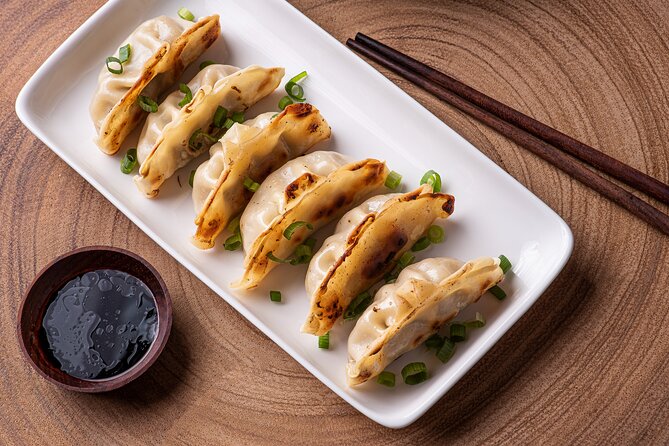
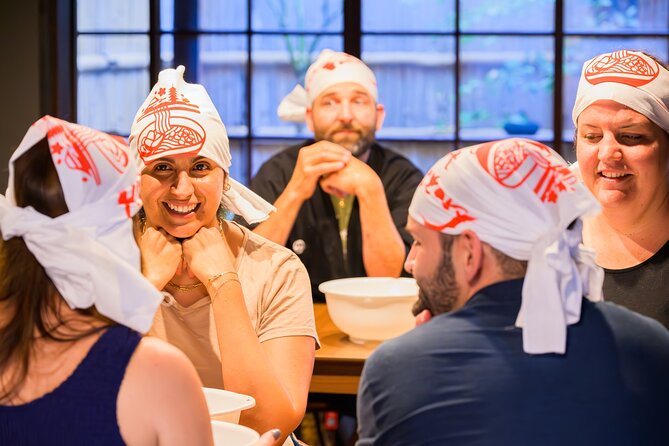
Instruction quality is the difference between a fun class and a frustrating one. The vibe here is relaxed and welcoming, and the guidance is described as clear, patient, and full of energy. One review specifically called out Hama as the teacher, and the same feedback pattern shows up across multiple ratings: the team keeps explanations understandable and keeps the mood light.
What I like about this setup is that it does not treat beginners like a problem. Even if you are comfortable in the kitchen, you still get technique support, because gyoza wrapping and pan-frying are skills you build through repetition. And if you are cooking with kids or mixed levels, this is the kind of class that can keep everyone involved.
If you are hoping for a more personal approach, there is also feedback suggesting that in some cases you may get a more tailored session. Just note that this is not guaranteed, but it is a good sign that the instructors can flex with group needs.
A day of temples goes further with something to break it up.


The Samurai photo moment, and a recipe you can repeat
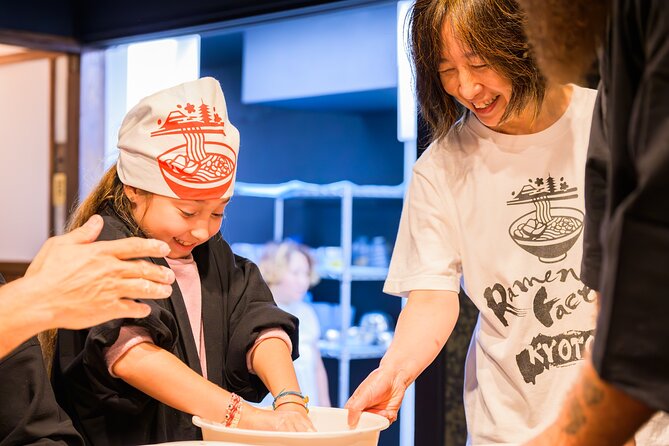
Food classes are great when they end with a takeaway. Here, you get two meaningful ones: a photo with a Samurai and the full gyoza recipe to cook at home.
The Samurai photo is quick, but it adds a playful Kyoto memory to balance the cooking focus. It is the kind of add-on that makes the experience feel like more than just a kitchen task.
The recipe is the bigger deal. A printed or provided recipe means you can recreate your exact gyoza style later, rather than relying on memory. That is how a class actually earns its value, because it turns into a repeatable skill.
Price and value: why $127 can make sense
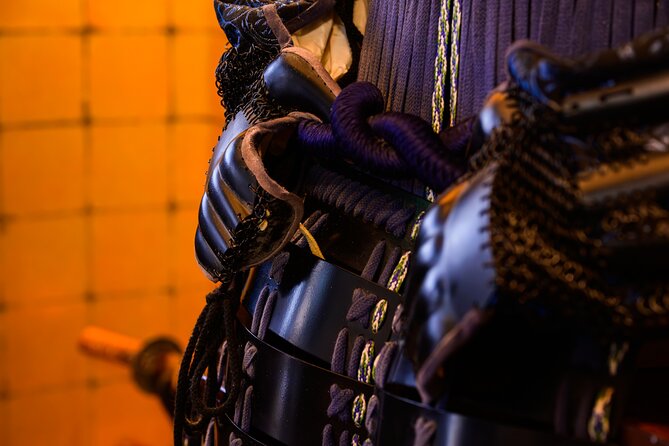
At $127 per person for 90 minutes, this is not a bargain meal. But the value calculation is more than the ingredients on a plate. You get: an English-speaking instructor, cooking tools, one free drink, your made gyoza, and the recipe to take home.
In a cooking class, the instructor time and guidance usually drive the cost. Here, the instruction is repeatedly praised as patient and clear, and that matters because technique is hard to learn alone. If you want gyoza results that feel right, the coaching saves you trial and error.
Also, this is in Kyoto, where food experiences can skew expensive. A 90-minute class that delivers hands-on cooking, a cultural touch (the Samurai photo), and a home-use recipe feels like a fair package for the time you spend.
Who should book this gyoza workshop
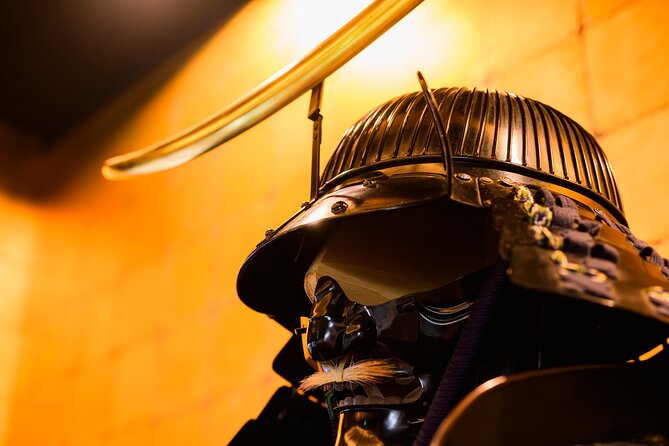
This is a strong fit for people who want real technique, not just eating. If you like cooking, you will appreciate learning wrapping method and pan-cooking timing that you can apply later. If you are brand new, you will still benefit because the format is hands-on and the instruction is described as patient.
It is also a nice choice for a group night. Feedback includes that mixed groups, including families with kids around 11, had a great time. If your group has different cooking comfort levels, the class structure helps everyone participate.
One caution: it is not suitable for wheelchair users. If mobility is a factor, it is worth looking for a different experience designed for accessibility.
Practical tips to enjoy the class more
You will get the most out of the workshop if you treat it like a skill session. Slow down, watch your instructor’s hand position when they demonstrate, and keep your focus on sealing and pleating. Small wrapper details make a big difference once you hit the pan.
If you are choosing vegetable fillings, decide what you want the taste to feel like. Vegetable-forward gyoza can taste lighter, so if you want more savoriness, you may want to think about how you pair flavors. The class gives you options, so you are not stuck with a single profile.
Bring your best appetite too. Since you eat the gyoza you make, this is a good plan for an evening meal when you want something warm and satisfying at the end.
Should you book this Kyoto gyoza cooking class?
If you want a Kyoto food experience that teaches a repeatable skill, I think you should book it. The combination of hands-on wrapping, real pan-frying cooking, and a take-home recipe makes it more useful than a typical tasting-only activity. Add in the relaxed instructor vibe, plus the Samurai photo moment, and you get a class that feels fun and practical at the same time.
Book it especially if you care about coming home with a method you can actually use, not just a memory of a meal. Skip it only if mobility needs are a concern, since the workshop is not suitable for wheelchair users.
FAQ
Where is the meeting point for the gyoza cooking class?
The meeting point is about a 5-minute walk from Exit 2 of Karasuma Oike Station on the Kyoto City Subway Karasuma Line and Tozai Line.
How long is the gyoza cooking class in Kyoto?
The class lasts 90 minutes.
How much does the class cost?
The price is $127 per person.
Is an English-speaking instructor included?
Yes. The class includes an English-speaking instructor (and the instructor language also includes Japanese).
What is included in the price?
Included: an English-speaking instructor, cooking tools, one free drink, and the gyoza you make in the class.
What should I bring or know about dietary restrictions?
You should inform the provider in advance if you have any allergies or dietary restrictions.
Is there a vegetable option for fillings?
The class includes a variety of meat and vegetable fillings, so you can choose vegetable options.
Do I get a recipe to cook gyoza at home?
Yes. You get the full recipe to cook Japanese gyoza at home.
Is transportation included?
No. Transportation expenses are not included.
Is there a photo with a Samurai?
Yes, the experience includes taking a photo with a Samurai.
Is the class accessible for wheelchair users?
No, it is not suitable for wheelchair users.
New This Season
- Koyasan Day Trip by Private Car from Kyoto
- Old Port Town and Ultimate Sake Tasting Private Tour From Kyoto
- Kyoto’s Timeless Charm: 3hr Exploration of History and Peace
- Kyoto: 5 Types of Sushi Making
- Sacred Peak & Ancient Paths: Kurama-Kibune Hiking Experience
- Kyoto: Exclusive ZEN practice at Manpukuji temple in Uji
- Kyoto: Private Seasonal Aroma Yoga Class
- Traversing Kyoto’s Scenic West – Arashiyama to Kinkakuji
Cooking Classes, compared.
Ramen Cooking Class at Ramen Factory in Kyoto
Read our review →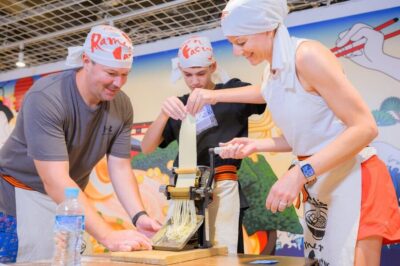
Ramen Cooking Class at a Ramen Factory with Souvenir
Read our review →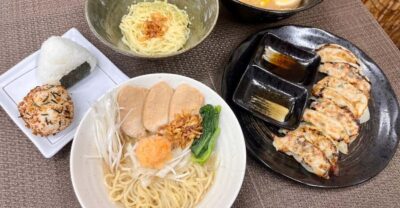
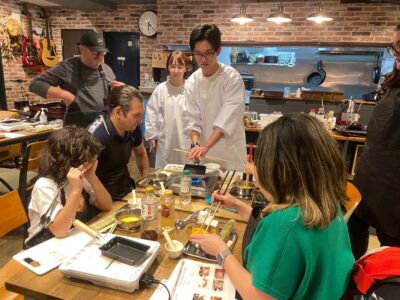
Japanese Washoku Bento Small Group Cooking Class
Read our review →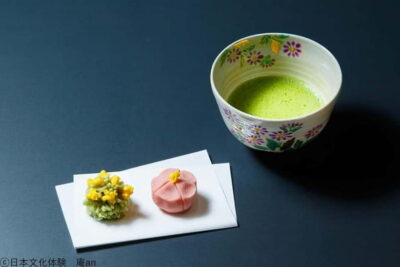
Japanese Traditional Sweets Making and Tea Ceremony
Read our review →
Kyoto Ramen and Gyoza Cooking Class with Professional Chefs
Read our review →
Also filed under